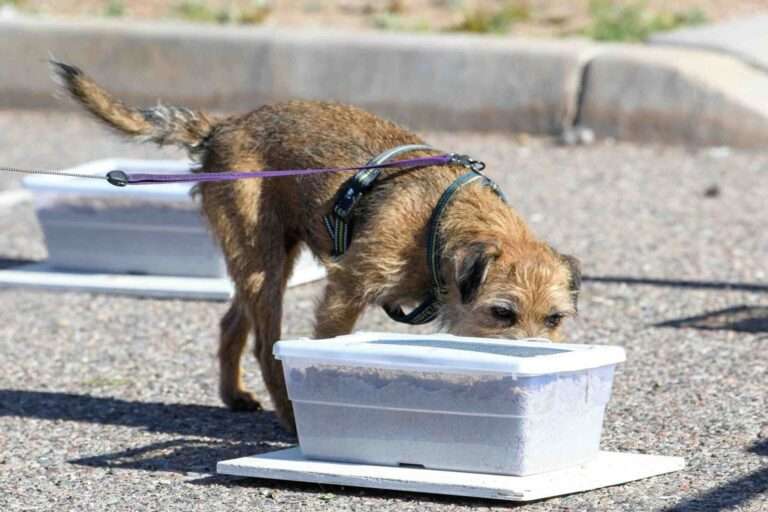
Barn Hunt is an exciting and fun sport that allows dogs to showcase their natural instincts while providing handlers with a rewarding bonding experience. Originating as a way for terriers to hunt vermin in barns, this activity has transformed into a competitive sport that can be enjoyed by dogs of all breeds, ages, and sizes. Whether you have a seasoned competitor or a curious novice, Barn Hunt offers a unique opportunity to engage your dog’s instincts and skills.
This article will explore ten essential tips for getting started in Barn Hunt, covering everything from understanding the rules to establishing a strong bond with your canine companion. Each tip is designed to help you navigate this engaging sport and enhance your performance while ensuring your dog has a great time.
What is Barn Hunt?
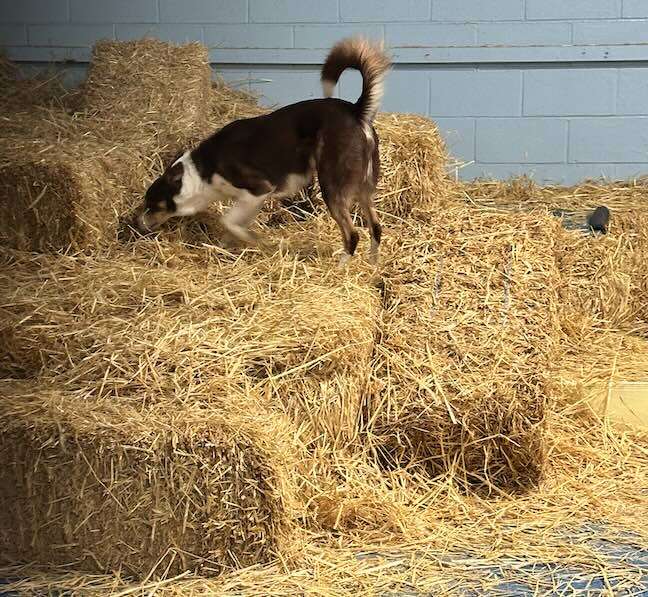
Barn Hunt is a sport that simulates the traditional activity of hunting for small vermin, specifically rats, which are safely housed in tubes. The objective is for dogs to locate and indicate the presence of these hidden rats, showcasing their natural hunting instincts. The sport takes place in a controlled environment, often set in barns, warehouses, or similar venues, where dogs can explore, search, and work alongside their handlers.
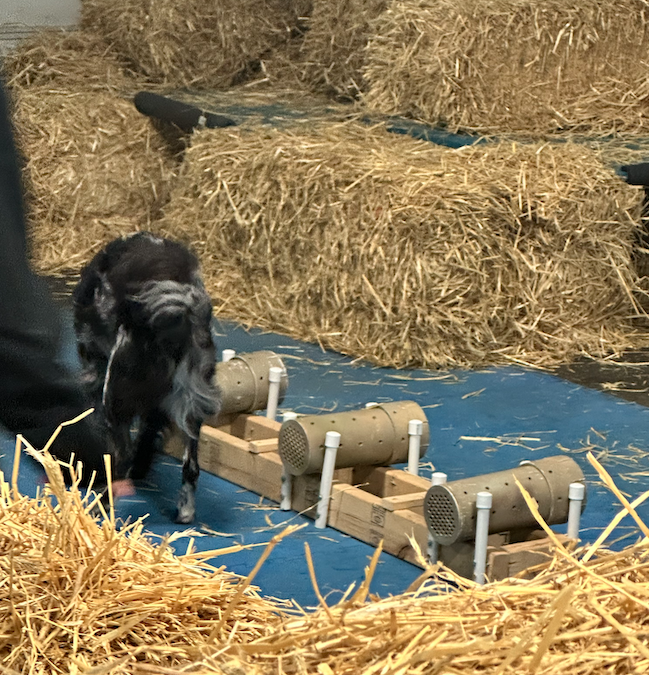
In Barn Hunt competitions, dogs are judged based on their ability to find the rats, navigate obstacles, and work efficiently with their handlers. Events are designed to accommodate varying skill levels, making it accessible for both beginners and experienced competitors. This sport not only provides physical exercise for dogs but also mental stimulation, making it an enriching activity for both pets and their owners.
Benefits of Barn Hunt for Dogs and Handlers
Participating in Barn Hunt offers numerous benefits for both dogs and their handlers. For dogs, it taps into their instinctual behaviors, allowing them to express their natural hunting capabilities in a safe and structured setting. This can lead to increased confidence, improved focus, and reduced behavioral issues stemming from boredom or lack of stimulation.
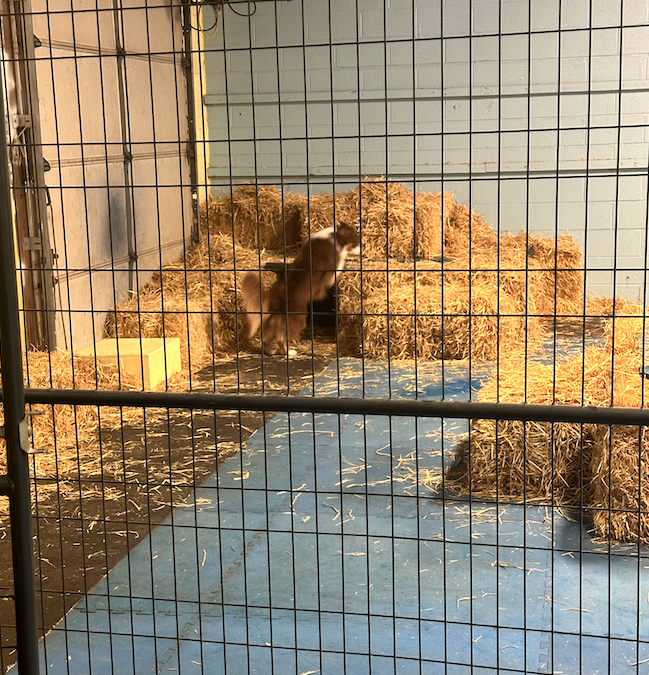
For handlers, Barn Hunt is a fantastic way to bond with their dogs while developing teamwork skills. As they work together to navigate the course and locate the rats, both the dog and handler learn to communicate more effectively, enhancing their overall relationship. The sport fosters a sense of community, with many local clubs and organizations supporting novice participants, creating opportunities for socialization and friendship among dog lovers.
Tip 1: Understand the Rules and Format
Before diving into Barn Hunt, it’s crucial to familiarize yourself with the rules and format of the sport. Each event has specific regulations regarding the number of rats, the layout of the course, and how dogs must indicate their findings. Reviewing the official rulebook from the Barn Hunt Association or other related organizations will help you understand what to expect during competitions.
Understanding the format is equally important, as it can vary from one event to another. Typically, events include a judge’s briefing, where handlers receive guidance on how the course will be set up. Handlers should also take note of the scoring system and how their dog’s performance will be evaluated, which can vary based on the level of competition.
Tip 2: Choose the Right Dog
While Barn Hunt can be enjoyed by any dog, certain breeds may take to the sport more naturally due to their inherent instincts. Terriers, for example, were originally bred for hunting and typically excel in Barn Hunt competitions. However, mixed breeds and other breeds can also participate and thrive, so don’t feel limited by your dog’s lineage. What’s most important is your dog’s enthusiasm and willingness to engage in the activity.
Assessing your dog’s temperament is also essential. Dogs that are overly shy or aggressive may not be ideal candidates for Barn Hunt. Look for a dog that is curious, energetic, and eager to explore its environment. This playful attitude will contribute to a more successful and enjoyable experience for both you and your dog in the sport.
Tip 3: Gather Essential Equipment
Starting Barn Hunt requires some basic equipment. At a minimum, you’ll need a suitable collar and leash, as well as a few training tools to help your dog learn the ropes of the sport. A well-fitted harness can also be beneficial, especially for dogs that are strong pullers or tend to get excited during training sessions. Although in trials dogs are not allowed to wear collars or harnesses, it can help in training.
Additionally, consider investing in training aids such as scent articles or rat tubes. These tools will help you simulate a real Barn Hunt environment during practice, allowing your dog to become more familiar with the scents and actions required in competition. It’s important to ensure that all equipment is safe and appropriate for your dog’s size and breed.
Tip 4: Start with Basic Training
Before introducing your dog to Barn Hunt, it’s essential to establish a solid foundation of basic obedience training. Teaching commands like “sit,” “stay,” “come,” and “leave it” will provide a framework for more advanced training in the sport. A well-trained dog will be more responsive and focused during Barn Hunt sessions, leading to a more successful experience.
Incorporating fun and engaging training methods will help maintain your dog’s interest. Use positive reinforcement techniques such as treats, praise, or toys to reward your dog for following commands. This approach will create a positive association with training, making your dog more eager to engage in both obedience and Barn Hunt practices.
Tip 5: Introduce Your Dog to Scent Work
Scent work is a vital component of Barn Hunt, so introducing your dog to this concept early on is crucial. Start by allowing your dog to explore different scents in a controlled environment, using items like essential oils or specially designed scent kits. Gradually transition to more complex scents and encourage your dog to identify them.
Make scent work a game by hiding treats or toys around your home or yard. This playful approach will help your dog develop its natural ability to sniff out hidden items, laying the groundwork for future Barn Hunt training. As your dog becomes more proficient in tracking scents, gradually introduce them to the rat tubes to create a seamless connection to the sport.
Tip 6: Find a Local Barn Hunt Group
Connecting with a local Barn Hunt group can significantly enhance your experience in the sport. These groups often provide resources, support, and opportunities to practice with other dog owners. Engaging with experienced trainers and enthusiasts can help you sharpen your skills and gain valuable insights into the sport.
To find local groups, consider searching online for Barn Hunt clubs or organizations in your area. Social media platforms also serve as great tools for connecting with other dog owners interested in Barn Hunt. Joining these communities can provide not only training tips but also details about upcoming events and competitions that you and your dog can participate in together.
Tip 7: Attend Workshops and Classes
Participating in workshops and training classes tailored to Barn Hunt can greatly improve your and your dog’s performance. These opportunities often include hands-on training, allowing you to practice with other dogs in a structured environment. Expert trainers will provide guidance on techniques and strategies to help you excel in the sport.
Look for classes that cover various aspects of Barn Hunt, from basic training to advanced skills. Many trainers also offer specialized workshops focused on specific challenges that handlers may face during competition. Attending these sessions will enhance your understanding of the sport while allowing you to develop a strong, competitive skill set alongside your dog.
Tip 8: Practice Regularly
Like any sport, regular practice is essential for success in Barn Hunt. Establish a training schedule that incorporates both scent work and obedience training, ensuring that your dog remains engaged and eager to participate. Aim for consistency, providing opportunities for practice several times a week to reinforce the skills you’ve taught.
During practice sessions, gradually increase the complexity of the tasks. Start with simple exercises and work your way up to more challenging scenarios that simulate competition conditions. This progressive approach will help build your dog’s confidence while ensuring that they are well-prepared for events.
Tip 9: Build a Strong Bond with Your Dog
A strong bond between you and your dog is fundamental to success in Barn Hunt. Engaging in activities that foster trust and communication will enhance your teamwork during training and competitions. Spend quality time together outside of training to further solidify your relationship, incorporating playtime, walks, and other enjoyable activities that strengthen your connection.
During training sessions, be attentive to your dog’s body language and emotional responses. Being mindful of their feelings will help you adjust your training methods and ensure a positive experience. This mutual understanding is key to effective teamwork in Barn Hunt and will contribute to a successful partnership throughout your journey in the sport.
Tip 10: Have Fun and Stay Positive
The most important aspect of participating in Barn Hunt is to enjoy the journey with your dog. Maintaining a positive attitude during training and competitions will not only make the experience more enjoyable but will also encourage your dog to stay engaged. Celebrate small victories and progress, regardless of how minor they may seem.
Recognizing and celebrating the bond you and your dog are developing through Barn Hunt will enhance the overall experience. Each practice session is an opportunity for growth and learning, so embrace the challenges and remember to have fun while supporting your canine companion.
Conclusion
Getting started in Barn Hunt can be a thrilling adventure for both you and your dog. By understanding the rules, choosing the right dog, gathering the necessary equipment, and focusing on training, you can set the stage for a rewarding experience. Regular practice, attending workshops, and fostering a strong bond with your furry friend will further enhance your journey in this engaging sport.
Ultimately, the key to success in Barn Hunt is to enjoy the process and have fun. The sport offers unique opportunities for connection, learning, and teamwork, which can enrich your relationship with your dog while providing both of you with a fulfilling experience.
FAQs
What breeds are best suited for Barn Hunt?
While terriers are traditionally known for their hunting instincts, many other breeds can excel in Barn Hunt. Dogs that are energetic, curious, and have a strong prey drive may find the sport enjoyable and rewarding.
Is Barn Hunt safe for dogs?
Yes, Barn Hunt is designed to be a safe and controlled environment for dogs. The rats used in competition are securely housed in tubes, ensuring that no harm comes to them or the dogs.
Do I need to have experience to start Barn Hunt?
No experience is necessary! Barn Hunt is welcoming to beginners, and many local groups offer training classes and workshops to help you and your dog get started.
How can I locate a Barn Hunt event near me?
You can search online for local Barn Hunt clubs, associations, or events. Social media platforms also often have groups dedicated to dog sports where you can find information on upcoming events. Also barn hunt association website has all events listed.
Can I participate with my mixed-breed dog?
Absolutely! Barn Hunt is open to all breeds, including mixed-breeds. As long as your dog enjoys the activity, they are welcome to participate.