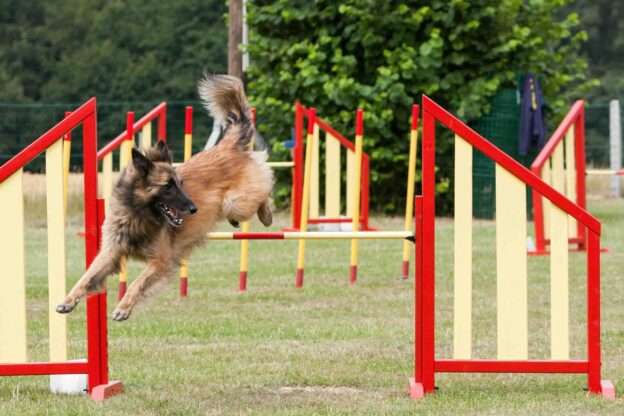
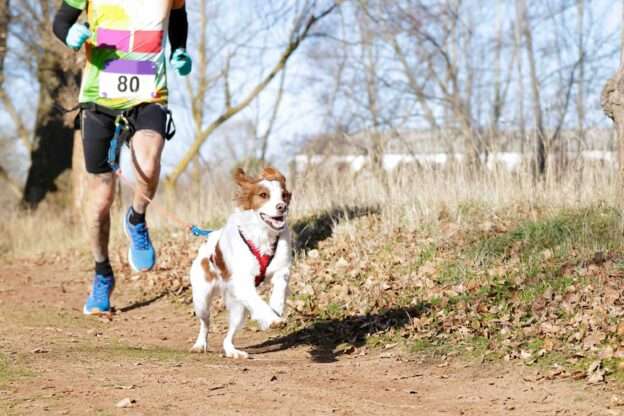
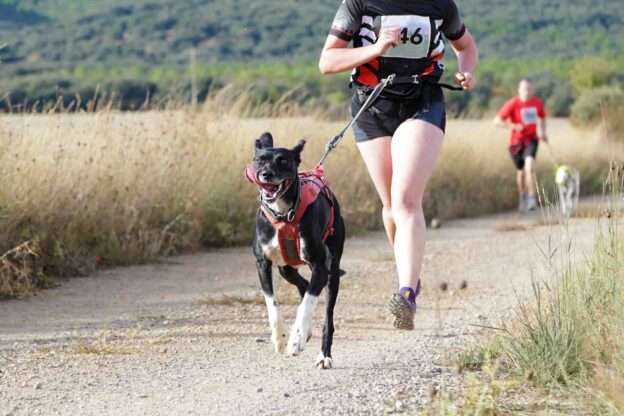
What is CPE Agility?

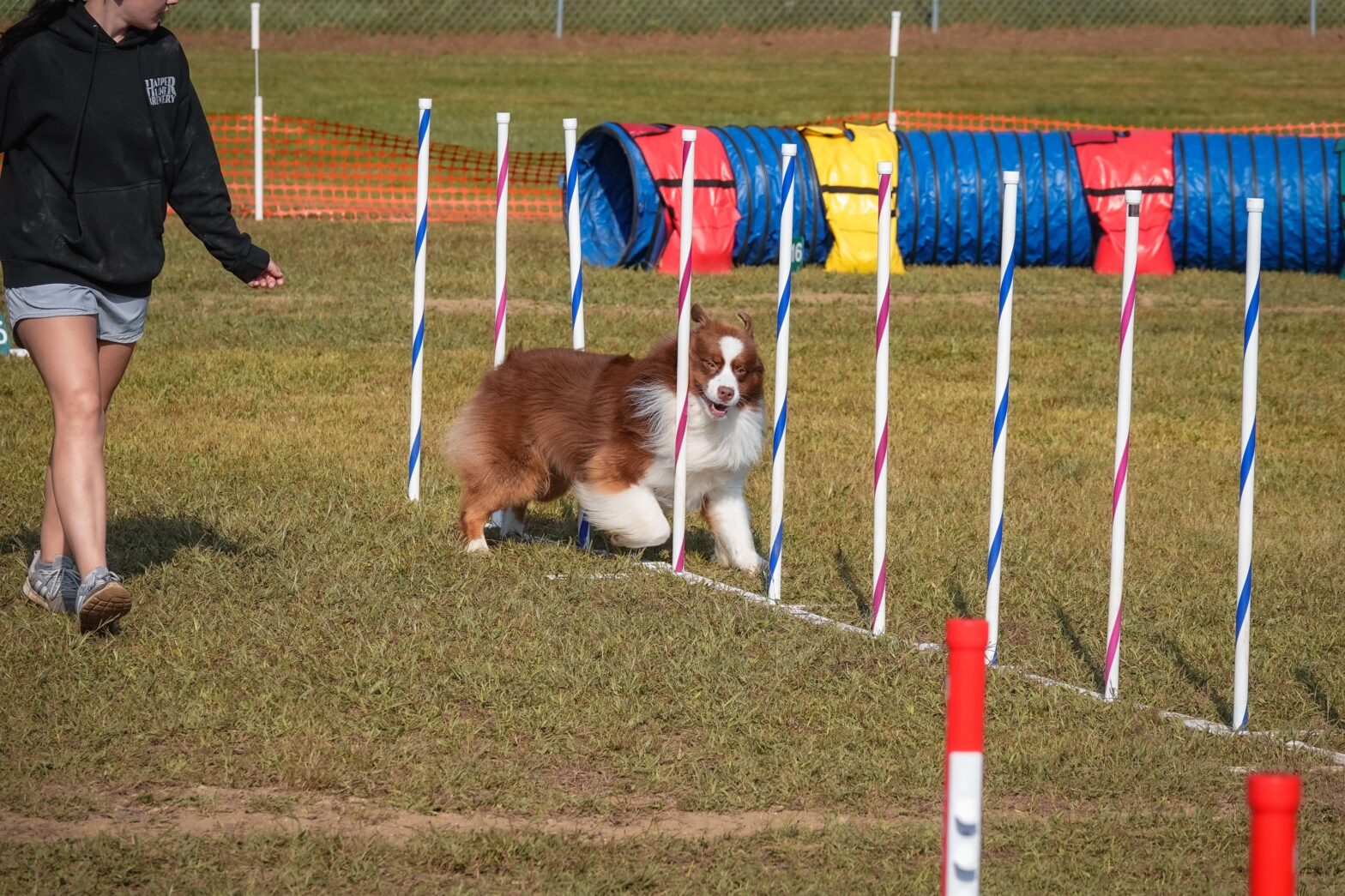
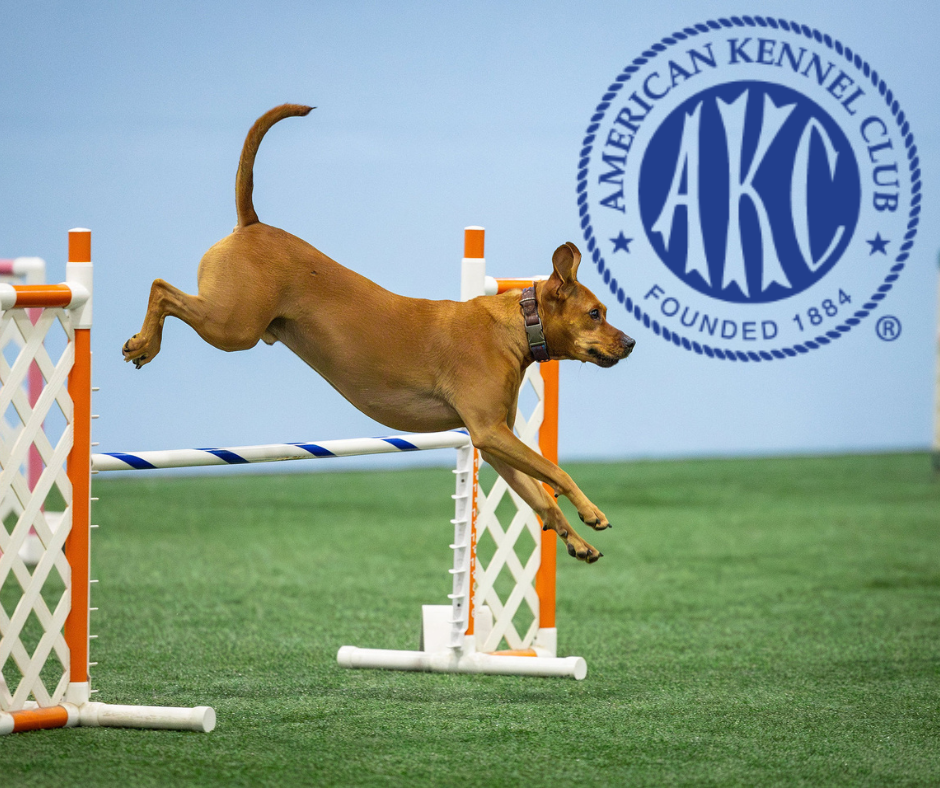
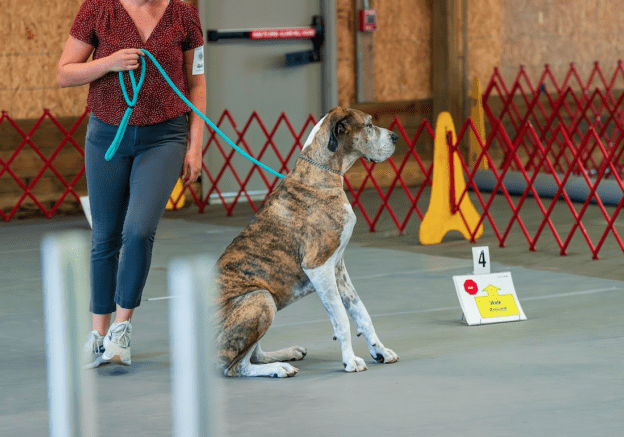
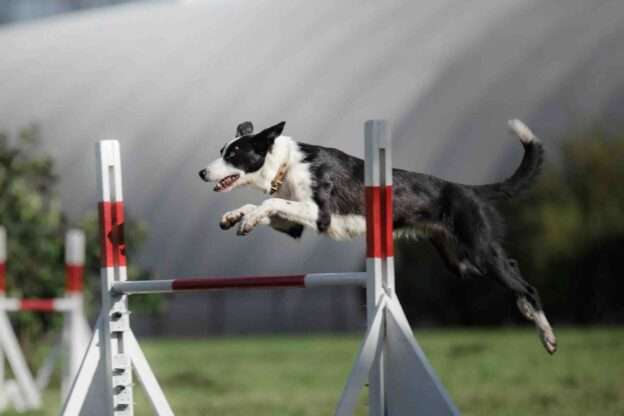
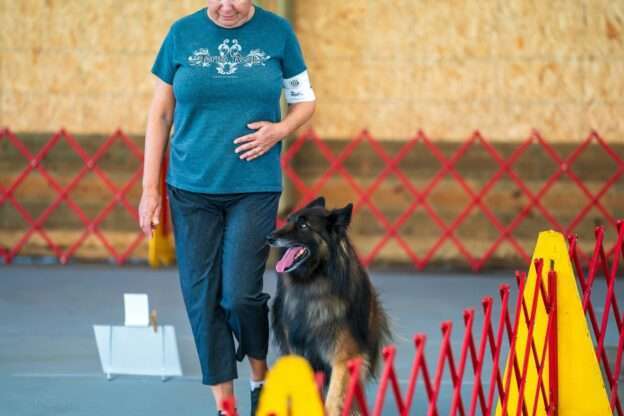
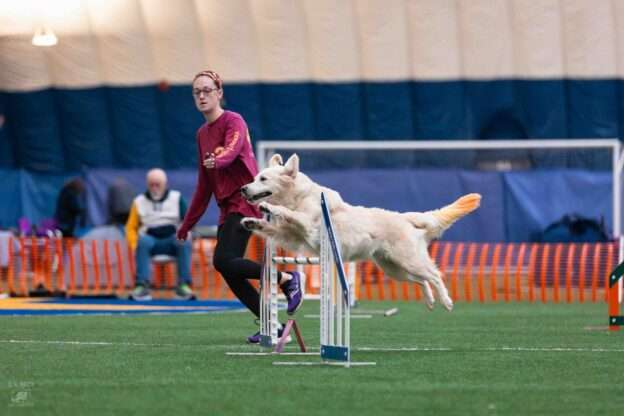
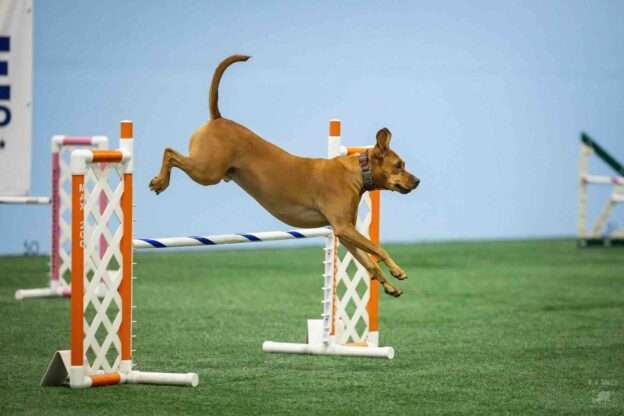
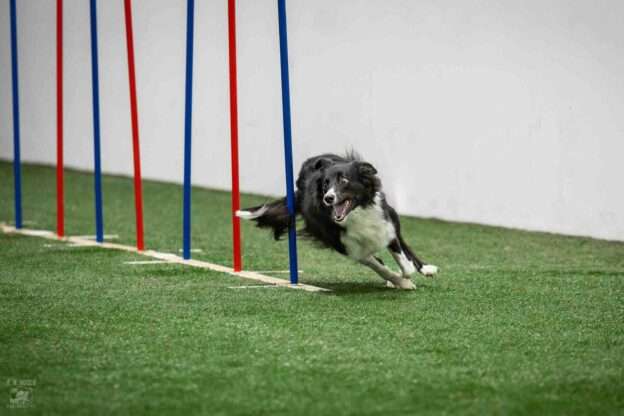
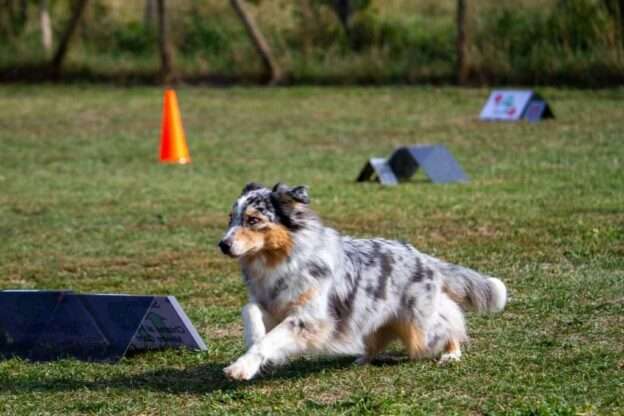
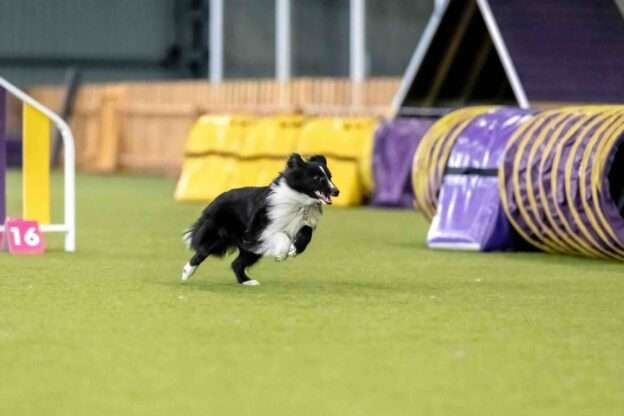
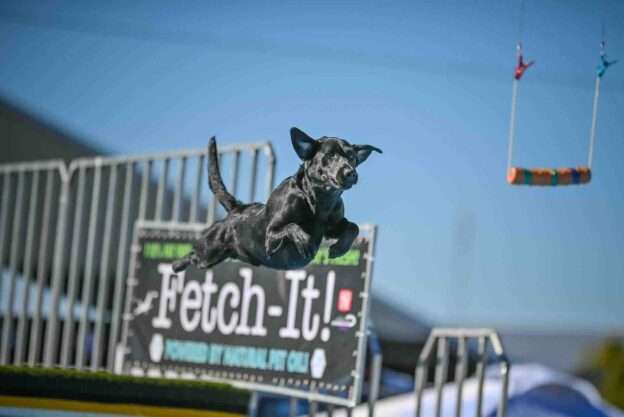
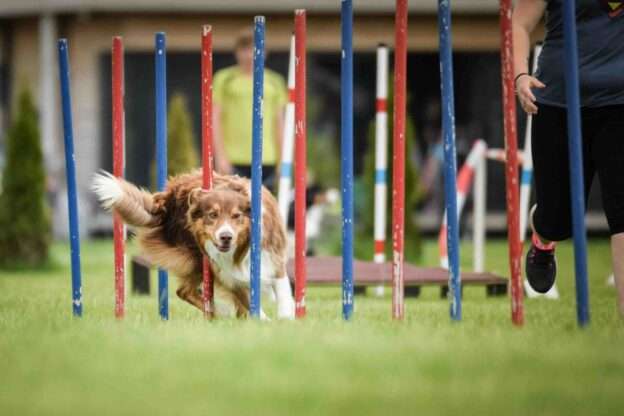
CPE Agility, or the Canine Performance Events Agility, is a popular form of dog agility that emphasizes teamwork and the bond between dog and handler. This sport has gained traction among dog lovers and competitors alike due to its inclusive nature and varied course designs. As a friendly and accessible sport, CPE Agility offers opportunities for dogs of all breeds and sizes, making it a favorite among dog owners looking for a fun and engaging activity. Definition of CPE Agility CPE Agility is a competitive sport where dogs navigate a timed course of obstacles, which may include jumps, tunnels, weave poles, and contact equipment. The primary objective is to complete the course correctly and as quickly as possible, with teams being judged on both accuracy and speed. CPE Agility is distinct in its relaxed approach to competition, allowing for a variety of skill levels and encouraging a positive experience for both dogs and handlers. History and Development of CPE Agility Established in 1994 by a group of dog enthusiasts, CPE Agility was designed to be an alternative to more rigid agility organizations. The founders sought to create a more welcoming environment for both novice and experienced teams, fostering a spirit of camaraderie among participants. Over the years, CPE has evolved, expanding its reach and incorporating innovative ideas that enhance the sport’s appeal and accessibility. Key Features of CPE Agility One of the key features of CPE Agility is its emphasis on a variety of classes and titles. CPE offers multiple levels of competition, from novice to elite, allowing teams to progress at their own pace. Additionally, the organization supports a range of events, including standard agility, jumpers, and wildcard runs, each designed to showcase different skills and challenges. This diversity keeps participants engaged and motivated to continue competing. Comparing CPE Agility with Other Agility Organizations Overview of AKC Agility The American Kennel Club (AKC) is one of the most recognized organizations in the dog agility world. Established in 1884, the AKC sets standards for a variety of dog-related activities, including agility. AKC Agility focuses on traditional course layouts and specific judging criteria, which may include faults for missed contacts or incorrect handling. While the AKC has a reputation for high standards and competitiveness, its structure can be intimidating for novices. Overview of UKI Agility United Kingdom Agility International (UKI) is another major player in the agility scene. Founded to promote the sport worldwide, UKI emphasizes both competitive spirit and fun. The organization offers both traditional agility classes and more relaxed formats, encouraging participation among a broad audience. UKI often incorporates elements such as international judges and unique course designs, providing a different flavor compared to both CPE and AKC. Differences Between CPE Agility, AKC Agility, and UKI Agility Course Design and Layout One of the most significant differences between these organizations lies in course design. CPE courses are known for their varied and creative layouts, which often incorporate a mix of obstacles to test a dog’s agility in unique ways. In contrast, AKC courses tend to follow a more standardized format, focusing on specific sequences that must be completed. UKI, while also offering traditional layouts, frequently introduces innovative elements that keep competitors on their toes. Judging Criteria and Regulations The judging criteria for each agility organization also differ. CPE judges are encouraged to be lenient, focusing more on the teamwork between dog and handler than on rigid fault assessment. This approach fosters a positive environment for competitors. In contrast, AKC places a strong emphasis on precision and adherence to regulations, with penalties imposed for faults such as knocked bars or missed contacts. UKI strikes a balance between the two, allowing some flexibility while maintaining strict evaluation standards. Types of Classes and Events CPE Agility offers a wide range of class types, including Standard, Jumpers, Wildcard, and more, catering to a variety of skill levels. This diversity allows handlers to explore different aspects of agility and find their niche. AKC primarily focuses on Standard and Jumpers classes, which can limit options for those looking to explore other formats. UKI provides a mix of traditional and innovative classes, ensuring there’s something for every agility enthusiast. Dog and Handler Team Dynamics In CPE Agility, the bond between dog and handler is paramount, with an emphasis on enjoying the experience together. The relaxed atmosphere encourages handlers to communicate effectively with their dogs, fostering a deeper understanding and partnership. AKC, while still promoting teamwork, can sometimes create a more stressful environment due to high expectations and competitive pressure. UKI seeks to balance this by promoting both competitive integrity and enjoyment, allowing teams to thrive in a supportive setting. Benefits of Participating in CPE Agility For Dogs Participating in CPE Agility offers numerous benefits for dogs. The sport provides mental stimulation and physical exercise, essential for a dog’s overall health and well-being. As dogs navigate various obstacles, they develop coordination, confidence, and focus. The progressive nature of CPE courses also allows dogs to challenge themselves and grow in their abilities, promoting a sense of accomplishment. Additionally, CPE Agility exposes dogs to diverse environments, helping them become more adaptable and socialized. Engaging in such a sport can reduce behavioral issues stemming from boredom or anxiety, as well-trained dogs tend to be more balanced and content. The interaction with other dogs and handlers further enriches their social skills, contributing to their overall development. For Handlers Handlers also reap significant rewards from participating in CPE Agility. The bond developed through training and competition fosters trust and communication between dog and handler, deepening their partnership. This connection leads to improved performances and creates lasting memories together. Moreover, the sport encourages handlers to develop their skills in dog training, problem-solving, and effective communication under pressure, all valuable life skills. Additionally, CPE Agility creates a sense of community among participants. Handlers often form friendships and support networks, sharing experiences and advice, which enhances the enjoyment of the sport. The inclusive nature of CPE events allows handlers of all skill levels to… Continue reading What is CPE Agility?

Dog Tracking vs. Scent Work: What’s the Difference?

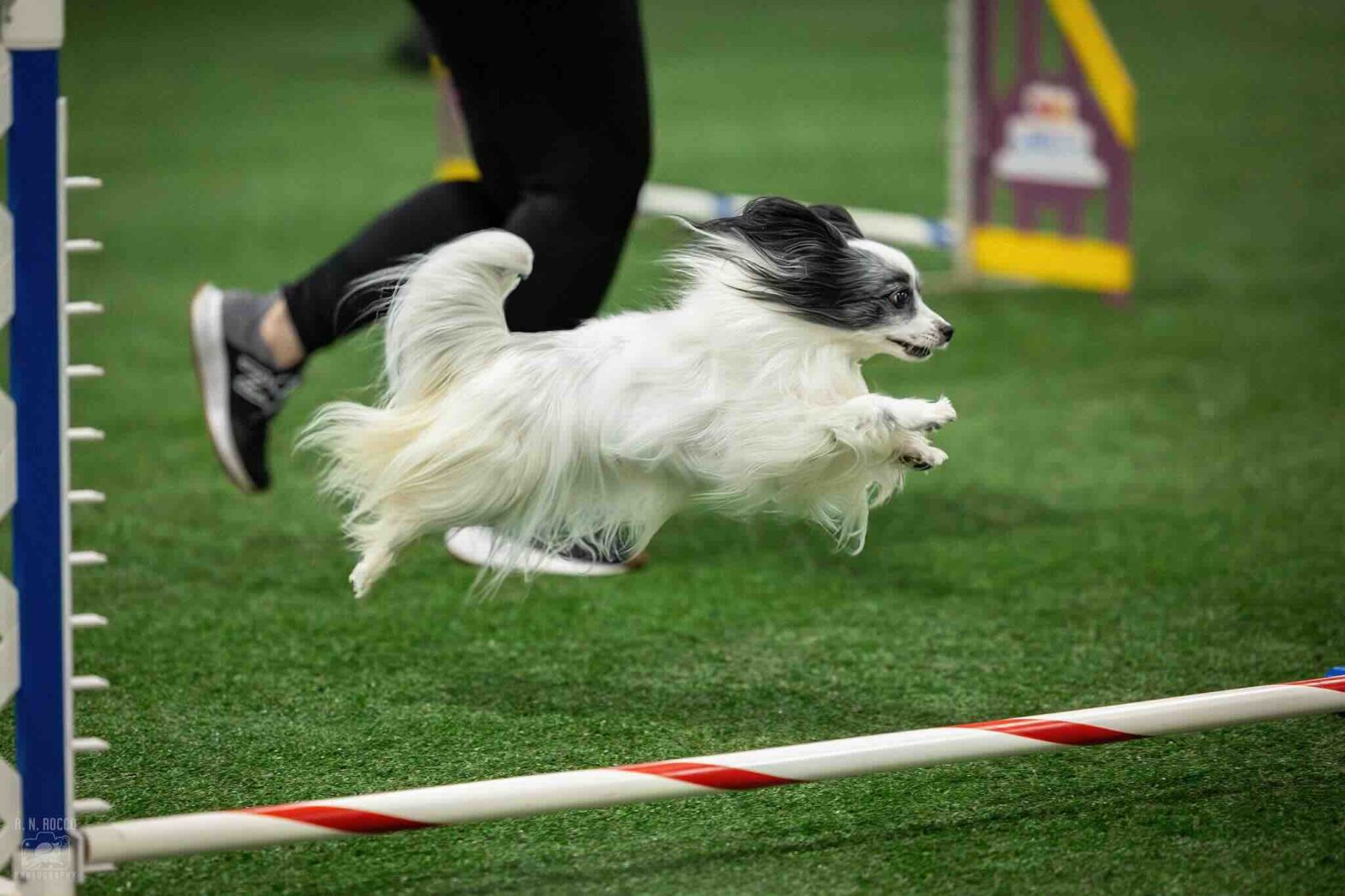
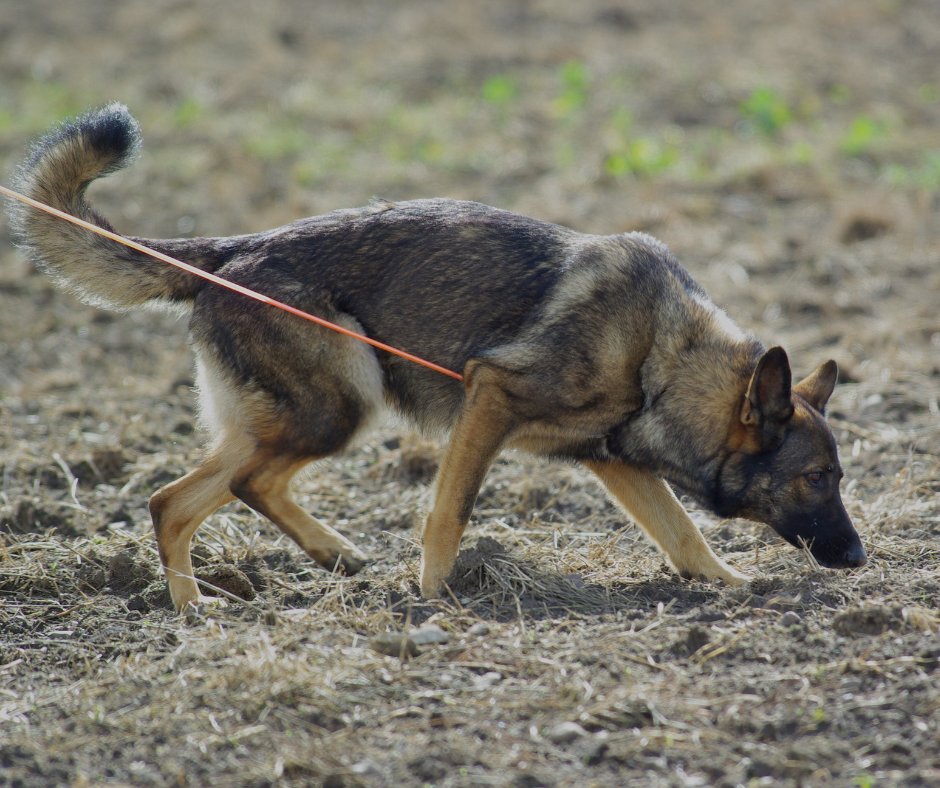
As a dog owner, you may have come across various activities that promise to engage your furry friend, but two of the most intriguing are dog tracking and scent work. While both disciplines involve your dog using their sense of smell, they have different goals, techniques, and training methods. This article aims to explore the key differences between dog tracking and scent work, helping you make an informed choice about which activity might be best for your dog. Whether your canine companion is a seasoned pro or a curious beginner, understanding these concepts will enrich your bond and enhance your training journey. Dog Tracking vs. Scent Work: What’s the Difference? Definition of Dog Tracking Dog tracking, often referred to as tracking dog sport, is a competitive activity where dogs follow a specific scent trail left by a human or a specific object. The objective is for the dog to locate and indicate the presence of a person or item based on the scent they left behind. This activity traces its roots to search and rescue operations, police work, and hunting, where tracking skills are essential. In tracking, dogs typically navigate a predetermined path that may include various terrains and obstacles. The handler guides the dog on this journey, interpreting the dog’s behavior and responses as they search for the target scent. The precision required in tracking makes it a unique sport that showcases a dog’s innate abilities while also emphasizing teamwork between dog and handler. Definition of Scent Work Scent work is a broader category that encompasses various activities designed to engage a dog’s incredible sense of smell. Unlike tracking, which focuses on following a specific scent trail, scent work involves identifying, locating, and signaling the presence of specific scents in various environments. This may include locating hidden items, detecting substances like drugs or explosives, or even participating in competitive scent trials. The purpose of scent work is to utilize a dog’s natural abilities in a fun and challenging way, encouraging them to use their noses to solve problems. This discipline can be practiced in a controlled environment or outdoors, making it highly adaptable to different settings and dog skill levels. Purpose and Objectives The primary purpose of dog tracking is to develop a dog’s ability to follow an established scent trail in a competitive or real-world scenario. The objectives include enhancing the dog’s tracking skills, improving obedience, and fostering teamwork with the handler. Through tracking, dogs learn to focus, respond to cues, and become adept at navigating various terrains while following scents. Scent work, on the other hand, focuses on stimulating a dog’s mind and senses by challenging them to locate specific scents. The objectives include enhancing a dog’s natural olfactory skills, encouraging independent problem solving, and building confidence. Scent work is often viewed as a fun activity that can be enjoyed by dogs of all ages and breeds, providing mental stimulation and physical activity. The Techniques Behind Dog Tracking How Tracking Dog Sport Works Tracking dog sport involves several key techniques to ensure a successful tracking experience. Handlers first must lay a scent trail by walking a specific route, often using a distinct object like a glove or piece of cloth to leave a scent at various points along the way. The trail is then aged for a period to allow the scent to settle, enhancing the challenge for the dog. During the tracking exercise, the handler encourages the dog to use their nose to follow the trail. Handlers provide guidance through verbal commands and body language while allowing the dog to work independently. As dogs gain experience, they learn to recognize scent changes, navigate turns, and indicate the end of the track, often by sitting or staying still at the target location. Key Skills in Tracking Dog Training Training a dog for tracking involves building several key skills. First, dogs must learn to differentiate between various scents and follow a specific one. This requires a solid foundation in obedience training to ensure the dog listens to commands while tracking. Additionally, dogs need to develop their scent discrimination abilities, which can be refined through exercises that involve locating hidden objects or tracking through different environments and terrains. Patience and consistency are crucial, as dogs may require time to hone their skills and become proficient trackers. AKC Tracking and Its Importance The American Kennel Club (AKC) recognizes tracking as an official sport and has established guidelines and titles for tracking competitions. AKC tracking events are designed to showcase a dog’s natural abilities and the training they have received. Participating in these events not only allows handlers and dogs to gauge their skills in a competitive environment but also fosters camaraderie within the dog training community. Moreover, AKC tracking competitions provide structured opportunities for dogs to gain recognition for their skills, motivating handlers to invest time and effort into their training. This recognition can also help enhance the bond and trust developed between the handler and their dog, as they work together toward a common goal. The Techniques Behind Scent Work Understanding Scent Work Training Scent work training incorporates various methods and techniques to engage a dog’s sense of smell. Typically, training begins with introducing dogs to specific scents and encouraging them to locate them in controlled environments. This could involve hiding treats, toys, or other scent items for the dog to find. Handlers utilize positive reinforcement techniques, rewarding dogs for successful scent detection to build confidence and motivation. The training focuses on teaching dogs to indicate the presence of a scent, whether through a trained behavior like sitting or lying down, or simply by staying close to the source. Popular Scent Work Activities There are several popular activities within the realm of scent work that can be enjoyed by dogs and their handlers. These include container searches, where dogs must locate a scent hidden within various containers; interior searches, which involve finding scents in indoor locations; and exterior searches, where dogs work to locate scents in outdoor environments.… Continue reading Dog Tracking vs. Scent Work: What’s the Difference?

10 Tips for Getting Started in Barn Hunt

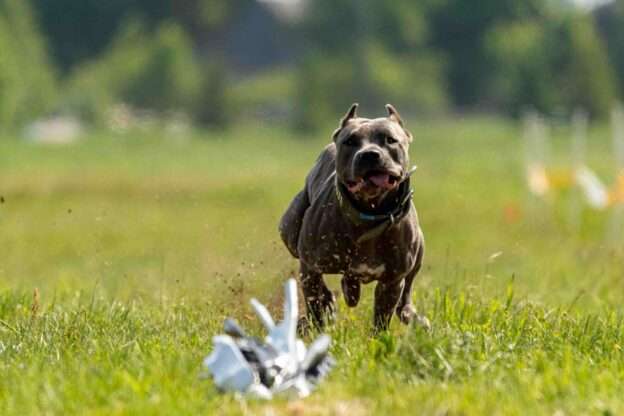
Barn Hunt is an exciting and fun sport that allows dogs to showcase their natural instincts while providing handlers with a rewarding bonding experience. Originating as a way for terriers to hunt vermin in barns, this activity has transformed into a competitive sport that can be enjoyed by dogs of all breeds, ages, and sizes. Whether you have a seasoned competitor or a curious novice, Barn Hunt offers a unique opportunity to engage your dog’s instincts and skills. This article will explore ten essential tips for getting started in Barn Hunt, covering everything from understanding the rules to establishing a strong bond with your canine companion. Each tip is designed to help you navigate this engaging sport and enhance your performance while ensuring your dog has a great time. What is Barn Hunt? Barn Hunt is a sport that simulates the traditional activity of hunting for small vermin, specifically rats, which are safely housed in tubes. The objective is for dogs to locate and indicate the presence of these hidden rats, showcasing their natural hunting instincts. The sport takes place in a controlled environment, often set in barns, warehouses, or similar venues, where dogs can explore, search, and work alongside their handlers. In Barn Hunt competitions, dogs are judged based on their ability to find the rats, navigate obstacles, and work efficiently with their handlers. Events are designed to accommodate varying skill levels, making it accessible for both beginners and experienced competitors. This sport not only provides physical exercise for dogs but also mental stimulation, making it an enriching activity for both pets and their owners. Benefits of Barn Hunt for Dogs and Handlers Participating in Barn Hunt offers numerous benefits for both dogs and their handlers. For dogs, it taps into their instinctual behaviors, allowing them to express their natural hunting capabilities in a safe and structured setting. This can lead to increased confidence, improved focus, and reduced behavioral issues stemming from boredom or lack of stimulation. For handlers, Barn Hunt is a fantastic way to bond with their dogs while developing teamwork skills. As they work together to navigate the course and locate the rats, both the dog and handler learn to communicate more effectively, enhancing their overall relationship. The sport fosters a sense of community, with many local clubs and organizations supporting novice participants, creating opportunities for socialization and friendship among dog lovers. Tip 1: Understand the Rules and Format Before diving into Barn Hunt, it’s crucial to familiarize yourself with the rules and format of the sport. Each event has specific regulations regarding the number of rats, the layout of the course, and how dogs must indicate their findings. Reviewing the official rulebook from the Barn Hunt Association or other related organizations will help you understand what to expect during competitions. Understanding the format is equally important, as it can vary from one event to another. Typically, events include a judge’s briefing, where handlers receive guidance on how the course will be set up. Handlers should also take note of the scoring system and how their dog’s performance will be evaluated, which can vary based on the level of competition. Tip 2: Choose the Right Dog While Barn Hunt can be enjoyed by any dog, certain breeds may take to the sport more naturally due to their inherent instincts. Terriers, for example, were originally bred for hunting and typically excel in Barn Hunt competitions. However, mixed breeds and other breeds can also participate and thrive, so don’t feel limited by your dog’s lineage. What’s most important is your dog’s enthusiasm and willingness to engage in the activity. Assessing your dog’s temperament is also essential. Dogs that are overly shy or aggressive may not be ideal candidates for Barn Hunt. Look for a dog that is curious, energetic, and eager to explore its environment. This playful attitude will contribute to a more successful and enjoyable experience for both you and your dog in the sport. Tip 3: Gather Essential Equipment Starting Barn Hunt requires some basic equipment. At a minimum, you’ll need a suitable collar and leash, as well as a few training tools to help your dog learn the ropes of the sport. A well-fitted harness can also be beneficial, especially for dogs that are strong pullers or tend to get excited during training sessions. Although in trials dogs are not allowed to wear collars or harnesses, it can help in training. Additionally, consider investing in training aids such as scent articles or rat tubes. These tools will help you simulate a real Barn Hunt environment during practice, allowing your dog to become more familiar with the scents and actions required in competition. It’s important to ensure that all equipment is safe and appropriate for your dog’s size and breed. Tip 4: Start with Basic Training Before introducing your dog to Barn Hunt, it’s essential to establish a solid foundation of basic obedience training. Teaching commands like “sit,” “stay,” “come,” and “leave it” will provide a framework for more advanced training in the sport. A well-trained dog will be more responsive and focused during Barn Hunt sessions, leading to a more successful experience. Incorporating fun and engaging training methods will help maintain your dog’s interest. Use positive reinforcement techniques such as treats, praise, or toys to reward your dog for following commands. This approach will create a positive association with training, making your dog more eager to engage in both obedience and Barn Hunt practices. Tip 5: Introduce Your Dog to Scent Work Scent work is a vital component of Barn Hunt, so introducing your dog to this concept early on is crucial. Start by allowing your dog to explore different scents in a controlled environment, using items like essential oils or specially designed scent kits. Gradually transition to more complex scents and encourage your dog to identify them. Make scent work a game by hiding treats or toys around your home or yard. This playful approach will help your dog develop its natural ability… Continue reading 10 Tips for Getting Started in Barn Hunt

Introduction to AKC Herding Titles

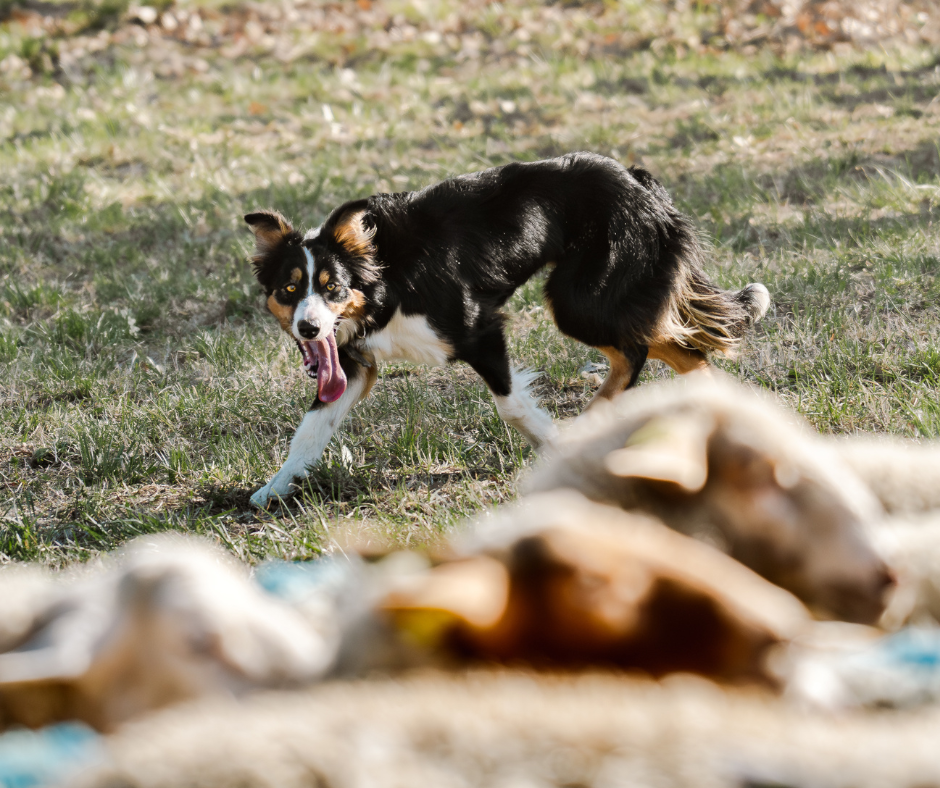
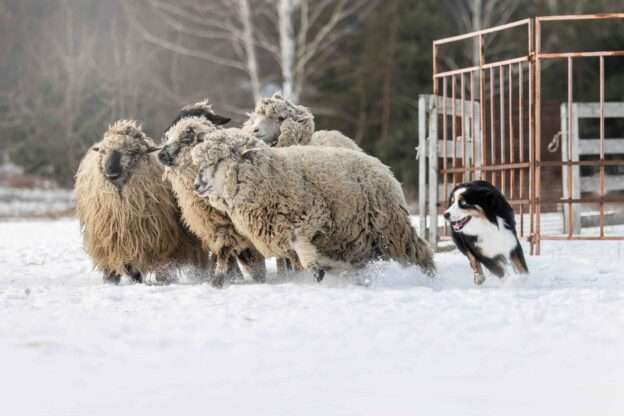
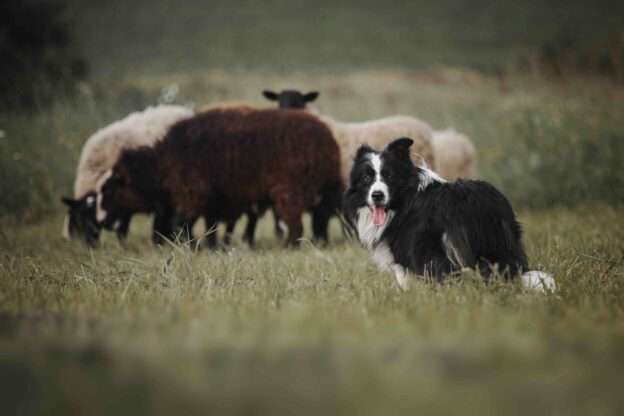
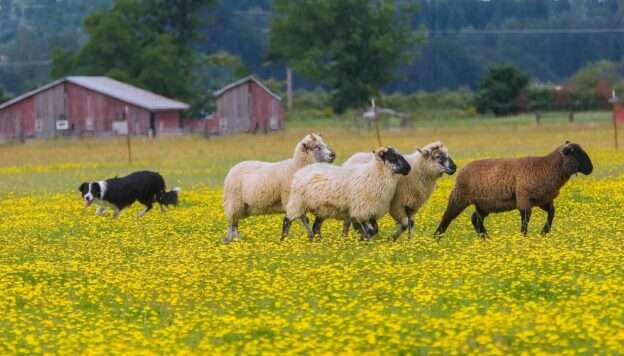
AKC herding titles are a prestigious recognition granted by the American Kennel Club (AKC) that acknowledge a dog’s herding abilities and skills. These titles not only highlight a dog’s instinctual talents but also serve as a testament to the dedication and training invested by their owners. For dog enthusiasts, understanding the nuances of AKC herding titles can open doors to exciting competitions and enhance the overall bond with their canine companions. This guide aims to provide a comprehensive overview of the various AKC herding titles, how they are earned, and the steps to get involved in herding events. Whether you are a seasoned competitor or a novice dog owner, this article will equip you with essential knowledge about herding titles and their significance within the dog community. What Are AKC Herding Titles? AKC herding titles signify a dog’s proficiency in herding activities, which are rooted in their instinctual behaviors. These titles are awarded based on the dog’s performance in herding trials, which assess their ability to control livestock through various tasks. The AKC establishes specific criteria that dogs must meet to earn each title, ensuring that the herding skills demonstrated are consistent with the standards of the breed. Each title reflects the dog’s level of expertise and experience in herding. The journey begins with the Herding Instinct Test (HIT), where dogs exhibit their natural herding instincts, and progresses through various levels of achievement, ultimately culminating in the prestigious Herding Champion (HC) title. Understanding these titles is crucial for owners who wish to navigate the herding world with their dogs effectively. Importance of AKC Herding Titles for Dog Owners For dog owners, pursuing AKC herding titles is more than just a competitive pursuit; it can significantly enhance the relationship they have with their dogs. Engaging in herding activities allows owners to tap into their dog’s natural instincts, providing mental and physical stimulation that is essential for their well-being. Furthermore, the training involved in preparing for trials fosters communication, trust, and teamwork between the dog and handler. Moreover, obtaining AKC herding titles can positively impact a dog’s overall behavior and obedience. The skills learned during training translate not only to herding but also to everyday commands and interactions. This leads to a well-rounded pet that is confident and capable in various situations, making it a worthwhile investment for any dog owner. Levels of AKC Herding Titles Beginner Level: Started Herding Title The pathway to AKC herding titles begins with the Started Herding Title (HS). This title is designed for dogs that show basic herding instinct and capability. To achieve this title, dogs must demonstrate their ability to herd livestock through a controlled environment under the supervision of a qualified judge. This introductory level is vital for setting a foundation, as it allows handlers to assess their dog’s aptitude in herding activities. Handlers are encouraged to familiarize their dogs with livestock, understanding their natural behaviors and instincts. Successful completion of a herding trial at this level not only earns the HS title but also prepares the dog for more advanced challenges ahead. Intermediate Level: Intermediate Herding Title Once dogs successfully earn their Started Herding Title, they can progress to the Intermediate Herding Title (HI). This stage requires dogs to perform more complex herding tasks and demonstrate greater control and command over the livestock. Handlers must refine their skills in guiding their dogs, which fosters a deeper understanding of herding techniques and enhances the team’s efficiency. The HI trial includes elements like driving, penning, and shedding, making it a more comprehensive assessment of the dog’s capabilities. Owners looking to achieve this title should focus on building their dogs’ confidence and improving their handling techniques through consistent practice and exposure to various herding scenarios. Advanced Level: Advanced Herding Title The Advanced Herding Title (HA) represents a significant milestone in a dog’s herding journey. At this level, dogs must exhibit advanced herding skills, including enhanced precision and decision-making when interacting with livestock. Trials at this level are more rigorous, focusing on a dog’s ability to follow commands and adjust their tactics based on the livestock’s behavior. Expert Level: Herding Champion Title The pinnacle of AKC herding titles is the Herding Champion (HC) title. This prestigious title is awarded to dogs that have excelled in advanced herding trials. To qualify for the HC, dogs must accumulate a set number of points by performing exceptionally in competition, showcasing their elite herding abilities in a variety of challenging scenarios. Achieving the HC title not only marks an impressive accomplishment in a dog’s herding career but also enhances the dog’s pedigree and reputation within the breed community. It opens doors to elite competitions and recognition, significantly elevating the status of the dog and its handler in the herding sport. Types of AKC Herding Titles Herding Instinct Test (HIT) The Herding Instinct Test is the first step for any dog looking to venture into the herding world. This test evaluates whether a dog possesses the natural instincts necessary for herding. During the HIT, dogs are observed as they interact with livestock in a controlled environment, and judges evaluate their natural drive and ability to herd. A successful performance in the HIT is essential, as it lays the groundwork for pursuing other AKC herding titles. Dogs that pass this test are awarded the HIT title, which serves as a foundational achievement that encourages further training and participation in herding activities. Herding Tested (HT) The Herding Tested (HT) title is awarded to dogs that demonstrate their herding instinct and ability in a more structured environment. This title signifies that a dog has successfully shown its potential to herd livestock under the supervision of a judge. Unlike the HIT, the HT includes specific tasks that require the dog to apply their instincts practically. Achieving the HT title is a stepping stone for dogs aiming for higher titles. It provides handlers with insight into their dog’s capabilities and areas for improvement, fostering a commitment to further training and skill development. Herding Started (HS) The… Continue reading Introduction to AKC Herding Titles

Canine Performance Events – CPE

What does CPE stand for? CPE is short for Canine Performance Events, the formal name of the organization that writes the rules, licenses clubs, trains judges, and records scores for its three dog sports. The word “Performance” highlights the group’s focus on a dog’s natural abilities — running, jumping, hunting scent, and sprinting — rather than on breed standards or conformation. Whenever you see CPE printed on a trial premium, ribbon, or title certificate, it signals that the event follows the official Canine Performance Events rulebook and contributes directly to a dog’s lifetime points and titles within the CPE system. Where CPE Began Canine Performance Events started in Michigan in 1998 when a small group of agility handlers wanted courses that were fun for pets while still being safe and honest in judging. They wrote a slim rulebook, held a handful of trials in barns and fairgrounds, and mailed typed results to a central scorekeeper. Word of these low-pressure meets spread by phone tree and club newsletter. Within a year, clubs in Ohio and Illinois asked for licenses, and the sport continued to snowball from there. How CPE Grew Into a National Force By early 2000 the founders realized they needed a structured office, a uniform title ladder, and a trained judge corps. They drafted a clear advancement path labeled Levels 1 through 5, plus Championship (Level C). Then they opened a judge-apprentice pipeline that required mentorship, course reviews, and continuing education. These safeguards turned CPE from a casual weekend pastime into a respected multi-sport organization. Headquarters later moved to Florida, but the cooperative atmosphere stayed intact, drawing clubs in every US time zone and parts of Canada. Three Dog Sports Under One Banner CPE now sanctions three separate programs: CPE AgilitySeven classes — Standard, Colors, Wildcard, Snooker, Jackpot, FullHouse, and Jumpers — offer everything from straightforward numbered courses to strategy-heavy games. Lower jump heights for Enthusiast and Specialist divisions invite older or less explosive dogs to play. Canine Scent SportSet up a decade after agility, this program mimics professional detection tasks yet keeps rules approachable. Searches include containers, interiors, exteriors, vehicles, and handler-discrimination articles. A four-level title ladder guides teams from basic birch searches to multi-odor puzzles. SpeedWayA head-to-head sprint that feels like drag racing on paws. Dogs dash ninety feet in one lane, loop a barrel, and sprint sixty feet back. Electronic timers crown the fastest times and title thresholds reward drive as much as raw speed. Each sport uses the same dog registration number, which makes entering multiple events seamlessly easy. CPE Title Ladders and Point Tracking CPE tracks Q-legs and points with an online portal. Agility titles climb through CL1, CL2, CL3, CL4, CL5, and C-ATCH (Champion). Scent Sport and SpeedWay have their own point grids, but each retains the same two-step theme: earn Qs at increasing levels, then collect a set number of extra points for top titles. Because scores accumulate gradually, any team can see weekly progress and celebrate mini-milestones. What Sets CPE Apart from Other Dog Sport Venues Accessible Courses – Generous time limits and forgiving lower levels help green dogs succeed early. Fun-Heavy Games – Handlers choose paths in Colors and build point trips in FullHouse, so no two runs feel alike. Smaller Rulebook – At roughly one-third the pages of some agility federations, CPE’s rule set is easy to learn. All-Breed Welcome – Purebreds and mixed breeds stand equal on the start line. Community Vibe – Trial days often open with group walk-throughs per level, allowing questions without pressure. Getting Started in Five Simple Steps Register Your Dog on the CPE website. The one-time fee generates a lifetime ID. Read the Rulebook section for your chosen sport. Each PDF lives under the Documents tab. Find a Host Club nearby. Most clubs hold monthly fun runs that mimic trial conditions. Choose a Starting Level. Level 1 for brand-new dogs, Level 2 or 3 for dogs already skilled in other venues. Enter Early. Premium lists open six to eight weeks out, and popular dates fill fast. CPE began as a friendly alternative to higher-pressure venues and blossomed into one of the most welcoming dog-sport families in North America. Shorter jumps, novel game classes, and clear point charts invite everyone from spry puppies to veteran dogs to play safely and succeed often. If you long for a weekend hobby that offers fresh challenges without intimidating rule density, give CPE a try. Register your dog, find a local fun run, and enjoy that first Qualifying ribbon. The road from CL1 to C-ATCH and beyond is paved with camaraderie, high-fives, and plenty of wagging tails. Frequently Asked Questions Can my mixed-breed rescue compete in CPE? Yes. All breeds and mixes are welcome What is the minimum age to start in CPE? Fifteen months for full-height agility, twelve months for lower Enthusiast heights, eight months for SpeedWay. How hard are the entry-level courses? Level 1 Standard uses no weaves and generous time; most dogs qualify on their first or second run. Does CPE host a national championship? Yes. The CPE Nationals rotate regions each spring. Are treats allowed in the CPE ring? No food or toys inside the ring; reward outside once the run ends. Can I stay at Level 1 forever? Yes. Advancement is optional; many senior dogs remain at beginner levels for comfort. Does CPE use forced move-ups? Move-ups occur only when you submit a Level Move form after meeting Q requirements.

Barn Hunt Levels: From Instinct to Championship

Barn Hunt turns a stack of hay bales and a few well-protected rats into one of the most popular scent games on the North American dog-sport calendar. The secret lies in its clear ladder of barn hunt levels of titles. Every team starts simple then climbs one level at a time, always building on what came before. Whether you want a weekend pastime or a serious path toward national rankings, understanding Barn Hunt levels is the first step. A Quick Look at the Barn Hunt Rules Barn Hunt simulates a traditional farm task: locating and marking rodents hiding in hay. Real rats travel inside sturdy, aerated PVC tubes that protect them completely. The judge hides those tubes among straw bales, then times each dog as it searches. Along the way the dog also needs to tunnel through bale chutes and climb on top of at least one bale with all four paws. To keep the sport fair and fun across breeds, the Barn Hunt Association (BHA) created a structured progression of barn hunt levels. Each stage adds hides, lengthens tunnels and tightens time limits. You cannot skip a level; passing grades unlock the next one. The Ladder of Barn Hunt Levels Instinct Test (RATI) Goal: Show the dog understands that the rat scent is something worth hunting. Setup: Three tubes placed in plain sight on the ground—one empty, one filled with bedding only, one containing a live rat. Time: One minute. Pass: Dog must indicate the correct tube. There is no tunnel or climb requirement. Many handlers treat the Barn Hunt Instinct Test as a warm-up before entering Novice the same weekend. You earn the RATI suffix once and never repeat it, although some clubs offer instinct fun matches for extra practice. Novice (RATN) Hides: One rat tube. Tunnel: Open, straight and short. Climb: Dog must place all four paws on any bale at least once. Course: A small maze of low bales in a 20 by 30 foot ring. Time Limit: Two minutes. Legs Needed: Three qualifying runs under at least two different judges. Novice teaches dogs to work independently while still letting handlers stay nearby. Dogs learn to check air scent on the tops of bales, dive into low gaps and ignore litter tubes filled with clean bedding. Open (RATO) Hides: Two rats. Tunnel: One right-angle turn, longer than Novice. Climb: Same as before. Course: More layers of straw bales, usually one bale higher than Novice. Time Limit: Two and a half minutes. Legs Needed: Three. Open raises your strategic choices. With two rats in play you decide whether to sweep low first or send your dog up the central stack. Time management begins to matter. Senior (RATS) Hides: Four rats. Tunnel: Three turns, sometimes U-shaped, with one 180-degree bend. Litter Tubes: Up to four decoy tubes now appear. Time Limit: Three and a half minutes. Legs Needed: Three. Senior tests memory and drive. Dogs must ignore decoys while tracking four scented tubes spread across multiple bale tiers. The handler’s challenge is to read subtle cues and call each find without doubting the dog. Master (RATM) Hides: One to five rats, but the judge never reveals the exact count. Tunnel: Minimum of three turns, often with a squeeze entrance. Decoys: Up to seven litter tubes. Time Limit: Four and a half minutes. Legs Needed: Five, and you must earn a combined 50 Master points collected from each run. Master mirrors real pest control. Because hide numbers change with every course reset you cannot rely on a checklist. You decide when your dog has cleared the field then call “Rat” or “Finish.” Teams that love problem-solving thrive here. Champion Titles Barn Hunt Champion (RATCH): Earn ten additional Master legs plus the original RATM for a total of 100 Master points. RATCHX, RATCH2, RATCH3 and beyond: Each extra 100 points adds another X or number. Gold and Platinum Honors: Offered at advanced milestones beginning at 500 points. Champion barn hunt levels motivate long-term play. Many seasoned teams continue because each new title confirms teamwork sharper than before. Crazy Eights (CZ8S, CZ8B, CZ8G, CZ8P) Crazy Eights runs alongside the main ladder. The course uses eight hide tubes and eight litter tubes inside a large, creatively stacked ring. Time limit is two minutes. Each hide spotted equals ten points; each successful tunnel adds ten; the climb is worth twenty. You must decide where to spend energy. Crazy Eights points lead to Bronze, Silver, Gold and Platinum titles independent of your RATCH count, giving thrill-seekers a bonus track. How Courses Evolve Through the Barn Hunt Levels At first glance every Barn Hunt course looks like a messy hay maze. Yet careful study shows a logical evolution: Tunnel length increases gradually so pups learn to trust tight spaces. By Master the dog dives into a dark multi-turn tube without hesitation. Hide height moves higher with each stage. Novice hides rarely sit more than one bale high, whereas Senior hides may perch three bales up, forcing dogs to check vertical scent cones. Decoy tubes start at zero and rise to seven by Master. Dogs learn lure discrimination, ignoring bedding scent until they find live quarry. Time pressure stays reasonable yet forces efficient hunting. Handlers who waste seconds arguing with a dog about a found tube often time out, proving trust matters more than control. Clubs follow exact building diagrams from the BHA rulebook but can shape the bale stacks differently at every trial, adding replay value. Title Counts and Scoring Each qualifying run is called a leg. Your dog must locate all required hides, perform the tunnel and climb and finish inside the time limit. In Master and Crazy Eights you gain points in addition to legs. Points equal seconds left on the clock plus bonuses for extra hides. Championships add up those points, turning speed into a tie-breaker. The BHA tracking portal updates scores within weeks of a trial. Many handlers screenshot their dashboard after each weekend to celebrate progress. The Community Impact… Continue reading Barn Hunt Levels: From Instinct to Championship

NACSW – National Association of Canine Scent Work

How NACSW Got Started In the early 2000s, three professional detection-dog trainers, Jill Marie O’Brien, Amy Herot and Ron Gaunt, were looking for a low-impact activity that kept their retired police and military dogs mentally sharp. During downtime between client appointments they set up a row of cardboard moving boxes inside a dusty Los Angeles warehouse, tucked a cotton swab scented with birch essential oil in one of the boxes and released a Labrador named Hagen. The dog hit the target in seconds, tail helicoptering, eyes bright. Soon they invited friends to bring their own dogs for what they called “scent games.” Word spread through Southern California training circles faster than a terrier on hot scent. By 2006 their casual practice nights had outgrown garages and warehouses, so the trio drafted a short rule sheet that covered hide safety, odor preparation and time limits. In 2008 they officially registered the National Association of Canine Scent Work, abbreviated NACSW, as a nonprofit devoted to shaping K9 Nose Work into a structured sport. That same year the organization hosted its first sanctioned trial inside a Ventura community center. Twenty dogs competed, every handler volunteered to move boxes between runs and the judging team tracked times on a clipboard. What began as a hobby now had a governing body, a rule book and a waitlist of eager teams. Today dozens of NACSW trials fill calendars from Maine to California, and international trainers routinely fly in to shadow judges or attend education seminars. What Makes NACSW Nosework Special? K9 Nose Work existed informally in dog-training circles before NACSW, yet the organization added several features that turned a backyard pastime into a repeatable, judge-measured sport: Real-life search feel. Search areas mimic everyday environments such as offices, playgrounds, parking lots and horse barns. Dogs encounter wind, food scraps, exhaust fumes and other distractions that mirror professional detection work. Dog-centric rules. Hide placement, odor concentration and time limits are designed to match normal canine hunting behavior. The sport rewards independence and problem solving rather than precision heelwork. Structured leveling path. Teams climb a ladder of titles, NW1 through Summit, that provides clear milestones and steady motivation. Entry caps. Each trial limits the total number of dogs so stress stays low, judges remain fresh and every competitor gets a full day of quality searching. Because the group focuses on the dog’s natural drive to hunt, it never adds obedience points or fancy choreography. Dogs hunt, handlers observe, judges verify, and the crowd applauds accurate noses rather than polished footwork. How NACSW Trials Work An NACSW trial is built around two event categories. First comes the Odor Recognition Test, often called the ORT. The ORT confirms that a team can identify birch, anise and clove in a simple box lineup. A dog and handler enter a ring lined with a dozen identical containers and have three minutes to pick the one box holding the target odor. Many teams pass all three odors on separate test dates within their first six months of training. Once the ORTs are complete, the team may enter full trials. The main competition series starts with NW1. A single birch hide is placed in each element, and the dog must locate all four hides, one each in containers, interiors, exteriors and on vehicles, within the allotted time. At NW2 the game becomes harder. Anise joins birch, some elements contain more than one hide and distractors such as food or toys may be added to the search area. NW3 introduces clove and removes the guarantee of a fixed hide count. At this stage the handler must judge when to call Finish, adding a strategic layer to the sport. Beyond NW3, teams work toward Elite events where hide numbers vary widely and boundaries grow in size and complexity. The Summit League invites the top Elite competitors to an annual championship featuring multi-room puzzles and lengthy search times. Throughout every level, judges record hide placement, search time and handling style according to the NACSW rule book, ensuring consistency regardless of venue. NACSW Titles in Depth The title system sits at the center of NACSW nosework culture. Achieving an NW1 ribbon often feels as thrilling for beginners as an agility championship does for seasoned competitors. Earning NW2 and NW3 proves that a team can adapt to new odors, varied heights and decoys. A dog that collects three NW3 passes with high accuracy is awarded the coveted NW3 Elite designation, showing mastery of unknown hide counts. Elite trials remove many of the predictability safeguards. Handlers may face an open sports complex one month and a historic courthouse the next. Hides shift to natural crevices, stone columns or shrub roots. Completing five Elite trials while accumulating high placement points leads to the ELT-CH title, short for Elite Champion. Only a small percentage of active teams reach this milestone, making the blue and gold ribbon a badge of serious dedication. Summit League events crown the sport’s top performers each year. Handlers might search aircraft hangars, retiree centers or vineyards, sometimes covering more than five hundred linear feet per element. Summit titles are limited to dogs who qualify through Elite rankings, so every competitor arrives with advanced skill. Many handlers describe Summit as equal parts logic puzzle, endurance test and celebration of canine scenting brilliance. Specialty titles also exist, allowing teams to focus on individual elements such as containers (L1C, L2C, L3C) or exteriors (L1E, L2E, L3E). These ribbons help teams short on trial opportunities continue progressing even when full NW events are booked months ahead. Why Handlers Love NACSW Nosework Participants often describe NACSW as more welcoming than any other canine sport they have tried. Trial days feel relaxed because only one dog works at a time. Spectators remain quiet, barking is rare and volunteers escort teams so no one misses a search. For dogs with physical limitations, nosework offers mental engagement without the pounding associated with agility or flyball. Handlers recovering from injury can search while seated, relying on leash… Continue reading NACSW – National Association of Canine Scent Work

AKC Puppy of Achievement Points

Talk to any first-time exhibitor and you’ll hear the same question: “How do I know if my puppy is doing well in the ring?” The answer is hiding in plain sight inside the AKC Puppy of Achievement Points system. Ten tiny points — each one earned in a beginner-friendly conformation class — turn an ordinary show weekend into a crystal-clear progress bar. No majors, no complicated math, just a simple tally that says, “Yes, your pup is on track.” The program’s magic is its speed. A six-month-old puppy can walk into a 4-6 Month Beginner Puppy (BPUP) ring on Saturday morning, wag through two quick laps, and leave the fairgrounds that afternoon with a ribbon worth one, two, or even three AKC Puppy of Achievement Points. Add those numbers together until you reach ten, and the American Kennel Club mails a handsome certificate plus the “POA” suffix for life. Yet the point chart alone isn’t enough. New handlers juggle entry deadlines, class sizes, hotel bills, and growth-spurt timing. That’s why we made a free Puppy of Achievement Points Tracker PDF — a one-page sheet you can print and mark after every class win. In this guide, you’ll learn exactly how the point values work, how to plan a winning show calendar, and how to use the tracker to stay motivated from your very first win to that tenth and final point. Understanding AKC Puppy of Achievement Points The AKC Puppy of Achievement Points program is a bridge between raw enthusiasm and serious show goals. Puppies under twelve months compete in BPUP or regular 6-9 Month and 9-12 Month classes. Each class win adds points to the puppy’s record automatically — no extra entry fee, no special form. Collect ten points before the first birthday, and the pup earns the Puppy of Achievement certificate. The system does three big things: Keeps beginners engaged. Ten points are easy to visualize and fast to reach, so new handlers feel progress almost immediately. Builds ring confidence. Puppies learn the sights and sounds of shows without marathon wait times. Provides early feedback for breeders. Judges’ comments and class placements reveal structure and movement strengths long before adult titles are on the horizon. Unlike Championship points, AKC Puppy of Achievement Points never require majors. A single puppy in the class can still earn a valuable point, and three-dog classes can award two points — perfect for smaller shows where entries run lean. Point System Breakdown — How Many Points per Class Win? The entire system rests on one tidy table: 1–2 puppies in class → 1 point 3–4 puppies in class → 2 points 5 + puppies in class → 3 points That’s it. No hidden multipliers, no regional adjustments. The American Kennel Club defined it this way so every beginner could do the math in their head before the judge hands out ribbons.   Where points come from 4-6 Month Beginner Puppy (BPUP). Best of Breed (BOB) and Best of Opposite Sex (BOS) earn the point value tied to that breed’s entry size. If your puppy advances to Group or Best in Show, the highest point value earned by any breed that day applies again—handy for rare breeds that might stand alone in the breed ring. Regular puppy classes (6-9, 9-12). A class win triggers the same table above. Male and female classes score separately, so you can collect points in both sex divisions on the same day if you travel with two puppies of different sexes. The moment the judge points to your dog, those AKC Puppy of Achievement Points land in the AKC database—usually within a week of the superintendent posting results. Free Puppy of Achievement Points Tracker PDF A point here, two points there—after three busy weekends it’s easy to forget exactly how close you are to ten. That’s where the free Tracker PDF comes in. Print one sheet per puppy, slide it into a plastic sleeve, and stash a dry-erase marker in your tack box. The tracker helps in four ways: Visual motivation. Filling a square with bright ink feels just as good as hanging a ribbon on the kennel door. Show history at a glance. Date, location, event type, entry size—handy details if you need to verify results with AKC event records later. Goal prediction. Spot patterns in entry sizes and schedule your next show where class counts will likely give you two- or three-point wins. 👉 Grab your copy here:  Download Puppy of Achievement Points Tracker PDF Planning Your Show Calendar Around AKC Puppy of Achievement Points A smart schedule can shave months off the journey to ten points. Here’s a practical approach: A. Map your driving radius. Within three hours, list every kennel club hosting BPUP or all-breed shows. Smaller clubs in rural areas may offer lighter competition, while metropolitan clusters often draw five-puppy classes worth three points. B. Check last year’s catalogs. Many clubs post entry numbers on Facebook or their websites. Knowing a venue’s typical puppy count lets you predict point values in advance. C. Cluster efficiency. Four shows in one Thursday–Sunday cluster equal four chances to collect AKC Puppy of Achievement Points while paying only one round of travel costs. D. Growth-spurt timing. Schedule shows during “cute weeks.” Puppies can look awkward right after a growth burst; give them a fortnight to rebalance before stepping under fluorescent lights. E. Climate control. Outdoor summer shows risk midday heat. A hot ring can sap energy and ruin movement. Early-morning BPUP groups or air-conditioned indoor venues protect little paws and preserve top gait. Three Expanded Paths to Ten Points Path 1: The Big-Entry SprintHit a major spring cluster where the average puppy class breaks the five-entry mark. One three-point BPUP Best of Breed plus two three-point wins in the 6-9 class rockets you to nine points. A single two-point win the next morning seals the deal. You’re done in 48 hours, certificate en route. Path 2: The Steady GlideLocal one-day shows often pull three- to four-dog classes.… Continue reading AKC Puppy of Achievement Points

AKC Puppy of Achievement Program

Showing a pure-bred puppy in the conformation ring is exciting, but it can also feel overwhelming. Championship points take time, “majors” sound confusing, and young dogs change shape every week. The AKC Puppy of Achievement program (POA) fixes all that. It gives beginners one clear goal — earn ten simple points before the puppy turns twelve months old — and it rewards them with an official certificate for conformation title that proves early promise. Think of the puppy of achievement title as a stepping-stone: small enough to reach quickly, yet big enough to build real confidence for the journey ahead. What Is AKC Puppy of Achievement Program? The akc puppy of achievement program is a certificate title created by the American Kennel Club in 2017. It is open to any AKC-registered pure-bred dog that is under one year of age and shown in classes designed for puppies: 4-6 Month Beginner Puppy (BPUP) 6-9 Month Puppy (regular show class) 9-12 Month Puppy (regular show class) Each win in those classes awards puppy of achievement points. When the total reaches ten, the AKC mails a personalized certificate — free of charge — to the owner of record. The letters “POA” may then follow the dog’s registered name forever. Yes, if you were wondering, is puppy of achievement a title? Absolutely. Why the AKC Created the Program The AKC listened to exhibitors who said the leap from “beginner” to “champion” felt too wide. Many puppies left the ring after one or two shows because their handlers lost motivation. By adding a mid-level milestone, the AKC keeps new owners, junior handlers, and first-time breeders engaged. The benefits are clear: Positive first steps – puppies learn the show routine with lower pressure. Handler growth – owners practice stacking, gaiting, and ring etiquette. Better retention – more people stay active in dog shows, which supports local clubs. Healthier breeding choices – breeders can spot potential early and plan future pairings. How AKC Puppy of Achievement Program Points Work A. Where Points Come From 4-6 Month Beginner Puppy (BPUP) Best of Breed (BOB) or Best of Opposite Sex (BOS) earns points. Group placements or Best in Show add extra credit. Regular 6-9 and 9-12 Puppy Classes Win your sex and age division to score points. Class winners advance, but POA only counts the initial class win. B. How Many Points per Win Entry size sets the value: 1–2 puppies in class → 1 point 3–4 puppies in class → 2 points 5 or more puppies in class → 3 points In BPUP, the highest point value awarded to any breed that day also applies to Group and Best in Show wins. This helps rare breeds earn fair points when they often stand alone in their breed ring. C. The Age Clock All ten points must be earned before the puppy’s first birthday. On the day the dog turns one, POA tracking stops. Points do not roll over to other titles. Step-by-Step Path to Your Puppy of Achievement Title Ready to turn show-day nerves into that shiny “POA” after your puppy’s name? Follow this straightforward game plan—from paperwork to party photo—and you’ll glide through the process without missing a single point. Register Your Dog – Ensure your pup has a full AKC registration number. Find Eligible Shows – Use the AKC events search; filter for BPUP or all-breed shows with regular puppy classes. Enter Early – Most clubs close entries two to three weeks before the show date. Practice at Home – Short daily sessions teach stacking, stand-for-exam, and a clean trot. Show Day Routine Arrive early—pups need sniff time. Check–in, collect your armband, and confirm ring time. Warm up outside the ring with a few easy laps. Collect Points – Each class win adds to your total; keep a running log. Watch the Mail – When AKC’s system shows ten points, the puppy of achievement certificate prints automatically and ships within a few weeks. Celebrate – Post a photo, tag your mentor, and add “POA” to the dog’s name in catalog entries. Real Benefits for Puppies, People, and Breeders Healthy SocializationInside any conformation ring—or under the tent at an AKC Puppy of Achievement program show—young dogs meet shiny floors, clapping crowds, and dozens of wagging tails just a few feet away. Because puppy classes in the AKC Puppy of Achievement program run fast—often under five minutes—your pup gets that rush of new sights and sounds without hours of waiting. The quick burst of excitement followed by a short rest teaches puppies that novel places are safe and fun, laying the groundwork for calm behavior at bigger shows and even at the vet’s office later on. Early EvaluationEvery loop around the ring is a mini report card for breeders participating in the AKC Puppy of Achievement program. A judge’s quick comment—“nice shoulder layback” or “needs a little more rear reach”—tells you if your breeding goals are on track while the pup is still growing. Catching strengths and weak spots early lets breeders fine-tune exercise, diet, and future pairings long before the dog reaches full adulthood. Motivation Loop for HandlersA bright ribbon worth one or two points feels like a trophy you can hold today rather than a prize years away. That instant feedback—built right into the akc puppy of achievement program scoring—sparks the urge to practice stacking a little better tonight, trim nails a little neater next week, and enter another show next month. Instead of quitting after a rough outing, handlers see progress in baby steps, and those steps keep the whole team moving forward. Junior Handler GrowthKids thrive on quick wins. When a junior handler feels a ribbon placed in their hand after only a few shows, the sport clicks as “something I can do.” The AKC Puppy of Achievement program gives them an achievable target—ten points—that fits easily into a 4-H record book or a school project. Early success keeps juniors active in programs like AKC Junior Showmanship, where they build responsibility, sportsmanship, and… Continue reading AKC Puppy of Achievement Program

North American Canicross: Running Strong With Our Dogs

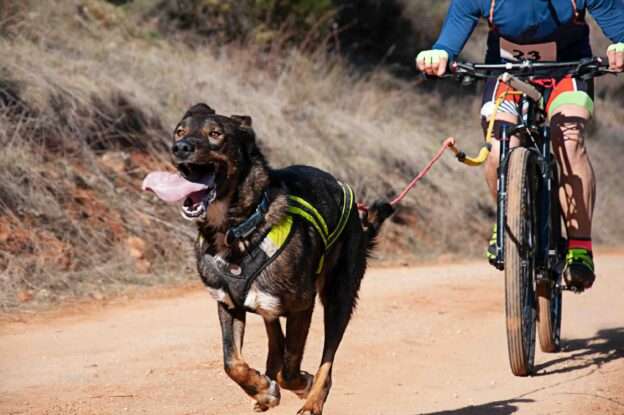
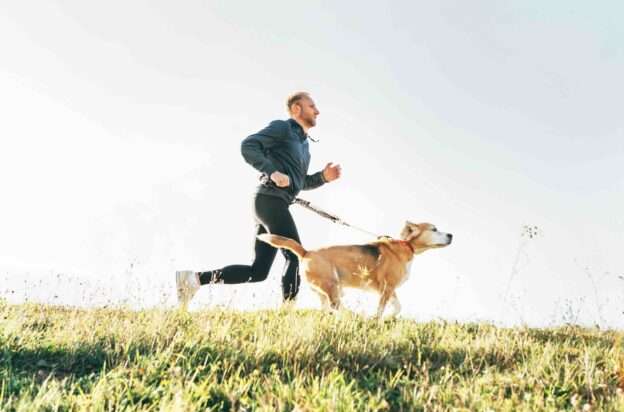
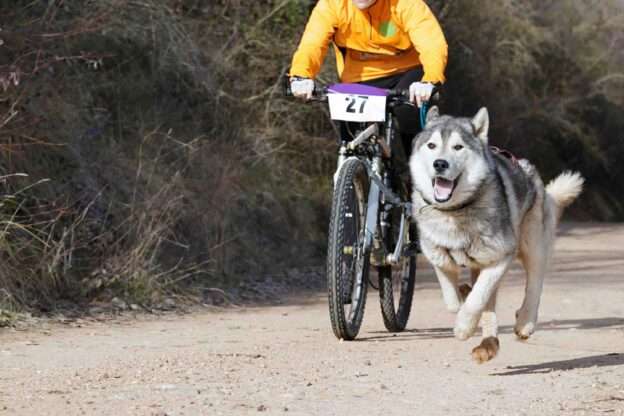
Running with a dog feels a little like flying. The line goes tight, four paws dig in, and—boom—you both roll down the trail. For thousands of teams across the United States and Canada, that thrill comes from one hub: North American Canicross, LLC (NACC). Below is everything you need to know about the group—how it began, what it offers today, and where it hopes to take dog-powered running next. What Is North American Canicross? North American Canicross, or NACC for short, is the main club for folks who like to run trails with their dogs out front. Think of it as the friendly HQ for the sport in the United States and Canada. The group is run by members, so people who race also help make the rules, plan meets, and welcome newcomers. NACC keeps things simple and open. Any dog—big, small, mixed, or purebred—can join as long as it’s healthy enough to pull. Kids as young as twelve can do canicross race with a grown-up nearby, and there’s no top age limit for humans or pups. Slow joggers, steady walkers, and rocket-fast runners all share the same start line. https://hdl.esiteq.com/wp-content/uploads/2025/06/IMG_5413.mov Here’s what NACC does day to day: Writes the rulebook. It covers safe gear, trail manners, and fair starts. Runs the titling program. Every mile and race time you log can earn Bronze, Silver, or Gold badges. Sanctions events. From small park meetups to big national races, NACC gives each one an official stamp so everyone follows the same standards. Hosts an online hub. Members swap training tips, trade used gear, and cheer each other on in a busy Facebook group and forum. Offers free learning. Short videos show how to fit a harness, teach left-right cues, and keep paws safe on hot days. Because volunteers handle most of the work, dues stay low and any extra funds roll back into better race timing, free youth entries, and updated safety guides. In short, NACC is the glue that holds the North American canicross scene together—welcoming, organized, and always run by the people (and dogs) who love the sport most. How It All Started Back in 2019, three friends—Alexis Karpf, Jacqui Johnson, and Lizzie Hill—kept bumping into each other at agility trials and fun-run fundraisers in the Southeast. Every chat ended the same way: “Why isn’t there one clear group for canicross here?” So they made one. They grabbed coffee, opened a laptop, and sketched a game plan on the back of a race flyer. Within a month they: Wrote a rulebook at Lizzie’s kitchen table. They copied the must-have safety bits from the International Sled Dog Federation, then trimmed the rest so weekend runners could understand it fast. They added heat-index limits, gear checks, and a way to earn miles virtually—handy for folks in hot southern states or far-flung towns. Built a tiny website on a free platform, posted the rules, and linked a Google form for team sign-ups. By week’s end, more than 200 people had joined. Opened a Facebook group so new runners could swap tips on harness fit and trail maps. Alexis handled the late-night questions; Jacqui kept spam out; Lizzie brainstormed events. Word spread fast. A VoyageATL interview the next spring shared their story of meeting through dog sports and “seeing the sport’s big potential,” which pushed membership past a thousand. Their first official action was simple: mail out numbered challenge coins to every team that logged 50 safe miles. The metal coins felt heavier than paper certificates and gave runners (and kids) something to show off at the start line. By the end of 2020, the trio had added sprint, 5 K, and half-marathon titles, plus an Ambassador Network that let volunteers host free group runs under the same rules. From a single coffee-shop idea, North American Canicross grew into the rule-keeper, cheer squad, and record book for dog-powered running across the continent—and it’s still run by the same three friends who wanted a place for everyone to clip in and go. A Simple Mission Make healthy running with dogs easy, safe, and fun for everyone. The founders repeat that line in interviews and at races. They back it up with three pillars: Events: 5 K sprints, ten-kilometer challenges, half-marathons, and virtual runs. Education: free clinics, gear demos, and a detailed online FAQ. Community: regional meetups plus an ambassador team that answers “newbie” questions daily. Races From Coast to Coast (and Beyond) North American Canicross either hosts or sanctions dozens of events each season. Courses range from sandy desert loops to hardwood-forest single-track. A few favorites: Race Around Red Top – fast pine-needle paths and gentle hills. Steeplechase Stampede – open equestrian park lanes perfect for two-dog teams. Cryptid CaniQuest – twilight start, glow sticks required, surprises on course. Many teams also travel to the ICF World Canicross Championship, most recently held in Bardonecchia, Italy, in October 2024. Athletes who earn NACC titles often use them to prepare for that world stage. The NACC Titling Program—Heart of the Group The titling program is the part of North American Canicross that keeps everyone excited. It works a lot like scouts or martial-arts belts—each new badge proves you and your dog have hit the next goal. How the titles are set up Lifetime Achieved Miles counts every mile your dog runs in harness, even the easy jogs before breakfast. First coin comes at 50 miles, then 100, 250, 500, 1,000, and a huge 5,000-mile coin planned for spring 2025. The idea is simple: steady miles build fit, happy dogs. Race Dog Distance Titles test speed on race day. There are two tracks—Sprint (about one mile or less) and 5 K. Finish five “Q” races in a class and you earn the Novice coin. Ten races move you to Advanced, then twenty for Master, and fifty for Elite. It’s a ladder, so you always know what comes next. Championship Titles ask for a mix of distances—5 K, 10 K, half-marathon, even a full marathon for the… Continue reading North American Canicross: Running Strong With Our Dogs

Common Myths About Barn Hunt For Dogs: Debunking Misconceptions

Barn hunt for dogs is one of the most accessible, inclusive, and downright fun dog sports around. But despite its growing popularity, many people still misunderstand what it’s all about. Maybe you’ve heard that it’s only for terriers, or that it involves harming rats, or that you need a super-trained dog to even try it. Let’s clear the air. In this article, we’re tackling some of the most common myths about barn hunt for dogs—and giving you the real story behind the sport. Whether you’re brand new or just curious, you’ll walk away with a better understanding of how barn hunt works and why it’s worth a try. Myth #1: Barn Hunt Is Just for Terriers Reality: All breeds and mixed breeds are welcome—and many excel. Yes, barnhunt was inspired by traditional ratting work, which terriers were bred to do. But that doesn’t mean they’re the only ones invited to play. In fact, barn hunt is open to dogs of all breeds, shapes, and sizes. From Chihuahuas to Great Danes, herding dogs to hounds, couch potatoes to high-drive sniffers—barn hunt for dogs is about instinct, not pedigree. Your dog doesn’t need a particular background to enjoy the hunt. If your pup has a nose and a sense of adventure, you’re good to go. And let’s be honest: watching a Basset Hound or a giant fluffy Newfoundland confidently locate rats in a maze of hay bales is one of the best things you’ll see at a dog sport event. Myth #2: The Rats Are in Danger Reality: The rats are safe, secure, and well cared for. One of the most common concerns people have is whether barn hunt for dogs is cruel to the rats. The answer is a resounding no. Rats used in barn hunt are kept in secure, well-ventilated tubes made of thick PVC with air holes. These tubes are designed to prevent injury or stress. The rats are rotated frequently, given breaks, and live as cherished pets when not “working” a trial. They are never harmed or even touched by the dogs. Most dogs simply indicate the scent by pawing, freezing, barking, or looking at the tube. Some dogs never touch the tube at all—they just signal that they’ve found the scent. This is one of the most important barn hunt rules: dogs must work safely and respectfully. Any aggressive behavior toward the rat tube is not allowed. Myth #3: You Need a Highly Trained Dog Reality: Dogs can start barn hunt with zero formal training. One of the best things about barn hunt is how natural it is for dogs. You don’t need years of obedience or a championship title. If your dog is curious, can work off-leash, and is comfortable around straw bales, you’re already halfway there. Most dogs catch on quickly because barn hunt for dogs taps into instinctual behavior. You might even be surprised by your dog’s natural skill the first time they find a rat tube. That said, attending a barn hunt for dogs class or fun match can help your dog build confidence and understand the expectations. But don’t let a lack of formal training stop you from getting started. Myth #4: Barn Hunt For Dogs Is Too Competitive Reality: barn hunt can be as casual or competitive as you want. Some people worry that barn hunt for dogs is all about ribbons, rankings, and high-pressure competition. While it definitely has a thriving competitive side, it’s also incredibly friendly and laid-back—especially at the beginner levels. Many handlers go to trials just to have fun with their dogs. Others are chasing titles like RATM or RATCH. But you can set your own goals. You don’t have to win anything to enjoy the sport. Most events have a community feel, with people cheering each other on and sharing tips. It’s a sport where newcomers are genuinely welcomed. Myth #5: Barn Hunt Is Only for High-Energy Dogs Reality: Dogs of all energy levels can enjoy the sport. While high-energy dogs often enjoy the fast-paced nature of barn hunt, slower and more methodical dogs also do really well. In fact, many judges love to see a dog carefully sniff each tube, methodically check each corner, and work at their own pace. There’s no one “right” hunting style. Some dogs blast through the course with explosive energy; others calmly work the scent. Both approaches can be successful. Barn hunt for dogs isn’t about speed—it’s about finding the rats, completing the tunnel and climb, and working together as a team. Myth #6: Barn Hunt Courses Are Outdoors or in Real Barns Reality: Most barn hunt events are held indoors with hay or straw bales. Despite the name, barn hunt events don’t require an actual barn. Many trials take place in indoor facilities, training centers, fairgrounds, or large buildings with climate control. The courses are built using hay or straw bales arranged to create tunnels, climbs, and hiding spots for rats. Some events may be held in real barns or rustic venues, but the key is the setup—not the location. As long as the bales and tubes follow the official barn hunt rules, the setting can vary. So no, you don’t have to go find a farm in the middle of nowhere to try barn hunt for dogs. Myth #7: The Rules Are Complicated Reality: The rules are clear, consistent, and easy to learn. Sure, there’s a rulebook—but that doesn’t mean it’s hard to understand. The Barn Hunt Association (BHA) does a great job of explaining how the sport works at each level. Here are the basics: Instinct: Three tubes—one with a rat, one empty, one with litter. Your dog must identify the rat. Novice: One rat, one tunnel, one climb. Time limit: 2 minutes. Open, Senior, Master: Increasing complexity with more rats, more difficult tunnels, and longer courses. Crazy 8s: A separate game with bonus points and unique rules. Handlers must learn to read their dogs and call “Rat!” when their dog alerts. You can’t touch the… Continue reading Common Myths About Barn Hunt For Dogs: Debunking Misconceptions

How to Get Started in Barn Hunt

Barn Hunt is one of the fastest-growing dog sports in the U.S., offering a fun, challenging outlet for your dog’s natural instincts. Whether your dog is a terrier with a strong prey drive or a laid-back mixed breed who just loves to sniff, Barn Hunt can be an exciting and rewarding experience. In this guide, we’ll walk you through everything you need to know about getting started—from understanding what the sport is all about to preparing for your first trial. Let’s dig in. What Is Barn Hunt? At its core, dog barn hunt is a sport that celebrates a dog’s ability to sniff out rats. But don’t worry—no rats are ever harmed. In fact, the rats used in barn hunt events are safely enclosed in sturdy, aerated tubes and are well-cared-for working animals. The sport is set up in a course made of straw or hay bales. Dogs navigate this maze to locate the hidden rat tubes using scent. Each course is timed, and dogs are judged on their ability to find the rats and perform required tasks like climbing on a bale and tunneling through a straw chute. Barn Hunt is open to all breeds and mixed breeds. Whether your dog is small, large, fast, methodical, shy, or bold, there’s a place for them in this sport. Why Try Barn Hunt? Barn Hunt isn’t just fun—it’s also a great way to give your dog mental stimulation, physical activity, and confidence-building. It strengthens your bond through teamwork and communication, all while tapping into your dog’s natural instincts. Some of the reasons people get involved in Barn Hunt for dogs include: Burning energy in a fun way Improving focus and sniffing skills Gaining confidence in new environments Meeting like-minded dog lovers Earning titles and ribbons Plus, it’s just plain entertaining to watch dogs in action—tails wagging, noses to the ground, hunting like pros. Who Can Participate? If your dog can climb on straw bales, fit through a tunnel, and is at least 6 months old, they can do Barn Hunt. No specific breed, size, or prior experience is required. While terriers tend to excel due to their instincts, any dog can participate—from Chihuahuas to Great Danes. Dogs do need to be able to work off-leash in a safely enclosed ring and should be relatively comfortable around other dogs and people in a busy event environment. What You Need to Get Started In Barnhunt You don’t need much to start Barn Hunt training. Here’s a simple list of what you’ll want to have: A basic harness or collar (no prong or e-collars allowed in the ring) A leash Tasty treats or a favorite toy for rewards A crate or x-pen for downtime at events A curious, motivated dog! You’ll also want to bring water, poop bags, and a positive attitude. The sport is welcoming and inclusive, but having a dog with good crate manners and a solid recall will make your experience easier. Step 1: Learn the Rules Before you show up to a Barn Hunt event or trial, take time to read the official rulebook from the Barn Hunt Association (BHA). This will help you understand the sport’s structure, what to expect, and how your dog can advance through the levels. Basic elements include: Instinct: A simple test to see if your dog shows interest in the rat tube. Novice: The first official level with one rat to find, plus tunnel and climb requirements. Open, Senior, Master: Advanced levels with more rats, trickier tunnels, and increased time pressures. Crazy 8s: A fun side game with its own rules and awards. Step 2: Try a Barn Hunt Instinct Test The instinct test is the starting point for all competitors. It’s designed to be straightforward: your dog is presented with three tubes—one with a rat, one with litter (rat bedding), and one empty. Your dog must identify the correct one. No experience is needed, and the instinct test can be done on the same day as your first trial. It’s a low-pressure way to introduce your dog to the sights, sounds, and smells of Barn Hunt. Step 3: Find a Barn Hunt Training Class One of the best ways to get started is by enrolling in a barn hunt training class. These are offered at training centers, dog sports clubs, and sometimes even farms. A good class will help your dog: Learn what scent to find Get comfortable climbing and tunneling Build focus and enthusiasm Practice off-leash work Understand how to ignore distractions Use search terms like “barn hunt for dogs near me” or “barn hunt training classes [your city]” to locate options in your area. If classes aren’t available, private trainers or local clubs may offer workshops or practice sessions. You can even practice some elements (like tunnels and climbs) at home using hay bales or agility equipment. Step 4: Attend a Fun Match or Practice Event Before entering a full competition, it’s smart to attend a fun match, training day, or mock trial. These informal events simulate a trial environment without the pressure of titles or judges. It’s a great chance to: Watch how a real event runs Let your dog explore a real course Ask questions from experienced handlers Get feedback from instructors Many of these events are advertised on regional dog sport Facebook pages, local training clubs, or through the Barn Hunt Association’s website. Step 5: Register Your Dog with the BHA To earn titles and enter official barn hunt events, your dog must be registered with the Barn Hunt Association. The process is simple and inexpensive. Go to barnhunt.com, create an account, and register your dog. You’ll get a Barn Hunt number that’s used for entering trials and tracking titles. Once your dog has a number, you’re ready to sign up for your first trial! Step 6: Enter Your First Trial Entering your first Barn Hunt trial is exciting—but don’t worry, you’re not expected to be perfect. Start with the Instinct or Novice level, depending on your… Continue reading How to Get Started in Barn Hunt

What Is the AKC Virtual Home Manners Program?

Training your dog doesn’t have to begin with group classes or a trip to the training center. Thanks to the AKC Virtual Home Manners program, you can start teaching essential skills right in your living room—and earn an official AKC title along the way. This program is designed to be practical, accessible, and encouraging for dog owners of all experience levels. But what exactly is Virtual Home Manners AKC, and how does it work? Whether you’re raising a new puppy, working with a recently adopted dog, or simply looking for a fun and productive training goal, this article will walk you through everything you need to know about the program, its benefits, and how to get started. What Is the Virtual Home Manners AKC Title? The AKC Virtual Home Manners title is an introductory-level title that showcases your dog’s ability to behave politely and cooperatively in a home setting. It’s one of the easiest AKC titles to earn and is open to all dogs—purebred or mixed breed, puppies or adults. Unlike many AKC titles that require in-person evaluations or travel to events, the Virtual Home Manners program is fully online. You train your dog at home, record videos of them performing specific skills, and submit those videos to an AKC-approved evaluator. Once approved, your dog earns a recognized AKC title and receives an official certificate. There are two versions of the title: AKC Virtual Home Manners Puppy (VHMP) – for dogs under 1 year old AKC Virtual Home Manners Adult (VHMA) – for dogs 1 year and older Both titles are structured around everyday tasks that reflect real-life scenarios in a household, helping to shape well-mannered, polite pets. Why Choose a Virtual AKC Title? One of the best things about virtual home manners is its convenience. The title can be earned from anywhere—no special equipment or travel required. This makes it a perfect fit for: Dog owners in remote or rural areas with limited access to dog training facilities Families with busy schedules who want flexible training First-time dog owners looking for a structured, low-pressure way to begin People who enjoy training their dogs at home and want to track their progress Virtual titles like this one give dog owners a chance to participate in AKC programs even if traditional routes aren’t accessible. It’s a modern solution for today’s dog-loving households. What Skills Are on the AKC Virtual Home Manners Checklist? The AKC Virtual Home Manners checklist is the heart of the program. It outlines the specific skills your dog must demonstrate on video in order to qualify for the title. These tasks are practical, real-world skills—not flashy tricks or advanced obedience. For Puppies (VHMP) The AKC Virtual Home Manners Puppy checklist includes: Allowing collar or harness to be put on Walks on a leash indoors with minimal pulling Comes when called Greets a family member calmly Allows brushing or handling Accepts food or treats politely Sits on command Lies down on command Waits for food bowl Plays with a toy or engages in play with family member These behaviors help form the foundation for good manners and prepare puppies for future training like Canine Good Citizen or basic obedience classes. For Adult Dogs (VHMA) The AKC Virtual Home Manners AKC list for adult dogs builds on the puppy version and includes: Walks on a leash without pulling (indoors or in yard) Comes when called from across the room Sits and lies down on command Stays in place when asked Waits patiently for food to be prepared Enters and exits doorways calmly Allows brushing and handling Shows polite behavior around family Responds to their name Plays appropriately or engages with family Each behavior must be clearly demonstrated on video, with the dog performing in a real home setting (not in a training center or outdoor park). How to Train for Virtual Home Manners You don’t need to be a professional trainer to succeed with the Virtual Home Manners title. In fact, the program is built to support everyday dog owners. You’ll want to use positive reinforcement, patience, and consistency as you teach the required skills. Here’s a simple plan to follow: Print the checklist – Use the age-appropriate list as your guide. Work on one skill at a time – Keep sessions short and fun. Practice in different rooms – Help your dog generalize behaviors. Record your sessions – Use your phone or camera to capture progress. Don’t stress perfection – The evaluator wants to see understanding and cooperation, not competition-level performance. You’ll be surprised how quickly your dog learns when training is relaxed and enjoyable! Submitting Your Video and Earning the Title Once you’ve trained and recorded all the required tasks, the next step is to submit your videos for evaluation. Here’s how that works: Step 1: Find an AKC-Approved Evaluator AKC has a directory of evaluators who can review Virtual Home Manners submissions. Many evaluators offer the entire process online, including submission instructions, payment, and feedback. Step 2: Submit Your Video Some evaluators prefer separate clips for each task; others are fine with one continuous video. Make sure to follow your evaluator’s specific instructions for video format, length, and labeling. Step 3: Fill Out Your Application Once the evaluator confirms your dog has passed all tasks, they’ll send you the necessary paperwork or instructions to submit your application to the AKC. After processing, your dog receives an official title certificate. And just like that, your dog has earned their first AKC virtual title—without ever leaving the house. Benefits of the AKC Virtual Home Manners Program The Virtual Home Manners AKC program offers many unique advantages for both dog and owner. Here are some of the top benefits: 1. Builds Practical Life Skills The program is based on real-world behaviors that make daily life easier—like polite leash walking, coming when called, and staying calm at the door. 2. Strengthens Your Bond Training together strengthens the relationship between you and your dog. As you work through the Virtual Home… Continue reading What Is the AKC Virtual Home Manners Program?

What Does It Mean: AKC Agility All-American Dog Breed?

If you’ve spent any time watching AKC agility competitions, you may have heard the announcer call out a dog as an All-American. But what does that actually mean? And how does the AKC Agility All-American Dog Breed differ from the more traditional breeds that usually fill the competition rings? Let’s break down the All American dog meaning in the world of AKC agility, why it matters, and how mixed-breed dogs are making their mark in the sport. What Is an All-American Dog According to the AKC? In everyday terms, the All-American Dog refers to a mixed-breed dog—one whose lineage isn’t tied to a specific breed or whose ancestry is unknown. They’re the lovable mutts you meet at the shelter, the rescue dog who won your heart, or the street pup that grew into your most loyal companion. The American Kennel Club (AKC) traditionally registers and promotes purebred dogs, but in 2010, it expanded its scope with the Canine Partners Program—a game-changer for dog sports. This program allows mixed-breed dogs, referred to as All-American Dogs, to participate in AKC companion events like agility, obedience, rally, and scent work. For agility, this was a major milestone. It meant that mixed-breed dogs could finally compete for the same titles and honors as their purebred counterparts. What Is the AKC Agility All-American Dog Breed? When you hear the term AKC Agility All-American Dog Breed, it means a mixed-breed dog that is registered with the AKC through the Canine Partners Program and is actively participating in agility trials. This isn’t a breed in the traditional sense. Instead, it’s a classification that acknowledges a dog’s eligibility for competition, despite not being tied to a specific pedigree. These dogs are entered into competitions with the breed listed as “All-American” in trial catalogs, scorebooks, and ribbons. It’s AKC’s way of recognizing and celebrating the diverse and talented dogs who might not fit into a breed box—but can absolutely hold their own in the ring. Competing in AKC Agility as an All-American Dog Agility is a sport that challenges both dog and handler with a timed obstacle course. Dogs must navigate jumps, tunnels, weave poles, and other equipment while staying focused, fast, and responsive. It’s a sport that rewards teamwork, athleticism, and problem-solving. All-American Dogs often thrive in agility. With their diverse backgrounds, they bring a mix of traits that can lead to exceptional performance—speed from one breed, focus from another, and sheer enthusiasm from all. To compete in AKC agility: Mixed-breed dogs must be spayed or neutered. They must be enrolled in the AKC Canine Partners Program. They receive an AKC number and are eligible to enter any agility trial open to All-American Dogs. Once registered, they can start earning titles like: NA (Novice Agility) OA (Open Agility) AX (Excellent Agility) MX (Master Agility) MACH (Master Agility Champion) They are judged by the same standards and rules as purebred dogs and are fully integrated into the competition structure. Why the AKC’s Recognition of All-American Dogs Matters The All-American dog breed meaning within the AKC is more than a label—it’s a sign of progress. For years, mixed-breed dogs were excluded from official competitions and high-level titles simply because they didn’t have a pedigree. With the introduction of the Canine Partners Program, these dogs now have a chance to shine. This inclusion has done more than expand participation—it has celebrated the everyday dog. The rescue pup. The mystery mix. The dog that may not fit neatly into a category but gives everything they’ve got in the ring. The AKC’s decision to include All-American Dogs in agility speaks volumes about how far the world of dog sports has come—and how much it values ability, heart, and teamwork over purebred status. Success Stories: All-American Dogs in the Spotlight Every year, mixed-breed dogs earn top honors at national agility championships. They break speed records, qualify for finals, and stand shoulder to shoulder with Border Collies, Shelties, and other popular agility breeds. These All-American Dogs prove that passion, drive, and partnership can outshine a pedigree any day. So what does it mean when someone refers to the AKC Agility All-American Dog Breed? It means the dog is a mixed-breed athlete—registered through the AKC Canine Partners Program—who has earned a rightful place on the agility course. It’s a celebration of diversity in the sport, and a reminder that greatness comes in all shapes, sizes, and backgrounds. Whether you’ve adopted a rescue or found your best friend through a local shelter, your dog might be the next agility star. And thanks to the AKC, the title of All-American Dog is one that now comes with ribbons, championships, and pride.

AKC Fit Dog vs. Regular Exercise: What Makes This AKC Program Special?

Dog owners know that keeping their pets active is essential for health and happiness. But is taking daily walks or playing fetch in the backyard enough, or could a structured program like the AKC Fit Dog initiative add extra benefits? Regular Exercise for Dogs: Why It Matters Regular physical activity is vital for dogs of all breeds and ages. “Regular exercise” can include daily walks, jogs, play sessions in the yard, games of fetch, obedience training, swimming, or any activity that gets your dog moving. Here are some key reasons why a consistent exercise routine is so important for dogs: Physical Health: Exercise helps maintain a healthy weight, builds muscle tone, and supports cardiovascular health. Active dogs are less likely to become obese, and staying fit can even prolong a dog’s life by reducing health risks.  Mental Stimulation: Physical activity isn’t just about the body—it engages a dog’s mind. A tired dog who’s had a good workout is usually a happy dog. Exercise provides mental enrichment by exposing dogs to new environments and smells, which can reduce boredom and destructive behaviors. Behavior and Mood: Adequate exercise can significantly improve a dog’s behavior. Dogs that get regular outings tend to have fewer behavioral issues stemming from pent-up energy or anxiety. You might notice your pup is calmer and more relaxed after a nice long walk or vigorous play session. Bonding: Taking time each day to exercise your dog strengthens the bond between you. Whether it’s a morning walk around the block or a game of frisbee, these activities provide one-on-one time that deepens your mutual trust and understanding. It’s a chance to build confidence and socialization for your dog, too, by encountering new sights, sounds, and other people or dogs in a controlled way. Most veterinarians recommend that adult dogs get at least some exercise every day. The exact amount depends on your dog’s age, breed, and health. A young, high-energy breed (like a Border Collie) may need a couple of hours of activity daily, while a senior dog might do best with shorter, gentle walks. A commonly cited guideline for humans — 150 minutes of moderate exercise per week — can be a useful target for dogs as well. Even a moderate-paced daily walk can accumulate to that 150-minute mark, bringing substantial health benefits. What matters most is consistency: making exercise a regular part of your dog’s routine. Overview of the AKC Fit Dog Program If regular exercise is so straightforward, what exactly is the AKC Fit Dog program, and what makes it special? The American Kennel Club (AKC) launched the Fit Dog program in September 2018 as a way to encourage dog owners to walk their dogs and stay active. Initially, the program’s hallmark was a fun incentive: owners who met a specific fitness goal with their dogs could receive a free AKC Fit Dog car magnet to proudly display. This magnet, emblazoned with the Fit Dog logo, signals that you are committed to your dog’s health through regular exercise. What do you have to do to earn the magnet? The AKC Fit Dog program set achievable walking goals aligned with public health recommendations. Owners could choose one of two options to qualify: Standard Track: Walk your dog at least 30 minutes, 5 days per week (totaling 150+ minutes weekly) for a minimum of 3 months. This matches the 150 minutes/week goal and is ideal for dogs and people in normal shape. Senior/Modified Track: Walk your dog 15 minutes per session, 10 times per week (for example, two 15-minute walks a day) for at least 3 months. This alternative is designed for senior dogs or owners who benefit from shorter, more frequent walks rather than longer sessions. By hitting one of these goals, you demonstrate a sustained commitment to fitness. The AKC doesn’t require any competition or event participation for this part – it’s done on your own schedule. You simply keep a record or log of your walks (AKC even provides an optional form to help track progress). Once you’ve completed three months of regular walks, you submit a simple form to AKC to request your free Fit Dog magnet. It’s essentially an honor system, but dog owners take pride in earning that magnet as a badge of their dedication. AKC Fit Dog Clubs: The program quickly grew beyond just individual walking goals. AKC recognized that many people enjoy exercising in groups, so they introduced Fit Dog Clubs. These are local clubs, often organized by AKC-affiliated dog clubs or training schools, that host group fitness walks or canine fitness classes for members of the community. To be recognized as an official AKC Fit Dog Club, a group needs to organize at least four group dog walks per year or hold regular canine fitness/conditioning classes. The AKC provides Fit Dog Clubs with a free banner and promotional materials as encouragement. By 2025 there were around 350+ AKC Fit Dog clubs across the country bringing dog owners together for group walks and activities. This club aspect adds a social component to the fitness routine – owners can meet like-minded dog lovers, and dogs get the benefit of socializing while exercising. AKC Fit Dog Titles and Checklists One of the biggest additions to the Fit Dog program came in 2023, when the AKC introduced AKC Fit Dog titles as a new way to recognize sustained fitness activities. Unlike the Fit Dog magnet (which is a one-time reward for meeting a walking goal), Fit Dog titles are official AKC titles that can be added to your dog’s name (much like titles for sports or obedience). There are three levels of AKC Fit Dog titles: AKC Fit Dog Bronze (FITB) – the novice level AKC Fit Dog Silver (FITS) – intermediate AKC Fit Dog Gold (FITG) – advanced Each title level requires completing a certain number of activity points: Bronze needs 5 points, Silver 10 points, and Gold 20 points. Points are earned by participating in various fitness activities with your dog,… Continue reading AKC Fit Dog vs. Regular Exercise: What Makes This AKC Program Special?

What is an AKC Fit Dog Title?

The AKC Fit Dog Title is an official recognition from the American Kennel Club for dog owners who commit to keeping their dogs (and themselves) physically active. In 2023, the AKC introduced three Fit Dog titles – Bronze, Silver, and Gold – as part of its Fit Dog program to encourage healthy exercise habits. These titles are open to all dogs (purebred or mixed breed) and are earned by completing a series of fitness activities together with your dog. Once earned, the title becomes a suffix to your dog’s AKC name (for example: Fido, FITB for Bronze) and you’ll receive an official certificate. The AKC Fit Dog title program provides a fun, structured way for owners and dogs to get moving, improve their health, and be rewarded for their efforts. It’s a non-competitive program, meaning you’re not competing against anyone else; you simply complete the requirements at your own pace and send in your documentation to earn the title. Why did AKC create the Fit Dog program? The main goal is to encourage regular exercise and strengthen the bond between dogs and their owners. With many pets (and people) being overweight, AKC saw a need for a structured fitness initiative. The Fit Dog program initially launched in 2018 as a way to get people and dogs active together. Early initiatives included community fun walks and even a free AKC Fit Dog Club magnet for owners who met certain walking goals. By 2023, AKC expanded the program to include official titles so you can earn recognition for maintaining a healthy lifestyle with your pup Benefits for Dogs: Regular exercise helps dogs maintain a healthy weight, builds muscle tone, and improves cardiovascular health. It also provides mental stimulation and can reduce behavioral problems that stem from excess energy or boredom. A tired dog from a good long walk or play session is often a happier, calmer dog at home. The variety of activities encouraged by the program – from walks to swimming to agility – can also expose your dog to new experiences and skills, boosting their confidence. Benefits for Owners: It’s not just the dogs who benefit – owners do too! Committing to the Fit Dog program gives you a reason to get outside and be active on a regular basis. Many participants report better personal fitness, more motivation to stick to an exercise routine, and the joy of bonding with their dogs through shared activities. Walking or jogging with your dog, for example, can improve your cardiovascular health and mood. The program can also be a social outlet, especially if you join community runs or group dog walks through an AKC Fit Dog club. You might meet fellow dog lovers and make new friends along the way. Structured Motivation: Another big benefit of AKC Fit Dog titles is the structure and motivation they provide. It’s easy to say “I should exercise my dog more,” but having a clear checklist of goals (like walking X minutes per week for 8 weeks, or completing a 6-week fitness class) can keep you accountable. The titles serve as milestones to work toward. Plus, at the end of the journey you’ll have a tangible reward – a title certificate and the pride of achieving Bronze, Silver, or Gold status. AKC Fit Dog Title Levels: Bronze, Silver, and Gold The AKC Fit Dog titles come in three levels of achievement, progressing from easiest to most challenging. Each level has a set of requirements measured in “points”. To earn a title, you and your dog must accumulate a certain number of points by doing approved fitness activities. Here’s an overview of each level: AKC Fit Dog Bronze Title (Novice Level) The Bronze Fit Dog title is the entry-level (think of it as Level 1) in the Fit Dog series. It’s abbreviated FITB in AKC records. Bronze is open to any dog at least 6 months old, and it requires 5 points worth of activities completed from at least two different categories. In practical terms, this means you can’t earn all 5 points doing just one type of activity – you need a mix of exercises. What does 5 points equate to? AKC has defined six categories of fitness activities (explained in the next section), each with point values. For Bronze, some examples of how you could reach 5 points are: Completing an AKC Fit Dog 6-week course (3 points) and going on a group walk event (3 points). That would give you 6 points total from 2 categories, which meets the requirement. OR committing to an independent walking regimen of at least 75 minutes per week for 8 weeks (3 points) and also doing one “unique” activity like a day of swimming with your dog (2 points). 3 + 2 = 5 points, across 2 categories. OR participating in a local 1-mile fun run or dog-friendly 5K event (3 points) and submitting proof that your dog earned a beginner-level AKC fitness-related title (like a novice agility title) during that time (2 points). There are many possible combinations, which makes the Bronze title very achievable. The key is to include at least two categories of activity – for instance, you can’t just do two fun runs and nothing else. But you could do one fun run and one walking plan, or one course and one swim, etc. Most Bronze participants choose the walking option as one of their categories, since it’s accessible to everyone. In fact, walking 75 minutes per week for 8 weeks is a common way to fulfill a big chunk of the Bronze requirements. That breaks down to roughly 10–11 minutes of walking per day – a great starting goal for a sedentary dog. Others might take an AKC Fit Dog class if one is offered in their area by an approved instructor. However you choose to do it, once you’ve earned 5 points and checked off activities in two or more categories, you’re ready to apply for the Bronze title! AKC Fit Dog… Continue reading What is an AKC Fit Dog Title?

Fast CAT Points Calculator

Fast CAT Calculator If you’re participating in Fast CAT, you’ll want a quick and accurate way to calculate your dog’s speed and title points. That’s exactly what the Fast CAT calculator is for. This simple tool makes it easy for dog owners to convert run times into miles per hour and figure out how many points their dog earned in a single run. Fast CAT Speed & Points Calculator Fast CAT Speed & Points Calculator Run Time (seconds): Dog’s Height Category: 18 inches or taller12 to 18 inchesUnder 12 inches Calculate Speed: – mph Points: – What is Fast CAT? Fast CAT (Fast Coursing Ability Test) is a timed 100-yard run where dogs race individually, chasing a moving lure. Unlike traditional dog races, Fast CAT is focused on measuring a dog’s natural sprinting ability rather than direct competition. Since any breed or mixed breed can participate, it’s an inclusive event that allows all dogs to showcase their speed and enthusiasm. The 100-Yard Dash Format Course Setup: A straight 100-yard track designed for speed and safety. Timing System: Electronic timers capture the dog’s performance down to fractions of a second. Lure Mechanism: A mechanical lure entices the dog to chase it down the track. Handler Involvement: One person releases the dog at the start, while another encourages them at the finish line. Fast CAT is not only an exciting event but also a great way to assess a dog’s athletic ability in a structured environment. Fast Cat Points Calculation Process Understanding how Fast CAT points are calculated is essential for competitors tracking their progress toward titles. Step 1: Calculating Speed (MPH) The speed of a dog in Fast CAT is determined using the following formula: For example: If a dog completes the race in 10.00 seconds, the calculation is: 204.545 ÷ 10 = 20.45 MPH. If a dog finishes in 8.00 seconds, the speed is: 204.545 ÷ 8 = 25.57 MPH. Step 2: Applying the Handicap System To ensure fair competition across different dog sizes, AKC assigns handicap multipliers based on height at the withers: 18 inches and above: Handicap = 1.0 12 inches to under 18 inches: Handicap = 1.5 Under 12 inches: Handicap = 2.0 The handicap system ensures fair competition by adjusting point calculations based on a dog’s size. Smaller dogs naturally have shorter strides and may not reach the same top speeds as larger breeds. To account for this, AKC applies a multiplier that increases the points awarded to dogs under 18 inches. This system allows all dogs, regardless of size, to compete for Fast CAT titles on a more level playing field. Step 3: Calculating Points To determine how many points a dog earns in a Fast CAT run, the speed (MPH) is multiplied by the dog’s handicap. Example: A large dog (over 18″) running at 22.5 MPH earns: 22.5 x 1.0 = 22.5 points. A medium-sized dog (15″ tall) running at 22.5 MPH earns: 22.5 x 1.5 = 33.75 points. A small dog (10″ tall) running at 22.5 MPH earns: 22.5 x 2.0 = 45 points. The Fast CAT Calculator automates this process, making it simple to track points and progress. Using the Fast CAT Calculator The Fast CAT Points Calculator simplifies the scoring process for competitors. Here’s how to use it effectively. Step-by-Step Guide Enter Your Dog’s Time: Input the official time from the event results. Select Dog’s Height: Choose the appropriate category (over 18″, 12–18″, under 12″). Compute Points: The calculator will apply the handicap and display the final score. Track Progress: Add the latest points to your dog’s total to monitor progress toward titles. The Fast CAT Calculator ensures accurate and quick calculations, making it easier to track title eligibility. Earning Fast CAT Titles Fast CAT titles are earned based on the total points your dog accumulates over multiple runs. Points are calculated by determining your dog’s speed (MPH) using the formula 204.545 ÷ run time (seconds) and then applying a handicap based on their height. The AKC awards titles starting with BCAT (150 points), followed by DCAT (500 points), FCAT (1,000 points), and higher levels (FCAT2, FCAT3, etc.) every additional 500 points. Use the Fast CAT Calculator to track your dog’s progress and celebrate each milestone on their journey to becoming a champion! Fast CAT is a high-energy sport that lets dogs tap into their natural instinct to chase, while giving owners a front-row seat to just how fast their dogs really are. As your dog races down a 100-yard stretch in pursuit of a lure, the excitement is undeniable. But after the run, many handlers find themselves wondering: “How fast was that?” or “How many points did we just earn?” That’s where the Fast CAT calculator quietly becomes one of the most helpful tools in the sport. Instead of pulling out a pen and trying to remember formulas, the calculator does the work for you. Just type in your dog’s run time and height category, and you’ll instantly see their speed in miles per hour and how many points they earned. It’s quick, accurate, and honestly—pretty satisfying to watch the results pop up. Using the calculator can also make the sport feel more rewarding. It helps you: Keep a clear record of progress Understand how each run moves your dog closer to titles like BCAT, DCAT, and FCAT Spot patterns in performance over time You don’t need a calculator to enjoy Fast CAT, but once you try it, it’s hard to imagine tracking runs without it. It turns all that post-run excitement into something tangible—something you and your dog can work toward together. So if you’ve been scribbling numbers on score sheets or trying to remember the mph-to-points conversion, give the Fast CAT calculator a try. It’s a small tool that makes a big difference over time.

The Benefits of Dog Sports for Senior Dogs

Dog sports for senior dogs are an excellent way to keep older canine companions active and engaged, helping to maintain their health and happiness. These activities offer a range of benefits, from physical fitness to mental stimulation, and provide opportunities for socialization and bonding. In this article, we’ll explore the numerous advantages of Dog Sports for Senior Dogs and provide tips on how to adapt these activities to suit their needs. Physical Benefits Of Dog Sports For Senior Dogs Participating in dog sports for senior dogs can help maintain muscle strength and joint flexibility. Regular physical activity is crucial for preventing muscle atrophy and reducing the risk of obesity, which can exacerbate joint issues like arthritis. Dog sports that involve gentle exercise, such as agility or rally obedience, can improve cardiovascular health and overall fitness. Agility: Agility courses can be modified for senior dogs by lowering jumps and reducing the speed required. This allows them to navigate the course at their own pace, providing a low-impact workout that helps maintain muscle tone and joint flexibility. Rally Obedience: Rally Obedience sport focuses on obedience and precision, making it an excellent option for senior dogs. The tasks can be tailored to their abilities, ensuring they remain engaged without overexertion. Dock Diving: Dock diving provides a full-body workout and is joint-friendly due to the water’s buoyancy. It’s an excellent way for senior dogs to maintain muscle tone while enjoying a refreshing activity. Lower dock heights and shorter distances can be used to accommodate senior dogs. Mental Stimulation Engaging in dog sports for senior dogs provides mental stimulation that is vital for older dogs. These activities challenge their cognitive abilities, keeping their minds sharp and preventing boredom. Mental stimulation can also reduce anxiety and improve overall well-being, contributing to a happier and more content senior dog. Scent Work: Scent work taps into a dog’s natural ability to use their nose. It provides mental stimulation by challenging them to locate specific scents. This activity is perfect for senior dogs as it is low-impact and can be done at their own pace. Trick Training: Teaching new tricks or refining existing ones keeps senior dogs mentally engaged. It also strengthens the bond between the dog and the owner, enhancing their relationship. Barn Hunt: Barn hunt challenges a dog’s problem-solving skills and sense of smell, providing mental stimulation. Simplified courses with fewer obstacles can accommodate senior dogs, allowing them to navigate at their own pace. Tracking: Tracking involves training dogs to follow a scent trail, which engages their sense of smell and problem-solving abilities. It offers mental stimulation and can be adapted to suit a senior dog’s endurance level, making it an excellent low-impact activity. Socialization Aspect Of Dog Sports For Senior Dogs Dog sports for senior dogs offer opportunities for social interaction with other dogs and humans. This socialization is especially beneficial for senior dogs, as it can boost their mood and improve their behavior. Participating in group activities or attending events allows senior dogs to make new friends and enjoy positive social experiences. Group Classes: Enrolling in group classes for dog sports provides a structured environment for socialization. Senior dogs can interact with peers and learn new skills, promoting a sense of community and belonging. Dog Sports Events: Attending dog sports events, even as spectators, allows senior dogs to experience new environments and meet other dogs and owners. This exposure can be enriching and enjoyable for them. Bonding One of the most significant benefits of dog sports for senior dogs is the strengthening of the bond between the dog and the owner. Shared activities enhance trust and communication, creating a deeper connection. For senior dogs, this bond is particularly important, as it provides a sense of security and comfort. Training Sessions: Regular training sessions for dog sports create opportunities for positive reinforcement and mutual understanding. These sessions reinforce the bond between the dog and the owner, fostering a strong and trusting relationship. Shared Achievements: Celebrating achievements, no matter how small, strengthens the bond. Whether it’s mastering a new trick or completing a course, shared successes create lasting memories and deepen the connection. Adaptation to Senior Dogs When introducing dog sports for senior dogs, it’s crucial to adapt the activities to their needs. Low-impact sports, such as scent work or trick training, are excellent options for senior dogs. Modifications, such as lowering jumps in agility or reducing the duration of activities, can ensure safety and comfort. Always consult with a veterinarian before starting any new exercise regimen to ensure it’s appropriate for your senior dog’s health. Low-Impact Activities: Focus on activities that are gentle on the joints, such as swimming or walking through obstacle courses. These activities provide exercise without putting undue stress on the body. Customized Training Plans: Develop a training plan tailored to your senior dog’s abilities and health. This plan should consider their physical condition, energy levels, and any medical conditions they may have.  Dog sports for senior dogs offer a wealth of benefits, from physical fitness and mental stimulation to socialization and bonding. By adapting activities to suit their needs, you can provide your senior dog with a fulfilling and enjoyable way to stay active. Consider incorporating Dog Sports for Senior Dogs into your routine to enhance their quality of life and strengthen your bond.In conclusion, Dog Sports for Senior Dogs are not just for young and energetic dogs. Senior dogs can also enjoy and benefit from these activities when appropriately adapted. By keeping them active and engaged, you can help your senior dog lead a healthy, happy, and fulfilling life. Can senior dogs safely participate in dog sports? Yes, senior dogs can safely participate in dog sports with appropriate adaptations. Activities should be tailored to their physical abilities, and low-impact sports are recommended. Always consult a veterinarian before starting any new exercise regimen. What are some low-impact dog sports suitable for senior dogs? Low-impact dog sports suitable for senior dogs include scent work, trick training, rally obedience, and modified agility courses.… Continue reading The Benefits of Dog Sports for Senior Dogs

How The AKC Fetch Program Works And How To Get AKC Fetch Title

Program Structure and Operation The AKC Fetch Program is structured as a titling test, allowing dogs to earn official AKC Fetch Title by demonstrating their retrieving abilities. Unlike competitive dog sports, this program follows a pass/fail format, focusing on whether a dog successfully meets the specific skills required for each level. Instead of being scored or ranked, each participating dog works alongside its handler to complete a series of retrieving challenges evaluated by an AKC-approved Fetch judge. If a dog successfully completes the required tasks, they receive a passing score and earn a qualifying leg toward their title. If a dog does not pass, they may attempt the test again at a later event. AKC Fetch Title Progression and Test Format The Fetch Program consists of four progressive levels of AKC Fetch Title: Fetch Novice (FTN) Fetch Intermediate (FTI) Fetch Advanced (FTA) Fetch Retriever (FTR) Each AKC Fetch Title introduces new challenges, requiring dogs to build upon previously learned skills. Dogs must start at the Novice level and advance sequentially, meaning a dog cannot skip levels, even if they are naturally skilled at retrieving. This structure ensures a solid foundation of skills before tackling more advanced challenges. At an AKC Fetch event, the test procedure typically follows these steps: Check-in: Handlers arrive at the test site (a designated park or training area) and complete event registration. Preparation: The judge explains the test requirements, and assistants may be available to help throw objects or manage distractions. Testing: Each dog performs a set number of retrieving exercises while the judge observes their performance. The dog must successfully retrieve and return objects according to the level’s guidelines. Evaluation: If the dog meets all the test criteria, the judge issues a passing score. If the dog struggles (e.g., refuses to retrieve or fails to return the object), they will receive a fail and may retake the test at a future event. To earn a Fetch title, a dog must pass the same level twice under two different judges. This rule ensures that the dog can perform the required skills consistently in different testing environments. Currently, all AKC Fetch tests are conducted in person—there is no virtual testing option. Owners must attend official events where an AKC-approved judge is present. Fetch trials are often hosted by AKC-affiliated clubs, training facilities, or during AKC event weekends. AKC Fetch Title Levels Each of the four levels in the AKC Fetch Program presents increasing challenges in terms of distance, distractions, and retrieving complexity. Below is a breakdown of what is required at each level of AKC Fetch Title: Fetch Novice (FTN) – Beginner Level Requirements: The dog retrieves a thrown object from 30 feet away. The object may be a tennis ball, bumper, or toy of the handler’s choice. The test course includes four obstacles placed between the handler and the object. The dog must successfully fetch three times in a row (one retrieve to the left, one center, and one right). Objective:At this level, the goal is to assess basic retrieving ability. Dogs must retrieve objects from increasing distances and bring them back close to the handler. The test ensures dogs can stay focused despite minor environmental distractions. Fetch Intermediate (FTI) – Increased Distance & Complexity Requirements: The retrieve distance increases to 50 feet. The course includes eight distractions instead of four. The dog must complete four single retrieves (left, right, center, and an additional direction of the handler’s choice). Objective:The Intermediate level introduces longer retrieves and a greater number of distractions, testing a dog’s ability to maintain focus. While the handler can still use some light physical control at the start (e.g., holding the collar with one finger), dogs are expected to demonstrate more self-control before being sent to retrieve. Fetch Advanced (FTA) – Blind Retrieves & Memory Component Requirements: Retrieve distance extends to 70 feet. The course includes three “blind” retrieve locations (barriers prevent the dog from seeing where the object lands). Dogs must complete two single retrieves and two double retrieves (fetching two objects in a row). Objective:At this level, dogs must remember where multiple objects were placed and retrieve them without seeing the exact drop location. This introduces a memory challenge, requiring dogs to rely on their handler’s guidance and their own problem-solving skills. Fetch Retriever (FTR) – Master Level Requirements: Retrieve distance extends to 80 feet. The course setup is similar to Advanced but requires more complex sequences. The dog must complete two double retrieves and one triple retrieve (fetching three objects in a row). Objective:This is the highest level of AKC Fetch Title achievement in the AKC Fetch Program. Dogs at this level demonstrate exceptional memory, endurance, and precision, successfully retrieving multiple objects in a row over increasing distances. Requirements to Progress Through Levels Of AKC Fetch Title To move from one level to the next, a dog must: Pass each test twice under two different judges. Complete the levels sequentially (no skipping ahead). Handlers must provide proof of passing scores when entering their dog into a higher-level test. This ensures that every dog has a strong foundation before advancing. Getting Started with AKC Fetch (Eligibility & Registration) Eligibility Requirements Dogs must be at least 6 months old to participate. Any breed or mix is eligible, but the dog must be registered with AKC. Acceptable registration options include: AKC Registration Number (for purebred dogs). Purebred Alternative Listing (PAL) (for unregistered purebred dogs). AKC Canine Partners (for mixed-breed dogs). If your dog is not yet registered, you can apply through the AKC website. Once registered, your dog will receive an official AKC number, allowing them to participate in Fetch trials. How to Register for a Fetch Test Find an Event: Search for Fetch tests on the AKC Events Calendar under “AKC Family Dog Events.” Sign Up: Complete an entry form and provide your dog’s AKC number. Pay the Entry Fee: Fees vary but typically range between $20–$30 per test. Prepare for the Event: Arrive with proper documentation, a standard leash, and… Continue reading How The AKC Fetch Program Works And How To Get AKC Fetch Title

History and Development of the AKC Fetch Program

The AKC Fetch Program is one of the newest additions to the American Kennel Club’s (AKC) Family Dog Program, providing a structured way to turn the beloved game of fetch into an official titling event dog sport. Fetch has long been a favorite pastime for dog owners and their pets, but with this initiative, it becomes a formalized training activity that allows dogs to showcase their retrieving abilities while earning recognized AKC titles. The development of AKC Fetch Program spanned over a year, with AKC experts designing a system that gradually increases in difficulty across multiple levels. The program was carefully structured to ensure accessibility for all dogs—whether purebred or mixed breed—and to create a fun, noncompetitive way for owners to bond with their dogs while engaging in physical and mental enrichment. From the initial concept to the first official title trials, the launch of the AKC Fetch Program followed a structured timeline. Below, we explore the key milestones that led to the program’s successful rollout and how it is expected to expand in the future. Development Timeline & Key Milestones Of AKC Fetch Program Early Concept and Program Design The idea for AKC Fetch Program originated within the AKC Family Dog team, who sought to introduce new activities that would appeal to pet owners looking for structured but fun training options. Recognizing that fetch is already one of the most popular ways dogs and owners interact, AKC saw an opportunity to develop a titling program centered around retrieving skills. In early 2023, AKC experts began formulating the rules and requirements for a retrieving-based title system. They designed a progressive challenge across four levels—Fetch Novice, Intermediate, Advanced, and Retriever—to test dogs’ ability to complete increasingly complex retrieving exercises. The program was structured to ensure that any dog, regardless of breed, could participate and succeed. As part of the development process, AKC created official guidelines for setting up Fetch courses, testing criteria, and judging standards. These guidelines helped establish consistency and fairness across all Fetch trials while maintaining the focus on enjoyment and skill development. October 2023 – Public Announcement of the AKC Fetch Program In October 2023, the AKC officially introduced the AKC Fetch Program to the public through its website and promotional materials. The announcement included an overview of the program, test requirements, and an introduction to the titling structure. Along with this announcement, the AKC released educational resources such as: Step-by-step guides on setting up Fetch courses Instructions for clubs interested in hosting Fetch trials An overview of the different title levels and their requirements At this stage, the program was in a soft launch phase, meaning that while the materials were available, no official trials had yet been conducted. The goal of this phase was to build awareness and encourage clubs, trainers, and owners to begin preparing for upcoming events. To generate interest, the AKC encouraged dog trainers and clubs to host practice sessions so that dog-and-handler teams could familiarize themselves with the rules. This approach helped ensure that when official trials began, participants would already have a foundational understanding of what was expected. December 4, 2023 – Judge Training Becomes Available A critical step in rolling out the program was training qualified judges to evaluate Fetch tests. On December 4, 2023, the AKC launched an online course through AKC Canine College, allowing individuals to become certified AKC Fetch Program judges. Prospective judges included experienced dog trainers, Canine Good Citizen (CGC) evaluators, and other dog sports professionals who had prior experience evaluating obedience, performance, or training-based tests. The training course covered: The official rules and structure of the AKC Fetch Program How to properly score and evaluate a dog’s performance Best practices for setting up fair and consistent testing environments To become an approved AKC Fetch judge, participants had to complete the online course and pass an exam. This step was essential to ensuring that all Fetch trials were judged accurately and consistently, laying the foundation for the program’s credibility. January 2, 2024 – Clubs Begin Applying to Host Events With judges in place, the next step was allowing AKC-affiliated clubs and organizations to apply to host Fetch trials. As of January 2, 2024, the AKC began accepting applications from clubs interested in running official Fetch tests. At this stage, AKC Fetch Program became an officially sanctioned AKC event, similar to obedience trials and agility competitions. Hosting organizations had to meet specific requirements, including: Having an AKC-approved Fetch judge present at each test Following the official AKC Fetch testing structure Ensuring fair conditions and proper documentation of results Because the AKC Fetch Program required dogs to progress through the titles sequentially, the AKC recommended that early events focus primarily on Fetch Novice (FTN) tests, allowing all participants to start at the first level. Additionally, event applications needed to be submitted at least one month in advance, giving AKC time to approve and promote the tests. February 2, 2024 – First Official Fetch Titles Earned The first AKC Fetch trials took place in February 2024, marking the program’s official launch. On February 2, 2024, participating clubs began holding sanctioned Fetch trials where dog-and-handler teams could attempt to earn their first titles. As the first Novice-level tests were completed, the program was tested in real-world conditions, allowing AKC to ensure that the rules and evaluation system worked as intended. Dogs that successfully completed two Novice Fetch tests under different judges were awarded the Fetch Novice (FTN) title, making them the first official titleholders in the program. With these early successes, more clubs and participants began signing up, leading to increased demand for Fetch trials across the country. Ongoing Growth and Future Expansion Of AKC Fetch Program Since its launch, the AKC Fetch Program has continued to evolve. AKC has provided additional resources, including: A detailed Judges and Participants Guide Instructional videos on how to train for Fetch titles An updated events calendar for upcoming Fetch trials As awareness of the program grows, more clubs are beginning to include… Continue reading History and Development of the AKC Fetch Program

What Is AKC Fetch?

The AKC Fetch is an exciting initiative introduced by the American Kennel Club (AKC) to formalize the classic game of fetch into a structured activity with official AKC titles. Launched in late 2023, the program is designed to be an enjoyable and inclusive way for dogs of all breeds—including mixed-breed dogs (also known as All American Dog) —to develop their retrieving skills while strengthening their bond with their owners. Unlike traditional dog sports that emphasize competition, AKC Fetch operates as a noncompetitive, pass-fail program, allowing dogs and their handlers to work together through a series of retrieving challenges. The program consists of four levels of titling—Fetch Novice (FTN), Fetch Intermediate (FTI), Fetch Advanced (FTA), and Fetch Retriever (FTR)—each requiring dogs to demonstrate their ability to retrieve at increasing levels of difficulty. The focus is not on speed or performance rankings but rather on teamwork, obedience, and a dog’s ability to complete retrieving tasks reliably. This approach makes the program accessible and enjoyable for both novice and experienced handlers. As part of the AKC Family Dog Program, AKC Fetch is open to all dog breeds and sizes. Whether you have a small terrier or a large retriever, any dog that enjoys playing fetch can participate. The program promotes physical activity and mental stimulation, offering a rewarding experience for both dogs and owners. By providing a structured format, AKC Fetch encourages more people to engage in purposeful training and play with their dogs in a relaxed, fun environment. Purpose and Goals of the AKC Fetch Program The AKC Fetch Program was created to encourage active play and positive training experiences for dogs and their owners. Fetch is one of the most popular activities that people engage in with their pets, and the AKC recognized an opportunity to turn this everyday game into a structured and rewarding event. By introducing a titling system, AKC aims to make dog sports more accessible to a broader audience, allowing dog owners to participate in AKC events without needing advanced training or specialized equipment. The goal of AKC Fetch is to provide an activity that anyone can enjoy, regardless of prior experience in dog training. Another key objective of the program is to promote physical fitness and mental enrichment. The game of fetch naturally encourages dogs to run, chase, and retrieve, which helps them stay physically active. Additionally, the structured nature of the program enhances a dog’s ability to follow commands, learn impulse control, and improve memory skills—especially at the more advanced levels where dogs must retrieve multiple objects in a specific order. Participation in the program also fosters stronger communication and trust between dogs and their owners. Handlers learn new training techniques while dogs develop obedience skills that can be applied beyond fetch. This aligns with the AKC Family Dog Program’s mission to promote responsible dog ownership, positive training, and a closer bond between pets and their families. Furthermore, AKC Fetch was designed as an entry-level activity for dog owners who might be new to formal training or dog sports. Unlike agility, obedience trials, or hunt tests— which can be competitive and require extensive preparation—fetch is a familiar and approachable game. By making the test pass/fail rather than competitive, AKC ensures that participation remains inclusive and encouraging, focusing on individual progress rather than rankings. Why the AKC Created the Fetch Program The AKC launched the Fetch Program to fill a gap in their Family Dog offerings. Before this program, the Family Dog category included activities like Canine Good Citizen (CGC) for obedience and manners, AKC Trick Dog for learning fun tricks, and AKC FIT DOG for promoting regular exercise. However, there wasn’t a structured AKC activity specifically focused on retrieving and interactive play. Recognizing that fetch is a widely loved game, the AKC saw an opportunity to create a structured retrieving-based eventthat was both accessible and rewarding for participants. Unlike field trials or hunt tests— which are primarily designed for sporting breeds—the Fetch Program is open to all dogs and does not require advanced training. This inclusivity ensures that both purebred and mixed-breed dogs can compete on equal footing. Additionally, AKC Fetch aligns with the organization’s mission to promote responsible dog ownership and canine well-being. Training dogs to follow structured commands while playing fetch helps reinforce impulse control, obedience, and positive behavior. AKC notes that participating in structured activities encourages better socialization and a stronger bond between owners and their pets. Fetch is not only a fun game but also a great form of exercise. Regular participation in activities like AKC Fetch promotes an active lifestyle for both dogs and their owners. Dogs that engage in structured physical play are less likely to develop obesity or behavioral issues related to boredom and excess energy. Owners also benefit from increased physical activity, making the program a win-win for both humans and dogs. Finally, the creation of AKC Fetch reflects the growing demand for family-friendly and beginner-accessible dog sports. Many dog owners are interested in participating in AKC activities but may not have experience with traditional dog sports. AKC Fetch provides an easy, non-intimidating way to get involved and earn AKC titles, reinforcing the organization’s goal of making dog training and titling fun and rewarding for everyone. Benefits of Participation in AKC Fetch Enrolling in the AKC Fetch Program offers a variety of benefits beyond earning AKC titles. This program provides physical, mental, and social advantages for both dogs and their owners: 1. Physical Exercise Playing fetch is an excellent way to keep dogs active. The repeated action of sprinting to retrieve objects improves a dog’s endurance, muscle tone, and coordination. It is particularly beneficial for high-energy breeds that require regular exercise.For owners, participating in Fetch also promotes increased movement and activity, contributing to better overall health. Fetch sessions encourage both dogs and humans to stay active together, reinforcing a healthy and engaging lifestyle. 2. Mental Stimulation Fetch is not just about running—it also engages a dog’s mind and problem-solving skills. Dogs must learn to wait for… Continue reading What Is AKC Fetch?

Happy Ratters vs. Barn Hunt: Understanding the Differences

Dog sports enthusiasts are always looking for engaging activities to challenge their canine companions, and two popular options that tap into a dog’s natural hunting instincts are Happy Ratters vs. Barn Hunt. Both sports involve searching for rats in a controlled environment, but they differ in structure, challenges, and the skills they emphasize. While Barn Hunt focuses on a traditional barn setting with rats hidden among hay bales, Happy Ratters introduces a variety of unique games that test different aspects of a dog’s hunting ability. This article explores Happy Ratters vs. Barn Hunt, breaking down their differences, what each sport offers, and how to decide which one is the right fit for you and your dog. Overview of Barn Hunt Barn Hunt is a competitive dog sport designed to replicate the real-life scenario of barn hunting, where dogs search for rats hidden among stacks of hay bales. The sport is structured with clear rules, where dogs must locate rats enclosed in ventilated tubes while maneuvering through a course made of hay. Handlers play a role in guiding their dogs, but the focus is on the dog’s natural ability to seek out the hidden rats. Dogs compete against the clock, aiming to find all the rats in the designated time limit. Barn Hunt rewards dogs that demonstrate problem-solving skills, confidence, and persistence in locating their targets. Many dogs naturally excel at Barn Hunt due to their instinct to search and track prey, making it a great sport for both beginners and experienced competitors. The structured format provides a predictable yet challenging environment, allowing dogs to improve their skills with each event. Overview of Happy Ratters Happy Ratters builds upon the same core principle of rat hunting but adds a creative twist. Instead of a single type of course, Happy Ratters offers a diverse selection of games, each designed to challenge dogs in different ways. The sport is structured around objectives that go beyond just finding the rat, incorporating elements such as distance work, silent searching, and even team-based competitions. Each game within Happy Ratters is designed to test different skills, including patience, precision, and adaptability. Unlike Barn Hunt, where dogs follow a single format, Happy Ratters offers variety, keeping both dogs and handlers engaged. Points earned in different games contribute to titles and awards, with participants encouraged to explore multiple challenges to showcase their versatility. Key Differences Between Happy Ratters vs. Barn Hunt While both sports revolve around using scent detection to locate rats, there are significant differences between Happy Ratters vs. Barn Hunt that set them apart. 1. Variety of Games One of the biggest differences in Happy Ratters vs. Barn Hunt is the range of games offered. In Barn Hunt, dogs follow a single format, searching for rats in a hay maze. In contrast, Happy Ratters introduces multiple styles of play, from navigating obstacle courses to completing silent searches where the handler remains still. This variety provides a more dynamic and engaging experience for both dogs and handlers. 2. Titling System and Achievements Happy Ratters has a more extensive titling system compared to Barn Hunt. Dogs earn points in different games, progressing toward Versatility Titles and Lifetime Achievement Awards. This system encourages participation in multiple challenges rather than mastering just one. Barn Hunt follows a more traditional title progression, with dogs earning titles based on their performance in finding rats within the hay maze. While still competitive and rewarding, Barn Hunt’s titling system is more straightforward than the multi-faceted approach of Happy Ratters. 3. Challenges and Skills Tested In Happy Ratters vs. Barn Hunt, the type of skills tested also varies. Barn Hunt focuses primarily on a dog’s ability to locate rats efficiently. The course layout, hay bale formations, and time limit create the challenge. Happy Ratters introduces additional challenges such as distance work, silent hunting, and even games that require teamwork between multiple dogs. The expanded gameplay makes it a great option for dogs that enjoy problem-solving in various scenarios. 4. Socialization and Community Both sports foster strong communities of dog handlers and trainers, but Happy Ratters’ variety of games may attract a more diverse range of participants. The different challenges allow dogs with different skills and personalities to compete, making it an inclusive environment for a wider range of breeds and training backgrounds. Barn Hunt’s focused structure appeals to those who enjoy the classic barn hunting experience and prefer the predictability of a single game format. Which Sport Is Right for Your Dog? When deciding between Happy Ratters vs. Barn Hunt, consider your dog’s natural abilities, personality, and what you want to achieve. If your dog thrives on variety, enjoys different types of problem-solving, and you like working toward multiple titles, Happy Ratters may be the better fit. If your dog enjoys a more structured, traditional hunt-like experience, where the challenge remains consistent across events, Barn Hunt may be the ideal choice. Both sports allow dogs to engage their natural hunting instincts while building confidence, focus, and teamwork with their handlers. Some dogs excel in one over the other, while others enjoy participating in both. While both sports offer exciting challenges for dogs and handlers, they provide unique experiences tailored to different types of competitors. Happy Ratters vs. Barn Hunt isn’t about choosing which sport is better—it’s about understanding which sport aligns best with your dog’s strengths and your goals as a handler. Happy Ratters’ diverse selection of games and its complex titling system make it an excellent choice for those looking for ongoing challenges and variety. Meanwhile, Barn Hunt’s straightforward, traditional format provides a clear and structured way for dogs to engage their hunting instincts. Ultimately, both sports celebrate the remarkable scent detection skills of dogs, providing fun, rewarding, and competitive environments. Whether you choose Happy Ratters vs. Barn Hunt, both offer an incredible way to strengthen the bond with your dog while letting them do what they love—search, sniff, and succeed!

AKC Tracking: Understanding the Sport and How to Get Started

AKC Tracking is a competitive dog sport that taps into a dog’s natural ability to follow a scent trail. Unlike other dog sports that focus on agility, obedience, or speed, tracking is all about precision and perseverance. It mirrors real-world search and rescue work, giving dogs a structured way to use their extraordinary sense of smell. Whether you’re looking to challenge your dog mentally or work toward earning tracking titles, this sport provides an exciting opportunity to build teamwork, confidence, and skill. Tracking has its roots in search and rescue, where dogs have been relied upon for centuries to locate missing persons, lost pets, and even criminal evidence. In AKC Tracking, these instincts are refined into a sport that allows dogs to demonstrate their ability to follow scent trails laid by humans. The sport is accessible to all breeds and ages, making it a great option for dog owners looking to explore a unique and rewarding activity with their canine companions. What is AKC Tracking? AKC Tracking is a competitive dog sport that showcases a dog’s ability to follow a specific scent trail left by a human. Unlike obedience or agility competitions, where handlers give continuous cues and direction, tracking relies entirely on a dog’s natural scenting ability and problem-solving skills. Dogs work independently, using their powerful noses to follow a scent trail across various terrains, such as grass, dirt, and pavement, to locate an article dropped by the tracklayer. This tracking sport is designed to resemble real-world search and rescue situations, making it one of the most practical and rewarding activities for both dogs and handlers. Tracking is often described as one of the most “dog-driven” sports because it allows canines to take the lead while their handlers follow behind on a long line, trusting their dog’s instincts and abilities. The Importance of Scent Work and Tracking Skills A dog’s sense of smell is estimated to be tens of thousands of times more powerful than a human’s. Their olfactory system is designed to detect even the faintest of scents, making them naturally equipped for tracking tasks. In the wild, canines use their noses for hunting and survival, and in domesticated settings, this ability has been utilized for search and rescue, law enforcement, and even medical detection. AKC Tracking channels these instinctive scenting skills into an organized sport that provides both mental and physical stimulation. It encourages problem-solving, builds confidence, and strengthens the bond between dogs and their handlers. Tracking is also a great sport for dogs of all ages and breeds, making it an inclusive and accessible activity that brings out the best in every canine participant. History of AKC Tracking AKC Tracking has deep roots in the practical application of canine scent work. It was officially recognized as a sport by the American Kennel Club (AKC) in 1974, but its origins trace back much further to the use of dogs for search and rescue, hunting, and law enforcement. Historically, working dogs have been relied upon for their extraordinary scenting abilities. Bloodhounds, one of the most famous tracking breeds, were used in medieval times to follow the scent of lost persons and criminals. Over time, other breeds were trained to use their noses to assist humans in tasks such as finding lost livestock, locating wounded game, and even detecting diseases. By the mid-20th century, organized tracking competitions began gaining popularity in Europe and North America. The AKC recognized the importance of preserving and testing these natural scenting abilities, leading to the development of the AKC Tracking Program. This program was designed to simulate real-life search scenarios, allowing dogs to demonstrate their tracking skills in a controlled environment while earning titles to showcase their abilities. Since its introduction, AKC Tracking has evolved to include different levels of difficulty, ensuring that dogs of various skill levels can participate. Today, the sport continues to grow, with thousands of handlers and their dogs engaging in tracking tests across the country. The discipline remains a testament to the incredible abilities of canines and the strong partnership between dogs and their handlers. Tracking Titles and Tests AKC Tracking titles recognize a dog’s ability to follow scent trails under different conditions. Each title presents increasing challenges, testing a dog’s scent discrimination skills, endurance, and focus. The Tracking Dog (TD) title is the entry-level test, requiring a dog to follow a 440-500-yard track aged 30 minutes to 2 hours in an open field with minimal distractions. Successfully completing this test confirms a dog’s basic tracking ability. The Tracking Dog Urban (TDU) title introduces urban environments, requiring dogs to track over at least two different surfaces, such as grass, pavement, or mulch, with exposure to distractions like human foot traffic and artificial scents. The Tracking Dog Excellent (TDX) title increases difficulty by extending the track length to 800-1,000 yards and aging it 3 to 5 hours. It also includes cross-tracks, requiring dogs to stay focused on the primary scent trail despite intentional distractions. The Variable Surface Tracking (VST) title tests a dog’s ability to track over a mix of natural and artificial surfaces, such as asphalt, gravel, and concrete, with tracks aged 3 to 5 hours. This test mimics real-world search-and-rescue challenges. The Champion Tracker (CT) title is the highest AKC Tracking honor, awarded to dogs that successfully earn their TD, TDX, and VST titles. This title signifies elite tracking ability and advanced scent detection skills. Each title represents a milestone in a dog’s tracking journey, strengthening their teamwork with their handler while enhancing their natural scenting instincts. Tracking is a rewarding sport that allows dogs to use their abilities in a structured, goal-oriented way. Getting Started with AKC Tracking Introducing your dog to AKC Tracking begins with building their natural scenting ability in a structured and rewarding way. The process is accessible to dogs of all breeds and ages, but starting early helps develop strong tracking habits. Step 1: Introduce Scent WorkBegin by allowing your dog to associate a specific scent with a reward. Start with… Continue reading AKC Tracking: Understanding the Sport and How to Get Started

Happy Ratters: A Fun and Engaging Sport for Dogs

Dog sports continue to evolve, offering fresh and engaging ways for dogs and handlers to challenge their skills and strengthen their bond. One of the latest additions to the dog sports world is Happy Ratters, an activity that takes traditional scent detection and rat hunting games to an entirely new level. Unlike other rat-based dog sports, Happy Ratters incorporates a variety of games designed to test a dog’s instinct, problem-solving abilities, and adaptability in different environments. Whether you’re a seasoned competitor or just looking for a fun activity to enjoy with your dog, Happy Ratters provides an inclusive and dynamic experience. What is Happy Ratters? Happy Ratters is a scent-based dog sport where dogs search for rats hidden in tubes within a designated area. While it shares similarities with Barn Hunt, Happy Ratters offers a wider range of challenges, encouraging dogs to use their natural hunting instincts in creative ways. https://youtu.be/vV7tps9SisI Instead of following a rigid course, dogs engage in multiple structured games with different objectives, each designed to enhance their problem-solving skills, scent detection, and ability to navigate obstacles. One of the standout features of Happy Ratters is that it promotes adaptability, allowing dogs to work in varied environments that simulate real-world search conditions. Handlers and their dogs can choose from different game formats, making each competition a unique experience. Happy Ratters Games Happy Ratters isn’t just about finding a rat—it’s about testing a dog’s ability to work through a variety of situations. Here’s a look at some of the engaging games that set this sport apart: 1. Dump Hunter Dogs must navigate a simulated junkyard filled with obstacles to locate the hidden rats. This game challenges dogs to think critically, maneuver through cluttered spaces, and remain focused despite distractions. 2. Earn A Rat Before being allowed to search for a rat, dogs must complete a series of tasks, such as navigating an obstacle course, following a scent trail, or demonstrating specific behaviors. This game reinforces obedience, patience, and teamwork between the dog and handler. 3. Infestation Simulating a real-life infestation, dogs must locate multiple rats hidden within a confined space under a set time limit. This game emphasizes speed, accuracy, and endurance, making it one of the most action-packed challenges in the sport. 4. Rats in the Garden Set in a garden-like environment, this game introduces natural distractions such as plants and decorative obstacles. Dogs must use their scent detection skills to locate the hidden rats while avoiding distractions. 5. Rats in the House Dogs navigate a simulated home environment, complete with furniture, corners, and enclosed spaces. The challenge requires dogs to adapt to a more controlled setting, demonstrating patience and persistence. 6. Rat Trap Dogs must avoid simulated traps while searching for rats, adding an extra layer of difficulty. This game tests a dog’s ability to navigate carefully, avoid hazards, and maintain precision in movement. 7. Silent Hunt Unlike other games where handlers can provide cues, Silent Hunt requires dogs to work independently without verbal commands or physical guidance. This game builds confidence, self-reliance, and problem-solving abilities. 8. Ultimate Distance In this challenge, dogs must locate hidden rats while their handlers remain seated at a distance. This game tests a dog’s ability to work independently, making it ideal for those with strong off-leash reliability and focus. Titles and Achievements in Happy Ratters Happy Ratters offers an extensive titling system that rewards participation and skill progression. Dogs earn points in various games, contributing toward titles such as: Ratter Happy Ratter Expert Ratter Champion Ratter Extraordinaire Ratter   Additionally, Lifetime Achievement Awards recognize long-term dedication to the sport. Levels include: Amethyst Topaz Ruby Emerald Sapphire Diamond These versatility-based awards encourage handlers to explore different game formats, ensuring that dogs develop well-rounded skills. Why Try Happy Ratters? The Benefits of Participation Happy Ratters is more than just an exciting sport—it provides numerous benefits for both dogs and their handlers. 1. Mental and Physical Stimulation Happy Ratters challenges a dog’s mind while also providing a healthy physical workout. The different game formats keep dogs engaged, alert, and physically active, reducing boredom and destructive behaviors. 2. Confidence Building The variety of challenges in Happy Ratters helps build confidence in dogs, especially those who may be shy or hesitant in new environments. By successfully completing tasks, dogs learn to trust their instincts and problem-solving abilities. 3. Strengthening the Bond Between Dog and Handler Working through different scenarios requires teamwork. Happy Ratters strengthens communication and trust between dogs and their handlers, leading to a more connected and rewarding relationship. 4. Accessibility for All Breeds Unlike some sports that favor specific breeds, Happy Ratters is open to all dogs, regardless of size, breed, or experience level. Whether you have a high-energy terrier or a laid-back companion dog, there’s a place for everyone in this sport. 5. A Supportive and Fun Community Participating in Happy Ratters events introduces handlers to a welcoming community of fellow dog lovers. Events offer a fun, social environment where participants can exchange training tips, celebrate achievements, and enjoy the sport together. How to Get Started with Happy Ratters Interested in giving Happy Ratters a try? Here’s how to get started: Find a Local Event Check with regional clubs or online communities to find Happy Ratters events near you. Some clubs offer introductory workshops and practice sessions to help new participants get acquainted with the sport. Start with Basic Scent Work If your dog is new to scent-based activities, you can begin training at home using food or toy-based searches to strengthen their natural hunting instincts. Learn the Rules and Game Formats Understanding the rules and structure of Happy Ratters competitions will help you set clear training goals. Many events allow beginners to observe before entering a trial, making it easy to get familiar with the process. Join a Training Group or Club Local dog training clubs may offer Happy Ratters training classes where you can practice with experienced instructors and get hands-on guidance. Happy Ratters is an exciting and rewarding… Continue reading Happy Ratters: A Fun and Engaging Sport for Dogs

Virtual Trick Dog Titles: Earn AKC Trick Titles from Home

The Virtual Trick Dog Titles program is a fun and accessible way for dog owners to train, showcase, and earn official trick dog titles remotely. Through a simple video submission process, participants can demonstrate their dog’s abilities from home and receive recognition from the American Kennel Club (AKC). This AKC virtual title program is perfect for dog lovers who enjoy training, those looking for a new challenge, or anyone who wants to engage their dog in a mentally stimulating activity. The best part? All Virtual Trick Dog Titles can be earned without attending in-person evaluations. How the Virtual Trick Dog Titles Program Works The Virtual Trick Dog Titles program allows dog owners to earn official AKC Trick Dog titles from the comfort of home. This remote format makes it accessible for anyone, regardless of location, and provides a structured way to showcase a dog’s skills through a simple video submission process. Whether you’re just starting with basic tricks or working toward a high-level performance routine, this program ensures a fun, rewarding, and achievable training experience for dogs of all ages and skill levels. Earning Virtual Trick Dog Titles is easy and convenient. Here’s how the process works: 1️⃣ Train Your Dog – Teach your dog the required tricks for the title level you’re pursuing.2️⃣ Record a Video – Capture your dog performing the tricks in one take or separate clips.3️⃣ Submit the Video for Evaluation – A certified AKC Canine Good Citizen (CGC) evaluator will review your submission.4️⃣ Earn an Official AKC Title – If your video meets the criteria, the evaluator approves your submission, and you can apply for your dog’s official Virtual Trick Dog Title. By following these steps, any dog can earn Virtual Trick Dog Titles while having fun, staying mentally engaged, and strengthening their bond with their handler. Title Levels in the Virtual Trick Dog Titles Program The program consists of five title levels, each requiring progressively more advanced tricks. 1. Novice Trick Dog (TKN) 📌 Requirements: Complete 10 beginner-level tricks✔ If your dog has earned a Canine Good Citizen (CGC) certificate, five CGC skills can count as five tricks, meaning only five additional tricks are needed for AKC Novice Trick Dog Title. 💡 Examples of Novice Tricks: Shake hands Spin in a circle Play dead Walk through a tunnel High-five 🐶 Guidelines:At the Novice level, food or toy lures are allowed to help guide the dog into position. This makes it ideal for beginners looking to earn their first Virtual Trick Dog Title. 2. Intermediate Trick Dog (TKI) 📌 Requirements: Complete 10 intermediate tricks. 💡 Examples of Intermediate Tricks: Jump through a hoop Fetch a specific object Weave through the handler’s legs Wave hello Crawl under an obstacle 🐶 Guidelines:At this stage, luring with food or toys is no longer allowed. The dog must respond to cues without visible rewards. This step ensures they’ve learned the trick rather than simply following a treat. 3. Advanced Trick Dog (TKA) 📌 Requirements: Successfully complete 10 advanced-level tricks 💡 Examples of Advanced Tricks: Retrieve an item by name Open or close a door Carry an object and place it in a designated spot Play a small piano Walk on hind legs 🐶 Guidelines:By this level, Virtual Trick Dog Titles require precise, polished trick performances. No lures are permitted, and dogs must execute tricks consistently and confidently. 4. Trick Dog Performer (TKP) 📌 Requirements: A choreographed trick routine featuring at least 10 tricks, including at least 3 prop-based tricks 🎭 What This Means:Rather than performing tricks individually, dogs must combine tricks into a seamless routine. Creativity is encouraged! Props such as toy shopping carts, bells, or agility hoops add an entertaining touch. 🐶 Examples of Performer-Level Tricks: Push a shopping cart Ring a bell Walk backward in a straight line Jump over objects in a set sequence Spin while balancing on a prop 🐾 Tip:To earn this Virtual Trick Dog Title, focus on smooth transitions between tricks for a well-coordinated performance. 5. Trick Dog Elite Performer (TKE) 📌 Requirements: A fully developed routine with at least 10 tricks, using at least 5 props, tied together with a storyline 🎭 What This Means:The Elite Performer title is the highest level of the Virtual Trick Dog Titles program. The routine should have a clear theme or story and be engaging to watch. 🐶 Examples of Elite-Level Tricks: Perform a full obstacle course Mimic the handler’s movements (mirroring routine) Solve a puzzle (e.g., unlocking a box) Perform multiple tricks in response to silent cues only Walk backward in a circle 📌 Key Rules: The routine must be filmed in one continuous take (no editing). A themed storyline is required (e.g., a superhero dog saving the day). At least 5 props must be used. 🐾 Tip:A well-structured narration or background music can enhance the performance. Submitting Your Virtual Trick Dog Titles Video 📌 Steps to Submit:✅ Record a clear video with proper lighting and full visibility of the dog.✅ Submit the video to an AKC-approved evaluator for review.✅ Once approved, complete the AKC title application and submit it with the evaluation form and fee.✅ Receive an official AKC certificate and recognition for your dog’s achievement! 🎉 The Virtual Trick Dog Titles submission process is straightforward and allows participants to showcase their dog’s talents without leaving home. Why Earn Virtual Trick Dog Titles? 📌 1. Mental and Physical StimulationTeaching tricks challenges a dog’s mind, reducing boredom and preventing destructive behaviors. 📌 2. Strengthens the Dog-Owner BondPositive reinforcement training enhances trust and teamwork between dogs and handlers. 📌 3. Open to All DogsSince the Virtual Trick Dog Titles program is remote, any dog—regardless of breed, age, or size—can participate. 📌 4. Convenient and Stress-FreeNo travel or in-person evaluations needed—earn your Virtual Trick Dog Titles from home! 📌 5. Prepares Dogs for Therapy and Performance WorkTrick training builds confidence, focus, and patience, which are great skills for therapy dog work or future public performances. 📌 6. Sense of AccomplishmentEach title level brings a new challenge… Continue reading Virtual Trick Dog Titles: Earn AKC Trick Titles from Home

AKC Virtual Titles: The Ultimate Guide for Dog Owners

The American Kennel Club (AKC) has introduced a groundbreaking way for dog owners to earn official titles — AKC Virtual Titles. These programs allow participants to train and showcase their dogs’ skills from the comfort of their homes, making training more accessible and inclusive. With in-person events sometimes being difficult to attend due to location, time, or other constraints, AKC Virtual Titles provide an excellent alternative. This guide explores AKC virtual titles programs, their benefits, and how you can get started. Overview of AKC Virtual Titles AKC Virtual Titles provide opportunities for dog owners to train, test, and earn recognition remotely. Instead of attending in-person evaluations, participants record and submit videos demonstrating their dog’s skills. These videos are then reviewed by AKC-approved evaluators, who determine whether the dog meets the requirements for a title. Several programs fall under the AKC Virtual Titles umbrella, each catering to different training levels and disciplines: Virtual Home Manners (VHM) – Focuses on household obedience and good manners. Virtual Obedience – Assesses basic and advanced obedience skills. Virtual Rally – A structured obedience-based sport with guided courses. Virtual Trick Dog – Allows dogs to earn Trick Dog titles via video submission. Virtual Scent Work Test (VSWT) – Tests scent detection abilities. Virtual Agility Course Test (ACT) – Introduces agility at the beginner level. Virtual Water Test – Helps pointing breeds meet water retrieval requirements. AKC FIT DOG – Encourages fitness goals for dogs and owners. These programs cater to a wide range of breeds, ages, and skill levels, ensuring that every dog has an opportunity to participate. Virtual Home Manners Title (VHM) The Virtual Home Manners program evaluates a dog’s everyday obedience and good behavior at home. It serves as an entry-level test before advancing to more structured programs like Canine Good Citizen (CGC). Eligibility & Requirements Available for all breeds and ages. Two levels: Puppy (VHMP) for dogs under one year and Adult (VHMA) for dogs over one year. Assesses 10 key household skills, including sitting politely, leash walking, staying in place, and responding to basic commands. Owners submit a recorded video of their dog performing these tasks to an AKC evaluator. Titles Awarded to dogs passing the evaluation receive the VHMP (Puppy) or VHMA (Adult) title, which becomes part of their AKC record. AKC Virtual Obedience Title For those seeking a structured obedience program, Virtual Obedience offers a way to demonstrate training achievements through video submissions. Available Classes: Virtual Beginner Novice (BN-V) – Includes heel on leash, sit-stay, recall, and more.Virtual Novice (CD-V) – Adds off-leash heeling and stand-for-exam exercises.Eligibility & Scoring Open to AKC-registered, PAL, or Canine Partners dogs over six months old. Exercises are scored out of 200, with 170 required to qualify. Three qualifying scores required to earn these AKC virtual titles. AKC Virtual Rally Rally is a dynamic sport that combines obedience and agility in a structured course. AKC Virtual Rally Program enables handlers to submit videos of their dogs completing official Rally courses. How It Works: Participants choose from AKC-provided course maps. The dog and handler navigate a series of stations with obedience exercises. Three qualifying scores earn a Rally Novice (RN-V), Intermediate (RI-V), or Advanced (RA-V) title. AKC Virtual Trick Dog The Virtual AKC Trick Dog Program allows handlers to earn Trick Dog titles from the comfort of home. This program provides a flexible way for dogs to showcase their skills by submitting video evaluations instead of attending in-person tests. Whether you’re working toward AKC Novice Trick Dog or aiming for advanced levels, the virtual option makes earning titles accessible to all dogs and handlers. With simple guidelines and a list of approved tricks, this program is a great way to strengthen your bond with your dog while achieving official AKC recognition. Title Levels: Novice (TKN) – 10 beginner-level tricks. Intermediate (TKI) – 10 intermediate tricks. Advanced (TKA) – 10 advanced tricks. Performer (TKP) – A choreographed trick routine. Elite Performer (TKE) – A complex routine showcasing creativity and skill. Virtual Scent Work Test (VSWT) The Virtual Scent Work Test (VSWT) is part of the AKC Virtual Titles program, offering dog owners an opportunity to showcase their dog’s scent detection abilities from the comfort of their home or any familiar environment. This program allows handlers to submit video evaluations of their dog successfully locating specific target odors, making scent work more accessible for those who may not have local trial opportunities. The VSWT is a fantastic way to introduce dogs to scent detection, refine their skills, and earn AKC recognition. Whether you’re working toward future AKC Scent Work titles or simply want to engage your dog’s natural sniffing instincts, this virtual option provides a structured and rewarding way to participate in the sport. Virtual Agility Course Test (ACT) The Virtual Agility Course Test (ACT) provides an excellent opportunity for dogs and handlers to experience agility in a flexible and accessible format. As part of the growing AKC Virtual Titles program, this test allows participants to set up an ACT course in their preferred location, record their runs, and submit them for evaluation. This virtual option is perfect for those new to agility who want to build foundational skills without the pressure of a formal trial setting. By participating in the Virtual ACT, teams can develop confidence, improve handling techniques, and work toward earning official AKC recognition from anywhere. Virtual Water Test The Virtual Water Test is designed to help pointing breeds demonstrate their natural water retrieval abilities in a flexible, accessible format. As part of the AKC Virtual Titles program, this test allows handlers to train and showcase their dog’s water skills without needing to attend an in-person event. By setting up and recording the test in a familiar environment, participants can work at their own pace while meeting the water retrieval requirements for AKC titles. This virtual option ensures that pointing breeds can develop and refine their skills, earning official recognition for their abilities from anywhere. AKC Fit  Dog The AKC Fit  Dog program promotes… Continue reading AKC Virtual Titles: The Ultimate Guide for Dog Owners

Fast CAT vs. Lure Coursing: What’s the Difference?

When it comes to high-speed dog sports, Fast CAT and Lure Coursing are two of the most thrilling activities for dogs that love to run. Both sports tap into a dog’s natural chase instinct, providing a fun and exciting outlet for their energy. However, despite their similarities, they have key differences in format, purpose, and eligibility that make each sport unique. Fast CAT is a straight-line 100-yard dash where dogs run one at a time, chasing a lure to achieve their top speed. This sport is all about speed and individual performance, making it an excellent choice for any breed that enjoys running. Lure Coursing, on the other hand, is designed to mimic the experience of hunting prey. This event features a lure that moves in a zigzag pattern across an open field, requiring dogs to navigate turns while maintaining speed and focus. Traditionally, Lure Coursing has been exclusive to sighthounds, but variations now allow other breeds to participate in modified versions. Whether you’re considering Fast CAT or Lure Coursing for your dog, understanding the differences between the two can help you choose the best fit. In this article, we’ll break down how each sport works, what dogs are eligible, the training involved, and why both sports have gained a loyal following among dog enthusiasts. What Is Fast CAT? Fast CAT (Coursing Ability Test) is a straight-line, timed 100-yard dash where dogs chase a mechanized lure. This sport is all about speed—dogs run one at a time in a controlled, fenced course while their time is recorded to determine their miles per hour (MPH) and ranking. Key Features of Fast CAT: ✅ Straight-line sprint: Dogs run 100 yards in a straight course✅ Timed event: Speed is measured in MPH✅ For all breeds: Open to all breeds and mixed breeds registered with the AKC✅ Earn titles: Dogs can earn BCAT, DCAT, and FCAT titles based on accumulated points✅ Solo runs: Dogs run individually with no distractions✅ Encouragement allowed: Handlers can cheer their dogs on from the finish line Fast CAT is a fantastic sport for any dog with a strong prey drive, as well as dogs that love to run. Since the course is fenced, safety is a priority, making it an accessible option for a wide range of breeds and skill levels. What Is Lure Coursing? Lure coursing is a sport designed for sighthounds, where dogs chase a mechanically operated lure across an open field with twists and turns. Unlike Fast CAT, lure coursing simulates real-life hunting movements, requiring dogs to change direction quickly while maintaining speed and focus. https://youtu.be/hVqli1mfyWY Key Features of Lure Coursing: ✅ Complex courses: The lure follows an unpredictable path with turns✅ Scored event: Dogs are evaluated on speed, agility, endurance, and enthusiasm✅ Sighthound-specific: Open to breeds like Greyhounds, Whippets, and Salukis✅ Dogs run together: Often run in pairs or small groups✅ Simulates hunting prey: Designed to mimic real-world prey movement Since lure coursing requires high endurance and quick reflexes, it is best suited for dogs that excel in chasing and tracking movement rather than just sprinting in a straight line. Fast CAT vs. Lure Coursing: The Main Differences Both sports offer exciting challenges, but the right choice depends on your dog’s breed, athletic ability, and natural instincts. Which Sport Is Best for Your Dog? If you have a non-sighthound and want to try an easy, high-energy sport, Fast CAT is the best option. The controlled, straight-line course makes it a fun and safe event for dogs that love to run at top speeds. If you own a sighthound breed (such as a Greyhound, Whippet, or Borzoi) and want a sport that mimics natural hunting movements, lure coursing is an excellent choice. The unpredictable lure path keeps dogs mentally and physically challenged. Some owners compete in both sports, using Fast CAT to build speed and stamina while training for lure coursing. AKC Titles in Fast CAT and Lure Coursing Fast CAT Titles: BCAT (150 points) DCAT (500 points) FCAT (1,000 points) Lure Coursing Titles: Junior Courser (JC) – Basic introductory title Senior Courser (SC) – Awarded after earning qualifying scores Master Courser (MC) – Advanced competition title Field Champion (FC) – Prestigious title for high-achieving competitors Both sports offer prestigious titles, making them great for handlers who enjoy setting long-term performance goals with their dogs. Which One Should You Try? Choosing between Fast CAT and Lure Coursing depends on your dog’s breed, physical abilities, and natural instincts. If you’re looking for an easy entry into competitive dog sports, Fast CAT is an excellent place to start. The simplicity of a straight 100-yard dash makes it accessible to all breeds, requires minimal training, and provides a fun way for your dog to experience the excitement of speed. Even dogs with little experience in organized sports can participate and enjoy the thrill of the chase. For those with sighthounds, Lure Coursing offers a more challenging and dynamic experience. This sport is designed to test endurance, agility, and strategy, as dogs must navigate sharp turns while pursuing a moving lure across an open field. If your dog has a strong prey drive, enjoys making quick directional changes, and thrives on the challenge of a realistic hunting simulation, Lure Coursing is a fantastic option. Regardless of which sport you choose, both Fast CAT and Lure Coursing celebrate a dog’s natural instincts. They provide exciting opportunities to compete, earn titles, and strengthen the bond between dog and handler. Whether your dog is a speed enthusiast or a high-energy chaser, these sports offer endless fun and rewarding experiences. So why not give one (or both!) a try? Your dog will love the chance to run, chase, and shine in their element! 🏆🐕

AKC Fast CAT Rules: What You Need to Know

Fast CAT, short for Fast Coursing Ability Test, is a popular dog sport sanctioned by the American Kennel Club (AKC). It involves a timed 100-yard dash where dogs chase a lure, showcasing their speed and enthusiasm. The event is open to all breeds and mixed breeds, providing a fun and engaging way for dogs and their owners to participate in a competitive yet friendly environment. Fast CAT has gained significant attention due to its accessibility, allowing dogs of all sizes and ages to compete. The sport emphasizes safety, fairness, and the natural athleticism of dogs, making it a favorite among dog enthusiasts. Understanding Fast CAT rules is essential for participants to ensure a successful and enjoyable experience. Eligibility and Entry: Understanding Fast CAT Rules Before participating in in this dog sport, it’s essential to understand fast CAT rules regarding eligibility and entry. These guidelines ensure a fair and safe environment for all participants. By adhering to these Fast CAT rules, handlers can ensure their dogs have a positive experience while competing. Eligibility Criteria for Dogs and Handlers: Fast CAT is open to all dogs, regardless of breed or mix, provided they are at least 12 months old and in good health. Handlers must ensure their dogs are physically fit to participate in the event. Dogs with disabilities are also welcome, as long as they can safely complete the course. Handlers must be responsible for their dogs’ behavior and ensure they adhere to the rules and guidelines set by the AKC.Entry Requirements and Fees: To enter a Fast CAT event, handlers must complete an official AKC entry form, which is available in the event’s premium list. The entry form must be submitted by the deadline specified by the hosting club. Entry fees vary depending on the club and event, and they are typically outlined in the premium list. Handlers should also be aware of any additional requirements, such as proof of rabies vaccination or other health certifications, as specified by the event organizers. Fast CAT Course Layout and Equipment Description of the 100-Yard Course: The Fast CAT course is a straight 100-yard dash designed to test a dog’s speed and enthusiasm. The course is typically set on a flat, grassy surface to provide a safe and consistent running environment. The start and finish lines are clearly marked, and the course is designed to be free of obstacles or hazards. Dogs are released from a starting box and chase a lure along the course to the finish line. Safety Measures and Equipment Used: Safety is a top priority in Fast CAT events. The course is enclosed with fencing to prevent dogs from leaving the designated area and to ensure their safety. The lure system, either a drag or continuous loop, is operated by a skilled lure operator who ensures the lure remains at a safe distance ahead of the dog. Timing devices, such as break-the-beam electronic timers, are used to accurately record the dog’s speed. Handlers must also follow safety guidelines, such as using appropriate collars and ensuring their dogs are in good health before participating. Handler Conduct Fast CAT Rules for Handlers During the Event: Handlers play a crucial role in ensuring a smooth and fair Fast CAT event. They must release their dogs from the starting box and are not permitted to run alongside or ahead of their dogs during the course. Handlers may encourage their dogs from the start or finish line using verbal cues, clapping, or cheering. However, the use of noise-making devices or physical assistance is prohibited. Handlers must also ensure their dogs are under control at all times and comply with fast CAT rules and guidelines.Guidelines for Dog Collars and Paraphernalia: Dogs participating in Fast CAT must wear a flat collar without any tags, ornaments, or attachments that could pose a safety risk. Martingale collars are also permitted. Choke chains, prong collars, or any other type of training collar are not allowed during the event. Handlers should remove any unnecessary paraphernalia, such as leashes or harnesses, before their dog’s run to ensure safety and compliance with Fast CAT rules. Fast CAT Rules About Timing and Scoring Explanation of How Time is Recorded and Converted to Speed (MPH): In Fast CAT events, the time it takes for a dog to complete the 100-yard dash is recorded using break-the-beam electronic timers. The time is measured to the nearest 1/100th of a second to ensure accuracy. Once the dog’s time is recorded, it is converted to speed in miles per hour (MPH) using the formula: 204.545 divided by the dog’s time in seconds. This conversion provides a standardized measure of the dog’s speed, allowing for fair comparison across different runs and events.Point Calculation Based on Speed and Handicap: Points in Fast CAT are calculated based on the dog’s speed and a handicap system that accounts for the dog’s height at the withers. The handicap system is as follows: 18″ or greater = handicap of 1.0 12″ up to less than 18″ = handicap of 1.5 Below 12″ = handicap of 2.0 The formula used to calculate points is: MPH multiplied by the dog’s handicap. This system ensures that dogs of different sizes can compete fairly, as the handicap adjusts the points based on the dog’s height. Points earned contribute towards titles and rankings in Fast CAT events. AKC Fast CAT Titles And Awards Fast CAT Titles Awarded Based on Point Accumulation: In Fast CAT, dogs earn points based on their speed and handicap. These points accumulate over time and contribute to earning titles that recognize a dog’s achievements. The titles awarded are as follows: BCAT: Awarded to a dog that accumulates 150 points. DCAT: Awarded to a dog that accumulates 500 points. FCAT: Awarded to a dog that accumulates 1,000 points. FCAT#: Awarded for every additional 500 points beyond the FCAT title. These titles are a testament to a dog’s speed and consistency in Fast CAT events, reflecting their dedication and performance.Requirements for Ribbons and Awards: Clubs hosting… Continue reading AKC Fast CAT Rules: What You Need to Know

Best Tracking Dog Breeds

Tracking dogs have been our loyal companions for centuries, helping us in various tasks like hunting, search and rescue, and even in law enforcement. Their incredible sense of smell and natural tracking instincts allow them to follow scents over long distances and through tough terrains. These abilities make them invaluable in finding missing people, detecting illegal substances, and even identifying specific scents in medical detection.In this article, we’ll explore some of the best tracking dog breeds, highlighting their unique abilities and what makes them exceptional in the world of tracking. Whether you’re interested in these breeds for their tracking skills or just curious about their capabilities, read on to discover more about these amazing dogs. Understanding Tracking Dogs Tracking dogs possess unique abilities that set them apart from other breeds. Their exceptional sense of smell is one of their most remarkable traits, with some breeds having up to 300 million scent receptors, compared to a human’s mere 5 million. This heightened olfactory sense allows them to detect and differentiate between a vast array of scents, even in challenging conditions. https://youtu.be/5Q7b-0weMzAHistorically, these abilities have been harnessed for hunting, where dogs would track game over long distances. In search and rescue missions, tracking dogs follow the scent of missing individuals, often in difficult terrains or adverse weather conditions. In modern times, their skills are also employed in law enforcement to detect drugs, explosives, and even in medical fields to identify diseases like cancer.These dogs’ natural tracking instincts, combined with their intelligence and trainability, make them invaluable in various fields, showcasing their versatility and importance in both historical and contemporary contexts, including akc dog tracking sport. Best Tracking Dog Breeds Tracking dogs are renowned for their exceptional sense of smell and instinctive ability to follow a trail. Here are some of the best tracking dog breeds known for their tracking abilities:Bloodhound: The Bloodhound is considered the gold standard in tracking dogs due to its exceptional sense of smell. With a tracking ability that can follow a scent trail days old, Bloodhounds are often used in search and rescue operations and law enforcement. Their keen nose and persistent nature make them invaluable in locating missing persons and tracking suspects. Bloodhounds are often regarded as one of the best tracking dog breeds due to their unparalleled scent-tracking abilities and determination. German Shepherd: German Shepherds are highly intelligent and versatile dogs, often employed in police and military roles. Their loyalty, protective instincts, and strong tracking abilities make them excellent for various tasks, including search and rescue, detection work, and tracking. They are known for their ability to learn complex commands and work in challenging environments. As one of the best tracking dog breeds, German Shepherds are often the go-to choice for law enforcement and military operations due to their reliability and effectiveness. Basset Hound: The Basset Hound is renowned for its strong sense of smell and tracking instincts. With a unique appearance characterized by long ears and a droopy face, Basset Hounds are independent and easy-going. They are often used in hunting small game and are known for their ability to track scents over long distances. As one of the best tracking dog breeds, Basset Hounds are valued for their persistence and ability to follow a scent trail with determination. Beagle: Beagles are energetic and determined dogs with a superior sense of smell. They are popular for hunting small game, such as rabbits, and are also favored as family pets due to their friendly and affectionate nature. Beagles are known for their persistence and ability to follow a scent trail with enthusiasm. As one of the best tracking dog breeds, Beagles are often used in various tracking tasks, including hunting and detection work. Redbone Coonhound: The Redbone Coonhound is known for its tracking abilities and love for the outdoors. These dogs are friendly, calm, and make great companions. They excel in tracking and hunting, particularly in wooded areas, and are known for their endurance and determination. As one of the best tracking dog breeds, Redbone Coonhounds are valued for their ability to track game and navigate challenging terrains. Saint Bernard: Famous for their rescue work in snowy conditions, Saint Bernards have a strong instinct for finding people. They are gentle, caring, and have a natural ability to navigate challenging terrains. Their size and strength make them well-suited for rescue operations in mountainous regions. As one of the best tracking dog breeds, Saint Bernards are often used in search and rescue missions due to their ability to locate people in difficult conditions. Labrador Retriever: Labrador Retrievers are popular family dogs with excellent tracking abilities. They are intelligent, eager to please, and versatile, making them suitable for various tasks, including search and rescue, detection work, and hunting. Their friendly demeanor and trainability make them a favorite among dog owners. As one of the best tracking dog breeds, Labrador Retrievers are often used in various tracking tasks due to their reliability and effectiveness. Dachshund: Dachshunds are determined and stubborn dogs, originally bred for hunting. Their unique appearance, with short legs and a long body, allows them to navigate tight spaces while tracking. They are known for their tenacity and ability to follow a scent trail persistently. As one of the best tracking dog breeds, Dachshunds are valued for their ability to track game and navigate challenging terrains. Belgian Shepherd: Similar to the German Shepherd, the Belgian Shepherd is used in police and military roles. They are sensitive, protective, and possess strong tracking abilities. These dogs are known for their intelligence and ability to work in various environments, making them excellent tracking dogs. As one of the best tracking dog breeds, Belgian Shepherds are often used in various tracking tasks due to their reliability and effectiveness. American Foxhound: The American Foxhound is independent and high-energy, with a strong prey drive. They are suitable for open spaces and outdoor activities, excelling in tracking and hunting. Their endurance and ability to follow a scent trail make them valuable in tracking tasks.… Continue reading Best Tracking Dog Breeds

Dog Agility Poles: A Test of Precision and Speed

Agility poles are a fundamental obstacle in dog agility courses, presenting a unique challenge that tests a dog’s speed, agility, and precision. These slender poles, arranged in a straight line, require dogs to navigate through them in a weaving pattern, demonstrating their ability to follow commands and maintain focus. The complexity of weave poles makes them a standout obstacle in agility competitions and makes them probably the hardest to teach over agility jumps, a frame or dog walk. Proper training is essential for success in navigating weave poles. It involves teaching the dog to enter the agility poles at the correct angle, maintain a consistent rhythm, and complete the weave poles without missing any poles. This training not only enhances a dog’s physical abilities but also strengthens the bond between the dog and handler, as it requires clear communication and trust. Mastering weave poles is a significant achievement in dog agility and contributes to a dog’s overall agility skills. Types of Weave Poles Weave poles come in various designs, each catering to different training needs and competition requirements. Understanding the types of dog agility poles available is essential for selecting the right equipment for training and competition. Standard Weave Poles (also called competition agility poles): Standard weave poles are the most commonly used in agility competitions. They are fixed poles with a standard spacing of 24 inches between each pole, as per most agility organization regulations. These dog agility poles are typically made of durable materials like PVC and are anchored securely to the ground. Standard weave poles are ideal for training dogs to navigate the poles as they would in a competition setting, ensuring consistency and accuracy. Adjustable Weave Poles: Adjustable dog agility weave poles offer flexibility in spacing, making them useful for training purposes. Handlers can adjust the distance between poles to accommodate a dog’s size and skill level. These agility poles are beneficial for teaching beginners, as the spacing can be increased initially to make the weaving motion easier to learn. As the dog progresses, the spacing can be gradually adjusted to the standard distance, helping the dog transition smoothly to competition settings. Channel Weave Poles: Channel dog agility weave poles are designed to create a channel or pathway for the dog to run through. Initially, the poles are spaced widely apart, allowing the dog to run straight through without weaving. As the dog becomes more comfortable, the poles are gradually brought closer together, encouraging the dog to adopt the weaving motion. This method is particularly effective for building confidence and understanding in dogs new to weave poles, as it provides a gradual introduction to the weaving pattern. Each type of dog agility weave poles serves a specific purpose in training and dog agility competition, and handlers often use a combination of these poles to tailor their training to their dog’s needs. Whether for teaching beginners or refining the skills of experienced dogs, the right choice of dog agility poles can significantly impact a dog’s agility performance. Agility Weave Pole Regulations In dog agility, weave pole regulations are established to ensure consistency and fairness across competitions. Different organizations have specific rules governing the number of poles, spacing, and entry/exit requirements. Understanding these regulations is crucial for competitors to prepare their dogs effectively for various events. American Kennel Club (AKC): The AKC requires a standard set of 6 to 12 dog agility weave poles in its agility courses. The spacing between agility poles must be 24 inches, measured center to center. Dogs must enter the agility poles with the first pole on their left side. The AKC emphasizes safety and consistency, ensuring that dog agility poles meet specific standards for height, diameter, and stability. United States Dog Agility Association (USDAA): USDAA courses typically feature 6 to 12 weave poles, similar to AKC standards. The spacing between agility poles is also set at 24 inches. Dogs must enter the weave poles with the first pole on their left side, following the same entry requirement as the AKC. USDAA focuses on challenging courses, and weave poles are often placed in sequences that test a dog’s agility and handler’s skill. North American Dog Agility Council (NADAC): NADAC courses use 6 to 12 weave poles, with a standard spacing of 24 inches. Entry requirements are consistent with other organizations, with the dog entering the weave poles with the first pole on their left side. NADAC courses are designed to emphasize speed and flow, and weave poles are often integrated into sequences that highlight these aspects. Canine Performance Events (CPE): CPE courses typically feature 6 to 12 weave poles, with a standard spacing of 24 inches. Dogs must enter the weave poles with the first pole on their left side. CPE courses are designed to be accessible to a wide range of dogs and handlers, with an emphasis on fun and safety. UK Agility International (UKI): UKI courses typically feature 6 to 12 weave poles, with a standard spacing of 24 inches. Dogs must enter the weave poles with the first pole on their left side. UKI courses are designed to be challenging and competitive, with an emphasis on speed and accuracy. While these organizations share similar regulations, subtle differences in course design and emphasis can impact training and competition strategies. Handlers must be familiar with the specific rules of the organization they are competing in to ensure their dog is prepared for the challenges they will face. Compliance with these regulations is essential for a successful and fair competition experience. Agility Poles Training Methods Training a dog to navigate dog agility weave poles requires patience, consistency, and the use of effective techniques. Several methods are commonly used to teach dogs the weaving motion, each with its own advantages. Here are three popular training methods:https://youtu.be/BKqS9gis0w0 Channel Method:The Channel Method involves setting up the weave poles in a zigzag pattern with a wider gap initially, creating a channel for the dog to run through. As the dog becomes comfortable running through the channel,… Continue reading Dog Agility Poles: A Test of Precision and Speed

Barn Hunt Instinct Test: A Guide to First Step in the Sport

Barn Hunt for dogs is an exciting sport that channels a dog’s natural scenting and hunting instincts in a fun and structured way. Before competing in higher levels, dogs must first pass the Barn Hunt Instinct Test, a simple but essential evaluation designed to determine whether they have the natural drive to participate in the sport. This test is an excellent starting point for beginners, providing a low-pressure introduction to the game. Whether you’re curious about Barn Hunt dog sport or wondering if your dog has what it takes, this guide will walk you through what to expect from the Barn Hunt Instinct Test, how to prepare, and why it’s a great activity for all breeds. What Is the Barn Hunt Instinct Test? The Barn Hunt Instinct Test is the entry-level evaluation in Barn Hunt trials. It is designed to assess a dog’s ability to locate a live rat hidden in a secured, ventilated tube among two identical decoy tubes—one empty and one containing bedding material but no rat. The goal is for the dog to correctly identify the tube with the live rat within a set time limit. Unlike advanced Barn Hunt trials, the instinct test requires no prior training or experience. It simply evaluates whether a dog naturally engages with the scent and shows an interest in searching for the rat. How the Barn Hunt Instinct Test Works During the test, each dog enters the Barn Hunt ring individually and has one minute to locate the correct tube. The handler is encouraged to observe their dog’s behavior but is not allowed to physically assist. Here’s a step-by-step breakdown of how it works: Entering the Ring – The dog and handler enter a designated ring filled with straw bales, where three tubes are hidden. The Setup – Three identical tubes are placed in the ring: One tube contains a live rat (securely enclosed for safety). One tube has only used rat bedding (to test if the dog can differentiate between scent sources). One tube is completely empty (serving as a control). The Search Begins – The dog is released to explore the area and use their nose to detect the correct tube. Identifying the Rat – Once the dog shows clear interest in a specific tube (such as pawing, barking, or intense sniffing), the handler signals the judge. Pass or Fail – If the dog correctly identifies the rat within the given time, they pass the instinct test and move on to higher levels of competition. If they don’t, they can always try again at a future trial. The Barn Hunt Instinct Test is not scored but rather a pass/fail event. If the dog correctly identifies the rat, they receive an RATI (Barn Hunt Instinct) title and can begin competing in the Novice level. What Judges Look for in the Barn Hunt Instinct Test Judges evaluate a dog’s performance based on several key factors: Nose Engagement – Does the dog actively use their nose to investigate the tubes? Focused Behavior – Is the dog showing clear interest in one tube over the others? Independence – Does the dog search on their own without excessive encouragement from the handler? Confidence – Is the dog comfortable navigating the straw bales and obstacles while searching? Since Barn Hunt for dogs is built around natural instinct, handlers are not expected to provide commands or cues. The test is purely about the dog’s ability to detect and react to the scent of the live rat. How to Prepare for the Barn Hunt Instinct Test Even though the instinct test requires no formal training, there are a few things you can do to set your dog up for success: Expose Your Dog to Different Scents – If possible, introduce your dog to rat scent before the test. Some training clubs or trial venues may allow pre-test exposure. Encourage Natural Hunting Behavior – Play scent-based games at home by hiding treats or toys and encouraging your dog to use their nose to find them. Build Confidence on Straw Bales – If your dog has never been around straw before, let them explore and walk on bales to get used to the texture and environment. Keep It Fun and Low-Pressure – The instinct test is meant to be enjoyable, so avoid putting too much pressure on your dog. Let them explore and figure things out at their own pace. Who Can Enter the Barn Hunt Instinct Test? Barn Hunt is one of the most inclusive dog sports. The instinct test is open to all breeds and mixed breeds of any size or background. Dogs must be at least six months old to participate, but there are no restrictions based on prior experience or training. Since Barn Hunt is designed to be a scent-based activity, it is also an excellent option for senior dogs, retired working dogs, and dogs with physical limitations who may not be suited for high-impact sports like agility. Why Try the Barn Hunt Instinct Test? There are many reasons why dog owners love the Barn Hunt Instinct Test: Low Barrier to Entry – No training or special skills required! Just let your dog do what comes naturally. Great for First-Time Competitors – If you’re new to dog sports, this is an easy and fun way to get started. Encourages Natural Instincts – Unlike obedience-based sports, Barn Hunt lets dogs rely on their own problem-solving abilities. Boosts Confidence – Completing the test successfully can help dogs gain confidence in new environments. Pathway to Competition – Passing the instinct test is the first step toward earning Barn Hunt titles and competing at higher levels. Whether your dog passes on the first try or needs a few attempts to figure it out, the experience is always rewarding. What Comes After the Barn Hunt Instinct Test? If your dog successfully passes the instinct test, they earn the RATI title and can enter Novice-level Barn Hunt trials. At this stage, the challenges increase: Dogs must find a single… Continue reading Barn Hunt Instinct Test: A Guide to First Step in the Sport

Dog Agility Tunnel: A Must-Have Obstacle for Every Course

Dog agility tunnel is not only exciting but also serve as a critical training tool for developing a dog’s agility skills. These agility tunnels help improve a dog’s speed, confidence, and ability to follow handler cues, making them indispensable in both agility competitions and training programs. The versatility of agility tunnels allows them to be used in various configurations, challenging dogs to navigate through different shapes and curves. Whether used in AKC agility, NADAC agility, or local practice courses, tunnels test a dog’s responsiveness and help refine directional commands. They also provide a fun and engaging way for dogs to exercise and bond with their handlers. Types of Dog Agility Tunnels Open Tunnel (Pipe Tunnel) The open tunnel, also known as a pipe tunnel, is the standard tunnel used in dog agility competitions. It typically has a diameter of 24 inches and ranges in length from 10 to 20 feet. These tunnels can be placed in straight lines or U-shapes to increase difficulty. The open agility tunnel is favored for its versatility and ability to challenge agility dogs in various ways. It can be used to test a dog’s speed and confidence, especially when placed in a straight line. When configured in U-shapes, it becomes more challenging, requiring the dog to navigate bends while maintaining speed and focus. This type of tunnel is a staple in agility courses and is often used to transition between other obstacles, testing the dog’s ability to follow directional cues from the handler. Collapsed Tunnel (Chute Tunnel) Collapsed tunnels, also known as Chute tunnel. These tunnels were once popular for adding an element of surprise and challenge to agility courses. They featured a solid entrance with a fabric chute that collapsed around the dog as they ran through, requiring the dog to navigate without visual cues. This tested the dog’s confidence and trust in the handler. However, due to safety concerns, such as the risk of entanglement or disorientation, collapsed tunnels have been removed from AKC competitions and other major organizations. Despite their removal, they played a significant role in shaping agility training practices and emphasizing the importance of safety in course design. Dog Agility Tunnel Regulations by Organization AKC: Tunnels must have a 24-inch diameter and a length between 10 to 20 feet. Securement is essential for safety. The AKC’s regulations ensure uniformity and safety across all agility competitions. The specified diameter and length provide a consistent challenge for dogs, and the emphasis on securement ensures that tunnels remain stable during runs. These standards help maintain a fair and safe environment for all competitors. NADAC: Similar regulations, with the unique Tunnelers class featuring courses made entirely of tunnels, emphasizing directional cues and speed. NADAC’s Tunnelers class is unique in that it focuses solely on tunnels, highlighting the importance of directional cues and speed. This class challenges handlers to guide their dogs through a course consisting only of tunnels, emphasizing precision and communication. USDAA, UKI: Follow similar guidelines with 24-inch tunnels and 10-20 foot lengths. This ensures that their courses are consistent with international standards. This consistency allows dogs and handlers to compete across different organizations without facing unfamiliar equipment or rules. How to Properly Secure a Dog Agility Tunnel Properly securing a dog agility tunnel is crucial for safety and optimal performance. Weighted agility tunnel bags are commonly used to anchor the tunnel at key points, such as entrances, exits, and curves. These bags should be heavy enough to prevent movement but not so heavy that they obstruct the tunnel or create a tripping hazard. Tunnel straps are another effective method for securing tunnels, especially on turf or dirt surfaces. They provide stability without adding bulk and can be adjusted to ensure the tunnel remains in place throughout the run. Proper placement of the agility tunnel is also essential. Handlers should avoid placing tunnels too close to walls or other obstacles to prevent accidents. Ensuring clear entry and exit points allows dogs to navigate the tunnel safely and confidently. Where to Get Dog Agility Tunnels If you’re looking to purchase agility tunnels for dogs, many retailers sell competition-grade and training tunnels. When selecting a dog agility tunnel, consider: Durability – Choose tunnels made from reinforced materials Size – Select a tunnel length and diameter that meets competition standards Portability – Lightweight tunnels with collapsible designs are easier to transport   Popular Retailers for Dog Agility Tunnels Clean Run – Professional-grade agility equipment Amazon – Variety of training and competition tunnels J&J Dog Supplies – High-quality dog agility training equipment Investing in a high-quality dog agility tunnel ensures safe, effective training and competition readiness. Dog agility tunnels are essential for any dog agility course, providing excitement and challenge for both training and competition. By choosing competition-approved tunnels, securing them properly with agility tunnel bags, and incorporating them strategically into training, handlers can create a safe and engaging experience for their dogs. Whether preparing for AKC agility, NADAC Tunnelers, or practicing at home, agility tunnels are a fantastic way to improve speed, confidence, and communication between dog and handler. It’s important to remember that agility tunnels are more than just an agility obstacle; they are a tool for building a strong bond between dog and handler. Through consistent training and practice, dogs learn to trust their handlers and respond to their cues, leading to improved performance in agility courses. Additionally, agility tunnels provide a fun and stimulating way for dogs to exercise, promoting physical fitness and mental stimulation. Investing in high-quality agility tunnels and incorporating them into regular training routines can significantly enhance a dog’s agility skills. Whether competing in AKC, NADAC, or other agility organizations, or simply enjoying agility as a hobby, agility tunnels are a valuable addition to any training program.

Scent Work Around the World: A Global Perspective on Canine Scent Work Organizations

Scent work, a sport that taps into a dog’s natural ability to detect and identify scents, has gained popularity worldwide. This engaging activity not only strengthens the bond between dogs and their handlers but also provides mental and physical stimulation for our canine companions. In this article, we’ll explore the global landscape of scent work, highlighting key organizations and practices in different countries. Scent Work Organizations Around the World Scent work has been embraced by various organizations across the globe, each contributing to the sport’s growth and development. Here are some notable organizations: American Kennel Club (AKC): The AKC’s Scent Work program offers structured trials and titles, allowing dogs to demonstrate their scenting abilities in various environments. The program includes levels such as Novice, Advanced, Excellent, and Master, with titles awarded based on performance. National Association of Canine Scent Work (NACSW): NACSW focuses on the natural hunting and searching abilities of dogs. Their trials emphasize real-world scenarios, and titles like NW1, NW2, and NW3 reflect a dog’s proficiency in scent detection. Canadian Kennel Club (CKC): The CKC’s Scent Detection program provides opportunities for dogs to engage in scent work, with trials and titles that recognize their achievements. Kennel Club (KC) in the United Kingdom: The KC offers scent work trials that often incorporate practical applications, such as tracking and detection tasks. This approach reflects the UK’s emphasis on working dog programs. Australian National Kennel Council (ANKC): The ANKC has seen a rise in scent work as a recreational activity, with a growing number of clubs and events catering to enthusiasts. Scent Work in Different Countries Nose work practices vary across countries, reflecting cultural preferences and training philosophies. For example: In the United States, AKC and NACSW events are widely popular, with a focus on scent detection trials and titles. The emphasis is on creating a positive and engaging experience for both dogs and handlers. In the United Kingdom, scent work is often integrated into working dog programs, emphasizing practical applications such as search and rescue, detection, and tracking. This approach highlights the utility of scent work in real-world scenarios. In Australia, scent work has become a popular recreational activity, with clubs and events offering opportunities for dogs and handlers to participate in a fun and rewarding sport. Training and Competitions Training methods and competition formats differ among organizations. For instance: AKC scent work trials typically involve searching for specific scents in various environments, such as containers, interiors, exteriors, and buried hides. Handlers guide their dogs through the search, and success is measured by the dog’s ability to locate the scent within a set time. NACSW emphasizes the natural hunting and searching abilities of dogs, with trials designed to mimic real-world scenarios. Dogs are encouraged to use their instincts to locate hidden scents, and handlers play a supportive role. In the UK, scent work competitions often incorporate practical tasks, such as tracking and detection, reflecting the country’s emphasis on working dog skills. Despite these differences, the core principles of scent work — encouraging a dog’s natural scenting abilities and fostering teamwork — remain consistent across organizations. Scent Work Titles and Certifications Titles and certifications offered by different organizations recognize the achievements of dogs and handlers. These titles provide a sense of accomplishment and encourage continued participation in scent work activities. For example: AKC offers titles such as Novice, Advanced, Excellent, and Master, each representing a higher level of proficiency in scent detection. NACSW awards titles like NW1, NW2, and NW3, reflecting a dog’s ability to successfully complete increasingly challenging scent detection tasks. The CKC and other organizations also offer titles and certifications that recognize a dog’s achievements in scent work, providing a pathway for handlers to progress and achieve recognition. Scent Work’s Role in Canine Enrichment Scent work is not only a competitive sport but also a valuable tool for canine enrichment. It engages a dog’s natural instincts, providing mental stimulation and physical exercise. This activity can be particularly beneficial for high-energy breeds, working dogs, and those with a strong drive to use their noses. By participating in scent work, dogs can channel their energy into a constructive and rewarding activity, leading to improved behavior and overall well-being. Scent work also plays a role in enhancing canine welfare. It offers an outlet for dogs to engage in natural behaviors, reducing stress and anxiety. For shelter dogs, scent work can improve adoptability by showcasing their skills and providing mental enrichment. Additionally, scent work can be used in rehabilitation programs for dogs recovering from trauma or injury, helping them regain confidence and build trust with their handlers. Global Impact and Community Scent work has a significant impact on the canine community worldwide, promoting positive training methods and enhancing the human-canine bond. It also fosters international collaboration, with handlers and trainers sharing knowledge and experiences across borders. As scent work continues to grow, it brings together a diverse community of enthusiasts who share a passion for this rewarding activity. Scent work is a global phenomenon that enriches the lives of dogs and their handlers. With organizations and practices spanning continents, it offers a unique opportunity for dogs to engage in meaningful activities while strengthening their bond with their handlers. Whether you’re in the United States, the United Kingdom, Australia, or elsewhere, scent work provides a rewarding and inclusive experience for all involved.

AKC Barn Hunt Titles: What They Are and How to Earn Them

Barn Hunt is a dog sport that tests a dog’s ability to locate and indicate the presence of rats hidden in a maze of straw or hay bales. It is a fun and challenging activity that taps into a dog’s natural instincts and abilities. The sport is open to all breeds and sizes of dogs, making it inclusive and accessible to a wide range of participants and allows you and your dog to earn barn hunt titles.The importance of Barn Hunt titles in dog competitions cannot be overstated. These titles serve as a testament to a dog’s skill, training, and teamwork with its handler. Earning a Barn Hunt title is a significant achievement that demonstrates a dog’s ability to excel in this unique sport.Barn Hunt is recognized by major canine organizations such as the American Kennel Club (AKC), United Kennel Club (UKC), and Canadian Kennel Club (CKC). This recognition adds credibility and prestige to the sport, attracting participants from across the country and beyond. Understanding Barn Hunt Barn Hunt originated as a way to test and showcase a dog’s natural hunting and problem-solving abilities. The sport is inspired by the traditional role of dogs in controlling rodent populations on farms. It provides a safe and controlled environment for dogs to engage in these instinctual behaviors, making it both entertaining and rewarding for participants. The Barn Hunt Association (BHA) plays a crucial role in the sport’s organization and regulation. The BHA sets the rules and standards for Barn Hunt competitions, ensuring fairness and consistency across events. They also provide resources and support for participants, including training materials and event listings.One of the key appeals of Barn Hunt is its accessibility to a wide range of dog breeds and abilities. The sport is designed to be inclusive, allowing dogs of all sizes, ages, and breeds to participate. Whether a dog is a seasoned competitor or a newcomer, Barn Hunt offers a fun and engaging challenge that can be enjoyed by all. Barn Hunt Registration and Eligibility Registering a dog for Barn Hunt events is a straightforward process. Participants must first ensure their dog is eligible by meeting the criteria set by the Barn Hunt Association (BHA). This typically includes being at least six months old and in good health. Dogs of all breeds and mixed breeds are welcome to participate.There are different types of registration numbers that can be used for Barn Hunt events, depending on the dog’s affiliation. These include the American Kennel Club (AKC) registration, Purebred Alternative Listing (PAL) for purebred dogs without AKC papers, Foundation Stock Service (FSS) for rare breeds, and Canine Partners for mixed breeds. These registration numbers are used to track a dog’s progress and achievements with barn hunt titles in the sport.To register, owners can visit the BHA website and follow the instructions for obtaining a registration number. Once registered, dogs can participate in Barn Hunt events and start earning titles based on their performance. Barn Hunt Titles The progression through Barn Hunt titles is structured to challenge dogs and handlers at increasing levels of difficulty. Participants start at the Novice level and can advance to higher levels such as Open, Senior, and Master. Each level requires the dog to demonstrate greater skill and proficiency in locating and indicating the presence of rats.Within each level, there are A and B classes. The A class is for dogs that are new to a particular level, while the B class is for dogs that have already earned the title for that level but wish to continue competing for additional recognition and points. This system allows dogs to continue participating and improving even after earning barn hunt titles. Levels of Barn Hunt Titles Instinct Barn Hunt (RATI) Description and requirements: The Instinct Barn Hunt is designed for beginners to introduce dogs to the sport. It requires dogs to find a single rat hidden in a tube among other decoy tubes within a set time limit. This level assesses the dog’s natural hunting instincts and ability to work independently.Course elements and objectives: The course includes a simple layout with straw bales and tubes. The objective is for the dog to locate and indicate the tube containing the rat. Successful completion of this level earns the dog the RATI title. Novice Barn Hunt (RATN) Description and requirements: The Novice Barn Hunt introduces a more complex course with multiple tubes, including one containing a rat, one empty, and one containing litter. Dogs must find the correct tube within a set time limit.Course elements and objectives: The course is more challenging, with additional straw bales and hiding spots. The objective is to locate the rat tube and indicate it to the handler. Completion of this level earns the RATN title.Open Barn Hunt (RATO)Description and requirements: The Open Barn Hunt increases the difficulty by adding more tubes and requiring the dog to find two rats. The course is larger, and the time limit is extended.Course elements and objectives: The course includes more complex hiding spots and obstacles. The objective is to locate both rat tubes and indicate them. Successful completion earns the RATO title.Senior Barn Hunt (RATS)Description and requirements: The Senior Barn Hunt further increases the challenge with more tubes and requiring the dog to find four rats. The course is more intricate, and the time limit is extended.Barn Hunt Champion (RATCH)Description and requirements: The Barn Hunt Champion title is awarded to dogs that have demonstrated consistent excellence at the Master level. It requires a specific number of qualifying runs, showcasing the dog’s skill and consistency.Achieving the RATCH title is a significant accomplishment in the Barn Hunt community. It reflects a dog’s consistent performance and ability to excel in complex courses. Handlers and dogs who reach this level of barn hunt titles are often admired for their dedication and skill.The RATCH title also opens the door to further challenges, such as the RATCHX title, allowing teams to continue competing and improving their skills. It’s a milestone that many participants aspire to, and… Continue reading AKC Barn Hunt Titles: What They Are and How to Earn Them

Chasing AKC Fast CAT Titles

Fast CAT is more than just a sprint — it’s a structured AKC competition where dogs get to showcase their speed while earning prestigious Fast CAT titles. Whether your dog is an experienced racer or just starting out, understanding Fast CAT titles and rankings, and point accumulation can help you set goals and track progress. This sport has rapidly grown in popularity because it’s one of the most accessible and fun AKC events. Unlike agility or obedience trials that require extensive training, Fast CAT trial allows dogs to compete based on pure instinct and drive. If your dog loves to chase, this is the perfect activity to let them run at full speed and work toward AKC Fast CAT titles. How the Fast CAT Point System Works Unlike other dog sports that rely on complex scoring systems, Fast CAT titles use a simple formula based on speed. Points are earned based on how fast a dog completes a 100-yard straight-line dash after being released to chase a lure. The faster a dog runs, the more points they accumulate. The Fast CAT scoring formula is: 👉 Dog’s speed (MPH) × 10 = Fast CAT Points For example, if a dog runs at 25 mph, they will earn 250 points for that run. Each dog’s speed is electronically timed for accuracy, ensuring fair and consistent rankings across different events. What Factors Affect a Dog’s Speed In Fast CAT Trial? Several things can impact a dog’s speed in Fast CAT, including: ✔ Breed & Genetics – Some breeds are naturally built for speed, such as Whippets, Greyhounds, and Border Collies.✔ Size & Body Structure – Long legs, lean bodies, and strong muscle tone contribute to faster speeds.✔ Physical Conditioning – Regular exercise, sprint drills, and proper nutrition all play a role.✔ Weather & Surface – Running in hot weather or on grass instead of turf can affect speed. While genetics play a role, any dog can improve their speed with the right training and conditioning. Fast CAT Titles and How to Earn Them Earning AKC Fast CAT titles is a great way to celebrate your dog’s speed and commitment to the sport. Fast CAT titles are awarded based on the total number of points a dog accumulates across multiple runs. https://youtu.be/vta0ykAvCrM Fast CAT Title Progression 🐾 BCAT (Beginner Fast CAT) – Awarded after earning 150 points. 🐾 DCAT (Dock Fast CAT) – Awarded after earning 500 points. 🐾 FCAT (Fast CAT) – Earned after accumulating 1,000 points. 🐾 FCAT Levels (FCAT2, FCAT3, etc.) – For every additional 500 points, dogs can earn higher FCAT levels. For example: FCAT2 at 1,500 points FCAT3 at 2,000 points FCAT4 at 2,500 points, and so on These titles reward continued participation and improvement, making Fast CAT an exciting long-term sport. Why Do Fast CAT Titles Matter? ✔ Recognition of Your Dog’s Athletic Ability – Fast CAT titles show that your dog is not just a great runner, but a consistently fast competitor.✔ Motivation to Improve Performance – Tracking progress through titles encourages handlers to work on conditioning, speed training, and technique.✔ Great for Breeders & Performance Dogs – Fast CAT achievements are a great way to highlight the athleticism of a breeding program. How Fast CAT Rankings Work Fast CAT isn’t just about earning points—dogs can also be ranked against others in their breed to determine the fastest competitors each year. AKC Fast CAT Top 20 Rankings Every year, the AKC releases the Fast CAT Top 20, listing the fastest dogs by breed. Rankings are based on a dog’s average speed from their top three runs in a calendar year. The fastest 20 dogs in each breed are featured on the AKC leaderboard. Rankings reset annually, making it an exciting challenge for handlers to improve and secure a top spot. Why Compete for Fast CAT Rankings? 🏅 Breed-Specific Recognition – Handlers can see how their dog compares to others of the same breed.🏅 Motivation to Improve Performance – Tracking rankings pushes competitors to improve speed and technique.🏅 Bragging Rights & Community Recognition – Many handlers take pride in having one of the fastest dogs in the country. Fast CAT vs. Other Dog Sports Many dog sports require specialized training, but Fast CAT is unique because it is based purely on instinct. It’s one of the most inclusive AKC events, welcoming dogs of all breeds, ages, and experience levels. How Fast CAT Compares to Other Sports:✔ Easier to Get Started – No prior training required—dogs just chase the lure.✔ No Complicated Rules – Fast CAT is straightforward and fun.✔ More Breed Inclusivity – Open to purebred and mixed-breed dogs alike.✔ Less Physical Strain – Compared to agility or protection sports, Fast CAT is lower-impact on joints. Why Every Dog Should Try Fast CAT Fast CAT is one of the most accessible, exhilarating, and rewarding dog sports. Whether your dog is a natural-born sprinter or just loves to chase, this competition provides an opportunity to tap into their instincts, have fun, and earn prestigious titles along the way. Unlike other dog sports that require months of training, Fast CAT is pure and instinctive—if your dog loves to run, they already have what it takes to participate! One of the best things about Fast CAT is that it is open to dogs of all breeds, sizes, and experience levels. There’s no complex routine to master, no agility obstacles to navigate, and no obedience commands to memorize. Your dog simply does what they love—run! Whether you have a tiny terrier or a powerful sighthound, every dog gets the chance to experience the thrill of speed in a safe, controlled environment. More Than Just a Race—A Celebration of Your Dog’s Natural Abilities Fast CAT is about more than competition—it’s a way to celebrate what makes each dog unique. Watching your dog unleash their full potential on the track is an incredible experience. From their focused expression to the sheer joy in their stride, you’ll see pure happiness in action. The best part?… Continue reading Chasing AKC Fast CAT Titles

Barn Hunt vs. Other Dog Sports

What Makes Barn Hunt for Dogs Special? Barn Hunt for dogs is a fast-growing dog sport that taps into a dog’s natural instincts in a way that few other sports can. Unlike dog agility, competition obedience, or scent work, Barn Hunt dog sport is designed to simulate real-life tasks that working dogs performed for centuries—hunting and controlling rodent populations. While agility tests speed and coordination, obedience focuses on precision and discipline, and scent work emphasizes detection skills, Barn Hunt blends elements of problem-solving, scenting, and independent decision-making into an engaging and rewarding experience. This sport is open to all breeds and mixed breeds, making it an inclusive event for dogs of any size or background. Whether your dog is a natural-born hunter or a complete beginner, Barn Hunt offers an exciting challenge that enhances their confidence, strengthens their bond with their handler, and provides a great outlet for their energy. In this guide, we’ll explore what makes Barn Hunt dog sport stand out, how it compares to other popular dog competitions, and why it might be the perfect choice for your canine companion. What Is Barn Hunt? Barn Hunt is a dog sport that tests a dog’s ability to locate rats hidden in secure tubes within a maze-like course made of straw bales. The rats used in competitions are safe, well-cared-for, and placed in ventilated tubes to ensure they remain unharmed while dogs use their scent detection skills to identify them. https://youtu.be/QlCKM1W8Fac How Barn Hunt Works During a competition, dogs must navigate the straw course, find the hidden rat tubes, and signal to their handler when they’ve located a rat. The course also includes decoy tubes filled with used rat bedding (but no rat) and empty tubes, which challenge the dog to differentiate the real target from distractions. Handlers must trust their dog’s instincts and correctly call out when a rat is found. Timing, accuracy, and teamwork are essential for success. The game is fast-paced, engaging, and mentally stimulating for dogs of all experience levels. Barn Hunt Titles and Levels The sport features a progressive title system, allowing dogs to advance through various levels as they build their skills. Barn Hunt titles include: Barn Hunt Instinct Test (RATI) – An introductory test to see if a dog shows interest in rats. Novice (RATN) – The first level of competition, requiring dogs to find one rat while navigating a simple course. Open (RATO), Senior (RATS), and Master (RATM) – Advanced levels that increase the number of rats, decoy tubes, and complexity of the course. Barn Hunt Championship (RATCh) – Awarded to dogs who consistently perform at the highest levels. Barn Hunt offers a rewarding challenge for both beginners and seasoned competitors, but how does it compare to other popular dog sports? Barn Hunt vs. Other Dog Sports: Key Differences Barn Hunt is a unique dog sport that stands apart from traditional competitions like agility, obedience, and scent work. Unlike agility, which requires speed and handler-directed navigation through an obstacle course, Barn Hunt focuses on a dog’s independent problem-solving abilities and instinct-driven tracking skills. While obedience trials emphasize precise execution of commands, Barn Hunt encourages dogs to rely on their own decision-making to locate hidden rats, making it a more self-directed activity. Compared to standard scent work or nose work competitions, which involve detecting essential oil scents in controlled environments, Barn Hunt presents a dynamic challenge by incorporating live animal scent, physical movement, and environmental obstacles. Additionally, it differs from Earthdog trials, which are limited to small burrowing breeds working underground, as Barn Hunt is open to dogs of all sizes and takes place in an open straw-bale course. This inclusivity makes Barn Hunt an excellent option for a wide range of dogs, from high-energy working breeds to senior pets looking for a mentally stimulating, low-impact activity. The combination of scent detection, problem-solving, and physical navigation makes Barn Hunt a truly distinctive and rewarding sport. Why Barn Hunt Is One of the Most Inclusive Dog Sports Barn Hunt is one of the few sports that is truly open to every dog, offering a competitive outlet that accommodates all breeds, sizes, and experience levels. All Breeds Can Participate Unlike Earthdog, which is limited to specific terriers, Barn Hunt welcomes all dogs, including mixed breeds. Senior and Physically Limited Dogs Can Compete Since Barn Hunt doesn’t require jumping, sprinting, or high-impact movement, it’s ideal for older dogs and those with joint issues. Minimal Training Is Needed Many dogs instinctively understand the game and require very little training to get started. Engages the Mind and Body While some sports focus on either mental or physical challenges, Barn Hunt offers both in a balanced way. Getting Started in Barn Hunt If you’re interested in trying Barn Hunt dog sport, here’s how to get started: Find an Event Near You:Check for Barn Hunt trials and training sessions in your area. Train at Home:Practice by hiding treats or toys in boxes to encourage scenting. Attend a Workshop:Many facilities offer beginner workshops to introduce dogs to the sport. Enter an Instinct Test (RATI):If your dog shows interest, register for a Barn Hunt instinct test to start their journey. Is Barn Hunt the Right Sport for Your Dog? Barn Hunt is a one-of-a-kind sport that brings together a dog’s natural hunting instincts, problem-solving skills, and scent detection abilities in an exciting, rewarding challenge. Unlike agility, which demands high-speed navigation through an obstacle course, or obedience trials that focus on structured commands and precision, Barn Hunt for dogs allows them to work independently, following their instincts to track down the hidden quarry. This makes it a fantastic choice for dogs who thrive when given the freedom to solve problems on their own. One of the greatest advantages of Barn Hunt dog sport is its accessibility. While some canine competitions are limited to specific breeds, Barn Hunt is open to all dogs, regardless of size, breed, or experience level. Whether you have a small terrier with a strong prey drive, a… Continue reading Barn Hunt vs. Other Dog Sports

Dog Agility Jumps: Different Types and Their Role in Agility Competition

Dog agility jumps are one of the most essential obstacles in any dog agility course, challenging a dog’s speed, coordination, and jumping ability. Whether you’re training for dog agility competitions or setting up an agility course at home, understanding the different types of dog agility jumps is key to helping your dog succeed. From standard bar jumps to complex double and triple jumps, each obstacle presents a unique challenge designed to test a dog’s athletic ability, focus, and teamwork with their handler. Types of Dog Agility Jumps Bar Jumps: The Core of Dog Agility The most common type of dog agility jumps is the bar jump. This jump consists of a horizontal bar placed between two upright supports. The dog must clear the bar without knocking it down. Regulations and Variations: AKC agility jump heights are determined by the dog’s height at the withers, with classes ranging from 4 inches to 24 inches. USDAA and UKI often set higher jump height requirements compared to AKC. Bar jumps can have winged or non-winged supports, with winged jumps helping guide the dog’s approach. Bar jumps are a fundamental part of every dog agility course, serving as a key challenge in nearly every competition level. These jumps are often arranged in sequences that require dogs to navigate multiple obstacles in rapid succession, testing their ability to adjust stride, timing, and direction based on their handler’s cues. Whether set up in straight lines, pinwheels, or more complex patterns, bar jumps demand precision, control, and responsiveness from both dog and handler. Mastering dog agility jumps is essential for success in dog agility competitions, as they appear frequently throughout courses designed to evaluate speed, coordination, and teamwork. Tire Jump: A Circular Challenge The dog agility tire jump consists of a large hoop suspended in a frame, requiring dogs to leap cleanly through the center. Regulations and Variations: AKC requires breakaway tires, which separate if the dog makes contact, reducing injury risk. Some international organizations still use solid-frame tires with padding. The height of the tire jump varies based on the dog’s height category. Tire jumps are a staple in dog agility competitions, testing a dog’s ability to judge spacing and adjust their jumping style. Broad Jump: A Test of Distance Unlike other dog agility jumps that require vertical height, the broad jump challenges dogs to cover horizontal distance. Regulations and Variations: The AKC broad jump consists of 2-4 low boards set in sequence, depending on the dog’s jump height. Dogs must clear the entire jump without stepping on the boards. Broad jumps are particularly challenging for dogs that rely more on height-based jumping rather than distance. Broad jumps are found in many dog agility courses, particularly in advanced-level competitions. Double and Triple Jumps: Power and Precision Double and triple jumps require dogs to clear multiple bars set at staggered distances, adding an extra level of difficulty. Regulations and Variations: Double jumps consist of two parallel bars spaced a set distance apart. Triple jumps feature three bars at increasing heights. Some organizations, such as USDAA, incorporate wider jump spreads. These dog agility jumps test a dog’s strength, takeoff precision, and ability to adjust their stride mid-air. Wall Jump: A Unique Challenge The wall jump is less common in AKC dog agility competitions, but it is used in international agility events. This jump consists of a solid panel that the dog must clear, often with small detachable sections to prevent injury. Regulations and Variations: Typically seen in FCI and UKI competitions rather than AKC events. The height varies based on competition standards. Some wall jumps feature winged sides for extra guidance. This jump presents a psychological challenge for some dogs since they cannot see through it as they can with traditional bar jumps. Jumping Obstacles Across Different Agility Organizations Different agility organizations have varying requirements for dog agility jumps, including height, spacing, and complexity. Each governing body tailors its regulations to suit different competition styles while prioritizing dog safety and performance. AKC agility jump heights are determined by the dog’s size, ensuring a fair and safe challenge for each competitor. Jump heights range from 4 inches to 24 inches, with clear guidelines for measuring dogs to place them in the correct category. USDAA and FCI agility competitions typically feature higher jump heights and wider spacing between jumps, making courses more physically demanding. These organizations often emphasize advanced handling skills and speed while maintaining accuracy. NADAC agility courses are designed to promote flow and speed, often incorporating fewer complex jump sequences. The emphasis is on smooth transitions between obstacles rather than technical maneuvers. CPE agility (Canine Performance Events) focuses on accessibility and enjoyment, offering multiple height divisions and a variety of course types. CPE agility is known for being handler-friendly while still challenging dogs in a competitive setting. UKI (UK Agility International) provides a flexible competition structure that allows handlers to train and compete in a variety of styles. UKI courses include international-style challenges, and competitors can adjust jump heights based on their dog’s skill level and experience. Understanding these differences is crucial for handlers who plan to compete across multiple organizations. Each competition format presents unique challenges, and adapting to varying jump heights, course layouts, and handling techniques is essential for success in dog agility competitions at all levels. Where to Find Dog Agility Jumps for Agility Training If you’re looking to practice dog agility jumps at home or train for competition, investing in the right dog agility course equipment is essential. Here are some options: 1. Buying Professional Dog Agility Equipment For those serious about competing, professional dog agility equipment is available from specialized retailers. These jumps meet competition standards and are built to last. 2. DIY Dog Agility Course Equipment Some handlers build their own dog agility training equipment using PVC pipes and wood. However, it’s crucial to ensure that homemade jumps are safe and sturdy. 3. Agility Training Centers and Clubs Many agility clubs provide access to high-quality dog agility jumps and other obstacles, making… Continue reading Dog Agility Jumps: Different Types and Their Role in Agility Competition

What to Expect from a Herding Instinct Test

For dog owners who want to explore their canine’s natural instincts, a herding instinct test offers a structured and fascinating way to see if a dog has the drive and ability to work livestock. Whether your dog is a Border Collie, Australian Shepherd, Shetland Sheepdog, or another herding breed, this test provides an opportunity to assess their natural herding tendencies in a controlled environment. Even if you don’t plan to train your dog for farm work or competition, watching a herding breed engage with livestock can be an exciting and educational experience. What is a Herding Instinct Test? A herding instinct test is designed to evaluate whether a dog has the natural ability to control livestock through movement and body positioning. Typically conducted by experienced evaluators from organizations like the American Kennel Club (AKC) and American Herding Breed Association (AHBA), these tests introduce a dog to livestock—usually sheep, ducks, or cattle—and assess their response. The purpose of the test isn’t to determine how well-trained a dog is but rather to see how they naturally interact with livestock. Some dogs immediately show confidence and control, while others may need more time or exposure to build their herding instincts. The test provides a glimpse into a dog’s potential and serves as a starting point for further herding training. What Happens During a Herding Instinct Test? 1. Arrival and Check-In Upon arrival at the testing facility, you will check in with the evaluator and provide basic information about your dog, including their call name and any prior exposure to livestock. This honesty helps the evaluator determine the best way to introduce your dog to the test. Your dog should be calm and on a leash when entering the testing area. Spectators are typically welcome, but it’s important to maintain a quiet, respectful atmosphere to avoid startling the animals. 2. Entering the Stock Pen When your dog’s name is called, you’ll meet the evaluator at the gate of the stock pen. The evaluator may instruct you to keep your dog on a short leash or a long line at first, depending on their energy level and responsiveness. Some dogs need more guidance, while others can be allowed more freedom once their initial reaction is assessed. If your dog remains calm and focused, the evaluator may allow them to drag the leash or remove it altogether to see how they interact naturally. 3. Evaluating Natural Herding Behavior   The Ideal Response In an ideal scenario, a dog with strong herding instincts will: Approach the flock calmly and confidently. Circle wide around the sheep rather than running directly at them. Keep the livestock together, guiding them toward the handler rather than scattering them. Respond to guidance from the evaluator or handler by adjusting their speed and approach. These dogs will often earn high praise from the evaluator, and some may even display such natural talent that they receive offers for further training or participation in herding events. Less Controlled but Still Promising Most dogs don’t exhibit perfect herding behavior in their first test. Many enthusiastic young dogs will: Rush excitedly toward the livestock without circling properly. Chase rather than guide, treating the test as a game rather than controlled work. Move too closely, startling the livestock or causing them to scatter. Even if a dog is overly excited, they may still earn a passing score if they show the drive and potential to work under guidance. Handlers can help by using commands like “out” or “get back” to keep their dogs from getting too close. Many high-drive herding dogs require training to refine their instincts into controlled, useful behaviors. Alternative Herding Reactions Some dogs react to livestock in unique ways that may or may not earn them a passing score: The Quiet Observer: Some dogs approach the livestock slowly, stand at a distance, and watch rather than act. These dogs recognize their role but may need encouragement to engage. The Fence Line Patrol: Some dogs instinctively move along the open side of the flock to keep them together. This behavior is useful in tending-style herding but may not be recognized in all herding instinct tests. The Overwhelmed Dog: Some dogs may hesitate, show disinterest, or appear unsure. If a dog lacks confidence or drive, they may need multiple exposures to livestock before their instincts emerge. Each of these responses tells the evaluator something about the dog’s potential. Dogs that don’t pass may still be trainable with time, exposure, and patience. Handler Responsibilities During the Instinct Test As a participant, your role in the herding instinct test is to support your dog while following the evaluator’s instructions. The test should be conducted humanely and respectfully, both for the livestock and the dog. Handlers may be asked to: Guide the dog into the pen while keeping them calm. Stop the dog if they become overly excited or aggressive. Give verbal or hand cues if the evaluator believes the dog will respond. Assist the dog in navigating the test, especially if they are hesitant or overly enthusiastic. The evaluator may handle the first part of the test independently if you are unfamiliar with livestock handling. This is a great opportunity to observe and learn about how dogs interact with livestock in a structured environment. Passing the Herding Instinct Test Dogs that demonstrate natural herding ability will receive a Herding Instinct Certificate (HIC), which acknowledges their potential as a working dog. Passing the test does not require perfection — many dogs earn their certificate with enthusiastic but rough-around-the-edges performances. For those interested in competitive herding, a passing score is the first step toward formal training and participation in AKC Herding Trials or AHBA herding events. What If My Dog Doesn’t Pass? Not all dogs will pass the herding instinct test, and that’s okay! A failing score simply means the dog either: Lacks strong herding drive. Needs more exposure to livestock. Was too excitable or uncontrolled to demonstrate working ability. A dog that doesn’t pass may still be able to… Continue reading What to Expect from a Herding Instinct Test

Barn Hunt Association: What It Does and How It Supports the Sport

The Barn Hunt Association (BHA) plays a pivotal role in organizing and regulating Barn Hunt events across the United States. Since its founding, the association has created a structured framework for this thrilling dog sport, ensuring consistency, safety, and fair competition for dogs and handlers alike. Whether you’re an experienced competitor or just learning about Barn Hunt for dogs, the Barn Hunt Association provides opportunities to participate in trials, earn titles, and connect with a vibrant community of dog lovers. From hosting AKC Barn Hunt events to setting rules and regulations, BHA helps guide the growth of this increasingly popular sport. In this article, we’ll dive into what the Barn Hunt Association does, how it supports competitors, and why it’s the governing body behind the sport’s success. What Is the Barn Hunt Association? The Barn Hunt Association (BHA) is the official organization that oversees Barn Hunt competitions in the U.S. and beyond. Established to formalize the sport, BHA provides structured guidelines for trials, manages titling programs, and ensures that Barn Hunt events are conducted with fairness and safety. BHA also partners with the American Kennel Club (AKC) to offer AKC Barn Hunt events, allowing dogs to earn official titles that count toward their AKC records. This collaboration has helped Barn Hunt gain national recognition, making it a competitive sport for all breeds and mixed breeds. Some of BHA’s key responsibilities include: Establishing the official rulebook for Barn Hunt competitions Approving and sanctioning Barn Hunt trials nationwide Managing a titling system for dogs competing in the sport Training and certifying judges Providing an accessible entry point into dog sports for all breeds and skill levels Through these efforts, the Barn Hunt Association ensures that trials are well-organized, enjoyable, and fair for both dogs and handlers. How the Barn Hunt Association Supports the Sport 1. Standardizing Barn Hunt Events One of the BHA’s primary roles is to set and enforce the official rules for Barn Hunt competitions. These rules cover everything from trial formats to safety regulations, ensuring that events are consistent no matter where they take place. Each Barn Hunt event follows a structured progression, with levels ranging from Barn Hunt Instinct Test (for beginners) to Master (for seasoned competitors). BHA’s standardized rulebook helps maintain fairness and allows handlers to prepare their dogs effectively for competition. 2. Hosting AKC Barn Hunt Events Through its partnership with the American Kennel Club, BHA allows dogs to earn AKC-recognized titles by competing in Barn Hunt trials. These titles count toward a dog’s official AKC record, making the sport an excellent option for those involved in competitive AKC events. Some of the AKC Barn Hunt titles include: RATI (Instinct Test) – The entry-level title, earned by passing an instinct evaluation. RATN (Novice) – Requires a dog to find one hidden rat in a timed competition. RATO (Open) – Increases difficulty with multiple rats and obstacles. RATX (Excellent) – A high-level title requiring more advanced skills. RATM (Master) – The highest standard in Barn Hunt events, demonstrating exceptional scent work and problem-solving. By offering AKC recognition, the Barn Hunt Association has helped elevate the sport to a national level, drawing interest from both casual competitors and serious working dog enthusiasts. 3. Supporting Clubs and Event Organizers BHA plays an essential role in helping local clubs organize Barn Hunt events. From issuing event licenses to providing trial guidelines, the association makes it easier for clubs to host competitions that follow the official rules. Additionally, the Barn Hunt Association offers: Training resources for new clubs Templates for organizing Barn Hunt trials Access to a network of certified Barn Hunt judges Support for setting up safe and humane trial environments These resources make it possible for more venues to host Barn Hunt competitions, giving dog owners across the country more opportunities to participate. 4. Certifying Judges and Ensuring Fair Competition A well-trained judge is crucial for maintaining fairness in Barn Hunt events. The Barn Hunt Association oversees the training and certification of judges, ensuring they meet strict standards before officiating competitions. BHA-certified judges must: Understand Barn Hunt rules and scoring criteria Demonstrate experience in dog handling and competition Pass an evaluation to ensure they can effectively officiate trials This commitment to high standards ensures that Barn Hunt for dogs remains fair, fun, and competitive. 5. Encouraging Community and Education Beyond competition, the Barn Hunt Association fosters a strong community of dog sport enthusiasts. Through events, online resources, and social media engagement, BHA provides education and networking opportunities for competitors, trainers, and event organizers. The association frequently updates competitors on rule changes, upcoming trials, and training tips, helping both new and experienced handlers stay informed. How to Get Involved in Barn Hunt Events Finding a Barn Hunt Event Near You Interested in trying Barn Hunt for dogs? The Barn Hunt Association makes it easy to find upcoming trials. Visit the BHA event calendar on their official website to locate trials happening in your area. Preparing for Your First Barn Hunt Trial If you and your dog are new to Barn Hunt, here’s how to prepare for your first event: Start with the Instinct Test – The Barn Hunt Instinct Test is the perfect entry point for beginners, allowing dogs to demonstrate their natural hunting instincts. Train in a Barn Hunt Class – Many clubs offer beginner-friendly classes to help dogs learn the ropes before competing. Know the Rules – Familiarize yourself with Barn Hunt rules to understand what to expect at a trial. Practice Scent Work – Encourage your dog to use their nose by practicing scent detection games at home. Get the Right Gear – Dogs compete off-leash, but having a well-fitted harness and leash for waiting areas is essential. Why the Barn Hunt Association Matters The Barn Hunt Association has been instrumental in developing Barn Hunt events into an organized, structured, and widely recognized dog sport. By providing clear rules, hosting trials, and partnering with the AKC, BHA has created an exciting competitive space for dogs of… Continue reading Barn Hunt Association: What It Does and How It Supports the Sport

Celebrating Milestones: What AKC Titles Mean to Handlers and Dogs

Earning an AKC titles is more than just adding letters to a dog’s name—it’s a reflection of dedication, teamwork, and a shared journey between a handler and their canine partner. Whether it’s a first obedience title, a championship in agility, or a lifelong goal achieved through years of training, each milestone represents growth, achievement, and a special bond that deepens over time. For many, AKC titles are not just about competition; they serve as tangible markers of progress, perseverance, and the joy of working with a well-trained dog. In this article, we’ll explore what these titles mean to handlers and dogs, how they celebrate training success, and why each milestone is worth recognizing. The Meaning Behind an AKC Title An AKC title is an official acknowledgment of a dog’s skills and accomplishments in a specific discipline. From obedience and agility to scent work and herding, every title represents hard work, dedication, and a commitment to training. For handlers, earning a title is a moment of pride and validation—a sign that all the time spent training, practicing, and overcoming challenges has paid off. For dogs, it’s an opportunity to showcase their abilities and deepen their bond with their handler through teamwork and communication. Each title tells a story—a journey filled with learning, growth, and perseverance. Whether it’s a Canine Good Citizen (CGC) certification, an Obedience Trial Champion (OTCH) title, or an Agility Championship (MACH), every milestone is worth celebrating. How AKC Titles Mark Progress in Training 1. Recognizing Small Wins Along the Way Every handler starts somewhere, and early titles often mark a dog’s first steps into structured training. Titles like AKC S.T.A.R. Puppy or Canine Good Citizen (CGC) provide a solid foundation and help handlers see the results of their efforts in everyday life. 2. Building Confidence in Both Dog and Handler Training for and earning titles gives dogs a sense of purpose and handlers the reassurance that they’re on the right path. As teams move from basic training to advanced levels, confidence grows, and so does the desire to take on bigger challenges. 3. Strengthening the Handler-Dog Bond Training for AKC titles is not just about competition; it’s about working together as a team. Every title represents hours spent learning, practicing, and fine-tuning skills. The trust and connection built through this process create an unbreakable bond. 4. Pushing Through Challenges Not every competition or test goes as planned, but the pursuit of a title teaches patience and perseverance. Overcoming obstacles, whether it’s mastering a new agility course or perfecting an obedience routine, makes the final achievement even more rewarding. 5. Setting and Achieving New Goals Earning one title often sparks the motivation to reach for the next milestone. Whether it’s advancing from Novice Obedience (CD) to Open Obedience (CDX) or moving up the ranks in rally or agility, each title serves as a stepping stone toward greater achievements. What Titles Mean in Different AKC Sports Obedience Titles: A Testament to Training Earning an obedience title signifies precision, focus, and teamwork. Starting with Beginner Novice (BN) and progressing to Obedience Trial Champion (OTCH), these titles showcase a dog’s ability to follow commands with reliability and enthusiasm. Agility Titles: Celebrating Speed and Accuracy Agility titles, like Master Agility Champion (MACH) and Preferred Agility Champion (PACH), highlight a dog’s athleticism and ability to navigate obstacles with speed and precision. Each new level represents countless hours of practice and a deep understanding between dog and handler. Rally Titles: A Fun and Accessible Sport Rally obedience titles, such as Rally Novice (RN) and Rally Master (RM), celebrate a dog’s ability to follow commands in a dynamic setting. Rally allows handlers and dogs to work together in a fun, interactive way while improving communication and trust. Herding Titles: Honoring Working Instincts Herding titles, from Herding Tested (HT) to Herding Champion (HC), acknowledge a dog’s natural ability to work livestock. For herding breeds, these titles validate their instincts and ability to perform the tasks they were originally bred for. Scent Work and Tracking Titles: Showcasing a Dog’s Nose Earning titles in scent work or tracking, such as Tracking Dog (TD) or Scent Work Master (SWM), highlights a dog’s natural scenting abilities. These titles are proof of a dog’s incredible olfactory skills and determination in finding scents or tracking missing persons. Fast CAT and Dock Diving Titles: The Thrill of Speed and Distance For dogs that love to run and jump, sports like Fast CAT and dock diving provide exciting opportunities to earn titles while doing what they love. Titles like BCAT, DCAT, and FCAT in Fast CAT measure a dog’s running speed, while dock diving titles reflect a dog’s ability to leap great distances into the water. The Emotional Impact of Earning a Title The Joy of Accomplishment Few moments compare to the feeling of hearing a judge announce a qualifying score or seeing your dog’s name on an official title certificate. Whether it’s a first title or a long-awaited championship, the sense of achievement is unmatched. The Celebration of Hard Work Every title represents months or even years of dedication. The late-night training sessions, early morning competitions, and endless hours of practice all lead up to that moment of success. A Lasting Legacy For many handlers, titles serve as lasting memories of the time spent training and competing with their dog. Long after the competitions are over, those accomplishments remain a tribute to their journey together. Ways to Celebrate Your Dog’s AKC Titles Earning a title is a big deal, and celebrating that achievement makes it even more special. Here are some ways to mark the occasion: Frame the Title Certificate – Displaying your dog’s official title certificate is a great way to showcase their accomplishment. Create a Title Board or Ribbon Display – Many handlers keep a visual record of their dog’s titles, ribbons, and achievements. Throw a Celebration – Treat your dog to a special outing, new toy, or favorite treat to celebrate their hard work. Share the Achievement – Post about… Continue reading Celebrating Milestones: What AKC Titles Mean to Handlers and Dogs

AKC Obedience Titles: A Path to a Well-Trained Dog

Obedience training goes beyond teaching basic commands — it builds a strong, disciplined relationship between you and your dog. For those who love structure, competition, and precision, AKC obedience titles offer an exciting way to measure progress and showcase your dog’s abilities. Whether you’re just starting out or working toward advanced levels of AKC obedience titles, obedience competitions provide challenges that highlight teamwork, accuracy, and control. In this guide, we’ll break down the different AKC obedience titles, what it takes to earn them, and how they can benefit both you and your dog. What Are AKC Obedience Titles? AKC obedience titles are official achievements earned by dogs that demonstrate exceptional training and reliability in structured obedience trials. These titles, awarded by the American Kennel Club (AKC), range from beginner-friendly exercises to advanced off-leash obedience that requires precise communication and flawless execution. Dogs earn obedience titles by competing in AKC obedience trials, where they perform a series of exercises under the evaluation of judges. Each level builds upon the previous one, increasing the difficulty as teams progress through the ranks. Earning an AKC obedience titles is not just about competition — it signifies a well-trained, reliable dog that can follow commands under pressure, making them a joy to live with and a great ambassador for their breed. The Levels of AKC Obedience Titles The AKC obedience titles program consists of multiple levels, each with progressively challenging exercises. Dogs must demonstrate accuracy, consistency, and enthusiasm to qualify for titles. Here’s a breakdown of the main titles in AKC obedience. Beginner Novice (BN) The Beginner Novice title is an entry-level obedience title designed to introduce new teams to competition. Exercises are performed mostly on-leash and focus on fundamental obedience skills. Exercises Include: On-leash heeling and figure-eight Sit-for-exam (dog remains still while a judge touches them) Recall (dog comes when called) Sit-stay while the handler walks away Group sit-stay Dogs that qualify three times under different judges earn the BN title. Novice (CD – Companion Dog Title) The Companion Dog (CD) title is the first major milestone in AKC obedience. At this level, dogs must work both on and off-leash, demonstrating more control and reliability. Exercises Include: Heeling on-leash and figure-eight Stand-for-exam Heel off-leash Recall with finish Group sit-stay and down-stay After three qualifying scores, the CD title is awarded, marking a significant step in a dog’s obedience career. Open (CDX – Companion Dog Excellent Title) The Companion Dog Excellent (CDX) title introduces greater challenges, requiring dogs to work entirely off-leash and execute more complex skills, such as retrieving and jumping. Exercises Include: Heeling off-leash Figure-eight off-leash Drop on recall (dog must drop into a down position when called) Retrieve dumbbell on flat ground Retrieve dumbbell over a jump Broad jump Long sit-stay and down-stay while handler leaves the ring This title is considered a big step up from Novice, requiring a well-trained, confident dog that can perform independently. Utility (UD – Utility Dog Title) The Utility Dog (UD) title is one of the most advanced obedience titles, requiring a high degree of precision, problem-solving, and advanced training. Dogs must respond to silent hand signals and complete complex scent discrimination exercises. Exercises Include: Signal exercises (heel, sit, down, and stand using only hand signals) Scent discrimination (dog must pick out an article with the handler’s scent) Directed retrieve (dog retrieves a specific glove from three options) Directed jumping (dog must take jumps as directed) Moving stand-for-exam A UD title demonstrates an exceptional level of training, marking the dog as an advanced obedience competitor. Obedience Trial Champion (OTCH) The Obedience Trial Champion (OTCH) is the highest honor in AKC obedience. Only the most dedicated and talented teams earn this prestigious title by accumulating points from multiple high-level obedience trials. How to Earn an OTCH Title: Dogs must earn a combination of Open and Utility wins. They must place first or second in qualifying competitions. Handlers and dogs must demonstrate excellence across all obedience exercises. Earning an OTCH title is the obedience world’s equivalent of a championship title in conformation. It represents years of training, commitment, and outstanding teamwork between dog and handler. Why Earn an AKC Obedience Title? Earning AKC obedience titles isn’t just about ribbons and certificates—it comes with real benefits for both dogs and handlers. 1. Strengthens the Dog-Handler Bond Training for obedience competitions builds a strong partnership between you and your dog. Clear communication, trust, and teamwork develop naturally through structured training. 2. Provides Mental and Physical Exercise Obedience training engages a dog’s brain and body, keeping them active, focused, and happy. Many dogs thrive when given a job to do, and obedience work provides the structure they crave. 3. Boosts Confidence in Dogs For shy or anxious dogs, training for obedience trials can increase confidence and stability. The structured nature of obedience gives dogs a clear set of expectations, helping them feel more secure in new environments. 4. Opens the Door to Other Dog Sports Obedience is a foundational skill that supports success in agility, rally obedience, tracking, and therapy dog work. Many top competitors in other dog sports start in obedience to build focus and reliability. 5. A Pathway to Higher Achievements Earning obedience titles can qualify dogs for AKC National Obedience Championships, prestigious invitation-only events that showcase the best teams in the country. How to Get Started with Competitive Obedience Enroll in Obedience Classes Look for local AKC obedience training clubs. Many training centers offer beginner obedience classes geared toward competition. Attend an Obedience Trial as a Spectator Watching an AKC obedience trial can give you an idea of what to expect. Seeing experienced competitors perform can be inspiring and educational. Train with a Structured Plan Start with basic commands and build up to advanced obedience skills. Work with a professional trainer if needed. Register for an AKC Obedience Trial Once your dog is ready, enter a trial in your area. Compete at the Beginner Novice level before moving up. Earning AKC obedience titles is an exciting journey… Continue reading AKC Obedience Titles: A Path to a Well-Trained Dog

North America Diving Dogs: The Official AKC Dock Diving Partner

AKC dock diving has become one of the fastest-growing dog sports, giving dogs a thrilling way to showcase their athleticism and natural love for water. One of the biggest names in the sport is North America Diving Dogs (NADD), the official dock diving partner of the American Kennel Club (AKC). This organization has played a significant role in developing the sport by providing structured events where dogs of all breeds can participate. Through NADD dock diving, dogs can earn AKC-recognized titles, compete in national events, and experience the excitement of leaping into the water with their handlers cheering them on. The Partnership Between NADD and AKC One of the key aspects that sets NADD dock diving apart is its collaboration with the AKC, allowing dock diving titles earned through NADD competitions to be officially recognized by the AKC. This partnership means that dogs can earn AKC-recognized titles in dock diving, adding to their list of achievements across different canine sports. The best part? Dogs don’t need to be AKC-registered to compete in NADD events, making the sport accessible to mixed breeds as well as purebred dogs. This relationship between NADD and AKC dock diving has elevated the sport’s status, encouraging more dog owners to explore this exciting activity and compete in nationally recognized events. Types of NADD Dock Diving Events NADD dock diving offers three primary competition categories, allowing dogs to compete based on their natural abilities and interests: Distance Jumping: The most common and widely recognized AKC dock diving event, this challenge tests how far a dog can leap from the dock. The measurement is taken from the end of the dock to where the base of the dog’s tail lands in the water. Air Retrieve: This event requires dogs to jump and grab a bumper that is suspended over the water. The bumper moves further out with each successful attempt, testing the dog’s jumping accuracy and precision. Hydro Dash: A timed swimming event where dogs jump off the dock, retrieve a bumper, and return to the dock as quickly as possible. This event emphasizes speed and swimming ability rather than jumping distance. By offering multiple competition formats, NADD dock diving ensures that dogs with different strengths can participate and excel in the sport. Divisions and Classes: Competing at the Right Level To promote fairness and encourage participation, NADD dock diving separates competitors into different classes and divisions based on size and experience: Open Class: This division is open to all dogs, regardless of size or breed. Lap Class: Specifically for smaller dogs measuring under 16 inches at the withers. Distance measurements are adjusted to ensure fair competition. Veterans Division: Created for senior dogs, allowing older competitors to continue enjoying the sport in a less physically demanding format. By offering multiple divisions, NADD dock diving provides opportunities for all dogs, from seasoned competitors to newcomers, to enjoy AKC dock diving in a structured and rewarding environment. How to Get Started in AKC Dock Diving If you’re new to AKC dock diving, NADD dock diving makes it easy to get involved. Many NADD-affiliated facilitiesoffer training programs where dogs can learn how to safely jump off a dock and gain confidence in the water. These training centers help dogs become comfortable with the sport before they enter official competitions. To begin, handlers can: Find a NADD dock diving event or facility near them by visiting the NADD website. Attend a training session to introduce their dog to the water and dock setup. Register for a competition to earn titles and gain competition experience. Dogs of all breeds and backgrounds are welcome, and many handlers find that AKC dock diving is an incredible way to build confidence, increase fitness, and strengthen the bond with their dog. National Events and Media Coverage NADD dock diving competitions take place across the country, with some of the most prestigious dock diving events receiving national attention. One of the biggest annual events is the AKC Diving Dogs Premier Cup, where the top-performing AKC dock divingdogs compete in front of a large audience. The 2024 Premier Cup was held at the Arapahoe County Fairgrounds in Colorado and featured competitions in Distance Jump and Air Retrieve across various classes. With growing media coverage, including broadcasts on ESPN2, NADD dock diving continues to gain popularity as a mainstream canine sport. Why AKC Dock Diving is Great for Dogs AKC dock diving isn’t just a competition—it’s a fantastic way to keep dogs active and engaged. The sport offers numerous benefits of dock diving, including: ✔ Physical Exercise – Dogs get a full-body workout by running, jumping, and swimming.✔ Mental Stimulation – The sport requires focus, precision, and problem-solving.✔ Confidence Building – Many dogs gain confidence as they learn to jump and swim.✔ Community and Fun – NADD dock diving events bring together dog lovers in a positive, energetic environment. Find a NADD Dock Diving Event Near You If you’re interested in trying NADD dock diving, the North America Diving Dogs website provides a list of upcoming events, training facilities, and competition results. Whether your dog is a natural water lover or new to the sport, NADD dock diving offers a structured and welcoming way to get involved in AKC dock diving. If you’re interested in trying NADD dock diving, the North America Diving Dogs website provides a list of upcoming events, training facilities, and competition results. Whether your dog is a natural water lover or new to the sport, NADD dock diving offers a structured and welcoming way to get involved in AKC dock diving.

Herding Styles Explained: How Different Breeds Work Livestock

Herding is more than just an instinct—it’s a refined skill that has evolved over centuries based on the demands of different livestock operations. While many breeds exhibit herding instincts, the way they work livestock varies significantly depending on their genetics, training, and the type of work they were historically bred for. In practical farm and ranch settings, a dog’s herding style is not about preference or aesthetics—it’s about effectiveness. If a dog can move and control livestock efficiently, it will be used; if it cannot, it won’t. However, in herding competitions and breed performance tests, discussions about herding style often become a focal point of interest. Understanding the different approaches to herding helps handlers select the right breed for their needs and refine their training techniques. While all herding dogs share the fundamental goal of keeping livestock under control, three primary styles of herding have developed: Driving Mustering (Gathering) Tending Each style is associated with specific breeds and has been shaped by the environment and needs of the agricultural industry where it originated. Let’s take a deeper look at how these styles differ and which breeds excel in each. Driving Style Of Herding: Controlling Livestock from Behind Driving is a herding technique where the dog pushes livestock from behind, moving them away from the handler and into a designated area, such as a pen, loading chute, or pasture. This method is commonly used in cattle operations, where the dog must apply steady pressure to encourage movement without causing unnecessary stress to the livestock. Key Traits of Driving Dogs Confident and assertive Willing to work independently of the handler Skilled at controlling movement without excessive force Can work in close quarters, such as pens and stockyards Breeds Known for Driving Herding Style Australian Cattle Dog (ACD) Developed in Australia for handling tough cattle over long distances, the Australian Cattle Dog is one of the best examples of a driving dog. ACDs use a mix of barking, nipping at heels, and body movement to push cattle forward while remaining aware of pressure points to keep the herd moving smoothly. Australian Shepherd (Aussie) Despite its name, the Australian Shepherd was developed in the U.S. as a versatile stock dog. Aussies are excellent at penning and chute work, often seen working cattle ranches in the American West. Their natural instinct to drive livestock forward makes them valuable for stockyard work, where cattle need to be moved efficiently into enclosures. Rottweiler Originally bred in Germany for droving cattle to market, Rottweilers still retain their strong driving instincts. They move livestock with controlled force and can be especially useful for handling large, stubborn cattle. Mustering (Gathering) Herding Style: The Art of Rounding Up Livestock Mustering (also called gathering) is the process of collecting scattered livestock from a wide area and bringing them toward the handler. This style is critical in open-range farming, where livestock graze over large distances and may not be in daily contact with humans. Key Traits of Mustering Dogs Strong instincts for circling and controlling movement Highly responsive to whistles and commands from a distance Natural ability to read livestock behavior and anticipate movement Works best with minimal interference from the handler   Breeds Known for Mustering Herding Style Border Collie No breed is more synonymous with mustering than the Border Collie. Developed in the British Isles, this breed excels at working independently to gather sheep scattered across large hillsides and bringing them back to the handler. Border Collies use intense eye contact (known as “the eye”) to control livestock without unnecessary force. Their agility and ability to work at great distances make them indispensable to shepherds worldwide. Kelpie The Australian Kelpie is another top mustering breed, bred to cover vast distances in Australia’s rugged terrain. Unlike the Border Collie, Kelpies rely more on movement than eye contact to control livestock. Their endurance and ability to work in extreme heat make them ideal for large sheep stations. Welsh Sheepdog Less known but still highly skilled, the Welsh Sheepdog is a loose-eyed herding breed that excels in gathering livestock over uneven terrain. Unlike the more controlled style of the Border Collie, Welsh Sheepdogs use a more fluid, adaptable movement to manage sheep. Tending Style: The Living Fence Approach Tending is a unique form of herding in which the dog acts as a moving boundary, keeping livestock contained within a designated area or guiding them along a route. Unlike driving or mustering, which focus on moving animals from one point to another, tending dogs patrol the perimeter to prevent animals from wandering into restricted areas. Key Traits of Tending Dogs Constantly patrols and guides the herd Maintains a consistent boundary between livestock and off-limit areas High endurance for long hours of steady work Works in close cooperation with the handler   Breeds Known for Tending Herding Style German Shepherd Dog (GSD) The German Shepherd Dog (GSD) is the classic tending breed, originally used in Central Europe’s open-field farming system. GSDs were responsible for guiding massive flocks of sheep through villages, keeping them from straying onto crops while ensuring safe passage across roads and bridges. Today, GSDs trained in herding still excel in this role, demonstrating their unique trotting movement that allows them to cover long distances efficiently. Belgian Shepherd (Malinois, Tervuren) Belgian Shepherds, including the Malinois and Tervuren, also have a history of tending. While they are often recognized for police and protection work, they were originally bred as multi-purpose farm dogs, capable of keeping livestock within designated areas. Can a Herding Dog Work in Multiple Styles? Many skilled herding dogs can adapt to different styles depending on their training and the type of livestock they handle. For example: A Border Collie trained for mustering may also perform driving tasks when needed. An Australian Shepherd with strong instincts may be able to gather as well as drive. Some German Shepherds have been trained to move livestock in a driving pattern, even though tending is their natural style. While a dog’s genetic instincts strongly influence… Continue reading Herding Styles Explained: How Different Breeds Work Livestock

Why Teaching Tracking is a Rewarding Experience

Tracking is an extraordinary skill that dogs possess, allowing them to use their powerful sense of smell in ways far beyond what humans can comprehend. While we rely primarily on sight, dogs experience the world through their noses. Their ability to detect and differentiate scents enables them to track lost people, locate hidden objects, and even identify medical conditions. One of the most fascinating aspects of canine scenting ability is how effortlessly dogs can follow a scent trail, even under challenging conditions. Tracking is not something we have to teach them—it’s an instinctive skill they are born with. However, what we can do is refine their ability, help them understand what we want them to find, and create a structured way for them to showcase their natural abilities. A Dog’s Nose vs. A Human’s Senses: A World of Difference A Simple Experiment to Show the Differences Imagine you are given a set of colored pencils—twenty different shades of red, blue, yellow, and green. You can easily distinguish between them and identify subtle variations in color. This ability is effortless for humans because our brains are wired to process visual information as our dominant sense. Now, imagine you have a group of twenty identical wooden dowels, and one has been rubbed with a specific scent. Could you use your nose to find the correct one? Even if someone offered you a large sum of money, the challenge would be impossible for a human. For dogs, the reverse is true. While they struggle to distinguish color variations, their ability to detect, differentiate, and follow scents is virtually limitless. They can separate layers of scent information, even when those scents have been altered by weather conditions, time, or interference from other odors. This comparison highlights why teaching a dog to track is not about showing them how to use their nose—it’s about helping them understand what we want them to find and making the experience rewarding. How a Dog Tracks Scents with Precision Dogs don’t just detect scent—they analyze it, follow it, and interpret layers of information that we cannot comprehend. How Dogs Follow a Scent Trail A person walking across a field leaves behind a scent trail made up of: Skin cells and body oils that naturally shed as they move Sweat and body odors absorbed into the environment Disturbed ground and vegetation, releasing subtle chemical changes Footwear materials, leaving unique scent markers A trained tracking dog can follow this scent trail hours after it was made, even if it has been affected by wind, rain, or other human and animal interference. Understanding the Complexity of Scent Layers A dog does not just detect a single scent but rather a mixture of different components. Even if other scents overlap or environmental conditions make the trail less clear, dogs instinctively know how to differentiate and follow the correct path. Fresh vs. Aged Scents: Dogs can recognize how fresh a trail is and determine the correct direction of movement. Crossing Paths: If multiple scent trails exist, dogs can separate them and stick to the correct one. Environmental Impact: Rain, wind, and even humidity affect how scent molecules travel, but experienced tracking dogs learn to adapt. This natural skill allows dogs to track lost people, find hidden objects, and assist in law enforcement, search and rescue, and even medical detection. Dogs Don’t Need to Be Taught to Do Tracking — They Just Need Motivation The Story of an Accidental Tracking Dog One of the best examples of natural tracking ability comes from an untrained dog who accidentally demonstrated advanced tracking skills. A handler had carefully laid out a tracking course for a Schutzhund 1 test, carefully placing food rewards at key points for training. Before they could return with their trained dog, a random mixed-breed neighborhood dog wandered onto the field. Without any training, the dog picked up the scent trail, followed it perfectly, and ate all the bait along the way. Even more impressively, he successfully navigated every turn in the track without guidance. This proves that dogs instinctively know how to track. Unlike obedience commands that need to be actively taught, tracking is an ability they are born with. Our job as trainers is to channel that natural skill toward specific goals and make it enjoyable for the dog. Making Tracking Enjoyable: Understanding Motivation Dogs track for different reasons depending on the situation. A dog searching for a lost child is motivated by instinct and training, while a competition dog is motivated by reward-based reinforcement. The key to successful tracking training is: Finding what excites your dog—whether it’s treats, toys, or praise. Reinforcing positive tracking behaviors through rewards. Encouraging natural curiosity and problem-solving rather than forcing a rigid approach. By turning tracking into a partnership rather than a command-driven exercise, we build enthusiasm, trust, and a strong working relationship with our dogs. How Handlers Can Learn from Their Dogs Tracking is a two-way learning experience. While handlers teach structure, dogs teach us about scenting behaviors. Observing Your Dog’s Tracking Cues A successful tracking team relies on the handler’s ability to read their dog’s signals. Some common tracking behaviors include: Head Low, Moving Steadily: The dog is locked onto the trail and following it accurately. Circling or Pausing: The scent has changed, and the dog is working to reorient itself. Sudden Direction Change: The dog has picked up a stronger scent cue, possibly at a turn in the track. Instead of correcting or interfering when a dog makes a decision, handlers should trust their dog’s instincts and observe how they solve scenting challenges. Becoming a Team, Not a Dictator Tracking should not be treated as a rigid exercise where the handler is in full control. Instead, it should be a collaborative experience. The best handlers allow their dogs to take the lead, stepping in only when necessary to guide them toward the correct goal. By embracing this approach, handlers develop a deep appreciation for a dog’s incredible scenting ability. The Magic of Tracking… Continue reading Why Teaching Tracking is a Rewarding Experience

Tracking Dog Sport: How Dogs Use Their Nose to Follow a Trail

Tracking is one of the most natural and rewarding activities for dogs but unlike other canine sports that rely on speed, agility, or obedience, tracking dog sport allows dogs to tap into their strongest and most instinctive skill—their sense of smell. Whether for search and rescue, competition, or recreational fun, tracking engages a dog’s mind and body in a way that few other sports can. The tracking dog sport has gained popularity over the years, with organizations like the American Kennel Club (AKC)and other international canine groups hosting tracking competitions where dogs can earn titles and demonstrate their scenting abilities. In these events, dogs follow a human-laid scent trail, working through various environmental challenges to find hidden items or complete a designated course. How Dogs Use Their Noses to Track a Trail Dogs have an extraordinary sense of smell, far superior to that of humans. While we rely on our vision as our dominant sense, dogs experience the world primarily through scent. The Science Behind a Dog’s Nose A dog’s nose contains over 300 million scent receptors, compared to a human’s mere 5-6 million. Additionally, the olfactory bulb—the part of the brain that processes smells—is proportionally 40 times larger in dogs than in humans. When a dog sniffs, air is separated into two different pathways: one for breathing and one for analyzing scents. This allows them to process smells even while exhaling, a skill that humans lack. How Dogs Follow a Scent Trail When a person or animal moves through an area, they leave behind a scent trail consisting of: Skin cells and body oils Sweat and natural odors Crushed vegetation releasing chemicals Disturbed soil particles A tracking dog detects these scent clues and follows the trail, adjusting for environmental changes like wind direction, terrain, and time elapsed. The Benefits of Tracking for Dogs and Handlers Tracking is not just a fun activity—it provides real mental and physical benefits for both dogs and their handlers. 1. Mental Stimulation Tracking engages a dog’s brain in a way that few other activities can. Following a scent trail requires focus, problem-solving, and persistence, all of which help prevent boredom and destructive behaviors. 2. Physical Exercise Unlike high-speed sports like agility, tracking is a more controlled form of exercise, making it ideal for dogs of all ages. Even older dogs or those with joint issues can enjoy tracking, as it encourages endurance rather than speed. 3. Strengthening the Human-Dog Bond Tracking is a team effort. The handler learns to read their dog’s body language, while the dog learns to trust their handler’s guidance. This builds communication, confidence, and mutual respect between dog and owner. 4. Suitable for All Breeds and Ages While certain breeds excel at tracking (Bloodhounds, German Shepherds, and Labradors), any dog can learn to track. Puppies, seniors, mixed breeds—all can participate with the right training. 5. Prepares Dogs for Real-World Work Many dogs that start tracking recreationally progress into real-world applications, such as: Search and rescue (SAR) Police and military tracking Wildlife conservation efforts Types of Tracking Dog Sport and Competitions Tracking comes in many forms, from structured competitions to real-world applications. Whether you’re interested in AKC titles, search and rescue, or urban tracking, there’s a tracking sport suited for every dog and handler. 1. AKC Tracking Events The American Kennel Club (AKC) offers AKC tracking titles for dogs that successfully complete scent trails laid by human tracklayers. The levels include: Tracking Dog (TD) – A beginner-level test with a 400-500 yard track. Tracking Dog Excellent (TDX) – More advanced, featuring longer tracks and obstacles. Variable Surface Tracking (VST) – Tests a dog’s ability to track over pavement, grass, and other surfaces. Champion Tracker (CT) – The highest AKC tracking title, requiring a dog to pass all three levels. 2. Search and Rescue (SAR) Tracking SAR tracking is real-world tracking, where dogs are trained to locate missing persons using air-scenting or ground tracking techniques. 3. Mantrailing Mantrailing focuses on tracking a specific individual rather than a general scent. This is commonly used in law enforcement. 4. Urban Tracking Urban tracking challenges dogs to follow scents through city environments, navigating obstacles like sidewalks, buildings, and traffic. How to Train Your Dog for Tracking Dog Sport Step 1: Start with Basic Scent Work Begin by introducing your dog to scent recognition with simple exercises: Have them sniff a scent article (glove or sock) Hide the article in the grass and encourage them to find it Reward with treats and praise when they locate the scent Step 2: Lay Short Scent Trails Drag a scent article along the ground to create a short trail (20-30 feet) Guide your dog to follow the trail, rewarding them at the end Step 3: Increase Distance and Complexity Lengthen the trail over time Introduce turns and obstacles (tall grass, dirt, pavement) Have a helper lay the track instead of the handler Step 4: Transition to a Tracking Harness and Line A tracking harness provides comfort and control, while a long tracking line (30 feet) allows the dog to work freely without interference. Step 5: Practice in Different Environments Vary training conditions to prepare your dog for different terrains and distractions. Essential Tracking Gear Tracking Dog Harness – Allows for free movement without restricting the dog’s breathing. Long Tracking Leash (15-30 feet) – Provides distance while keeping control. Scent Articles – Items with human scent (gloves, socks, cloths). Tracking Flags or Markers – Used to mark the start of a trail. Treats or Rewards – Reinforces positive behavior. Why Tracking Dog Sport is One of the Most Rewarding Activities for You and Your Dog Tracking dog sport is one of the most instinctive and fulfilling activities you can explore with your canine companion. Unlike many other dog sports that require intensive training or high-impact movements, tracking allows dogs to use their natural abilities in a structured and rewarding way. Whether you’re engaging in tracking for fun, working toward AKC tracking titles, or pursuing professional applications like search and… Continue reading Tracking Dog Sport: How Dogs Use Their Nose to Follow a Trail

What is Dog Tracking?

Dog tracking is one of the most fascinating and rewarding canine activities, tapping into a dog’s natural ability to follow scents and locate specific targets. Whether for competition, search and rescue, or recreational fun, tracking allows dogs to use their extraordinary sense of smell in a structured and purposeful way. For beginners, tracking training for dogs might seem overwhelming at first, but the fundamentals are easy to grasp. With patience and consistency, any dog—regardless of breed or background—can develop tracking skills. In this guide, we’ll explore what dog tracking is, how it works, the benefits of tracking training, the different types of tracking, how to get started, essential gear, and the various competitions available. By the end, you’ll have a solid understanding of how to introduce your dog to tracking and how to progress in this exciting canine sport. What is Dog Tracking Exactly? Dog tracking is a sport and working discipline that trains dogs to follow a scent trail left by a human, an animal, or an object. Unlike other scent-related activities such as scent work or detection dog training, tracking focuses on teaching a dog to systematically follow a specific path using their nose. Why Teach Your Dog Tracking? Tracking isn’t just for working dogs—it’s a fantastic activity for pet dogs as well! There are many benefits to engaging in tracking training, both for the dog and the handler. 1. Mental Stimulation Tracking challenges a dog’s mind, requiring them to focus on problem-solving while following a scent. This can help reduce boredom, which in turn prevents destructive behaviors at home. 2. Physical Exercise Even though tracking isn’t as fast-paced as agility, it still requires endurance. Dogs must work through long trails, sometimes over rough terrain, making it a great workout. 3. Strengthening the Bond Between Dog and Handler Tracking training relies on teamwork and trust. The handler must learn to read the dog’s cues while allowing them to take the lead. This helps build a strong relationship based on communication and cooperation. 4. Suitable for Dogs of All Breeds and Ages Unlike high-impact sports, tracking is low-impact and suitable for all dogs. Whether you have a young puppy or a senior dog, tracking is a skill that can be developed at any stage of life. Types of Dog Tracking There are several forms of tracking, each with its own specific techniques and applications. 1. AKC Tracking (Competitive Sport Tracking) The American Kennel Club (AKC) offers tracking events where dogs follow a human scent over various distances. AKC tracking events are divided into different levels: Tracking Dog (TD): A beginner-level test with a basic trail. Tracking Dog Excellent (TDX): More challenging, with longer tracks and obstacles. Variable Surface Tracking (VST): Advanced tracking through urban environments. Champion Tracker (CT): A title earned by completing all three levels. 2. Search and Rescue (SAR) Tracking SAR tracking dogs are trained to locate missing persons in urban, rural, and disaster-stricken areas. These dogs use air-scenting (detecting scent in the wind) rather than following a direct path. 3. Trailing (Mantrailing) Trailing dogs follow a specific person’s scent, rather than sticking strictly to a path. This method is often used in police work and SAR operations. 4. Hunting and Wildlife Tracking Certain breeds, like Bloodhounds and German Shorthaired Pointers, excel at game tracking, which helps hunters locate wounded or lost animals. 5. Recreational Tracking for Fun Some owners enjoy casual tracking games with their dogs at home or in parks. This might include finding hidden objects or following trails laid by family members. Getting Started with Dog Tracking Step 1: Choosing the Right Dog Although some breeds are naturally skilled at tracking, any dog can learn with proper training. Breeds commonly used for tracking include: Bloodhounds – Considered the best tracking breed due to their highly developed olfactory senses. German Shepherds – Frequently used in law enforcement tracking. Labrador Retrievers – Versatile tracking dogs with strong scent detection. Coonhounds – Excellent for hunting and trailing. Belgian Malinois – Commonly used in military and police tracking. Even if your dog isn’t one of these breeds, they can still excel at tracking with training and motivation. Step 2: Essential Tracking Gear Before beginning tracking training, you’ll need the right equipment: Dog Tracking Harness – A comfortable harness that allows full movement while giving handlers control. Long Line (15-30 feet) – Gives the dog room to track while allowing you to guide them. Tracking Flags or Markers – Used to mark the start of a trail. Scent Articles – Items like gloves or cloths that hold human scent.   Step 3: Training Your Dog to Track 1. Introduction to Scent Start by letting your dog sniff a scent article, such as a glove or sock, before placing it on the ground. 2. Teaching the First Track Drag the scent article along the ground in a straight line. Place a treat or reward at the end of the track. Encourage your dog to sniff and find the article. 3. Increasing Distance and Complexity Once your dog understands the game, increase the length of the track and add turns and obstacles to improve their tracking ability. Competing in AKC Tracking Events For those who want to take tracking beyond training sessions and casual practice, AKC tracking competitions offer an exciting and rewarding challenge. These events allow dogs to demonstrate their scent-trailing abilities in real-world conditions, testing their skills in following a trail, identifying scent articles, and working through various environmental distractions. AKC tracking events are designed to simulate real-life search scenarios, where dogs must rely solely on their noses to locate a specific tracklayer’s path. Unlike many other dog sports, tracking is a pass-or-fail event, meaning dogs compete against a predetermined set of criteria rather than against each other. This ensures that all successful dogs are awarded titles based on merit, making tracking a unique and highly respected AKC competition. Dog tracking is an incredible sport that taps into a dog’s natural abilities while strengthening the bond between dog… Continue reading What is Dog Tracking?

What Is A Herding Instinct Test?

Herding breeds have a long history of working alongside humans to manage livestock, guiding sheep, cattle, and other animals with precision and control. But how do you determine if a modern-day dog still carries those natural instincts? This is where the herding instinct test comes in. A herding instinct test is designed to evaluate a dog’s natural ability to herd livestock, allowing owners, breeders, and trainers to see whether their dog possesses the inherent traits needed for herding work. Whether you’re considering herding as a sport, a professional skill, or just a fun way to engage your dog, understanding the test and its background can help you appreciate the significance of herding in canine history. The Origins of Herding and Instinct Testing Herding has been an essential skill for dogs for thousands of years. Farmers and shepherds relied on dogs to control and protect their flocks, breeding only those with the best instincts to continue the tradition. Over time, this selective breeding led to the highly skilled herding breeds we know today, such as: Border Collies Australian Shepherds Shetland Sheepdogs German Shepherds Corgis Belgian Malinois Old English Sheepdogs As modern farming practices evolved, fewer dogs were needed for herding work, leading to a decline in real-world herding opportunities. However, organizations like the American Kennel Club (AKC) and American Herding Breed Association (AHBA) recognized the importance of preserving these natural instincts. They developed herding instinct tests as a way to evaluate and celebrate the working abilities of herding breeds, even if they were no longer used for farm work. Today, herding instinct tests serve as both a heritage evaluation tool and an entry point into herding sports, offering dogs and their owners a way to engage in an activity rooted in history. What is a Herding Instinct Test? A herding instinct test is an evaluative event where a dog is introduced to livestock in a controlled setting to determine if they have natural herding abilities. Unlike formal herding trials, which require training and skill, the instinct test is purely about identifying natural tendencies. The test is typically conducted in a fenced livestock pen, and trained evaluators observe the dog’s behavior when presented with animals such as: Sheep Ducks Cattle (less common in beginner tests) During the test, evaluators look for key herding behaviors, including: Engagement: Does the dog show interest in the livestock? Circling or Gathering: Does the dog attempt to move around the animals rather than charging straight at them? Control: Does the dog adjust its approach, or does it get overly excited and reckless? Responsiveness: Does the dog listen to the handler or evaluator’s guidance? A dog that passes the test demonstrates an instinctive ability to move and manage livestock in a way that resembles traditional herding behavior. Dogs that fail may lack the interest, confidence, or control needed for effective herding. However, some dogs simply need additional exposure before their instincts become more apparent. Herding Instinct Test vs. Herding Trials It’s important to understand the distinction between an herding instinct test and a formal herding trial. A herding instinct test is only the first step for those interested in the sport of herding. Dogs that pass the instinct test can continue training and eventually compete in AKC Herding Trials or AHBA Herding Events. The Role of the Evaluator Experienced herding trainers or AKC-approved evaluators oversee the test. Their role is to: Introduce the Dog to Livestock – This helps determine the dog’s natural reaction to the animals. Assess Herding Instincts – They observe how the dog moves, reacts, and controls the livestock. Provide Guidance to the Handler – Some handlers are new to herding, so the evaluator may offer tips on how to encourage the dog’s instincts. Determine Pass or Fail Status – If a dog demonstrates herding potential, they will receive a Herding Instinct Certificate (HIC) from the testing organization. Since herding instinct tests are not competitions, there are no rankings or placements—only a determination of whether the dog exhibits instinctive herding behaviors. Who Can Take a Herding Instinct Test? Herding instinct tests are designed primarily for AKC-registered herding breeds, but they are also open to mixed-breed dogs and even some non-herding breeds. These tests provide a great opportunity for dog owners to assess whether their canine companion has the natural ability to move and control livestock, regardless of formal training. Herding Breeds and Their Natural Abilities The test is especially beneficial for herding breeds, which have been selectively bred for generations to work with livestock. These breeds often have an innate understanding of how to gather, guide, and control a flock, even without prior exposure to herding work. Some of the most common herding breeds that excel in these tests include: Border Collies – Known for their intense focus, quick reflexes, and signature “eye,” Border Collies are among the top herding dogs in competitive and real-world settings. Australian Shepherds – With high intelligence and boundless energy, Aussies have a strong instinct to control movement, making them excellent candidates for herding. Shetland Sheepdogs – Originally bred for herding small livestock, Shelties often show excellent movement and control in herding instinct tests. German Shepherds – Bred initially for herding before becoming famous as police and military dogs, GSDs can still showcase strong tending instincts. Pembroke & Cardigan Welsh Corgis – Despite their short stature, Corgis are powerful and effective herding dogs known for their ability to drive livestock forward. Belgian Malinois & Belgian Sheepdogs – Known for their sharp intelligence and work ethic, these dogs can display strong herding skills when tested. Old English Sheepdogs – Traditionally used for driving cattle and sheep, they often show good instinctive movement in these tests. Each of these breeds has unique herding styles—some, like Border Collies, work by gathering and guiding, while others, like Corgis, are “heelers,” moving livestock forward by nipping at their heels. The instinct test allows evaluators to see these behaviors in action. Can Non-Herding Breeds Participate? While herding instinct tests are primarily geared toward herding breeds,… Continue reading What Is A Herding Instinct Test?

The History of Barn Hunt For Dogs: From Working Dogs to Competitive Sport

Spring spaniel dog searching for rats hidden in tubes in the hay

Barn Hunt for dogs is a fast-growing dog sport that celebrates one of the oldest instincts in canines—the ability to hunt and locate small prey using their nose and problem-solving skills. While today’s Barn Hunt for dogs is a structured competition, it has deep roots in the practical work that terriers, farm dogs, and other hunting breeds have been doing for centuries. This exciting event transforms an age-old job into a modern sport, allowing dogs of all breeds to showcase their scent detection abilities in a fun and rewarding setting. The Origins of Barn Hunt Before Barn Hunt became an organized dog sport, small vermin-hunting dogs played a critical role in farms, barns, and homes worldwide. For centuries, dogs were used to control rodent populations in agricultural settings, protecting grain supplies and livestock feed from being contaminated or destroyed. Terriers, in particular, were bred for this task. Their small size, quick reflexes, and fearless nature made them ideal for navigating tight spaces and chasing down rodents. Breeds such as the Jack Russell Terrier, Rat Terrier, and Border Terrier were prized for their ability to clear barns, fields, and storage areas of unwanted pests. However, these skills weren’t limited to terriers alone. Many other working breeds, including Dachshunds and various farm dogs, had strong hunting instincts and contributed to rodent control. Over time, as farming practices modernized and rodent control methods evolved, the need for working rat hunters diminished — but the dogs’ instincts remained strong. This led to the development of a sport that would allow them to use their skills in a controlled, competitive environment. Barn Hunt: From Tradition to Sport The transformation of Barn Hunt from a practical job to a structured dog sport is credited to Robin Nuttall, who founded the Barn Hunt Association (BHA) in 2013. Recognizing the need for a sport that allowed dogs to express their natural prey drive in a safe and structured way, she developed Barn Hunt for dogs as an inclusive, breed-neutral competition. Unlike other scent-based sports, Barn Hunt does not require specific training in obedience or agility. Instead, it builds on a dog’s natural instincts to seek out small animals hidden in a straw-bale maze. The sport was designed to be accessible to all dogs, regardless of breed, size, or prior experience, creating an opportunity for both working dogs and companion animals to participate. The first official Barn Hunt competitions quickly gained popularity, drawing enthusiastic participants from various dog sports, including agility, obedience, and nose work. The sport’s appeal lies in its simplicity—dogs navigate a course of stacked hay bales to locate a hidden rat (safely enclosed in a ventilated tube). Unlike traditional hunting, Barn Hunt for dogs ensures the safety of both dogs and quarry, making it an ethical and controlled way to engage a dog’s natural instincts. How Barn Hunt Became a Recognized Dog Sport Barn Hunt for dogs rapidly gained momentum, and within a few years, it became an officially recognized event under organizations such as the American Kennel Club (AKC). The AKC recognizes Barn Hunt titles, allowing dogs to earn achievements that contribute to their overall competition records. With the growing popularity of dog sports, Barn Hunt provided a new and exciting option for handlers who wanted to test their dog’s scenting abilities without the intensive training required in traditional obedience or agility. The sport also gained traction due to its inclusivity—dogs of all breeds, including mixed breeds, could participate and earn titles. The Barn Hunt Association (BHA) established official rules, levels of competition, and safety standards to ensure a fair and enjoyable experience for all participants. Today, Barn Hunt for dogs is one of the most popular scent-based dog sports, offering titles from Barn Hunt Instinct Test (RATI) to the prestigious Master Champion (RATCHX) level. Why Barn Hunt Stands Out from Other Dog Sports While many dog sports focus on speed, precision, or obedience, Barn Hunt dog sport is unique because it emphasizes independent problem-solving and natural hunting instincts. Unlike agility, where dogs must follow their handler’s cues, or obedience trials that require strict command-following, Barn Hunt allows dogs to work freely, using their nose and decision-making skills to locate the hidden quarry. Another distinguishing factor is accessibility. Some dog sports require extensive training, specialized equipment, or a specific breed background, but Barn Hunt is open to dogs of all breeds and backgrounds. This inclusivity makes it an excellent choice for first-time competitors, rescue dogs, and even senior dogs who still have a sharp sense of smell. The Future of Barn Hunt For Dogs Since its official inception, Barn Hunt for dogs has continued to grow in popularity, with events held across the United States and beyond. As more dog owners recognize the benefits of scent-based sports, Barn Hunt remains an engaging and rewarding option that taps into the primal instincts of man’s best friend. With increasing participation, new training programs, and continued support from major canine organizations, the sport’s future looks bright. As more dog lovers discover Barn Hunt, the competition will continue to evolve, offering even more opportunities for dogs to excel in an activity they truly enjoy. Barn Hunt’s Lasting Impact Barn Hunt for dogs is more than just a sport—it’s a celebration of a dog’s natural abilities and a way to honor the history of working dogs. What began as a practical job on farms and homesteads has now become an exhilarating competition that allows modern dogs to engage in instinctual behaviors in a structured environment. Whether you’re looking for a new sport to try with your dog, hoping to earn Barn Hunt titles, or simply interested in giving your dog an activity that stimulates their mind and body, Barn Hunt offers something for everyone. The thrill of the hunt, the joy of success, and the deepened bond between dog and handler make it one of the most rewarding sports in the canine world. 🐶🏆 Ready to Get Started? If you’re interested in Barn Hunt for dogs, check for events… Continue reading The History of Barn Hunt For Dogs: From Working Dogs to Competitive Sport

The History of Dog Competitions

Dog competitions have a long and fascinating history, deeply rooted in the relationship between humans and their canine companions. What began as practical evaluations of a dog’s working capabilities has evolved into a global phenomenon, celebrating the skill, beauty, and versatility of dogs across a variety of disciplines. From early herding trials to today’s prestigious events like Crufts and Westminster, dog competitions have grown to highlight the unique bond between dogs and handlers. This journey, spanning centuries, showcases how our appreciation for dogs has expanded, emphasizing not only their utility but also their intelligence, athleticism, and charm. The Beginnings Of Dog Competitions: Working Dogs as the Foundation The origins of dog competitions trace back to an era when dogs were primarily valued for their working abilities. Humans relied on dogs for herding livestock, guarding homes, hunting game, and even pulling sleds in harsh climates. The earliest forms of dog competitions weren’t organized events but practical assessments — farmers and hunters comparing their dogs’ skills to determine which could best perform essential tasks. These informal evaluations were critical for selecting the best dogs for breeding, ensuring the traits necessary for their work were passed on. Herding Trials Herding trials were some of the earliest examples of dog competitions. Farmers and shepherds would gather to assess their dogs’ ability to guide livestock through fields and enclosures with precision and control. These trials were crucial for identifying top-performing dogs and ensuring the continued development of effective herding breeds. Field Trials Hunting enthusiasts organized field trials to test the abilities of dogs like pointers, retrievers, and spaniels. These dog competitions evaluated a dog’s tracking, retrieving, and pointing skills in real-world scenarios, setting the stage for modern field sports. The Birth of Conformation Shows Conformation shows, a pivotal development in the history of dog competitions, emerged in the mid-19th century in England as a formal way to evaluate and celebrate canine excellence. Unlike working trials, which assessed a dog’s performance in specific tasks, conformation shows shifted the focus to a dog’s physical attributes and their adherence to established breed standards. These events emphasized structure, movement, and temperament, laying the foundation for what we now recognize as modern dog shows. The very first official conformation show took place in 1859 in Newcastle-upon-Tyne, England. This inaugural event was modest in scale and featured only two breeds: setters and pointers. Its success, however, sparked widespread interest in organized dog competitions, leading to the rapid growth of conformation shows across England and beyond. By the late 19th century, these events had become a staple for breeders, handlers, and dog enthusiasts, providing a structured platform to evaluate and showcase the best of each breed. The primary purpose of conformation shows was not merely to highlight exceptional dogs but to serve a greater goal: improving breeding practices. By identifying dogs that best embodied the ideal characteristics of their breed—such as physical form, gait, and temperament—breeders could make informed decisions about pairings that would preserve and enhance these traits. This emphasis on breed refinement was instrumental in maintaining the integrity and functionality of working and companion breeds alike. Today, conformation shows remain a cornerstone of dog competitions, with prestigious events like the Westminster Kennel Club Dog Show and Crufts drawing thousands of participants and spectators from around the globe. The Westminster show, first held in 1877, is one of the oldest and most revered dog shows in the United States, renowned for its grand setting and high standards. Similarly, Crufts, held annually in Birmingham, UK, is celebrated as one of the largest and most inclusive dog shows in the world, encompassing not only conformation but also agility, obedience, and rescue dog showcases. Performance Sports: Expanding the Scope of Dog Competitions As societies evolved and the demand for working dogs decreased in many areas, the role of dogs began to shift. Instead of being primarily valued for their utility, dogs were increasingly recognized for their intelligence, athleticism, and trainability. This transformation spurred the creation of performance-based dog sports—activities that tested and celebrated a dog’s natural talents and the bond between handler and canine. These events brought a new level of excitement and accessibility to dog competitions, appealing to a broader audience of dog enthusiasts. Obedience Trials: The Foundation of Performance Sports Introduced in the 1930s, obedience trials became a cornerstone of modern dog competitions, setting the stage for performance sports. These trials were designed to evaluate a dog’s ability to follow commands with precision and focus, highlighting the importance of discipline and teamwork. Tasks in obedience trials include heeling, retrieving, sitting or staying on command, and responding to hand or verbal signals. The American Kennel Club (AKC) held its first obedience trial in 1936, and the sport quickly gained popularity among dog owners who appreciated the structure and challenge it provided. Obedience trials remain a staple of competitive dog events, showcasing the remarkable bond between handlers and their dogs as they work in perfect harmony. Agility: Speed and Coordination in the Spotlight Agility, one of the most dynamic and popular dog competitions, originated in the United Kingdom in the late 1970s. It was first introduced at the 1978 Crufts Dog Show as an entertainment segment modeled after equestrian show jumping. The event quickly captivated audiences and competitors alike, evolving into a competitive sport in its own right. Agility courses feature a variety of obstacles, including jumps, tunnels, weave poles, A-frames, and seesaws, all designed to test a dog’s speed, coordination, and responsiveness. Handlers guide their dogs through the course using body language and verbal cues, emphasizing teamwork and communication. The sport’s fast pace and visually exciting challenges have made it a favorite among spectators and participants worldwide. Flyball: A Team Sport for Dogs Flyball emerged in the late 20th century as one of the most thrilling and energetic dog competitions. Invented in California in the early 1970s, flyball is a relay race where teams of four dogs compete to retrieve a ball from a spring-loaded box and race back over a series… Continue reading The History of Dog Competitions

Unique and Fun Dog Tricks to Teach

Dog tricks to teach are more than just a way to entertain friends and family — they’re a gateway to bonding with your dog, engaging their sharp minds, and discovering their unique talents. Trick training is a fun and creative activity that lets you celebrate your dog’s personality while providing valuable mental and physical stimulation. From playful dog tricks to teach that elicit giggles to impressive ones that leave everyone in awe, teaching tricks is a journey filled with joy, pride, and plenty of wagging tails. Adding to the excitement is the AKC Trick Dog Program, which offers a structured path to earn official recognition for your dog’s skills. This program is perfect for dogs and handlers of all experience levels, allowing you to set goals and celebrate milestones together. Whether you’re teaching “Peek-a-Boo” or working toward advanced routines, each trick is a step toward building a deeper connection with your furry friend. In this blog, we’ll explore some of the most unique and fun dog tricks to teach, how to incorporate them into your routine, and how they can help you achieve AKC Trick Dog titles. Creative and Funny Tricks to Teach Your Dog Teaching your dog unique and amusing tricks adds excitement to your training sessions and showcases their personality in delightful ways. These playful and creative tricks are sure to impress friends and family while strengthening the bond you share with your dog. 1. Peek-a-Boo Among the most adorable dog tricks to teach, this involves your dog peeking through your legs or around a corner. How to Teach It: Lure your dog behind you with a treat. When they’re positioned between your legs, reward them. Gradually add a cue like “Peek-a-Boo” to solidify the command. Why It’s Fun: It’s cute, unique, and always earns smiles from an audience.   2. Play Dead A classic and funny trick that never fails to impress, “playing dead” is always a crowd favorite. How to Teach It: Start with your dog in the “down” position. Use a treat to guide them onto their side, then add a command like “Bang!” or “Play Dead.” Reward and repeat until the trick is perfected. Why It’s Fun: It adds drama and flair to any trick routine, making it a staple in creative dog performances.   3. Spin and Twirl Spin in one direction and twirl in the other—this energetic trick is perfect for dogs with lots of enthusiasm. How to Teach It: Use a treat to guide your dog in a circle, then reward. Introduce the command “Spin” or “Twirl,” practicing in both directions for balance. Why It’s Fun: This lively trick is visually appealing and great for showing off your dog’s energy and coordination.   4. Hide Your Face This charming trick involves your dog covering their nose with their paw, creating an adorable “aww” moment. How to Teach It: Lightly place a piece of tape or a sticky note on your dog’s nose. When they paw at it, say “Hide” or “Cover.” Reward immediately. Gradually remove the tape and rely on the cue. Why It’s Fun: It’s irresistibly endearing and makes for excellent photo opportunities.   5. Wave Hello or Goodbye Teaching your dog to wave is both adorable and interactive, making it a fan-favorite trick. How to Teach It: Start with your dog in a sitting position. Hold a treat slightly above their paw and wait for them to lift it. Once they do, reward and add a cue like “Wave.” Gradually refine the motion for a clear wave. Why It’s Fun: It’s a simple way for your dog to interact with people, and it’s always a hit in performances.   6. Carry a Basket This practical and entertaining trick teaches your dog to carry a basket in their mouth. How to Teach It: Use a lightweight basket and encourage your dog to grab the handle with their mouth. Reward every attempt and add a cue like “Carry.” Practice short distances before extending the time they hold the basket. Why It’s Fun: It’s functional and makes for an impressive demonstration of your dog’s skills.   7. Say Your Prayers This trick involves your dog placing their paws on a chair or bench and bowing their head. How to Teach It: Guide your dog to place their front paws on a chair and use a treat to lower their head between their paws. Add a cue like “Pray” or “Say Your Prayers.” Why It’s Fun: It’s elegant and perfect for making your dog the star of any performance.   8. Tidy Up Toys Turn cleanup time into a trick by teaching your dog to pick up their toys and put them in a basket. How to Teach It: Start by teaching your dog to pick up a toy with their mouth. Guide them to the basket and encourage them to drop the toy in. Use a command like “Clean Up” and reward after each successful drop. Why It’s Fun: This trick is both practical and entertaining—perfect for impressing guests and keeping your space organized.   9. Moonwalk Teach your dog to walk backward like a pro. How to Teach It: Stand in front of your dog and gently walk toward them while using a command like “Back.” Reward them for taking steps backward. Gradually refine the motion until they can moonwalk on cue. Why It’s Fun: This quirky trick is unique and guaranteed to grab attention.   10. Balance a Treat This trick combines focus and patience as your dog balances a treat on their nose before catching it. How to Teach It: Start by placing a treat on your dog’s nose while holding their head steady. Use a command like “Hold” and then “Catch” when they’re allowed to grab it. Reward for patience and success. Why It’s Fun: It’s impressive and a great way to build your dog’s self-control.   11. Crawl Crawling on command is for sure one of the funest tdog ricks to teach that also improves your… Continue reading Unique and Fun Dog Tricks to Teach

How All American Dog Can Earn AKC Titles with the Canine Partners Program

For years, AKC titles were seen as something exclusively available to purebred dogs. However, the American Kennel Club (AKC) has expanded its reach with the Canine Partners Program, allowing mixed-breed dogs, also known as All American Dog, to compete and earn AKC titles in various AKC dog sports and activities. This initiative celebrates the unique talents and abilities of every dog, regardless of breed, and provides mixed-breed owners with exciting opportunities to showcase their dogs’ potential. What Is the AKC Canine Partners Program? The Canine Partners Program is the AKC’s initiative to include mixed-breed dogs and dogs of unregistered purebreds in its events and they call them all American dog. It opens the door for these dogs to participate in a wide range of AKC sports, such as agility, obedience, rally, scent work, and Fast CAT. The program was created to ensure that all dogs, regardless of their lineage, have an opportunity to shine and achieve recognition for their unique skills and abilities. Once enrolled in the Canine Partners Program, dogs receive an official AKC number, allowing them to compete in events and earn AKC titles, just like their purebred counterparts. This program celebrates inclusivity and emphasizes that every dog, regardless of breed, can achieve greatness. What Is an All American Dog? The term All American Dog refers to a mixed-breed dog or a dog whose breed is not officially recognized by the AKC. These dogs often have diverse backgrounds and unique characteristics that set them apart. By including All American Dogs in AKC events, the Canine Partners Program highlights the versatility and individuality of these companions, proving that they are just as capable and deserving of recognition as purebred dogs. All American Dogs have long been loved for their loyalty, intelligence, and adaptability. Now, with the Canine Partners Program, they can step into the spotlight and showcase their talents on a competitive stage. AKC Titles for Mixed Breeds Mixed-breed dogs or All American dogs registered through the Canine Partners Program have the opportunity to compete in a variety of AKC-sanctioned dog sports just as purebred dogs would, showcasing their unique abilities and earning prestigious titles. These sports celebrate the diverse talents of All American Dog, offering something for every canine personality and skill set. Agility Agility is a thrilling sport where dogs navigate obstacle courses filled with jumps, tunnels, weave poles, and more. Mixed breeds excel in agility due to their intelligence and athleticism. This sport is perfect for high-energy dogs and builds strong teamwork between dog and handler. Obedience Obedience trials test a dog’s ability to follow commands with precision and focus. Mixed-breed dogs can demonstrate their skills through tasks like heeling, retrieving, and completing complex routines. Obedience is ideal for dogs with a strong desire to please and a keen mind for training. Rally Obedience Rally Obedience combines elements of obedience with a relaxed, fun atmosphere. Handlers guide their dogs through a course filled with stations, each requiring a specific skill or task. Rally encourages teamwork and is accessible to dogs and handlers of all experience levels. Fast CAT Fast CAT (Coursing Ability Test) is a 100-yard dash where dogs chase a lure, testing their speed and enthusiasm. Mixed breeds often thrive in this sport, which highlights their natural athleticism and love for running. Scent Work Scent Work allows dogs to tap into their extraordinary sense of smell as they search for hidden scents in various environments. This sport is both mentally stimulating and physically engaging, making it a great option for dogs of all energy levels. Trick Dog The Trick Dog program challenges dogs to perform fun and creative tricks, such as jumping through hoops or waving on command. Mixed breeds can earn titles at different skill levels, from novice to advanced, while showcasing their personality and creativity. Herding For mixed breeds with herding instincts, AKC herding events provide an opportunity to work with livestock and demonstrate natural abilities. These events are rewarding for both dogs and handlers, fostering a deeper bond through instinctive tasks. AKC FIT Dog Program The AKC FIT Dog Program promotes canine fitness through structured activities that keep dogs healthy and active. Mixed breeds can participate in fitness challenges and group walks, earning recognition for their dedication to physical well-being. And there are so many other dogs sports that all American dog can participate in. Why Mixed-Breed Dogs or All American Dogs Deserve the Spotlight Mixed-breed dogs bring a unique combination of qualities to the table, making them just as exceptional as their purebred counterparts. Often blending the best traits from multiple breeds, these dogs are celebrated for their adaptability, intelligence, and athleticism. Their ability to excel in diverse activities stems from their versatility and eagerness to learn, which is why they are such outstanding participants in AKC sports and earn many titles, from easy AKC titles to advanced ones. The Canine Partners Program provides these incredible dogs with the recognition they’ve always deserved. For years, AKC competitions were limited to purebred dogs, but this program has opened the door for All American Dogs to step into the spotlight. Whether competing in agility courses, obedience trials, or thrilling events like Fast CAT, mixed-breed dogs prove time and again that their potential knows no bounds. The program doesn’t just showcase their abilities; it validates their place in the world of competitive dog sports and fosters inclusivity within the AKC community. What sets mixed-breed dogs apart is their sheer variety and individuality. Each dog has its own unique combination of traits, whether it’s the speed and precision required for agility, the focus and discipline needed for obedience, or the boundless enthusiasm that shines in Fast CAT. This individuality adds an exciting element to every competition, as handlers discover and develop their dog’s distinct talents. By competing in AKC events, these dogs are not only demonstrating their skills but also proving that greatness isn’t confined to pedigree. Beyond the competition ring, mixed-breed dogs bring immense value to their handlers and the broader dog sports… Continue reading How All American Dog Can Earn AKC Titles with the Canine Partners Program

AKC Conformation Titles: Champion and Grand Champion

AKC Conformation is the cornerstone of competitive dog shows, providing a platform to evaluate how well dogs meet breed standards established by the American Kennel Club. Within this prestigious arena, two of the most sought-after titles are Champion (CH) and Grand Champion (GCH). These titles go beyond ribbons and accolades; they represent excellence in breeding, dedication to the sport, and a commitment to preserving the integrity of recognized breeds. Whether you’re a breeder, handler, or owner, understanding the process and significance of AKC conformation titles can deepen your appreciation for this competitive sport. What Is AKC Conformation? AKC Conformation refers to events where purebred dogs are judged against the breed standards established by the AKC. These standards outline the ideal characteristics for each breed, including size, coat, structure, movement, and temperament. The goal of conformation shows is not to compare dogs against each other but to evaluate how closely each dog adheres to its breed standard. This form of competition helps identify dogs that are ideal candidates for breeding, ensuring the preservation of breed qualities for future generations. Dogs participating in AKC conformation events are meticulously groomed, trained to perform specific gaits, and handled to highlight their best features. Each title earned is a testament to the dog’s quality and the team’s dedication to the sport. What Is an AKC Champion? An AKC Champion of Record, often referred to simply as a CH title, is awarded to dogs that excel in AKC conformation events by meeting strict competition criteria. Achieving this title is a significant milestone, demonstrating that a dog meets or exceeds the AKC’s breed standards and has competed successfully against its peers. Requirements to Earn the Champion Title To earn the CH title, a dog must accumulate 15 points in AKC conformation events. Points are awarded based on the number of competitors defeated in breed-specific classes, with larger classes earning higher points. At least two of these wins must be major wins, which are victories worth three to five points, achieved at competitions with a significant number of participants. This ensures that a Champion dog has consistently proven its quality against strong competition. Significance of the Champion Title in AKC Conformation Earning the CH title signifies that a dog represents the pinnacle of its breed standard in physical traits, movement, and temperament. For breeders, having a Champion in their program enhances their reputation and demonstrates their commitment to producing high-quality dogs. For owners, achieving this title validates the time, effort, and resources invested in preparing their dog for the conformation ring. The Champion title is a mark of excellence that adds prestige to a dog’s lineage and pedigree. What Is an AKC Grand Champion? The Grand Champion (GCH) title is a higher level of recognition in AKC conformation, awarded to dogs that continue to excel after earning their Champion title. This title celebrates dogs that consistently demonstrate outstanding qualities in more competitive and advanced conformation events. Requirements to Earn the Grand Champion Title To earn the GCH title, a dog must already hold a Champion title and accumulate an additional 25 points in AKC conformation competitions. Points are earned in classes such as Best of Breed (BOB), Best of Opposite Sex (BOS), or Select Dog/Select Bitch. At least three of these wins must be major wins, judged by three different judges, ensuring consistency and high performance across multiple events. Grand Champion Levels The AKC recognizes advanced levels within the Grand Champion category to honor sustained excellence in competition: Grand Champion Bronze (GCHB): Requires 100 GCH points. Grand Champion Silver (GCHS): Requires 200 GCH points. Grand Champion Gold (GCHG): Requires 400 GCH points. Grand Champion Platinum (GCHP): Requires 800 GCH points. Each level signifies a dog’s ongoing success and ability to consistently impress judges and stand out in the ring. These advanced titles are a testament to both the dog’s quality and the dedication of its handler. Why AKC Conformation Titles Matter Preserving Breed Standards AKC conformation plays a vital role in preserving the physical and temperamental traits that define each breed. By evaluating dogs against established standards, conformation shows ensure that desirable qualities are passed on to future generations. Dogs with CH or GCH titles are often considered ideal representatives of their breeds, making them valuable contributors to breeding programs. Enhancing Breeding Programs For breeders, AKC conformation titles are an important credential that adds credibility and value to their programs. A CH or GCH title demonstrates that a dog not only meets but excels in breed-specific traits, reassuring potential buyers and fellow breeders of the quality of their stock. Showcasing Excellence AKC conformation events highlight the dedication, skill, and expertise of handlers and breeders. Titles like Champion and Grand Champion celebrate the hard work involved in grooming, training, and presenting dogs that embody the best of their breeds. These titles serve as a benchmark for excellence and inspire others to strive for similar achievements. How to Succeed in AKC Conformation Understand Your Breed Standard Success in AKC conformation begins with a thorough understanding of the breed standard. Familiarize yourself with the ideal traits for your breed, from physical characteristics to movement and temperament. This knowledge is essential for identifying strengths and areas for improvement in your dog. Train and Condition Your Dog A well-trained and conditioned dog is more likely to excel in the ring. Focus on teaching your dog to stand confidently, move gracefully, and respond to handling cues. Regular exercise, grooming, and proper nutrition are also crucial to ensuring your dog looks and feels its best. Work with a Skilled Handler Many owners choose to work with professional handlers who have extensive experience presenting dogs in AKC conformation events. A skilled handler knows how to showcase a dog’s best attributes, navigate the ring effectively, and make a strong impression on judges. Start with Local Shows Participating in smaller, local AKC conformation events is a great way to gain experience and build confidence. These shows provide opportunities to learn ring etiquette, refine handling techniques, and familiarize… Continue reading AKC Conformation Titles: Champion and Grand Champion

Understanding AKC Rally Rules

If you’re considering participating in AKC Rally with your dog, understanding the AKC Rally rules is an essential step for ensuring success. Rally is a fun and accessible dog sport that combines obedience and teamwork as you and your dog navigate a course filled with various stations, each requiring a specific task or exercise. The beauty of Rally lies in its inclusivity and upbeat nature, making it suitable for dogs and handlers of all skill levels. Whether you’re a beginner looking to get started or an experienced competitor seeking to refine your knowledge, having a firm grasp of the rules is key to a positive and rewarding experience. Rally isn’t just about competition — it’s a journey of connection, growth, and mutual accomplishment with your canine companion. What Is AKC Rally? AKC Rally Obedience is an obedience-based dog sport where handlers guide their dogs through a predetermined course of 10–20 stations, depending on the competition level. Each station features a sign detailing a specific task, such as a sit, turn, or recall. The goal is to complete the course accurately while maintaining a harmonious flow between handler and dog. Rally trials stand apart from traditional obedience trials because handlers are encouraged to communicate with their dogs throughout the course. You can use verbal cues, hand signals, and praise, fostering an environment of encouragement and teamwork. This sport is not only engaging but also helps build confidence and trust between you and your dog, creating a strong foundation for other activities or simply enhancing your bond. The Basics of AKC Rally Rules Understanding the AKC Rally rules is vital for success, as these guidelines define the structure, scoring, and expectations of the sport. By familiarizing yourself with the basics, you’ll feel more prepared and confident when entering the ring with your dog. 1. Eligibility Requirements AKC Rally is one of the most inclusive dog sports, allowing participation from dogs of all breeds and mixed breeds. Dogs must be registered with the AKC, and mixed breeds can compete through the Canine Partners program, ensuring everyone has the opportunity to participate. Dogs must be at least six months old and in good health to compete, as the tasks require physical and mental engagement. The inclusive nature of Rally makes it an ideal starting point for dogs and handlers new to dog sports. 2. Handler-Dog Interaction One of the standout aspects of AKC Rally is the encouragement of communication between handlers and dogs. Unlike traditional obedience, where silence is often required, Rally allows you to speak to your dog, give commands, and use hand signals throughout the course. This open communication helps build a positive experience for your dog, reducing stress and increasing enjoyment. While leashes are required for Novice rally courses, they are removed at Advanced levels and higher, showcasing the dog’s training and the strength of your bond. 3. Scoring Rally is scored on a 100-point scale, with each team starting at the maximum score. Points are deducted for errors such as missed exercises, incomplete tasks, or failing to follow the proper course order. To qualify and earn a leg toward a title, teams must achieve a minimum score of 70 points. Understanding the scoring system helps handlers focus on areas for improvement while celebrating their dog’s successes. 4. Course Design Rally courses are designed by judges, with each station clearly marked by a sign detailing the required task. Novice courses consist of 10–15 stations, while higher-level courses can have up to 20 stations with increasingly complex tasks. The variety in course design keeps the sport engaging and ensures that handlers and dogs face new challenges in every competition. Levels of AKC Rally and Their Rules AKC Rally offers multiple levels of competition, each tailored to different skill levels. As you and your dog progress, you’ll encounter more challenging tasks that test precision, teamwork, and advanced obedience. 1. Rally Novice (RN) This entry-level category is perfect for beginners. The course consists of 10–15 stations, all performed on-leash. Tasks include basic commands like sit, stay, and simple turns. Rally Novice focuses on building a strong foundation of communication and confidence between the handler and dog. 2. Rally Intermediate (RI) In this level, dogs perform off-leash for the first time. Courses have 12–17 stations, including more challenging exercises such as serpentines and pivots. Rally Intermediate bridges the gap between basic and advanced levels, helping teams develop consistency and focus. 3. Rally Advanced (RA) Rally Advanced introduces more complex maneuvers and incorporates jumps into the course. With 12–17 stations, this off-leash level requires sharp focus and clear communication between the dog and handler. 4. Rally Excellent (RE) At this stage, courses consist of 15–20 stations with advanced tasks, including tight turns and stays. The Honor exercise, where a leashed dog must remain in a stationary position while another team performs, is unique to this level and highlights a dog’s discipline. 5. Rally Master (RM) The highest level in AKC Rally, Rally Master, features 15–20 stations with the most advanced exercises. Teams must demonstrate precision, quick transitions, and flawless communication to succeed. Common Rally Exercises and Their Rules Rally courses incorporate a variety of exercises that test obedience, coordination, and teamwork. Some of the most common include: Heel Positioning: Dogs must stay aligned with the handler’s left side, maintaining proper positioning during movement. Sit and Stay: At designated stations, dogs are required to sit and hold their position until given the next cue. Figure Eight: Handlers guide their dogs around cones in a figure-eight pattern, demonstrating control and precision. Recall: Dogs are called to the handler and must return promptly, either sitting in front or at heel position. Jumps: Advanced courses feature jumps that dogs must complete cleanly without hesitation or knocking the bar. Tips for New Rally Competitors If you’re new to Rally, preparation and practice can set you up for success. Here are some tips to get started: Practice Course LayoutsRecreate Rally courses at home or attend classes to familiarize your dog with… Continue reading Understanding AKC Rally Rules

What Are AKC Titles and Why Are They Important for Dog Owners?

AKC titles represent a prestigious acknowledgment of a dog’s skills, training, and achievements across a variety of activities. These titles are more than just letters added to a dog’s name—they serve as a symbol of the strong bond between a handler and their dog, as well as a testament to their hard work and dedication. Whether achieved in conformation, agility, obedience, or other events, AKC titles open doors to exciting opportunities, celebrate milestones, and offer dog owners a chance to showcase their canine companion’s unique talents. Understanding AKC titles can inspire you to explore new activities with your dog and take pride in the journey you share together. What Are AKC Titles? An AKC title is an official designation awarded by the American Kennel Club to dogs that meet specific performance, training, or conformation standards. These titles span a wide range of categories, from traditional activities like herding and obedience to modern events like agility and trick performances. Titles are displayed as part of the dog’s registered name, serving as a permanent record of their accomplishments. For instance, a dog named “Buddy” who earns a Trick Dog Novice title would be officially recognized as “Buddy TKN.” Each title reflects the dog’s skill level and progression, encouraging handlers to continue exploring new challenges. The AKC’s extensive title system ensures that dogs of all breeds, ages, and backgrounds have opportunities to shine, whether in competitive events or as well-trained companions. Why Are AKC Titles Important? Celebrating Accomplishments Earning an AKC title is a proud milestone for both the dog and the handler. These titles signify dedication, hard work, and teamwork, validating the time and effort invested in training. Each title represents a unique achievement, whether it’s mastering a complex agility course or performing a series of creative tricks. For many owners, these accomplishments are cherished memories that highlight their dog’s growth and potential. Strengthening the Bond The journey to earning an AKC title often requires consistent training, practice, and shared experiences. This time spent together deepens the relationship between the dog and handler, fostering trust, communication, and a sense of partnership. Handlers often find that the process of working toward a title strengthens their understanding of their dog’s needs and abilities, creating a lasting bond that extends beyond the training field. Showcasing Skills and Abilities AKC titles highlight a dog’s natural abilities and learned skills. Whether it’s herding livestock, navigating an agility course, or performing obedience routines, titles demonstrate a dog’s versatility and capability. These recognitions are a testament to the dog’s dedication and the handler’s training efforts, making them a source of pride for both. Encouraging a Healthy Lifestyle Many activities associated with AKC titles, such as running, jumping, and sniffing, provide excellent physical and mental stimulation for dogs. These activities contribute to a dog’s overall well-being, helping them stay active, sharp, and engaged. For handlers, the process of preparing for events and spending time outdoors creates a healthier, more rewarding lifestyle for both dog and owner. Building Community Pursuing AKC titles connects dog owners with a vibrant community of enthusiasts who share a love for training and competition. Events and trials are an opportunity to meet like-minded individuals, exchange tips, and form lasting friendships. The supportive atmosphere at AKC events fosters camaraderie and provides a sense of belonging for handlers and their dogs. Enhancing Breeding Programs For breeders, AKC titles are a hallmark of quality and achievement. Conformation titles, such as Champion (CH), indicate that a dog meets or exceeds breed standards, while performance titles demonstrate physical and mental aptitude. Including titled dogs in a breeding program can enhance its reputation and contribute to the betterment of the breed. Popular Categories of AKC Titles The diversity of AKC titles ensures that every dog and handler can find an activity that suits their interests and abilities. Conformation Titles Conformation titles, such as Champion (CH) and Grand Champion (GCH), are awarded to dogs that excel in the show ring by meeting or exceeding breed standards. They are often considered the foundation of AKC events. Agility Titles Agility titles like Master Agility Champion (MACH) reward dogs for their speed, accuracy, and teamwork as they navigate obstacle courses. Agility events are dynamic and engaging, making them a favorite among handlers and spectators. Obedience and Rally Titles These titles, including Utility Dog (UD) and Rally Advanced Excellent (RAE), emphasize precision, focus, and communication between dog and handler. They showcase the bond and discipline developed through training. Trick Dog Titles The AKC Trick Dog program encourages creativity and fun. Titles range from Trick Dog Novice (TKN) to Elite Performer (TKE), allowing dogs to showcase their versatility and unique talents. Scent Work and Tracking Titles Scent Work titles, such as Tracking Dog Excellent (TDX), reward a dog’s ability to follow scent trails or locate specific odors. They highlight the incredible capabilities of a dog’s nose. How to Get Started with AKC Titles Determine Your Goals The first step is deciding which activities align with your dog’s strengths and your interests. Whether you’re drawn to agility, obedience, or trick training, there’s an AKC event to match your goals. Register with the AKC Your dog must be registered with the AKC to participate in events and earn titles. For purebred dogs, this involves obtaining an AKC registration number. However, the AKC also welcomes mixed-breed dogs through the Canine Partners program, which provides All-American Dogs with the opportunity to compete in most AKC sports and earn titles. This inclusivity allows dogs of any background to participate and excel, broadening the appeal of AKC events. Start Training Focus on building foundational skills that suit the chosen activity. For example, obedience and rally training emphasize commands and communication, while agility training builds physical fitness and focus. Working with a professional trainer or joining local training clubs can help you get started. Attend Events Begin by participating in local fun matches or smaller trials to gain experience and confidence. These events provide a low-pressure environment for you and your dog to learn… Continue reading What Are AKC Titles and Why Are They Important for Dog Owners?

Types of Sheep Dogs: Understanding the Breeds That Excel at Herding

Types of sheep dogs encompass some of the most intelligent, hardworking, and agile breeds in the canine world. For centuries, these remarkable dogs have played a vital role in agriculture, helping shepherds manage and control their flocks of sheep across vast pastures and rugged terrains. Their sharp instincts, unyielding focus, and boundless energy make them indispensable to the livestock industry. Even today, as herding work becomes less common in urbanized areas, these incredible breeds continue to excel in new environments and activities. Whether you’re fascinated by their abilities or considering adding one to your family, understanding the types of sheep dogs is the first step in appreciating what makes these herding breeds so extraordinary. What Defines a Sheep Dog? A sheep dog is a specific type of herding dog bred to manage and guide sheep. These types of sheep dogs have innate herding instincts, allowing them to gather, drive, and even protect livestock with little formal training. Their ability to move sheep with precision is rooted in their genetic predisposition, honed over generations of selective breeding. Many types of sheep dogs use a behavior known as “eyeing,” where they lock their gaze on the livestock to assert control. However, herding is more than just instinct—it requires incredible intelligence, quick decision-making, and the ability to respond to a handler’s commands. While their historical roles were primarily on farms, the modern versatility of sheep dogs has led to their prominence in dog sports, search-and-rescue missions, and as loyal family companions. Their adaptability makes them one of the most popular groups of working dogs worldwide. Popular Types of Sheep Dogs Border Collie The Border Collie is often considered the epitome of all types of sheep dogs, and for good reason. Originating in the border regions of Scotland and England, these dogs have been bred specifically for their unparalleled work ethic and intelligence. Border Collies are renowned for their “herding eye,” a focused stare they use to direct sheep with minimal physical intervention. Their agility and speed allow them to cover vast distances with ease, making them indispensable on large farms. Traits: Border Collies are incredibly energetic, eager to please, and highly trainable. They require daily mental and physical stimulation to stay happy and avoid boredom. Ideal For: Active individuals, working farms, competitive dog sports, or experienced dog owners willing to dedicate time to training and exercise. Australian Shepherd Despite their name, Australian Shepherds were developed in the United States to herd livestock in the western regions. Known for their stunning coats and striking eyes, Australian Shepherds are as hardworking as they are beautiful. They excel at managing livestock in various environments, from expansive fields to rugged mountains. Their boundless energy and natural intelligence make them versatile workers and companions. Traits: Australian Shepherds are loyal, energetic, and affectionate. They thrive in environments where they have a job to do, whether herding animals or participating in agility and obedience sports. Ideal For: Families with active lifestyles, farms, or homes where they can engage in regular training and activities. Old English Sheepdog The Old English Sheepdog is instantly recognizable by its shaggy coat and gentle demeanor. Historically, this breed was used to drive cattle and sheep to market, showcasing their strength and endurance. Despite their size and bulk, Old English Sheepdogs are surprisingly agile and capable of covering large areas to manage livestock. Today, they are often seen as loving family pets, but their working roots remain evident in their protective instincts and adaptability. Traits: These dogs are affectionate, intelligent, and good-natured. They are known for their playful personalities and strong bonds with their families. Ideal For: Homes with space for them to roam, farms, or families looking for a loyal companion. Shetland Sheepdog Often referred to as “Shelties,” these small but mighty herding dogs originate from the Shetland Islands of Scotland. Their compact size makes them well-suited for working on smaller farms, and their intelligence and agility are comparable to their larger herding counterparts. Shelties are quick learners and thrive on mental challenges, making them a favorite in obedience and agility competitions. Traits: Shetland Sheepdogs are intelligent, playful, and incredibly loyal to their owners. They are excellent with children and make wonderful family pets. Ideal For: Smaller farms, dog sports, and families looking for an energetic yet manageable companion. Welsh Corgi (Pembroke and Cardigan) Both Pembroke and Cardigan Welsh Corgis are skilled herding dogs despite their short stature. Originally bred to herd cattle and sheep, Corgis use their low center of gravity and agility to nip at livestock’s heels, guiding them with remarkable precision. Their compact size allows them to dart around quickly, avoiding kicks from larger animals. Traits: Corgis are bold, alert, and adaptable. They are known for their big personalities and willingness to take on challenges far beyond their size. Ideal For: Small farms, herding competitions, and families looking for a dog with both brains and charm. Australian Cattle Dog Also known as Blue Heelers or Red Heelers, Australian Cattle Dogs were bred for endurance and toughness. These dogs are masters of herding cattle but are equally adept at managing sheep. Their incredible stamina allows them to work long hours in harsh conditions, and their intelligence makes them quick learners. Traits: Australian Cattle Dogs are independent, energetic, and fiercely loyal to their handlers. They thrive in environments where they have a job to do. Ideal For: Experienced owners, farms, or homes where they can participate in regular activities like hiking, running, or agility. German Shepherd Although German Shepherds are best known for their roles in law enforcement and service work, they have strong herding roots. Originally bred in Germany to manage sheep, these dogs are incredibly intelligent, loyal, and versatile. Their natural instincts make them excellent at managing livestock, while their adaptability has allowed them to excel in modern roles, including search and rescue and therapy work. Traits: Confident, protective, and highly trainable. Ideal For: Active families, working farms, or roles in service and protection. Belgian Malinois The Belgian Malinois, like the German… Continue reading Types of Sheep Dogs: Understanding the Breeds That Excel at Herding

Competitive Obedience

What is Competitive Obedience? Competitive obedience is a structured dog sport that tests a dog’s ability to perform precise commands under the direction of their handler. Unlike basic obedience training, which focuses on everyday manners, obedience trials evaluate a dog’s accuracy, responsiveness, and teamwork with their handler in a controlled environment. Competitive obedience is recognized by several major organizations, including the American Kennel Club (AKC), United Kennel Club (UKC), and Canadian Kennel Club (CKC). The sport is open to both purebred and mixed-breed dogs, allowing any well-trained dog to showcase its skills. Whether you’re preparing for your first trial or aiming for an Obedience Trial Champion (OTCH) title, this guide will walk you through everything you need to know about AKC obedience trials, training techniques, competition rules, and how to succeed in this sport. Understanding AKC Obedience Trials AKC obedience trials are structured events where dogs perform a series of exercises that test their ability to follow commands with precision and enthusiasm. https://youtu.be/yo5lTRDlO0E These exercises are judged based on accuracy, consistency, and teamwork between dog and handler. Dogs compete at different levels, starting with beginner exercises and progressing to advanced challenges that require problem-solving, off-leash control, and scent discrimination. AKC Competitive Obedience Title Levels 1. Beginner Novice (BN) Introductory level designed for new competitors. Includes on-leash heeling, recalls, and a sit-for-exam exercise. 2. Novice (CD – Companion Dog Title) The first level where dogs work off-leash. Exercises include heeling, a figure-eight pattern, stand-for-exam, recall, and group stays. 3. Open (CDX – Companion Dog Excellent Title) Adds complexity with jumping exercises and retrieving. Includes a drop-on-recall command and broad jump. 4. Utility (UD – Utility Dog Title) The most advanced level before earning championship points. Introduces directed jumping, scent discrimination, and signal exercises. 5. Obedience Trial Champion (OTCH) The highest level in AKC obedience, requiring multiple wins at Open and Utility levels. Dogs must earn a specific number of points through AKC obedience trials to achieve this title. Each level presents unique challenges that test a dog’s discipline, attention, and advanced training skills. How to Train for Competitive Obedience Training for dog obedience competitions requires patience, consistency, and a well-structured plan. Here’s how to build a strong foundation and advance through the ranks. 1. Develop a Strong Foundation Begin with basic obedience commands like sit, stay, down, recall, and heeling. Reinforce positive behaviors with treats, praise, or toys to keep your dog engaged. 2. Use Positive Reinforcement Reward your dog for correct responses to strengthen their understanding. Avoid corrections that create stress—competitive obedience is about precision and enthusiasm. 3. Train in Different Environments Dogs should be comfortable working in various locations, including crowded or noisy areas. Practicing in multiple environments helps build confidence for AKC obedience competitions. 4. Break Down Complex Exercises Teach each obedience exercise in small steps before combining them into full routines. For example, when training for scent discrimination, start by rewarding your dog for choosing a scented object before introducing distractions. 5. Work on Handler-Dog Communication Use clear, consistent voice commands and hand signals. Dogs must be able to interpret subtle cues, especially at higher competition levels. 6. Attend Obedience Classes or Work with a Trainer Professional obedience dog training classes can help troubleshoot challenges. Many AKC obedience training programs offer structured lessons and trial preparation. Preparing for Your First Obedience Trial If you’re entering your first AKC obedience competition, here’s what to expect. 1. Register Your Dog Purebred dogs must be registered with the AKC. Mixed breeds can compete through the AKC Canine Partners Program. 2. Find an AKC Obedience Trial Near You The AKC website lists upcoming obedience trials near me and entry requirements. Local dog training clubs often host events for new competitors. 3. Learn the Scoring System Judges evaluate performances based on precision, handler communication, and enthusiasm. Points are deducted for lagging, crooked sits, and lack of attentiveness. 4. Pack Your Training Gear A flat buckle collar and leash (no prong or chain collars). A dumbbell for retrieving exercises. A crate or mat for your dog to rest between runs. 5. Practice Trial Simulations Mimic trial conditions by training in unfamiliar locations. Run through full competition routines with a trainer or fellow competitor. Benefits of Competing in Obedience Trials Competing in dog obedience competitions is about more than just earning titles—it’s a journey that strengthens your bond with your dog while showcasing their abilities. 1. Strengthens the Dog-Handler Relationship Training together builds trust and teamwork. 2. Provides Mental and Physical Exercise Dogs stay sharp by learning complex tasks. 3. Builds Confidence Exposure to competition settings helps dogs become more adaptable. 4. Opens Doors to Other Dog Sports Many obedience competitors transition into rally obedience, agility, or tracking. 5. Offers a Pathway to Higher Achievements Dogs earning AKC obedience titles can compete at regional and national championships. Is Competitive Obedience Right for You? If you enjoy training, precision work, and a challenge, competitive obedience is a fantastic sport. It provides structure, mental stimulation, and the opportunity to compete at high levels like the AKC National Obedience Championship. Whether you’re aiming for Novice titles or Obedience Trial Champion, this sport rewards dedication, consistency, and a strong bond between dog and handler. So, grab your leash, practice those heeling patterns, and take the first step into the world of obedience competitions!

Fast CAT Top 20: Where Speed Meets Spirit

The Fast CAT Top 20 is the ultimate showcase of speed, agility, and joy in the world of dog sports. This prestigious list, curated by the American Kennel Club (AKC), honors the fastest dogs in Fast CAT (Coursing Ability Test), an exhilarating sport where dogs sprint down a 100-yard course chasing a moving lure. The Top 20 recognizes not only the overall fastest dogs but also the speediest representatives of each breed, celebrating diversity and athleticism in the canine world. Whether you’re an experienced competitor or just learning about Fast CAT, the FastCAT Top 20 is a source of inspiration and excitement. It highlights the thrill of the chase, the bond between handlers and their dogs, and the incredible talent of dogs from all walks of life. Let’s dive deeper into what makes the Fast CAT Top 20 special, how it works, and how your dog could join this elite group. What Is the Fast CAT Top 20? The Fast CAT Top 20 is an annual ranking published by the AKC that showcases the fastest times recorded in official Fast CAT events. The rankings are split into two categories: Top 20 Fastest Dogs Overall: Featuring the top performers across all breeds, this list includes some of the quickest dogs on the planet, like Greyhounds and Whippets. Top 20 Fastest Dogs by Breed: Highlighting the fastest dogs within each breed, this list ensures every breed gets its moment to shine, from speedy Border Collies to spirited Dachshunds. These rankings aren’t just about speed—they celebrate the diversity of dogs who compete and their handlers’ dedication to the sport. How Is Speed Measured in Fast CAT? Fast CAT is all about precision. Each dog runs a 100-yard dash while chasing a fast-moving lure, and their time is recorded using an advanced timing system. The time is then converted into miles per hour (MPH) using a standard formula: Speed (MPH) = (100 ÷ Time in Seconds) × 0.681818 For example, if a dog completes the course in 8 seconds:Speed = (100 ÷ 8) × 0.681818 = 8.52 MPH The faster the time, the higher the speed, and the better the chances of earning a spot in the FastCAT Top 20. Fast CAT Calculator Calculating your Fast CAT speed and points manually can be tricky, but this easy-to-use calculator does the work for you in seconds! Simply enter your dog’s run time and select their height category. The calculator then determines their speed in miles per hour and calculates points based on AKC’s Fast CAT scoring system. Save time and get accurate results instantly! Fast CAT Speed & Points Calculator Fast CAT Speed & Points Calculator Run Time (seconds): Dog’s Height Category: 18 inches or taller12 to 18 inchesUnder 12 inches Calculate Speed: – mph Points: – Why the Fast CAT Top 20 Matters The Fast CAT Top 20 is more than just a leaderboard—it’s a celebration of the unique qualities that make dogs incredible companions and athletes. Here’s why this list is so special: A Platform for All Breeds: From towering Great Danes to tiny Papillons, FastCAT welcomes dogs of every size, shape, and breed. The breed-specific rankings ensure every dog has a chance to shine. Celebrating Natural Talent: Unlike some sports that require extensive training, Fast CAT focuses on a dog’s natural instinct to run and chase, making it accessible and fun for dogs and handlers alike. Encouraging Participation: Seeing dogs of all backgrounds and abilities excel inspires more people to join the sport and experience the joy of FastCAT. Notable Performers in the Fast CAT Top 20 Every year, the Fast CAT Top 20 features standout performances that capture the hearts of spectators: Greyhounds and Whippets: These breeds dominate the overall rankings with jaw-dropping speeds often exceeding 30 MPH, showcasing their heritage as elite racers. Unexpected Stars: Smaller breeds like Papillons, Miniature Schnauzers, and even Bulldogs make waves within their breed categories, proving that size doesn’t limit speed. Inspiring Stories: Rescue dogs, senior dogs, and first-time competitors regularly find their way onto the list, highlighting the inclusive and heartwarming nature of the sport. How to Get Your Dog on the Fast CAT Top 20 Achieving a spot in the Fast CAT Top 20 takes dedication, strategy, and a love for running. Here are steps to help your dog reach their full potential: 1. Regular Practice Practice builds confidence and improves speed. Attend lure coursing practice sessions or fun runs to familiarize your dog with the course and the lure. 2. Focus on Fitness A healthy, fit dog is a faster dog. Ensure your dog gets regular exercise, eats a balanced diet, and maintains a healthy weight to optimize their performance. 3. Boost Motivation The key to a great Fast CAT run is your dog’s enthusiasm for the lure. Use high-value rewards like treats, toys, or praise to keep them excited about the chase. 4. Participate Often The more events you attend, the more chances your dog has to record their best speed. Dogs often improve with experience, so consistent participation can help them climb the ranks. 5. Celebrate the Journey Even if your dog doesn’t make the Top 20, the experience of running, bonding, and having fun is its own reward. Every run is a victory in its own right. Why Fast CAT Is Growing in Popularity Fast CAT has rapidly emerged as one of the most beloved AKC sports, captivating dog owners and spectators alike. Its widespread appeal lies in its accessibility, simplicity, and sheer excitement. Unlike many competitive dog sports that require intensive training or specific breed characteristics, Fast CAT is open to all dogs, regardless of size, breed, or background. Purebred or mixed-breed, energetic or laid-back, every dog can participate, making it one of the most inclusive activities in the AKC lineup. What truly sets Fast CAT apart is that it taps into a dog’s natural instinct to chase—a behavior that most dogs already know and love. There’s no need for extensive preparation, complex commands, or specialized equipment.… Continue reading Fast CAT Top 20: Where Speed Meets Spirit

Easy AKC Titles to Kickstart Your Dog’s Journey

Getting started with dog training and achieving recognition for your efforts can feel overwhelming—but it doesn’t have to be. Easy AKC titles are the perfect introduction to the world of dog sports and training, offering fun, accessible opportunities for dogs of all breeds, ages, and skill levels. These beginner-friendly titles are designed to build confidence, strengthen your bond with your dog, and provide a foundation for more advanced achievements down the line. Whether you’re raising a rambunctious puppy, training a laid-back senior, or working with a rescue dog, there’s an AKC title for you. Let’s explore some of the easiest and most rewarding easy AKC titles to get you started on this exciting journey. What Are Easy AKC Titles? AKC (American Kennel Club) titles recognize accomplishments in training, behavior, and performance. Easy AKC titles are entry-level certifications that are accessible to all dogs, regardless of their experience or background.  These titles often focus on essential skills, good manners, or simple activities that require minimal equipment and preparation. By starting with these titles, you can gain confidence in your training abilities while giving your dog a chance to shine. Plus, the process is an excellent way to bond with your dog and have some fun along the way! Top Easy AKC Titles to Start With Here are some of the most beginner-friendly easy AKC titles to kickstart your dog’s journey: Canine Good Citizen (CGC) The AKC Canine Good Citizen (CGC) title is one of the most popular and accessible titles. It’s designed to promote good manners at home and in the community. The CGC program focuses on essential behaviors like sitting politely, walking on a loose leash, and responding to basic commands. Who It’s For: Dogs of all breeds and ages, including those with no prior training experience. What’s Involved: The CGC test evaluates 10 key skills, such as sitting calmly while being petted, walking through a crowd, and coming when called. Why It’s Easy: The test uses everyday situations, making it simple to practice at home or in your local park. Many dogs are already familiar with some of the skills, making this title a great confidence booster. AKC Trick Dog Novice If you love showing off your dog’s quirky side, the AKC Trick Dog Novice title is an excellent choice. This easy AKC title celebrates your dog’s ability to perform simple tricks, such as spinning in a circle, shaking hands, or jumping through a hoop. Who It’s For: Dogs with a knack for fun, playful activities. What’s Involved: Dogs must perform 10 tricks to earn the title. Tricks can be taught using treats, toys, or verbal cues. Why It’s Easy: You can start with basic tricks your dog may already know, like “sit” or “high-five,” and build from there. Plus, you can earn this title virtually by submitting a video of your dog’s performance. AKC FIT Dog Program The AKC FIT Dog program combines fitness and bonding by recognizing dogs and handlers who maintain an active lifestyle together. It’s a fantastic option for those who enjoy walking, hiking, or other low-impact physical activities. Who It’s For: Dogs and owners looking to stay active and healthy together. What’s Involved: To earn the FIT Dog Bronze level, you and your dog must complete 150 minutes of walking per week for three months. Why It’s Easy: Walking is something you’re likely already doing with your dog, so this title rewards you for incorporating regular exercise into your routine. AKC Therapy Dog Novice For dogs with a gentle and calm demeanor, the AKC Therapy Dog Novice title recognizes their ability to bring joy to others. This title is especially meaningful for dogs that participate in therapy visits to schools, hospitals, or nursing homes. Who It’s For: Dogs with a friendly, people-oriented nature. What’s Involved: Complete 10 therapy visits with an AKC-recognized organization. Why It’s Easy: Many therapy dogs naturally excel at the behaviors required for this title. Virtual Home Manners The Virtual Home Manners titles are ideal for dogs who excel in the comfort of their own home. This program focuses on practical skills like waiting at the door, staying on a mat, and politely greeting visitors. Who It’s For: Dogs that thrive in a home environment. What’s Involved: Handlers submit a video showing their dog performing 10 home manners tasks. Why It’s Easy: The familiar setting of home makes it less stressful for dogs and handlers alike. Fast CAT: A Fun and Easy AKC Title for Speed Enthusiasts Fast CAT (Coursing Ability Test) is one of the most exciting and straightforward easy AKC titles to achieve. This activity highlights your dog’s natural love for running and doesn’t require extensive training, making it an excellent option for beginners looking to get started in AKC sports. What Is Fast CAT? Fast CAT is a 100-yard dash where dogs chase a lure (a fast-moving object) in a fenced course. The goal is simple: let your dog run as fast as they can while chasing the lure. The time it takes your dog to complete the course is measured, and their speed is converted into miles per hour to determine their score. Why Is Fast CAT an Easy AKC Title? Minimal Training Required: Unlike other dog sports that require learning specific commands or mastering obstacles, Fast CAT relies on your dog’s natural instinct to chase. Most dogs will eagerly participate with little to no preparation. Accessible to All Breeds and Sizes: Any dog can participate in Fast CAT, regardless of breed, size, or age. It’s a great way for dogs to have fun and showcase their speed. No Special Equipment: You don’t need expensive gear or a lengthy training routine. A leash, collar, and plenty of enthusiasm are all you need to get started. Why Start with Easy AKC Titles? Starting with beginner-friendly titles offers numerous benefits for you and your dog: Builds Confidence: Achieving these titles gives you and your dog a sense of accomplishment, encouraging you to tackle more advanced goals. Strengthens Your… Continue reading Easy AKC Titles to Kickstart Your Dog’s Journey

Building the Perfect Dog Scent Training Kit: Everything You Need to Get Started

Professional training for dogs in nosework. An activity to find tasty treats by smell. Fun and interesting games with your dog. Nose work

A dog scent training kit is the foundation of successful scent work, tapping into your dog’s extraordinary sense of smell. Dogs possess an incredible ability to detect scents that humans can barely perceive, making their noses one of their greatest assets. Scent work allows dogs to harness this natural talent, providing mental stimulation, building confidence, and fostering a deeper bond with their handler. For dogs, engaging their sense of smell is more than just an activity—it’s a deeply satisfying experience that fulfills their instincts and challenges their minds. Whether you’re preparing for AKC Scent Work competitions or simply exploring a fun and rewarding hobby, having a well-prepared dog scent training kit is essential to setting the stage for success. With the right tools, you can introduce your dog to specific target scents, practice search scenarios, and create an enjoyable training routine that keeps them motivated and eager to learn. Starting your scent training journey with a thoughtfully assembled dog scent training kit ensures you and your dog are equipped for a productive and enriching experience together. What Is a Dog Scent Training Kit? A dog scent training kit is a thoughtfully curated collection of tools and materials designed to teach your dog how to identify specific scents and locate them in a variety of environments. Whether you’re training for competitions like AKC Scent Work or simply exploring a fun and mentally stimulating activity with your dog, this kit serves as the foundation for effective scent training. The concept behind a dog scent training kit is simple yet powerful: it provides everything you need to tap into your dog’s natural ability to detect scents while creating structured and engaging training sessions. Dogs rely on their sense of smell as their primary way of interpreting the world around them, making scent work one of the most fulfilling activities for them. A well-prepared kit ensures that your dog can focus on the task at hand, building their confidence and sharpening their skills with every session. Why Do You Need a Dog Scent Training Kit? Scent training requires specific tools to ensure your dog learns effectively and safely. The items in a dog scent training kit are tailored to enhance your dog’s ability to detect and differentiate target scents, as well as to help you manage and organize training sessions. From scented swabs to containers and storage solutions, each component plays a critical role in your training success. The kit is not just for the dog—it’s also for the handler. By using tools that meet training standards and promote consistency, you can guide your dog through exercises with greater clarity and purpose. Additionally, having a dedicated kit keeps all your materials organized and easily accessible, saving time and ensuring smooth training sessions. What Does a Dog Scent Training Kit Include? A complete dog scent training kit typically contains: Scent-Saturated Cotton Swabs: The primary training tool for scent detection, these swabs hold the target scent and are used in various search setups. Essential Oils: The specific scents used in training, such as Birch, Anise, Clove, and Cypress. Storage Containers: Airtight glass jars or tins to store scented swabs and prevent contamination. Training Tools: Items like metal tins with perforated lids, tweezers for handling swabs, and a leash for guiding your dog during searches. Each item serves a specific purpose, ensuring that your dog has a clear and consistent learning experience while engaging their powerful sense of smell. How a Dog Scent Training Kit Helps Your Dog Builds Confidence: Successfully locating scents boosts your dog’s self-assurance, particularly for shy or anxious dogs. Improves Focus: Scent work requires concentration, helping your dog develop better focus during training and daily activities. Promotes Mental Stimulation: Scent work taps into your dog’s natural instincts, offering a satisfying challenge that keeps their mind sharp. Enhances the Dog-Handler Bond: Working together on scent training strengthens the connection and communication between you and your dog. Whether you’re a beginner or a seasoned handler, a dog scent training kit is an indispensable resource for teaching your dog this rewarding skill. By investing in a quality kit and taking the time to understand its components, you can create a training experience that is both effective and enjoyable for your canine companion. Why Build Your Own Dog Scent Training Kit? While pre-assembled kits are available, building your own dog scent training kit offers several benefits: Customization: Tailor your kit to your dog’s needs by choosing the best tools and materials for their training. Cost Savings: Purchasing items individually is often more affordable than buying pre-made kits. Better Understanding: Assembling your kit helps you learn about the sport and how each component contributes to your dog’s training. How to Use Your Dog Scent Training Kit Once your dog scent training kit is ready, it’s time to start training. Here’s a step-by-step guide to get you started: Introduce the First ScentBegin with a single essential oil, such as Birch. Place a few drops on a cotton swab and store it in a mini mason jar overnight to let the scent saturate. Set Up a Simple SearchPlace the scented swab inside a metal tin and hide it in an easy-to-find spot. Encourage your dog to sniff and reward them generously when they locate the scent. Increase Difficulty GraduallyAs your dog becomes more confident, hide the scent in more challenging locations or introduce additional scents from your dog scent training kit. Practice ConsistentlyShort, frequent training sessions keep your dog engaged and help reinforce their skills. Use the tools in your kit to maintain variety and keep training fun. Tips for Maintaining Your Dog Scent Training Kit To keep your kit effective and ready for use, follow these tips: Store Properly: Keep essential oils and cotton swabs in airtight containers to preserve their potency. Avoid Contamination: Use tweezers to handle scented swabs, and wash your hands before and after each session. Inspect Regularly: Check tools like metal tins and leashes for wear and replace them as needed to ensure safety.… Continue reading Building the Perfect Dog Scent Training Kit: Everything You Need to Get Started

What Judges Look for in Dog Sport Competitions

Dog sports competitions bring together handlers and their dogs to showcase their skills, teamwork, and dedication. Whether it’s a precise obedience routine, a fast agility run, or a fun and perfect rally performance, each dog competition is a chance to shine. But what truly goes into evaluating these dog sports performances? Understanding what judges look for in dog sports competitions can transform how you prepare, train, and perform. It’s not just about winning ribbons — it’s about presenting a polished performance that reflects the effort you and your dog have put into training. General Judging Criteria in Dog Sports Competitions Regardless of the discipline, certain elements consistently stand out in judging: 1. Teamwork and Communication At the heart of every successful performance is a strong bond between the dog and handler. Judges pay close attention to how well the handler communicates with their dog and how the dog responds. Effective teamwork is about mutual trust, clear cues, and consistent engagement throughout the routine. 2. Precision and Accuracy In competitive dog sports, small details make a big difference. Whether it’s maintaining a perfect heel position in obedience or hitting the contact zone in agility, precision is key. Mistakes like sloppy sits, missed obstacles, or delayed responses can result in point deductions. 3. Confidence and Enthusiasm A confident dog with a wagging tail and an eager attitude leaves a lasting impression. Judges look for dogs that perform with energy and enthusiasm while remaining focused on their tasks. A positive attitude from both the handler and the dog can elevate a performance. 4. Handler Conduct How the handler presents themselves matters just as much as the dog’s performance. Calm, composed handlers who use clear, positive cues demonstrate excellent sportsmanship and leadership. Judges appreciate handlers who support their dogs with encouragement and maintain professionalism, even when things don’t go as planned. What Judges Evaluate In Some Dog Sports Obedience Competitions Obedience trials are the gold standard for testing a dog’s ability to follow commands with precision and discipline. Judges in obedience competitions evaluate: Responsiveness: Dogs should respond promptly and accurately to verbal commands and hand signals. Hesitation or incomplete responses can lead to deductions. Heelwork: A dog’s ability to stay in the correct heel position while maintaining attention on the handler is critical. Consistent focus and alignment are highly valued. Stays and Recalls: These exercises test a dog’s steadiness and reliability. A clean recall involves a fast approach and a straight, centered sit in front of the handler. Attitude: Judges favor dogs that perform willingly and confidently, displaying enthusiasm without being overly excitable. Preparation Tips for Obedience: Break down complex exercises into smaller steps during training to build accuracy and confidence. Practice heeling in a variety of environments to strengthen focus under distractions. Reward quick, precise responses to reinforce reliability. Agility Competitions Agility is a fast-paced sport that combines speed, accuracy, and teamwork. Judges evaluate how well the dog and handler navigate an obstacle course within a set time limit. Key judging points include: Course Accuracy: Each obstacle must be completed in the correct order and according to the rules. Faults such as missed contact zones, refusals, or knocked bars can significantly impact scores. Speed: While clean runs are critical, time is often a deciding factor in agility competitions. Dogs must move quickly and efficiently through the course. Handling: Judges assess how effectively the handler guides their dog through the course. Clear cues, smooth transitions, and strategic positioning are all part of strong handling. Confidence: Hesitation on obstacles, such as the teeter or weave poles, can lower scores. Confident, fluid movement is key to a successful run. Preparation Tips for Agility: Practice handling techniques such as front crosses, rear crosses, and blind crosses to improve communication with your dog. Build obstacle confidence by introducing equipment gradually and rewarding progress. Set up mini courses to simulate competition scenarios and refine your timing. Rally Obedience Rally obedience combines the precision of traditional obedience with the interactive nature of agility. Handlers guide their dogs through a course of numbered signs, each indicating a specific task. Judges evaluate: Station Execution: Each task, such as sits, turns, or weaving, must be performed as described on the sign. Accuracy is critical, and incomplete or incorrect execution leads to deductions. Flow and Rhythm: Teams should move smoothly between stations, maintaining a steady pace without hesitation. Engagement: Rally encourages communication between the handler and dog. Judges value teams that work in sync and maintain focus. Overall Precision: While rally allows for verbal praise and hand signals, the execution of tasks must still be clean and controlled. Preparation Tips for Rally: Familiarize yourself with the signs and their corresponding exercises. Practice walking courses without your dog to develop a plan for smooth transitions between stations. Keep training sessions upbeat and interactive to build engagement with your dog. The Role of Judges in Dog Sports Competitions Judges play a pivotal role in dog sports competitions, ensuring that events are fair, enjoyable, and rewarding for all participants. While their primary responsibility is to evaluate performances and award scores, judges are also stewards of the sport, fostering a positive environment that encourages growth and learning for both dogs and handlers. Understanding the responsibilities and perspective of judges can help participants approach competitions with greater confidence and appreciation. Ensuring Fairness and Integrity Fairness is the cornerstone of dog sports competitions, and judges are tasked with upholding it. To ensure consistency, judges adhere to the rulebooks of the governing organizations, such as the AKC or UKC, which outline specific guidelines for scoring and performance. Standardized Scoring: Judges apply consistent criteria when evaluating performances, ensuring every team is assessed objectively. Impartiality: Judges remain unbiased, focusing solely on the performance in the ring, regardless of the handler’s experience or the dog’s breed. Course Design: In sports like agility or rally, judges design courses that are challenging yet achievable, balancing skill testing with fairness. By maintaining these standards, judges ensure that all competitors have an equal opportunity to succeed. Evaluating… Continue reading What Judges Look for in Dog Sport Competitions

Why Tracking Dog Sport Titles Matters for Your Canine’s Journey

If you’re involved in dog sports, you already know the joy of watching your dog grow, learn, and achieve amazing milestones. Whether it’s earning an agility, a rally obedience, or a trick dog title, these accomplishments aren’t just about ribbons —they’re about progress, hard work, and the bond you share with your dog. Keeping track of your dog sport titles is a simple yet powerful way to celebrate these achievements and stay organized as you continue to work together. Beyond just a record of wins, title tracking helps you stay on top of your dog’s progress, training goals, and long-term development in the dog sports you love. Why Tracking Dog Sport Titles Makes a Difference Dog sport titles are structured in levels, each building on the skills developed in the previous stage. Whether you’re working toward an agility championship or just starting in rally, it’s easy to lose track of where you are if you’re not recording your progress. Here are some of the biggest reasons why keeping a record of dog sport titles matters: 1. Celebrate Milestones In Dog Sports Every title is a result of teamwork, persistence, and effort. Recording dog sport titles allows you to reflect on how far you’ve come with your dog. Whether it’s their very first novice title or a master-level achievement, every step deserves recognition. 2. Stay Organized Across Sports and Levels Many handlers compete in multiple dog sports, such as agility, obedience, scent work, or herding. Each sport has its own set of titles, levels, and requirements. Without a tracking system, it’s easy to forget which titles your dog has earned or which levels still need to be completed to earn the title. For example, agility may have novice, open, and excellent levels, while rally has novice, intermediate, and advanced. And each title level has its own required amount of qualifying runs to achieve that title. A simple tracking tool can keep everything clear, so you always know where your dog stands in their sporting journey. 3. Set Clear Training Goals When you know what your dog has achieved, it’s easier to set realistic goals for what’s next. If your dog has earned a rally novice title, the natural next step might be training for intermediate. Tracking dog sport titles provides a roadmap that helps you and your dog work toward new challenges at a pace that works for both of you. How Title Tracking Helps You Train Smarter Keeping a record of dog sport titles isn’t just about the past; it’s a tool for planning the future. By looking at your dog’s title history, you can identify patterns, strengths, and areas for improvement. 1. Pinpoint Strengths and Weaknesses Did your dog sail through scent work novice trials but struggle with advanced? Did they excel in standard agility courses but find the jumpers agility challenging? Your title record can provide insights into where your dog shines and where they may need extra training. 2. Plan Practice Sessions with Purpose When you know what level your dog is working toward, you can tailor your training sessions to target the skills they need for that specific title. For example, if you’re working on an agility open title, you might focus on advanced handling techniques. 3. Avoid Overtraining or Missing Key Skills Tracking dog sport titles ensures you’re not inadvertently skipping levels or overtraining skills your dog has already mastered. It’s a balanced approach that keeps both you and your dog engaged without unnecessary repetition. Dog Sport Titles Tracking Across Multiple Sports For handlers involved in multiple sports and with different organization, tracking dog sport titles can feel overwhelming without a system in place. As an example each agility organization—such as AKC, UKC, and NADAC—has its own titles and progression requirements, making organization key to staying on track. Agility offers titles at various levels, from novice to champion, with different organizations having unique names and requirements. Keeping a record ensures you don’t accidentally enter a trial at the wrong level or overlook an earned agility title. How to Track Your Dog Sport Titles There’s no one-size-fits-all solution for title dog sport titles tracking, so the best method is the one that works for you. However having something accessible to you on the phone, such as an app can be way easier than spreadsheets. Here are some options: 1. Title Journals A dedicated journal or notebook is a classic way to track titles. Create sections for each sport, list the titles your dog has earned, and leave space for notes about trials, scores, and training goals. 2. Spreadsheets A digital spreadsheet is a flexible way to organize titles. Use columns for the sport, level, trial date, score, and other details. 3. Online Tools or Apps There are digital tools designed specifically for dog sport enthusiasts. These platforms allow you to input your dog’s titles and track their progression. Why Title Tracking Builds Memories That Last Beyond organization and goal-setting, title tracking is a way to capture the story of your dog’s journey. Every trial, every ribbon, every scorecard is a chapter in the relationship you share with your dog. Imagine looking back years from now and remembering the joy of your first trial, the challenges you overcame, and the bond that grew stronger with every achievement. Title tracking is more than just a record—it’s a way to cherish the moments that make dog sports so special.   Tracking your dog’s titles is one of the simplest ways to stay organized, motivated, and connected to your goals. Whether you’re just starting out or have a seasoned competitor, a title tracking system can help you celebrate achievements, plan future training, and preserve the story of your dog’s sporting journey. Every title represents effort, growth, and the joy of working together as a team. By keeping track of these milestones, you honor the hard work you and your dog have put in and set the stage for even more success ahead. So grab that notebook, open that spreadsheet,… Continue reading Why Tracking Dog Sport Titles Matters for Your Canine’s Journey

Why Every Dog Should Try Rally Obedience: A Fun, Accessible Sport for All Breeds

Rally obedience is one of the most accessible and engaging dog sports, offering a fun way to strengthen the bond between you and your canine companion while providing essential mental and physical exercise. Unlike some sports that cater to specific breeds or physical abilities, rally obedience is suitable for dogs of all sizes, ages, and skill levels. This unique sport combines the structure of traditional obedience training with the creativity and flow of an obstacle course. The result is an activity that’s as enjoyable for first-time participants as it is for seasoned competitors. Whether you’re new to dog sports or looking to try something new with your furry friend, rally obedience is a low-pressure, rewarding option that builds teamwork and trust. In this article, we’ll dive into what rally obedience is, why it’s a perfect fit for all breeds, how to get started, and share inspiring stories from rally enthusiasts to help you take the first step into this exciting world. What Is Rally Obedience? Rally obedience, often called rally, is a dog sport that emphasizes teamwork, communication, and precision. Handlers guide their dogs through a rally obedience course of numbered signs, each indicating a specific task or command. These tasks can range from basic obedience skills like “sit” and “stay” to more complex maneuvers like weaving around cones or completing a figure-eight pattern. Unlike traditional obedience trials, rally obedience trial has a more relaxed and interactive atmosphere. Handlers are encouraged to talk to their dogs, use hand signals, and offer verbal encouragement throughout the course. This focus on positive interaction makes rally an inclusive and enjoyable experience for both dog and handler. Why Rally Obedience Is Perfect for All Breeds One of the best things about rally obedience is its accessibility. Unlike some sports that cater to specific breeds or require certain physical attributes, rally is open to all dogs. Whether your dog is a tiny Chihuahua, a sturdy Labrador Retriever, or a mixed-breed rescue, they can excel in rally with the right training and enthusiasm. 1. All Breeds Are Welcome Rally obedience is designed to be inclusive. Dogs of all breeds, from the energetic Border Collie to the laid-back Basset Hound, can participate. The tasks in rally courses are rooted in obedience skills, which any dog can learn with practice. 2. Great for All Ages Whether you have a playful puppy just starting out or a senior dog looking for a low-impact activity, rally obedience accommodates dogs at every life stage. For young dogs, rally provides an opportunity to learn foundational skills in a fun and structured way. For older dogs, it offers gentle physical activity that keeps their minds sharp. 3. Tailored to Physical Abilities Rally obedience tasks can be adapted to suit a dog’s physical capabilities. For example, if your dog has mobility issues, you can modify tasks like sits or downs to be more comfortable for them. Judges and trainers are typically understanding and supportive of these adaptations. Benefits of Rally Obedience Rally obedience is more than just a sport—it’s a bonding experience that enhances your relationship with your dog while providing numerous benefits. 1. Strengthens the Bond Between Dog and Handler Navigating a rally course requires clear communication and trust between you and your dog. The constant interaction builds a deeper connection and reinforces your role as a team leader. 2. Boosts Mental and Physical Stimulation The problem-solving nature of rally keeps your dog’s mind engaged, while the movement between tasks provides physical exercise. This combination is perfect for high-energy breeds that need both mental and physical challenges to stay balanced. 3. Improves Obedience Skills Rally is rooted in obedience, so the skills your dog learns on the course—like focus, heeling, and following commands—translate into better behavior in everyday life. 4. Encourages Socialization Participating in rally classes or events introduces your dog to new environments, people, and dogs. This exposure can help improve their social skills and reduce anxiety in unfamiliar situations. 5. Builds Confidence For shy or reactive dogs, rally obedience offers a safe and structured environment to gain confidence. Completing tasks successfully boosts their self-esteem and helps them become more comfortable in different settings. Getting Started with Rally Obedience 1. Learn Basic Obedience Commands Before diving into rally, make sure your dog is familiar with foundational commands like sit, down, stay, and heel. These basics are essential for navigating a rally course successfully. 2. Familiarize Yourself with Rally Signs Rally courses use a set of standardized signs to indicate each task. Familiarize yourself with these signs and practice them individually before attempting a full course. Resources like the AKC’s rally obedience guide provide detailed explanations and visuals for each sign. 3. Set Up Practice Courses Create a simple rally course at home using household items as markers. Practice navigating the course with your dog, focusing on clear cues and consistent body language. 4. Join a Class or Group Look for local training classes or clubs that offer rally obedience. Working with experienced trainers and other participants provides valuable feedback and helps you and your dog build confidence. 5. Participate in Fun Matches Fun matches are informal rally events that mimic the structure of a trial but without the pressure of competition. They’re a great way to gain experience and prepare for official trials. Inspiring Stories from Rally Enthusiasts Bella the Rescue Dog Bella, a timid rescue dog, found her voice through rally obedience. Her owner, Karen, recalls, “Bella used to shy away from new environments, but rally gave her the confidence to step outside her comfort zone. The first time she completed a course, her tail wagged the entire time. It was amazing to see her transformation.” Max the Senior Labrador Max, a 12-year-old Labrador, started rally obedience after retiring from agility due to joint issues. His owner, Paul, says, “Rally gave Max a new sense of purpose. He may not move as quickly as he used to, but he loves the mental challenge and the time we spend together on… Continue reading Why Every Dog Should Try Rally Obedience: A Fun, Accessible Sport for All Breeds

Herding Ball for Dogs

Herding dogs like Border Collies, Australian Shepherds, and Corgis are known for their energy, intelligence, and natural herding instincts. Without livestock to manage, many of these dogs exhibit herding behaviors with toys or even family members, making them ideal candidates for a herding ball for dogs. A herding ball provides a fantastic outlet for their energy, allowing them to channel their instincts in a fun and safe way. In this guide, we’ll explore what a herding ball is, how it benefits your dog, and what to look for in the best herding ball for dogs. We’ll also highlight options for a giant herding ball for dogs, perfect for larger breeds, and discuss why these balls are ideal for herding dog breeds. What is a Herding Ball for Dogs? A herding ball for dogs is a large, durable ball designed specifically to withstand rough play and encourage dogs to push and chase it around. Unlike regular balls, herding balls are meant to be too large to pick up in the mouth, so dogs must use their noses or paws to maneuver it. This design simulates the movement of herding livestock, making it a great exercise tool for herding breeds. Herding balls come in various sizes, with large herding balls for dogs and giant herding balls for dogs available to suit different dog sizes and breeds. These balls can be used in various outdoor settings, from backyards to open fields, providing mental and physical stimulation. Benefits of Using a Herding Ball for Dogs Herding balls offer numerous benefits, especially for herding breeds that need mental and physical stimulation to stay happy and well-behaved. Physical Exercise Herding balls encourage dogs to run, chase, and push, helping them burn off energy in a healthy way. Herding breeds are naturally active and require a lot of exercise, and a herding ball can help meet their physical needs. Mental Stimulation Herding dogs are intelligent and need mental challenges to prevent boredom. Chasing a herding ball requires concentration and engages their instincts, helping to satisfy their need for mental stimulation. Channeling Herding Instincts Without livestock to manage, many herding breeds display herding behaviors at home. A herding ball provides a safe and productive way to channel these instincts, which can help reduce unwanted behaviors. Improved Agility and Coordination Pushing a large ball around with their nose or paws helps dogs improve their balance, coordination, and agility, which can be particularly beneficial for younger or highly active dogs. Bonding Opportunity Playing with a herding ball can be a great way to bond with your dog. You can encourage them, guide them in certain directions, or create games that strengthen your relationship. Choosing the Best Herding Ball for Dogs When selecting the best herding ball for dogs, there are a few key factors to consider: 1. Size It’s essential to choose the right size based on your dog’s breed, age, and activity level. A ball that is too small may be picked up or punctured, defeating its purpose. Large herding balls for dogs and giant herding balls for dogs are generally more durable and engaging for medium to large breeds, while smaller breeds may need a slightly smaller size that’s still too large to pick up. 2. Durability Look for herding balls made from tough, non-toxic materials that can withstand chewing, scratching, and rough play. Many herding balls are made from hard plastic or durable rubber to resist wear and tear. 3. Weight A lightweight ball may be easier for smaller dogs to push, but larger dogs may benefit from a heavier ball that requires more effort to move. Make sure the weight is manageable for your dog’s size and strength. 4. Surface Texture Some herding balls have a smooth surface, while others may have a slightly textured surface to make pushing easier. Dogs with sensitive paws may prefer a ball with a smoother surface. 5. Safety Always ensure the ball is made from dog-safe, non-toxic materials. Check for any sharp edges or seams that could cause injury. Best Herding Balls for Dogs: Top Recommendations Here are some of the top herding balls that meet the needs of active herding breeds and provide safe, engaging playtime. 1. Jolly Ball Push-n-Play Features: Made from durable plastic, the Jolly Ball Push-n-Play comes in sizes ranging from 4.5 to 14 inches, making it suitable for a wide range of breeds. The larger sizes, like the 14-inch giant herding ball for dogs, are perfect for herding breeds and large dogs. Benefits: This ball is extremely durable and floats in water, making it great for pool play as well. Ideal For: Medium to large dogs who need a durable, engaging ball for active play. 2. Virtually Indestructible Ball Features: Known for its hard, non-toxic polyethylene plastic, this ball is resistant to chewing and puncturing. Sizes range from 6 to 14 inches, with the larger versions being ideal for bigger herding breeds. Benefits: The durable material and variety of sizes make it one of the best options for aggressive players. Ideal For: High-energy dogs, especially large herding breeds with a strong play drive. 3. Kong Jumbler Ball Features: The Kong Jumbler Ball features a unique design with a tennis ball inside for extra stimulation, making it interesting and interactive. It’s available in large and extra-large sizes. Benefits: The added noise and bouncing motion keep dogs entertained and active. Ideal For: Dogs that enjoy multi-sensory toys, combining sight, sound, and movement. 4. Horsemen’s Pride Mega Ball Features: Originally designed for horses, the Horsemen’s Pride Mega Ball is extremely durable and available in large sizes (up to 40 inches). This giant herding ball for dogs is ideal for herding breeds that need a big target. Benefits: Its large size is especially engaging for herding breeds, and its high durability withstands outdoor play. Ideal For: Large herding breeds needing extensive exercise and engagement. Fun Activities with a Herding Ball for Dogs Here are some games and activities to help you make the most of your dog’s herding… Continue reading Herding Ball for Dogs

Dog Agility Competition: Your Guide to Attending Your First Agility Trial

Stepping into the world of dog agility competition is an exciting milestone! These events are a great way to showcase the bond and teamwork between you and your dog as you navigate obstacles like jumps, tunnels, and weave poles. However, attending your first agility trial can feel overwhelming if you’re unsure what to expect. In this guide, we’ll cover everything you need to know about preparing for and attending your first dog agility competition, from training and gear to managing nerves and understanding trial etiquette. What Is a Dog Agility Competition? A dog agility competition is a timed event where dogs and handlers navigate a course filled with obstacles in a specific order. The goal is to complete the course as quickly and accurately as possible. These competitions test the dog’s speed, focus, and teamwork with their handler. Agility competitions are divided by height classes (based on the dog’s size) and skill levels, allowing teams to compete in categories suited to their experience. They’re open to many breeds, making agility an inclusive and thrilling sport for dogs and handlers alike. Preparing for Your First Agility Trial 1. Familiarize Yourself with the Rules and Course Review the rules of the organization hosting the trial (such as AKC, USDAA, or NADAC). Understand common obstacles, like A-frames, weave poles, and tunnels, and the rules for contact zones (specific areas the dog must touch). 2. Practice Basic Skills Ensure your dog is comfortable with the basic agility obstacles and understands commands like “jump,” “tunnel,” and “weave.” Work on your handling skills, including body positioning and directional cues, to help your dog navigate the course confidently. 3. Simulate a Trial Environment Set up mock courses at home or in training classes to mimic the structure of a real trial. Attend “fun matches” or mock competitions to expose your dog to trial-like settings in a low-pressure environment. 4. Get Your Dog Used to New Environments Gradually expose your dog to noisy or busy areas to help them acclimate to distractions they might encounter at a dog agility competition. Packing for Your First Agility Trial Here’s what to bring to ensure a smooth day at the trial: Crate or Exercise Pen: A secure resting space for your dog between runs. Water and Bowl: Fresh water and a collapsible bowl for hydration. Treats and Rewards: Use high-value treats and toys to reward your dog outside the ring. Leash and Harness: A secure, comfortable leash and harness are required outside the ring. Trial Information: Bring entry forms, schedules, and ring assignments. Comfort Items: Cooling mats, blankets, or portable fans for your dog’s comfort. Poop Bags: Clean up after your dog to keep the trial environment tidy. Comfortable Clothing: Wear breathable clothes and non-slip shoes for easy movement. A foldable chair: agility trials are usually a whole day affair so you will want to be comfortable and be able to sit and rest. Food for you and your dog: as I mentioned before dog agility competition is a whole day even in most cases, and it may take place in a location where there are no stores or restaurants near by. What to Expect on the Day of the Agility Trial 1. Arrive Early for Check-In Arriving early allows time to check in, find your assigned ring, and settle your dog in their resting area. Participate in the “course walkthrough” to plan your strategy. 2. Course Walkthrough Walk the course without your dog to familiarize yourself with the layout and identify tricky sections. Plan your handling moves and where to position yourself for optimal communication with your dog. 3. Warm-Up Your Dog Warm up your dog with light stretches and focus exercises to prepare them physically and mentally. 4. Follow Trial Etiquette Keep your dog on a leash outside the ring. Respect other handlers’ space, especially dogs that may be reactive or sensitive. Tips for Handling Nerves at Your First Dog Agility Competition Feeling nervous is natural! Here’s how to keep calm: Breathe and Visualize Success: Picture you and your dog completing the course confidently. Stay Focused on Your Dog: Ignore the crowd and other competitors. Keep your energy positive to reassure your dog. Remember It’s a Learning Experience: Treat your first trial as an opportunity to build confidence and have fun. Tips for Your First Dog Agility Run At A Trial 1. Start with Familiar Commands Use clear, simple cues your dog knows well. Avoid introducing new commands on trial day. 2. Stay Calm and Positive Even if your dog misses an obstacle, maintain a calm and encouraging tone. A confident handler keeps the dog focused. 3. Watch Your Body Language Dogs respond to subtle movements. Keep your shoulders, feet, and arms pointed in the direction you want your dog to go. 4. Celebrate Success Whether your dog completes the course flawlessly or simply handles the new environment, reward them enthusiastically after the run. After the Trial: Reflect and Reward After your run: Evaluate the Run: Identify what went well and areas for improvement. Use this to plan future training sessions. Reward Your Dog: Celebrate their efforts with treats, toys, or playtime to reinforce their achievements. Connect with Other Handlers: Talk to fellow competitors to share tips, learn from their experiences, and build connections in the agility community. Common First-Time Mistakes (and How to Avoid Them) Forgetting the Course: Practice memorizing sequences to build confidence during the trial. Over-Cueing: Use clear, concise commands. Over-cueing can confuse your dog in a high-energy setting. Getting Overwhelmed: Focus on one obstacle at a time and enjoy the process, no matter the outcome. Attending your first dog agility competition is an exciting step in your agility journey. By preparing thoroughly, staying calm, and focusing on the bond with your dog, you’ll set the stage for a rewarding experience. Remember, agility is about teamwork, trust, and having fun with your dog. Whether you’re aiming for serious competition or simply building your relationship with your canine companion, agility trials are a fantastic way to… Continue reading Dog Agility Competition: Your Guide to Attending Your First Agility Trial

AKC Fast CAT Top 20: Understanding the Rankings and How to Get Your Dog on the List

The AKC Fast CAT Top 20 is an elite list of the fastest dogs in the American Kennel Club’s Fast CAT competition, showcasing the speed and athleticism of different breeds. Fast CAT, short for “Coursing Ability Test,” is a timed 100-yard dash where dogs sprint down a straight line chasing a lure, with their speeds recorded in miles per hour (MPH). This list recognizes the top 20 fastest dogs from each breed, celebrating those with exceptional speed and drive. In this article, we’ll cover what Fast CAT is, how the AKC determines the Top 20 list, tips for improving your dog’s speed, and how you can work toward a spot on the prestigious AKC Fast CAT Top 20. What is AKC Fast CAT? AKC Fast CAT is a fun, competitive dog sport where dogs race 100 yards in a straight line, chasing a lure while their time is recorded. The dog’s speed is measured and converted to miles per hour, then adjusted by a formula based on the dog’s height to determine their official score. This score contributes to rankings, which are compared across breeds to create the AKC Fast CAT Top 20 list. How Speed is Calculated Distance: 100 yards Time: The time taken to complete the run is recorded in seconds. Speed Calculation: The AKC uses a formula that factors in a dog’s height at the withers to level the playing field between small and large breeds. Smaller dogs get a slight advantage to account for their shorter stride length. The Fast CAT event is open to all AKC-recognized breeds and mixed breeds, allowing a diverse range of dogs to participate and compete for ranking. What is the AKC Fast CAT Top 20? The AKC Fast CAT Top 20 is an annual list that highlights the top 20 fastest dogs of each breed based on their recorded times in the Fast CAT events throughout the year. The list is updated regularly, showing which dogs in each breed are leading in terms of speed and ranking. The AKC Fast CAT Top 20 list celebrates the athleticism and agility of dogs across all breeds, from Greyhounds and Whippets to small but speedy dogs like Pomeranians and Dachshunds. Rankings are based on the MPH speed that each dog achieves during a Fast CAT run, and the list is available on the AKC website for competitors and enthusiasts to view. Key Features of the AKC Fast CAT Top 20 Breed-Specific Rankings: Dogs are ranked within their breed, so each breed has its own Top 20 list, allowing for fair comparison among dogs with similar physical characteristics. Recognition: The Top 20 provides public recognition for the fastest dogs in the country, showcasing their athletic prowess. Updated Annually: The list is refreshed each year based on the most recent results, ensuring it reflects the current fastest dogs. How to Get Your Dog on the AKC Fast CAT Top 20 List Getting your dog onto the AKC Fast CAT Top 20 requires a combination of training, conditioning, and participation in Fast CAT events. Here’s a guide to help you prepare: 1. Start with Basic Training Ensure your dog is well-trained in recall and motivated to chase a lure. Fast CAT events use a lure to stimulate your dog’s chase instinct, so it’s important that your dog understands the goal of the run. Use a favorite toy or treat as a motivator, and practice short sprints to help your dog understand what’s expected in a Fast CAT run. 2. Condition Your Dog Physically Fast CAT is an intense sprint, so your dog’s endurance, speed, and strength will benefit from conditioning. Incorporate regular exercise, such as running, swimming, or agility training, to keep them in peak shape. Avoid overtraining, and focus on a balanced routine that combines cardio, strength-building, and rest. 3. Participate in Fast CAT Events To qualify for the AKC Fast CAT Top 20 list, your dog must participate in official AKC Fast CAT events, where their runs are recorded and logged. The more events you attend, the better chance your dog has to improve their time. Check the AKC events calendar for Fast CAT events near you, and consider traveling to additional events if possible. 4. Set Goals for Speed Improvement Each run presents a chance for improvement. Track your dog’s speed over time to set realistic goals for improvement. Work on enhancing your dog’s launch and minimizing distractions to improve overall time. 5. Understand the Points System Each dog’s points in Fast CAT are calculated based on speed, and points contribute to earning Fast CAT titles. Dogs with consistently high speeds across events may rank higher, giving them a better chance to appear on the AKC Fast CAT Top 20 list. Tips for Increasing Your Dog’s Speed in Fast CAT Focus on Short, High-Intensity Sprints Practice short sprints to build your dog’s burst speed. Use a lure or a toy to encourage them to sprint at full speed over shorter distances before progressing to longer runs. Improve Starting Speed Teach your dog to launch quickly from a stationary position, as Fast CAT events start with the dog standing behind the starting line. Quick reflexes and a strong start can make a big difference. Reduce Distractions Help your dog stay focused on the lure by practicing in environments with different distractions. Over time, your dog will become more focused on the task, resulting in better times. Optimize Weight and Fitness Keep your dog at an optimal weight to ensure maximum speed and agility. Excess weight can slow your dog down, so maintaining a healthy diet and regular exercise is essential. Build Trust with the Lure Some dogs may take a few attempts to understand that the lure is something to chase. Practicing with the lure outside of Fast CAT events can help your dog become more comfortable and excited about chasing it. Fast CAT Titles and Achievements In addition to the Top 20 list, Fast CAT offers title recognition for dogs that achieve… Continue reading AKC Fast CAT Top 20: Understanding the Rankings and How to Get Your Dog on the List

Farm Dog Certification: Everything You Need to Know

Screenshot

The AKC Farm Dog Certification is a unique program designed to test a dog’s skills and temperament in a farm setting. Unlike traditional obedience or agility tests, the farm dog certification test assesses a dog’s ability to remain calm, alert, and responsive to commands while navigating various farm tasks and situations. If you have a dog with a steady temperament, intelligence, and the ability to handle the diverse challenges of a farm, the AKC Farm Dog Certified (FDC) title may be the perfect goal. In this article, we’ll cover what farm dog certification is, the requirements for farm dog certification, and what to expect during the test. What is Farm Dog Certification? Farm Dog Certification (FDC) is a program offered by the American Kennel Club (AKC) to recognize dogs that demonstrate the skills and stability needed to function around a working farm. https://youtu.be/h08Hv0SDahw This certification is not limited to herding breeds; any breed or mixed breed can participate, as long as the dog can pass the required tests in a farm setting. The FDC title is awarded to dogs that successfully complete two qualifying tests on separate occasions, showing their adaptability and calmness around farm activities. The goal of the FDC test is to evaluate a dog’s self-control, confidence, and obedience, rather than its ability to herd or perform specific farm tasks. It’s ideal for dogs that live on farms or visit farms regularly, as well as those who simply enjoy rural environments and challenges. Farm Dog Certification Requirements To earn the AKC Farm Dog Certification, a dog must demonstrate calmness, obedience, and stability across a series of tasks. The FDC test is based on real-life scenarios that farm dogs might encounter, such as exposure to livestock, walking on uneven surfaces, and responding to commands around various distractions. Key Requirements for Farm Dog Certification: Eligibility: Dogs must be at least 9 months old and registered with the AKC or the AKC Canine Partners Program (for mixed breeds). Any breed or size is welcome to participate. Passing the Test Twice: A dog must pass the FDC test on two separate occasions to earn the FDC title. This shows consistency and reliability in different situations. Calm Demeanor: Dogs should exhibit a calm and stable temperament, handling distractions and new stimuli without excessive fear, anxiety, or aggression. The test is conducted in a farm-like setting, which could include barns, fields, livestock, and other elements typically found on a farm. Farm Dog Certification Test: What to Expect The farm dog certification test includes 12 exercises that simulate real-life challenges a dog might encounter on a farm. The dog must show its ability to navigate these scenarios with confidence and composure. Here’s a breakdown of the tasks your dog will need to complete: 1. Greet the Judge Description: The dog must allow the judge to approach and greet the handler in a friendly manner. Purpose: This exercise tests the dog’s comfort level around strangers and basic socialization skills. 2. Walk Through a Gate Description: The handler and dog must enter through a gate, which is then closed behind them. Purpose: This simulates entering and exiting secure farm areas calmly and safely. 3. Walk on a Loose Leash Past Farm Animals Description: The dog and handler walk near livestock (such as sheep or goats) without excessive excitement or distraction. Purpose: This tests the dog’s ability to remain calm and focused in the presence of farm animals. 4. Walk Over a Variety of Surfaces Description: The dog must walk over surfaces like gravel, dirt, and grass. Purpose: This exercise tests the dog’s comfort and adaptability to different terrain. 5. Jump on and Off a Hay Bale or Similar Object Description: The dog must jump onto and off a low, stable object, such as a hay bale. Purpose: This task tests agility, obedience, and willingness to follow commands in a farm environment. 6. Stay While Handler Feeds Livestock Description: The dog must remain in a stay position while the handler engages in feeding or interacting with livestock. Purpose: This exercise evaluates the dog’s patience and impulse control. 7. Exposure to Unusual Farm Objects Description: The dog is exposed to items like tractors, wheelbarrows, and other farm equipment. Purpose: This tests the dog’s reaction to unfamiliar, potentially intimidating objects. 8. Supervised Separation for Two Minutes Description: The dog must remain calm when separated from the handler for a short period. Purpose: This demonstrates the dog’s comfort with being briefly left in a secure, supervised area. 9. Noise Distraction (e.g., Shovel Dropping) Description: The dog must tolerate a sudden noise without excessive fear or alarm. Purpose: This exercise evaluates the dog’s response to unexpected farm sounds. 10. Walk by a Stranger Holding a Dog or Farm Animal Description: The handler and dog walk past another person holding a dog, sheep, or other small animal. Purpose: This tests the dog’s ability to focus and remain calm around other animals and people. 11. Load into a Farm Vehicle or Kennel Description: The dog must enter and exit a vehicle or kennel on command. Purpose: This exercise demonstrates the dog’s willingness and ability to enter a confined space calmly. 12. Walk Through a Group of People Description: The handler and dog must walk through a small group of people while staying calm and focused. Purpose: This final exercise assesses socialization skills and the dog’s ability to remain composed in a crowd. Each of these exercises is designed to test the dog’s adaptability, obedience, and temperament in a farm environment. The goal is for the dog to show calmness, respect for boundaries, and a strong connection to the handler. Tips for Preparing for the Farm Dog Certification Test Practice Basic Obedience Ensure your dog has a solid foundation in basic commands like “sit,” “stay,” “come,” and “heel.” A well-trained dog will be better prepared for the challenges of the FDC test. Expose Your Dog to Farm Settings If possible, practice in farm-like environments or introduce your dog to sights, sounds, and surfaces commonly… Continue reading Farm Dog Certification: Everything You Need to Know

What Types of Dogs Are Herding Dogs?

The American Kennel Club (AKC) recognizes numerous breeds within its herding group, and each has specialized skills and traits. Herding dogs are broadly categorized into two main types based on their herding style: gathering and driving. Gathering breeds, also called “fetching” dogs, tend to circle around livestock and bring them toward the handler. Driving breeds, on the other hand, push livestock forward. Let’s explore some of the most popular types of herding dogs and their unique skills. Popular Types of Herding Dogs 1. Border Collie Overview: Border Collies are considered one of the most intelligent dog breeds and are highly skilled at gathering livestock. Known for their intense focus and energy, Border Collies excel at tasks that require problem-solving and precision. Characteristics: Athletic, agile, and tireless, with a strong “eye” (staring intently at livestock to direct them). Best For: Active families, agility sports, and those looking for a high-energy companion. 2. Australian Shepherd Overview: Originally developed in the U.S., the Australian Shepherd is an excellent all-around herding dog known for its versatility and loyalty. Characteristics: Highly intelligent, athletic, and eager to please. They are often recognized by their merle coats and bobbed tails. Best For: Families with active lifestyles, agility training, and herding competitions. 3. German Shepherd Overview: While known as a guard dog and service dog, the German Shepherd is also an accomplished herding breed. Initially bred in Germany for herding sheep, this breed is versatile and trainable. Characteristics: Loyal, protective, and highly trainable, German Shepherds are also known for their strength and courage. Best For: Families needing a protective pet, working roles like search and rescue, and obedience training. 4. Belgian Malinois Overview: The Belgian Malinois is a powerful herding breed, widely used in military and police work due to its intelligence, agility, and loyalty. Characteristics: Highly energetic, quick, and intelligent, with a strong instinct to work and follow commands. Best For: Experienced dog owners, active families, and working environments. 5. Old English Sheepdog Overview: Known for its shaggy coat and friendly demeanor, the Old English Sheepdog was bred to drive cattle and sheep. This breed is known for its gentle nature and adaptability. Characteristics: Large, affectionate, and playful, with a protective streak. Their distinct “bobtail” is a recognizable feature. Best For: Families, particularly those with children, due to the breed’s affectionate nature. 6. Australian Cattle Dog (Blue Heeler) Overview: The Australian Cattle Dog, also known as the Blue Heeler, is a hardy breed known for its ability to handle large herds of cattle. Characteristics: Tough, determined, and independent, with a strong work ethic. Australian Cattle Dogs often have blue or red speckled coats. Best For: Farms, agility sports, and active homes that can provide regular physical and mental stimulation. 7. Shetland Sheepdog (Sheltie) Overview: The Shetland Sheepdog is a small but intelligent herding breed originally bred to manage livestock on the Shetland Islands. Characteristics: Loyal, alert, and obedient, Shelties are easy to train and adapt well to family life. Best For: Families, obedience training, and agility sports. 8. Pembroke Welsh Corgi Overview: Corgis were originally bred as cattle herders, using their short stature to nip at the heels of cattle while avoiding kicks. Characteristics: Small, alert, and affectionate, with a natural herding instinct despite their size. Best For: Families with moderate activity levels, as well as households looking for a compact herding breed. 9. Rough Collie Overview: Known for its long, beautiful coat, the Rough Collie is an intelligent herding breed with a gentle nature. Characteristics: Loyal, intelligent, and gentle, Rough Collies are great with families and children. Best For: Families, obedience training, and those seeking a gentle herding breed. 10. Bearded Collie Overview: The Bearded Collie, or “Beardie,” is a herding breed known for its shaggy coat and playful personality. Characteristics: Friendly, active, and spirited, with a strong instinct to herd and manage livestock. Best For: Active families and farms, due to their high energy and love of outdoor activity. How Herding Instincts Affect Dog Behavior Herding dogs, even without training, often exhibit natural herding behaviors such as circling, chasing, or trying to “herd” other animals, children, or even toys. These behaviors can sometimes be challenging in a home environment, so channeling their instincts through specific activities, sports, or training can be beneficial. Using a Herding Ball for Dogs A herding ball for dogs is an excellent tool for providing mental and physical stimulation for herding breeds that may not have access to livestock. Herding balls are large, durable balls designed to withstand rough play and encourage dogs to use their natural herding instincts. Benefits of a Herding Ball for Dogs Mental and Physical Exercise: Pushing and controlling a large ball engages a dog’s mind and keeps them physically active. Channeling Herding Instincts: Herding balls simulate the movement and control that herding dogs are accustomed to with livestock. Safe Play Alternative: A herding ball provides a safe, engaging way for your dog to practice herding skills without the need for livestock. Popular Herding Ball Exercises Push and Chase: Encourage your dog to push the herding ball around the yard or designated area. Directional Commands: Teach your dog commands like “left” and “right” to enhance their ability to control the ball and improve obedience. Goal Game: Create a “goal” using markers and encourage your dog to push the ball into it. This activity can provide excellent exercise and mental stimulation. Herding balls are beneficial not only for herding breeds but for any active dog with high energy levels. Are Herding Dogs Good Family Pets? Many herding breeds make wonderful family pets, thanks to their intelligence, loyalty, and affectionate nature. However, due to their high energy levels and strong herding instincts, herding dogs thrive in homes where they receive plenty of exercise, mental stimulation, and training. Families with young children should be aware of potential herding behaviors, as some dogs may try to herd children by nipping or circling. If you’re considering a herding dog as a family pet, activities like obedience training, agility sports, and using… Continue reading What Types of Dogs Are Herding Dogs?

AKC Trick Dog Intermediate Checklist

To earn the AKC Trick Dog Intermediate title with AKC Trick Dog Intermediate Checklist, your dog must successfully complete 10 of the following tricks. These tricks involve greater skill, control, and coordination than those in the AKC Trick Dog Novice Title, showcasing your dog’s growing obedience and ability. Back Up (3 or More Steps) Description: The dog must take three or more steps backward on command, showing control and coordination. Purpose: This trick demonstrates your dog’s responsiveness to commands that require spatial awareness. Crawl Description: The dog crawls forward while staying low to the ground, keeping their body in a “down” position. Purpose: This trick builds core strength and encourages your dog to follow commands in a controlled, low position. Go Find It Description: The dog locates a hidden toy or treat based on a command, such as “find it.” Purpose: This trick enhances your dog’s scent work and problem-solving skills by using their sense of smell to locate an object. Jump Through a Hoop Description: The dog jumps through a hoop held by the handler or positioned low to the ground. Purpose: This trick shows your dog’s agility and willingness to follow commands involving props and physical movement. Roll Over Description: The dog performs a complete roll over from one side to the other on command. Purpose: This classic trick improves flexibility and responsiveness, as the dog must follow through with a full movement. Speak Description: The dog barks on command, responding to cues like “speak” or “talk.” Purpose: Teaching your dog to “speak” helps reinforce verbal control and allows them to use their voice in a controlled way. Go Around an Object Description: The dog circles around a designated object, such as a cone or chair, on command. Purpose: This trick promotes focus and the ability to follow directions that involve spatial orientation and movement. Weave Through Handler’s Legs Description: The dog weaves between the handler’s legs as they walk, showing coordination and obedience. Purpose: This trick demonstrates agility, responsiveness, and the dog’s comfort moving closely with the handler. Push a Ball Description: The dog uses their nose or paws to push a ball forward on command. Purpose: This trick encourages problem-solving and engagement with a moving object, demonstrating the dog’s control and focus. Play Dead Description: The dog lies down on their side or back and stays motionless as if “dead.” Purpose: This trick requires the dog to hold a specific position for a brief time, demonstrating impulse control. Shake (Alternate Paw) Description: The dog offers the opposite paw from the one used in the Novice level “shake” trick. Purpose: This trick shows that your dog can distinguish between left and right commands, adding complexity to a familiar gesture. Handstand Against Wall Description: The dog places their back paws on a wall or other vertical surface and holds the position briefly. Purpose: This challenging trick builds balance, coordination, and core strength. Spin (in Reverse) Description: The dog performs a 360-degree spin in the opposite direction of the spin taught at the Novice level. Purpose: This trick demonstrates the dog’s ability to follow directional cues and shows agility. Balance on a Low Object Description: The dog stands with all four paws on a designated low platform or object. Purpose: Balancing on an object develops body awareness and confidence, encouraging the dog to engage with different surfaces. Carry an Item Description: The dog picks up and carries an item (like a toy or small object) while walking alongside the handler. Purpose: This trick demonstrates the dog’s ability to follow through with a task over an extended period, maintaining focus. Fetch a Specific Item by Name Description: The dog retrieves a specific item, such as a named toy, from a selection of objects. Purpose: This trick builds the dog’s recognition skills and shows they can differentiate between objects based on verbal cues. Tips for Success with the AKC Trick Dog Intermediate Checklist Choose Tricks that Fit Your Dog: Some tricks may be more challenging based on your dog’s breed, temperament, or size. Select tricks that best suit your dog’s abilities and interests. Break Down Complex Tricks: Many Intermediate tricks involve multiple steps. Break down each trick into smaller parts and use treats to reward progress incrementally. Be Patient and Practice Consistently: Advanced tricks can take time to master. Keep sessions short and fun to prevent frustration and burnout. Consider Props Carefully: Some tricks, like jumping through a hoop or closing a door, require props. Ensure all props are safe and appropriate for your dog’s size and strength. Completing 10 of these tricks from the Intermediate checklist will qualify your dog for the AKC Trick Dog Intermediate title, bringing you one step closer to advanced and performer titles in the AKC Trick Dog program.

AKC Trick Dog Novice Checklist

To earn the AKC Trick Dog Novice title, your dog must perform 10 of the following tricks, which demonstrate basic commands, obedience, and some playful skills. Here’s a breakdown of each trick included on the checklist: How to Use the AKC Trick Dog Novice Checklist You only need to complete 10 out of these 20 tricks for the AKC Trick Dog Novice title. Choose the tricks that best suit your dog’s personality, physical ability, and interests. With consistent practice and positive reinforcement, your dog can master these skills and be ready for evaluation. Sit Description: The dog sits on command. Training Tip: Use a treat as a lure, moving it from the dog’s nose up and back to encourage them to sit. Down Description: The dog lies down on command. Training Tip: Move a treat from the dog’s nose down toward the ground, encouraging them to lie down. Stay in Place Description: The dog remains in a sitting or lying position until released. Training Tip: Start with short durations, gradually increasing the length as the dog holds their position. Come When Called Description: The dog responds by coming to you when called. Training Tip: Practice in a low-distraction environment, rewarding your dog each time they come to you. Shake Hands Description: The dog offers a paw when prompted. Training Tip: Gently lift your dog’s paw while saying “shake,” then reward them. Repeat until they begin to offer their paw on command. Spin in a Circle Description: The dog performs a 360-degree turn in either direction. Training Tip: Use a treat to guide your dog in a circular motion. Start with one direction, then add the other as they become comfortable. Balance on a Wobble Board Description: The dog stands on a balance or wobble board for a few seconds. Training Tip: Introduce your dog slowly to the wobble board, rewarding any interaction with it, then encourage them to stand on it. Fetch a Toy Description: The dog retrieves a toy and brings it back to you. Training Tip: Start with a short distance, encouraging the dog to return with the toy using treats or praise. Jump Over a Low Bar or Object Description: The dog jumps over a small obstacle. Training Tip: Begin with a low height and use a treat to encourage your dog to jump over. Gradually increase the height if they’re comfortable.Go Through Tunnel Description: The dog moves through a simple tunnel. Training Tip: Use treats or toys to coax your dog through the tunnel. Start with a short tunnel and gradually progress to longer ones. Roll Over Description: The dog rolls onto their back and over to the other side. Training Tip: With the dog in a down position, use a treat to guide them over, rewarding them for each partial roll until they complete a full roll. Play Dead Description: The dog falls over and stays in a “dead” position. Training Tip: Teach your dog to lie on their side, using a cue like “bang” or “play dead.” Reward them for staying in position briefly, then increase duration over time. High Five Description: The dog raises a paw to “high five” your hand. Training Tip: Use similar training as “shake,” but raise your hand slightly higher, encouraging them to lift their paw to your hand. Jump Through a Hoop Description: The dog jumps through a hoop held or positioned low. Training Tip: Start with the hoop on the ground, gradually raising it as the dog gains confidence. Place on a Mat or Bed Description: The dog moves to a designated spot, such as a mat or bed, on command. Training Tip: Use a command like “place” and lead your dog to the mat. Reward them for staying there briefly, then release them. Paw Target Description: The dog touches a designated spot or object with their paw. Training Tip: Use a sticky note or target pad and reward your dog each time they touch it with their paw. Bow Description: The dog lowers their front end while keeping their back end raised, as if “bowing.” Training Tip: Use a treat to lure their head down and forward while they stay on their back legs. Speak Description: The dog barks on command. Training Tip: Encourage barking with prompts, and reward immediately after they bark. Introduce a cue like “speak” once they respond consistently. Touch Target with Nose Description: The dog touches an object, like your hand or a target stick, with their nose. Training Tip: Present the target, rewarding any touch from their nose, and introduce the cue “touch” as they get used to it. Carry a Toy in Mouth Description: The dog picks up and holds a toy in their mouth while walking alongside you. Training Tip: Start with a favorite toy and encourage the dog to hold it, using treats as rewards. Getting Ready for Evaluation After practicing each trick on the checklist, you can schedule an evaluation through an AKC evaluator, either in person or virtually by submitting video recordings of each trick. Remember to document the tricks your dog has mastered and complete the AKC Trick Dog title application for submission.

Guide to the AKC Trick Dog Advanced Title

The AKC Trick Dog Advanced title is a significant milestone in the American Kennel Club’s Trick Dog program. Building on the skills learned in the AKC Trick Dog Novice and Trick Dog Intermediate levels, this advanced title challenges both you and your dog to perform a series of complex tricks that showcase greater obedience, agility, and problem-solving abilities. If you’re looking to take your dog’s trick training to the next level, the AKC Trick Dog Advanced title offers the perfect opportunity. In this article, we’ll break down everything you need to know about the AKC Trick Dog Advanced title, including the requirements, training tips, benefits, and how to submit your AKC advanced trick dog application. What is the AKC Trick Dog Advanced Title? The AKC Trick Dog Advanced (TKA) title is the third level in the AKC Trick Dog program. This title demonstrates that a dog has moved beyond basic and intermediate tricks, showing the ability to perform more sophisticated commands. Tricks at the Advanced level often require multiple steps, increased focus, and greater precision. Achieving this title not only highlights your dog’s abilities but also reflects the dedication and bond you’ve built through training. For many, the Advanced title is a significant accomplishment and a stepping stone toward the ultimate AKC Trick Dog Performer title. Requirements for the AKC Trick Dog Advanced Title To earn the AKC Trick Dog Advanced title, your dog must successfully complete 10 advanced tricks from an approved list. These tricks involve higher skill and may require the use of props or special commands. AKC Trick Dog Advanced Checklist (Sample Tricks): Play Dead: The dog falls over and remains still, as if “dead,” until released. Back Up (10 Steps): The dog backs up on command, showing control and coordination. Retrieve a Specific Item: The dog selects and retrieves a designated item from a group. Carry a Toy in Mouth: The dog carries an object while walking alongside the handler. Jump Over Handler’s Leg: The dog jumps over the handler’s leg, showing agility and confidence. Spin in Reverse: The dog performs a backward spin, adding complexity to a familiar trick. Roll a Ball: The dog uses their nose or paws to roll a ball on command. Weave Through Poles: The dog weaves through poles or cones in a controlled manner. Close a Door: The dog uses its paw or nose to close a door or cabinet. Balance on a Small Object: The dog balances on a specific object, such as a small platform. Each of these tricks requires clear communication between handler and dog, along with consistent practice. The tricks are designed to be challenging but achievable, adding variety to your training sessions. How to Train for the AKC Trick Dog Advanced Title Training for the AKC Advanced Trick Dog title requires patience and creativity, as many tricks involve multiple steps or unique props. Here’s a breakdown of the most effective methods for training at the Advanced level. Breaking Down Complex Tricks For multi-step tricks, such as “play dead” or “retrieve a specific item,” it helps to break down each trick into smaller parts. For example, when teaching “play dead,” you can start by rewarding your dog for lying down, then for rolling onto their side, and finally for staying in position. Gradually increase the duration until they can hold the position on command. Using Props and New Cues Many advanced tricks incorporate props like doors, poles, or balls. Introduce each prop slowly, rewarding your dog for interacting with it. For example, if you’re teaching them to “close a door,” you can start by rewarding them for touching the door with their nose or paw, then build up to pushing it closed. Incorporating Positive Reinforcement As with the Novice and Intermediate levels, positive reinforcement is key at the Advanced level. Use treats, toys, and verbal praise to reward your dog after each step. As your dog becomes more comfortable, you can transition to verbal praise or petting as rewards, helping them remain motivated without treats for every success. Practice and Consistency For complex tricks like “balance on a small object” or “weave through poles,” practice is essential. Aim for short, consistent training sessions, ideally 10-15 minutes per day. By keeping sessions brief, you can prevent frustration and maintain enthusiasm. Evaluation and the AKC Advanced Trick Dog Application Process After mastering the tricks on the AKC advanced trick dog checklist, it’s time to submit your AKC advanced trick dog application for evaluation. You have two options for testing: In-Person Testing: An AKC evaluator can observe your dog performing each trick in person. This method allows for real-time feedback and corrections, making it a good option for those who feel more comfortable working face-to-face. Virtual Testing: AKC allows you to submit video recordings of your dog performing each trick. This option is ideal for those who prefer training at home or may not have access to a local evaluator. Regardless of the testing method, ensure that your dog performs each trick accurately and consistently before the evaluation. Complete the AKC application form, providing details on your dog’s performance and evaluator feedback. Once approved, you’ll receive a certificate from the AKC recognizing your dog’s achievement. Benefits of the AKC Trick Dog Advanced Title Achieving the AKC Trick Dog Advanced title offers a wide range of benefits: Improved Bonding and Communication: Advanced tricks require a high level of coordination and trust, strengthening the relationship between you and your dog. Mental and Physical Enrichment: Advanced tricks stimulate your dog’s mind and body, helping prevent boredom and encourage active learning. Confidence Building: Mastering complex tricks builds self-assurance, especially for shy or timid dogs. Preparation for Performer Titles: Completing the Advanced title prepares your dog for the ultimate AKC Trick Dog Performer title, setting a solid foundation for even more challenging routines. Sample Training Tips for Advanced Tricks To help you get started, here are some specific training tips for popular Advanced tricks: Play Dead: Begin by teaching your dog to lie… Continue reading Guide to the AKC Trick Dog Advanced Title

What is the AKC Trick Dog Intermediate Title?

The AKC Trick Dog Intermediate title is the second level in the AKC Trick Dog program. It follows the AKC Trick Dog Novice title and requires a deeper level of skill and understanding from both you and your dog. This title builds upon the basics learned in the Novice level and includes tricks that demonstrate your dog’s ability to follow complex instructions, use problem-solving skills, and adapt to new challenges. Completing the Intermediate title opens doors to even more advanced Trick Dog levels, providing a structured path to continuous skill-building. Requirements for the AKC Trick Dog Intermediate Title To earn the AKC Trick Dog Intermediate title, your dog must perform a set of specific tricks that require more engagement and control. The AKC provides a checklist that includes both required tricks and a selection of optional ones. Here’s an overview of the AKC Intermediate Trick Dog checklist and the tricks you and your dog need to prepare. AKC Intermediate Trick Dog Checklist: Back Up: Your dog takes several steps backward on command. Crawl: The dog crawls forward on their belly. Go Find It: Your dog locates a hidden toy or treat based on your command. Jump Through a Hoop: The dog jumps through a hoop you hold or place on the ground. Roll Over: A full rollover, where the dog completes a 360-degree roll. Speak: The dog barks on command. Go Around an Object: The dog circles a designated object or cone. Weave Through Legs: Your dog weaves through your legs as you walk. Push a Ball: The dog pushes a ball with their nose. Play Dead: The dog falls to the ground and stays motionless as if “dead.” To pass the AKC Trick Dog Intermediate title, your dog must complete 10 of these tricks successfully, following the instructions on the checklist. This level emphasizes tricks that showcase both obedience and creativity, requiring clear communication and consistent practice. Training for the AKC Trick Dog Intermediate Title Training for the AKC Trick Dog Intermediate title requires time, patience, and structured practice sessions. Many of these tricks can be broken down into smaller steps, making it easier for your dog to understand each part before putting it all together. Training Tips for Each Trick Back Up: Start by gently walking toward your dog while giving the “back up” command. Use a treat to guide them, rewarding after a few steps. Crawl: Get your dog into a down position, then slowly move a treat in front of their nose while giving the “crawl” command. Reward them for each movement forward on their belly. Go Find It: Hide a toy or treat and encourage your dog to “go find it.” Begin with easy-to-find items, gradually making it more challenging. Jump Through a Hoop: Hold the hoop at ground level and coax your dog through with a treat. Once comfortable, raise the hoop a little higher. Roll Over: Start with your dog in a down position and guide them with a treat over their shoulder until they complete the roll. Speak: Encourage barking with prompts like “speak” and reward them immediately after they bark. Go Around an Object: Use a cone or similar object, guiding your dog around it with a treat, and repeat until they can do it on command. Weave Through Legs: Walk slowly and guide your dog with treats as they weave between your legs. Push a Ball: Use a soft ball and encourage your dog to nudge it with their nose. Reward any interaction and build up to pushing. Play Dead: Teach your dog to lie down and stay motionless when you say “bang” or “play dead,” rewarding them for staying in place. Using Positive Reinforcement As with the Novice title, positive reinforcement is key. Reward every attempt, even small steps toward each trick, and keep sessions short and engaging. By making training fun, your dog will be more likely to remain enthusiastic and responsive throughout the process. Testing and Certification for the AKC Intermediate Trick Dog Title When your dog has mastered the tricks from the AKC trick dog intermediate title checklist, it’s time for evaluation. Like with the Novice title, there are two options for testing: In-Person Testing: AKC evaluators offer in-person testing for those who prefer a more traditional setting. This method works well for dogs that are comfortable around people and in new environments. Virtual Testing: The AKC also allows virtual testing, where you can record each trick and submit videos for evaluation. This is ideal for those who prefer a home setting or if in-person evaluators aren’t available in your area. During the evaluation, the evaluator will check each trick for clarity and consistency. It’s helpful to ensure your dog is comfortable performing each trick before recording or testing. Benefits of the AKC Trick Dog Intermediate Title Achieving the AKC Trick Dog Intermediate title brings a range of benefits for both you and your dog, enhancing their skills and deepening your connection. Enhanced Bonding: Trick training fosters trust, communication, and mutual respect between you and your dog. Increased Confidence: More challenging tricks can help your dog build confidence, especially for shy or hesitant dogs. Mental and Physical Stimulation: Tricks like “jump through a hoop” and “crawl” keep your dog active, mentally and physically engaged. Foundation for Advanced Titles: Completing the Intermediate title prepares your dog for the Advanced and Performer levels, building a progressive pathway to mastery. Each title level adds more variety to your dog’s abilities, enhancing their life experience and creating lasting memories. AKC Intermediate Trick Dog: Preparing and Practicing To successfully complete the AKC trick dog intermediate title checklist, preparation and regular practice are essential. Here’s a strategy to ensure your dog is ready: Create a Training Schedule: Dedicate 15-20 minutes daily to work on tricks. Focusing on 1-2 tricks per session keeps your dog engaged without feeling overwhelmed. Track Your Progress: Note each trick your dog masters and any challenges encountered. This helps you pinpoint areas that need improvement. Review Frequently:… Continue reading What is the AKC Trick Dog Intermediate Title?

Complete Guide to the AKC Trick Dog Novice Title

The American Kennel Club (AKC) Trick Dog program offers a fun and rewarding way to bond with your dog while teaching them useful and entertaining tricks. The Trick Dog Novice title is an entry-level certification that allows you and your dog to develop foundational skills and earn recognition for your efforts. In this guide, we’ll cover everything you need to know about earning the AKC Trick Dog Novice title, including training tips, the AKC trick dog novice checklist, testing requirements, and the benefits of earning this title. What is the AKC Trick Dog Novice Title? The AKC Trick Dog Novice title is the first level in the AKC Trick Dog program. It’s designed to encourage dogs to learn simple, yet engaging tricks that foster obedience, coordination, and communication. Many dog owners pursue the Novice title as a starting point because it’s both accessible and enjoyable, making it an ideal goal for beginners. This certification requires your dog to perform a set number of tricks from an approved list, allowing you to build a strong foundation for more advanced training. Requirements for the AKC Trick Dog Novice Title To earn the AKC Trick Dog Novice title, your dog needs to demonstrate basic obedience and coordination through a series of tricks. These tricks are outlined in the AKC Trick Dog Novice checklist, which includes a mix of foundational and entertaining skills. Each trick helps your dog improve focus, agility, and responsiveness while strengthening your bond.   AKC Trick Dog Novice Checklist: Sit: The dog must sit on command. Down: The dog must lie down on command. Stay in Place: The dog should hold a position (sit or down) for a short period. Shake Hands: The dog offers a paw when prompted. Spin in a Circle: The dog completes a circle, showing agility and willingness to follow commands. Balance on a Wobble Board: Encourages balance and body awareness. Fetch a Toy: The dog retrieves an item, bringing it back to you. Jump Over a Low Bar: A small jump encourages fitness and focus. Go Through a Tunnel: The dog navigates a simple tunnel structure. Stand on a Low Platform: Builds confidence by standing on an unfamiliar surface. Dogs need to successfully perform 10 tricks from this list to qualify for the title. How to Train for the AKC Novice Trick Dog Title Training for the AKC Trick Dog Novice title requires patience, positive reinforcement, and consistent practice. Here’s a breakdown of how to approach each trick. Using Positive Reinforcement Positive reinforcement, which includes treats, praise, and play, is essential for trick training. Rewarding your dog’s efforts, even in small steps, makes training fun and effective. Start with high-value treats or toys that motivate your dog, gradually transitioning to praise or toys as they master each trick. Training Tips for Each Trick Sit and Stay: Use a treat to lure your dog into a sitting position, then reward them. For “stay,” give the command, step back, and reward them if they hold the position. Shake Hands: Offer your hand, lift one of your dog’s paws gently, say “shake,” and reward them. Repeat until they associate the command with lifting their paw. Spin in a Circle: Hold a treat close to your dog’s nose and guide them in a circle. Reward them once they complete the turn. Balance on a Wobble Board: Gently introduce your dog to the board, rewarding them for any interaction. Once comfortable, encourage them to step on and balance. Fetch a Toy: Begin with toys your dog enjoys. Toss the toy a short distance and reward them for retrieving it. Practice until they reliably bring the toy back. Jump Over a Low Bar: Start with a low height and use a treat to encourage your dog to jump over it. Increase height gradually as they gain confidence. Go Through a Tunnel: Use treats or toys to coax your dog through a simple tunnel. Start with short tunnels, progressing to longer ones as they become comfortable. These tricks are generally simple and can be taught with regular, short training sessions. Remember to keep it fun, avoid overworking your dog, and give plenty of praise. Testing and Certification for AKC Trick Dog Novice Once your dog has mastered 10 tricks from the AKC Trick Dog Novice checklist, it’s time to get them evaluated. There are two options for testing: In-Person Testing: Many AKC-affiliated trainers and organizations offer in-person evaluations. You and your dog demonstrate each trick under the evaluator’s guidance. This option works well for dogs comfortable in new environments. Virtual Testing: AKC also offers virtual testing, which involves recording videos of each trick and submitting them for review. Virtual testing is ideal if you prefer to train and test in the comfort of your home. Regardless of the method you choose, the evaluator will look for consistency and clear execution of each trick. It’s helpful to review each trick regularly before testing to ensure your dog is confident and focused. Benefits of the AKC Novice Trick Dog Title Achieving the AKC Novice Trick Dog title has several benefits, including: Bonding with Your Dog: Trick training strengthens the bond between you and your dog, improving communication and trust. Confidence Building: Learning new skills helps build confidence, especially in shy or anxious dogs. Physical and Mental Stimulation: Training exercises your dog’s body and mind, reducing boredom and promoting overall health. Foundation for Advanced Titles: The Novice title is the gateway to more advanced titles like Intermediate, Advanced, and Trick Dog Performer. These benefits extend beyond the title itself, enriching your dog’s life and adding more fun to your time together. AKC Trick Dog Novice: Preparing and Practicing Staying organized is key to successfully completing the AKC Trick Dog Novice checklist. Use this section to ensure both you and your dog are ready for evaluation day. Set Up a Practice Schedule: Dedicate 10-15 minutes daily to practice each trick. Regular short sessions are more effective than occasional long ones. Track Progress: Make notes on… Continue reading Complete Guide to the AKC Trick Dog Novice Title

Everything You Need to Know About AKC Trick Dog Titles

The American Kennel Club (AKC) Trick Dog program has become increasingly popular among dog enthusiasts looking for a fun and structured way to train and challenge their pets. From simple commands to complex skills, AKC Trick Dog titles offer an accessible path for dogs of all breeds and ages to earn recognition for their abilities. In this article, we’ll explore the different trick dog titles, including how to progress from Novice to Advanced, what’s included in each level, and how to complete the AKC trick dog title application to secure your dog’s official AKC title. What Are AKC Trick Dog Titles? AKC Trick Dog titles are certificates awarded by the American Kennel Club to recognize dogs that have successfully performed specific tricks at various levels. These titles provide an opportunity to showcase your dog’s abilities while building a stronger bond and teaching valuable skills. https://youtu.be/o_TJE7MjoMg The AKC Trick Dog program consists of four primary titles: Novice (TKN) Intermediate (TKI) Advanced (TKA) Performer (TKP) Each level builds upon the previous one, encouraging you and your dog to progressively master more complex tricks. Why Earn Trick Dog Titles? Training for dog trick titles offers many benefits for both dogs and their owners. Here’s why many people pursue AKC trick dog titles: Bonding: Trick training strengthens the bond between you and your dog by fostering better communication and trust. Mental and Physical Stimulation: Learning tricks provides mental challenges that help prevent boredom and encourage physical activity. Confidence Building: Success with trick training can boost a dog’s confidence, especially for shy or timid dogs. Recognition: Earning a title through the AKC is an exciting accomplishment, and it’s a fantastic way to celebrate your dog’s achievements. AKC Trick Dog Titles Explained Each level in the AKC Trick Dog program has specific requirements. Let’s explore each title in detail, along with tips for meeting the criteria. AKC Trick Dog Novice (TKN) The AKC Trick Dog Novice title is the entry-level title in the program. It involves simple, foundational tricks that introduce your dog to the process of learning and following commands. Requirements: Your dog must complete 10 tricks from the AKC novice trick dog checklist. Basic commands such as sit, stay, and shake are common at this level. Training Tips: Start with basic commands and keep sessions short and positive to build your dog’s confidence. Evaluation: Novice titles can be evaluated in-person by an AKC-approved evaluator or virtually through video submissions. The Novice title is often the most accessible and enjoyable way to begin earning trick dog titles. AKC Trick Dog Intermediate (TKI) The AKC Trick Dog Intermediate title builds upon the skills learned in Novice, adding slightly more complex tricks to the mix. Requirements: Dogs must complete 10 tricks from the AKC intermediate trick dog checklist, which includes tricks like backing up, weaving through legs, and jumping through a hoop. Training Tips: Break down complex tricks into small steps, using treats and praise to guide your dog toward success. Evaluation: Like the Novice title, Intermediate titles can be tested in person or virtually. The Intermediate title adds challenge and variety to your training sessions, keeping your dog engaged and excited. AKC Trick Dog Advanced (TKA) The AKC Trick Dog Advanced title takes training to a new level, with tricks that require even more focus and discipline from your dog. Requirements: To earn the Advanced title, dogs must complete 10 advanced tricks. Examples of advanced tricks include closing a door, balancing on a ball, or playing dead on cue. Training Tips: Use consistent positive reinforcement and practice tricks in various environments to improve your dog’s adaptability and focus. Evaluation: Advanced tricks are generally evaluated by an AKC evaluator who can confirm the complexity and accuracy of the trick performances. The Advanced title is an excellent milestone that recognizes your dog’s dedication and versatility in trick training. AKC Trick Dog Performer (TKP) The Performer title is the highest level in the AKC Trick Dog program, requiring dogs to showcase their skills in a creative way. Requirements: For this title, dogs must perform a routine that includes 10-15 tricks. The routine should demonstrate the dog’s ability to follow complex commands in a fluid sequence. Training Tips: Create a theme or storyline for your routine, and practice the tricks in sequence to develop consistency. Evaluation: The routine can be evaluated in person or through video submission, allowing flexibility in how you present the tricks. The Performer title highlights creativity and mastery of multiple tricks, making it a proud achievement for any dog owner. AKC Trick Dog Elite Performer (TKE) The Elite Performer title is the pinnacle of the AKC Trick Dog program, representing the highest level of creativity, skill, and teamwork between a dog and their handler. This prestigious title builds on the Performer level, pushing the boundaries with more complex routines and advanced tricks.   Requirements To achieve the Elite Performer title, dogs must perform an elaborate routine that: Incorporates at least 10-15 tricks, with a focus on advanced skills. Demonstrates seamless transitions, creativity, and problem-solving abilities. Showcases a cohesive storyline or theme, with tricks flowing naturally as part of the performance. Features unique and innovative tricks that highlight the dog’s training and the handler’s creativity. The routine must exhibit not only the dog’s ability to perform tricks but also their capacity to work in sync with the handler in a challenging and dynamic environment.   Training Tips Earning the Elite Performer title requires careful planning, consistent practice, and a commitment to excellence. Here are some tips to help you prepare: Develop a Strong Theme or Storyline Choose a unique and engaging theme that ties the tricks together, such as a day in the life of your dog, a superhero story, or a fun talent show. Ensure that each trick fits naturally into the theme to create a cohesive routine. Incorporate Advanced Tricks Include complex tricks like retrieving specific items, pushing or pulling objects, or navigating an obstacle course. Combine multiple tricks into fluid sequences, such as… Continue reading Everything You Need to Know About AKC Trick Dog Titles

The North American Dog Agility Council (NADAC)

The North American Dog Agility Council (NADAC) stands as a cornerstone in the world of canine sports, offering a platform where dogs and handlers can showcase their agility, speed, and teamwork. Since its inception, NADAC has been dedicated to promoting a safe, enjoyable, and inclusive environment for all participants, regardless of their competitive aspirations. Origins and Founding Principles Established in the early 1990s, NADAC emerged from a desire to create a dog agility venue that prioritized the well-being of the canine athletes and the enjoyment of the handlers. The founders recognized the need for a structured yet flexible organization that could accommodate a diverse range of participants—from those seeking high-level competition to individuals participating for leisure and companionship. This inclusive philosophy has been a guiding principle of NADAC, ensuring that every competitor finds value and satisfaction in their participation. Evolution of NADAC’s Course Design One of NADAC’s distinguishing features is its unique approach to course design. Unlike traditional agility courses that often incorporate sharp turns and complex obstacles, NADAC courses are designed to minimize physical stress on dogs. The emphasis is on flowing courses that allow dogs to maintain a natural gait, reducing the risk of injury and promoting a positive experience. This design philosophy reflects NADAC’s commitment to the safety and well-being of canine athletes. Diverse Classes and Events NADAC offers a variety of classes and events tailored to different skill levels and interests: Standard Agility: The foundational class where dogs navigate a series of obstacles, including jumps, tunnels, and contact equipment, testing their speed and accuracy. Jumpers: A class focusing solely on jumps and tunnels, eliminating contact obstacles to emphasize speed and fluidity. Chances: This class tests the distance handling skills of the handler and the dog’s ability to work independently, with specific sections of the course requiring the handler to remain behind a designated line. Tunnelers: A fast-paced class consisting entirely of tunnels, challenging the dog’s speed and the handler’s directional cues. Weavers: A class emphasizing the weave poles, requiring dogs to perform multiple sets of weaves interspersed with other obstacles. Touch-N-Go: Combining contact obstacles and tunnels, this class tests the dog’s ability to transition smoothly between different types of equipment. Hoopers: A class featuring ground-level hoops that dogs must pass through, focusing on handling and directional skills without the impact of jumping. These diverse classes allow handlers to choose events that align with their dog’s strengths and their personal training goals, fostering a customized and rewarding experience. NADAC Championships The annual NADAC Championships represent the pinnacle of competition within the organization. This prestigious event brings together top competitors from across North America, providing a platform to showcase excellence in agility. The Championships are designed to be both challenging and inclusive, offering various divisions and levels to accommodate a wide range of participants. Beyond the competition, the event fosters a sense of community, with participants sharing experiences, learning from one another, and celebrating the sport they love. Training and Education Recognizing the importance of education in promoting safe and effective agility practices, NADAC offers extensive training resources: Certified Trainers: NADAC maintains a network of certified trainers who adhere to the organization’s philosophy and training methods, ensuring consistency and quality in instruction. Clubs and Affiliates: Local NADAC-affiliated clubs provide training classes, host trials, and serve as community hubs for agility enthusiasts. Online Resources: The NADAC website offers a wealth of information, including rule books, course maps, and training tips, accessible to members and the public. These resources empower handlers to develop their skills and their dogs’ abilities in a supportive and structured environment. Community and Inclusivity At its core, NADAC is a community-driven organization. The emphasis on inclusivity ensures that individuals from all walks of life can participate and find fulfillment in the sport of agility. Whether a handler is pursuing national titles or enjoying weekend trials with friends, NADAC provides a welcoming environment that celebrates the unique bond between humans and their canine companions. Adaptation and Innovation Over the years, NADAC has demonstrated a commitment to innovation and adaptation. The organization continually evaluates and updates its rules, course designs, and class offerings to reflect the evolving landscape of dog agility. This proactive approach ensures that NADAC remains at the forefront of the sport, providing relevant and engaging opportunities for its members. Conclusion The North American Dog Agility Council has played a pivotal role in shaping the sport of dog agility in North America. Through its dedication to safety, inclusivity, and community, NADAC has created a platform where dogs and handlers can thrive. As the organization continues to evolve, it remains steadfast in its mission to promote the joy and benefits of agility, fostering a deeper connection between humans and their canine partners. For more detailed information about NADAC’s history, programs, and upcoming events, visit their official website. Frequently Asked Questions How is NADAC different from other agility organizations? NADAC focuses on flowing, stress-minimized course designs that prioritize the safety of the dogs. This sets it apart from some other organizations, as NADAC courses are designed to reduce physical impact while maintaining the excitement and challenge of agility. What types of agility classes does NADAC offer? NADAC offers a wide range of classes, including Standard Agility, Jumpers, Chances, Tunnelers, Weavers, Touch-N-Go, and Hoopers. Each class emphasizes different skills, allowing handlers to find options best suited to their dogs’ strengths. What is the NADAC Championships? The NADAC Championships is an annual event that brings together top competitors from across North America. It’s a prestigious competition that showcases excellence in agility, offering divisions and levels that cater to various experience levels. Can anyone participate in NADAC events? Yes, NADAC events are open to everyone, regardless of experience level. Whether you are a seasoned handler or a beginner looking for a fun way to bond with your dog, NADAC’s inclusive environment welcomes all participants. How do I get started with NADAC? To get started, you can look for NADAC-affiliated clubs or certified trainers in your area. Many clubs offer beginner… Continue reading The North American Dog Agility Council (NADAC)

ASCA – The Australian Shepherd Club of America

The Australian Shepherd, a breed renowned for its sharp intellect and striking herding skills, carries a legacy of loyalty and adaptability that has made it a staple in the American West. At the center of preserving this unique breed is the Australian Shepherd Club of America (ASCA), founded in 1957. ASCA has evolved from a simple breed registry to an expansive organization that celebrates the multifaceted capabilities and history of the Australian Shepherd. Introduction to the Australian Shepherd Breed Origins of the Australian Shepherd Despite the name, the Australian Shepherd’s roots are often associated with the United States. The breed gained recognition among American ranchers for its work ethic, herding prowess, and ability to adapt to various climates and terrains. Unique Traits and Characteristics Australian Shepherds are famous for their intelligence, energetic nature, and strong herding instincts. These traits make them not only exceptional working dogs but also loyal companions for families who can keep up with their active lifestyle. Foundation of the Australian Shepherd Club of America (ASCA) Early History and Purpose ASCA was established in 1957 to document and maintain the pedigree of the Australian Shepherd breed. This step was crucial for promoting responsible breeding and preserving the breed’s heritage. Key Milestones in ASCA’s Development From its early days, ASCA grew rapidly, adding more structured programs and events as interest in the breed increased. By creating various titles and competitions, ASCA soon became a cornerstone for Australian Shepherd enthusiasts worldwide. ASCA’s Role as a Breed Registry The Importance of Accurate Pedigree Records Accurate pedigree records ensure the breed’s genetic health and trace lineage accurately. ASCA’s registry function preserves this information, allowing breeders and owners to maintain healthy, authentic bloodlines. Expanding Beyond Registry Functions Beyond its registry responsibilities, ASCA embraced a role as a community builder, creating competitions and events that allow Australian Shepherds to showcase their skills across numerous disciplines. Performance Programs and Titles Offered by ASCA Agility Programs and Competitions ASCA’s agility competitions are a popular arena where Australian Shepherds can demonstrate their speed, agility, and ability to follow commands. This program has grown significantly, bringing together enthusiasts eager to celebrate their dogs’ athleticism. Conformation Shows ASCA’s conformation shows allow dogs to be judged based on breed standards, emphasizing the Australian Shepherd’s unique physical traits. These events also promote breeding practices that align with the ideal characteristics of the breed. Other Performance Disciplines (e.g., Dock Jumping, Obedience, Rally, Scent Work) From obedience trials to scent work, ASCA’s performance programs offer something for every Australian Shepherd and their owner. Each program showcases the breed’s versatility, allowing owners to bond with their dogs in new and exciting ways. Stockdog Programs and Herding Events Role of Stockdog Trials in Preserving Herding Skills Stockdog trials are essential for maintaining the herding skills that define the Australian Shepherd. These events test dogs in practical herding situations, ensuring that the breed retains its innate herding instincts and abilities. Stockdog Titles and Achievements Titles in stockdog events celebrate excellence in herding. These accolades recognize the Australian Shepherd’s ability to handle livestock, reflecting the breed’s historical role on American ranches. The ASCA Breed Standard and Its Importance Development and Adoption of the Breed Standard The ASCA breed standard, established in 1977, provides a guideline for the physical and behavioral traits ideal for Australian Shepherds. This standard preserves the breed’s unique identity, preventing alterations based on passing trends. Maintaining the Breed’s Consistency and Quality By adhering to this standard, ASCA ensures the Australian Shepherd remains true to its origins. Breeders and judges use these criteria to maintain a consistent and high-quality breed across generations. The ASCA Membership and Global Influence Expanding Internationally with Affiliate Clubs ASCA’s reach extends globally with over 100 affiliate clubs, creating a supportive network for Australian Shepherd lovers worldwide. These clubs foster camaraderie and support among enthusiasts and provide opportunities for dogs to participate in events. Role of the ASCA in the Global Australian Shepherd Community ASCA plays a pivotal role in connecting Australian Shepherd communities, sharing resources, and promoting the breed’s heritage on an international stage. Education and Resources Provided by ASCA Training Materials and Educational Events ASCA provides members with resources like training guides and organizes events that offer educational opportunities for improving their dogs’ skills and knowledge. The Aussie Times Newsletter and Its Role The Aussie Times, ASCA’s bi-monthly newsletter, keeps members informed about upcoming events, important announcements, and insights on training and breed health. Challenges and Goals for ASCA’s Future Maintaining Breed Integrity Amid Popularity As the breed grows in popularity, ASCA faces the challenge of protecting its heritage. By promoting responsible breeding and maintaining the breed standard, ASCA aims to preserve the Australian Shepherd’s unique traits. Future Goals for ASCA’s Development Looking forward, ASCA hopes to expand its programs, strengthen its global network, and continue its mission to celebrate and protect the Australian Shepherd breed. Conclusion The Australian Shepherd Club of America has become more than just a breed registry—it’s a community committed to honoring the heritage of this remarkable breed. Through performance programs, breed standards, and preservation efforts, ASCA ensures that Australian Shepherds continue to thrive as intelligent, versatile, and loyal companions. Frequently Asked Questions What is the purpose of the Australian Shepherd Club of America? ASCA was founded to preserve the Australian Shepherd breed’s heritage, register pedigrees, and provide performance programs for the breed. How can I participate in ASCA events with my Australian Shepherd? ASCA offers membership and event listings on its website, where members can register and participate in various events tailored for Australian Shepherds. What are the benefits of joining ASCA? Members gain access to educational resources, breed information, competitions, and a supportive network of Australian Shepherd enthusiasts. Does ASCA offer herding and obedience titles? Yes, ASCA provides a wide range of performance titles, including herding, obedience, agility, and more, allowing dogs to showcase their diverse talents. Can any dog participate in ASCA events and sports? While ASCA primarily focuses on Australian Shepherds, some ASCA events may be open to other… Continue reading ASCA – The Australian Shepherd Club of America

How Rally Obedience Strengthens Your Dog’s Focus and Listening Skills

Rally Obedience (often referred to simply as Rally) is a dynamic dog sport that blends elements of traditional obedience with agility and teamwork. Unlike standard obedience trials, Rally involves guiding your dog through a series of stations, each marked with a sign that instructs the handler to perform a specific skill or task. These tasks might include heeling in different directions, executing turns, sitting, staying, or performing other obedience exercises. The beauty of Rally is that it emphasizes not just obedience, but also focus, communication, and listening skills between the dog and handler. It’s a sport where both the handler and the dog work together in harmony, building a bond that relies heavily on attentiveness and responsiveness. The Basics of Rally Obedience Before diving into how Rally sharpens your dog’s focus and listening skills, it’s important to understand the structure of the sport. A typical Rally course consists of 10-20 stations, depending on the level of competition. Each station includes a sign that indicates the exercise to be performed, such as turning in a specific direction, sitting at a heel, or executing a combination of moves. Unlike traditional obedience trials, where a judge gives verbal commands, Rally allows the handler to give verbal cues and hand signals to guide their dog through the course. This constant communication is key to success, and it creates an interactive and engaging environment for both dog and handler. How Rally Obedience Builds Focus One of the biggest challenges many dog owners face is maintaining their dog’s focus, especially in environments full of distractions. Rally Obedience is designed to address this challenge head-on, as the sport demands the dog’s full attention throughout the course. Here’s how Rally Obedience builds and strengthens your dog’s focus: Structured, Task-Based EnvironmentRally Obedience is a task-oriented sport, with each station requiring your dog to complete a specific action. This structured environment encourages your dog to stay attentive, as they must constantly watch and listen for your cues at each station. Since the exercises vary from station to station, your dog must remain focused on the next task, preventing boredom or wandering attention. Continuous InteractionUnlike other dog sports where there are long pauses between tasks, Rally Obedience keeps the handler and dog engaged throughout the course. The constant flow of tasks and commands helps your dog learn to maintain focus for extended periods. This continuous interaction teaches dogs to stay alert to subtle changes in their handler’s body language or voice, reinforcing attentiveness. Navigating a Variety of ObstaclesRally Obedience courses involve a mix of turns, stops, changes in pace, and directional cues. This variety challenges your dog to stay focused as they adjust to new tasks, helping them develop sharper attention to detail. The ability to switch between different types of commands within seconds teaches dogs to ignore distractions and keep their focus on their handler. Positive Reinforcement of Focused BehaviorBecause Rally encourages handlers to use verbal praise, rewards, and positive reinforcement, it’s an excellent way to reward focus. Each time your dog performs a task successfully, they are reinforced with positive feedback, strengthening their desire to stay attentive. Over time, your dog will associate focus with rewards and praise, making it easier to maintain concentration in more challenging situations. Rally Obedience and Listening Skills Listening skills are critical in Rally Obedience. The sport requires dogs to not only hear commands but also respond quickly and accurately to them, sometimes in fast-paced environments. Here’s how Rally helps improve your dog’s ability to listen and respond: Clarity in CommunicationRally Obedience requires clear communication between the handler and the dog. Handlers use a combination of verbal commands and hand signals to guide their dog through the course. The clearer and more consistent these signals are, the better the dog can understand and follow the commands. This practice of clear, consistent communication improves the dog’s ability to listen for and respond to subtle cues. Training to Follow Complex SequencesIn Rally, dogs are often asked to perform a series of tasks in quick succession. For example, a station may require the dog to sit, heel, and then perform a left turn—all in one sequence. Learning to listen and follow multiple instructions in sequence improves your dog’s overall obedience and sharpens their listening skills, even in high-pressure situations. Real-Time Decision MakingUnlike traditional obedience training, where the commands are given in a set order, Rally Obedience requires the dog to listen for cues as they navigate the course. The variety of tasks keeps your dog engaged and responsive, encouraging them to listen closely to every command in real time. This helps your dog stay mentally flexible, able to adjust to changing conditions quickly. Handling DistractionsOne of the greatest challenges for any dog is staying focused and listening in distracting environments. Rally Obedience courses often take place in busy, noisy environments with other dogs, people, and various distractions present. Training in these settings helps improve your dog’s ability to listen to your commands despite external stimuli. Over time, your dog learns to block out distractions and focus solely on your voice and commands, enhancing their listening abilities even in chaotic situations. How Rally Obedience Improves Everyday Behavior The benefits of Rally Obedience extend far beyond the competition ring. The focus and listening skills your dog develops through Rally training can translate into improved behavior in everyday life. Here are some real-life applications of the skills your dog gains in Rally: Enhanced Leash MannersRally Obedience teaches dogs to walk attentively at their handler’s side, respond to changes in direction, and maintain focus even in busy environments. This translates to better leash manners, with your dog staying close and responding to changes in pace or direction without pulling or getting distracted. Improved RecallSince Rally Obedience emphasizes responding to verbal commands, your dog’s recall skills will improve. The sport reinforces the importance of listening for your voice, making it easier for your dog to come when called, even in situations where distractions are present. Increased Impulse ControlAs your dog learns… Continue reading How Rally Obedience Strengthens Your Dog’s Focus and Listening Skills

How to Get Started in Dog Dancing Sport?

Canine Freestyle or dog dancing is one of the most exciting and creative activities you can share with your dog. Combining elements of dance, obedience, and tricks, it allows you and your dog to move in harmony to music, creating unique routines that express both of your personalities. Whether you’re looking to compete or simply have fun, Canine Freestyle offers a rewarding way to deepen your bond with your dog while enhancing their mental and physical skills. In this guide, we’ll walk you through the practical steps to get started with dog dancing, including essential training, tips for choosing music, and building your first routine. The sport welcomes dogs of all sizes and breeds, making it accessible to anyone eager to explore the world of dog dancing. https://youtu.be/TtjY_YgZEzo Table of Contents Step 1: Assess Your Dog’s Readiness For Dog Dancing Before jumping into dog dancing or Canine Freestyle, it’s essential to assess your dog’s readiness for this new activity. Freestyle relies heavily on communication between the dog and handler, so a strong foundation in basic obedience is key. Your dog should be comfortable with commands such as “sit,” “stay,” “heel,” and “come” before moving forward with more complex routines. If your dog is still working on basic manners, it’s a good idea to focus on strengthening these foundational skills before advancing to Canine Freestyle. The more obedient and responsive your dog is, the easier it will be for them to follow your movements in a dance routine. Here are some questions to consider: Can your dog follow basic commands without getting distracted? Is your dog comfortable performing tricks or movements in new environments? Does your dog enjoy learning and interacting with you during training sessions? If the answer is yes to these questions, you’re ready to move on to the fun part—Freestyle training. Step 2: Build Basic Freestyle Skills Freestyle dog dancing involves a combination of obedience and tricks that are choreographed into a routine. To begin, you’ll want to start with simple moves that can be built upon later. Even if your dog knows some tricks, practicing them with more precision and in different contexts is crucial to success. Here are a few foundational tricks to practice with your dog: Spin: Teach your dog to spin in a circle on command. Use a treat or hand gesture to guide your dog in a full circle. Gradually phase out the treat and rely on verbal cues or a hand signal. Weave through legs: Stand with your legs apart and lure your dog to weave in and out of your legs as you walk forward. This trick not only looks impressive but also helps improve your dog’s coordination and attention to your body language. Bow: A bow is a playful trick that mimics a dog stretching forward with their chest lowered to the ground. Use a treat to guide your dog into a bowing position while keeping their hindquarters raised. Back up: Teach your dog to move backward by standing in front of them and using a verbal cue or hand signal to encourage the behavior. Walking backward is a useful trick in many Freestyle routines and helps your dog improve spatial awareness. Once your dog is comfortable with these tricks, you can start stringing them together into short sequences. Step 3: Choose the Right Music Choosing the right music is a crucial part of Canine Freestyle. The music should complement your dog’s personality, energy level, and the movements you plan to include in your routine. The tempo of the music will influence how fast or slow your dog will need to move, so pick something that suits both of you. Here are some tips for choosing music: Match the tempo to your dog’s movement: If your dog moves with grace and fluidity, a slower, classical piece might suit them. If your dog is energetic and fast, upbeat music with a faster tempo could be a better match. Choose music that energizes you: You’ll need to enjoy the music too, since you’ll be practicing and performing to it often. Pick a song that motivates you and makes you excited to dance with your dog. Keep the length manageable: Beginners should aim for shorter routines, around 1-2 minutes long. As you and your dog gain experience, you can work up to longer routines. Step 4: Start Choreographing Your Routine Once you’ve chosen your music, it’s time to start choreographing your routine. Begin by listening to the music carefully and planning where your dog’s tricks and movements will fit. It’s helpful to break the routine into small sections and practice each part before piecing them together. Follow these steps to create your first routine: Visualize the routine: Picture the routine in your head before trying it with your dog. Think about where you want your dog to be during different parts of the song. You can even jot down notes or create a basic storyboard. Use cues that match the music: Plan cues for tricks that correspond to specific parts of the music, such as spinning on the chorus or weaving through your legs during instrumental breaks. Practice transitions: Smooth transitions between tricks make your routine flow better. Practice how you’ll move from one trick to the next without stopping or resetting too much. Practice with your dog: Start slow. Introduce your dog to the music and practice each section of the routine individually before putting it all together. Remember to reward your dog frequently to keep them motivated. Refine as you go: After practicing your routine a few times, you’ll likely make adjustments to improve the flow or simplify certain sections. It’s normal to tweak routines as you practice more. Step 5: Practice and Polish Canine Freestyle dog dancing routines take time and repetition to perfect, but the key is to keep training sessions fun and engaging for your dog. Use positive reinforcement like treats, toys, or verbal praise to reward your dog for their efforts. Break up the routine into… Continue reading How to Get Started in Dog Dancing Sport?

The Role of Conditioning in Dock Diving Performance: Building Strength, Endurance, and Precision

Dock diving is a fun water sport for dogs, where athletic canines leap from a dock into the water, competing for distance, height, or speed. While it’s a fun and dynamic activity, excelling in dock diving for dogs requires more than just enthusiasm—it requires a well-conditioned dog. Conditioning plays a pivotal role in building the strength, endurance, and precision that dogs need to achieve peak performance in dock diving competitions. We’ll explore the importance of conditioning for dock diving, focusing on how proper training can elevate your dog’s performance, prevent injuries, and ensure they’re in top shape for this exciting sport. Whether you’re a novice or experienced handler, understanding the role of conditioning can make a significant difference in your dog’s performance on the dock. Table of Contents What is Dock Diving? Dock diving is a competitive water dog sport where dogs jump off a dock into a pool or body of water, aiming to cover the greatest distance, reach the highest height, or complete a timed fetch. The sport consists of several key events: Distance Jumping (Big Air) Dogs leap off the dock and are judged based on the distance they cover before hitting the water. Vertical Jumping (Extreme Vertical) Dogs jump upward to grab a bumper toy suspended above the water, with the height of their jump determining their score. Speed Retrieval (Speed Retrieve) Dogs race against the clock to jump into the water, swim to a bumper, and return as quickly as possible. While all dogs can enjoy dock diving recreationally, competitive performance relies heavily on proper conditioning to maximize distance, speed, and height. The Importance of Conditioning in Dock Diving Conditioning refers to preparing the body to perform at its best through physical training, strength-building exercises, and cardiovascular fitness. Just as human athletes condition their bodies to achieve optimal performance, dogs need to be conditioned to perform well in dock diving. The key components of conditioning for dock diving include: Strength: Strong muscles, particularly in the legs and core, are essential for explosive takeoffs from the dock. Endurance: Dock diving competitions often require multiple jumps over a short period, so endurance is crucial for maintaining consistent performance throughout. Flexibility: A flexible body allows for greater range of motion, leading to longer and higher jumps. Coordination: Jumping off the dock and landing in water with precision requires excellent coordination, balance, and timing. Recovery: A well-conditioned dog can recover quickly between jumps, which is important in multi-round competitions. Let’s break down how to condition each aspect of your dog’s body for dock diving excellence. Strength Conditioning for Dock Diving Strength is one of the most critical components for dock diving success. Dogs need strong hindquarters, core muscles, and upper body strength to propel themselves off the dock with enough force to cover impressive distances or heights. To build strength, focus on exercises that target these key muscle groups. Hind Leg Strength The power behind a dock dive comes primarily from the dog’s back legs. Strong hindquarters enable your dog to push off the dock with greater force, resulting in longer or higher jumps. Exercises to improve hind leg strength include: Hill sprints: Running uphill engages the muscles in the hind legs, building explosive power. Squat jumps: Encourage your dog to jump from a sit position, practicing controlled jumps to strengthen their back legs. Tug-of-war: Playing tug engages the rear leg muscles as your dog braces and pulls backward, building strength and stability. Core Strength Core muscles play a crucial role in stabilizing the body during takeoff and mid-air. A strong core allows your dog to maintain good form, extending their body for maximum distance. Core exercises for dogs include: Balancing exercises: Have your dog balance on an uneven surface, such as a stability disc or wobble board, to engage their core muscles. Swimming: Swimming is an excellent full-body workout that naturally strengthens the core as your dog propels themselves through the water. Sit-to-stand transitions: Practice moving from a sit to a stand and back down, focusing on smooth, controlled movements to engage core stability. Upper Body Strength While the hind legs provide the initial push, upper body strength helps your dog maintain momentum during the jump and while swimming toward the target in Speed Retrieve. Exercises to build upper body strength: Fetch on uneven terrain: Play fetch on sand or uneven ground to engage the muscles in your dog’s shoulders and chest as they run and retrieve. Jumping over low obstacles: Set up low jumps for your dog to practice leaping over, engaging their upper body muscles in the process. Swimming against resistance: Have your dog swim against a gentle current or use a resistance vest to increase upper body strength during swimming. Endurance Training for Dock Diving Endurance is equally important in dock diving, especially when your dog is competing in multiple rounds over the course of a day. Your dog needs the stamina to maintain high performance across jumps and swims without tiring out. To build endurance, incorporate the following activities into your dog’s training: Long-Distance Swimming Swimming is one of the best endurance exercises for dock diving dogs. It builds cardiovascular fitness while providing a low-impact, full-body workout. Aim for longer swimming sessions where your dog can continuously move through the water, building endurance without straining their joints. Interval Training Interval training involves alternating between high-intensity bursts of activity and short rest periods. This type of training mirrors the demands of dock diving competitions, where dogs must perform explosive jumps and then recover quickly between rounds. For example: Have your dog perform a sprint or short swim, followed by a rest period, and then repeat the activity. Gradually increase the intensity and duration of the activity while maintaining proper recovery. Running with Fetch Running games like fetch are another excellent way to build your dog’s endurance. Incorporating distance into your game of fetch—by throwing the ball further each time or having your dog run uphill—will build stamina over time. Flexibility and Range of Motion… Continue reading The Role of Conditioning in Dock Diving Performance: Building Strength, Endurance, and Precision

What is Canine Freestyle: A Dog Dancing Dog Sport

Canine Freestyle, often referred to as “dog dancing,” is a fun and creative dog sport where dogs and their handlers perform choreographed routines to music. It’s a combination of obedience training, tricks, and dance, showcasing the partnership between a dog and its handler. Whether you’re new to the concept or an experienced handler, Canine Freestyle is a great way to engage your dog both mentally and physically while building a strong bond. https://youtu.be/p9GTp2Rk9Q8 Table of Contents A Brief History of Canine Freestyle Canine Freestyle originated in the late 1980s and early 1990s when a group of dog trainers wanted to add a creative twist to traditional obedience work. Inspired by the intricate routines of figure skating and competitive ballroom dance, handlers began choreographing routines that demonstrated their dog’s skills and precision in an artistic way. The sport first gained traction in Canada, the UK, and the United States, and it has since grown into a global phenomenon. Today, there are two primary forms of Canine Freestyle: Musical Freestyle: This is the most common form and involves a dog and handler performing to music. The routines are judged on creativity, teamwork, and the dog’s ability to perform tricks and moves in time with the music. Heelwork to Music: This form focuses more on precision obedience, with the dog heeling close to the handler for most of the routine while moving to the rhythm of the music. Both forms are designed to highlight the dog’s ability to work closely with their handler, showcasing a mix of obedience, tricks, and dance. The Benefits of Canine Freestyle Canine Freestyle is more than just an entertaining sport—it offers several key benefits for both you and your dog. Here’s why it’s worth exploring: Mental Stimulation: The sport challenges your dog’s mind as they learn new tricks, follow commands, and memorize sequences. This type of mental stimulation is crucial for keeping dogs engaged and happy, particularly for high-energy or intelligent breeds. Physical Exercise: While Canine Freestyle might seem more focused on tricks and obedience, it’s a great form of physical exercise for dogs. Jumping, spinning, and weaving through a routine helps to keep dogs active and fit. Bonding: Freestyle emphasizes teamwork. As you and your dog work together to perfect your routine, you’ll strengthen your bond and improve communication. The trust built during training often carries over into other areas of your dog’s behavior. Creativity: Canine Freestyle allows handlers to get creative with their routines. Whether you’re incorporating spins, jumps, or unique tricks, the sky’s the limit when it comes to choreography. Confidence Building: Freestyle helps boost a dog’s confidence by giving them an opportunity to showcase their skills in front of an audience. It’s particularly useful for shy or nervous dogs who may struggle with self-assurance. Training for Canine Freestyle Training your dog for Canine Freestyle can be a rewarding journey that starts with basic obedience and progresses to more advanced tricks and sequences. Here’s a breakdown of the training process: 1. Start with Basic Obedience Before jumping into full routines, your dog should be well-versed in basic obedience commands such as “sit,” “stay,” “heel,” and “come.” These foundational commands ensure that your dog can follow instructions and remain focused during more complex moves. 2. Introduce Simple Tricks Once your dog has a solid foundation in obedience, start teaching simple tricks that you can incorporate into your routine. Tricks like spinning, jumping, bowing, and weaving through your legs are great starting points. Spin: Teach your dog to spin in a circle using a hand lure or treat. This move can easily be incorporated into your choreography. Bow: A playful bow adds a fun element to your routine and is simple to teach with positive reinforcement. Weaving: Have your dog weave through your legs as you walk. This trick adds visual interest to your performance. 3. Train for Precision One of the core elements of Canine Freestyle is precision. Your dog needs to follow your cues closely and move in sync with your steps. Practice heeling and ensure that your dog remains focused on you throughout the performance. Heelwork to Music: In this variation, practice walking in time with the music while your dog remains in heel position. You can vary the pace, direction, and moves to keep things interesting. 4. Choreograph Your Routine Once your dog is comfortable with the basics, it’s time to create your routine. Choose music that fits your dog’s energy and personality, and choreograph moves that highlight their strengths. Remember that the routine should feel natural and flow smoothly from one trick to the next. Music Selection: Choose upbeat, rhythmic music that complements your dog’s movement. The music should match the pace of the routine, and the tricks should be timed to the beat. Transitions: Work on smooth transitions between tricks. This makes the routine look polished and professional. 5. Practice, Practice, Practice Repetition is key to mastering a Canine Freestyle routine. Practice regularly to reinforce the commands and ensure your dog is comfortable with the moves. Break the routine into smaller sections if needed and reward your dog with treats and praise for a job well done. Competing in Canine Freestyle Once you and your dog are ready, you can enter local or national Canine Freestyle competitions. These events are judged on creativity, precision, and the overall performance of the handler and dog. There are different levels of competition, from beginner to advanced, and most competitions welcome dogs of all breeds and sizes. Judging Criteria Competitions typically have specific judging criteria, including: Choreography: How well the routine is structured and how the moves fit with the music. Precision: The dog’s ability to perform tricks and follow commands with accuracy. Handler-Dog Interaction: The level of teamwork and communication between the handler and dog. Creativity: Unique tricks and elements that make the performance stand out. Musicality: How well the routine is timed to the music. Whether you’re competing for fun or aiming to win, Canine Freestyle competitions provide a great way to… Continue reading What is Canine Freestyle: A Dog Dancing Dog Sport

How Agility Training Builds Speed and Focus in Your Dog

Agility training is an exciting and dynamic sport for dogs that tests both their physical and mental abilities. Beyond the enjoyment it brings, agility training offers tangible benefits to your dog’s speed, focus, and overall behavior. Whether you have a working dog, a high-energy breed, or just a pup with an abundance of enthusiasm, agility training can help build these essential qualities while providing an outlet for physical and mental stimulation. The Role of Agility Training in Building Speed Speed is an integral component of agility competitions, and for good reason. Navigating an agility course requires quick, precise movements through obstacles like tunnels, weave poles, and jumps. Training for these movements conditions your dog to react swiftly and build muscle memory for speed. Here’s how agility training helps increase your dog’s speed: Muscle Development: Running through courses develops your dog’s core, leg, and back muscles, enhancing their ability to accelerate quickly. Coordination and Reflexes: As dogs repeat agility tasks, they refine their coordination and response time, making quicker decisions and executing faster maneuvers. Footwork Mastery: Learning to weave through poles or sprint over hurdles improves your dog’s paw placement and stride, increasing efficiency and speed. Strength and Conditioning: Agility training sessions provide a full-body workout for your dog, improving overall strength, which translates into greater speed during runs. Consistent practice in agility also teaches dogs how to conserve energy during their runs, further boosting their ability to maintain high speeds over longer periods. Enhancing Focus Through Agility Training Focus is just as important as speed in agility competitions. The sport requires dogs to pay close attention to their handlers’ commands, navigate complex courses, and ignore distractions. A dog that is able to maintain focus during a high-energy event like an agility competition can also be more attentive in everyday life. Here’s how agility training enhances focus: Improved Handler-Dog Communication: Agility is a team sport, and it fosters a strong bond between dog and handler. Dogs learn to pay attention to their handler’s cues, both verbal and non-verbal, sharpening their focus and responsiveness. Mental Stimulation: Running through an agility course isn’t just about physical exertion—it’s a mental challenge. Dogs need to memorize course layouts, follow commands, and make split-second decisions. This level of mental engagement enhances their overall focus. Distraction Training: Agility courses often take place in environments filled with distractions—other dogs, people, and noises. By learning to focus amidst distractions, dogs develop better concentration skills, which can carry over to everyday situations. Task Sequencing: Completing an agility course requires dogs to complete tasks in a specific order. Learning to sequence tasks helps them stay focused on the next obstacle, and prevents them from getting distracted or overwhelmed. The Combined Impact: A Faster, More Focused Dog When agility training is used consistently, dogs not only improve in speed but also develop enhanced focus. The combination of physical conditioning and mental stimulation creates a well-rounded, fit, and obedient dog. Over time, you’ll notice improvements not only on the agility course but also in day-to-day activities. Agility-trained dogs often display better manners, are more responsive to commands, and are generally calmer, as the sport provides an outlet for their energy. Tips for Starting Agility Training If you’re ready to start agility training with your dog, here are a few tips: Start Slowly: Begin with basic obstacles like tunnels and jumps. As your dog builds confidence and focus, gradually introduce more challenging elements like weave poles. Use Positive Reinforcement: Reward your dog with treats, toys, or praise for completing obstacles successfully. Positive reinforcement encourages them to keep improving. Practice Short, Focused Sessions: Keep training sessions short, around 10-15 minutes, to avoid overwhelming your dog. Focused, frequent practice is better than long sessions. Stay Patient: Every dog learns at their own pace. Patience and consistency are key to seeing long-term results. Final Thoughts Agility training is more than just a sport—it’s a way to enrich your dog’s life by building speed, focus, and confidence. Whether you’re training for fun or competition, the benefits of agility training extend far beyond the agility course, leading to a stronger bond between you and your dog and improved behavior in everyday life. By engaging your dog physically and mentally through agility, you’ll create a happier, healthier, and more focused canine companion. Frequently Asked Questions What age should my dog start agility training? Dogs can start learning basic agility exercises as early as 6 months, but formal training involving jumps and obstacles should wait until they are at least 12-18 months old. This ensures that their bones and joints have developed properly, minimizing the risk of injury. Can all dog breeds participate in agility training? Yes, dog agility training is suitable for most dog breeds. While certain breeds like Border Collies and Australian Shepherds are known for excelling in the sport, any healthy, energetic dog can benefit from agility training, regardless of breed or size. How often should I train my dog in agility? It’s best to start with short, focused sessions 2-3 times a week, gradually increasing the intensity as your dog progresses. This allows your dog to build strength, speed, and focus without overexerting themselves. What equipment do I need to start agility training at home? To start agility training at home, you can invest in basic equipment such as tunnels, weave poles, jumps, and pause tables. Many retailers offer starter kits for home use, or you can build DIY obstacles with common materials. How long does it take for a dog to become proficient in agility? The time it takes for a dog to become proficient in agility varies. With consistent training and practice, many dogs can start competing in beginner agility trials within 6-12 months. However, proficiency depends on the dog’s learning speed, focus, and physical fitness.

How Does a Dog Conformation Show Work?

Dog conformation shows are competitive events designed to evaluate how well a dog matches the ideal standards for its breed. Unlike other dog sports that focus on skills like agility or obedience, dog conformation shows assess the physical appearance, structure, movement, and temperament of a dog. Each dog in the ring is judged not against the other dogs present but against the breed standard, which outlines the ideal traits a dog should possess for its breed. These shows play a vital role in preserving breed characteristics and ensuring the quality of future generations through selective breeding. So, how exactly does a dog conformation show work? Let’s break it down. https://youtu.be/RRNYkMa3sQU Table of Contents The Role of Breed Standards in Conformation At the heart of every dog conformation show are the breed standards. These are detailed guidelines set by breed organizations like the American Kennel Club (AKC) that describe the ideal physical traits, size, coat, movement, and even temperament for each breed. Breed standards serve as a reference point for judges when they evaluate dogs in the show ring. For instance, the standard for a Golden Retriever emphasizes a broad, strong head and flowing, golden coat, while the standard for a Bulldog might focus on the compact, muscular body and characteristic wrinkles. The goal of a conformation show is to see how well each dog conforms to its breed’s ideal. How Are Dogs Judged in Dog Conformation Shows? Judging in a dog conformation show is a systematic process where dogs are evaluated on various physical and behavioral characteristics. Judges assess each dog’s structure, movement, and overall presentation to determine how closely it aligns with the breed standard. The evaluation begins with a close inspection of the dog’s physical attributes, such as coat condition, size, and muscle tone. The judge will then ask the handler to move the dog around the ring, allowing the judge to observe its gait and movement. Throughout this process, the dog’s temperament and ability to remain calm and focused in a busy environment are also taken into account. A dog that exemplifies the ideal traits for its breed will stand out and earn higher marks from the judge. Evaluating Physical Appearance A dog’s physical appearance is one of the most critical aspects of dog conformation judging. Judges look at coat type, texture, and color, as well as the dog’s overall structure and build. Proportion and balance are also key considerations; a dog should have a well-proportioned body, with each part in harmony with the breed standard. For example, a Boxer should have a square, muscular frame, while a Sighthound like the Whippet will have a lean, elegant build. Physical traits such as the head shape, ear set, and tail carriage are also carefully examined. Assessing Movement and Gait The way a dog moves in the ring is a strong indicator of its physical soundness and health. Judges pay close attention to a dog’s gait to assess the fluidity of movement, which reflects proper structure and muscle tone. A dog with good conformation will move effortlessly, with smooth strides and no signs of stiffness or imbalance. Different breeds have specific gaits that are preferred, so handlers must ensure that their dog’s movement aligns with the breed standard. Gaiting gives the judge a chance to see how well the dog moves and carries itself, an essential factor in overall scoring. Examining Temperament and Behavior While physical traits are essential, temperament and behavior also play a role in the judging process. A conformation dog should be confident, calm, and well-mannered. Dogs that are too anxious or overly excitable can be penalized, as good temperament is a desirable trait in many breed standards. The handler’s role is to ensure the dog remains focused and poised while in the ring, presenting the dog in a way that highlights its best attributes. The Conformation Show Ring The show ring is where all the action happens. Once in the ring, handlers guide their dogs through a series of steps designed to allow the judge to fully assess the dog. The process typically begins with the dog being stacked for a close inspection. Stacking is when the handler positions the dog in a specific stance that shows off its structure and proportions. After the initial inspection, the dog is gaited around the ring to show its movement. Handlers must ensure their dog moves smoothly and with confidence, as this is a crucial part of the judging process. Stacking the Dog Stacking refers to the way a dog is posed in the ring for the judge’s inspection. The handler carefully places the dog’s feet and legs in the correct position according to the breed standard, while the dog stands still and alert. This allows the judge to examine the dog’s body proportions, head, and overall posture. Stacking is an important part of the presentation, and handlers spend a lot of time training their dogs to hold this position. Gaiting the Dog Around the Ring After stacking, the handler is asked to gait the dog around the ring. Gaiting involves moving the dog at a specific pace so the judge can observe how it moves. Proper gaiting is essential because it demonstrates the dog’s structure and soundness. A dog that moves smoothly and effortlessly will make a positive impression on the judge. The Role of Handlers in Dog Conformation Handlers play a crucial role in conformation shows. While many owners choose to handle their own dogs, some opt for professional handlers who have extensive experience in showing dogs. A handler’s job is to present the dog in the best possible light, using techniques like stacking and gaiting to showcase the dog’s strengths. Professional handlers often have a deep understanding of breed standards and can bring out the best in a dog’s performance. How the AKC Conformation Point System Works In AKC conformation shows, dogs earn points based on how well they perform in the ring. Points are awarded for placements in each class, with the highest… Continue reading How Does a Dog Conformation Show Work?

How to Prepare Your Dog for a Conformation Show

Preparing your dog for a conformation show requires more than just good looks. It’s about making sure your dog is in peak physical condition, trained to move and stand properly, and confident in the ring. Whether you’re competing for the first time or you’re a seasoned handler, preparation is key to success. Conformation shows are designed to evaluate how closely a dog fits the ideal breed standard, so everything from grooming to behavior matters. https://youtu.be/JsZeCs98sxo Table of Contents Understanding the Breed Standard Before you and your dog step into the conformation show ring, one of the most crucial elements of preparation is having a thorough understanding of your dog’s breed standard. The breed standard is essentially a blueprint that outlines the ideal physical and temperamental traits for a specific breed, serving as the benchmark against which dogs are judged. These standards are set by breed organizations like the American Kennel Club (AKC) and are designed to preserve the integrity of the breed by ensuring consistency and quality in physical appearance, movement, and even personality. Why the Breed Standard Matters Judges at conformation shows don’t compare dogs against each other. Instead, they evaluate each dog on how closely it conforms to its breed standard. Every breed has unique characteristics that define it—ranging from coat texture and color to overall size, body structure, and the way the dog moves. For example, the standard for a Golden Retriever emphasizes a broad head, a thick water-resistant coat, and a smooth, flowing gait, while a Bulldog’s standard will focus on its compact, muscular frame, heavy wrinkles, and specific jaw alignment. If your dog closely matches the breed’s standard, it has a much better chance of excelling in the show. Key Traits Judges Look For Each breed’s standard includes a detailed description of the ideal traits, which judges look for when evaluating dogs in a conformation show. These traits typically include: Coat type and texture: Some breeds are defined by a particular coat, such as the curly coat of a Poodle or the sleek, short coat of a Boxer. The condition and grooming of the coat are also considered. Size and proportion: Breed standards dictate specific height and weight ranges, as well as proportions. For example, the standard for a Siberian Husky calls for a medium-sized dog with a balanced body, while a Great Dane is expected to have a tall, imposing stature. Movement (Gait): The way a dog moves is a strong indicator of its overall structure and health. A dog with good conformation will have smooth, efficient movement, free from stiffness or awkwardness. Judges will carefully watch how a dog walks and trots around the ring to evaluate its gait. Head and facial structure: From ear set and eye shape to the shape of the muzzle and jaw, the head structure is a critical aspect of many breed standards. For example, the Chihuahua standard describes an apple-shaped head, while the Doberman Pinscher is expected to have a wedge-shaped head. Temperament: Some breeds are known for particular temperaments, which can also be a factor in judging. A Border Collie, for example, should exhibit intelligence and responsiveness, while a Basset Hound is expected to have a calm, laid-back demeanor. Physical Conditioning and Health Your dog’s physical condition plays a major role in conformation shows. A dog that’s in excellent health and fit will naturally move better, look stronger, and perform at its best. This means maintaining a balanced diet, keeping your dog at an ideal weight, and engaging in regular exercise. Exercise routines that include walking, running, and even swimming can help improve muscle tone and overall stamina. Coat Care and Grooming Grooming is crucial in conformation shows. How you care for your dog’s coat depends on the breed. Some dogs, like Poodles, need intricate grooming, while others, like Labradors, benefit from regular brushing to keep their coat shiny and healthy. Regular baths, trimming, and conditioning should be part of your routine. Grooming isn’t just for looks—it also affects the dog’s health by keeping the skin clean and the coat free of tangles and debris. Nail Care and Teeth Cleaning A well-groomed dog isn’t complete without proper nail care and clean teeth. Long nails can affect how your dog moves in the ring, so it’s important to trim them regularly. Also, clean teeth are essential for your dog’s overall health and appearance. Brushing your dog’s teeth or using dental chews can prevent buildup and keep their smile show-ready. Training for the Conformation Show Ring Training your dog for conformation is different from other forms of training. Two key aspects are teaching your dog to “stack” (stand in a specific position for judges to evaluate) and perfecting their gait (the way they move in the ring). Stacking should be practiced regularly, as it’s how judges get a clear view of your dog’s body structure. Practice this in front of mirrors or with the help of an experienced handler. Using Conformation Show Leads The right equipment makes a difference, too. A conformation show lead is much thinner than regular leashes, giving you better control and allowing judges to see your dog without distraction. It’s essential to practice with the lead before the show, teaching your dog to walk confidently and naturally with it on. Practicing with Distractions The show environment is busy and can be overwhelming for dogs not used to the noise, crowds, and other animals. It’s a good idea to simulate this environment at home by practicing with distractions, such as other dogs, loud noises, and people moving around. The more your dog is exposed to different settings, the more comfortable and focused they will be in the ring. Socialization for a Show Dog Socialization is key to preparing your dog for a conformation show. Your dog will be surrounded by other dogs, handlers, and judges, and needs to remain calm and confident in that setting. Make sure to expose your dog to different environments, people, and animals to help them develop the composure needed… Continue reading How to Prepare Your Dog for a Conformation Show

AKC Trick Dog Program

The AKC Trick Dog program is designed to make training fun and engaging, encouraging both you and your dog to explore new challenges. It’s a fantastic way to build a strong bond while allowing your dog to show off their talents. Whether you’re starting with simple tricks or aiming for more complex performances, the AKC Trick Dog program offers a structured path for all levels of experience. What Is the AKC Trick Dog Program? The AKC Trick Dog program is an initiative created by the American Kennel Club to recognize dogs who can perform a variety of tricks. The program is open to all dogs, regardless of breed or age, and provides different levels of achievement as your dog masters more complex skills. It’s not only about showing off tricks but also about fostering a positive relationship between dog and owner. Why Train for the AKC Trick Dog Program? Engaging in trick training benefits both the dog and the owner. Here are a few reasons why you might consider it: Mental stimulation: Teaching tricks helps keep your dog’s mind active, which is especially beneficial for intelligent breeds that need constant engagement. Physical exercise: Some tricks require your dog to be physically active, which can complement their daily exercise routines. Building confidence: Successfully mastering tricks can help build your dog’s confidence, making them more comfortable in different environments. Strengthening the bond: Trick training requires teamwork, improving the communication and bond between you and your dog. Overview of AKC Trick Dog Levels The Trick Dog AKC program is structured into five levels of increasing difficulty: Novice: Ideal for beginners, focusing on basic tricks such as sit, down, and shake. Intermediate: Builds on the novice tricks and introduces more advanced commands like fetching objects. Advanced: Dogs at this level are expected to perform more complex tricks with greater precision. Performer: A choreographed routine incorporating multiple tricks. Elite Performer: The highest level, showcasing your dog’s mastery through an impressive series of tricks. Though the levels progress in difficulty, each step is designed to be achievable with consistent practice and patience. As your dog advances, their repertoire of tricks expands, making training sessions even more exciting. Getting Started with AKC Trick Dog Training Starting trick training doesn’t require any fancy equipment or a lot of space. All you need is some creativity, patience, and a few basic training tools like treats or toys. Step 1: Set Clear Goals Before you begin, think about what you want to achieve with your dog. Do you want them to learn a few fun tricks, or are you aiming to move through all the AKC Trick Dog levels? Setting clear goals helps guide your training sessions. Step 2: Find the Right Motivation Each dog is different, and the key to successful training is finding out what motivates your dog the most. Some dogs respond best to food rewards, while others prefer toys or verbal praise. Step 3: Start with Basic Tricks If your dog is new to trick training, start with simple tricks that they can easily grasp. Basic commands such as sit, stay, and shake are great starting points. The Role of the AKC Trick Dog Evaluator To officially earn titles in the AKC Trick Dog program, you’ll need to have your dog’s tricks evaluated. An AKC Trick Dog evaluator is responsible for assessing whether your dog successfully performs the required tricks for each level. Evaluators can be found locally through AKC’s website, or you can even submit a video evaluation if preferred. Preparing for the AKC Trick Dog Test Before taking the AKC Trick Dog test, you and your dog should practice the required tricks until they can be performed confidently. Each test level has a specific set of tricks, and the evaluator will watch to ensure that the tricks are performed correctly and on cue. Tips for Success in the Test: Practice in different environments: This will help your dog stay focused during the test, even if the surroundings are unfamiliar. Use positive reinforcement: Always reward your dog for a job well done to keep them motivated and excited about the tricks. Keep sessions short and engaging: Dogs learn best in short, fun bursts of training. Common Challenges in Trick Training Even with the best intentions, trick training can present some challenges. Here are a few common obstacles you might face and how to overcome them: Short attention spans: Some dogs may lose interest quickly. To combat this, keep training sessions under 10 minutes and always finish on a positive note. Difficulty with certain tricks: If your dog struggles with a specific trick, break it down into smaller steps or move on to a different trick for a while and return later. Distractions: Training in a quiet environment can help your dog focus. As they progress, gradually introduce more distractions to improve their concentration. Virtual AKC Trick Dog Testing One of the perks of the AKC Trick Dog program is that it can be done from the comfort of your home. AKC allows you to submit video evaluations for your dog’s tricks. This is a great option if local evaluators aren’t available or if you prefer to train at home. How to Submit a Virtual Test: Record clear videos of your dog performing the required tricks for their level. Ensure that each trick is performed exactly as outlined by AKC. Submit the video to an AKC-approved evaluator for review. Final Thoughts on the AKC Trick Dog Program The AKC Trick Dog program is an excellent opportunity to explore new ways of interacting with your dog. It’s all about having fun, engaging your pet’s mind and body, and, of course, showing off a few cool tricks! Whether you’re looking for a casual activity or a more structured goal to work toward, this program has something to offer for every dog owner. By setting achievable goals, keeping training positive, and having patience, you and your dog can enjoy the journey of trick training together. Key Points to… Continue reading AKC Trick Dog Program

What Is Dog Conformation And Why It Matters?

What Is Dog Conformation? Dog conformation is all about the physical structure and appearance of a dog, compared to the breed’s official standard. It’s not just about beauty but about how closely a dog aligns with the physical traits that define the breed. Each breed has its own set of characteristics that make it unique, from the shape of the head to the angle of the legs, and dog conformation shows are designed to evaluate those details. Conformation vs Confirmation “Conformation” refers to a dog’s physical structure and how well it aligns with the breed standard, which is critical in dog shows where judges evaluate the dog’s traits like size, shape, and movement. On the other hand, “confirmation” simply means verifying or validating something and has no relevance in the context of dog sports. It’s a common mix-up, but in the show ring, “conformation” is the term that matters when assessing a dog’s fitness for competition and breeding. Table of Contents Why Conformation Is Important in Dog Shows Conformation plays a critical role in dog shows because it evaluates how well a dog meets the ideal standard for its breed. Every breed has specific traits that define it, and conformation is the measure of how closely a dog fits that image. In the show ring, dogs are judged on physical traits like their gait, structure, and overall health. A dog with strong conformation stands a better chance of excelling in the show ring and may also be considered for breeding, as it demonstrates that the dog carries desirable genetic traits. Evaluating Breed Standards The breed standard serves as a blueprint for the ideal dog within any given breed. It includes detailed guidelines for physical attributes like the dog’s head shape, body structure, gait, and even temperament. These standards are based on the historical purpose of the breed. For instance, herding dogs, such as Border Collies, must exhibit agility and stamina, while working dogs, like Rottweilers, need to showcase strength and balance. In the show ring, judges meticulously examine each dog, comparing it to the breed standard. They’re looking for balance, symmetry, and how well a dog embodies the essential qualities of its breed. This includes everything from the dog’s ear set and tail carriage to how it moves across the ring. The dog’s gait, or the way it walks and runs, reveals a lot about its structure and overall health. Conformation and Health Conformation is not just about aesthetics; it’s also deeply tied to a dog’s health and functionality. A dog that closely conforms to its breed standard is more likely to be physically sound, meaning it’s built in a way that promotes health and prevents long-term issues. For example, a dog with good conformation should have proper bone alignment and muscle tone, which supports healthy movement and reduces the risk of joint or mobility problems later in life. This is particularly important in working breeds where functionality is key. For example, a retriever with poor conformation may struggle with stamina or experience discomfort while performing tasks, while a herding dog with improper structure might lack the agility necessary for quick movements. Thus, evaluating conformation is not just about appearance — it’s about ensuring the dog’s ability to perform tasks their breed was originally designed for. Impact on Breeding Decisions One of the most significant reasons conformation is critical in dog shows is its influence on breeding decisions. A dog that excels in conformation shows demonstrates that it possesses the ideal traits for its breed. This makes it a valuable candidate for breeding, as its genetic traits are likely to produce offspring that also conform to the breed standard. Breeders rely on conformation shows to identify the best dogs for maintaining or improving the quality of a breed. Dogs that win conformation titles have proven that they carry desirable traits, and these dogs are often in high demand for breeding programs. By selecting dogs with strong conformation, breeders help ensure the continuation of healthy, well-structured, and functional dogs that uphold the integrity of the breed. For example, if a breeder is looking to produce puppies that exhibit the best characteristics of the Labrador Retriever breed, they would likely choose a conformation champion because it demonstrates that the dog has the physical attributes and temperament that align with the breed’s standard. Conformation as a Reflection of Genetics Conformation isn’t just about how a dog looks at one point in time; it’s a reflection of the dog’s genetic makeup. A dog that meets the breed standard in structure, movement, and temperament is more likely to pass these traits down to its offspring. This is why dogs with excellent conformation are highly regarded in breeding circles. Judges in conformation shows are looking for a dog that not only meets the standard but also has the potential to produce quality pups. A dog with poor conformation may pass down structural faults that can lead to health problems or deviate from the breed’s ideal traits. For instance, a dog with a weak topline (the line running from the shoulders to the base of the tail) might have offspring that also struggle with back problems or poor posture, which can affect the dog’s movement and overall health. Conformation as a Measure of Performance While conformation focuses on physical traits, it also indirectly measures a dog’s potential performance. A dog with strong conformation is better equipped to perform tasks its breed was originally designed for. For example, a Greyhound with ideal conformation will have the right muscle tone and body structure for speed and agility, which makes it an effective racing or coursing dog. Conformation is also closely tied to how well a dog moves. Judges often evaluate a dog’s gait, checking for smooth, effortless movement. A dog that moves with ease, grace, and balance is more likely to be physically sound. Movement is critical in the ring, as it reflects how well the dog’s joints and muscles function together. A dog with strong conformation will… Continue reading What Is Dog Conformation And Why It Matters?

What Is ASCA Dog?

An ASCA dog represents the best of the Australian Shepherd breed, with the Australian Shepherd Club of America (ASCA) being one of the most prominent organizations dedicated to its preservation, promotion, and development. Despite the breed’s misleading name, the Australian Shepherd has deep roots in the United States. Originally developed as a working herding dog, the breed was crafted to meet the specific needs of American ranchers and farmers, who required an intelligent, versatile, and hardworking companion. Over generations, these traits have been carefully preserved and refined, with ASCA playing a critical role in ensuring that the breed continues to uphold these high standards. Table of Contents History and Purpose of the ASCA An ASCA dog is a symbol of excellence in the Australian Shepherd breed, and the Australian Shepherd Club of America (ASCA), founded in 1957, has been pivotal in protecting the breed’s natural working abilities. Originally a small group of dedicated breeders and enthusiasts, ASCA has grown into a key authority worldwide. Its focus is on maintaining the integrity and character of the ASCA dog, ensuring that Australian Shepherds continue to embody their origins as intelligent, hardworking working dogs. Over the years, ASCA has expanded its reach by offering a wide range of programs and activities that support breeders, owners, and handlers in their efforts to preserve the ASCA dog’s working ability, temperament, and physical standard. From herding trials to agility competitions, ASCA provides structured opportunities for both owners and their ASCA dogs to excel. These activities not only preserve the breed’s working heritage but also strengthen the bond between owners and their dogs. The organization is also deeply committed to responsible breeding practices that prioritize the health, temperament, and herding instincts of every ASCA dog. These high standards ensure that ASCA dogs remain versatile and capable, whether herding livestock or participating in competitive dog sports. By maintaining rigorous standards for conformation and behavior, ASCA ensures that every ASCA dog is sound in both body and mind. ASCA fosters a strong sense of community among ASCA dog owners, offering resources, events, and connections that allow breeders and enthusiasts to come together. Whether you are a breeder looking to improve your program, an owner interested in dog sports, or simply an admirer of the breed, ASCA offers valuable support and guidance. Through its ongoing efforts, ASCA continues to shape the future of the ASCA dog, ensuring that these remarkable animals retain their intelligence, loyalty, and athleticism, while honoring the breed’s rich heritage. What Makes an ASCA Dog Special? An ASCA dog is a registered Australian Shepherd with the ASCA. What sets these dogs apart is that they are often bred specifically to work as herding dogs. The ASCA maintains a strong emphasis on the working ability of the breed, which can include tasks such as herding cattle, sheep, and other livestock. Unlike some breed registries, ASCA prioritizes preserving the intelligence, stamina, and drive of the Australian Shepherd. ASCA dog is highly versatile. These are not just pets; they are working companions capable of performing a wide variety of roles. Whether it’s search and rescue, competitive obedience, or agility trials, the Australian Shepherd is a breed that thrives on mental and physical challenges. ASCA-registered dogs are especially valued for their trainability and responsiveness, which is critical in high-energy environments like working farms and ranches. ASCA Dog Registration When you acquire an Australian Shepherd puppy, it is possible to register them with ASCA, provided the breeder is also ASCA-registered. Registration ensures that the dog comes from a lineage that adheres to ASCA’s breeding standards, which include health, temperament, and working ability. In addition to maintaining the pedigree, ASCA registration gives owners access to ASCA-sponsored competitions and events, ranging from conformation shows to herding trials. Moreover, ASCA offers breeders a chance to ensure their dogs are included in a network of responsible, educated breeders who are dedicated to preserving the Australian Shepherd’s heritage. Breeders that register with ASCA often adhere to ethical breeding practices, including health testing for common breed conditions such as hip dysplasia, elbow dysplasia, and eye conditions. ASCA Activities and Programs One of the main reasons why ASCA has maintained such a prestigious position in the world of Australian Shepherd breeding is due to its comprehensive set of activities and programs. These activities are designed not only to promote the breed but also to ensure that Australian Shepherds continue to develop as versatile working dogs. Some of the key programs include: ASCA Agility Trials: These trials test the speed, agility, and obedience of Australian Shepherds. Dogs navigate through complex obstacle courses, including tunnels, jumps, and weave poles, in a timed setting. Agility competitions highlight the breed’s athleticism and ability to think on its feet. Herding Trials: Herding is where ASCA dog shines. ASCA herding trials simulate real-world working conditions, challenging dogs to herd livestock such as sheep, cattle, and ducks. These trials emphasize the breed’s natural instincts and trainability, offering both dog and handler the chance to demonstrate their skills. Obedience Competitions: Obedience is a cornerstone of the ASCA program. In these competitions, dogs perform precise, controlled movements under the direction of their handlers. Obedience competitions offer proof of the Australian Shepherd’s intelligence and ability to follow commands, traits that are essential for any working dog. Conformation Shows: In addition to focusing on work and training, ASCA hosts conformation shows that assess how closely a dog adheres to the official ASCA breed standard. These shows focus on physical characteristics like body structure, gait, and coat, ensuring that ASCA-registered dogs are both functional and aesthetically true to type. Stockdog Programs: Designed to maintain the breed’s original purpose, ASCA offers stockdog programs where dogs work with livestock in real farming environments. The focus is on practicality, ensuring that dogs can work in the field and contribute to day-to-day agricultural tasks. Australian Shepherd Temperament The temperament of an ASCA dog is one of its most endearing qualities. These dogs are known for being intelligent, energetic, and loyal. Bred for work, ASCA… Continue reading What Is ASCA Dog?

The Rise of Sheep Herding Dog Sports: A Modern Twist on an Ancient Skill

Sheep herding is one of the oldest skills known to mankind. Initially developed for practical agricultural needs, it has evolved over the years into a respected and thrilling sport. Sheep herding dog sports are now gaining immense popularity among dog owners and enthusiasts alike, blending tradition with the excitement of competition. These events showcase not only the natural instincts of the dogs but also their advanced training and partnership with their handlers. In this post, we’ll delve into the fascinating world of sheep herding dog sports, explore its history, and highlight why it’s becoming a favorite among dog lovers today. https://youtu.be/mFIibeL0Tts Table of Contents The History of Sheep Herding Sheep herding has roots that go back thousands of years. The partnership between humans and dogs began when early farmers needed help managing their flocks. Specific dog breeds were developed over time to help with this task, leading to the birth of iconic herding dogs like Border Collies, Australian Shepherds, and Kelpies. These dogs were prized for their intelligence, agility, and strong work ethic. The role of sheep herding evolved from pure necessity to something far greater, culminating in the sport we see today. Modern Sheep Herding Dog Sports In today’s world, sheep herding is not just a farm necessity but also a competitive dog sport. Dog owners, both professional and amateur, enter their dogs into sheepdog trials, which are judged on the dog’s ability to herd sheep under the handler’s direction. These events challenge the dog’s intelligence, obedience, and natural herding instinct. The sport usually involves timed events where the dog must move a group of sheep through various obstacles and tasks, such as guiding them into pens or moving them across fields. The dog and handler must work in perfect sync, requiring advanced communication and understanding between them. This sport has expanded globally, with competitions held in countries such as the UK, Australia, and the United States. Why Sheep Herding Dog Sports Are Growing in Popularity The rise in popularity of sheep herding dog sports can be attributed to several factors: Natural Instincts: Many dog owners find joy in allowing their dogs to engage in behaviors that come naturally to them. For herding breeds, this sport is a way to channel their instincts in a controlled and productive manner. Physical and Mental Exercise: Sheep herding requires both physical endurance and mental focus, making it an excellent exercise for dogs. It helps keep them fit, both physically and mentally, which is essential for a balanced and happy life. Strong Bond Between Dog and Handler: Successful herding requires flawless communication between dog and handler. The sport enhances the bond between the two, requiring patience, understanding, and respect. Competitive and Fun: Whether you are a serious competitor or just doing it for fun, sheep herding trials are an enjoyable experience. They bring together like-minded individuals who share a love for dogs and the tradition of herding. The Skills Required in Sheep Herding Sports Sheep herding sports are not as simple as they may seem. Both the dog and handler must possess various skills to be successful in this sport. These include: Communication: Clear and concise communication is key. Handlers often use whistles and verbal commands to direct their dogs during trials. Obedience: The dog must be highly obedient, responding immediately to commands to ensure they can effectively herd sheep. Instinct: Natural herding instincts play a significant role. Certain breeds, like Border Collies, have an innate understanding of how to move livestock. Problem-Solving: Sheep aren’t always easy to control. Dogs must be quick thinkers, able to adjust to different behaviors from the flock. Breeds Known for Sheep Herding While many dog breeds are capable of learning herding techniques, a few standout breeds are especially renowned for their abilities: Border Collie: Arguably the most famous herding breed, Border Collies are known for their incredible intelligence and focus. Australian Shepherd: With boundless energy and keen instincts, Australian Shepherds are another popular breed in sheep herding sports. Kelpie: This Australian breed is prized for its agility and stamina, making it a top competitor in sheepdog trials. Welsh Corgi: Small but mighty, the Welsh Corgi has a strong herding instinct and is known for nipping at the heels of livestock to keep them in line. How to Get Started in Sheep Herding Sports If you’re interested in getting involved in sheep herding dog sports, the first step is to find a local trainer or herding club. Many facilities offer beginner classes that introduce both you and your dog to the basics of herding. These classes often include: Introduction to sheep and livestock Basic commands and whistle techniques Training on how to work with your dog in a controlled environment It’s important to note that not all dogs are suited for herding, so it’s best to start slow and see how your dog reacts to the environment. Additionally, proper training takes time, patience, and consistency. Conclusion Sheep herding dog sports offer a unique and exciting way to engage with your dog, tapping into their natural instincts while fostering a strong bond between you and your canine companion. Whether you’re in it for fun or serious competition, this modern twist on an ancient skill is growing in popularity for good reason. It challenges both dog and handler, providing mental stimulation, physical exercise, and the joy of teamwork. If you’re looking for a new activity to try with your herding dog, sheep herding could be the perfect fit! Frequently Asked Questions What breeds are best for sheep herding sports? Breeds like Border Collies, Australian Shepherds, Kelpies, and Welsh Corgis are well-known for their herding abilities. How do I get my dog started in herding? The best way to get started is to find a local herding trainer or join a herding club. You can begin with introductory classes designed for beginners. Can any dog learn to herd sheep? While certain breeds have natural herding instincts, many dogs can learn the basics with proper training. However, herding sports are particularly… Continue reading The Rise of Sheep Herding Dog Sports: A Modern Twist on an Ancient Skill

How Dog Sports Can Transform Your Pet’s Behavior And Your Bond

Incorporating dog sports into your pet’s routine can profoundly impact their behavior while enhancing the relationship between the two of you. These activities provide both physical and mental exercise, offering more than just fun and excitement. With the right mix of engagement, training, and bonding, dog sports can bring about positive changes that will last a lifetime. Table of Contents Why Dog Sports Go Beyond Physical Activity Dog sports are much more than ways to release energy. They offer structured environments where dogs use their instincts and skills in productive ways, sharpening their minds while improving their behavior. The physical benefits are evident, but mental stimulation is equally important. Dogs that are regularly challenged intellectually tend to have fewer behavioral problems, such as excessive barking, chewing, or destruction. In sports like agility, obedience trials, and dock diving, dogs focus on tasks that require cooperation and communication. The repetitive yet varied nature of training teaches discipline, making dogs more attentive and responsive. This heightened focus makes daily activities, like walks or socializing with other dogs, more manageable. Dos Sports Build Focus and Discipline Training in sports like agility or rally obedience helps build the skills of focus and discipline. Dogs need to react quickly, follow directions, and think through problems in real time. As they gain proficiency, you’ll notice your dog’s increased ability to respond to commands in everyday situations. Whether it’s navigating a busy street or staying calm at the park, the focus your dog develops through sports can be applied to many areas of life. Agility, in particular, helps dogs learn to trust their handlers while staying sharp and engaged. This kind of cooperation strengthens the bond between you and your pet, as your dog learns to anticipate your instructions and work alongside you. A Stronger Bond Between You and Your Dog Participating in dog sports is one of the most effective ways to strengthen the bond with your dog. These activities are collaborative, requiring teamwork and trust between you and your pet. Each time you train together, you create a deeper connection, built on shared goals and experiences. Dog sports encourage you to communicate more effectively with your dog. This process leads to a clearer understanding between the two of you, improving not just your dog’s behavior but also your ability to read their signals and respond appropriately. Popular Dog Sports and Their Benefits Agility Agility is one of the most popular dog sports, and for good reason. It challenges dogs physically and mentally, requiring them to run through courses filled with jumps, tunnels, and weave poles. It demands quick thinking and sharp attention, helping dogs develop problem-solving skills and enhanced coordination. Agility also helps improve your dog’s obedience, as they must listen to commands and follow instructions quickly. This type of training creates a strong bond between you and your dog, as success relies on both of you working together to complete the course efficiently. Rally Obedience Rally obedience focuses on precision and communication between dog and handler. Unlike traditional obedience, rally involves navigating a course where you stop at stations and perform specific tasks, such as sit, turn, or stay. Rally obedience fosters engagement and consistency, teaching your dog to stay focused and execute commands accurately. This sport promotes better listening skills and self-control, making it an excellent choice for dogs who need more structure in their day-to-day interactions. The partnership required in rally obedience strengthens the trust between you and your dog, improving communication over time. Dock Diving For dogs that love water, dock diving is a thrilling sport. It involves jumping from a dock into the water to compete in either distance or height. This sport is excellent for high-energy dogs, providing a perfect outlet for their enthusiasm while building confidence in water-related activities. Dock diving can help reduce anxiety in dogs that are initially hesitant about water. By encouraging them to push their boundaries, this sport fosters greater self-assurance, which can translate to other areas of their life. Flyball Flyball is a fast-paced, team-based sport where dogs leap over hurdles, trigger a box to release a ball, and race back to their handler. This activity improves speed, coordination, and focus while promoting socialization, as it involves competing alongside other dogs. Flyball is great for building excitement in a controlled environment, and it provides an opportunity for your dog to learn how to work well in the company of others. The teamwork aspect of the sport helps deepen the connection between you and your dog as you work toward shared goals. Behavioral Improvements Through Dog Sports Reducing Anxiety and Stress One of the key benefits of dog sports is their ability to reduce anxiety and stress. When dogs engage in regular, structured activities, they have a positive outlet for their energy, which can help them remain calm in other situations. Dogs that are prone to separation anxiety or nervousness in new environments often see significant improvements after participating in dog sports. Engaging your dog in tasks that challenge them both mentally and physically helps release tension and reduces destructive behaviors. By giving them a sense of purpose and routine, sports can help your dog feel more secure and settled. Improved Socialization Many dog sports take place in group settings, where dogs must interact with other dogs and people. This exposure is beneficial for developing strong social skills, as your dog learns how to behave in a variety of situations. Sports like flyball or rally obedience encourage positive interactions, teaching your dog to stay calm and focused even in the presence of other distractions. Through regular participation in dog sports, your dog becomes more comfortable in social settings, making it easier to handle situations like trips to the vet or park visits. Building Confidence As dogs progress in their chosen sport, they naturally develop greater confidence. Successfully learning new skills and tasks gives your dog a sense of achievement, and this confidence can have a ripple effect on other areas of their life. A… Continue reading How Dog Sports Can Transform Your Pet’s Behavior And Your Bond

Why Dock Diving is the Perfect Water Sport for Dogs of All Sizes

Dock diving has rapidly become a favorite among dog enthusiasts. It’s not just a thrilling activity, but a sport that welcomes every dog, no matter their size or breed. Whether you have a small pup with boundless energy or a large dog with a natural love for water, dock diving provides a fun and exciting way for your dog to show off their skills. So, why is dock diving the perfect water sport for dogs of all sizes? Let’s explore its appeal and benefits. Table of Contents Dock Diving is Suitable for All Breeds and Sizes One of the best things about dock diving is its inclusivity. It’s not a sport limited to specific breeds or large dogs. Any dog that enjoys water and loves to jump can participate. Small dogs like Jack Russell Terriers and Chihuahuas often surprise people with their agility and enthusiasm, soaring off the dock as eagerly as their larger counterparts. On the other hand, big dogs, such as Labrador Retrievers and Golden Retrievers, excel with their natural power and longer jumps. Each dog can bring something unique to the sport, and they don’t need to be the biggest to be the best. The sport celebrates individual ability, regardless of size or breed, making it a favorite among dog owners looking for an exciting, inclusive activity. Health Benefits for Dogs Dock diving isn’t just about fun—it’s also an excellent workout for your dog. The sport provides a full-body exercise, engaging muscles throughout the entire body. Sprinting down the dock and leaping into the water builds strength in the legs and core, while swimming helps maintain strong, healthy joints. The repetitive jumping also improves a dog’s cardiovascular fitness, helping them stay in shape and burn off energy. Additionally, the low-impact nature of swimming makes dock diving a suitable sport for dogs with joint concerns or arthritis. The water’s natural resistance is gentle on their bodies, allowing them to get an excellent workout without putting stress on their joints. For older dogs or those with physical limitations, dock diving offers a way to stay active and fit without overexertion. Mental Engagement and Stimulation Beyond physical fitness, dock diving challenges dogs mentally. Timing their jumps, focusing on their toy or target, and maintaining concentration as they race down the dock requires both skill and focus. It’s more than just jumping—it’s about making the right decisions at the right time. This mental engagement can be incredibly rewarding for breeds that thrive on problem-solving and focus, such as Border Collies or Australian Shepherds. For these intelligent dogs, the mental stimulation provided by dock diving can help reduce boredom and keep them mentally sharp, preventing behaviors that come from lack of mental engagement. A Safe and Fun Environment Safety is always a priority in dock diving. Competitions and training take place in pools designed specifically for the sport, offering a controlled environment free from hazards like debris or strong currents that could be found in natural bodies of water. The dock and pool setup allows dogs to practice and perform in a consistent and safe space, where they can focus on their jumps without the risk of injury. Even dogs that are new to the sport can feel safe in these environments. Many facilities offer gentle, beginner-friendly introductions to dock diving, where dogs can take their time getting used to the water and dock before attempting full jumps. The structure and setup help dogs build their confidence in the water at their own pace. Training and Techniques for All Skill Levels Dock diving isn’t just for seasoned competitors; it’s an accessible sport for beginners too. Many dogs start by learning to jump off the edge of the dock and retrieve a toy from the water. As they gain confidence and skill, their distances increase, and their form improves. For those looking to take their skills to the next level, there are classes and training sessions available that focus on refining techniques, such as proper takeoff and jump timing. Training can also be adjusted for the individual dog’s temperament and experience. Whether you’re teaching a water-loving Labrador or introducing a more hesitant dog to the sport, there are ways to make the experience positive and enjoyable. And because the sport encourages natural instincts, such as chasing and retrieving, dogs usually take to it quickly once they feel comfortable. Dock Diving is Available Year-Round While dock diving is often associated with warm weather, the sport can be enjoyed throughout the year, thanks to the availability of indoor dock diving pools. Many facilities feature heated indoor pools where dogs can practice and compete even in the colder months. These year-round opportunities keep dogs active and engaged, regardless of the weather outside. This also means that if you and your dog develop a love for the sport, you don’t have to stop when the summer ends. Indoor venues offer the same professional setup, with regulation docks and pools that meet competition standards, allowing dogs to continue practicing and improving their skills. A Strengthened Bond Between Dog and Owner Dock diving is more than just a physical or competitive outlet for your dog—it’s also a bonding experience for both of you. The trust and teamwork that develop through training and practice create a deeper connection between owner and dog. You’re not only cheering them on, but you’re also guiding and supporting them through each leap. This shared experience builds communication and strengthens the overall relationship. The excitement of seeing your dog succeed, along with the joy they feel from mastering a skill, makes the entire process incredibly rewarding for both of you. A Community of Enthusiasts Beyond the personal rewards, dock diving is a sport that fosters a community. Whether you’re competing in local events or attending national competitions, you’ll find a group of like-minded dog lovers who share a passion for the sport. Events are often filled with cheering spectators, supportive handlers, and friendly dogs—all enjoying the thrill of the competition. For those new to… Continue reading Why Dock Diving is the Perfect Water Sport for Dogs of All Sizes

What It Takes to Compete in Sheep Herding Trial

Sheep herding trial is a captivating and dynamic sport that requires not only skill but also a deep understanding of the bond between handler and dog. It’s a test of instinct, communication, and control, where the dog’s natural abilities are fine-tuned through training to compete in herding trials. If you’ve ever watched a sheepdog work and wondered what it takes to be part of this fascinating world, you’re in the right place. Whether you’re interested in competing in sheep herding trial with your dog or just curious about the dog sport, this guide will walk you through everything you need to know about competing in sheep herding trial. https://youtu.be/q4VRDGLJXa0 Table of Contents Understanding the Basics of Sheep Herding At its core, sheep herding involves directing a flock of sheep from one location to another, often through a series of obstacles. This requires the dog to control the movement of the sheep, guiding them with subtle commands and movements. A good sheepdog will work based on both instinct and training, with minimal direction from the handler. The sport of sheep herding in competitions tests a dog’s natural ability to herd, along with the handler’s ability to direct the dog efficiently. The Relationship Between Handler and Dog One of the most important aspects of successful sheep herding is the relationship between the handler and the dog. This bond is built on trust, communication, and mutual respect. The handler must be able to read the dog’s movements and reactions, while the dog needs to be attuned to the handler’s commands and body language. Training a herding dog requires patience and consistency, but the reward is a dog that responds with precision and agility, making it a key factor in excelling in sheep herding trial. Choosing the Right Dog for Sheep Herding Not all dogs are suited for herding, and breed selection plays a critical role. The most common breeds used for sheep herding are Border Collies, Australian Shepherds, and Kelpies. These breeds are known for their intelligence, agility, and herding instincts. When choosing a herding dog, it’s essential to consider not only the breed but also the individual dog’s temperament and drive. Some dogs may have stronger instincts and a natural aptitude for herding, while others may require more intensive training to unlock their potential. Training Your Dog for Herding Trials Training for a sheep herding trial is a structured process that involves both formal training sessions and real-world practice with livestock. Dogs are typically introduced to sheep at a young age, where they learn basic herding skills such as gathering and driving. As the dog progresses, more complex commands are introduced, such as outruns, lifts, and fetches. It’s important to note that herding is not just about following commands; it’s about learning how to read the sheep and anticipate their movements. A well-trained sheepdog will have mastered: Outrun: The dog runs wide around the sheep to get to the far side without disturbing them. Lift: The dog carefully approaches the sheep, getting them to move in the desired direction. Fetch: The dog brings the sheep to the handler in a straight line. Drive: Moving the sheep away from the handler in a controlled manner. Penning: Guiding the sheep into a pen or confined space. Each of these skills takes time and repetition to master, but they are the foundation of any herding competition. The Role of Instinct in Sheep Herding Instinct is an essential factor in sheep herding, especially in a sheep herding trial settings. Many herding dogs have a natural ability to understand and manipulate the movement of livestock. This instinct, known as “the eye,” allows the dog to control the sheep by using intense focus and positioning. However, instinct alone is not enough to excel in competitions. Handlers must refine this instinct through training, ensuring that the dog can respond to commands while maintaining control over the sheep. Striking the right balance between instinct and training is what separates good herding dogs from great ones. The Importance of Obedience in Sheep Herding Trial In sheep herding trial, obedience is just as important as instinct. A dog that cannot follow commands quickly and accurately will struggle to control a flock of sheep. Herding trials are designed to test a dog’s obedience by putting them through various tasks that require focus and discipline. Basic obedience training forms the foundation of more advanced herding skills. Without a solid understanding of basic commands such as “sit,” “stay,” and “come,” a dog will have difficulty mastering more complex herding techniques. Navigating Sheep Herding Trial: Rules and Structure Competing in sheep herding trials means understanding the structure and rules of the event. There are various levels of competition, starting from beginner levels all the way to advanced, professional trials. The typical herding trial includes a series of tasks that test the dog’s ability to gather, drive, and pen sheep. Each trial may differ slightly in its rules, but the general structure involves the following: Outrun: The dog is sent out wide to circle the flock. Fetch: The dog brings the sheep towards the handler. Drive: The dog moves the flock in a straight line away from the handler. Penning: The dog must guide the sheep into a confined area such as a pen. Each task is judged based on timing, precision, and control, with points deducted for errors such as incorrect positioning or failure to follow commands. The Handler’s Role During Sheep Herding Trial While the dog is the star of the show, the handler’s role is equally important during a sheep herding trial. The handler must give clear, concise commands, often using a combination of voice, whistles, and hand signals. Communication is key, and successful handlers know how to guide their dog without over-communicating or getting in the dog’s way. The best handlers have a deep understanding of both their dog’s capabilities and the behavior of the sheep, allowing them to anticipate problems before they occur. A strong handler-dog team will work seamlessly together,… Continue reading What It Takes to Compete in Sheep Herding Trial

Registering An AKC Dog With ASCA

Registering your dog with the American Kennel Club (AKC) is a significant achievement, but some dog owners may also be interested in expanding their registration to other organizations, such as the Australian Shepherd Club of America (ASCA). Whether you’re looking to compete in more events or want to explore additional opportunities for your dog, registering an AKC dog with ASCA can be a beneficial step. This article provides an in-depth look at the process, requirements, and advantages of dual registration with AKC and ASCA. Table of Contents What is the AKC? The American Kennel Club (AKC) is one of the most established and well-known dog registries in the United States. It offers services such as purebred dog registration, tracking health certifications, maintaining pedigrees, and organizing competitive events. These events range from agility and obedience to conformation shows, providing a platform for dog owners to showcase their dogs’ skills and training. What is ASCA? The Australian Shepherd Club of America (ASCA), founded in 1957, was originally created to promote and protect the Australian Shepherd breed. Over time, ASCA has expanded to allow participation in various events for all types of dogs, not just Australian Shepherds. From herding and obedience to rally and agility, ASCA has become a popular organization for dog owners looking to challenge their dogs in a wide variety of sports. While it initially started as a breed-specific registry, ASCA now welcomes many dog breeds to participate in its activities, including working and herding events that highlight a dog’s natural talents. Why Register an AKC Dog with ASCA? Registering your AKC dog with ASCA can open doors to events and trials that may not be available through the AKC. While AKC events cover a wide range of dog sports, ASCA specializes in herding and working trials that many dog owners find appealing. By having access to both registries, dog owners can take advantage of a larger variety of competitions. Additionally, some dog owners feel that certain ASCA events offer unique challenges that aren’t always found in AKC competitions. For example, Australian Shepherds and other herding breeds might excel in ASCA herding trials, which are designed to test their natural instincts. On top of that, ASCA offers titles and awards in multiple disciplines, making dual registration appealing for those who want to achieve recognition in different areas of dog sports. Eligibility for Registration If you’re thinking about registering your AKC dog with ASCA, you’ll want to first verify that your dog qualifies. While ASCA is most known for Australian Shepherds, it offers registration and event participation for a variety of herding and working breeds. Many breeds, including Border Collies and Belgian Shepherds, are eligible to compete in ASCA events. Even if your breed doesn’t qualify for full registration, your dog may still be able to participate in performance events such as agility or obedience, which are open to all breeds. What Documents Are Required? Before starting the registration process, you’ll need to gather a few key documents. These are essential to completing your dog’s ASCA registration. AKC Registration Information: Your dog must be fully registered with the AKC. You’ll need to provide the AKC registration number. Three-Generation Pedigree: In most cases, ASCA will require a copy of your dog’s three-generation pedigree. This verifies the dog’s lineage and establishes its eligibility for ASCA registration. If you don’t have a copy of the pedigree, it can usually be requested from the AKC. DNA Profile (if applicable): Some dogs may need DNA verification for ASCA registration. This is particularly relevant for Australian Shepherds and other working breeds. Be sure to check if this applies to your dog’s breed. Registration Form: You’ll need to fill out the ASCA registration form with your dog’s details, including AKC registration information and breeder details. Registration Fee: There is a fee associated with ASCA registration. This varies depending on whether you are an ASCA member or not, as members typically receive discounted rates. How to Register an AKC Dog with ASCA Now that you have your documents in order, let’s take a closer look at how to complete the registration process. Step 1: Gather Required Documents Before filling out the ASCA registration form, make sure you have all the necessary documents. This includes your dog’s AKC registration certificate, a three-generation pedigree, and any required DNA information. Having these documents ready will make the registration process smoother. Step 2: Complete the ASCA Registration Form The next step is to fill out the ASCA registration form, which can be found on the ASCA website. Be thorough when providing details such as your dog’s AKC registration number, pedigree, and your contact information. If you have any questions about what needs to be included, ASCA’s guidelines are available online. Step 3: Submit the Registration Form and Fee Once the form is completed, submit it along with the appropriate registration fee. Fees vary depending on whether you are an ASCA member, with members receiving discounts on registration services. Step 4: Wait for Registration Confirmation After submitting your form and fee, you’ll need to wait for ASCA to process your registration. This can take several weeks, depending on their current workload. Once processed, you’ll receive a confirmation of your dog’s ASCA registration. Participating in ASCA Events After registering your dog with ASCA, you will be able to take part in a wide range of ASCA events. Some popular ASCA events include: Agility: These trials test your dog’s speed, agility, and obedience through a series of obstacles. Herding: Herding trials assess a dog’s natural herding instincts, making them a great fit for breeds like Australian Shepherds and Border Collies. Obedience: In these trials, dogs must follow a series of commands and demonstrate discipline and control. Rally: Rally events combine elements of traditional obedience trials with a more dynamic, fast-paced environment. These events provide an excellent way for dogs to show off their skills and earn recognition. Dual Registration: Expanding Opportunities for Your Dog By registering your dog with both the AKC and ASCA, you’ll… Continue reading Registering An AKC Dog With ASCA

Rally Obedience in Different Organizations

Rally Obedience, also known as Rally-O, is a growing dog sport that merges traditional obedience exercises with an interactive course-based format. It offers an engaging, cooperative experience between handlers and their dogs, making it a versatile sport for all levels of dogs and handlers. Different organizations around the world have adopted and modified Rally Obedience, each adding its unique rules, class structures, and competition requirements. Below, we dive into the most prominent organizations that host Rally Obedience trials and events, highlighting their distinctions, training levels, and what participants can expect from each. Table of Contents What Is Rally Obedience? At its core, Rally Obedience is a team-oriented sport where dog and handler navigate a rally obedience course of 10 to 20 signs, each detailing a specific obedience task. Teams are judged on their precision, teamwork, and performance within a set time limit. Unlike traditional obedience trials, Rally encourages handlers to engage with their dogs, offering praise and direction throughout the course, contributing to a more relaxed and encouraging environment. American Kennel Club (AKC) Rally The American Kennel Club (AKC) is one of the most well-known organizations offering Rally Obedience in the United States. AKC Rally trials are known for being well-organized and inclusive, accommodating dogs of all breeds, including mixed breeds (also known as All American Dog) through the AKC Canine Partners program. AKC Rally Levels Novice: The starting level where dogs perform on-leash, navigating a course of 10 to 15 signs. The exercises are straightforward and geared toward beginners. Intermediate/Advanced: In this level, dogs work off-leash and must perform more challenging exercises, including changes in direction, pace, and jumps. Excellent: Teams must complete more advanced commands, requiring high levels of precision. Dogs work entirely off-leash, and handlers must manage their dog’s performance through multiple distractions. Masters: The highest level, where teams must complete a course of 15 to 20 challenging exercises. Courses often include distraction-based tasks, with sharp turns and intricate commands. AKC Rally Scoring In AKC Rally, scoring is based on a 100-point scale, and teams must achieve a qualifying score of 70 points or higher to earn a leg toward a Rally title. Points are deducted for mistakes, poor handler communication, or the dog’s lack of precision. Titles Offered in AKC Rally Rally Novice (RN) Rally Advanced (RA) Rally Excellent (RE) Rally Master (RM) The AKC also offers a Rally Champion title (RACH) for dogs that demonstrate superior skill across multiple levels. United Kennel Club (UKC) Rally Obedience The United Kennel Club (UKC) offers a similar yet slightly different version of Rally Obedience. UKC focuses on the dog’s relationship with the handler, emphasizing the natural behavior of the dog in a less formal setting than AKC. UKC Rally Levels Level 1 (Novice): Dogs perform on-leash, focusing on basic commands such as sits, stays, and heeling. Handlers are allowed to use vocal encouragement. Level 2 (Advanced): Dogs are off-leash, completing more complex tasks such as retrieving and weaving through pylons. Level 3 (Excellent): This is the top tier where dogs must demonstrate complex skills off-leash, like executing high-level obedience maneuvers, jumping, and even scent work. UKC Rally Unique Features UKC emphasizes positive reinforcement and handler engagement throughout the course. Handlers are permitted to use natural movements and gestures, providing a more relaxed and intuitive competition atmosphere compared to the AKC. Canadian Kennel Club (CKC) Rally Obedience The Canadian Kennel Club (CKC) Rally follows a similar framework to the AKC but includes its unique variations in sign commands and competition structure. CKC focuses on precision and teamwork while still allowing handlers to communicate freely with their dogs. CKC Rally Classes Novice: Dogs perform on-leash, completing basic obedience tasks. Intermediate/Advanced: Teams progress to off-leash work with an increase in task complexity. Excellent: This level challenges dogs with more advanced skills, requiring high-level accuracy and response times. Master: The highest class, involving intricate and multi-step commands, requiring elite teamwork between dog and handler. CKC Rally Judging Judging is done on a 100-point system, with teams needing a score of 70 or higher to qualify. Unlike some organizations, points are deducted more stringently for minor errors or hesitation. Australian National Kennel Council (ANKC) Rally The Australian National Kennel Council (ANKC) is the overseeing body for Rally in Australia. Rally in ANKC competitions is known for its focus on consistency and technique, challenging both novice and experienced handlers. ANKC Rally Levels Rally Novice: On-leash, teams complete basic obedience commands, navigating a simple course. Rally Advanced: Teams work off-leash, with commands including turns, changes of pace, and a variety of stops. Rally Excellent: A more challenging course requiring high levels of focus and precision from the dogs. Rally Masters: Only the most experienced dogs and handlers reach this level, completing highly technical commands and complex tasks. World Cynosport Rally (WCRL) The World Cynosport Rally Limited (WCRL) is another major player in the world of Rally Obedience, offering a unique set of rules and scoring methods. The WCRL places a strong emphasis on the relationship between handler and dog, promoting a fun, engaging atmosphere for participants. WCRL Levels Level 1 (Novice): Courses are designed for beginner teams, with simple commands and ample opportunities for verbal praise. Level 2 (Advanced): Off-leash work begins at this level, requiring more precision and speed from both the dog and handler. Level 3 (Excellent): The final level tests advanced obedience skills, including jumping, distance work, and intricate heel work. WCRL Titles WCRL offers unique titles such as Rally Level 1 (RL1), Rally Level 2 (RL2), and Rally Level 3 (RL3), as well as advanced titles for teams that excel across multiple competitions. Federation Cynologique Internationale (FCI) Rally The FCI is the international governing body for dog sports, and its version of Rally Obedience adheres to a standardized set of rules across many European countries. FCI Rally competitions tend to emphasize precision and control, much like AKC Rally, but with unique course designs and signs. FCI Rally Levels Beginner: Handlers and dogs perform on-leash, and the focus is on basic… Continue reading Rally Obedience in Different Organizations

Sheep Herding Dog Sport: The Best Way to Channel Your Dog’s Energy

If you’re a dog owner, you’ve probably noticed how much energy your furry friend has — sometimes it feels like they’re a little furry battery that never runs out. While regular walks or a game of fetch can help burn off some of that energy, there’s a sport that perfectly taps into your dog’s instincts and keeps them mentally sharp: sheep herding. This sport isn’t just for working dogs or farm animals — it’s a fun, engaging way for dogs to use their natural abilities, no matter where you live. Let’s get into why sheep herding dog sports are the perfect outlet for your energetic dog. Table of Contents Introduction to Sheep Herding Dog Sport Sheep herding isn’t just an old-timey farm activity—it’s evolved into a dynamic and competitive sport that appeals to dog owners around the world. Whether your dog is a herding breed like a Border Collie or a dog with boundless energy, sheep herding dog sport can provide a thrilling outlet for their energy. But what exactly is sheep herding? Simply put, it’s a sport where dogs learn to move livestock (like sheep) from one area to another, following the handler’s commands. It might sound like something that only happens on farms, but these sports are accessible to dogs and their owners in suburban or even urban areas. Why Sheep Herding is the Perfect Outlet for Your Dog’s Energy Does your dog seem to have endless energy, even after long walks or playtime? Many dogs, especially high-energy breeds, need more than just physical exercise — they need mental stimulation, too. That’s where sheep herding dog sport comes in. Like a detective solving a mystery or a chess player planning their next move, herding sheep requires dogs to think on their paws. This sport engages both their body and mind, making it an ideal way to channel that extra energy. It’s like giving your dog a puzzle that challenges their brain while allowing them to stretch their legs. Sheep herding involves problem-solving, responding to cues, and working in sync with their handler, which leads to both physical and mental exhaustion—the good kind! How Sheep Herding Taps Into a Dog’s Natural Instincts Some dogs are natural-born herders. If your dog constantly tries to “herd” you, your kids, or even your furniture, it’s likely they’ve inherited some strong herding instincts. Sheep herding dog sports allow dogs to tap into these instincts in a safe and structured environment. Imagine this: just like how a retriever feels joy when fetching a ball, a herding dog feels fulfilled when guiding a flock. It’s like they’re doing exactly what they were bred to do. This sense of purpose can make your dog happier, more balanced, and less prone to behavioral problems that often come from boredom or pent-up energy. Benefits of Sheep Herding for Your Dog Beyond being a fantastic way to burn energy, sheep herding offers numerous benefits for your dog’s overall well-being. Some of the key advantages include: Physical exercise: Herding requires speed, agility, and endurance, giving your dog a full-body workout. Mental stimulation: Your dog will need to follow commands, make decisions, and strategize—all of which keep their brain sharp. Bonding: Herding is a team effort between you and your dog. It strengthens your relationship as you work together toward a common goal. Behavioral improvements: Many dogs become calmer and more focused after taking up sheep herding. They have a productive outlet for their energy, which reduces negative behaviors like chewing or excessive barking. Getting Started: How to Train Your Dog for Sheep Herding If your dog shows interest in herding, how do you get started? First, find a sheep herding class or trainer who specializes in working with herding dogs. Here’s a step-by-step guide to training your dog: Start with obedience: Before your dog can herd, they need to be rock-solid on basic commands like sit, stay, come, and heel. Introduce livestock: In a controlled environment, your dog will learn to approach and move sheep without startling or harming them. Work on distance commands: Herding often requires dogs to respond to cues from far away, so distance training is crucial. Practice patience: Herding isn’t a sprint—it’s a marathon. Both you and your dog will need patience and persistence to master the sport. Sheep Herding Trials and Competitions: A Fun Challenge Once your dog has some experience, you might want to try competing in a sheep herding trial. These competitions test your dog’s ability to herd livestock through various courses and tasks. They’re a fun way to challenge your dog and see how their skills stack up. Not only do these trials provide a sense of accomplishment for both you and your dog, but they also offer a supportive community of fellow herding enthusiasts. Plus, they’re a great excuse to spend more time outdoors! Conclusion Sheep herding dog sports are not only a fantastic way to channel your dog’s energy, but they also strengthen your bond, improve your dog’s behavior, and keep them physically and mentally fit. Whether you’re looking to compete or just want a new hobby for your energetic dog, herding is a rewarding and engaging option. Remember, it’s about more than just running around with sheep—it’s about tapping into your dog’s natural instincts and giving them a sense of purpose. Frequently Asked Questions Can Any Dog Try Sheep Herding? You don’t need to have a herding breed to get started. While herding breeds have natural instincts, any dog with the right energy, motivation, and focus can give it a try. It’s all about finding what excites your dog and providing them with the right training. How to Find Sheep Herding Classes Near You Even if you don’t live on a farm, chances are there’s a sheep herding class near you. Many trainers and organizations offer classes where your dog can practice herding in a safe environment. A quick online search or asking your local dog training facility should help you find opportunities nearby. Safety Considerations When Training… Continue reading Sheep Herding Dog Sport: The Best Way to Channel Your Dog’s Energy

Rally Obedience Course Setup

Rally obedience, often known as “rally,” is a dog sport that blends traditional obedience with agility-like stations. Whether you’re a professional dog trainer, an agility enthusiast, or a dog owner wanting to try something new, setting up a rally obedience course can enhance your training sessions and provide a fun challenge for both dogs and handlers. Rally obedience tests a dog’s ability to perform specific commands while the handler navigates through a course of numbered stations. Unlike traditional obedience trials, rally encourages communication between the handler and the dog throughout the course. Let’s dive into the key elements of setting up a rally obedience course that is both functional and fun for every skill level. Table of Contents Understanding Rally Obedience Before jumping into course setup, it’s crucial to understand what rally obedience is. Rally is a sport in which the dog and handler complete a course composed of 10 to 20 stations, depending on the level. Each station features a sign that instructs the team to perform a particular obedience task, such as sit, stay, or heel. The main difference from other obedience sports is that rally allows handlers to talk to and encourage their dogs throughout the course. This communication aspect makes rally especially fun and engaging for dogs of all levels. Choosing the Right Location for Your Rally Course Your course location is critical for ensuring that both dogs and handlers can perform at their best. Ideally, the space should be flat and free of distractions. A standard rally obedience course requires enough room to safely fit between 10 and 20 stations, depending on the level of competition or training. Indoor setups often take place in large training rooms, gymnasiums, or multi-purpose spaces, while outdoor setups can be on grass, turf, or even gravel. Make sure the surface is comfortable for the dog to walk on and that weather conditions won’t disrupt your training sessions if outdoors. Equipment Needed for a Rally Obedience Course Setting up a rally obedience course doesn’t require a massive investment in equipment. However, having the right tools will help you create a professional setup. Here’s a list of basic rally obedience equipment: Rally signs: These are the most critical pieces of equipment. Each station should have a sign describing the task to be completed. Sign holders or stands: These should be durable and able to withstand outdoor conditions, if applicable. Cones: Used to mark turns, figure-eight patterns, and serpentine exercises. Leashes: Some courses (especially beginner levels) are completed with dogs on-leash. Timers: Though timing is not usually a critical component of rally obedience, it’s useful for tracking course completion in a more structured setting. Many online retailers sell complete rally obedience sign kits that include instructions for each level, from novice to master. Course Design: What You Need to Know Designing a rally obedience course is a creative process that can challenge both the dog and handler in fun and varied ways. Each course is unique, but it must adhere to a few basic rules depending on the competition level. Novice courses typically have 10 to 12 stations and focus on basic commands such as sit, down, heel, and come. Advanced courses have 12 to 15 stations and include more challenging commands, such as pivots, front finishes, and stands. Master courses consist of up to 20 stations, including complex moves like jump exercises or multiple changes of direction. Make sure to space out the stations appropriately so the handler and dog have room to execute commands without running into obstacles. Typically, stations should be placed 8 to 12 feet apart, depending on the skill level and size of the training area. Essential Rally Obedience Commands and Tasks Each rally obedience course is designed to test the dog’s ability to perform specific obedience tasks. Here are some of the most common rally commands and exercises you’ll see across all levels: Sit: The dog must sit beside the handler. Down: The dog must lie down beside the handler. Stay: The dog holds its position until released. Heel: The dog walks closely beside the handler without lagging behind or forging ahead. Front: The dog comes directly in front of the handler, sitting straight in front. Finish: The dog returns to the heel position, either by circling behind the handler or pivoting into place. Advanced courses may include commands like jumps, weaves, and retrieves, which add to the complexity and challenge. Tips for Setting Up a Rally Course for Beginners When setting up a rally obedience course for beginners, simplicity is key. The goal is to encourage success and build confidence in both the dog and handler. Here are a few tips to keep in mind: Start with basic commands: Focus on simple exercises like sit, stay, and heel. Limit the number of stations: For new teams, set up between 8 and 10 stations to prevent overwhelm. Increase distance between stations: This gives the handler more time to prepare for the next task. Use verbal encouragement: In rally, handlers are allowed to talk to their dogs, so make sure this is part of the training from the start. Setting Up a Rally Course for Advanced Competitors For more advanced competitors, the goal is to increase complexity without sacrificing clarity. Advanced rally obedience course should challenge both the dog and handler with more difficult tasks and tighter transitions. Here’s how to up the ante: Add more stations: Use between 15 and 20 stations to test endurance and focus. Incorporate jumps and tight turns: These exercises challenge the dog’s precision and the handler’s ability to guide smoothly. Create distractions: Advanced dogs should be able to focus on their handler even when distractions are present, so don’t be afraid to add visual or auditory distractions near the course. How to Use Rally Obedience to Improve Overall Dog Training Rally obedience isn’t just a sport; it’s a valuable training tool that can improve a dog’s obedience, focus, and communication with its handler. The combination of physical activity and mental… Continue reading Rally Obedience Course Setup

The Rise of Dog Sports: How to Get Your Dog Involved

Dog sports have seen a significant rise in popularity over the past few years. While activities involving dogs have always existed, the formal organization of these events has expanded rapidly, drawing in participants from all walks of life. There are many reasons why dog sports are becoming such a widespread and celebrated part of both pet ownership and general sporting culture. Table of Contents A Way to Channel Energy Dogs, especially certain breeds, are full of energy and need regular exercise to stay happy and healthy. Traditional methods of walking or running with a dog can be monotonous for both the owner and the pet. Dog sports provide a structured way to channel that energy, often in a competitive or goal-oriented environment. Activities like obstacle courses, fetching, or racing allow dogs to burn off their physical and mental energy in ways that are more engaging than a standard walk in the park. Mental Stimulation for Dogs While physical exercise is crucial, mental stimulation is just as important for a dog’s overall well-being. Many dog sports require dogs to think critically, follow commands, and make split-second decisions. These activities challenge a dog’s mind, helping to keep them sharp, focused, and less prone to behavioral problems that can stem from boredom. The intellectual challenge of dog sports can be highly beneficial, making dogs more balanced, calm, and well-behaved. Strengthening the Bond Between Dog and Owner One of the most profound effects of participating in dog sports is the enhanced bond that develops between the dog and its owner. Training for and competing in dog sports requires constant communication, trust, and teamwork. This deepens the relationship between the dog and its handler, as both must rely on each other to succeed. Over time, this shared activity builds mutual respect and a stronger emotional connection. Socialization Opportunities for Dogs Many dog sports take place in a social setting, with numerous dogs and owners gathered in one location. This gives dogs a chance to socialize with others in a controlled and supervised environment. Such socialization is essential for dogs to develop healthy relationships with other animals and people. It also helps reduce anxiety and aggression by exposing them to new sights, sounds, and smells in a positive context. A Sense of Community for Owners Dog sports have fostered a strong sense of community among participants. Owners who are passionate about their dogs and the activities they engage in often form close-knit groups that provide support, share tips, and celebrate each other’s successes. Many people enjoy the camaraderie that comes from being part of a community of like-minded individuals, united by their love of dogs and the thrill of competition. This sense of belonging adds an extra layer of fulfillment beyond the personal satisfaction of working with their pets. The Competitive Element Dog sports offer a competitive aspect that appeals to many participants. Whether it’s aiming for personal bests, striving to outperform others, or simply setting and achieving goals, the competitive spirit of dog sports is a huge draw. The thrill of competition motivates owners to train harder with their dogs, and the reward of seeing their pet succeed—whether it’s a simple accomplishment in training or a major win at an event—provides immense satisfaction. An Avenue for Dog Training For many owners, dog sports serve as an advanced extension of basic training. Engaging in these activities allows dogs to practice and refine their obedience skills while mastering more advanced tasks. The structured environment of dog sports can help owners take their dog’s training to the next level, transforming basic skills into finely tuned performance abilities. It’s also a great way to tackle problem behaviors, as it provides an outlet for both physical and mental energy, which can reduce unwanted behaviors like excessive barking or chewing. Entertainment Value People simply love watching dogs perform! Whether it’s at a professional event, a local gathering, or even in their own backyard, dog sports are entertaining for spectators. The natural agility, speed, and intelligence of dogs captivate audiences, creating an exciting atmosphere. As a result, dog sports are increasingly showcased in media, from television broadcasts to social media platforms, further boosting their popularity. How to Determine the Best Sport for Your Dog Considering your dog’s breed and temperament: Some dog sports are better suited for specific breeds. For example, herding dogs like Border Collies excel in herding, while sporting breeds enjoy dock diving. Energy levels and physical capabilities: High-energy dogs may thrive in fast-paced sports like flyball or agility, while calmer breeds might prefer obedience-based sports. Personal interests as an owner: Your enjoyment matters too. If you love water activities, dock diving may be perfect for both you and your dog. Getting Started with Dog Sports Finding local clubs and organizations: The best way to start is by joining a dog sports club in your area. These clubs offer resources, training, and events where you can meet other enthusiasts. Beginner-friendly sports to start with: Agility, rally obedience, and flyball are great sports for beginners due to their accessibility and straightforward rules. The importance of proper training and safety: Before competing, ensure your dog has basic obedience skills and is comfortable with the necessary equipment. Conclusion The rise of dog sports is no accident. The combination of physical exercise, mental stimulation, social interaction, and the thrill of competition makes dog sports appealing to both dogs and their owners. These activities create meaningful opportunities to enhance the dog-owner relationship, build communities, and promote overall dog welfare. As more people discover the joys of participating in these dynamic sports, their popularity is likely to continue growing, bringing with it even more innovation and excitement in the world of dog ownership. Frequently Asked Questions What are dog sports? Dog sports are physical and mental activities that dogs participate in, often alongside their owners. These activities range from agility and obedience trials to dock diving, flyball, and herding. What is the best dog sport for beginners? Agility, rally obedience, and flyball are great beginner-friendly… Continue reading The Rise of Dog Sports: How to Get Your Dog Involved

How Dock Diving Builds Confidence in Your Dog

Dock diving is more than just a super fun water sport for dogs — it’s an incredible confidence-building activity that helps dogs of all sizes and skill levels overcome their fears, develop trust, and gain a stronger sense of self-assurance. If you’ve ever seen a dog leap off a dock into a pool of water with excitement, you’ve witnessed a confident canine in action. But this confidence doesn’t happen overnight; it’s a process that comes from practice, positive experiences, and the unique structure of dock diving itself. In this article, we’ll focus on how dock diving builds confidence in dogs, turning even the most hesitant pup into a fearless jumper. Table of Contents What is Dock Diving? Dock diving, also called dock jumping, is a sport where dogs run down a dock and leap into the water to either jump for distance or retrieve an object. The basic concept is simple, but the impact on a dog’s mental and emotional development is profound. Whether your dog is already confident or needs help coming out of their shell, dock diving can make a significant difference in how they see themselves and interact with the world. The Process of Gaining Confidence Through Dock Diving Confidence-building in dogs is a journey, and dock diving for dogs is an ideal activity to guide them along the way. Here’s a step-by-step breakdown of how dock diving can gradually help your dog develop self-assurance and overcome any lingering doubts or anxieties. 1. Introducing Your Dog to Water For many dogs, water can be a source of anxiety or fear. Dock diving provides a controlled, positive way to introduce them to water in a fun, engaging setting. Dogs start by simply getting their paws wet, slowly building up their confidence as they realize that water is safe and even enjoyable. The more familiar they become with water, the more willing they will be to take the next step: jumping into it! 2. Starting Small and Building Up The beauty of dock diving is that it allows dogs to progress at their own pace. Dogs aren’t expected to immediately make high or long jumps; they can start with smaller, easier jumps. Initially, you may guide your dog to take a few steps down the dock and simply step into the water. Gradually, as your dog becomes more comfortable, they’ll begin to run down the dock with excitement, knowing what awaits them. This gradual increase in difficulty helps build your dog’s confidence. Each successful jump, no matter how small, reinforces their belief that they can do it. With every step forward, their fear diminishes, replaced by anticipation and joy. 3. Positive Reinforcement Positive reinforcement is key in dock diving. Whether it’s verbal praise, treats, or playtime, rewarding your dog for each attempt—whether they succeed or not—helps build their confidence. Every time your dog takes a leap, they’re learning that it’s a good thing to try, even if they don’t get it perfect the first time. By creating a positive association with the water and the act of jumping, your dog’s trust in you and in themselves will grow. This trust is the foundation of their confidence. 4. Facing Fears and Overcoming Challenges For many dogs, jumping off a dock into water is a completely foreign concept. Some dogs may hesitate or refuse at first, but dock diving offers a structured and supportive environment for them to face their fears. The key is persistence and encouragement, allowing your dog to gradually build the courage to take that first leap. Once they do, it’s often a snowball effect: the more they succeed, the more their confidence grows. A dog that was once hesitant may soon be running full speed down the dock, tail wagging, eager to jump. The process of overcoming this initial fear is a huge confidence booster and can translate to other areas of their life, such as navigating new environments or meeting new people and dogs. 5. Learning to Trust Their Instincts Dock diving helps dogs learn to trust their own instincts. When they run down the dock and leap into the water, they’re relying on their natural abilities and instincts to guide them. With each successful jump, their trust in their own abilities grows. This sense of trust is a major component of a confident dog. As they master each step of the dock diving process, from jumping to retrieving, dogs develop a greater belief in their own capabilities. This belief extends beyond the dock and into their daily life, making them more resilient and self-assured in other situations. 6. Encouraging Problem-Solving Skills Dock diving isn’t just about physical ability; it also involves problem-solving. Dogs must learn to navigate the dock, time their jumps correctly, and position themselves to retrieve the object in the water. These tasks require mental focus and adaptability. As your dog learns to approach each jump with purpose, they become more adept at overcoming challenges. This ability to tackle new challenges head-on builds mental resilience, giving your dog the confidence to face unfamiliar situations with ease. Every successful retrieval and well-timed jump adds to their growing confidence, reinforcing the idea that they can solve problems and succeed. The Role of Dock Diving Events in Building Confidence Competition can play an important role in developing confidence, too. Dock diving events are designed to be inclusive and welcoming, providing an encouraging environment for dogs at all levels. Here’s how competition enhances a dog’s sense of self-assurance. Participating in Big Air Events The Big Air event, where dogs leap for distance, is often the first competition for beginners. Even if your dog isn’t jumping far yet, the act of participating in a fun, friendly event with other dogs helps them build confidence in a public setting. The energy of the event, combined with the support from handlers and onlookers, creates a positive atmosphere for dogs to try their best. Even modest progress is celebrated, helping dogs feel proud of their accomplishments and pushing them to… Continue reading How Dock Diving Builds Confidence in Your Dog

Virtual Rally Obedience: A Game-Changer in Dog Sports

Dog training is evolving, and with it, the world of competitive dog sports for our canine companions. One exciting and innovative development in this field is virtual rally obedience. This modern take on a beloved dog sport offers a flexible, accessible, and rewarding experience for both dogs and their handlers. If you’re unfamiliar with this rising star in the world of dog sports, this article will provide an in-depth look at why virtual rally obedience is a game-changer Table of Contents What is Rally Obedience? Rally obedience, or rally, is a dog sport that combines basic obedience exercises with the fun and challenge of navigating a course with numbered signs indicating different tasks. Handlers and their dogs follow the course, completing tasks like sits, stays, turns, and other obedience commands. Unlike traditional obedience, rally allows handlers to communicate with their dogs during the course, making it more interactive and encouraging. The Evolution of Virtual Rally Obedience While traditional rally obedience trials involve competing in person at organized events, virtual rally obedience brings the competition directly into your home or local park. The virtual version of this sport emerged as a response to the limitations posed by in-person competitions, making it more accessible for people who may not have regular access to dog sport trial events due to distance, scheduling conflicts, or other constraints. Through virtual platforms, handlers can set up courses, record their performances, and submit them for judging online. How Does Virtual Rally Obedience Work? Participating in virtual rally obedience is simpler than it may seem. Here’s a step-by-step overview of how it works: Set up a course: Download a course map from an official rally organization or create one following the organization’s guidelines. Practice with your dog: Spend time training your dog to complete each sign and command smoothly. Record your performance: Once your dog is ready, record your performance while navigating the course. Make sure the camera captures the entire course, including each sign and your dog’s actions. Submit for judging: Upload your video to the designated platform for review. A certified judge will evaluate your performance and provide feedback. This simple process allows for a more flexible, convenient way to compete and earn titles, without needing to travel to physical events. Why Virtual Rally Obedience is Perfect for Beginners Virtual rally obedience is a great entry point for new dog owners or those new to dog sports. Since it can be done from the comfort of your home, it removes much of the stress that comes with competing in public. You and your dog can practice as much as needed before recording, giving you full control over the environment and your readiness. This makes it less intimidating than attending a live event where nerves can easily affect performance. 1. Accessibility: A Major Advantage of Virtual Rally Obedience Accessibility is one of the biggest benefits of virtual rally obedience. Whether you live in a rural area with few dog sport events or simply don’t have the time to travel for competitions, virtual rally makes it possible to still participate. You don’t need to worry about event schedules, travel expenses, or your dog’s behavior in a busy environment. It’s also ideal for handlers with physical limitations, as you can choose a location that suits your needs. 2. Low-Pressure Environment For beginners, especially those new to dog sports, stepping into a competition ring can be nerve-wracking. Virtual rally obedience allows handlers to train and record their performances at their own pace without the stress of being watched by an audience or judged in real-time. This relaxed environment reduces pressure on both the handler and the dog, leading to more positive experiences and better learning outcomes. 3. Opportunities for Mistake-Free Learning In a live competition, mistakes happen, and beginners may feel discouraged if they make an error they can’t correct. With virtual rally, if you make a mistake during a recorded session, you can start over and try again. This allows you to submit only your best effort and learn from errors without the consequence of failing in a live setting. It’s a great way to build confidence and perfect skills over time. 4. Flexible Learning Pace Beginners often need more time to train and build a solid foundation in their dog’s obedience skills. Virtual rally obedience allows participants to progress at their own speed, meaning you can take as long as you need to master each course and command. You can also repeat certain courses or exercises as often as needed before you feel ready to submit a performance, ensuring your dog is well-prepared. 5. Encourages Stronger Handler-Dog Bond Beginners often need more time to train and build a solid foundation in their dog’s obedience skills. Virtual rally obedience allows participants to progress at their own speed, meaning you can take as long as you need to master each course and command. You can also repeat certain courses or exercises as often as needed before you feel ready to submit a performance, ensuring your dog is well-prepared. 6. Minimal Equipment Required For newcomers to dog sports, investing in equipment can feel overwhelming. Fortunately, virtual rally obedience requires very little in terms of tools or setup. You don’t need to purchase expensive gear—simple, printable signs and a few cones or markers are enough to get started. This makes it an easy and cost-effective entry point into the world of dog sports for beginners. 7. A Gateway to Other Dog Sports For those just starting their journey in dog sports, virtual rally obedience is an excellent gateway to other competitive activities. The basic skills learned in rally—such as focus, obedience, and handler-dog communication—are transferable to many other dog sports like agility, scent work, or traditional obedience. Beginners who start with rally may find they have the foundation and confidence to branch out into additional activities with their dog. Virtual Rally Obedience Titles and Achievements Just like in-person competitions, virtual rally obedience offers a variety of titles and achievements. Dogs can… Continue reading Virtual Rally Obedience: A Game-Changer in Dog Sports

NACSW: Everything You Need to Know About The National Association of Canine Scent Work

Professional training for dogs in nosework. An activity to find tasty treats by smell. Fun and interesting games with your dog. Nose work

Introduction to NACSW The National Association of Canine Scent Work (NACSW) stands out as a leading organization for canine scent work, offering structured activities and events that allow dogs to engage in scent detection. The association has built a dedicated community that thrives on the shared experience of training and competition. Whether you’re curious about scent work or already involved, this guide will help you understand the NACSW world. Table of Contents What is NACSW? How NACSW Started Founded by experts with a background in canine detection, NACSW was created to encourage all dogs to participate in scent work, no matter their breed or size. The organization developed from the founders’ passion for scent detection and has grown into a widely respected organization across the U.S. Core Values and Mission of NACSW NACSW’s mission revolves around promoting a supportive and positive environment where both dogs and handlers can grow. The focus is on creating a space where dogs can thrive while developing a partnership with their handlers through training and competition. At its core, NACSW was created to give dogs an outlet to perform scent detection in a fun and positive environment. Inspired by professional detection work, such as what law enforcement and search-and-rescue dogs do, NACSW aims to make these skills accessible to every dog. This sport allows dogs to use their keen sense of smell to locate specific scents hidden in different environments, from interiors and exteriors to vehicles and containers. The beauty of NACSW is that it isn’t limited to specific breeds—any dog, from the smallest Chihuahua to the largest Great Dane, can participate. Understanding Canine Scent Work The Basics of Canine Scent Work Scent work is a dog sport where dogs use their natural ability to locate specific odors hidden in various settings. It’s based on the principles used in professional detection work, but it’s accessible for dogs of all levels. This sport is a great way for dogs to engage their mental and physical skills. The Significance of Scent Work for Dogs For dogs, using their nose is instinctive. Engaging in scent work taps into these natural abilities, providing mental stimulation, which can reduce stress and build confidence. Scent work can also be a great way to improve focus, especially for dogs that are easily distracted. How NACSW Promotes Scent Work NACSW Trials and Competitions The National Association of Canine Scent Work regularly holds NACSW trials where dogs can compete in different levels of scent work. These events are designed to challenge dogs in real-world scenarios, giving them opportunities to earn titles based on their performance. Educational Resources and Workshops In addition to competitions, NACSW offers educational resources for handlers who want to improve their training techniques. Workshops, seminars, and courses help participants learn from experienced instructors, ensuring a well-rounded learning experience. Certification for Dogs and Handlers NACSW provides certification for both dogs and their handlers. These certifications are a mark of achievement, recognizing teams that have demonstrated a strong working relationship and proficiency in scent detection. Titles and Levels of NACSW Competitions Levels of Titles NACSW offers a range of titles that mark a dog’s progress in the sport. These titles help track the development of a dog’s abilities as they move through various stages of training. NW1 (Nose Work 1) NW1 is the entry-level title, focusing on basic scent detection in controlled environments such as containers, interiors, and exteriors. NW2 (Nose Work 2) NW2 introduces more challenging scenarios, requiring dogs to find scents in environments that are more complex, with added distractions. NW3 (Nose Work 3) At NW3, the dogs are faced with even more advanced scent work. This level includes multiple odor sources and demands more precision from both the dog and the handler. Elite and Summit Levels For those looking to push their skills further, the Elite and Summit levels challenge dogs with intricate scent work setups that test their abilities to the fullest. Benefits of Participating in NACSW How It Benefits the Dogs There are a lot of benefits of scent work for dogs. It keeps dogs engaged and happy. It’s a rewarding experience for them to use their natural scenting skills, and it helps improve their confidence while providing physical and mental exercise. How It Benefits the Handlers Handlers also gain from this sport. It allows them to build a stronger connection with their dog, learning to work together as a team. The social aspect of joining NACSW events is another perk, as handlers get to connect with like-minded individuals. Getting Started with NACSW Finding an Instructor A great starting point on your scent work journey is finding a qualified NACSW-certified instructor. These instructors are specially trained to guide you and your dog through the fundamentals of scent detection. With their expertise, they’ll not only introduce you to the basics of scent work but also help you understand how to build a strong foundation for your dog’s training. Whether you’re completely new to scent work or looking to refine your dog’s skills, working with a certified instructor ensures that you’re on the right path. In addition to individual instructors, many dog training schools and facilities offer scent work classes tailored for all experience levels. These schools provide a structured environment where you can attend group classes, making it easier to connect with other handlers while learning from experts. These classes are often available at local dog training centers, which are a fantastic option for those looking to integrate more social learning into their dog’s training routine. With access to certified instructors and specialized training facilities, you’ll have everything you need to help your dog succeed in the exciting world of scent work. Joining a Local Club Many regions have local clubs that host scent work events, making it easier to practice and meet others in the community. Being part of a club can help you and your dog gain more experience in different training environments. Participating in NACSW Events Once your dog has some training, you can start… Continue reading NACSW: Everything You Need to Know About The National Association of Canine Scent Work

Dock Diving for Beginners

Dock diving is an exciting and accessible sport for dogs that love water and enjoy the thrill of jumping into a pool. Whether you’ve seen it in competitions or heard about it from other dog owners, dock diving can be a fun way to bond with your dog while giving them exercise and mental stimulation. In this guide, we’ll explore what dock diving is, how to get started, and tips for beginners to help their dogs succeed. Table of Contents What is Dock Diving? Dock diving is a dog sport where dogs jump off a dock into a pool to retrieve a toy thrown by their owner or handler. The goal is to see how far the dog can leap into the water, with the distance measured from the edge of the dock to where the base of the dog’s tail lands in the water. It’s a fun and simple concept that dogs naturally enjoy, especially those who love to swim. This sport is not only competitive but also an excellent way to get your dog moving and excited. It’s suitable for a wide range of dog breeds and abilities, as long as your dog enjoys the water and is in good health. Why Try Dock Diving? For many dogs, dock diving is a fantastic outlet for their energy. It’s physically and mentally stimulating, making it a great way to keep them fit while also building their confidence. It can also help improve your dog’s focus, agility, and obedience as they learn to track and chase a toy through the air. For owners, dock diving is an excellent bonding activity. It allows you to work closely with your dog, encourage them, and celebrate their achievements. Plus, it’s a lot of fun to watch your dog soar through the air! Getting Started: What You Need to Know If you’re a beginner interested in dock diving, the good news is that it’s easy to get started. There are facilities across the country that offer lessons, pool rentals, and even competitions. Here’s how to begin: 1. Find a Dock Diving Facility The first step is to locate a dock diving facility near you. These facilities typically have a pool designed for dock diving, a dock for the dog to run on, and instructors who can guide you and your dog through the basics. Many places offer group lessons or private sessions where you can rent the pool for practice time. 2. Determine Your Dog’s Comfort Level with Water Before jumping into dock diving, make sure your dog is comfortable around water. Some dogs naturally love swimming, while others may need time to adjust to being in the water. If your dog has never swum before, start by introducing them to water slowly, perhaps in a calm environment like a shallow lake or a kiddie pool. It’s essential that your dog feels confident in the water before moving on to dock diving. 3. Basic Equipment You’ll Need For Dock Diving For beginners, you don’t need much equipment to get started with dock diving. The most important items are: A floating toy: This is what your dog will be chasing into the pool. Choose a toy your dog is already excited about, such as a ball or a floating bumper. A leash and collar: You’ll need these for getting your dog on and off the dock and maintaining control during training. A towel: Since dock diving involves water, your dog will likely be soaking wet after each jump, so a towel will come in handy to dry them off. 4. The Basics of Dock Diving Training The training process for dock diving involves building your dog’s confidence and developing their ability to leap from the dock into the water. Here’s how to get started: Introduction to the Dock: Start by allowing your dog to get familiar with the dock. Walk them on it, let them explore, and ensure they are comfortable walking along its length. The goal is to make sure your dog feels secure on the dock before you ask them to jump. Focus on the Toy: The key to dock diving is getting your dog to focus on the toy that you throw into the water. Hold the toy in front of your dog and let them get excited about chasing it. Then, walk to the end of the dock, and when your dog is ready, throw the toy into the pool. Encourage the Jump: Once the toy is in the water, encourage your dog to jump in after it. Some dogs may hesitate at first, especially if they’ve never jumped off a dock before. Be patient and let your dog go at their own pace. It may take a few tries before they gain the confidence to leap into the water. 5. Developing Distance and Accuracy As your dog becomes more comfortable with dock diving, you can begin working on timing and distance. The goal is to have your dog jump as far as possible by launching off the dock with the right amount of speed and tracking the toy in the air. Timing the Throw: A critical aspect of dock diving is the timing of your throw. You’ll want to throw the toy so that it’s in the air when your dog reaches the end of the dock. This encourages your dog to leap upwards and outwards, maximizing the distance of their jump. Focus on Form: For competitive dock diving, form is essential. The ideal jump is one where the dog leaps up and out, tracking the toy and landing as far as possible from the dock. Training your dog to follow the toy and launch into the water with the right form will help increase their jump distances over time. 6. Practice and Progress Like any sport, practice is key to improvement in dock diving. Over time, your dog will learn to perfect their jumps, increase their distance, and focus more on the toy. Celebrate small victories along the… Continue reading Dock Diving for Beginners

How to Pick the Right Agility Organization for Your Dog

When selecting the right agility organization for your dog, it’s essential to align your goals with the competition and rules of the group. Different agility organizations, such as AKC, USDAA, and others, offer varying rule structures, levels of difficulty, and handler experience requirements. Beginners might prefer organizations that foster learning and growth, while seasoned competitors may seek more challenging venues. https://youtu.be/JapZ-mDBkC0 Key Considerations For Selecting An Agility Organization Clarifying Your Goals Before diving into the differences between organizations, it’s essential to define your own objectives. Are you seeking a fun, recreational experience to strengthen the bond with your dog? Or are you aiming to compete at the highest levels of the sport? Different organizations cater to different levels of intensity. For example, if your goal is to achieve a national or international title, you’ll want to select an organization like the AKC (American Kennel Club) or USDAA (United States Dog Agility Association), which both offer extensive competitive opportunities. On the other hand, if you’re more focused on a laid-back atmosphere where you can improve your dog’s agility skills without the pressure of high-stakes competition, organizations like NADAC (North American Dog Agility Council) may be a better fit. Understanding the Differences in Rules and Courses Each agility organization has its own set of rules, from how courses are set up to the types of obstacles used. For instance, AKC and USDAA are known for more technical courses that demand precision from both the dog and the handler. These organizations often attract handlers with competitive aspirations who are ready to take on a variety of challenges, including jumps, tunnels, weave poles, and more. NADAC, on the other hand, focuses more on flow and distance work, with courses designed for smooth handling. This might be a good option if your dog is fast and agile but still developing in technical precision. Organizations like CPE (Canine Performance Events) cater more to beginners and offer courses that are approachable and fun for all levels, making them a great entry point for those new to agility. Choosing Based on Handler Experience If you’re a beginner, selecting an organization that supports novice handlers is critical. Some organizations are known for being more friendly to those starting out in agility. For example, CPE offers beginner-friendly trials and allows handlers to learn in a supportive, less competitive environment. This allows you to gain confidence as you improve your skills. On the other hand, more advanced organizations like USDAA may have stricter rules and more complex courses. These might be best suited for handlers with more experience who are looking for a serious competitive atmosphere. Experimenting with Multiple Organizations The good news is that you don’t need to limit yourself to one organization. Many handlers and dogs participate in multiple organizations, especially when they’re starting out. Trying different venues allows you to experience a variety of course designs and rules. This experimentation can help you figure out what type of agility environment suits you and your dog the best. You may even find that your dog thrives under different conditions, allowing you to adjust your training approach. Moreover, participating in multiple organizations can keep your agility experience fresh and exciting. The varied competition styles will challenge both you and your dog, helping to prevent boredom or burnout. Long-Term Considerations As you and your dog advance, your needs might evolve. While a beginner-friendly organization might be perfect in the early stages, you may find yourself drawn to more competitive or technical challenges later on. At the same time, consider the long-term progression offered by the organization. Do they provide opportunities to advance through different levels of competition, or are you likely to outgrow the organization quickly? Also, think about the logistics. Is the organization popular in your area? Are there local events you can easily attend, or will you need to travel frequently for trials? Your commitment to agility will influence these decisions. Conclusion Choosing the right agility organization is a personal decision based on your goals, your dog’s abilities, and your experience level. Whether you’re just starting out or aiming for national competitions, understanding the differences between organizations like AKC, USDAA, NADAC, and CPE will help you make an informed choice. Remember, the most important factor is finding an environment where both you and your dog can grow, have fun, and enjoy the sport of agility. By exploring various organizations and keeping your dog’s strengths and your own goals in mind, you’ll be well on your way to a successful agility journey. Frequently Asked Questions What are the main agility organizations in the U.S.? The major organizations include AKC, USDAA, NADAC, CPE, and UKI. What is the difference between AKC and USDAA agility? AKC focuses on technical precision and offers titles, while USDAA emphasizes international-style courses and speed. Which organization is best for beginners? CPE and NADAC are known for being more beginner-friendly with easier courses. Can I compete in multiple organizations? Yes, many handlers participate in several organizations to experience different course designs and rules. How do the obstacle rules differ between organizations? Each organization has slight variations in obstacles, course length, and handling styles. Which organization is best for a dog new to agility? NADAC and UKI provide less intense environments that allow for training during trials. What’s the role of handler experience in choosing an agility organization? Some agility organizations are more welcoming to novice handlers, such as CPE, while others like USDAA may challenge more experienced handlers. Are the rules for jump heights the same across all organizations? No, jump heights vary between organizations. Make sure to check the specific rules for your dog’s size. How can I get involved in agility if there are no local trials? You can travel to nearby cities, train online, or participate in virtual events with organizations like UKI that offer online competitions.

How to Choose the Right Scent Work Instructor for Your Dog

Alright, so you’re ready to dive into K9 Nose Work, and you want to find the right instructor to guide you and your dog through the process. Honestly, picking the right scent work instructor is a big deal. It’s not just about whether they can teach your dog to find hidden scents; it’s also about whether they’re the right fit for your dog’s personality and your learning style. If you’re serious about this, it’s worth taking the time to find an instructor that clicks. In this article, we’re going to cover how to choose the best scent work instructor, what red flags to watch out for, and some personal experiences and stories I’ve heard along the way. If you’ve got any thoughts or want to share your own experiences, definitely drop them in the comments—let’s help each other out. https://youtu.be/IFYKoldNrFM Table of Contents Why Choosing the Right Scent Work Instructor is Key Let’s start with the obvious: not all instructors are the same. Some are fantastic at breaking down scent work in a way that makes sense to both you and your dog. Others? Not so much. Choosing the right instructor will make the whole process more enjoyable and ensure that your dog actually learns and progresses in a positive way. A good instructor isn’t just a coach for your dog; they’re there for you too. They should be able to explain techniques, troubleshoot problems, and support you when things don’t go as planned (because trust me, they won’t always go as planned). Quick Tip: Look for instructors who use positive reinforcement methods. Scent work should be fun for your dog, and harsh or negative methods can ruin that. Qualities to Look for in a Scent Work Instructor 1. Experience Matters (But So Does Personality) You definitely want someone who knows what they’re doing. Check how long they’ve been teaching scent work and whether they’ve worked with dogs similar to yours. However, don’t just focus on their resume. A great instructor also needs to be someone who makes you and your dog feel comfortable. You’ll be working with this person for weeks, maybe months, so personality compatibility is important. 2. Positive Reinforcement All the Way Scent work for dogs should be fun for your dog. Make sure your potential instructor uses positive reinforcement methods, like treats, toys, and praise. Dogs learn better and are more engaged when they’re rewarded for finding the scent. Avoid instructors who rely on punishment or overly strict methods. Not only will this make the process stressful for your dog, but it could also create long-term behavioral issues. 3. Small Class Sizes or One-on-One Training Smaller classes usually mean more individual attention, which is super important in scent work. You want your instructor to actually notice how your dog is doing and give you tips tailored to your specific situation. If you can afford it, private lessons are amazing because it’s just you, your dog, and the instructor. But if that’s not in the budget, aim for classes with no more than five or six dogs. Quick Tip: Ask about the class size upfront. If the instructor tries to cram too many dogs into a session, it’s probably not worth it. 4. Communication Skills This might sound obvious, but your instructor needs to be a good communicator. They should be able to explain scent work techniques in a way that makes sense to you and adapt their teaching style to fit both you and your dog. If you’re constantly confused or if your questions aren’t being answered clearly, that’s a bad sign. Pro Tip: Watch a class before signing up! Seeing how the instructor interacts with both the dogs and the owners can tell you a lot. Do they seem patient? Are they giving helpful feedback? Trust your gut here. Red Flags to Watch Out For Unfortunately, not every instructor is going to be a great fit, and some may even do more harm than good. Here are a few red flags to keep an eye out for: 1. Harsh or Punitive Methods If you see an instructor using prong collars, choke chains, or other punitive tools, that’s a big red flag. These methods don’t belong in scent work, which should be all about encouragement and reward. If you see any of this happening, walk away. 2. Lack of Progress in Class If you’ve been in a class for a while and neither you nor your dog seem to be making progress, it might be time to reconsider your instructor. Sometimes it’s not a good fit, and that’s okay. But you should see steady improvement over time. 3. No Structure Good scent work classes should have a clear structure. You should know what you’re working on each week and how it builds on previous lessons. If the instructor seems to be making it up as they go along, that’s not ideal. A lack of structure often leads to confusion for both dogs and owners. How to Find a Scent Work Instructor Now that we’ve covered what to look for, let’s talk about how to actually find a scent work instructor. Here are a few ways to get started: 1. Ask for Recommendations If you know other dog owners who are into scent work, ask them for instructor recommendations. Personal referrals are always a good way to find quality trainers. 2. Look for Local K9 Nose Work Events Check out local nose work competitions, trials, or workshops. These events often have experienced instructors who are already working with dogs at a high level. You might even be able to ask some of the competitors about their experiences with different trainers. 3. Check Online Reviews Just like with anything else, you can find reviews online. Be sure to read reviews with a critical eye, though. If a review mentions harsh training methods or a lack of communication, take that seriously. 4. Professional Certifications While certifications aren’t everything, they can be a sign of an instructor’s dedication and… Continue reading How to Choose the Right Scent Work Instructor for Your Dog

How to Choose Your Next Agility Dog

When you’re hooked on dog agility, it’s only natural to start thinking about getting your next dog, especially one that’s purpose-bred for the sport. While many people start with a family pet or rescue dog in agility, those looking to excel often seek out a dog specifically bred for performance. But how do top handlers choose their next agility dog? In this article, we’ll break down the key factors to consider, from selecting a breed to working with breeders. Understanding Your Commitment To Agility Dog One of the first things to think about when choosing a new agility dog is whether the breed fits your lifestyle, not just your agility goals. Agility is a demanding sport, but it’s only a small part of the dog’s life. It’s important to ask yourself if you’d be happy with a particular breed even if agility wasn’t part of the equation. While some breeds excel in agility, they may come with other characteristics that don’t align with your everyday life. For example, some high-energy breeds might be amazing in the agility ring but require constant physical and mental stimulation at home. If something happened to prevent your dog from competing in agility—whether due to an injury or unforeseen circumstances—would you still be content having that dog in your household? It’s essential to ensure that the breed’s temperament, energy level, and overall needs are a good fit for you and your family, beyond just the agility course. Start Your Search For An Agility Dog Early When you’re serious about finding a dog for agility, timing and planning are critical. Getting a dog from a reputable breeder takes time, so it’s important to begin your search well before you’re ready to bring a puppy home. Establishing a relationship with a breeder is a process that shouldn’t be rushed. Breeding is complex, and puppies from desirable agility lines are often in high demand. Start by researching breeders who specialize in the breed you want. Reach out to them, not necessarily to get a dog right away, but to build a connection. Let them know your goals, your preferred timeline, and what you’re looking for in an agility dog. By starting early, you increase your chances of being considered when the right litter becomes available, and you can stay informed about upcoming breedings. Focus on Lineage and Traits Once you’ve decided on a breed, the next step is to focus on specific lineages that produce the traits you’re looking for. When selecting a dog for agility, many handlers research a dog’s family lines extensively. This includes looking at the parents, siblings, and even extended family like cousins or aunts, to understand the traits that run in those lines. If a particular dog stands out to you on the agility field, finding out where that dog came from and learning about its breeding can help you track down a litter with similar potential. A repeat breeding — when a sire and dam that previously produced successful agility dogs are bred again — is often a great option for getting a dog with known qualities. While not all puppies in a litter will have the exact same traits, a repeat breeding offers a level of predictability based on past results. When looking at potential litters, it’s essential to examine the parents for agility-specific qualities such as speed, athleticism, and structure. In some cases, you might need to dive deeper into the lines to find the specific traits you want, such as exceptional jumping ability or fast reaction times. Handlers often choose lines known for excelling in certain aspects of agility, so taking the time to do this research can significantly improve your chances of finding the right dog. The Importance of Relationship Building with Breeders A key part of getting a top-quality agility dog is building a strong relationship with the breeder. Some breeders have a reputation for producing dogs that excel in agility, while others may focus on other traits such as herding or conformation. The right breeder will understand your goals and work with you to find a dog that aligns with your needs. When developing this relationship, communication is essential. Let the breeder know what you’re looking for in a dog, what your agility goals are, and how you plan to train and care for the dog. A good breeder will also take the time to understand whether you’re a good fit for the dogs they produce, as they want to place their puppies in homes where they will thrive. Breeders often have different methods for matching puppies with buyers. Some prioritize placing puppies in homes where they’ll achieve high levels of success in agility, while others may prioritize factors such as size, temperament, or other personal preferences. Be clear about what you’re looking for, and be open to the breeder’s advice on which puppy might be best for you. Avoid Common Pitfalls When Selecting Your Next Agility Dog One common mistake that many agility newcomers make is rushing the process by putting down deposits on puppies without doing proper research. While deposits can secure a spot in a litter, they can also lock you into a situation that may not be ideal. If you’ve set your heart on a specific breeding because of the traits in that particular cross, be sure to confirm the details before placing a deposit. Some breeders will transfer deposits to future litters if the current one doesn’t work out, but that next litter may not have the qualities you’re looking for. It’s important to recognize that not all dogs from agility lines will turn out to be perfect agility competitors. Health issues or unexpected temperament traits may arise. Even with careful research, you should be prepared for the possibility that things won’t go exactly as planned. However, by focusing on finding a dog that fits your life beyond agility, you’ll still have a loving and loyal companion. What Matters Most in an Agility Dog? Ultimately, top agility handlers prioritize certain… Continue reading How to Choose Your Next Agility Dog

When Can I Start Training My Dog For Canicross?

Dog and man taking part in a popular canicross race

So you’re thinking about getting into Canicross, huh? Good choice! Running with your dog can be an awesome way to bond, get some exercise, and just have a great time together. But the big question: When can you start training your dog for Canicross? Well, it depends on a few factors, but don’t worry, we’ll go through everything step by step. Table of Contents What is Canicross Anyway? For anyone new here, Canicross is essentially running while your dog is harnessed and attached to you with a bungee line. It’s a team effort — your dog gets to run ahead (which they love), and you keep pace behind them (which you’ll learn to love, I promise). It started with sled dogs, but now it’s just as common to see people running on trails with dogs of all shapes and sizes. And yes, it’s as fun as it sounds and there are many benefits of canicross. If you want to learn about history about canicross, read our article “The History Of Canicross“. When Can You Start Canicross Training? Alright, let’s get to the meat of the question. The short answer is: don’t start too early. Your dog’s growth plates need to close before they can safely start any serious running. These growth plates are soft areas at the ends of your dog’s bones that help them grow. Until they close, they’re pretty fragile, and too much strain can cause injuries that last a lifetime. How Old Should Your Dog Be For Canicross? Most vets and experienced Canicross folks recommend waiting until your dog is around 12-18 months old. Smaller dogs can usually start closer to 12 months, while larger breeds (such as Great Dane) might need to wait closer to 18 months. The bigger the dog, the longer it takes for those growth plates to close up. If you’re not sure, just ask your vet. They can do X-rays to see if your dog’s growth plates have fully closed. And trust me, you don’t want to rush this part. A few extra months of waiting are way better than dealing with joint issues down the road. What About Puppies? I know, I know. You’ve got a puppy with boundless energy, and you’re itching to get started. But don’t worry — you can still do light stuff with your puppy before they’re ready for Canicross. Here’s What You Can Do with a Puppy: Basic Obedience: Work on commands like “sit,” “stay,” “heel,” and “come.” These are going to be super important when you start running with them. Leash Walking: Get them used to walking on a leash without pulling. Trust me, this will make things much easier later. Short Play Sessions: Let them run around and play in short bursts. Just don’t do anything too intense. But avoid making your puppy run long distances. Even though they might seem like they have endless energy, their bodies aren’t ready for that kind of strain yet. Signs Your Dog is Ready for Canicross So how do you know when your dog’s ready? Well, aside from their age, there are a few things you can watch for. You want a dog that’s physically and mentally ready for the sport. Here’s what that looks like: Physical Readiness Energy Levels: Your dog has good energy but isn’t bouncing off the walls all the time. They can run without getting tired too quickly. No Health Issues: Make sure your dog doesn’t have any joint problems, heart issues, or anything else that could make running unsafe for them. Mental Readiness Focus: Your dog can pay attention to you even when there are distractions. This is HUGE in Canicross because you don’t want them darting off after every squirrel. Obedience: Your dog responds well to commands. A good “heel” and “stop” are essential. Enjoyment: Most importantly, your dog should love running. If they’re not into it, don’t force it. Canicross should be fun for both of you. What Breeds Are Best for Canicross? Now, here’s a common question: Do I need a specific breed to do Canicross? The short answer is no. Any dog that enjoys running can give Canicross a go. But there are definitely some breeds that seem to love it more than others. Breeds That Excel in Canicross Sled Dog Breeds: This is kind of obvious, but Huskies, Malamutes, and other sled dogs are naturals at Canicross. Herding Breeds: Border Collies, Australian Shepherds, and other herding dogs are high-energy and love to run. Working Dogs: German Shepherds, Dobermans, and similar breeds often thrive in Canicross. That being said, I’ve seen everything from small terriers to mixed breeds excel at Canicross. The main thing is that your dog enjoys running. I’ve even seen a Beagle crush a Canicross race — and Beagles are notoriously stubborn! Prepping Your Dog for Canicross Before you hit the trails, there are a few things you’ll need to do to prep your dog for Canicross. Basic Obedience is Key Before you even think about running, make sure your dog is solid on basic commands. Canicross is fun, but you’ll need your dog to listen to you while they’re running at full speed. The canicross commands you’ll want to focus on are: “Heel”: This is essential for keeping your dog from pulling too hard. “Stop”: You need to be able to stop your dog quickly if something dangerous pops up. “Leave it”: Squirrels, rabbits, and other animals are distractions, so this one’s a lifesaver. Start Slow Even if your dog is 100% ready to go, don’t jump straight into long-distance runs. Start with short, easy runs on flat terrain. Gradually build up your distance as your dog’s stamina improves. Think of it like training for a marathon — you wouldn’t start with 10 miles on day one, right? Get the Right Gear You can’t just slap on any old harness and leash and expect to do Canicross. There’s specific gear designed for this sport, and trust me, it makes a difference. Harness: A… Continue reading When Can I Start Training My Dog For Canicross?

Common Mistakes to Avoid in Canicross Training

Canicross, the exhilarating sport of cross-country running with dogs, has rapidly captured the hearts of dog owners and fitness enthusiasts alike. This dynamic activity offers many benefits. Not only promotes mutual physical fitness but also fortifies the bond between you and your furry companion, offering a delightful way to explore the great outdoors together. However, like any sport, Canicross is not without its challenges and potential pitfalls. Navigating varied terrains, ensuring proper equipment, and maintaining an optimal pace for both runner and dog are essential components for a successful experience. Balancing the thrill of the run with the safety and well-being of your canine partner requires careful consideration and preparation. https://youtu.be/Lz5BS_2EkEs Table of Contents 1. Starting Too Quickly One of the most common mistakes is jumping into canicross too fast. Many people, driven by enthusiasm, start running long distances at high speeds right from the beginning. This can lead to injuries for both you and your dog. Solution: Gradually build up your endurance and pace. Start with shorter, slower runs and increase the distance and speed over several weeks. This approach allows your dog’s muscles, joints, and cardiovascular system to adapt to the new activity. 2. Using the Wrong Gear Proper equipment is essential for safety and comfort in canicross. Using regular collars or leashes can cause discomfort and potential injuries. Solution: Invest in a quality canicross harness for your dog, a waist belt for yourself, and a bungee line to connect the two. Ensure the harness fits well, allowing free movement without causing chafing or restricting breathing. 3. Lack of Proper Training for Your Dog Without proper training, canicross can be frustrating and potentially dangerous. A dog that is not accustomed to running with a human or following commands may not perform well. Solution: Start with basic obedience training and gradually introduce running together. Teach your dog specific commands for canicross, such as “go,” “stop,” “left,” and “right.” Consistent training and positive reinforcement will help your dog understand what is expected during a run. 4. Skipping Warm-Ups and Cool-Downs Skipping warm-up and cool-down routines can lead to muscle stiffness and injuries. Solution: Always start with a 5-10 minute warm-up, like walking or slow jogging, to prepare your and your dog’s muscles for the run. End each session with a cool-down period to gradually bring the heart rate back to normal. Gentle stretching can also help prevent soreness and improve flexibility. 5. Ignoring Hydration and Nutrition Proper hydration and nutrition are vital for performance in canicross. Dehydration and poor nutrition can lead to fatigue and health issues. Solution: Make sure both you and your dog have access to plenty of water before, during, and after runs. Feed your dog a balanced diet suitable for an active lifestyle. Avoid running on a full stomach to prevent discomfort or digestive issues. 6. Running on Hard Surfaces Running on hard surfaces like concrete or asphalt can be harsh on your dog’s paws and joints, leading to injuries. Solution: Whenever possible, choose softer surfaces like grass, dirt trails, or sand. These surfaces are gentler on your dog’s paws and joints and can help prevent injuries. Additionally, be mindful of the temperature of the ground, especially in hot weather, as it can burn your dog’s paws. 7. Neglecting Regular Vet Check-Ups Regular veterinary check-ups are crucial for ensuring your dog’s health, especially when engaging in a demanding activity like canicross. Solution: Schedule regular vet visits to monitor your dog’s overall health and fitness. Discuss your canicross plans with your vet to ensure your dog is physically capable of participating and to address any potential health concerns. 8. Inconsistent Training Schedules Inconsistency in training can hinder progress and lead to setbacks. Dogs thrive on routine, and irregular training can confuse them and disrupt their fitness levels. Solution: Establish a consistent training schedule and stick to it. Regular, predictable training sessions will help your dog understand what to expect and improve their performance over time. Aim for at least two to three sessions per week, allowing for rest days to prevent overexertion. 9. Ignoring Your Dog’s Signals Dogs communicate their discomfort and fatigue in various ways, and ignoring these signals can lead to serious health issues. Solution: Pay close attention to your dog during runs. Signs of fatigue, overheating, or discomfort include excessive panting, slowing down, limping, or showing reluctance to continue. If you notice any of these signs, stop immediately, provide water, and rest. Never push your dog beyond their limits. 10. Lack of Variety in Training Repeating the same route and routine can lead to boredom and plateauing in performance for both you and your dog. Solution: Vary your training routes and routines to keep things interesting. Incorporate different terrains, such as hills, forests, and open fields, to challenge your dog and enhance their overall fitness. Varying your training also helps prevent overuse injuries by engaging different muscle groups. Conclusion In conclusion, canicross offers a unique and rewarding way to connect with your dog while embracing an active, outdoor lifestyle. The sport not only enhances physical health but also fosters a deeper bond between you and your canine companion. By understanding and implementing the essential elements of gradual training, proper gear, and attention to hydration and nutrition, you can ensure that your canicross experience is both safe and enjoyable. Remember, the key to success lies in listening to your dog’s needs and adjusting your routine accordingly. By avoiding common mistakes and prioritizing your dog’s well-being, you pave the way for many happy and healthy miles together. Canicross is more than just a sport; it’s an opportunity to build lasting memories and strengthen the unique relationship you share with your dog. Embrace the journey, stay attuned to your furry friend’s signals, and enjoy the countless benefits that come with this exhilarating activity. Happy running! Frequently Asked Questions What is canicross? Canicross is a sport that involves running cross-country with your dog, where the dog is attached to the runner with a specially designed harness and… Continue reading Common Mistakes to Avoid in Canicross Training

How Fast CAT Dog Sport Competitions Work: Rules and Regulations

Fast CAT (Coursing Ability Test) is an exhilarating sport designed for dogs that love to run. Combining speed, agility, and instinct, these competitions offer a unique opportunity for dogs to showcase their natural abilities in a structured environment. Whether you’re a seasoned handler or a newcomer to the world of canine sports, understanding the rules and regulations of Fast CAT dog sport is essential for ensuring a fair and enjoyable experience for both you and your dog. In this article, we’ll delve into the specifics of how Fast CAT dog sport competitions work, providing a comprehensive guide to the guidelines, scoring, and what you can expect on the day of the event. What is Fast CAT? Fast CAT, short for Coursing Ability Test, is a timed 100-yard dash where dogs chase a lure. It’s designed to measure a dog’s speed and physical ability, providing a fun and engaging way for owners and their pets to stay active. Unlike traditional lure coursing, Fast CAT is a straightforward sprint, making it accessible to dogs of all breeds and sizes. History of Fast CAT Dog Sport Fast Cat dog sport history is not very long. The American Kennel Club (AKC) introduced Fast CAT in 2016 as a simplified version of lure coursing, aimed at attracting a broader range of participants. The competition has since grown in popularity, with events held across the United States. Its simplicity and inclusive nature make it an excellent entry point for newcomers to canine sports. Eligibility and Requirements Fast CAT competitions are open to all dogs, regardless of breed or mix. However, there are some requirements to keep in mind: Age: Dogs must be at least 12 months old to participate. Health: Dogs should be in good physical condition, free from injuries or illnesses that could impair their performance or endanger their health. AKC Registered: To participate in Fast CAT competitions, a dog must be registered with the American Kennel Club (AKC). This requirement applies to both purebred and mixed breed dogs. For mixed breed dogs, AKC offers the Canine Partners Program, which allows them to be registered and compete in a variety of AKC events, including Fast CAT. How Fast CAT Competitions Are Structured The Course A Fast CAT course is designed as a straight 100-yard dash, providing a simple yet thrilling challenge for dogs of all breeds and sizes. Typically set up in an open field or a similar venue, the course features a clearly marked start line and finish line. The main attraction for the dogs is the lure—a lightweight object such as a plastic bag, which is moved rapidly along the ground by a mechanical system. The lure system is designed to stimulate a dog’s natural prey drive, encouraging them to run at their fastest speed. As the dog races down the 100-yard stretch, the lure moves ahead, mimicking the movements of small game, which keeps the dog engaged and motivated to reach the finish line. The entire setup ensures a safe and controlled environment where dogs can exhibit their speed and agility. Conducting a successful run requires the involvement of two people: one person to release the dog at the start line and another person, ideally the dog’s owner, to catch the dog at the finish line. Having the owner as the catcher is crucial because it motivates the dog to run towards a familiar and trusted person, enhancing their enthusiasm and performance. Handlers position their dogs at the start line, and once the signal is given, the lure begins its journey down the track. Dogs are then released to chase the lure as quickly as possible. The person at the finish line catches the dog, ensuring their safety and providing immediate positive reinforcement. The time it takes for the dog to complete the 100-yard dash is recorded, and this time is used to calculate the dog’s speed in miles per hour. The straightforward nature of the course, combined with the excitement of the chase and the presence of a trusted owner at the finish line, makes Fast CAT a popular and accessible sport for both novice and experienced dog owners. Timing and Scoring Dogs are timed from the moment they cross the start line until they reach the finish line. The dog’s speed is calculated in miles per hour (MPH), and the score is recorded based on the dog’s speed and overall performance. Titles and Awards Fast CAT competitions not only provide an exciting outlet for your dog’s energy and instincts but also offer opportunities to earn prestigious titles and awards. As your dog competes and achieves impressive speeds, they can accumulate points and earn recognition through various titles. Titles BCAT (Beginner Coursing Ability Test): Awarded to dogs that achieve a cumulative total of 150 points. DCAT (Dog Coursing Ability Test): Awarded to dogs that achieve a cumulative total of 500 points. FCAT (Fast Coursing Ability Test): Awarded to dogs that achieve a cumulative total of 1,000 points. FCAT# (Fast Coursing Ability Test with Number): For every additional 500 points beyond the FCAT title, dogs earn an FCAT title followed by a number indicating the multiple of 500 points achieved (e.g., FCAT2 for 1,500 points, FCAT3 for 2,000 points, and so on). Awards Top 20 Fastest Dogs by Breed: Each year, the AKC recognizes the 20 fastest dogs in each breed based on their average speeds from Fast CAT runs. Breed Rankings: Dogs are ranked nationally within their breed, providing recognition for those who consistently perform at high speeds. Special Recognition Certificates: Many events and clubs offer special certificates and awards for outstanding performance, such as “Fastest Dog of the Day” or “Most Improved.” Rosettes and Ribbons: Dogs can earn rosettes and ribbons at events for their participation and for achieving qualifying speeds, adding a tangible reward for their efforts. Rules and Regulations General Rules Fast CAT competitions are governed by a set of rules designed to ensure fair play and safety for all participants. Here are some of the general… Continue reading How Fast CAT Dog Sport Competitions Work: Rules and Regulations

All American Dog in Sports and Competitions

Dogs have long been celebrated for their loyalty, intelligence, and versatility. In the United States, this appreciation extends to their participation in various sports and competitions. These events showcase the exceptional abilities of different dog breeds and strengthen the bond between humans and their canine companions. In this article, we explore the fascinating world of All-American dogs in sports and competitions, highlighting their remarkable skills and the joy they bring to enthusiasts nationwide. Table of Contents What Is All American Dog? An All-American Dog is a term coined by the American Kennel Club (AKC) to refer to mixed-breed dogs that participate in various dog sports and competitions. Unlike purebred dogs, which have specific lineage and breed standards, All-American Dogs are a unique blend of different breeds, resulting in diverse physical characteristics, temperaments, and abilities. These dogs are celebrated for their versatility and adaptability, excelling in activities such as agility, obedience, rally obedience, and more. The recognition of All-American Dogs by the AKC allows mixed-breed dogs to showcase their skills and compete alongside their purebred counterparts, highlighting the potential and capabilities of these beloved canine companions. All-American Dogs can obtain an AKC number through the AKC Canine Partners Program, which is designed specifically for mixed-breed dogs and dogs not eligible for AKC purebred registration. Mixed Breed Dogs in Agility Dog Sport Mixed breed dogs have become a prominent force in the agility dog sport, demonstrating exceptional speed, intelligence, and agility. This exciting sport involves dogs navigating a complex obstacle course, which includes jumps, tunnels, weave poles, and seesaws, all within a timed setting. Mixed breed dogs, often referred to as All-American Dog, bring a unique blend of traits from various breeds, making them highly versatile competitors. Their diverse genetic backgrounds contribute to their agility, resilience, and quick learning abilities, allowing them to excel in the sport. Participating in agility not only showcases their physical prowess but also strengthens the bond between the dogs and their handlers through teamwork and communication. The inclusion of mixed breed dogs in agility competitions highlights their potential and breaks the traditional barriers, proving that they can compete at the highest levels alongside purebred dogs. All American Dog in Obedience And Rally Obedience Trials Mixed breed dogs are making significant strides in both obedience and rally obedience trials, showcasing their ability to learn, follow commands, and perform with precision. In obedience trials, dogs are evaluated on their capacity to execute a variety of tasks such as heeling, sitting, staying, and retrieving, all with accuracy and discipline. An all American dog excels in these trials, demonstrating that they are just as capable of achieving high levels of training and performance as their purebred counterparts. Similarly, in rally obedience trials, the all American dog thrives by navigating a course with multiple stations, each requiring different obedience skills. Rally emphasizes the bond and communication between the dog and handler, making it an ideal sport for mixed breeds who often exhibit a strong eagerness to please and a versatile skill set. Their success in these trials highlights the importance of training and the remarkable capabilities of mixed breed dogs. The inclusion of mixed breeds, particularly those recognized as the AKC all American dog breed, in these competitions reinforces that with the right guidance and dedication, they can achieve excellence in competitive obedience sports. Canine Good Citizen Program: Manners and Behavior The Canine Good Citizen (CGC) program, developed by the American Kennel Club (AKC), is a certification program that evaluates a dog’s manners and behavior in everyday situations. Dogs must pass a series of tests, including walking on a loose leash, sitting politely for petting, and reacting appropriately to distractions. All-American dogs frequently earn CGC titles, proving that mixed-breed dogs can exhibit excellent manners and behavior. This certification not only highlights their good nature but also opens doors for further participation in various dog sports and activities. Mixed Breed Dogs in Flyball Mixed breed dogs are proving to be formidable competitors in the fast-paced sport of flyball. Flyball is a relay race where teams of dogs race against each other over a series of hurdles to retrieve a ball from a spring-loaded box and return it to their handlers. The sport requires speed, agility, and precise timing, making it a thrilling and dynamic competition. An all American dog often excels in flyball due to their diverse genetic backgrounds, which can contribute to exceptional speed and agility. These mixed breed dogs bring a unique combination of traits that make them well-suited for the quick and coordinated actions required in flyball. The AKC all American dog breed is particularly adept at this sport, showcasing their ability to compete at high levels alongside purebred teams. Participation in flyball not only highlights the physical capabilities of mixed breed dogs but also their enthusiasm and teamwork. The sport emphasizes the strong bond between the dog and handler, as well as the cooperation among team members. The success of all American dogs in flyball competitions underscores their versatility and the exciting potential of mixed breed dogs in canine sports. All American Dog In Disc Dog Sport Mixed breed dogs are shining stars in the exhilarating sport of disc dog, also known as frisbee dog. This sport involves dogs and their handlers competing in events such as distance catching and freestyle routines. Dogs must demonstrate their ability to catch and retrieve flying discs with speed, accuracy, and sometimes even flair. An all American dog often excels in disc dog competitions due to their agility, athleticism, and eagerness to engage in playful activities. These dogs, with their diverse genetic backgrounds, bring a unique set of skills to the field, making them capable of impressive leaps, quick sprints, and precise catches. The AKC all American dog breed is particularly noted for its versatility and adaptability, which are key traits for success in disc dog events. Participation in disc dog not only showcases the physical prowess of mixed breed dogs but also highlights their intelligence and creativity. Freestyle routines, which often… Continue reading All American Dog in Sports and Competitions

How To Start Flyball Training With My Dog

Flyball is an exhilarating and fast-paced team sport for dogs that showcases their speed, agility, and teamwork. In this relay-style competition, teams of four dogs race against each other, navigating a series of hurdles to retrieve a tennis ball from a spring-loaded box and return to the start line. This dog sport demands precise training, effective communication, and seamless transitions between dogs, making it a thrilling spectacle for participants and spectators alike. Flyball training not only provides an excellent outlet for dogs’ physical energy but also strengthens the bond between handlers and their canine companions, fostering a sense of community and camaraderie among enthusiasts. Table of Contents Benefits of Flyball Training Training your dog for Flyball offers numerous benefits: Physical Exercise: Flyball provides an excellent workout, helping your dog stay fit and healthy. Mental Stimulation: The sport challenges your dog’s mind, improving their problem-solving skills. Bonding: Training and competing together strengthens the bond between you and your dog. Socialization: Flyball events offer great opportunities for your dog to interact with other dogs and people. Getting Started with Flyball Training Choosing the Right Equipment Before you start training, you’ll need the right equipment: Hurdles: Adjustable hurdles are ideal for training, as you can set them to the appropriate height for your dog. Flyball Box: This is a special box that releases a tennis ball when your dog hits the trigger. You can either purchase one or make your own. Tennis Balls: Standard tennis balls are used in Flyball. Training Space: A flat, open area is best for training. An enclosed space is ideal to keep your dog focused. Basic Commands and Skills Your dog will need to master several basic commands and skills before starting Flyball training: Recall: Your dog should come when called. This is crucial for Flyball, as your dog needs to return to you after retrieving the ball. Sit and Stay: Your dog should be able to sit and stay on command, which helps with focus and discipline. Fetch: Your dog needs to know how to fetch and return a ball to you. Introducing Your Dog to the Flyball Box The Flyball box is the centerpiece of the sport. Here’s how to introduce your dog to it: Familiarization: Let your dog sniff and explore the Flyball box to get comfortable with it. Box Work: Encourage your dog to place their paws on the box and hit the trigger. You can use treats and positive reinforcement to make this fun. Ball Release: Once your dog is comfortable hitting the trigger, start introducing the tennis ball. Reward your dog each time they successfully trigger the box and retrieve the ball. Teaching the Hurdles Hurdles are an essential part of Flyball. Training your dog to jump over them takes time and patience: Low Jumps: Start with the hurdles set at a low height. Encourage your dog to jump over them using treats and praise. Gradual Increase: Gradually increase the height of the hurdles as your dog becomes more confident. Sequence Training: Once your dog is comfortable with individual hurdles, start training them to jump a series of hurdles in sequence. Combining Hurdles and the Flyball Box Once your dog is comfortable with both the hurdles and the Flyball box, it’s time to combine them: Short Distances: Start with a short distance between the hurdles and the Flyball box. Gradually increase the distance as your dog gets more confident. Full Course: Eventually, train your dog to run the full course, jumping the hurdles, triggering the box, retrieving the ball, and returning over the hurdles. Advanced Flyball Training Techniques Improving Speed and Accuracy As your dog becomes more proficient, focus on improving their speed and accuracy: Timing Drills: Use a stopwatch to time your dog’s runs and set goals for improvement. Footwork Drills: Practice specific drills to improve your dog’s footwork and agility. Consistency: Ensure that your dog consistently triggers the box and retrieves the ball accurately. Team Coordination Flyball is a team sport, so coordinating with other dogs and handlers is crucial: Team Practice: Regularly practice with your Flyball team to build coordination and teamwork. Passing Drills: Practice smooth transitions between dogs to improve relay times. Communication: Develop clear signals and communication methods with your team to ensure smooth runs. Competing in Flyball Tournaments Once your dog is well-trained, you might consider entering Flyball competitions: Local Clubs: Join a local Flyball club to find training partners and get information about upcoming events. Competition Rules: Familiarize yourself with the rules and regulations of Flyball competitions. Travel Preparation: Prepare for travel to competitions, ensuring your dog is comfortable and well-rested. Maintaining Your Dog’s Health and Safety Physical Health Ensure your dog is in top physical condition for Flyball: Regular Vet Checkups: Regular visits to the vet will help you monitor your dog’s health. Proper Nutrition: Feed your dog a balanced diet to maintain their energy levels and overall health. Hydration: Keep your dog well-hydrated, especially during training sessions and competitions. Preventing Injuries Flyball is a high-impact sport, so it’s important to prevent injuries: Warm-Ups: Always warm up your dog before training sessions to prevent muscle strains. Cool-Downs: Cool down your dog after training to prevent stiffness and soreness. Foot Care: Check your dog’s paws regularly for cuts or abrasions. Conclusion In conclusion, training your dog for Flyball can be an incredibly fulfilling journey that not only enhances your dog’s physical fitness and mental sharpness but also strengthens the bond between you and your furry companion. By committing to a structured training regimen and consistently practicing the essential skills, you can help your dog develop the confidence and competence needed to excel in this fast-paced and exciting sport. Patience and positive reinforcement are critical throughout the training process. Celebrate every small victory along the way, as these milestones are significant steps toward your ultimate goal. The journey to becoming a Flyball team is as important as the destination, providing numerous opportunities for growth, learning, and fun. As you prepare your dog for the exhilarating… Continue reading How To Start Flyball Training With My Dog

What Are Agility Organizations?

Big dog with handler running in agility competition

Dog agility is an exciting and energetic sport in which dogs move through a variety of obstacles like jumps, tunnels, and weave poles under the direction of their handlers. This sport highlights the dog’s quickness, agility, and obedience while also enhancing the connection between dog and handler through cooperation and communication. Suitable for dogs of any breed and size, agility training provides an enjoyable method to keep your dog both physically active and mentally engaged. Whether participating in competitions or simply enjoying a fun exercise, dog agility is a great way to boost your dog’s health and well-being. Agility organizations are crucial for the growth, regulation, and promotion of dog agility sports. These organizations set rules, guidelines, and standards, ensuring fair competition and safety for both dogs and handlers. They also organize events, provide certifications, and support the agility community. In this article, we will explore the major agility organizations, their roles, and their contributions to the sport. Major Dog Agility Organizations American Kennel Club (AKC) The AKC is one of the most renowned dog agility organizations in the United States. It offers various agility trials and events for different breeds and skill levels. The AKC sets specific standards for jump heights, course design, and judging criteria to ensure consistency across its events. AKC agility competitions are well-regarded and often serve as qualifiers for national and international championships. Key Contributions: Standardized Rules: The AKC provides a comprehensive rulebook for agility competitions, ensuring that all events are conducted fairly and safely.-Events and Trials: The AKC hosts numerous events annually, including regional and national championships. Educational Resources: The organization offers training programs, seminars, and workshops for handlers and judges. United States Dog Agility Association (USDAA) The USDAA is another prominent organization in the United States, known for its diverse range of agility classes and competitions. It emphasizes the athleticism of the dogs and offers events that cater to all levels, from beginners to seasoned competitors. The USDAA is also known for its innovative course designs and challenging obstacles. Key Contributions: Variety of Classes: The USDAA offers different classes, such as Standard Agility, Jumpers, Gamblers, and Snooker, each with unique challenges. Championship Events: USDAA hosts prestigious events like the Cynosport World Games, attracting top competitors from around the globe. Training and Development: The organization provides resources for training and development, helping handlers improve their skills and prepare for competitions. North American Dog Agility Council (NADAC) NADAC focuses on creating a safe and enjoyable environment for dogs and handlers. It offers a variety of classes that emphasize different aspects of agility, including speed and accuracy. NADAC courses are known for their flowing design, which minimizes sharp turns and reduces the risk of injury. Key Contributions: Safe Course Design: NADAC emphasizes safety in its course designs, ensuring that dogs can perform at their best without unnecessary risk. Inclusive Events: NADAC welcomes dogs of all breeds and abilities, promoting a positive and inclusive atmosphere. Online Resources: The organization provides online resources, including course maps and training tips, to support handlers and their dogs. Canine Performance Events (CPE) CPE is known for its friendly and inclusive atmosphere. It offers a range of agility classes and events designed to accommodate dogs of all breeds and abilities. CPE events are structured to encourage participation and fun, making them a popular choice for new and experienced handlers alike. Key Contributions: User-Friendly Events: CPE events are designed to be accessible and enjoyable for all participants, regardless of their experience level. Diverse Class Offerings: CPE provides a variety of classes, such as Standard, Colors, Wildcard, and Jackpot, each with unique challenges and objectives. Community Focus: The organization fosters a strong sense of community among participants, encouraging camaraderie and mutual support. United Kennel Club (UKC) The UKC is another major organization that hosts agility events in the United States. It promotes a wide range of dog sports, including agility, and is known for its emphasis on family-friendly events. The UKC’s agility trials are open to all breeds, including mixed-breed dogs. Key Contributions: Inclusive Participation: The UKC allows all breeds to compete, promoting diversity and inclusion in agility sports. Family-Oriented Events: UKC events are designed to be family-friendly, making them accessible to participants of all ages. Educational Initiatives: The UKC offers educational programs and resources to help handlers and dogs succeed in agility competitions. International Agility Organizations Federation Cynologique Internationale (FCI) The FCI is an international organization that oversees dog agility competitions worldwide. It establishes standards for international competitions and collaborates with national organizations to promote the sport globally. The FCI’s agility events are highly competitive and attract top handlers and dogs from around the world. Key Contributions: Global Standards: The FCI sets international standards for agility competitions, ensuring consistency across different countries. Prestigious Events: The FCI organizes high-profile events like the Agility World Championship, attracting elite competitors. International Collaboration: The FCI works with national organizations to promote agility sports and ensure high standards of competition. The Kennel Club (UK) Based in the United Kingdom, The Kennel Club is responsible for organizing and regulating agility competitions in the UK. It sets the rules and standards for the sport and hosts prestigious events like the Crufts Agility Championships. The Kennel Club’s agility program is comprehensive, covering a wide range of classes and levels. Key Contributions: National Standards: The Kennel Club establishes rules and guidelines for agility competitions in the UK, ensuring fair play and safety. Crufts Agility Championships: One of the most prestigious events in the agility calendar, Crufts attracts competitors from around the world. Training and Education: The Kennel Club offers training programs and resources to support handlers and their dogs in preparing for competitions. Agility Association of Canada (AAC) The AAC is the primary organization overseeing agility in Canada. It offers a variety of events and competitions designed to promote agility training and competition across the country. The AAC sets standards for course design, jump heights, and judging, ensuring consistency and fairness in its events. Key Contributions: National Competitions: The AAC organizes… Continue reading What Are Agility Organizations?

Understanding AKC Fast CAT Rankings

What are AKC Fast CAT Rankings AKC Fast CAT rankings list the fastest dogs in the country by converting each dog’s best 100-yard dash time into miles per hour, then into a standardized Fast CAT score. The American Kennel Club updates the list every week so handlers can see exactly where their dogs stand in their breed, height group, and the big national picture. When you understand how those numbers are built you can set realistic goals, track progress through the season, and celebrate every fraction of a mile per hour gained. https://youtu.be/_WImTDfc3IU Why AKC Fast CAT became so popular? Fast CAT (Coursing Ability Test) takes the wide, zig-zag course used in lure-coursing trials and trims it to a single 100-yard dash. Dog lines up behind a white plastic lure. The lure operator hits the throttle and handlers cheer as tails blur past the timing gates. Because the track is straight and identical at every trial, the American Kennel Club can compare times from Maine to California without worrying about field shape or surface quality. That consistency turns AKC Fast CAT rankings into the sport’s heartbeat. Year-end awards, special invitations, and endless bragging rights all point back to that leaderboard. AKC Fast CAT Point Calculation Every race begins the same way. A dog stands in a slip lead at the start line, the lure motor whirs at the finish line, and the handler walks to the end to call the dog home. Electronic sensors record the exact moment the nose breaks each beam. The dog’s time converts to speed with a simple distance-over-time formula: To determine a dog’s AKC Fast CAT points, follow these steps: Measure the Time: Record the dog’s time to complete the 100-yard course in seconds. Convert Time to Speed: Use the formula Speed (MPH) = 204.545 / Run Time (seconds) to convert the time into miles per hour (MPH). Determine the Handicap: Based on the dog’s height at the withers, apply the appropriate handicap: 18 inches or greater: No handicap 12–17.9 inches: Handicap of 1.5 Under 12 inches: Handicap of 2 Calculate the Points: Multiply the dog’s speed (MPH) by its handicap to calculate the Fast CAT points. This method ensures a fair comparison across different dog sizes, accurately reflecting their speed and agility. You can also use our AKC Fast CAT point calculator Fast CAT Height handicaps create a level field Stride length grows with leg length, so tiny dogs rarely match the raw speed of tall sighthounds. Rather than split the sport into dozens of breed divisions, the AKC uses three height groups and multiplies the raw speed by a set factor. Dogs 18 inches and taller at the withers multiply by 1.0 Dogs 12 inches to under 18 inches multiply by 1.5 Dogs under 12 inches or any brachycephalic breed multiply by 2.0 The final number is the Fast CAT score. A Whippet that posts 35 mph earns 35 points. A 10-inch Papillon that posts 23 mph multiplies by 2.0 and steps away with 46 points. That score feeds the breed chart and the all-breed percentile list. No extra steps, no committees, just a formula that rewards desire and conditioning as much as leg length. Factors Affecting AKC Fast CAT Rankings Breed and Size Different breeds have varying natural speeds. Greyhounds and Whippets, known for their speed, often dominate the rankings. However, Fast CAT is inclusive, allowing all breeds to compete and be ranked within their breed and overall. Smaller breeds may not achieve the top speeds of larger, faster breeds, but they can excel within their categories. Training and Conditioning A dog’s performance in Fast CAT can be significantly improved with proper training and conditioning. Regular exercise, sprint training, and maintaining a healthy weight are crucial for optimal performance. Training should focus on short bursts of speed and endurance to mimic the conditions of a Fast CAT event. Health and Age A dog’s health and age play significant roles in their Fast CAT performance. Younger, healthier dogs tend to perform better. Regular veterinary check-ups ensure that your dog is in peak health, addressing any issues that might affect their speed and stamina. Improving Your Dog’s AKC Fast CAT Rankings Regular Practice Consistent practice is key to improving your dog’s speed and performance in Fast CAT events. Frequent sprints and practice runs help build muscle memory and improve overall speed. Incorporating play and chase games into your dog’s routine can make training enjoyable and effective. Proper Nutrition A balanced diet is essential for maintaining your dog’s health and energy levels. High-quality protein, healthy fats, and complex carbohydrates are important for muscle building and sustained energy. Supplements like glucosamine and Ultra Joint – Liquid Joint Support Supplement can support joint health, crucial for sprinting activities. Healthy Weight Maintenance Maintaining a healthy weight is critical for optimal performance in Fast CAT. Excess weight can slow a dog down and increase the risk of injuries. A balanced diet rich in high-quality proteins, healthy fats, and essential nutrients supports muscle development and overall health. Regular weigh-ins and adjustments to diet and exercise routines ensure that a dog stays in peak physical condition. Rest and Recovery Rest and recovery are equally important components of a training program. Adequate rest between training sessions allows muscles to recover and grow stronger. Back On Track Vest is great for dog’s recovery. Ensuring that a dog gets enough sleep and relaxation time prevents overtraining and reduces the risk of injury. Veterinary Check-ups Regular veterinary check-ups ensure your dog is in peak health. Any underlying health issues can be identified and addressed, preventing them from affecting performance. It’s also important to keep up with vaccinations and parasite control to avoid any health setbacks. Mental Stimulation and Focus Mental stimulation is just as important as physical conditioning. Training your dog to stay focused on the lure and ignore distractions can improve performance. Use positive reinforcement techniques to build a strong connection between your dog and the chase activity. Why Participate in Fast CAT? Bonding Experience… Continue reading Understanding AKC Fast CAT Rankings

Benefits of K9 Nose Work/ Scent Work Training

K9 Nose Work, also known as scent work, is a fascinating and highly beneficial activity and dog sport for dogs of all breeds and ages. This engaging and rewarding training taps into a dog’s natural ability to detect scents, providing numerous physical, mental, emotional, and social benefits. In this article, we will explore these benefits in detail and provide a comprehensive guide to K9 Nose Work training. Table of Contents The Basics of K9 Nose Work K9 Nose Work is a canine sport that focuses on scent detection. The primary objective is to harness a dog’s innate scenting ability to locate specific odors. This training not only hones a dog’s natural skills but also enhances their confidence and mental sharpness. The training process involves teaching dogs to identify and locate different scents hidden in various environments. Handlers use positive reinforcement techniques, such as treats and praise, to encourage and reward their dogs for successful scent detection. Physical Benefits of K9 Nose Work Exercise and Fitness K9 Nose Work provides an excellent form of physical exercise. As dogs search for scents, they move around, climb, and explore different areas. This activity engages various muscle groups, promoting overall fitness and agility. The varied movements involved in sniffing out scents mimic natural behaviors, ensuring that dogs get a comprehensive workout. Unlike repetitive activities like fetch, K9 Nose Work encourages dogs to use their bodies in diverse ways, which is crucial for balanced physical development. Stamina Building Regular scent work sessions help build a dog’s stamina. The continuous movement and focus required during training sessions enhance their endurance. As dogs become more adept at searching for scents, they are able to sustain physical activity for longer periods. This increased endurance is not just beneficial for K9 Nose Work but also translates to other physical activities and overall vitality. By engaging in regular scent work, dogs become more energetic and healthy, capable of enjoying longer walks, play sessions, and other forms of exercise. Improved Coordination and Balance K9 Nose Work often requires dogs to navigate different environments and obstacles, which helps improve their coordination and balance. This is especially beneficial for dogs that may not be naturally agile. The process of climbing, jumping, and moving through varied terrain sharpens their motor skills and enhances their physical control. Enhanced Sensory Perception While primarily a mental and cognitive benefit, the act of scent detection in K9 Nose Work can also enhance a dog’s sensory perception, including their physical responsiveness. This heightened awareness can improve their reaction times and overall alertness in everyday situations. Mental Benefits of K9 Nose Work Cognitive Stimulation K9 Nose Work is a fantastic way to keep a dog’s mind sharp. The training involves problem-solving and critical thinking, as dogs need to figure out where the scent is hidden and how to access it. This process engages their brain in a way that few other activities can, providing a mental workout that is both challenging and rewarding. Regular cognitive stimulation through scent work can help prevent cognitive decline in older dogs and keep younger dogs intellectually engaged. Problem-Solving Skills As dogs work through various scent detection challenges, they develop and enhance their problem-solving abilities. This mental exercise is crucial for keeping their minds active and engaged. By facing different scenarios where they must find hidden scents, dogs learn to think critically and adapt to new situations. This skill not only helps in scent work but also in everyday life, making them more adaptable and resilient in unfamiliar or challenging environments. Improved Focus and Concentration K9 Nose Work requires dogs to concentrate intensely on a single task for extended periods. This focused attention helps improve their ability to concentrate and stay on task, which can be beneficial in various aspects of their lives. Enhanced focus is particularly useful for training sessions and obedience, making dogs more responsive to commands and better behaved. Stress Relief and Mental Relaxation Engaging in K9 Nose Work can have a calming effect on dogs. The process of using their natural instincts to hunt for scents provides a sense of purpose and fulfillment, reducing anxiety and stress levels. This mental relaxation is essential for dogs that experience nervousness or hyperactivity, offering them a productive way to channel their energy. Emotional Benefits of K9 Nose Work Confidence Building Succeeding in scent detection tasks boosts a dog’s confidence. As they master new challenges, their self-esteem grows, making them more assertive and less fearful in other aspects of their lives. Each successful scent find is a small victory, and these cumulative successes help build a dog’s belief in their own abilities. This increased confidence can lead to improved behavior and social interactions, as dogs feel more secure and less threatened by new or unfamiliar situations. Reducing Anxiety and Stress K9 Nose Work has a calming effect on dogs. The focused activity helps reduce anxiety and stress levels, providing a therapeutic outlet for dogs with nervous tendencies. Engaging in a task that uses their natural abilities can be incredibly satisfying and grounding for dogs, helping to alleviate feelings of anxiety. This reduction in stress is not only beneficial for the dog’s mental health but also contributes to a more relaxed and happy demeanor overall. Sense of Purpose K9 Nose Work gives dogs a sense of purpose. Having a specific task to focus on and accomplish can be immensely fulfilling. Dogs thrive when they have jobs to do, and scent work taps into this natural desire to work and be useful. This sense of purpose can lead to a more content and satisfied pet. Emotional Outlet Dogs, like humans, need healthy outlets for their emotions. K9 Nose Work provides a constructive way for dogs to channel their energy and emotions. Whether it’s excitement, nervousness, or frustration, the act of searching for scents can help dogs process and release these emotions in a positive manner. Strengthened Bond with Handler The collaborative nature of K9 Nose Work strengthens the bond between the dog and their handler. Working… Continue reading Benefits of K9 Nose Work/ Scent Work Training

Top Benefits of Participating in Fast CAT with Your Dog

Dog running straight on camera and chasing coursing lure on green field

Fast CAT (Coursing Ability Test) is rapidly gaining popularity in the dog sports community. As an exhilarating 100-yard dash where dogs chase a lure, Fast CAT combines speed, agility, and fun, making it an ideal activity for dogs and their owners. This article delves into the numerous benefits of participating in Fast CAT with your dog, highlighting why this sport is a fantastic choice for canine enthusiasts. What Is Fast CAT For Dogs? AKC Fast CAT is a timed 100-yard dash where dogs run one at a time, chasing a lure. This dog sport is designed to measure a dog’s speed and natural chasing instinct. The event is open to all dogs, regardless of breed or size, making it an inclusive and exciting sport for all dog owners. Physical Exercise for Your Dog​ One of the most significant benefits of Fast CAT is the intensive physical exercise it provides for your dog. Running at high speeds allows dogs to burn off excess energy, improve cardiovascular health, and maintain a healthy weight. Regular participation in Fast CAT can help prevent obesity and related health issues, ensuring your dog stays fit and active. Mental Stimulation Fast CAT isn’t just about physical exercise; it also offers substantial mental stimulation. Chasing the lure engages your dog’s natural hunting instincts, providing a satisfying mental challenge. This mental engagement is crucial for preventing boredom and related behavioral issues, such as excessive barking or destructive chewing. Bonding with Your Dog Participating in Fast CAT events fosters a stronger bond between you and your dog. Training for and competing in these events requires teamwork and communication, enhancing your relationship. The shared excitement and accomplishments from participating in Fast CAT can significantly strengthen your bond. Socialization Opportunities Fast CAT events provide an excellent socialization opportunity for your dog. Being around other dogs and people in a controlled environment helps improve your dog’s social skills, reducing anxiety and fear in new situations. This social aspect is beneficial for dogs of all ages, especially puppies and rescue dogs who may need extra socialization. Building Confidence For dogs that are shy or anxious, Fast CAT can be a great confidence builder. The positive reinforcement and success from chasing and catching the lure can help boost your dog’s self-esteem. Over time, this newfound confidence can translate into better behavior in other areas of their life. Training Benefits Training for Fast CAT can improve your dog’s obedience and focus. The discipline required to chase the lure on command and stay focused on the task can enhance your dog’s overall training. This focus can carry over to other training activities, making your dog more responsive and easier to train. Health Monitoring Regular participation in Fast CAT provides a practical way to monitor your dog’s health. By observing your dog’s performance and stamina, you can identify any potential health issues early. Regular vet check-ups are essential, but the additional monitoring from Fast CAT can offer early warning signs of problems like joint issues or respiratory conditions. Fun and Entertainment One of the most straightforward benefits of Fast CAT is the sheer fun and entertainment it offers. Watching your dog sprint down the track, tail wagging, and tongue lolling is a joyous experience. The excitement and joy are contagious, making these events enjoyable for both dogs and their owners. Competitive Spirit Fast CAT taps into the competitive spirit of both dogs and their owners. Competing for the best times and seeing your dog’s name on the leaderboard can be incredibly rewarding. This competitive aspect adds another layer of excitement and motivation to participate in Fast CAT events. Community Involvement Participating in Fast CAT can help you become more involved in the dog sports community. Meeting other dog owners, sharing tips and experiences, and cheering each other on fosters a sense of community. This involvement can lead to lasting friendships and a supportive network of fellow dog enthusiasts. Accessibility and Inclusivity Fast CAT is an accessible and inclusive sport, open to all dogs, regardless of breed, size, or age. This inclusivity makes it an ideal choice for any dog owner looking to get involved in dog sports. Whether you have a tiny Chihuahua or a massive Great Dane, Fast CAT welcomes all. Tips for Getting Started With Fast CAT Assess Your Dog’s Fitness: Ensure your dog is in good health before starting any new physical activity. A vet check-up can help determine if Fast CAT is suitable for your dog. Start Training Gradually: Begin with short, fun training sessions to build your dog’s interest in chasing the lure. Gradually increase the distance and intensity. Focus on Positive Reinforcement: Use treats, praise, and play to reward your dog during training. Positive reinforcement makes the experience enjoyable and motivates your dog. Join a Local Club: Many areas have local dog sports clubs that offer Fast CAT training and events. Joining a club can provide access to resources, training tips, and a supportive community. Stay Consistent: Regular practice is key to success in Fast CAT. Consistency helps improve your dog’s speed and focus, leading to better performance in competitions. Hydration and Rest: Ensure your dog stays hydrated and gets adequate rest, especially after training sessions and competitions. This care helps prevent injury and keeps your dog in top condition. Enjoy the Process: Remember, the goal is to have fun and bond with your dog. Enjoy the journey and celebrate every small victory along the way. Conclusion Participating in Fast CAT with your dog offers a myriad of benefits, from physical exercise and mental stimulation to improved bonding and socialization. This exciting sport provides a unique opportunity to engage with your dog in a fun and rewarding way. Whether you’re looking to improve your dog’s health, boost their confidence, or simply enjoy a new activity together, Fast CAT is an excellent choice. So, lace up your running shoes, grab your dog’s leash, and dive into the exhilarating world of Fast CAT. The experience is sure to be rewarding for both you… Continue reading Top Benefits of Participating in Fast CAT with Your Dog

How Flyball Enhances Your Dog’s Physical and Mental Well-being

Landseer Pandas Des Terres Rouges

Flyball is an exciting and fast-paced dog sport that not only offers immense fun but also provides numerous physical and mental benefits for flyball dogs. As an engaging relay race, flyball combines agility, speed, and teamwork, making it a fantastic activity for both dogs and their handlers. In this comprehensive guide, we will explore the multifaceted advantages of flyball and how it can significantly enhance your dog’s overall well-being. Table of Contents What Is Flyball Dog flyball is a competitive dog sport that involves teams of four dogs racing against each other. Each dog must jump over a series of hurdles, trigger a flyball box to release a tennis ball, catch the ball, and then race back over the hurdles to the starting line. The next dog in line then takes over, and the team that completes the relay the fastest wins. This sport is a test of speed, agility, and coordination, making it a thrilling spectacle and an excellent workout for dogs. The Structure Of A Flyball Relay Race The structure of a flyball relay race involves teams of four dogs each competing against each other. Each dog must navigate a series of four hurdles, trigger a flyball box to release a tennis ball, catch the ball, and then return over the hurdles to the starting line. As soon as one dog completes this sequence, the next dog in line begins. The team that completes the relay the fastest, without any faults, is declared the winner. This exciting format emphasizes speed, coordination, and teamwork, making flyball a thrilling and dynamic sport for both dogs and their handlers. Physical Benefits of Flyball Enhanced Cardiovascular Health Flyball is an intense cardio workout that helps improve your dog’s cardiovascular health. The rapid sprints and jumps involved in the sport elevate the heart rate, promoting better circulation and heart function. Regular participation in flyball can help maintain a healthy weight and reduce the risk of obesity-related conditions such as diabetes and hypertension. Improved Muscle Tone and Strength The dynamic nature of flyball requires dogs to use a wide range of muscles. From the powerful leg muscles needed for jumping hurdles to the core muscles engaged during quick turns and sprints, flyball provides a comprehensive workout that enhances muscle tone and strength. This leads to better overall fitness and agility. Increased Endurance and Stamina Regular flyball training sessions boost your dog’s endurance and stamina. The repeated sprints and quick recoveries during the relay race help build resilience and improve energy levels. This increased endurance is beneficial for daily activities and can contribute to a longer, healthier life. Enhanced Coordination and Reflexes Flyball requires precise timing and coordination. Dogs must quickly react to the release of the ball and navigate the hurdles with accuracy. This sharpens their reflexes and improves their coordination, making them more adept at handling various physical challenges. Mental Benefits Of Flyball Mental Stimulation and Problem-Solving Flyball for dogs is not just a physical activity; it also engages the dog’s mind. The sequence of actions required – jumping hurdles, triggering the box, and catching the ball – provides significant mental stimulation. This helps keep your dog’s mind sharp and reduces the likelihood of boredom-related behaviors such as chewing or digging. Boosted Confidence and Focus Successfully completing the flyball course requires concentration and focus. As dogs become more proficient in the sport, their confidence grows. This increased confidence can translate to better behavior in other areas of life, as dogs feel more assured and less anxious in new situations. Social Benefits Of Flyball Flyball is a team sport, and its social aspects can benefit both dogs and their owners. It promotes bonding, social skills, and teamwork. Strengthened Bond with Handlers Flyball is a team sport that fosters a strong bond between dogs and their handlers. The trust and cooperation required to navigate the course successfully enhance the relationship, creating a deeper connection based on mutual understanding and teamwork. This improved bond can lead to better training outcomes and a more harmonious relationship. Socialization Opportunities Participating in flyball provides excellent opportunities for socialization. Dogs interact with other dogs and people in a controlled environment, which helps improve their social skills. This is particularly beneficial for dogs that are shy or have had limited exposure to new experiences Teamwork and Cooperation Since flyball is a relay race, dogs learn the importance of teamwork and cooperation. They must wait for their turn and rely on their teammates to succeed. This aspect of flyball can teach valuable lessons in patience and working as part of a team. Getting Started With Flyball Getting started with flyball is an exciting journey that can bring you and your dog closer together while enhancing their physical and mental well-being. To begin, you’ll need some basic equipment like hurdles, a flyball box, and tennis balls, although many local clubs provide these during training sessions. Finding a flyball club or class is a great first step, as these groups offer structured training, valuable guidance from experienced trainers, and the camaraderie of fellow dog enthusiasts. As you embark on this adventure, focus on teaching your dog the fundamentals, such as jumping over hurdles and retrieving a ball, before gradually introducing the more complex elements of the sport. Patience, consistency, and positive reinforcement are key to helping your dog thrive in flyball. Finding a Flyball Club or Class Finding a flyball club or class is an essential step in starting your journey with this thrilling sport. Local flyball clubs offer structured environments where you and your dog can learn the basics and advance your skills. You can begin your search online, looking for clubs in your area or through community pet organizations and social media groups dedicated to dog sports. These clubs often host introductory classes, making it easier for beginners to get started. Additionally, attending local dog events or competitions can provide valuable information and connections to flyball enthusiasts who can guide you to the right resources. Joining a club not only gives… Continue reading How Flyball Enhances Your Dog’s Physical and Mental Well-being

The History of Fast CAT and Its Rise in Popularity

German short hair pointer at a lure event about to catch the lure

Fast CAT (Coursing Ability Test) is a relatively new sport in the realm of canine competitions, designed to test a dog’s speed and agility in a straightforward, engaging way. This sport has rapidly gained popularity among dog enthusiasts and pet owners alike, offering a unique blend of athleticism and fun for dogs of all breeds and sizes. https://youtu.be/_WImTDfc3IU How Fast CAT Started Fast CAT was born out of a desire to create an inclusive and accessible sport for all dogs, regardless of their breed or size. Its inception can be traced back to the innovative minds at the American Kennel Club (AKC), who sought to expand the appeal of canine competitions beyond traditional lure coursing, which was primarily designed for sighthound breeds. In the early 2010s, the AKC recognized a growing interest among dog owners for a sport that could highlight their pets’ speed and agility in a straightforward manner. Traditional lure coursing, while thrilling, was limited to specific breeds known for their chasing and hunting prowess. The AKC envisioned a new kind of event that could cater to a broader audience and allow any dog to participate, thus fostering a more inclusive environment. To bring this vision to life, the AKC embarked on a pilot program to test the feasibility and appeal of the Fast CAT concept. The sport’s design was simple: dogs would chase a lure over a 100-yard straight course, with their times recorded and converted to miles per hour. This simplicity ensured that dog owners could easily understand and engage with the sport without the need for extensive training or specialized equipment. The pilot program was a resounding success, demonstrating that Fast CAT could attract a wide range of participants and generate significant enthusiasm. Encouraged by the positive feedback and high levels of participation, the AKC officially introduced Fast CAT in 2016. The sport quickly gained traction, with events being held across the United States and dog owners eagerly signing up to test their pets’ speed. The Format of Fast CAT​ Fast CAT’s format, while straightforward, offers an adrenaline-pumping experience for both dogs and their owners. Here’s a more detailed look at how the sport is structured: Course Layout The Fast CAT course is a 100-yard straight track. This design is intentional to ensure that dogs can run at their maximum speed without any obstacles or turns. The course is typically set up on a flat, grassy field to provide a safe running surface for the dogs. The Lure At the heart of the race is the lure—usually a plastic bag or a similar object. The lure is attached to a mechanized pulley system that moves it rapidly down the track. The sight of the moving lure triggers the dog’s natural chase instinct, prompting them to sprint after it at full speed. Timing Mechanism The race begins when the dog crosses the start line and ends when they cross the finish line. Precise timing equipment, often including electronic timing gates, ensures accurate measurement of each dog’s run. The time taken for the dog to cover the 100-yard distance is recorded in seconds. Speed Calculation Once the dog’s time is recorded, it is converted into miles per hour (MPH). This conversion allows for a standardized measure of speed that can be easily compared across different runs and events. The formula for this conversion is straightforward: the distance (100 yards) divided by the time taken (in seconds), then converted to MPH. Ranking and Scoring Each dog’s speed is then ranked based on its breed. This breed-specific ranking is crucial as it accounts for the natural differences in speed and size among various breeds. For instance, a Greyhound’s speed would be compared against other Greyhounds, while a Chihuahua’s speed would be ranked against other Chihuahuas. Rules and Scoring in Fast CAT Fast CAT’s scoring system is designed to encourage continuous participation and improvement, providing an engaging framework for dog owners and their pets. Here’s a detailed look at how the rules and scoring work: Timing and Speed Calculation The primary metric for scoring in Fast CAT is the speed at which the dog runs the 100-yard course. The timing starts when the dog crosses the start line and stops when the dog crosses the finish line. This time is then converted to miles per hour (MPH) using the formula: Speed (MPH)=(100 yardsTime (seconds))×(36001760)Speed (MPH)=(Time (seconds)100 yards​)×(17603600​) This conversion ensures a standardized measure of speed for all participating dogs. Breed-Specific Ranking To ensure fair competition, dogs are ranked within their breed categories. This breed-specific ranking accounts for the natural differences in speed and agility among various breeds. For example, a Whippet’s speed will be compared against other Whippets, while a Poodle’s speed will be ranked among other Poodles. This system recognizes the unique capabilities of each breed, promoting a level playing field. Cumulative Points System Dogs earn points based on their speed in each run. The cumulative points from multiple runs determine the dog’s progress toward achieving titles. The point system is structured to reward consistent performance and improvement over time. Here’s how it works: BCAT (Basic Coursing Ability Test): This title is awarded to dogs that achieve a cumulative score that typically reflects a speed range of 15-25 MPH. It recognizes dogs that demonstrate solid speed and performance across multiple runs. DCAT (Dynamic Coursing Ability Test): This title is for dogs that achieve higher cumulative scores, reflecting speeds over 25 MPH. Dogs that earn the DCAT title are recognized for their exceptional speed and consistency. Each run contributes to the dog’s total points, encouraging owners to participate in multiple events and strive for continual improvement. Rise in Popularity Of Fast CAT Since its introduction, Fast CAT has seen a significant rise in popularity. Several factors have contributed to this growth: Inclusivity: Unlike many canine sports that are breed-specific, Fast CAT welcomes all dogs, making it accessible to a larger community of dog owners. Simplicity: The straightforward nature of the sport—chasing a lure in a straight line—makes it easy for newcomers to understand and participate… Continue reading The History of Fast CAT and Its Rise in Popularity

Benefits of Dock Diving for Dogs and Owners

Dock diving is a very exciting and fun dog sport that combines athleticism, strategy, and bonding between dogs and their owners. This sport involves dogs jumping from a dock into a body of water, competing for distance, height, or speed in retrieving an object. As a fast-growing recreational activity, dock diving offers extensive physical and psychological benefits, making it a top choice for active dog owners. Dock diving is more than just a thrilling dog sport; it’s an excellent way for dogs to stay physically active and healthy. When your dog participates in dock diving, they gain numerous physical benefits that contribute to their overall well-being. Here’s a deeper look at these advantages Table of Contents Physical Benefits Of Dock Diving Enhanced Cardiovascular Fitness: Dock diving is a high-energy activity that gets your dog’s heart pumping. Regular participation helps to improve cardiovascular health, which is crucial for a long and active life. This continuous movement during jumping and swimming sessions increases heart rate, which helps to develop stamina and endurance. This kind of physical fitness is beneficial not just for the sport but for day-to-day activities as well. Photos by R.N. Rocco Photography Muscle Strengthening and Toning: As your dog leaps off the dock and swims to retrieve a toy, they use almost every muscle group. The primary muscles worked are those in the hind legs, back, and core. This consistent and rigorous exercise helps strengthen these muscles, making your dog stronger and less prone to injuries. Strong muscles are also crucial for maintaining good posture and balance, which can enhance performance in various physical tasks beyond dock diving. Weight Management: Dock diving is an excellent way for dogs to manage their weight. The sport involves repetitive jumping and swimming, which burns a significant amount of calories. This helps to prevent obesity, a common issue among pets that can lead to serious health problems such as diabetes, heart disease, and joint issues. Regularly participating in such physical activities ensures that your dog remains lean and healthy. Improved Agility and Mobility: Agility is a key component in dock diving as dogs must quickly propel themselves off the dock and into the water. This activity improves their coordination and helps to fine-tune their motor skills. The need for quick reflexes and precise movements enhances overall mobility, making your dog more agile not only during the sport but in their daily interactions and play. Joint Health and Injury Prevention: One of the lesser-known benefits of dock diving is its role in maintaining joint health. The swimming part of dock diving is particularly beneficial as it’s a low-impact exercise that allows dogs to move freely without placing undue stress on their joints. This is especially important for older dogs or those with previous joint issues. Furthermore, the controlled environment of dock diving allows for a safe space to exercise, significantly reducing the risk of injuries that might occur in more unpredictable settings. Enhanced Lung Function: Swimming requires your dog to use their lungs efficiently, enhancing lung capacity and stamina. This increased lung function is beneficial not only within the sport but also supports better stamina for other types of physical activities, whether it’s a long hike or just playing fetch in the park. Cooling Off and Enjoyment: During hot days, dock diving is a fun way for your dog to cool off while staying active. The water provides a refreshing break from the heat while ensuring that your dog gets plenty of exercises. By participating in dock diving, your dog gains a comprehensive workout that touches on various aspects of physical health. This sport is not only about competition and achieving distances; it’s also about maintaining a happy, healthy lifestyle for your dog. Engaging in such a dynamic sport can significantly enhance your dog’s quality of life, keeping them physically fit, mentally stimulated, and socially engaged. Psychological and Emotional Benefits of Dock Diving​ Enhanced Mental Stimulation: Dock diving challenges a dog’s mind in unique ways. As dogs calculate the best angle and speed for their jumps, they engage in problem-solving, which keeps their cognitive functions sharp. The variety of tasks involved in training—such as running, jumping, and swimming—requires them to use different mental strategies and skills, helping to prevent cognitive decline and keeping their minds active and engaged. Significant Stress Relief: Regular participation in high-energy activities like dock diving helps to alleviate stress and manage anxiety levels in dogs. The physical exertion involved in the sport leads to the release of endorphins, often referred to as ‘feel-good’ hormones, which naturally promote a sense of well-being and happiness. For dogs that may display signs of anxiety or high-stress levels, the calming effect of these hormones can be particularly beneficial, making them feel more relaxed after each session. Boost in Confidence: Each successful jump and retrieval in dock diving can serve as a mini victory for a dog, enhancing their self-confidence. Overcoming the initial hesitance to dive into the water or improving their performance over time teaches them persistence and resilience. This not only improves their competence in the sport but also helps them face other life challenges with increased self-assurance and less fear. Deepening Emotional Bonds: Training for dock diving fosters an environment of cooperation and communication between dogs and their owners. This shared activity helps to strengthen the emotional bond through continual interaction and teamwork. Celebrating successes together and even navigating occasional setbacks help reinforce trust and affection, enriching the relationship between the dog and the owner. Pure Joy and Excitement: Dogs naturally love to play, and dock diving taps into this intrinsic desire. The excitement of jumping into the water and the satisfaction of retrieving the toy provide a fun and stimulating way to play. This enjoyment is evident in their enthusiastic participation and can significantly uplift a dog’s mood and overall happiness. Improved Social Skills: Dock diving events are social platforms where dogs get to interact with their peers. These interactions are crucial for maintaining social etiquette among dogs. They learn… Continue reading Benefits of Dock Diving for Dogs and Owners

History Of Sheep Herding With Dogs

Sheep herding is a practice that has been fundamental to agriculture for thousands of years. It’s not just about moving sheep from one place to another; it’s a complex dance between shepherds, dogs, and flocks that requires skill, patience, and a deep understanding of animal behavior. The role of dogs in this process cannot be overstated. They’ve been indispensable partners to humans in managing and protecting livestock, showcasing their intelligence, agility, and loyalty. Table of Contents Early Beginnings Of Sheep Herding The origins of sheep herding can be traced back to the Neolithic era, around 10,000 years ago, when humans first began domesticating animals for agricultural purposes. During this transformative period, humans shifted from a nomadic lifestyle to more settled agricultural communities, which necessitated the control and management of livestock. Sheep were among the first animals to be domesticated due to their manageable size, docile nature, and the multiple resources they provided, including wool, milk, and meat. Their ability to thrive in diverse climates and terrains made them an ideal choice for early agricultural societies. As humans became more adept at breeding and raising sheep, they quickly realized the need for effective methods to manage their growing flocks. Simultaneously, dogs were being domesticated from wolves, a process that had profound implications for human society. Initially, this partnership between humans and dogs began primarily for hunting and protection. Early humans valued dogs for their keen senses, speed, and ability to work cooperatively during hunts. However, it wasn’t long before the unique skills of dogs were harnessed for herding livestock. Observing the natural predatory behavior of dogs, early shepherds trained them to control and guide sheep, transforming them from mere hunting companions into indispensable partners in agriculture. The intelligence, loyalty, and trainability of dogs made them ideally suited for the complex task of herding. Early humans quickly realized that dogs could help manage and control flocks more efficiently than they could alone. Through selective breeding and training, these dogs became experts in their roles, capable of performing a variety of tasks essential to the management of sheep, including guiding them to pastures, protecting them from predators, and assisting in the separation and counting of individuals within the flock. This remarkable evolution underscores the deep bond and mutual reliance between humans and their canine companions in the history of sheep herding. Herding Sheep In Ancient Civilizations In ancient Mesopotamia, one of the cradles of civilization, herding was an essential part of daily life. The fertile lands between the Tigris and Euphrates rivers supported a thriving agricultural economy, with sheep and goats playing a crucial role in this early society. These animals provided a steady supply of wool, meat, and milk, which were vital for the sustenance and economy of Mesopotamian communities. Historical records, including clay tablets and carvings, indicate that dogs played a significant role in these herding practices. Mesopotamian shepherds likely used dogs to guard their flocks from predators, such as wolves and lions, which were prevalent in the region. These dogs were not only protectors but also valuable aids in managing the flocks, guiding them to grazing areas, and keeping them together. Ancient Egyptians also placed great value on sheep herding and the role of dogs in agriculture. The Nile River’s fertile floodplains provided an ideal environment for raising livestock, and sheep were an integral part of Egyptian agriculture, supplying wool for textiles, meat for food, and milk for various uses. Hieroglyphs and tomb paintings often depict scenes of daily life that include shepherds and their dogs, offering a glimpse into the agricultural practices of ancient Egypt. These images provide compelling evidence that dogs were not only pets but also crucial working animals in Egyptian society. Dogs were depicted assisting shepherds in managing and protecting their flocks, emphasizing their importance in the daily operations of herding. Additionally, some Egyptian tombs contain the remains of dogs buried alongside their owners, indicating the deep bond and respect that ancient Egyptians had for their canine companions. This historical documentation underscores the vital role that dogs played in herding and agriculture, reflecting their esteemed status in both Mesopotamian and Egyptian civilizations. Sheep Herding Dogs: An Evolution The earliest herding dogs were likely chosen for their natural instincts and abilities rather than specific breeding. In the beginning, humans observed that certain dogs had an inherent ability to manage and control livestock, demonstrating behaviors such as circling, nipping at the heels, and guiding the animals in a desired direction. These natural instincts were invaluable in the early stages of agricultural development, where the efficient management of livestock could mean the difference between success and failure for a community. As herding practices evolved, so did the recognition of the specific traits that made certain dogs more effective at these tasks. Over time, shepherds and farmers began to selectively breed dogs that exhibited strong herding instincts, intelligence, and trainability. They looked for dogs that were not only adept at controlling and gathering livestock but also had the stamina and resilience to work long hours in often harsh conditions. This selective breeding process gradually led to the emergence of distinct herding breeds, each with unique characteristics tailored to their specific environments and the types of livestock they managed. For example, breeds like the Border Collie, known for its remarkable intelligence and agility, were developed in the British Isles for the purpose of herding sheep across the rugged landscapes of Scotland and Wales. Similarly, the Australian Cattle Dog was bred to handle the large, unruly cattle in the challenging terrains of the Australian outback. These breeds were not just chosen randomly; they were the result of generations of selective breeding aimed at enhancing their natural herding abilities. Through this process, the herding breeds we recognize today were refined and perfected. These dogs became specialists, capable of performing complex tasks with minimal direction from their human handlers. Their strong work ethic, loyalty, and exceptional herding skills have made them indispensable partners in livestock management. The development of herding breeds is a… Continue reading History Of Sheep Herding With Dogs

The History of Scent Work For Dogs

Australian shepherd, dog playing nose work game searching for treats in the green grass on sunny day with the owner, canine enrichment . Fun outdoors activities with dog

Dogs have been our faithful companions for thousands of years, and one of their most remarkable abilities is their keen sense of smell. This talent has not only made them excellent pets but also invaluable partners in various professional fields. The history of scent work in dogs is a fascinating journey that highlights their evolution from mere domesticated animals to critical assets in law enforcement, search and rescue, medical detection, dog sport and more. https://youtu.be/IFYKoldNrFM Table of Contents Ancient Beginnings Scent work in dogs can be traced back to the earliest days of domestication. Ancient civilizations quickly recognized the utility of dogs’ superior olfactory senses. Early humans utilized dogs for hunting, tracking, and guarding resources. In ancient Egypt, dogs were often depicted in hunting scenes, highlighting their role in scent tracking prey. Similarly, ancient Greeks and Romans used dogs for hunting and tracking, employing breeds that were specifically trained to follow scents. Medieval and Renaissance Periods During the medieval period, the use of scent hounds became more specialized. In Europe, hunting was not only a means of sustenance but also a sport for the nobility. Breeds like the Bloodhound were developed for their exceptional tracking abilities. These dogs were trained to follow the scent of game over long distances and through difficult terrain. Their role extended beyond hunting; they were also used in tracking criminals and lost persons, showcasing the growing trust in their scenting skills. 19th Century Developments The 19th century saw significant advancements in the breeding and training of dogs for scent work. Specific breeds were developed to enhance particular scenting abilities. For example, the German Shepherd was bred for its intelligence, strength, and keen sense of smell, making it an ideal police and military dog. Training techniques also evolved, incorporating more structured and scientific approaches to enhance the dogs’ natural abilities. Scent Work in Law Enforcement The introduction of scent detection dogs in policing marked a significant milestone in the history of scent work. Dogs began to be trained to detect specific scents, such as explosives, drugs, and human remains. Famous cases, such as the use of Bloodhounds to track Jack the Ripper in 19th-century London, underscored the potential of scent dogs in solving crimes. Today, police departments around the world rely on specially trained scent detection dogs to assist in investigations. Military Applications Dogs have played crucial roles in military operations throughout history. During both World Wars, dogs were used for various tasks, including message delivery, scouting, and detecting mines. In modern times, military dogs are trained to detect explosives, narcotics, and even enemy combatants. Their presence can significantly enhance the safety and effectiveness of military operations, saving countless lives. Scent Work in Search and Rescue The role of dogs in search and rescue operations has evolved significantly. From locating missing persons in wilderness areas to finding survivors in disaster zones, scent detection dogs have become indispensable. Notable missions, such as the use of dogs during the aftermath of the 9/11 attacks, have highlighted their ability to locate people trapped under rubble, providing hope and saving lives. Medical Detection Dogs The medical field has also recognized the potential of dogs’ scenting abilities. Early research discovered that dogs could detect certain medical conditions, such as cancer, by scent. Today, medical detection dogs are trained to identify various conditions, including diabetes, epilepsy, and even COVID-19. Their ability to provide early warnings and alerts has profound implications for patient care and management. Therapeutic Uses of Scent Work Beyond their practical applications, scent work has therapeutic benefits as well. Programs and initiatives have been developed to use scent work as a form of therapy for individuals with mental health conditions, such as PTSD and anxiety. The act of engaging in scent work can be calming and grounding, providing emotional and psychological support to those in need. Modern Competitive Scent Work In recent years, scent work has also become a popular sport. Competitive scent work, where dogs are trained to locate specific scents in a controlled environment, has grown significantly in popularity. This activity is not just a casual hobby; it has become a well-organized and highly respected sport with a dedicated following.  Organizations like the American Kennel Club (AKC) and the National Association of Canine Scent Work (NACSW) host a variety of events and competitions. These organizations provide structured opportunities for dogs and their handlers to participate in scent work trials and tests, each designed to challenge and refine their skills. Participants in these events are required to identify specific scents hidden in various environments, such as containers, interiors, exteriors, and vehicles. The competitions are designed to simulate real-world scenarios, which adds an element of authenticity and excitement. The rise in popularity of competitive scent work can be attributed to several factors. Firstly, it offers a unique and engaging way for dog owners to bond with their pets. The training process and the competitions themselves provide mental and physical stimulation for the dogs, which is essential for their overall well-being.  Secondly, competitive scent work is inclusive and accessible to a wide range of dogs, regardless of breed, age, or size. This inclusivity has broadened its appeal and allowed many dog owners to participate, regardless of their dog’s background. Finally, the supportive and community-driven nature of the sport has fostered a welcoming environment. Handlers and their dogs can improve their skills in a fun and non-competitive atmosphere, where learning and camaraderie are highly valued. The encouragement from fellow participants and the joy of watching their dogs excel in a challenging activity make competitive scent work a fulfilling pursuit for many. As the sport continues to grow, it is likely that we will see even more innovation and development within the community. The future of competitive scent work looks promising, with more events, improved training techniques, and an ever-expanding community of enthusiasts dedicated to celebrating and enhancing the incredible scenting abilities of dogs. The Science Behind Scent Work The science behind a dog’s sense of smell is fascinating. Dogs have up… Continue reading The History of Scent Work For Dogs

AKC Agility Titles Guide

Agility is a thrilling and dynamic dog sport that challenges both dogs and their handlers. It requires a unique blend of speed, precision, and teamwork, as dogs navigate a series of obstacles, including jumps, tunnels, weave poles, and contact equipment. Handlers must guide their canine partners through these courses, directing them with verbal cues, body language, and hand signals. The result is a high-energy, exhilarating experience that tests the limits of a dog’s agility and a handler’s skill. Photos by R.N. Rocco Photography The American Kennel Club (AKC) offers a variety of agility titles that showcase the skills and dedication of canine athletes. These titles recognize the achievements of dogs at different levels of proficiency, from beginners just starting in the sport to seasoned competitors aiming for the highest accolades. The AKC agility titles serve as benchmarks, encouraging handlers to train consistently and compete in trials to demonstrate their dogs’ capabilities. Whether you are a novice handler or a seasoned competitor, understanding the AKC agility titles will help you set goals and track your progress in this exciting sport. For novice handlers, knowing the pathway of titles can provide a clear direction and milestones to aim for, fostering motivation and a sense of achievement. For experienced competitors, understanding the nuances of higher-level titles can help refine strategies and set new challenges to overcome. Overall, this guide aims to be a valuable resource for all agility enthusiasts, helping them navigate the journey of AKC agility with confidence and enthusiasm. Understanding AKC Agility Titles AKC agility titles are awarded based on a dog’s performance in agility trials. These trials are competitive events where dogs and their handlers demonstrate their agility, speed, and teamwork by navigating a pre-set course filled with various obstacles. Each obstacle must be completed correctly, and the entire course must be run within a designated time limit to earn qualifying scores. These AKC agility titles are designed to recognize the dog’s ability to navigate a course consisting of various obstacles, such as jumps, tunnels, weave poles, and contact equipment. Jumps test the dog’s ability to clear hurdles of varying heights and distances. Tunnels require dogs to race through curved and straight tubes, testing their speed and willingness to follow direction. Weave poles are a series of upright poles that dogs must weave in and out of quickly and accurately, showcasing their agility and precision. Contact equipment, such as the A-frame, seesaw, and dog walk, requires dogs to climb and descend while touching designated contact zones to avoid faults. The AKC offers titles at different levels of difficulty, allowing dogs to progress as they gain experience and improve their skills. Starting at the Novice level, dogs and handlers tackle basic courses designed to build foundational skills and confidence. As they earn titles at this level, they can advance to the Open, Excellent, and Master levels, each presenting increasingly challenging courses with more complex obstacle sequences and tighter time constraints. This progression allows for continual improvement and goal setting, encouraging teams to refine their techniques and enhance their performance. Levels of Difficulty In AKC Agility Titles Novice Level: The entry point for dogs new to agility. Courses are straightforward, with fewer obstacles and generous time limits, making it easier for beginners to succeed and build confidence. Open Level: Once a dog has mastered the Novice level, they move on to the Open level, where courses are more intricate and time constraints are tighter. This level tests the dog’s ability to handle more complex sequences and maintain speed and accuracy. Excellent Level: At this stage, dogs face even more challenging courses that require a higher degree of precision and speed. Handlers must have excellent control over their dogs to successfully navigate the tighter turns and advanced obstacle combinations. Master Level: The pinnacle of AKC agility titles, the Master level features the most difficult courses, demanding flawless execution and exceptional teamwork. Only the most skilled and well-trained dogs and handlers can consistently succeed at this level. Progression Through The Levels As dogs earn titles at each level, they accumulate qualifying scores, or “legs,” towards their next title. For instance, to earn a Novice Agility (NA) title, a dog must achieve three qualifying scores in Novice Standard courses. Once this title is achieved, they can move on to earn the Open Agility (OA) title, requiring three qualifying scores in Open Standard courses. This structured progression ensures that dogs and handlers develop their skills methodically, laying a solid foundation before advancing to more difficult challenges. Purpose And Benefits Of AKC Agility Titles The primary purpose of AKC agility titles is to provide a structured pathway for dogs and handlers to develop and showcase their skills. Titles serve as milestones, offering tangible goals that motivate and reward participants. Achieving these titles also promotes a sense of accomplishment and recognition within the agility community. Additionally, the pursuit of AKC agility titles has numerous benefits for both dogs and handlers. For dogs, agility training enhances physical fitness, mental stimulation, and overall well-being. It strengthens the bond between dog and handler through positive reinforcement and teamwork. For handlers, agility provides a rewarding hobby that combines physical activity with strategic thinking and problem-solving. Competing in agility trials fosters a sense of camaraderie and community among participants, creating a supportive environment where enthusiasts can share their passion for the sport. What Are The Levels Of Agility In AKC? Novice Level Titles Novice Agility (NA) The Novice Agility title is the first level of AKC agility titles. To earn an NA title, a dog must successfully complete three Novice Standard courses with a qualifying score. These courses include basic obstacles and are designed to test the dog’s foundational agility skills. Novice Standard courses typically consist of obstacles such as jumps, tunnels, and the A-frame, and they help dogs and handlers build confidence and teamwork. Novice Jumpers With Weaves (NAJ)   The NAJ title is similar to the NA title but focuses on jump and weave pole obstacles. A dog must qualify in… Continue reading AKC Agility Titles Guide

Why Dock Diving is the Perfect Sport for Energetic Dogs

Dock diving is the perfect dog sport for energetic dogs because it allows them to channel their boundless energy and athleticism into exciting leaps into the water, providing both physical exercise and mental stimulation. Dock diving is rapidly becoming a favorite activity for dog owners seeking fun and active engagements for their pets in the great outdoors. Designed for the more energetic canines, this sport combines intense physical exercise, mental stimulation, and opportunities for social engagement within a lively community setting. https://hdl.esiteq.com/wp-content/uploads/2024/04/FA83BAA7-4EF3-4E5B-A66A-E143DDF406D3.mov Table of Contents What Is Dock Diving? Dock diving is a dynamic and exciting sport that invites dogs of all breeds and sizes to participate in a test of their jumping abilities. Originating as a competitive activity, it has grown in popularity at pet festivals and sporting events around the world. The essence of dock diving is straightforward: dogs sprint along a dock and leap into a pool of water, aiming to achieve the greatest distance, height, or speed in their jump. Training for dock diving focuses on building a dog’s confidence in the water, improving their running and jumping skills, and strengthening the bond between the dog and their handler. Safety is a paramount concern, with measures in place to ensure that the dogs enjoy the sport without risk of injury. Dock diving is not only a testament to the physical capabilities of dogs but also to their joy and enthusiasm for play. It offers an excellent outlet for energy, promotes physical fitness, and provides mental stimulation. Furthermore, the community aspect of the sport fosters a sense of camaraderie among participants, making it a great activity for both dogs and their owners. The Appeal for Energetic Dogs Dock diving captivates active dogs by providing a multifaceted platform that meets their demands for vigorous physical exercises, cognitive engagement, and delightful play. The sport pushes their athletic limits with runs and jumps into water, working out various muscle groups for peak fitness, while also engaging their brains in the anticipation and execution of each leap. It taps into their inherent affinity for swimming and retrieval, rewarding these natural behaviors in a stimulating way. Participating in this dog sport together fortifies the relationship between dogs and their owners, deepening mutual trust and improving communication. Therefore, dock diving stands out as a prime activity for lively dogs, seamlessly integrating physical workouts, mental challenges, and the pure enjoyment of play into a comprehensive and satisfying experience. Benefits of Dock Diving for Dogs Dock diving brings a host of benefits to dogs, impacting both their physical and mental wellness positively.  Physical Health Benefits Muscle Strength and Conditioning Engaging in dock diving markedly improves a dog’s muscle strength and overall physical fitness. The sport involves a combination of running, leaping, and swimming, activities that work out various muscle groups simultaneously. Such a well-rounded exercise regimen promotes uniform physical growth and helps keep dogs in prime condition. Cardiovascular Health Additionally, dock diving is excellent for a dog’s heart health. The dynamic nature of the sport, with its constant movement and swimming, boosts the heart rate, which in turn enhances cardiovascular health and endurance. Regular participation in such aerobic activities is crucial for the efficient operation of a dog’s heart, ensuring a healthier and potentially longer life. Mental Health and Well-being Mental Stimulation Beyond physical benefits, dock diving is a significant source of mental stimulation for dogs. The process of judging distances, aiming for targets, and making the leap demands concentration and mental agility, keeping dogs mentally sharp and focused. This cognitive engagement helps ward off boredom, curtail negative behaviors, and bolster dogs’ problem-solving skills and overall intelligence. Stress Reduction The sport also acts as a valuable stress reliever. The sheer enjoyment dogs find in dock diving helps lessen anxiety and reduce stress levels. Participating in such a gratifying and enjoyable pastime enables dogs to positively channel their energy, leading to a calmer and more satisfied demeanor. Conclusion Overall, dock diving offers comprehensive benefits, enhancing physical fitness through muscle conditioning and cardiovascular workouts, while also nurturing mental health through stimulation and stress relief. These aspects make it an exceptionally rewarding sport for dogs, enriching their quality of life and overall well-being. Frequently Asked Questions How do I know if my dog will like dock diving? Determining whether your dog will enjoy dock diving can depend on several factors, but observing your dog’s behavior and preferences can provide strong clues. Dogs that show a keen interest in water, love to play fetch, and exhibit high levels of energy and enthusiasm are likely candidates for dock diving. If your dog eagerly jumps into pools or lakes and enjoys swimming, these are positive signs that dock diving might be a suitable activity for them.    Introducing your dog to dock diving gradually can also help gauge their interest. Start with simple, fun water play and see how your dog reacts. Encouragement and positive reinforcement can make a big difference in their willingness to try something new. Additionally, attending a dock diving event or training session can be beneficial. Observing how your dog responds to the environment and other diving dogs can further indicate their potential enjoyment of the sport. Ultimately, a dog’s willingness to participate and their overall joy in the activity are the best indicators of whether dock diving is a good fit for them. What age should a dog start dock diving? The appropriate age for a dog to start dock diving typically depends on their physical development and health. Generally, dogs can begin training for dock diving once they’re at least 6 months old, but it’s crucial to start with basic water familiarization and safety training first. Full participation in more rigorous aspects of the sport, especially competitive jumping, is often recommended for dogs over 1 year old, once their joints and bones have matured sufficiently to handle the impact of jumping and landing.   Before starting any new physical activity, including dock diving, consulting with a veterinarian is advisable to ensure it’s safe for… Continue reading Why Dock Diving is the Perfect Sport for Energetic Dogs

The Benefits of Barn Hunt for Dogs

Set off on a thrilling journey into the world of Barn Hunt, a sport gaining rapid popularity and becoming beloved by dog enthusiasts globally. This pursuit goes well beyond the typical boundaries of sports, embarking on a deep exploration into the natural instincts and abilities of our canine friends. It encourages us to recognize and appreciate the vital role of engaging our dogs in activities that test both their mental and physical capabilities. Barn Hunt is much more than just a dog sport; it’s an energetic and interactive adventure that allows dogs to utilize their inherent talents within an organized yet exhilarating setting. It highlights the critical need for a balance between cognitive stimulation and physical activity, elements essential for the comprehensive growth and health of dogs. Engaging in Barn Hunt enables dogs to partake in an active endeavor while simultaneously honing their problem-solving abilities and natural behaviors in ways that are beneficial and satisfying. Understanding Barn Hunt The Origin of Barn Hunt Barn Hunt has developed from its roots in agricultural necessity, where dogs played a critical role in vermin control, to a competitive and enjoyable sport. It honors the historical capabilities of dogs by providing a secure and organized setting for them to demonstrate their innate abilities. This sport revives the age-old alliance between humans and dogs, a relationship where dogs were crucial for safeguarding food stores and crops from pests, now repurposed into a sport that assesses their agility, speed, and ability to detect scents. https://youtu.be/QlCKM1W8Fac During Barn Hunt, dogs are tasked with locating rats that are securely contained within breathable tubes and concealed within piles of straw, prioritizing the safety of all animals involved. This arrangement acknowledges the dogs’ natural predatory skills, presenting a sport that is both entertaining and a tribute to their ancestral roles. Barn Hunt serves as a conduit linking historical practices with contemporary interests, showcasing the dogs’ natural abilities in a way that is both respectful of their history and appealing to owners keen on discovering and engaging with their dogs’ instinctive behaviors in a fresh and exciting manner. Key Elements of the Sport At the core of Barn Hunt is an intricately designed environment that echoes the layout of a traditional barn, crafted to offer both a challenge and a safe space for dogs participating in the sport. In this setup, dogs are tasked with the goal of finding rats that are securely placed inside aerated tubes, which are cleverly hidden among hay bales. This setup not only provides a safe and ethical approach to simulating the type of vermin hunting dogs would have performed on farms in the past but also tests a wide range of canine skills. Beyond tapping into their natural instinct to hunt, dogs are also tested on their agility as they move around and through obstacles made of straw. Additionally, the sport demands a high level of olfactory ability, as dogs must rely on their powerful sense of smell to identify and pinpoint the location of the tubes hidden within the course. By demanding a blend of hunting skill, physical nimbleness, and olfactory precision, Barn Hunt serves as a comprehensive examination of a dog’s abilities, celebrating the diverse skills inherent to various breeds. This alignment with the historical roles dogs have played highlights why the sport is so attractive to those looking to connect their pets with their instinctual roots in a modern, engaging way. How Dogs Compete in Barn Hunt Barn Hunt stands out in the competitive world for its exceptionally inclusive nature, creating a space where all dogs, regardless of size, breed, or heritage, have the opportunity to demonstrate their skills. This element of the sport is particularly notable as it extends an open invitation to a wide array of dogs, from the energetic and tenacious terriers to the elegant and speedy greyhounds, each afforded the opportunity to shine and possibly secure victory leveraging their remarkable sense of smell and agility. Such an inclusive approach underscores Barn Hunt’s dedication to honoring the innate hunting instincts and capabilities present across the canine spectrum, irrespective of their breed’s history or pedigree. In this arena, the essence of competition is grounded on the display of skill and inherent aptitude, moving beyond mere physical attributes or breed-specific traits. Through this philosophy, Barn Hunt fosters a sense of community and belonging, emphasizing the vast diversity found among dogs. It encourages dogs from every corner of the canine kingdom to participate, discover, and excel in an environment that values the distinct talents each dog brings to the table. This level of openness not only enhances the experience for those taking part but also celebrates the varied abilities of dogs, cultivating a lively, supportive community united by their common passion for the sport and their dogs. Barn Hunt, therefore, becomes more than just a competition; it’s a tribute to the rich capabilities of dogs, promoting an atmosphere where their natural gifts are celebrated, encouraging a deep, shared connection among enthusiasts of the sport. Physical Benefits of Barn Hunt The physical benefits of participating in Barn Hunt are manifold, significantly contributing to the holistic health and vitality of dogs engaged in this sport.  Enhancing Agility and Fitness Barn Hunt serves as an exceptional dynamic playground for dogs, offering them opportunities to engage in physical activities that are as enjoyable as they are beneficial. The course, filled with straw obstacles, requires dogs to leap over bales, climb straw mountains, and navigate through tight spaces, which does wonders for their agility. These activities demand quick, precise movements, and the variety of challenges ensures that dogs use a wide range of muscles. This not only improves their physical condition but also enhances their overall fitness levels, ensuring they are agile, fit, and ready to take on everyday activities with ease. Boosting Stamina and Strength Participation in Barn Hunt requires dogs to be on the move constantly, searching diligently for the hidden rats. This sustained level of activity ensures that dogs are exercising continuously, often… Continue reading The Benefits of Barn Hunt for Dogs

Can Any Dog Compete in Agility?
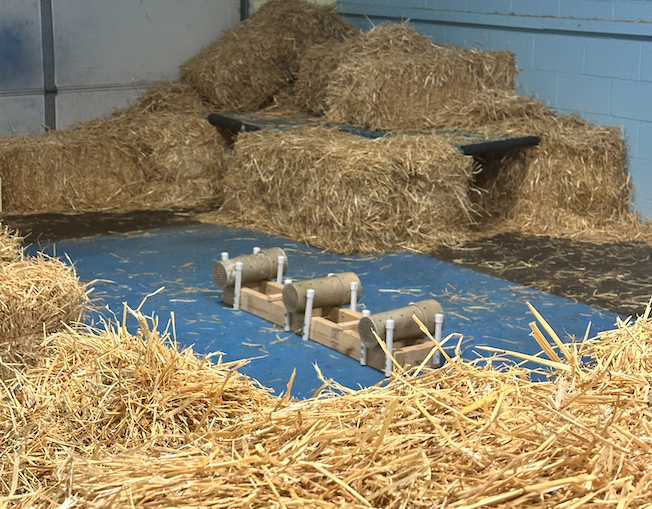
Agility is more than just a sport for dogs; it’s a dynamic way to strengthen the bond between you and your furry friend, enhance their physical condition, and stimulate their minds. But a question often arises among dog owners, new and experienced alike: Can any dog compete in agility? The answer might surprise you. In this comprehensive guide, we’ll explore every facet of dog agility and how any dog, regardless of breed, size, or age, can enjoy and even excel in this exhilarating activity. Understanding Dog Agility History of Dog Agility Dog agility originated in the late 1970s in the UK, designed as halftime entertainment during dog shows. This innovative concept quickly evolved from a simple demonstration to a beloved global phenomenon, attracting dogs and their handlers to competitions worldwide. Initially introduced at the Crufts Dog Show, agility showcases the unique bond between dogs and their handlers through a dynamic obstacle course, including jumps, tunnels, and weave poles. https://youtu.be/kqnB76cQSd0 As agility gained popularity, it became more than just entertainment; it transformed into a competitive sport governed by organizations like the American Kennel Club (AKC) and The Kennel Club in the UK. These bodies established standardized rules, making agility an organized and respected discipline. Agility training fosters mutual trust and communication between dogs and their handlers, enhancing the dog’s physical and mental well-being. It’s inclusive, welcoming participants of all breeds and skill levels. The sport emphasizes positive reinforcement, focusing on the joy and well-being of the canine athletes. Key Components of Agility Competitions Agility competitions serve as a platform to evaluate a dog’s speed, agility, and the handler’s skill in guiding their companion through an intricate obstacle course. These competitions are meticulously designed to challenge both the physical and mental capabilities of dogs, while simultaneously emphasizing the crucial aspect of teamwork between the dog and its handler. The courses are diverse, incorporating various obstacles such as weave poles, tunnels, seesaws, jumps, and A-frames, each testing different aspects of agility and obedience. The layout and complexity of the courses vary across different competitions, with some focusing on speed and others on the precision of completing the obstacles. Scoring systems may differ, but they generally account for the time taken to complete the course, obedience, and the accuracy with which the obstacles are navigated. Penalties are given for errors such as knocking down a jump, refusing an obstacle, or taking the obstacles out of sequence. Photo by R.N. Rocco Photography Agility competitions not only provide a thrilling spectacle for spectators but also offer an enriching experience for the participants. They celebrate the agility, intelligence, and spirit of dogs, while also highlighting the unique bond they share with their handlers. These events foster a sense of community among dog lovers, providing a venue for sharing experiences, techniques, and the joy of engaging in a sport that brings humans and their canine companions closer together. Eligibility for Agility Competitions Breed Considerations When it comes to agility, there’s a widespread belief that only certain breeds, notably Border Collies and Australian Shepherds, are predisposed to excel in the sport due to their agility, intelligence, and work ethic. These breeds are often spotlighted in competitions for their remarkable performance and natural aptitude for navigating complex courses with speed and precision. However, this perception overshadows a fundamental truth about agility: it is a sport accessible to a broad spectrum of dog breeds, each capable of showcasing their unique talents and enjoying the thrill of the course. The beauty of dog agility lies in its inclusiveness. From the compact agility of Jack Russell Terriers to the surprising nimbleness of larger breeds like Boxers or even Great Danes, agility training and competitions offer a platform for a diverse array of breeds to participate. Mixed-breed or all american dogs also stand out in agility, often bringing a combination of traits that make them exceptional competitors. The key is not the breed but the individual dog’s enthusiasm, physical health, and the bond they share with their handler, which can lead to remarkable achievements on the agility course. Age and Health Requirements Agility is a physically demanding sport that emphasizes not only the skill and speed of the dog but also its overall health and well-being. It’s essential to recognize that dogs at different life stages can enjoy agility in ways that are safe and appropriate for their age and physical condition. Puppies, for instance, can begin with foundational agility training that focuses on basic obedience and simple, low-impact obstacles. This early introduction lays the groundwork for more advanced training and helps in developing a pup’s confidence and coordination without risking harm to their developing joints and muscles. Similarly, competitions specifically designed for senior dogs allow for adjustments to the course and the intensity of the competition, recognizing the value and joy that older dogs find in participating in agility. These adaptations ensure that dogs can continue to engage in the sport they love while maintaining their health and safety. Regardless of age, a dog’s readiness for agility is closely linked to their physical health. Veterinary checkups are crucial to ensure that a dog is physically fit to participate in agility training and competition. Conditions such as arthritis, obesity, or heart problems may require modifications to training or even suggest other less physically demanding activities. Preparing Your Dog for Agility Basic Training Requirements Before embarking on the agility training journey, establishing a strong foundation in basic obedience commands is paramount for both the safety and success of your dog. This foundational training encompasses essential commands such as sit, stay, come, down, and heel. Mastery of these basic commands is crucial as they form the bedrock of communication between you and your dog, ensuring you can effectively guide and direct them through the agility course’s various obstacles and challenges. The importance of a solid obedience foundation cannot be overstated. It not only facilitates a smoother training process but also enhances the overall safety of the agility environment. Dogs well-versed in basic commands are more… Continue reading Can Any Dog Compete in Agility?
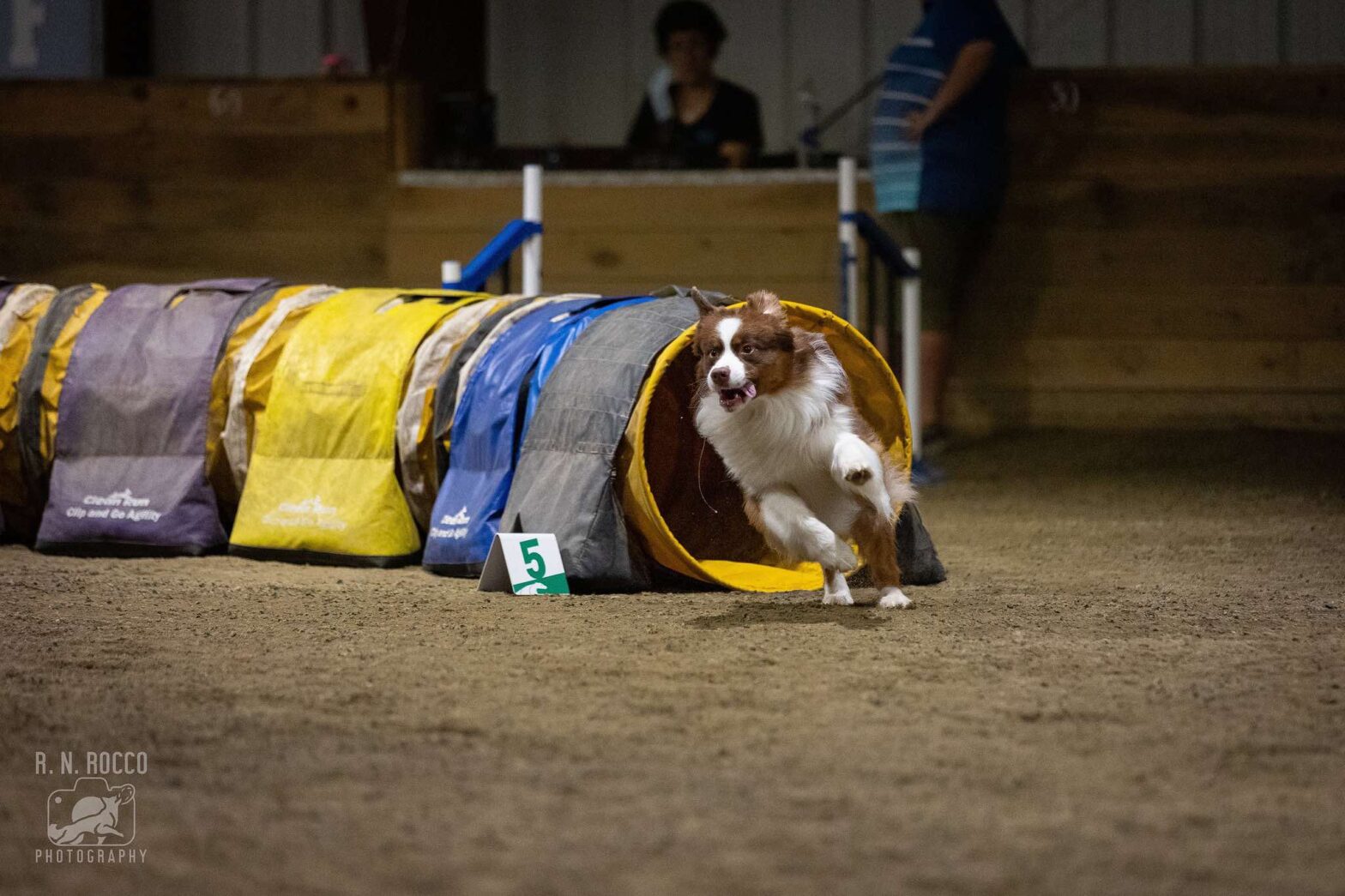
What is Sheep Herding for Dogs

A border Collie sheep dog herding a group of sheep during a field trial in a field of yellow buttercup flowers near Scio Oregon

In the world of sheep herding for dogs, the seamless integration of natural instincts, disciplined training, and collective effort shines through. This activity refines dogs’ basic instincts to safeguard and herd livestock, illustrating a remarkable collaboration between humans and their canine partners. Rooted deeply in historical practices, it highlights the special relationship developed through a detailed exchange of signals and commands, enabling precise and careful guidance of livestock. https://hdl.esiteq.com/wp-content/uploads/2024/03/border-collie-herding-sheep.mov Table of Contents The initiation into sheep herding for dogs begins from a young age, transforming natural tendencies into a well-orchestrated act that serves the interests of both the livestock and their caretakers. Notably, breeds such as the Border Collie and Australian Shepherd excel in this domain, merging their cognitive prowess, physical dexterity, and dedication. These dogs adeptly handle livestock, simultaneously manifesting a deep bond with humans, fulfilling their psychological and physical requirements through their tasks. Sheep herding for dogs serves as a tribute to the synergy between different species, echoing our pastoral heritage and the capacity for significant cooperation beyond the confines of species. It melds tradition with practicality, giving dogs a clear role and simultaneously enhancing the lives of their human companions through collective accomplishments and a companionship based on deep reciprocal respect. The Role of Dogs in Sheep Herding In the world of sheep herding for dogs, dogs play an indispensable role, bridging the gap between human command and animal behavior with unparalleled grace and efficiency. Their contribution to sheep herding is multifaceted, embodying the essence of teamwork, intelligence, and instinctual prowess. Through centuries of selective breeding and training, dogs have been tailored to become the perfect partners in the pastoral landscapes, guiding, guarding, and gathering flocks with a level of precision that is both artful and awe-inspiring. The primary role of these canine herders is to execute the commands of the shepherd with acute responsiveness, maneuvering sheep in desired directions with minimal stress to the animals. Dogs accomplish this through a variety of techniques, including positioning themselves in relation to the sheep, using their gaze to influence movement, and occasionally barking or nipping at heels to encourage compliance. This ability to control the flock’s movements is crucial in navigating them through pastures, into pens, or towards specific grazing areas.   Beyond the physical tasks, the presence of a herding dog has a calming effect on sheep, establishing a sense of order and security within the flock. Dogs also protect the sheep from potential predators, serving as a vigilant guard against threats. This dual role of guardian and guide underscores the invaluable nature of herding dogs within pastoral farming practices. Breeds Specialized in Sheep Herding For Dogs Over countless generations, specific dog breeds have been meticulously shaped and perfected to master the intricate art of sheep herding. This process has not only fine-tuned their physical abilities but also enhanced their natural instincts, allowing them to perform with remarkable precision and grace. Each of these breeds brings a distinct set of skills and characteristics to the field, making them not just participants in the herding process but central figures whose presence is vital for the efficient management and care of sheep. At the heart of their effectiveness in herding is a combination of sharp intelligence, remarkable agility, and deeply ingrained herding instincts. These traits enable them to understand complex commands, navigate challenging terrains, and anticipate the movements of the sheep as well as the intentions of their human handlers. Their ability to communicate effectively with humans through a nuanced understanding of verbal commands and gestures makes them invaluable partners in the pastoral landscape. Border Collie Recognized globally for their supreme intelligence and agility, Border Collies are the quintessential herding dogs, unmatched in their ability to manage and direct sheep. These dogs engage in an intricate dance with the flock, using subtle body movements and an intense, penetrating stare known as “the eye” to communicate commands. Border Collies thrive on the mental and physical challenges herding presents, capable of executing complex strategies on the fly. Their capacity to understand nuanced instructions and work independently makes them invaluable assets on the farm, embodying the pinnacle of herding expertise. Whether in competitive trials or the day-to-day tasks of pastoral life, Border Collies demonstrate a level of proficiency and dedication that sets them apart. Australian Shepherd The Australian Shepherd, despite its misleading name, has become an integral part of American herding culture. These dogs are a powerhouse of energy, intelligence, and adaptability, with a natural inclination to protect and herd their flock. Australian Shepherds are versatile workers, equally adept at managing different types of livestock, but they shine in sheep herding thanks to their strategic herding techniques and protective instincts. They are known for their ability to make independent decisions, adapting their herding style to the needs of the situation, which makes them particularly effective in varied and challenging environments. Miniature American Shepherd A diminutive version of the Australian Shepherd, the Miniature American Shepherd packs all the herding ability and energy of its larger counterpart into a smaller frame. This breed proves that size does not limit capability, with these agile dogs excelling in guiding and managing smaller flocks of sheep. Their compact size allows for nimbleness and speed, enabling them to navigate tight spaces and quickly adjust their position relative to the flock. Despite their stature, Miniature American Shepherds are tireless workers, embodying the heart and spirit of a traditional herding dog. Australian Shepherd With their shaggy fur and amiable disposition, Old English Sheepdogs present a distinct figure in the herding world. Originating from England, these dogs were bred for the dual purpose of driving cattle and sheep to market, utilizing their considerable size and strength to move livestock. They herd with a sense of purpose and patience, often using their robust body to gently guide and corral sheep. The Old English Sheepdog’s bark is a tool as much as a trait, used to command attention and direct the flock. Beyond their physical abilities, these dogs are known for their friendly… Continue reading What is Sheep Herding for Dogs

Top 10 Breeds That Excel As Dock Diving Dogs

Set off on a journey into the vibrant and exciting world of dock diving, a dog sport where the thrill of jumping merges with the pleasure of splashing into the water, all within an atmosphere of friendly competition and pure fun. This water-based sport is not just for humans; it also invites our four-legged companions to take center stage with their impressive performances. In this detailed exploration, we turn our focus to the ten dock diving dogs that shine in this field. Our goal is to reveal the unique abilities and characteristics that distinguish these breeds and place them above the competition. As we navigate through this exploration, we’ll uncover the reasons each breed is perfectly suited for being dock diving dogs, highlighting their individual skills and the standout traits that make them the stars of this enthralling sport. Table of Contents The Essence Of Dock Diving For Dogs Dock diving showcases the unique bond between dogs and their handlers through the excitement of the leap, emphasizing the joy and skill inherent in dogs. It’s not just about the height or distance of the jump but the celebration of the deep connection and happiness shared in play. This sport allows dogs to express their agility and joy, standing out by offering a stage for their enthusiastic spirit. It also honors the strong relationship built on training, respect, and shared happiness between dogs and owners. The anticipation, leap, and splash create lasting memories, spreading joy among participants and onlookers alike. Essentially, dock diving is a testament to the love and joy dogs bring into our lives, making it a cherished activity. Criteria for Excellence In Dock Diving To excel in dock diving, a breed must possess a mix of physical and mental attributes alongside a strong ability to be trained and a natural compatibility with the sport. Physically, strength and agility are essential for powerful jumps and graceful landings, while a genuine love for water is fundamental for enthusiasm in the sport. Mentally, the focus to remain on task, the drive to push boundaries, and the capacity for trainability distinguish top performers, enabling them to understand and follow through on commands during the heat of competition. Training and a breed’s natural alignment with dock diving’s demands are crucial. Breeds that are historically adept at working alongside humans or those with a background in water-related tasks often show a predisposition towards excelling in dock diving. Their success is also influenced by their ability to thrive in the lively atmosphere of competitions, which requires maintaining concentration amidst distractions and viewing the event as an invigorating challenge rather than a source of stress. In essence, excellence in dock diving is achieved by breeds that harmonize their physical prowess, mental sharpness, and training adaptability with the sport’s unique requirements. These dock diving dogs not only stand out for their athletic achievements but also epitomize the spirit of dock diving through their joyous participation and the strong bond they share with their handlers. Top 10 Dock Diving Dogs Labrador Retriever Labrador Retrievers are emblematic of excellence in water sports, perfectly encapsulating the essence and athleticism required for dock diving. Known for their robust, muscular frames, these dogs have the necessary power to launch off the dock with both force and elegance. Their natural love for water and boundless energy make them perfect candidates for the sport. The breed’s proclivity for swimming and fetching translates into not just willingness but also exceptional prowess in dock diving events. The enthusiasm of Labrador Retrievers for physical activities, paired with their genuine enjoyment of water, guarantees their success and enjoyment in each jump and dive, establishing them as distinguished competitors in the world of dock diving. Golden Retriever Golden Retrievers naturally excel in dock diving, bringing a unique blend of elegance and vitality to the sport. Their fondness for retrieval and water plays a significant role in their standout performances. Known for their sociable demeanor and desire to please, these dogs enhance the competitive field, transforming from mere competitors to highlights of the event. Their gentle retrieval technique, paired with an upbeat attitude, perfectly aligns with the demands of dock diving dogs. Displaying a mix of enthusiasm and accuracy in their jumps, Golden Retrievers exemplify their physical prowess while preserving their innate joviality. Furthermore, their readiness to cooperate and perform in sync with their handler’s instructions highlights their exceptional talent in the sport. The fusion of their athletic ability, delight in aquatic activities, and eagerness to delight their owners establishes Golden Retrievers as not just proficient athletes in dock diving but also cherished partners who truly stand out in the competition. Belgian Malinois Although the Belgian Malinois is not traditionally known for a particular affinity for water, their remarkable athletic abilities and intense motivation have established them as impressive competitors in dock diving. These characteristics enable them to compete on par with the most proficient water breeds within the sport. With a distinctive mix of velocity, strength, and flexibility attributed to their heritage as working dogs, they make their mark at the dock. Each jump showcases their fierce concentration and resolve, launching them into the water with formidable force and accuracy. The Belgian Malinois’ aptitude for advanced training, along with a keen inclination towards physical exertion, propels them to prominence in dock diving events. Their quick adaptability to new environments and challenges, such as the nuances of dock diving, highlights their status as adaptable and exceptionally talented athletes. Additionally, the breed’s spirited nature and readiness to tackle strenuous activities not only make them active competitors but also stars of the sport. Their participation in dock diving underscores their versatility and extensive athletic prowess, proving that even breeds not typically linked to aquatic endeavors can rise to prominence of being dock diving dogs. Portuguese Water Dog Portuguese Water Dogs, originally bred for aquatic tasks, embody endurance, considerable strength, and a deep bond with water, attributes that distinctly set them apart in dock diving events. With a lineage tracing back to… Continue reading Top 10 Breeds That Excel As Dock Diving Dogs

The Origins of Dog Dock Diving: A Deep Dive into Its History

Dog dock diving, with its origins rooted in the simple joy of a dog leaping into the water to retrieve a thrown object, has surged in popularity to become one of the most dynamic and thrilling canine sports on the international stage. This transformation from a leisurely pastime to a structured competitive event mirrors not just the evolving relationship between dogs and their owners but also highlights the remarkable athleticism, agility, and sheer joy these four-legged athletes bring to the sport. Table of Contents The Origin of Dog Dock Diving The story of dog dock diving, while officially charted from the late 1990s, stretches far into the annals of history, intertwining with the natural instincts and behaviors of dogs. These animals, celebrated for their loyalty, intelligence, and agility, have been plunging into bodies of water for centuries. Whether propelled by the need to hunt, retrieve, or simply as an expression of play, dogs have shown an intrinsic affinity for water. This timeless connection between dogs and their love for swimming sets the backdrop for the emergence of dock diving as a structured sport. Formal Recognition Of Dock Diving The formal inception of dock diving as a recognized competitive activity can be pinpointed to a pivotal event during a pet expo in the late 1990s. This event, although not the first instance of dogs making leaps into water for retrieval or sport, marked a significant moment in the history of dock diving. It was here, amidst the enthusiastic reception from spectators and participants alike, that the foundation was laid for what would become an organized sport. This gathering not only highlighted the dogs’ extraordinary physical capabilities but also underscored the deep bond between dogs and their handlers, fostering a sense of community among those who shared a love for this activity. As the sport gained formal recognition, its appeal spread rapidly, transcending geographical and cultural boundaries. Dock diving tapped into a universal appreciation for the joy and vivacity of dogs, offering a platform for these attributes to be showcased and celebrated. It became clear that this was more than just a sport; it was a celebration of the canine spirit, a testament to the bond between humans and their animal companions, and a reflection of the innate love dogs have for play and water. In the years following its official recognition, dock diving has evolved significantly, with standardized rules, organized competitions, and a growing community of participants and fans. From its humble beginnings at a pet expo to its status as a beloved international sport, dock diving continues to enchant and inspire, proving that the bond between humans and dogs, coupled with their natural abilities, can give rise to remarkable forms of sport and companionship. The Growth of the Sport The ascension of dog dock diving from a niche pastime to a globally recognized sport is a tale of rapid expansion and community building. The early 2000s marked a pivotal era for dock diving, witnessing a surge in popularity that propelled it onto the international stage. This period was characterized by several key events and milestones that collectively contributed to the sport’s growth and formalization. One of the most significant factors in this growth was the establishment of dedicated organizations. These entities, such as DockDogs, North American Diving Dogs (NADD), and Ultimate Air Dogs, among others, emerged as stewards of the sport. They took on the mantle of defining the rules and regulations, ensuring that competitions were conducted fairly and consistently across various events and locations. These organizations played a vital role in not just the governance of the sport but also in its promotion and expansion. With formal organizations in place, the sport began to see a more structured approach to competitions. Events were organized with clear categories, such as distance jumping (Big Air), vertical jumping (High Jump), and speed retrieving (Speed Retrieve), among others. This categorization allowed for a broader participation base, as dogs with different strengths and abilities could compete in events that best suited their skills. Another milestone in the growth of dock diving was the hosting of national and international championships. These high-profile competitions served as a focal point for the community, bringing together the best of the best from around the world. They not only showcased the incredible athleticism of the participating dogs but also helped to elevate the sport’s profile, attracting sponsors, media attention, and new enthusiasts. The Evolution Of Dock Diving The evolution of dog dock diving reflects not only the growing enthusiasm for the sport but also an increased understanding of the diverse capabilities and interests of canine athletes and their handlers. From its origins, where the long jump (or “Big Air”) dominated the scene, the sport has expanded its competitive horizons to include a variety of formats that highlight different aspects of canine athleticism. This diversification has enriched the sport, offering a broader platform for engagement and showcasing the multifaceted talents of dogs. Introduction of New Categories The introduction of the high jump, known in some circuits as “Extreme Vertical,” marked a significant evolution in dock diving competitions. This format challenges dogs to leap vertically from the dock to grab a toy suspended in the air, pushing the boundaries of their jumping ability and precision. Extreme Vertical tests not just the height a dog can reach but also their timing and coordination, adding a new dimension to the sport. Similarly, the “Speed Retrieve” category introduced an element of speed and agility to dock diving. In this timed event, dogs race against the clock to retrieve a toy placed at the far end of the pool. This category demands explosive power, swift swimming, and quick retrieval, showcasing the athleticism of dogs in a dynamic and exciting format. These new categories cater to different skill sets and interests, allowing a wider range of dogs to participate and excel in dock diving. They also provide spectators with a more varied and engaging experience, highlighting the agility, strength, and intelligence of canine competitors. Impact… Continue reading The Origins of Dog Dock Diving: A Deep Dive into Its History

The Evolution of Rally Obedience: From Origins to Present Day

Rally Obedience, affectionately known as “Rally,” stands out as a fun and exciting dog sport, spotlighting the joy, energy, and profound connection shared between a dog and its handler. This sport distinguishes itself from conventional obedience competitions by fostering a more laid-back atmosphere where exchanges of encouragement and interaction are not merely permitted but warmly embraced. Rally is the arena where the precision of movements, the synergy of teamwork, and the clarity of communication come to the forefront, creating a captivating display and offering a gratifying challenge to all who partake. It’s an engaging sport that transforms routine obedience into an enjoyable experience, encouraging dogs and their handlers to work in harmony and celebrate their unique bond through every step of the course. Table of Contents Origins Of Rally Obedience The origins of Rally Obedience are deeply rooted in a movement that sought to revolutionize traditional dog sports, emerging in the latter part of the 20th century. This innovative sport was born from a collective aspiration to design a competitive arena that was not only less formal and more engaging than classic obedience trials but also one that embraced the spirit of inclusivity, welcoming participants of varying skills and experience. Inspiration for rally obedience was drawn from a rich tapestry of dog sporting disciplines. It ingeniously married the discipline and structure of traditional obedience with the dynamic agility seen in obstacle courses, and the creativity and expressive freedom found in canine freestyle dancing. This unique amalgamation was intended to create a versatile sport that would cater to the diverse interests and strengths of dogs and their handlers, making it an appealing option for many within the dog-loving community. The creators of rally obedience envisioned a sport where the emphasis was on fun and fluid communication between dog and handler, a stark contrast to the more rigid and formal obedience trials of the past. They aimed to foster an environment where dogs could demonstrate their training and intelligence in a manner that also allowed for personal expression and a visible demonstration of the bond between the dog and its handler. In its early stages, rally obedience was shaped by enthusiasts and pioneers who believed in a more holistic approach to dog sports—one that recognized and celebrated the abilities of all dogs, from the family pet to the seasoned competitor. This inclusive and innovative mindset led to the development of a sport that was not only competitive but also deeply rewarding for both dogs and handlers, providing a shared experience that strengthened their relationship through every command, turn, and step. As rally obedience has grown and evolved, it has maintained these foundational principles, continuing to offer a welcoming and vibrant community for those seeking to engage in a sport that champions the joy of teamwork and mutual respect between canine and human participants. Formal Recognition and the First Competitions The journey towards the formal recognition of Rally Obedience marked a pivotal moment in the history of dog sports, culminating in the early 2000s when prestigious canine organizations, notably the American Kennel Club (AKC) and the United Kennel Club (UKC), officially embraced Rally as a competitive event. This endorsement by leading authorities in the canine world was a significant milestone, heralding a new era for dog enthusiasts and competitors alike. The AKC and UKK meticulously crafted a comprehensive set of rules and guidelines to standardize Rally competitions, ensuring that the sport’s foundational values of enjoyment, engagement, and mutual respect between dog and handler were preserved. These organizations played a crucial role in not just legitimizing Rally Obedience but also in promoting its unique blend of discipline, agility, and creativity on a national and international stage. The inaugural competitions were a testament to the sport’s growing appeal and its potential to forge a vibrant community united by a shared passion for dog sports. These early events were characterized by a warm and encouraging atmosphere, where the emphasis was on positive reinforcement and the celebration of the bond between dogs and their handlers. Competitors were encouraged to support one another, fostering a spirit of camaraderie that would become a hallmark of Rally Obedience. As the sport gained traction, these foundational competitions set the stage for the evolution of Rally Obedience. They provided valuable insights into organizing and refining future events, ensuring that the sport remained accessible to a wide range of participants, from novices to seasoned professionals. The success of these early competitions also inspired other organizations to adopt Rally Obedience, contributing to its rapid growth and popularity. Moreover, the formal recognition of Rally Obedience by esteemed institutions such as the AKC and UKC played a critical role in elevating the sport’s profile, attracting sponsors, and increasing media coverage. This, in turn, drew more participants and spectators, further enriching the Rally Obedience community and ensuring its place in the pantheon of respected and beloved dog sports. These developments in the early 2000s were just the beginning of what would become a dynamic and flourishing sport, with Rally Obedience continuing to evolve and inspire dog lovers around the world. Through these formal recognitions and the pioneering spirit of the first competitions, Rally Obedience has firmly established itself as a sport that celebrates the joy, intelligence, and incredible bond that exists between dogs and their human companions. Key Components of Rally Obedience Understanding the Course A Rally course consists of a series of stations, each with a sign that instructs the team on the next skill to perform. These courses are designed to test various aspects of obedience, agility, and teamwork, offering a comprehensive challenge to the competitors. The Role of Handlers and Dogs In Rally, the handler and dog work closely together, navigating the course as a cohesive unit. The handler’s job is to communicate effectively with their dog, guiding them through the correct execution of each task. Meanwhile, the dog’s responsiveness and willingness to follow cues are crucial to their success. The Growth and Spread of Rally Obedience The expansion of Rally Obedience from… Continue reading The Evolution of Rally Obedience: From Origins to Present Day

The History of Flyball: From Its Origins to Modern-Day Competitions

Welcome to the exhilarating world of flyball, a sport where the enthusiasm of dogs and the camaraderie of their human counterparts combine to create an electrifying spectacle. flyball, with its origins stretching back to the late 20th century, has evolved from a casual backyard activity into a highly competitive, internationally recognized sport. This journey through time reveals not just the growth of flyball but also the deep bond between humans and their canine companions, showcasing their abilities in a dynamic, team-oriented setting. From the initial invention of the flyball box to the establishment of global competitions, this article will delve into how flyball has become a beloved pastime for many, highlighting its key milestones, innovations, and the community spirit that propels it forward. Join us as we explore the history of flyball, from its humble beginnings to its status today as a cherished modern-day competition. Table of Contents Origins of Flyball The conceptual beginning of flyball is a fascinating tale of innovation and passion for dog sports. This journey traces back to the vibrant era of the late 1960s in Southern California, a time ripe for the birth of something truly unique in the canine competition world. It was here, amid the sun-drenched landscapes and burgeoning dog sport communities, that an individual named Herbert Wagner stepped forward with a revolutionary idea. Herbert Wagner, whose vision and ingenuity cannot be overstated, saw beyond the conventional dog sports of his time. He yearned for something more — something that not only challenged dogs but also engaged them in an entirely new way. Wagner’s inspiration led him to construct the very first prototype of what we now recognize as the Flyball box. This rudimentary version was ingeniously designed to propel tennis balls into the air, creating a dynamic task for dogs that was unlike anything seen before. The significance of Wagner’s contribution to the world of dog sports is monumental. By introducing the concept of the flyball box, he laid the foundational stone for what would eventually evolve into the thrilling sport of flyball. This initial invention was more than just a piece of equipment; it was a catalyst that sparked the imagination of countless enthusiasts and paved the way for flyball’s future development. As we delve deeper into the origins and evolution of flyball, it’s important to remember the context of its inception—a period characterized by a growing fascination with canine agility and intelligence. Wagner’s innovation tapped into this burgeoning interest, offering a novel way for dogs and their handlers to engage in competitive play. His pioneering work demonstrated the potential for dogs to not only fetch but to do so in a competitive, timed, and team-oriented environment. This early version of the flyball box, though simple in design, was a testament to the creativity and foresight of Herbert Wagner. It challenged dogs to leap, catch, and return with speed and accuracy, laying the groundwork for the complex and highly competitive sport flyball has become today. As we explore the rich tapestry of flyball’s history, we owe a great deal of gratitude to Wagner’s initial vision. His desire for a new, engaging dog sport has blossomed into an international phenomenon, bringing together communities of passionate individuals and their remarkable dogs in a celebration of speed, teamwork, and shared joy. Official Recognition Of Flyball The turning point in flyball’s history arrived in the 1980s when it evolved from an emerging activity to a formally acknowledged sport. This significant time heralded a new chapter for flyball aficionados worldwide. The creation of the North American Flyball Association (NAFA) was pivotal in this shift, providing the necessary organization, uniformity, and an expanded arena for the sport to thrive globally. The inception of NAFA was more than just a procedural move; it symbolized a shared goal to elevate flyball from its grassroots beginnings to a universally cherished and accessible sport. NAFA introduced uniform rules, establishing a system that promoted equity, reliability, and fairness at every level. This move was vital for the standardization of competitions, ensuring teams of various origins could compete fairly. NAFA’s establishment also marked flyball’s preparedness to make its mark internationally. With its official recognition, the sport started drawing interest far beyond North American shores, appealing to dog lovers and communities around the world. NAFA played a crucial role in this expansion, pushing the sport’s boundaries and fostering a worldwide community eager to partake in flyball’s thrill and fellowship. This period of formal acknowledgment led to a boom in flyball’s popularity. New clubs, teams, and leagues emerged globally, contributing to a diverse and welcoming community. The effect of NAFA’s creation went beyond the technicalities of rules and event planning; it cultivated a sense of unity among enthusiasts. flyball transformed into a recognized sport with a footprint extending across continents. As flyball progressed, the groundwork laid by NAFA in the 1980s continued to illuminate its path. The association’s dedication to promoting the sport, maintaining its standards, and broadening its appeal played a critical role in shaping flyball into the vibrant and cherished activity it is today. The formal acknowledgment of flyball enabled it to realize its full potential, bringing together individuals and their pets in a shared enthusiasm that crosses geographical, cultural, and linguistic barriers. Evolution Of Sport Of Flyball Equipment and Rules Standardization With the rise in flyball’s popularity, there was a significant evolution in the sport’s equipment, particularly with the flyball box, which underwent remarkable improvements. This piece of equipment, central to the game, transformed into an engineering feat, designed to launch balls with unparalleled consistency. This advancement in design not only enhanced the fairness of the competition by ensuring each team faced the same conditions but also injected an additional layer of excitement into the sport. The modern flyball box represents a blend of innovation and precision, embodying the spirit of flyball by providing a reliable and fair challenge for competing teams, thus elevating the overall experience for participants and spectators alike. The standardization of rules in flyball marked a critical… Continue reading The History of Flyball: From Its Origins to Modern-Day Competitions

Essential Bikejoring Equipment

Embarking on the thrilling adventure of bikejoring with your furry companion requires more than just enthusiasm; it demands the right bikejoring equipment to ensure a safe and enjoyable experience for both rider and dog. Bikejoring, a dynamic activity that combines cycling with the exhilaration of canine-powered propulsion, offers a unique opportunity for outdoor enthusiasts to explore trails and enjoy nature alongside their four-legged friends. As you and your canine co-pilot hit the trails, the proper bikejoring equipment becomes essential not only for your comfort and safety but also for maximizing the enjoyment of your bikejoring adventures. In this comprehensive guide, we’ll delve into the essentials of bikejoring equipment, exploring the items that make the difference between an ordinary ride and an extraordinary outdoor escapade with your canine companion. From specialized harnesses and sturdy towlines to protective equipment for both rider and dog, each gear item plays a crucial role in ensuring a smooth, secure, and thrilling ride. So, whether you’re a seasoned bikejoring enthusiast or a newcomer eager to embark on your first adventure, let’s gear up and discover the essential bikejoring equipment and accessories that will take your bikejoring experience to new heights. Table of Contents The Basics of Bikejoring Before we dive into the bikejoring equipment specifics, let’s understand the fundamentals of bikejoring. This exciting activity involves a cyclist being towed by their dog, creating a dynamic partnership that blends exercise, bonding, and outdoor exploration. At its core, bikejoring is more than just a sport—it’s a unique bond between human and canine, built on trust, communication, and shared experiences. Imagine gliding through forest trails or speeding across open fields, the wind in your hair and the exhilaration of the ride pulsing through your veins. With your loyal companion by your side, you become a cohesive team, working in tandem to navigate twists and turns, conquer challenging terrain, and explore the great outdoors together. Each pedal stroke is synchronized with the rhythmic pull of your dog, creating a seamless fusion of movement and purpose. But bikejoring is not just about physical exertion; it’s also about forging a deeper connection with your furry friend. As you embark on your journey, you’ll discover the joy of mutual trust and companionship, as well as the thrill of shared adventures. Through the ups and downs of the trail, you’ll communicate with your dog through subtle cues and gestures, building a bond that transcends words. To make the most of this extraordinary experience, having the proper bikejoring equipment is crucial. From specialized bikejoring harnesses and towlines to safety equipment and protective gear, each item plays a vital role in ensuring a safe, comfortable, and enjoyable ride for both you and your dog. So, as you prepare to embark on your bikejoring adventure, remember to equip yourself with the tools and accessories that will enhance your experience and make every ride a memorable one. Why Proper Bikejoring Equipment Matters Bikejoring is not just about the thrill of the ride; it’s also about the safety and well-being of both you and your dog. As you embark on your bikejoring adventures, prioritizing safety becomes paramount. The right bikejoring equipment not only enhances the enjoyment of the experience but also ensures that your furry companion and you are protected from potential hazards along the way. When it comes to your dog, the proper gear plays a crucial role in their comfort, security, and ability to perform their pulling duties effectively. A well-fitted harness designed specifically for bikejoring provides the necessary support and stability, distributing the pulling force evenly across your dog’s body to prevent discomfort or strain. Additionally, the harness offers attachment points for the towline, ensuring a secure connection between you and your dog as you navigate the trails together. Furthermore, the right bikejoring equipment for the rider is equally essential in enhancing control, minimizing risks, and allowing for a more enjoyable ride. A sturdy bike attachment provides a reliable connection point between your bike and your dog’s bikejoring harness, preventing unexpected tangles or disconnections during the ride. Additionally, safety gear such as helmets, knee pads, and gloves offer protection against falls or accidents, ensuring that you can navigate the trails with confidence and peace of mind. By investing in the proper bikejoring equipment for both you and your dog, you can embark on your bikejoring adventures with confidence, knowing that you are well-equipped to handle whatever challenges may arise along the way. Whether you’re exploring rugged terrain or gliding through scenic trails, the right gear ensures that you and your furry companion can enjoy the thrill of the ride while staying safe and secure throughout your journey. Essential Bikejoring Equipment Items Now, let’s explore the must-have gear items for a successful bikejoring adventure: Bikejoring Harness The cornerstone of bikejoring gear, a well-fitted bikejoring harness designed specifically for this activity is essential. It ensures your dog’s comfort and safety while providing the necessary points of attachment for the towline. Towline and Bungee A strong towline is crucial for maintaining the connection between you and your dog. Opt for a bungee line that absorbs shocks, preventing sudden jolts and ensuring a smoother ride for both of you. Hands-Free Bikejoring Leash A hands-free bikejoring leash system allows you to maintain control without sacrificing your ability to steer the bike. Look for adjustable and comfortable options that suit your Bikejoring Antena Bikejoring antenna effectively prevents the dog’s bungee leash from becoming entangled in the front wheel, ensuring safety during high-speed rides on bicycles and scooters. With its intuitive design, this antenna significantly reduces the risk of accidents caused by tangled lines. Compatible with most bike models, the Bikejoring antenna offers hassle-free assembly, making it an indispensable accessory for outdoor enthusiasts seeking a seamless biking experience. Dog Booties Protect your dog’s paws with durable booties. These not only shield their feet from rough terrain but also provide traction and prevent injuries. Introduce your dog to booties gradually for a comfortable transition. Safety Equipment Prioritize your safety with a helmet, gloves,… Continue reading Essential Bikejoring Equipment

Teaching Canicross Commands

Canicross, the dog sport of running with dogs, requires effective communication between you and your canine companion to ensure a safe and enjoyable experience on the trails. Teaching canicross commands is essential for establishing clear communication and coordination between you and your dog. In this guide, we’ll explore the importance of canicross commands, how to teach them effectively, troubleshoot common issues, and provide advanced training techniques to enhance your running partnership. Table of Contents Importance of Clear Communication in Canicross Clear communication is the cornerstone of successful canicross runs. By teaching your dog specific commands, you can convey your intentions and guide their behavior effectively on the trails. Establishing clear communication enhances safety, improves performance, and strengthens the bond between you and your dog. In canicross, effective communication is essential for coordinating movements, navigating obstacles, and responding to changes in terrain. Clear, concise commands help your dog understand what is expected of them, leading to smoother transitions and a more enjoyable running experience. Benefits of Teaching Canicross Commands Teaching canicross commands offers numerous benefits for both you and your dog. It enhances safety by enabling you to control your dog’s behavior in various situations, reduces stress and anxiety by providing clear guidance, and improves performance by facilitating smooth, coordinated movements on the trails. Basic Canicross Commands “Hike” or “Let’s Go” The “hike” or “let’s go” command is used to initiate movement and start running. It signals to your dog that it’s time to begin the run and encourages them to move forward with you. “Gee” or “Right” The “gee” or “right” command instructs your dog to turn right. It is particularly useful when navigating trails or paths with multiple directions and helps you communicate changes in direction to your dog effectively. “Haw” or “Left” Conversely, the “haw” or “left” command directs your dog to turn left. Like the “gee” command, it aids in steering and navigating obstacles by indicating the desired direction of travel. “Whoa” or “Stop” The “whoa” or “stop” command signals to your dog to slow down or come to a complete stop. It is essential for controlling speed and ensuring safety, especially when approaching obstacles or hazards on the trails. Teaching Basic Obedience Commands Establishing a foundation of basic obedience commands is essential before introducing canicross-specific commands. These fundamental commands provide structure and discipline, laying the groundwork for more advanced training. Start by teaching your dog basic obedience commands such as sit, stay, and come. These commands establish a baseline of behavior and teach your dog to respond to your cues reliably. Positive reinforcement is a highly effective training method for teaching canicross commands. Use treats, praise, and affection to reward your dog for responding correctly to commands, reinforcing desired behaviors, and motivating them to learn. Consistency is key when training canicross commands. Conduct regular training sessions to reinforce commands, practice obedience, and build trust and confidence between you and your dog. Consistent repetition helps solidify learning and ensures that your dog retains the commands over time. Introduction of Advanced Commands Once your dog has mastered the basic commands, you can begin introducing more advanced canicross commands. These commands enhance communication and allow for greater precision and control during runs. Gradually Introducing Directional Commands Gradually introduce directional commands such as “gee” (right) and “haw” (left) to teach your dog to navigate turns and corners on the trails. Start in a controlled environment and gradually increase the difficulty as your dog becomes more proficient. Take advantage of your surroundings to reinforce canicross commands in real-world scenarios. Practice commands such as “whoa” (stop) when approaching obstacles or intersections, helping your dog learn to respond appropriately to environmental cues during runs. Troubleshooting Common Issues Even with consistent training, you may encounter challenges when teaching canicross commands. Understanding common issues and how to address them is essential for overcoming obstacles and ensuring successful training sessions. If your dog is not responding to commands as expected, consider factors such as distractions, fatigue, or lack of motivation. Use positive reinforcement techniques to reiterate commands and encourage compliance, adjusting your training approach as needed to address any challenges. Advanced Training Techniques Once your dog has mastered the basic and advanced canicross commands, you can explore more advanced training techniques to further refine their skills and abilities on the trails. Refining Command Responses in Real-World Scenarios Practice advanced canicross commands in real-world scenarios to refine your dog’s responses and behaviors. Focus on precision, timing, and accuracy, reinforcing correct responses and addressing any issues or challenges that arise during training. Practicing Advanced Maneuvers and Cues Challenge your dog with advanced maneuvers and cues to expand their repertoire of skills and abilities. Experiment with different commands, obstacles, and environments to keep training sessions engaging and stimulating for both you and your dog. Building a Stronger Bond Training canicross commands is not only about improving performance but also about strengthening the bond between you and your dog. Use training as an opportunity to spend quality time together, build trust and communication, and deepen your connection as running partners. Strengthening the Relationship Between Human and Dog Canicross training provides a unique opportunity to strengthen the bond between human and dog. By working together towards a common goal, you and your dog can develop a deeper understanding, trust, and mutual respect for each other, enhancing your overall relationship and partnership. Using Training as a Bonding Experience View canicross training as a bonding experience that strengthens your relationship with your dog. Focus on positive interactions, shared experiences, and mutual enjoyment, making training sessions enjoyable and rewarding for both you and your canine companion. Safety Considerations Prioritizing safety is paramount when training canicross commands. By following safety guidelines and precautions, you can minimize the risk of accidents and injuries and ensure a safe and enjoyable experience for you and your dog on the trails. Prioritizing Safety During Training Sessions When training canicross commands, prioritize safety above all else. Choose safe training locations free from hazards, traffic, and other potential dangers, and use… Continue reading Teaching Canicross Commands

Best Dog Breeds for Bikejoring

If you’re an outdoor enthusiast seeking a fresh and exciting activity to share with your furry companion, bikejoring might just be the adventure you’ve been searching for. Imagine the thrill of cruising through picturesque landscapes, the wind in your hair, and your loyal dog leading the way. Bikejoring offers a unique blend of exhilarating cycling and the companionship of your four-legged friend, creating unforgettable experiences in the great outdoors. In this comprehensive guide, we’ll delve into the world of bikejoring and uncover the top dog breeds perfectly suited for this thrilling activity. Whether you’re a seasoned cyclist or new to the sport, we’ll help you navigate through the vast array of breeds to find the ideal partner for your biking adventures. So, gear up and get ready to explore the best dog breeds for bikejoring, as we embark on an exciting journey to find your perfect canine co-pilot. Table of Contents What is Bikejoring? Bikejoring is more than just a sport; it’s a thrilling adventure that combines the speed and agility of cycling with the loyalty and energy of our canine companions. Picture yourself riding through scenic trails, your faithful dog leading the way with enthusiasm and determination. In this fast-paced activity, the cyclist is towed by one or more dogs, creating an exhilarating experience that fosters a deep bond between human and animal. As the cyclist pedals forward on a specially designed bike, the dogs pull ahead with vigor, their muscles flexing as they embrace the excitement of the ride. With each stride, both the cyclist and the dogs experience a rush of adrenaline, propelled forward by the synergy of teamwork and camaraderie. It’s not just about speed; it’s about the shared joy of exploring the great outdoors together. For the dogs, bikejoring offers more than just physical exercise—it provides valuable mental stimulation as well. As they navigate the twists and turns of the trail, their senses are heightened, absorbing the sights, sounds, and scents of the natural world around them. This mental engagement helps to prevent boredom and promotes overall well-being, ensuring that our furry friends remain happy and fulfilled. In essence, bikejoring is a dynamic sport that offers a unique blend of physical activity and companionship. It’s an opportunity to break free from the confines of everyday life and immerse ourselves in the beauty of nature alongside our beloved dogs. So, if you’re looking for an exhilarating way to enjoy the great outdoors while strengthening the bond with your canine companion, look no further than bikejoring. It’s an adventure like no other—a journey of exploration, excitement, and endless possibilities. Benefits of Bikejoring Bikejoring isn’t just a thrilling outdoor activity—it’s a gateway to a plethora of benefits for both dogs and their human counterparts. From physical fitness to emotional well-being, the advantages of bikejoring extend far beyond the thrill of the ride. For starters, bikejoring serves as an excellent form of cardiovascular exercise for both dogs and riders alike. As the cyclist pedals forward, the dog(s) propel the bike forward with their powerful strides, resulting in an intense workout that gets the heart pumping and the blood flowing. This sustained aerobic activity not only improves cardiovascular health but also helps to build stamina and endurance over time. In addition to cardiovascular benefits, bikejoring strengthens muscles and enhances overall physical fitness. The repetitive motion of pulling the bike engages a variety of muscle groups in the dog’s body, including the legs, core, and upper body. This helps to develop strength, agility, and coordination, contributing to better overall muscle tone and function. Similarly, the cyclist also experiences muscle engagement, particularly in the legs and core, as they navigate the terrain and maintain balance throughout the ride. Beyond the physical advantages, bikejoring fosters a strong bond between the cyclist and their canine companion. As they work together as a team, trust, communication, and companionship are cultivated through shared experiences and mutual dependence. The cyclist learns to anticipate the dog’s movements and signals, while the dog learns to respond to commands and cues from their human counterpart. This symbiotic relationship strengthens the bond between them, creating a sense of unity and camaraderie that transcends words. Moreover, bikejoring provides an opportunity for quality time spent outdoors, away from the distractions of daily life. As they explore trails and soak in the sights and sounds of nature, both dog and rider experience a sense of freedom and liberation that can be invigorating for the soul. This shared adventure creates lasting memories and strengthens the emotional connection between dog and owner, fostering a sense of closeness and mutual respect. In essence, bikejoring is more than just a sport—it’s a lifestyle that promotes physical health, emotional well-being, and a deep bond between human and animal. So, whether you’re looking to improve your fitness, strengthen your relationship with your furry friend, or simply enjoy the great outdoors, bikejoring offers something for everyone. It’s a journey of discovery, adventure, and unconditional love—one that is sure to leave both dog and rider with wagging tails and happy hearts. Top Best Dog Breeds for Bikejoring Siberian Husky: The Siberian Husky stands out as a quintessential breed for both sled pulling and bikejoring enthusiasts. Renowned for their endurance, strength, and unwavering love for running, Huskies make extraordinary companions for those seeking long-distance bike rides. Their thick double coat not only provides insulation against cold temperatures but also adds to their distinctive appearance. With an inherent desire to work and an adventurous spirit, Siberian Huskies are well-suited for the challenges of bikejoring, offering a thrilling experience for both dog and rider. German Shorthaired Pointer: Characterized by athleticism and boundless enthusiasm, German Shorthaired Pointers excel in the dynamic sport of bikejoring. Their agility and quick responsiveness make them adept at navigating trails, ensuring a seamless and enjoyable ride for cyclists. Known for their love of physical activities, these pointers bring an infectious energy to bikejoring, creating an exhilarating experience that celebrates the spirited connection between human and canine. Alaskan Malamute: Recognized for… Continue reading Best Dog Breeds for Bikejoring

The Benefits of Canicross for You and Your Dog

Canicross, a sport that involves running or jogging with your dog, offers numerous benefits for both you and your furry friend. Beyond the physical exercise, Canicross provides opportunities for mental stimulation, social interaction, and bonding between you and your dog. In this article, we’ll explore the various benefits of Canicross and why it’s an excellent activity for you and your canine companion. Introduction to Canicross Canicross originated as a method of cross-country running with dogs, initially used as a way to keep sled dogs fit during the off-season. Today, it has evolved into a popular sport and recreational activity for dog owners around the world. Canicross involves running or jogging with your dog, typically using a specialized harness and bungee leash system that allows for hands-free running. Is Canicross good for dogs? Canicross, when approached responsibly, can indeed be highly beneficial for dogs. This activity provides them with not just physical exercise, but also mental stimulation and socialization opportunities. Through Canicross, dogs engage in cardiovascular workouts, enhancing their endurance and overall fitness levels, which is vital for maintaining a healthy weight and preventing obesity-related issues. Moreover, the varied sights, sounds, and scents encountered during runs offer valuable mental stimulation, keeping their minds sharp and preventing boredom. Beyond the physical and mental benefits, Canicross fosters a strong bond between dogs and their owners, as they navigate trails together, overcoming obstacles and challenges as a team. Additionally, participating in Canicross events or joining local clubs exposes dogs to new environments and social interactions, contributing to their overall well-being and happiness. However, it’s crucial to ensure that dogs are properly trained, physically fit, and suited for Canicross activities to avoid any potential risks or injuries. Table of Contents Physical Benefits of Canicross for You and Your Dog Improved Cardiovascular Health Canicross is an excellent cardiovascular workout for both you and your dog. The continuous running engages various muscle groups and promotes heart health by increasing heart rate and improving circulation. Regular Canicross sessions can help lower blood pressure, reduce the risk of heart disease, and improve overall cardiovascular fitness. Enhanced Muscle Strength and Endurance Running with your dog in Canicross helps build muscle strength and endurance for both of you. The repetitive motion of running engages muscles throughout the body, including the legs, core, and upper body. Over time, consistent Canicross training can lead to increased muscle tone, improved stamina, and better overall physical fitness. Weight Management and Fitness Canicross is an effective way to manage weight and maintain fitness for both you and your dog. Regular exercise helps burn calories and maintain a healthy body weight, reducing the risk of obesity and related health issues. Additionally, Canicross provides an outlet for excess energy, helping to prevent boredom and destructive behaviors in dogs. Mental Benefits for You and Your Dog Stress Reduction and Mental Well-being Engaging in Canicross can have significant stress-relieving effects for both you and your dog. The rhythmic motion of running, combined with the sights, sounds, and smells of the outdoors, helps to reduce stress and promote relaxation. For humans, outdoor exercise has been shown to improve mood, reduce anxiety, and enhance overall mental well-being. Enhanced Cognitive Stimulation for Your Dog Canicross provides valuable cognitive stimulation for dogs, helping to keep their minds sharp and engaged. Running in new environments exposes dogs to a variety of sensory stimuli, including sights, sounds, and smells, which helps prevent boredom and promotes mental agility. Additionally, the training and commands involved in Canicross provide opportunities for learning and problem-solving for dogs. Bonding and Relationship Building One of the most significant benefits of Canicross is the opportunity it provides for bonding and relationship building between you and your dog. Sharing the experience of running together strengthens the bond between human and canine companions, fostering trust, communication, and mutual understanding. Canicross allows you to work as a team, overcoming obstacles and challenges together, which deepens the connection between you and your dog. Social Benefits for You and Your Dog Community and Social Interaction Participating in Canicross events and joining local Canicross clubs provides opportunities for community and social interaction for both you and your dog. Meeting like-minded individuals who share a passion for running with dogs can lead to lasting friendships and a supportive community. Canicross events often include races, fun runs, and social gatherings where you can connect with other Canicross enthusiasts. Opportunities for Socialization Canicross provides valuable opportunities for socialization for dogs, helping them become more comfortable and confident in various environments. Meeting other dogs and people while out on the trails exposes dogs to new experiences and helps prevent behavioral issues such as fearfulness or aggression. Additionally, interacting with other dogs in a controlled setting teaches dogs appropriate social skills and manners. In conclusion, Canicross offers a multitude of benefits for both you and your dog, including improved physical fitness, mental stimulation, bonding, and socialization. By participating in Canicross, you can enjoy the outdoors, stay active, and strengthen the bond with your canine companion. Whether you’re a seasoned runner or new to the sport, Canicross is an excellent activity for dogs and their owners alike. Frequently Asked Questions Can any dog participate in Canicross? Most dogs can participate in Canicross, but it’s essential to consider your dog’s breed, age, and health status before starting any new exercise routine. Do I need special equipment for Canicross? Yes, you’ll need a specialized canicross harness and bungee leash system designed for Canicross, as well as appropriate footwear for both you and your dog. How do I get started with Canicross? To get started with Canicross, gradually introduce your dog to short, slow runs and focus on positive reinforcement and reward-based training methods. Are there Canicross events near me? You can find Canicross events and clubs near you by searching online or connecting with local dog-friendly organizations and communities. Is Canicross suitable for all fitness levels? Yes, Canicross can be adapted to suit various fitness levels, from beginners to experienced runners. Start slowly and gradually increase… Continue reading The Benefits of Canicross for You and Your Dog

What Are The Best Agility Dogs?

Dog agility is an exciting and fast-paced dog sport where dogs navigate through an agility obstacle course with speed and precision. It requires a combination of agility, obedience, and athleticism from both the dog and its handler. While many breeds participate in agility competitions, certain breeds stand out as best agility dogs for their exceptional performance and prowess on the course and have proven to be the best agility dog breeds. Understanding Dog Agility Before going into the breeds that excel in agility, it’s essential to understand the fundamentals of this dog sport. Dog agility involves navigating through a series of obstacles, including jumps, agility tunnels, weave poles, a frame, a dog walk, and more, with speed, precision, and agility. Dogs and handlers work together as a team to complete the course as quickly and accurately as possible, showcasing their skills and coordination. The sport originated as a way to showcase the skills of working dogs, but it has since evolved into a popular competitive activity for all breeds. The Role of Breeds in Agility While any breed of dog can participate in agility competitions, certain breeds are renowned for their agility, intelligence, and athleticism. These breeds often dominate the agility scene, consistently delivering impressive performances on the course. Factors Influencing Agility in Dogs Agility in dogs is influenced by a variety of factors, each playing a crucial role in determining their performance on the agility course. Understanding these factors is essential for dog owners and handlers seeking to maximize their dog’s agility potential. Let’s explore the key factors that influence agility in dogs: Genetics Genetics play a significant role in a dog’s agility abilities. Breeds that have been selectively bred for agility-related traits, such as speed, agility, and athleticism, are more likely to excel in agility competitions. Certain breeds, like Border Collies and Australian Shepherds, have a genetic predisposition for agility, thanks to their herding instincts and high energy levels. Size and Build A dog’s size and build can impact its agility performance. While smaller breeds may have an advantage on courses with tight turns and narrow passages, larger breeds often possess more strength and power, which can be advantageous on courses with obstacles like jumps and tunnels. It’s essential to choose a dog breed that matches the demands of the agility course. Age and Physical Condition A dog’s age and physical condition can significantly influence its agility abilities. Younger dogs tend to be more agile and energetic, making them well-suited for agility training and competition. However, older dogs can also excel in agility with proper conditioning and training. It’s essential to assess a dog’s physical condition and tailor training programs accordingly to prevent injuries and ensure peak performance. Training and Socialization Effective training and socialization are critical for developing a dog’s agility skills. Positive reinforcement techniques, consistency, and patience are key components of agility training programs. Proper socialization helps dogs feel comfortable and confident in various environments, reducing anxiety and stress during agility competitions. Handler-Dog Relationship The relationship between a dog and its handler plays a crucial role in agility success. Clear communication, trust, and teamwork are essential for navigating agility courses effectively. Handlers must understand their dog’s strengths, weaknesses, and communication cues to guide them through the course with precision and speed. Environmental Factors Environmental factors, such as weather conditions and course surfaces, can impact a dog’s agility performance. Wet or slippery surfaces may affect a dog’s ability to grip and maneuver through obstacles, while extreme temperatures can impact their energy levels and endurance. It’s essential to consider these factors when training and competing in agility events. Health and Nutrition A dog’s overall health and nutrition are vital for maintaining peak agility performance. A balanced diet rich in nutrients, proper hydration, and regular exercise contribute to a dog’s physical fitness and stamina. Regular veterinary check-ups and preventive care help identify and address any health issues that may affect agility performance. Best Dog Breeds For Agility Several breeds are frequently seen competing and excelling in agility competitions. These breeds are known for their agility, intelligence, and trainability, making them well-suited for the demands of the sport. Border Collies: Masters of Agility Border Collies are widely regarded as one of the most agile and intelligent breeds, making them natural contenders in agility competitions. Their unparalleled focus, agility, and quick reflexes enable them to navigate complex courses with ease and precision. Photo by R.N. Rocco Photography Australian Shepherds: Agile Athletes Australian Shepherds possess a winning combination of athleticism and intelligence, making them formidable competitors in agility. Their natural herding instincts and boundless energy translate seamlessly into the agility arena, where they excel in speed and agility challenges. Shetland Sheepdogs: Agile and Versatile Shetland Sheepdogs, or Shelties, are known for their agility, grace, and versatility. Despite their small size, Shelties possess remarkable agility and agility, allowing them to tackle agility courses with finesse and agility. Jack Russell Terriers: Small but Mighty Jack Russell Terriers may be small in stature, but they pack a punch when it comes to agility. With their high energy levels and fearless demeanor, Jack Russells thrive in agility competitions, zipping through courses with speed and determination. Papillons: Elegance and Agility Papillons, with their butterfly-like ears and elegant demeanor, may not seem like typical agility dogs, but they excel in the sport nonetheless. Their small size belies their agility and athleticism, as they navigate agility courses with grace and precision. Traits of Popular Agility Dogs Common and popular agility dogs share several traits that contribute to their success in agility competitions. These traits are essential for navigating through obstacle courses with speed, precision, and agility. Intelligence and Trainability One of the most important traits of common agility dogs is their intelligence and trainability. These dogs are quick learners, able to understand and execute complex agility maneuvers with ease. Their ability to follow commands and respond to cues from their handlers is crucial for navigating through agility courses accurately and efficiently. Energy Levels Common agility dogs are known… Continue reading What Are The Best Agility Dogs?

Exploring the Benefits of Bikejoring for Dogs and Owners

Are you tired of the same old routine when it comes to exercising with your dog? Do you want to spice up your outdoor adventures and add a dash of excitement to your furry friend’s life? Look no further than bikejoring – a dog sport that combines cycling with canine companionship. In this comprehensive guide, we’ll dive deep into the top 10 benefits of bikejoring for dogs, uncovering how this activity can unleash a world of adventure and fun for both you and your four-legged buddy! Table of Contents What Is Bikejoring? Bikejoring stands as an exhilarating sport where a cyclist is pulled by one or more dogs while riding a specialized bike. Its roots trace back to traditional sled dog activities, but it has since gained global popularity as a recreational pursuit. This active endeavor embodies the seamless collaboration between cyclist and dog, as they traverse trails with grace and agility, fostering an enduring bond of camaraderie and shared excitement. Catering to individuals of all ages and fitness levels, bikejoring offers adaptability and inclusivity, whether undertaken solo or as part of a team. Beyond the rush of speed and adrenaline, it honors the camaraderie, joint exploration, and remarkable abilities of our cherished canine companions. Ultimately, bikejoring transcends mere sport; it emerges as a voyage of togetherness, exploration, and limitless liberation amid the invigorating natural landscape, beckoning all to seize the thrill of the journey and embark on an indelible adventure. Benefits Of Bikejoring Cardiovascular Health Boost: Kickstart your dog’s heart with a thrilling bikejoring session! Just like humans, dogs need regular exercise to maintain a healthy heart and cardiovascular system. Bikejoring provides an excellent cardiovascular workout for your pup, helping to improve blood circulation, strengthen the heart muscles, and boost overall heart health. So, strap on that harness, grab your bike, and get ready to pedal your way to a healthier, happier dog! Muscle Strength and Endurance: Does your dog have boundless energy that needs an outlet? Look no further than bikejoring to satisfy your pup’s need for speed and strength! As your dog pulls you along on the bike, they’ll be engaging a variety of muscle groups, including their legs, chest, and core. Over time, regular bikejoring sessions can help to build muscle strength and endurance, keeping your furry friend in top physical condition. Joint Health The low-impact nature of bikejoring makes it ideal for dogs with joint issues or arthritis. The smooth motion of running alongside the bike puts minimal stress on your dog’s joints, promoting joint health and mobility. Mental Stimulation and Enrichment: Keep your dog’s mind sharp and stimulated with the mental challenge of bikejoring! Unlike traditional walks or runs, bikejoring exposes your dog to a variety of sights, sounds, and smells, stimulating their senses and providing much-needed mental enrichment. From navigating new trails to encountering wildlife along the way, every bikejoring adventure is an opportunity for your dog to explore and engage with the world around them. Bonding and Relationship Building: Looking to strengthen the bond with your furry friend? Bikejoring is the perfect activity to deepen your connection and enhance your relationship with your dog! As you work together as a team, navigating trails and overcoming obstacles, you’ll develop a unique bond based on trust, communication, and mutual respect. Plus, the shared experience of tackling new challenges and exploring new terrain will create lasting memories that you’ll cherish for years to come. Weight Management and Fitness: Is your dog carrying a few extra pounds? Get them back in shape with the help of bikejoring! Regular exercise is essential for maintaining a healthy weight and preventing obesity in dogs. Bikejoring provides a fun and engaging way to help your pup shed those excess pounds and improve their overall fitness level. Plus, the physical exertion of pulling you along on the bike will help to burn calories and build muscle, keeping your dog in tip-top shape. Stress Relief and Anxiety Reduction: Does your dog suffer from anxiety or stress? Bikejoring can provide much-needed relief and relaxation for anxious pups! The physical activity and mental stimulation of bikejoring help to release endorphins – the body’s natural feel-good hormones – which can help to reduce stress and anxiety levels in dogs. Plus, the calming effects of spending time outdoors in nature can further promote a sense of peace and well-being for your furry friend. Socialization and Interaction: Is your dog a social butterfly who loves meeting new friends? Bikejoring offers ample opportunities for socialization and interaction with other dogs and humans! Whether you’re hitting the trails solo or joining a group bikejoring event, your pup will have plenty of chances to sniff, greet, and play with other dogs along the way. Plus, interacting with other dog owners and outdoor enthusiasts can help to build your dog’s confidence and social skills, making them a well-rounded and well-adjusted canine companion. Energy Expenditure and Behavior Modification: Does your dog have boundless energy that needs an outlet? Channel that energy into something positive with bikejoring! By providing your pup with a challenging and engaging physical activity, bikejoring can help to expend excess energy and reduce undesirable behaviors, such as barking, chewing, and digging. Instead of getting into mischief at home, your dog will be too tuckered out from their bikejoring adventures to cause trouble! Sense of Purpose and Fulfillment: Does your dog thrive on having a job to do? Give them a sense of purpose and fulfillment with the rewarding activity of bikejoring! Dogs are natural-born athletes with a strong instinct to work and pull, and bikejoring allows them to channel that innate drive into a productive and constructive outlet. As your dog pulls you along on the bike, they’ll feel a sense of accomplishment and satisfaction, knowing that they’re an integral part of the team. Adventure and Exploration: Are you and your dog craving a bit of excitement and adventure? Hit the trails with bikejoring and embark on a journey of exploration and discovery together! Whether you’re navigating wooded… Continue reading Exploring the Benefits of Bikejoring for Dogs and Owners

Competing in AKC Rally Trials

What is Rally Obedience? AKC Rally Obedience is a dynamic dog sport that emphasizes teamwork between dogs and their handlers in rally trials. Unlike traditional obedience competitions, rally obedience encourages interaction and communication between the two, as they navigate through a series of exercises set up in a course. These exercises include various commands such as sits, stays, turns, and heeling patterns. The unique aspect of rally obedience is that handlers are allowed to encourage and support their dogs verbally and through gestures throughout the course, creating a positive and engaging experience for both parties. With its focus on fun and cooperation, AKC Rally Obedience is not only a great way to showcase a dog’s obedience skills but also strengthens the bond between dogs and their human companions. Table of Contents AKC Rally Trials Competing in AKC rally trials is an exciting opportunity to showcase the skills and teamwork you and your dog have developed through training. Whether you’re a novice handler or an experienced competitor, Rally trials provide a fun and challenging environment to put your abilities to the test. Once you and your dog are prepared, you can begin participating in AKC rally trials held at various locations nationwide. These trials are typically organized by local kennel clubs, training facilities, or other dog-related organizations. They offer a range of competition levels, starting from Novice for beginners and progressing to Advanced, Excellent, and Master levels for more experienced teams. Participating in rally trials allows you to demonstrate your dog’s proficiency in obedience exercises while navigating a designated course marked by Rally signs. Each trial presents a unique set of challenges, with different courses and exercises designed to test your dog’s responsiveness, accuracy, and focus. Competing in rally trials also provides an opportunity to earn titles and accolades for your dog’s achievements. As you successfully complete trials and accumulate qualifying scores, your dog can earn titles. Beyond the competitive aspect, rally trials offer a supportive and encouraging community of fellow dog enthusiasts. You’ll have the chance to meet and connect with other handlers, share training tips and experiences, and celebrate each other’s successes. Overall, competing in AKC rally trials is a rewarding experience that allows you to bond with your dog, showcase your teamwork and skills, and celebrate the joy of canine companionship. Whether you’re aiming for top honors or simply enjoying the thrill of competition, Rally trials offer something for every dog and handler duo to enjoy. What are the levels of AKC Rally Obedience? The levels of AKC rally obedience include: Novice (RN) Advanced (RA) Excellent (RE) Master (RM) Each level represents a progression of difficulty and complexity in rally obedience trials, with Novice being the introductory level and Master being the most advanced. Handlers and their dogs must demonstrate increasing proficiency and skill as they advance through the levels, mastering a variety of obedience exercises and navigating more challenging courses. How Do You Get A Rally Title? To earn a rally title in AKC rally obedience, handlers and their dogs must compete in AKC rally trials and achieve qualifying scores at each level of competition. Qualifying scores are earned by successfully completing a rally course within the specified time frame and meeting the criteria outlined in the AKC rally regulations. Handlers start at the Novice level and work their way up through Advanced, Excellent, and Master levels as they accumulate qualifying scores. Each level has its own set of required exercises and signs, with increasing difficulty at higher levels. Once a handler and their dog have earned three qualifying scores at a particular level, they are awarded the corresponding rally title. For example, earning three qualifying scores at the Novice level results in the Rally Novice (RN) title. Similarly, three qualifying scores at the Advanced, Excellent, and Master levels lead to the Rally Advanced (RA), Rally Excellent (RE), and Rally Master (RM) titles, respectively. Handlers must adhere to AKC rally rules and regulations, including proper execution of exercises, correct performance of signs, and adherence to course requirements, to earn qualifying scores and rally titles. Regular participation in trials, consistent training, and dedication to teamwork are key factors in achieving success in AKC rally obedience and earning rally titles. How Old Does A Dog Have To Be To Compete In Rally? Dogs must be at least six months old to compete in AKC rally trials. This minimum age requirement ensures that dogs have reached a level of physical and mental maturity necessary to participate safely and effectively in rally obedience competitions. Additionally, handlers should consider their dog’s individual readiness and training progress before entering them in competitive events to ensure a positive and successful experience for both dog and handler. How Is Rally Obedience Scored? In rally obedience, scoring is based on the performance of the dog and handler as they navigate the course and complete the required exercises and signs. Each exercise is assigned a point value, and deductions may occur for errors or faults in execution.  The judge evaluates the team’s performance in real-time and assigns points accordingly, with higher scores indicating better performance. The goal is to achieve the highest possible score by demonstrating precise execution of exercises, smooth transitions between signs, and overall teamwork between the dog and handler. Common scoring criteria include accuracy, precision, attentiveness, and enthusiasm displayed by the dog during the course. Judges may deduct points for mistakes such as missed signs, incorrect execution of exercises, or handler errors. Additionally, penalties may be incurred for behaviors such as excessive barking, sniffing, or lagging behind the handler. At the end of the trial, the total score is calculated, and qualifying scores are determined based on predefined criteria outlined by the AKC rally regulations. Dogs must meet or exceed the minimum qualifying score to earn titles or advance to higher levels of competition. What Score Do You Need To Qualify For Akc Rally? To qualify in AKC rally, handlers and their dogs must achieve a minimum score of 70 out of 100… Continue reading Competing in AKC Rally Trials

The History of Canicross: Origins and Evolution

Canicross is a dog sport that involves running or jogging with your dog. It embodies the harmonious relationship between humans and dogs, traces its origins back to ancient times. From its humble beginnings as a means of transportation and survival to its modern-day incarnation as a popular recreational activity, the evolution of canicross reflects the enduring bond between humans and their faithful companions. This comprehensive guide explores the rich history and evolution of canicross, shedding light on its origins, milestones, and impact on both human and canine communities. Table of Contents Ancient Origins of Canicross Role of Dogs in Ancient Civilizations Dogs have been domesticated by humans for thousands of years, with evidence dating back to ancient Mesopotamia and Egypt. In these civilizations, dogs were revered for their loyalty, intelligence, and versatility. They were often depicted in artwork and mythology as symbols of strength, loyalty, and protection. Early Forms of Canicross as Transportation The concept of canicross as a recreational sport emerged much later, but the roots of running with dogs can be traced back to ancient forms of transportation. Inuit and Native American cultures, for example, utilized dog sleds and harnesses to traverse vast distances in harsh Arctic environments. These early forms of canine-powered transportation laid the groundwork for the development of modern canicross. The Birth of Canicross: A Sporting Revolution The concept of canicross as a competitive sport emerged in Europe during the 20th century, fueled by a desire to harness the natural athleticism and energy of dogs in organized races. In the 1980s, canicross gained popularity in countries such as France, Switzerland, and the United Kingdom, where enthusiasts organized events and competitions to showcase the speed and agility of their canine athletes.  As canicross gained popularity, standardized rules and regulations were established to ensure fair competition and safety for participants. Organizations such as the International Canicross Federation (ICF) and the Canicross Trail Association (CTA) developed guidelines for equipment, race distances, and participant conduct, helping to professionalize the sport and attract a wider audience. Innovations in Canicross Equipment and Gear As canicross gained momentum, advancements in canicross gear and equipment transformed the sport, enhancing safety, performance, and comfort for both dogs and their human counterparts. Additionally, specialized footwear for dogs and runners offered traction and protection on various terrains, ensuring a secure grip and stability during canicross races. Traditional Harnesses vs. Modern Ergonomic Designs Early canicross enthusiasts often used makeshift harnesses and leashes, repurposing equipment designed for other activities such as sledding or hiking. However, as the sport grew in popularity, specialized gear manufacturers began producing harnesses specifically designed for canicross. These modern harnesses feature ergonomic designs that distribute pulling force evenly across the dog’s body, reducing the risk of injury and discomfort during runs. Advancements in Waist Belts and Bungee Leashes In addition to harnesses, advancements in waist belts and bungee leashes have revolutionized the canicross experience. Waist belts equipped with shock-absorbing bungee leashes provide added comfort and control for runners, allowing for smoother and more controlled runs. These innovations have made canicross more accessible to participants of all ages and fitness levels, enhancing the sport’s appeal and popularity. Global Expansion: Canicross Across Continents Canicross has long been popular in European countries, where enthusiasts gather for races, events, and training sessions throughout the year. Countries like France, Switzerland, and the United Kingdom boast vibrant canicross communities, with dedicated trails and clubs catering to runners and their canine companions. In recent years, canicross has transcended geographical boundaries, captivating enthusiasts across continents and cultures. From North America to Asia, canicross events and clubs have proliferated, attracting participants of all ages and backgrounds. The inclusive nature of canicross, coupled with its accessibility and health benefits, has contributed to its widespread appeal, fostering a global community of canicross enthusiasts united by their passion for running with dogs. Canicross in the Digital Age: The Rise of Online Communities The advent of the internet and social media has transformed the canicross landscape, connecting enthusiasts from around the world and facilitating the exchange of knowledge, tips, and experiences. Online forums, websites, and social media groups provide platforms for canicross enthusiasts to share training techniques, event updates, and personal achievements, fostering a sense of camaraderie and support within the community. Digital platforms offer a wealth of resources for canicross enthusiasts, including training plans, gear reviews, and educational content. Websites like Canicross USA and North American Canicross provide comprehensive guides, articles, and videos covering everything from beginner tips to advanced training techniques. These online resources empower newcomers to embark on their canicross journey with confidence and enthusiasm, ensuring a positive and rewarding experience for both human and canine participants. The Future of Canicross: Innovation and Growth As canicross continues to evolve, we can expect to see further innovations in gear technology and training methods. Manufacturers are constantly refining canicross harness designs, leash materials, and other gear components to improve performance, comfort, and safety for both dogs and their human companions. Additionally, advancements in training techniques, such as positive reinforcement and reward-based training, will enhance the canicross experience and strengthen the bond between runners and their dogs. Growth of Inclusivity and Sustainability in Canicross With a growing emphasis on inclusivity and sustainability, canicross is poised to become a more diverse, equitable, and environmentally conscious sport. Initiatives such as CaniCross for All and CaniCross Green encourage participation from runners of all ages, abilities, and backgrounds, while promoting environmental stewardship and conservation efforts. By embracing inclusivity and sustainability, canicross will continue to thrive as a sport that celebrates the unique bond between humans and their canine companions, fostering a community of passionate and engaged participants worldwide. In conclusion, “The History of Canicross: Origins and Evolution” serves as a testament to the enduring bond between humans and dogs and the transformative power of sport. From its ancient origins to its modern-day incarnation, canicross embodies the spirit of adventure, companionship, and resilience, enriching the lives of millions around the world. By celebrating the history and evolution of canicross, we honor… Continue reading The History of Canicross: Origins and Evolution

What is Bikejoring: Introduction

“Save gas, use dog power!” Bikejoring, a fusion of cycling and canine companionship, ignites the spirit of adventure for outdoor enthusiasts worldwide. In this exhilarating dog sport, cyclists are propelled forward by the sheer power and enthusiasm of their four-legged partners, creating an unparalleled bond of teamwork and excitement. Whether tearing through forest trails or gliding across snowy landscapes, bikejoring offers a unique opportunity to explore the great outdoors while forging unforgettable memories with man’s best friend. Join us as we go into the captivating world of bikejoring, where every ride is an adventure waiting to unfold. Table of Contents History of Bikejoring The history of bikejoring traces back to the traditional methods of transportation where dogs were utilized to pull sleds, carts, and other vehicles. Over time, this mode of travel evolved into a recreational sport, with bikejoring emerging as a variation. While the precise origins of bikejoring are not definitively documented, it likely stemmed from the adaptation of skijoring, a sport where participants are pulled on skis by dogs or horses. Bikejoring gained popularity as a year-round alternative to skijoring, offering outdoor enthusiasts the opportunity to engage in the sport regardless of weather conditions. As the sport continued to evolve, enthusiasts developed specialized equipment and techniques tailored to the unique dynamics of bikejoring, leading to the vibrant community of riders and dogs we see today. With its roots deeply intertwined with the history of human-canine partnerships and outdoor exploration, bikejoring continues to captivate adventurers around the world with its exhilarating blend of athleticism and camaraderie. The Benefits of Dog Bikejoring Physical Exercise: Bikejoring serves as an exceptional form of physical exercise for both dogs and riders, offering a comprehensive workout that targets various muscle groups and promotes overall fitness. As the dog pulls the bike forward, they engage in cardiovascular activity that improves heart health and endurance. Additionally, the act of pulling against resistance strengthens the dog’s muscles, particularly in the legs, shoulders, and core. This muscle strengthening not only enhances the dog’s physical condition but also helps prevent injuries and improve coordination. For riders, bikejoring provides an opportunity to engage in low-impact aerobic exercise that burns calories, builds leg strength, and improves balance and coordination. The dynamic nature of bikejoring, with its varying speeds and terrain, ensures a challenging and effective workout for both dogs and riders, resulting in improved stamina and overall physical well-being. Mental Stimulation: Engaging in bikejoring stimulates a dog’s mind by exposing them to a diverse array of sights, sounds, and scents encountered along the trail. Unlike routine walks or runs, which may become predictable and monotonous, bikejoring offers dogs a stimulating sensory experience that keeps them mentally engaged and alert. The ever-changing environment of outdoor trails provides endless opportunities for exploration and discovery, encouraging dogs to use their senses to navigate and interpret their surroundings. Additionally, the teamwork aspect of bikejoring requires dogs to focus on their handler’s cues and commands, promoting mental sharpness and responsiveness. This mental stimulation not only prevents boredom and behavioral issues but also promotes overall mental well-being, contributing to a happy and fulfilled canine companion. Bonding Experience: Bikejoring fosters a profound bond between dogs and their owners as they work together as a cohesive team to navigate trails and overcome challenges. The shared experience of bikejoring strengthens the bond between dog and handler, deepening their connection and mutual understanding. Through the act of pulling the bike together, dogs learn to trust their handlers and rely on them for guidance and direction. Likewise, handlers develop a heightened sense of awareness and appreciation for their dog’s capabilities, strengthening the foundation of their partnership. The shared moments of exhilaration and accomplishment experienced during bikejoring adventures create lasting memories and reinforce the bond between dog and handler, enriching their relationship both on and off the trail. Outdoor Exploration: Bikejoring offers participants the opportunity to explore natural landscapes and trails, providing endless opportunities for adventure and discovery in the great outdoors. Unlike conventional walks or runs in urban environments, bikejoring allows dogs and riders to venture off the beaten path and immerse themselves in the beauty of nature. From winding forest trails to scenic mountain paths, bikejoring opens up a world of exploration and adventure, inviting participants to discover new sights, sounds, and experiences together. The freedom and flexibility of bikejoring enable dogs and riders to tailor their adventures to their preferences, whether seeking challenging terrain, tranquil scenery, or exciting new trails to explore. This outdoor exploration not only promotes physical fitness but also nourishes the soul, fostering a deep appreciation for the natural world and its wonders. Socialization: Participating in bikejoring events and group rides provides dogs with valuable opportunities to interact with other canines and humans, promoting socialization and positive behavior. Unlike solitary walks or runs, which may limit social interaction, bikejoring events bring together dogs and their handlers from diverse backgrounds and breeds, creating a supportive community of like-minded enthusiasts. These social gatherings offer dogs the chance to interact with new canine friends, practice polite greetings, and learn valuable social skills in a controlled and supervised environment. Additionally, the presence of other riders and spectators exposes dogs to a variety of stimuli, helping them become more confident and adaptable in different situations. The camaraderie and shared passion for bikejoring fostered at these events create lasting friendships and connections, enriching the lives of both dogs and their handlers. Stress Relief: The exhilarating experience of bikejoring can provide much-needed stress relief for both dogs and riders, offering a welcome escape from the pressures of daily life and promoting relaxation and overall well-being. The physical exertion and mental stimulation of bikejoring help release endorphins, the body’s natural mood boosters, which can alleviate stress, anxiety, and tension. The rhythmic motion of cycling combined with the calming influence of nature creates a sense of tranquility and peace, allowing participants to unwind and recharge their spirits. Additionally, the bond between dog and handler forged through the shared experience of bikejoring provides emotional support and… Continue reading What is Bikejoring: Introduction

AKC Rally Obedience: A Comprehensive Guide

Welcome to our comprehensive guide on mastering AKC Rally! AKC rally is not just a dog sport; it’s an exhilarating journey that fosters teamwork, communication, and trust between dogs and their handlers. Whether you’re new to the world of AKC rally or looking to take your skills to the next level, our guide is here to equip you with all the essential knowledge and techniques to excel in AKC rally competitions. Join us as we explore the fascinating world of AKC rally and unlock the secrets to becoming a masterful rally team. From understanding the basics to mastering advanced techniques, our guide has everything you need to unleash your full potential and achieve greatness in AKC rally competitions. So, let’s dive in and embark on this thrilling adventure together! Table of Contents What Is Rally Obedience AKC rally obedience, often referred to as rally or rally-O, is a dog sport that combines elements of obedience training and agility. In rally obedience competitions, dogs and their handlers navigate a course of designated stations, or “signs,” performing a variety of obedience exercises along the way. These exercises can include heeling, sits, downs, stays, recalls, and more. Unlike traditional obedience trials where exercises are performed in a predetermined order, rally obedience courses are designed to be more dynamic and unpredictable. Handlers are given a map of the course with a series of signs indicating different exercises to be performed. The goal is to complete the course with precision and accuracy, following the instructions provided at each sign. AKC rally obedience emphasizes teamwork, communication, and positive reinforcement between dogs and their handlers. It is a fun and engaging activity that strengthens the bond between dogs and their owners while also providing mental stimulation and physical exercise for both. AKC rally obedience competitions are held at various levels, from Novice to Master, and dogs can earn titles and awards based on their performance in these trials. Whether you’re looking for a fun way to bond with your dog or aiming for top honors in competition, rally obedience offers something for everyone. The History Of AKC Rally. What Is The History Of Rally Obedience? The history of AKC rally obedience traces back to the early 2000s when it was first introduced as a new sport by the American Kennel Club (AKC). Rally obedience evolved from traditional obedience trials with the aim of providing a more relaxed and interactive alternative for dog owners and their canine companions. The AKC officially recognized rally obedience as a titling event in 2005, marking the beginning of its widespread popularity among dog enthusiasts across the United States. Since then, AKC rally has grown rapidly in popularity, with thousands of dogs and handlers participating in competitions each year. The sport was initially inspired by rally-style car racing, where drivers navigate a course with designated checkpoints or “signs.” Similarly, in AKC rally, dogs and handlers navigate a course of designated stations, performing a series of obedience exercises along the way. One of the key features that sets AKC rally obedience apart from traditional obedience trials is its focus on creating a more dynamic and engaging experience for both dogs and handlers. Unlike traditional obedience trials, where exercises are performed in a predetermined order, rally obedience courses are designed to be more unpredictable, with handlers given a map of the course and a series of signs indicating different exercises to be performed. Rally obedience emphasizes teamwork, communication, and positive reinforcement between dogs and their handlers. It is a sport that celebrates the bond between dogs and their owners while also providing mental stimulation and physical exercise for both. Today, AKC rally obedience continues to thrive as one of the most popular dog sports in the United States, with competitions held at various levels ranging from Novice to Master. Dogs of all breeds and sizes can participate in rally obedience trials, making it an inclusive and accessible sport for dog lovers of all kinds. What Are The Benefits Of Rally Obedience For dogs? Participating in rally obedience offers numerous benefits for dogs, both physically and mentally. Here are some of the key advantages: Physical Exercise: AKC rally involves navigating through a series of obstacles and performing various obedience exercises, which provides dogs with a full-body workout. This helps to improve their overall physical fitness, strength, and endurance. Mental Stimulation: Rally requires dogs to focus, listen to commands, and follow cues from their handlers. This mental engagement helps to keep their minds sharp and stimulated, preventing boredom and providing a healthy outlet for mental energy. Bonding with Handlers: Rally involves close collaboration between dogs and their handlers. Working together as a team to navigate the course and complete exercises strengthens the bond and communication between them, fostering trust and mutual respect. Obedience Skills: AKC Rally helps to reinforce and improve basic obedience skills such as sitting, staying, heeling, and coming when called. Dogs learn to respond reliably to commands in various environments, which can be valuable for everyday life situations. Confidence Building: Successfully completing rally exercises and navigating the course can boost a dog’s confidence and self-esteem. Overcoming challenges and obstacles in a supportive environment helps dogs feel more secure and capable in their abilities. Socialization Opportunities: Rally trials and classes provide opportunities for dogs to socialize with other dogs and people in a controlled setting. This can help to improve their social skills and reduce anxiety or fear around unfamiliar situations or environments. Overall, participating in AKC rally can enhance a dog’s physical health, mental well-being, obedience skills, and relationship with their handler, making it a rewarding and enjoyable activity for both dogs and their owners. Getting Started in AKC Rally Obedience To start your journey in AKC rally obedience, the first step is to familiarize yourself with the rules, regulations, and requirements of the sport. The American Kennel Club (AKC) is the governing body for rally obedience in the United States, and their website is a valuable resource for information on getting started, finding events,… Continue reading AKC Rally Obedience: A Comprehensive Guide

How To Measure Dog Height For Agility?
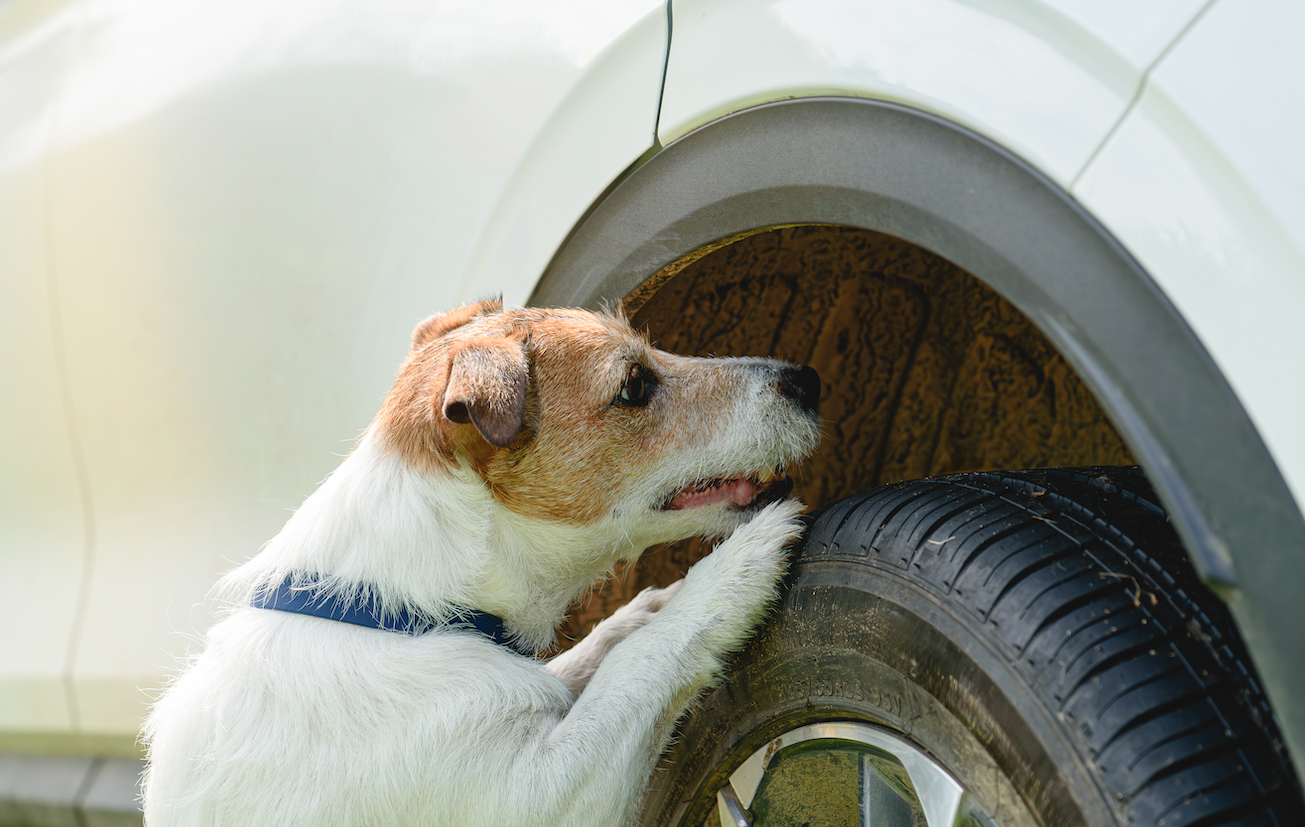
Exploring the world of dog agility competitions is an exciting adventure for both dog enthusiasts and their furry friends. As they tackle each obstacle, the challenge lies in assessing the speed and precision of the participating dogs, highlighting the importance of accurately measuring dog height. At the core of these competitions is the agility jump height, meticulously tailored to accommodate each dog’s unique size and abilities. This personalized approach ensures fair and safe participation for all dogs, emphasizing the necessity of precise dog height measurement from the withers. Mastery of the regulations governing agility jump heights, including the use of an AKC jump height card, is essential. It goes beyond physical training, stressing the importance of understanding and adhering to established rules. For those eagerly awaiting the opportunity to see their furry companions reach new heights, a thorough understanding of AKC jump heights for agility is essential. This knowledge not only enhances the enjoyment of watching dogs excel in these sports but also underscores the importance of accurate dog height measurement for a smooth and fulfilling experience. Keep exploring to delve deeper into agility jump heights and their significant role in the captivating world of dog agility. Introduction to Dog Agility Jump Heights The sport of dog agility is both fun and dynamic, providing a rigorous test of a dog’s agility, speed, and obedience as they navigate through a diverse array of obstacles. These obstacles encompass a wide range of elements including jumps, tunnels, weave poles, A-frames, seesaws, and more.  Each element of the course presents its own distinct challenge, necessitating dogs to demonstrate both physical prowess and mental acuity. At the core of agility courses lies the jump, a fundamental component that is strategically positioned throughout the course. These jumps come in varying heights to accommodate dogs of different sizes. Whether it’s the towering triple bar jump or the lower tire jump, each jump demands precision and skill from both the dog and the handler. The jumps in agility courses serve multiple purposes. They assess a dog’s ability to clear obstacles efficiently while maintaining speed and momentum. Additionally, they challenge the dog’s coordination and athleticism, requiring adjustments in stride length and take-off points for a clean jump. Furthermore, jumps in agility courses act as visual cues for handlers, guiding them through the course and indicating upcoming turns or changes in direction. Handlers must anticipate their dog’s approach to each jump and adapt their movements accordingly to ensure a seamless performance. In essence, the jump is a vital element of dog agility, contributing excitement, challenge, and spectacle to the sport. It encapsulates the essence of agility training, necessitating dogs and handlers to collaborate harmoniously to overcome obstacles and achieve success on the course. How To Measure Dog Height For AKC Agility? The height of your dog for AKC Agility is typically measured at the withers, which is the highest point of the shoulder blades. A measuring device is used to determine the exact dog height in inches. It’s important to ensure accurate dog measurements to determine the appropriate jump height for your dog in agility competitions. This measurement helps ensure fairness and safety during competitions, as dogs of different sizes require different jump heights to compete effectively.  If you’re unsure about how to measure your dog height for AKC Agility, consulting with a knowledgeable trainer or participating in a measurement session at an agility club can provide guidance and assistance. Withers On A Dog The “withers” on a dog refer to the highest point of the shoulder blades, where the neck meets the back. This area is significant in dog anatomy as it serves as a reference point for measuring the dog height, particularly in activities like agility competitions. Measuring from the withers ensures consistency and accuracy in determining the appropriate jump height for the dog. Additionally, the withers play a role in evaluating the overall structure and conformation of the dog, particularly in breed standards and show competitions. The Importance of Accurate Dog Height Measurement The precise assessment of a dog’s height at the withers stands as the cornerstone of agility jump height determination. A misjudgment here can lead to allocating inappropriate heights, which can either under-challenge or overtax a canine athlete. Ensuring the measurement’s accuracy demands undivided attention; a single inch can redefine a dog’s competitive class. Accuracy not only guarantees each dog will face a fitting challenge but also upholds the health and longevity of their agility career. Who is Qualified to Measure Dogs for AKC Agility? In the world of AKC agility, measuring dog height is a serious responsibility and is designated to certain trusted individuals. Only AKC-approved judges, veterinarians, or persons designated by an AKC Executive Field Representative are authorized to measure dog height, ensuring compliance with established AKC agility jump heights.  These professionals utilize their expertise to accurately assess the height of a dog’s withers. Their official measurements determine the jump height category in which the dog will compete, aligning with AKC’s commitment to safety and fairness in agility sports. Equipment Used in Official Dog Measurements The measurement process in dog agility is conducted by using specialized equipment called a regulation wicket. This durable metal tool, equipped with a sliding bar, enables accurate measurements to the nearest quarter-inch, establishing the dog’s agility jump heights in accordance with AKC standards.  It is essential to ensure that the wicket is properly calibrated before each measuring session, as even slight deviations can result in incorrect classification of a dog’s agility jump heights, potentially impacting their safety and performance. Personal Note Our dog Tucker was very nervous when he was getting measured at his first agility event. It might be best to ask your agility trainer if they have a measurement wicket to get your dog comfortable with being measured.  Some of the AKC officials will let you use snacks when measuring dog height. This can help them to get relaxed, otherwise it could come out too low or too high. It is also helpful to have… Continue reading How To Measure Dog Height For Agility?
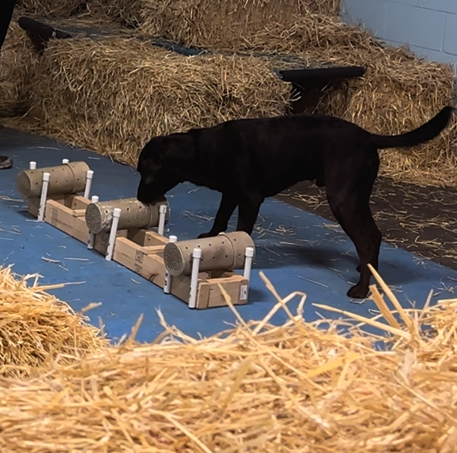
What is the Agility Course Test program?

AKC’s Agility Course Test (ACT) program is designed as an entry point for new dogs and their handlers into the world of AKC agility trials. Tailored particularly for newcomers, the ACT offers a supportive and inclusive atmosphere where both can delve into the fundamentals of agility training. This introductory event provides an easy initiation to the various aspects of agility, allowing participants to become acquainted with the course setup, equipment, and basic handling techniques ACT presents a structured yet accessible platform for dogs to display their agility prowess while fostering confidence and rapport with their handlers. By emphasizing foundational skills and promoting collaboration between dogs and handlers, the ACT lays the groundwork for future achievements in competitive agility. The Benefits Of The Agility Course Test For Dogs Participating in the Agility Course Test (ACT) offers invaluable benefits for novice agility handlers as they prepare for agility trials. This entry-level event serves as a crucial stepping stone, providing handlers with the opportunity to gain hands-on experience and build essential skills before competing in more advanced trials.  The ACT allows handlers to familiarize themselves with agility equipment, course layouts, and competition protocols in a supportive environment. By practicing basic handling techniques and navigating through various obstacles like jumps, tunnels, and weave poles, novice handlers can refine their abilities and develop a deeper understanding of agility training principles. Moreover, the ACT helps to instill confidence in both handlers and their canine companions, fostering a strong sense of teamwork and partnership. Ultimately, the experience gained from participating in the Agility Course Test prepares novice handlers for the challenges and excitement of agility trials, setting them on the path to success in competitive agility. ACT Levels The ACT comprises two main categories: ACT Standard and ACT Jumpers. Each category further divides into sub-levels, providing a structured progression for dogs and their handlers. ACT Standard: ACT 1 and ACT 2 The ACT Standard serves as the foundation for beginners, encompassing two levels: ACT 1 and ACT 2. These courses focus on fundamental skills and basic sequencing, making them ideal for novice dogs. ACT Jumpers: ACT 1J and ACT 2J Starting from February 1, 2021, ACT Jumpers has been integrated into the ACT program, offering additional opportunities for skill development. ACT Jumpers includes two levels: ACT 1J and ACT 2J. These courses are specifically designed as entry-level Jumpers courses, omitting obstacles like the A Frame, Dogwalk, Teeter, or Table. Differentiating Between Levels ACT 1 and ACT 1J are tailored for beginner dogs to demonstrate foundational skills and sequencing techniques. These courses serve as an introduction to the world of agility, focusing on basic performance skills. In contrast, ACT 2 and ACT 2J demand a higher level of proficiency and skill. Dogs participating in these levels must showcase an advanced understanding of agility, evidenced by their ability to navigate through a greater variety and number of obstacles. AKC ACT Virtual Program The AKC ACT Virtual Program offers participants the opportunity to showcase their dog’s agility skills in a virtual setting. This innovative program allows dogs and handlers to compete from the comfort of their own homes, eliminating the need for travel and providing greater accessibility to enthusiasts worldwide. Participating in the Virtual Competition Setting Up Your Virtual Space Create a designated area in your home for practicing and recording your runs. Ensure that the space is free from distractions and obstacles, with ample room for agility equipment and maneuvering. Consider using markers or cones to outline the course and guide your runs. Recording Your Runs When recording your runs for the AKC ACT Virtual Program, use a high-quality camera or smartphone to capture clear and detailed footage. Position the camera at an angle that provides a comprehensive view of the course and your dog’s performance. Record multiple takes if necessary to ensure the best possible submission. Reviewing and Analyzing Your Performance After recording your runs, take the time to review and analyze the footage carefully. Identify areas of strength and weakness, noting any errors or opportunities for improvement. Use this feedback to refine your training regimen and enhance your performance in future runs. Training Your Dog for the Agility Course Test Preparing your dog for the ACT is the same as preparing for an agility trial. It requires dedication, patience, and consistent training. Start by teaching your dog basic obedience commands such as sit, stay, and come, as these will form the foundation for more advanced agility skills. Next, introduce your dog to agility equipment gradually, allowing them to explore and become familiar with each obstacle. Use positive reinforcement techniques such as treats and praise to motivate your dog and reinforce good behavior. As your dog progresses, gradually increase the difficulty of the obstacles and incorporate sequences of obstacles to mimic a real ACT course. Focus on building your dog’s confidence and enthusiasm for agility, making training sessions fun and engaging for both of you. Conclusion In summary, the Agility Course Test (ACT) program from AKC serves as an essential introduction for new handlers to the realm of AKC agility trials. For many, it represents their initial foray into the world of “dog shows” alongside their beloved pets. The ACT not only aids handlers in navigating the intricacies of show entry, form completion, and course comprehension but also offers valuable training opportunities for assisting in the ring during their dog’s performances.  Whether fulfilling roles as bar setters or timers, handlers can acquire these skills in a relaxed, supportive environment. It’s worth noting that any dog meeting the age and physical criteria for a standard AKC agility trial can partake in the ACT, provided they lack any AKC agility title and may already have competed in novice classes.  Ultimately, the ACT plays a pivotal role in preparing both handlers and their canine companions for the trials and triumphs of competitive agility, paving the way for success in the sport. Common FAQs About the Agility Course Test What breeds are best suited for the Agility Course Test? Agility is… Continue reading What is the Agility Course Test program?

What Is Flyball: An Introduction To Flyball

When everything just flows and you can feel the connection with your dog- That is why I am addicted to this sport. Flyball sets itself apart from other dog sports by fostering both competition and camaraderie among enthusiasts. Picture a quartet of eager canines poised at the starting line, awaiting the signal to dash down the course, gracefully leap over hurdles, activate a box to release a tennis ball, and swiftly return to their handlers.  This seamless display of agility and speed captivates audiences, keeping them on the edge of their seats. Yet, Flyball is more than just thrilling entertainment; it exemplifies the special bond between dogs and their human companions, celebrates teamwork and determination, and brings boundless joy to participants of all backgrounds and ages. In this comprehensive guide, we will delve into the fascinating world of Flyball, exploring its origins, dissecting its rules and regulations, and showcasing the numerous benefits it offers for both dogs and their owners. Get ready for an exhilarating journey into the essence of Flyball! Table of Contents History Of Canine Flyball The origins of Flyball can be traced back to the vibrant atmosphere of Southern California in the late 1960s and early 1970s, where a passionate community of dog enthusiasts embarked on a quest to devise an entertaining pastime for their beloved pets. What began as a simple endeavor to provide fun and stimulation for furry companions soon blossomed into a full-fledged phenomenon. As the concept gained traction and popularity, Flyball gradually transformed into a highly competitive sport, complete with organized tournaments that drew participants from far and wide.  Today, Flyball stands as one of the most rapidly expanding dog sports globally, captivating individuals of all ages and breeds with its blend of excitement, skill, and camaraderie. AKC Flyball Rules And Regulations The rules and regulations for Flyball as outlined by the American Kennel Club (AKC) govern various aspects of the sport to ensure fair competition and the safety of all participants. These rules cover elements such as team composition, course layout, equipment specifications, and race procedures. Adherence to these guidelines helps maintain the integrity and standardization of Flyball competitions sanctioned by the AKC. In Flyball, following the established rules and regulations is essential to ensure fairness and safety for both the canine competitors and their handlers. Typically, a team comprises four dogs, each taking their turn to navigate the course, which includes hurdling over obstacles, activating a box to release a tennis ball, and swiftly returning it to their handler.  The course design is meticulously crafted, with evenly spaced hurdles and a strategically positioned Flyball box. Timing plays a critical role, as teams vie to complete the course in the shortest time possible. Infractions, such as dropped balls or missed jumps, may result in penalties, requiring adaptation and consistency. In essence, the rules of Flyball are designed to foster teamwork, sportsmanship, and the overall well-being of all participants. Dog Flyball Team Composition In Flyball, the composition of a team is crucial to the success and dynamics of the sport. Typically, a team consists of four dogs, each bringing their unique skills and abilities to the race. While breeds like Border Collies and Whippets are renowned for their speed and agility, dogs of various breeds and sizes can excel in Flyball with proper training and dedication.  The key is to have a well-balanced team that can work together seamlessly, with each member contributing their strengths to achieve optimal performance. Whether it’s the speed demon racing down the track or the steady retriever bringing back the ball, every member plays a vital role in the team’s success. Additionally, handlers play a significant role in guiding and supporting their canine companions, ensuring they stay focused and motivated throughout the race. In essence, the diversity and teamwork displayed in Flyball teams highlight the inclusive and collaborative nature of the sport. Course Layout The Flyball course is carefully designed to challenge both the canine athletes and their handlers, providing an exciting mix of speed, agility, and accuracy. Comprising four evenly spaced hurdles, the course sets the scene for a thrilling demonstration of athleticism as dogs gracefully leap over each obstacle.  Central to the course is the Flyball box, strategically positioned to activate upon the dog’s paw touch. Upon activation, the box releases tennis balls into the air, prompting the dogs to retrieve them with remarkable speed. As they race back to their handlers with the ball in their mouths, the course becomes a true test of agility and precision, demanding quick decisions and flawless timing.  For handlers, it’s a game of strategy and communication, guiding their furry companions through the course with unwavering support. Together, dogs and handlers navigate the challenges of the Flyball course, highlighting their teamwork, expertise, and boundless passion for the sport. Flyball Scoring System In Flyball, scoring is determined by the combined time it takes for the entire team to navigate the course. Each team member’s individual time is meticulously logged and then tallied together to determine the team’s overall performance.  This aspect of Flyball underscores the importance of teamwork and cooperation, as each member’s contribution directly influences the team’s final standing. However, the challenge extends beyond mere speed.  Penalties may be assessed for various infractions, such as dropped balls or missed jumps, resulting in additional seconds being added to the team’s total time. These penalties introduce a strategic element to the competition, as teams strategize to minimize errors and enhance their performance to achieve the quickest time possible.  Ultimately, Flyball scoring underscores the sport’s focus on proficiency, precision, and collaborative effort. Flyball Equipment Required To participate in the thrilling sport of Flyball, a range of equipment is necessary to guarantee a seamless and enjoyable experience for both participants and their canine companions.  Hurdles Foremost among these are sturdy and adjustable hurdles, indispensable for tailoring the course to accommodate dogs of varying sizes and abilities. These hurdles serve as the primary obstacles, challenging dogs to demonstrate their agility and speed as they… Continue reading What Is Flyball: An Introduction To Flyball

What Is Canicross: The Basics Of Canicross

Sporty happy woman training with dog outdoor in public park summer. Canicross competition. Healthy life with active pet. Copy space for design

My running partner has 4 legs Understanding Canicross Canicross, derived from the words “canine” and “cross country,” is a fast-growing sport that involves running or jogging with your dog, who is attached to you via a waist belt and a bungee leash. It’s not just about exercising your dog; it’s about forming a bond, enhancing fitness, and exploring nature together. Canicross, a rapidly growing dog sport, encapsulates the essence of partnership and adventure between humans and their canine companions. At its core, Canicross involves running or jogging with your dog, who is harnessed to you via a specialized canicross belt and leash. Originating from sled dog racing and skijoring, Canicross has evolved into a recreational activity that celebrates the bond between humans and dogs while promoting physical fitness and outdoor exploration. As you navigate trails together, overcoming obstacles and challenges as a team, Canicross fosters trust, communication, and mutual understanding, deepening the connection between human and canine. Beyond its physical benefits, Canicross provides valuable mental stimulation for both you and your furry friend, engaging the senses with the sights, sounds, and scents of the great outdoors. From forest trails to coastal paths, urban parks to mountainous terrain, Canicross offers endless opportunities for adventure and bonding, making it a truly enriching experience for all involved. Table of Contents Benefits Of Canicross Physical Fitness Engaging in Canicross offers a full-body workout for both you and your furry friend. As you hit the trails, the continuous running action targets various muscle groups, from your legs and core to your arms and back. For your dog, the rhythmic motion helps build strength and endurance, contributing to their overall fitness levels. Moreover, the cardiovascular benefits of Canicross are undeniable. The sustained aerobic activity gets your heart pumping, improving circulation and stamina for both human and canine participants. By incorporating Canicross into your regular routine, you can ensure that you and your dog maintain optimal physical health and vitality. Mental Stimulation Beyond the physical benefits, Canicross provides valuable mental stimulation for both you and your canine companion. Dogs are naturally curious creatures, and the sights, sounds, and scents encountered during a run engage their senses and stimulate their minds. From the rustle of leaves to the scent of wildflowers, each trail offers a sensory feast for your dog, keeping them mentally sharp and alert. For humans, the meditative rhythm of running coupled with the serene beauty of nature provides a welcome respite from the hustle and bustle of daily life. The opportunity to unplug and connect with the outdoors fosters a sense of calm and mindfulness, promoting mental well-being and reducing stress levels. Bonding Experience Canicross is more than just a physical activity; it’s a shared adventure that strengthens the bond between you and your dog. As you navigate trails together, you and your canine companion learn to trust and rely on each other, forging a deep and meaningful connection. The shared experience of overcoming obstacles and challenges as a team fosters mutual understanding and communication, enhancing the bond between human and canine. Whether you’re navigating a steep incline or splashing through a stream, the challenges of Canicross create opportunities for collaboration and cooperation, deepening the bond between you and your furry friend. Socialization Opportunities Participating in Canicross events or joining local Canicross clubs opens the door to a vibrant community of like-minded individuals who share your passion for running with dogs. These gatherings provide valuable opportunities for socialization, both for dogs and their owners. Dogs can interact with other canine companions, honing their social skills and making new friends along the way. Meanwhile, owners can connect with fellow Canicross enthusiasts, exchanging tips, sharing experiences, and building lasting friendships. The sense of camaraderie and support within the Canicross community creates a welcoming environment where everyone can thrive and grow together. Getting Started with Canicross Canicross Equipment Essentials Before hitting the trails, it’s crucial to gear up with the right equipment to ensure a safe and enjoyable Canicross experience. Start by investing in a high-quality canicross harness specifically designed for your dog’s breed and size. A properly fitting harness will distribute the pulling force evenly across your dog’s body, minimizing strain and discomfort. Pair this with a durable canicross belt equipped with a bungee leash, providing flexibility and shock absorption to accommodate varying speeds and terrain. Additionally, don’t forget about suitable footwear for both you and your furry companion. Opt for sturdy, supportive shoes with good traction to prevent slips and protect against rough terrain. Canicross Training Techniques Introducing your dog to Canicross requires patience, consistency, and positive reinforcement. Begin with short, leisurely runs to acclimate your canine companion to the experience gradually. Start in familiar surroundings, such as your neighborhood or a local park, before venturing onto more challenging trails. As your dog grows more confident and comfortable, gradually increase the distance and intensity of your runs. Remember to incorporate plenty of breaks and praise to keep the experience positive and enjoyable for your furry friend. Additionally, focus on reinforcing basic commands such as “heel,” “wait,” and “stop,” ensuring clear communication and control during your Canicross outings. Prioritize Safety First Safety should always be a top priority when engaging in Canicross activities. Before heading out, thoroughly assess the trail conditions and weather forecast to determine suitability for you and your dog. Choose trails that are free from hazards such as sharp rocks, steep inclines, or dense vegetation that could pose risks to your safety. Additionally, ensure you’re adequately prepared for emergencies by carrying essentials such as water, snacks, a first aid kit, and a fully charged phone with GPS capabilities. Stay vigilant during your runs, keeping an eye out for signs of fatigue or discomfort in your dog, and be prepared to adjust your pace or route accordingly. By prioritizing safety and preparation, you can enjoy peace of mind knowing you and your furry companion are well-equipped for any adventure that awaits on the trails. What Dog Breeds Can Do Canicross What dogs are good… Continue reading What Is Canicross: The Basics Of Canicross

What is Nose Work for Dogs: A Comprehensive Guide

“Dogs love nose work because we are playing with them in their world…., I am watching my dog and listening to what she is telling me…” – Zazie Todd Welcome to the captivating world of nose work for dogs – an activity that celebrates the incredible olfactory prowess of our canine companions. From the humble beginnings of scent detection training for working dogs to the thriving sport enjoyed by countless dog enthusiasts today, nose work has evolved into a rewarding and enriching experience for dogs and their owners alike. K9 Nose Work® is a canine activity that taps into a dog’s natural scenting abilities. It’s a dog sport that celebrates the unique bond between dogs and their handlers while showcasing the incredible olfactory talents of our four-legged companions. In this comprehensive guide, we delve deep into the world of nose work for dogs, exploring everything from training methods to benefits, competitions to frequently asked questions. Table of Contents Nose Work vs Scent Work Nose work, scent work, K9 Nose Work®, and AKC scent work are terms often used interchangeably, yet they encompass slightly different concepts within the realm of canine olfactory activities. Nose work typically refers to a specific type of training or dog sport where dogs are taught to search for and detect specific odors, such as birch, anise, or clove, often in controlled environments.  K9 Nose Work®, on the other hand, is a trademarked program developed by founders Amy Herot, Jill Marie O’Brien, and Ron Gaunt, which focuses on teaching dogs to search for target odors in various environments using their natural scent detection abilities. While K9 Nose Work® shares similarities with nose work and scent work in its focus on scent detection skills, it also incorporates elements of tracking, obedience, and problem-solving to create a comprehensive training program. AKC scent work, sanctioned by the American Kennel Club (AKC), is a specific program that offers organized competitions and titles for dogs who demonstrate proficiency in scent detection tasks.  The distinction between nose work for dogs, scent work, K9 Nose Work®, and AKC scent work lies primarily in their focus, application, and organizational affiliations, with each offering unique opportunities for dogs and handlers to engage in scent-related activities and competitions while highlighting the remarkable olfactory capabilities of dogs. What Is The Nose Work Training Process? At its core, canine nose work training for dogs or scent work for dogs  involves teaching dogs to detect and locate specific scents. It harnesses the natural scenting instincts of dogs, challenging them to detect and locate specific odors in various environments. Dogs are trained to use their keen sense of smell to navigate and solve scent-based puzzles. This activity not only provides mental stimulation but also reinforces positive behaviors and enhances the dog’s confidence. K9 Nose Work®/nose work/scent work is more than just a sport; it’s a journey of discovery and teamwork between dogs and their handlers. In nose work dog training, the journey is as rewarding as the destination. As dogs progress through their exercises, they develop invaluable skills, including focus, determination, and problem-solving abilities. Each sniff and search strengthens the bond between the dog and its handler, fostering teamwork and mutual trust. Start With Basic Nose Games For Dogs When initiating your dog into the world of nose work, it’s essential to start with simple yet engaging scent games. These games serve as a foundation for more advanced training and help your dog develop confidence in their scenting abilities. Begin by hiding treats or favorite toys in easily accessible locations around your home or yard. Encourage your dog to use their nose to locate these hidden treasures, praising and rewarding them for successful finds. As your dog becomes more proficient at these basic scent games, gradually increase the difficulty by hiding items in more challenging locations or introducing distractions. You can also find nose work toys for dogs to keep them occupied. Personal note: These are great nose work games for dogs to mentally tire your dog and to play on rainy days. Our dogs can get tired faster with mental stimulation than with physical exercise sometimes. By playing a game you can reinforce any commands such as “find it” in a fun and stress free manner. Gradually Introduce Target Odors Once your dog has mastered the basic scent games and demonstrates a keen interest in using their nose, it’s time to introduce specific target odors. Start by selecting one primary scent, such as birch or anise, and acquire scent detection kits or essential oils containing that scent. Begin by placing a small amount of the target odor on a cotton swab or piece of gauze and hiding it alongside treats or toys during scent games. As your dog becomes familiar with the target odor, gradually decrease the amount of food or toys present during searches, focusing solely on locating the scent source. Be patient and allow your dog time to acclimate to each new odor before introducing additional scents. Practice Consistently Consistency is key when it comes to dog nose work training. Establish a regular training schedule and commit to conducting sessions at least a few times per week. Consistent practice helps reinforce learned behaviors and keeps your dog’s scent detection skills sharp. During training sessions, vary the search environments to provide your dog with new challenges and experiences. Additionally, incorporate both short and long search durations to simulate real-world scenarios and improve your dog’s endurance and focus. Remember to keep training sessions fun and rewarding for your dog, using plenty of praise and treats to motivate them to continue learning and exploring. Seek Professional Guidance While dog nose training for dogs can be a rewarding activity to pursue independently, seeking professional guidance can greatly enhance your training experience. Consider enrolling in a nosework classes for dogs led by certified instructors who specialize in scent detection training. Nose work classes for dogs provide structured guidance, valuable feedback, and opportunities for socialization with other dog nose work enthusiasts. Additionally, working… Continue reading What is Nose Work for Dogs: A Comprehensive Guide

The AKC Canine Partners Program And How To Sign Up

Every dog deserves an opportunity to showcase their talents, irrespective of their lineage. The Canine Partners program, established by the American Kennel Club (AKC), aims to honor the exceptional skills and capabilities of mixed-breed dogs. In this thorough guide, we will explore the Canine Partners Program in detail, emphasizing its advantages, registration procedure, and the exciting activities accessible to you and your favorite canine companion. What Is The AKC Canine Partners Program? The AKC Canine Partners program, established by the American Kennel Club (AKC), is a groundbreaking initiative designed to embrace and honor the remarkable qualities of mixed-breed dogs. This program serves as a platform for these dogs to showcase their talents and abilities alongside their purebred counterparts. It opens up a world of opportunities for mixed-breed dogs and their owners to participate in a wide range of AKC events and activities, including obedience trials, agility competitions, rally events, and more. By welcoming mixed-breed dogs into AKC-sanctioned events, the Canine Partners program promotes inclusivity and diversity within the dog sports community, recognizing the unique strengths and attributes that each dog brings to the table. Through this program, mixed-breed dogs have the chance to earn titles, awards, and accolades, celebrating their achievements and enhancing their bond with their owners. Benefits Of AKC Canine Partners Program The benefits of the AKC Canine Partners Program include: Access to AKC Events: Enrolled dogs can participate in a variety of AKC events such as agility trials, obedience trials, rally, and more, providing opportunities for fun and competition. AKC Reunite Enrollment: Enrolled dogs receive AKC Reunite enrollment, which can help facilitate a swift reunion in case they become lost. This service offers peace of mind to owners knowing that measures are in place to ensure their dog’s safety. Inclusivity: The program welcomes mixed-breed dogs and non-eligible AKC registered dogs, promoting inclusivity within the AKC community and giving every dog the chance to showcase their skills and qualities. Community Engagement: Owners and dogs become part of a vibrant community of dog enthusiasts, offering camaraderie, support, and opportunities for growth within the world of canine sports. Recognition and Achievement: Enrolled dogs have the chance to achieve success and recognition in AKC events, allowing them to showcase their abilities and talents on a national platform. Can Any Dog Compete In AKC Agility Or Other AKC Sports? Yes, the AKC Canine Partners program permits dogs of any breed or lineage to engage in AKC agility and other AKC sports. This inclusive initiative welcomes mixed-breed canines, also referred to as All-American Dogs, alongside purebred counterparts, enabling them to partake in a variety of AKC-approved activities. Regardless of whether they are purebred or mixed-breed, dogs of all varieties can demonstrate their abilities and skills in agility trials, obedience contests, rally obedience events, tracking, lure coursing, fast CAT, AKC scent work, and other competitions. The AKC acknowledges and honors the capabilities of all dogs, fostering diversity and inclusivity in the realm of canine sports. How Do I Enroll In The AKC Canine Partners Program? To enroll in the AKC Canine Partners program, follow these steps: Visit the AKC website: Navigate to the American Kennel Club (AKC) website to access the Canine Partners program page. Complete the registration form: Fill out the required information on the registration form, including your contact details and your dog’s information such as name, breed (if known), and age. Submit required documentation: Provide any necessary documentation requested by the AKC, such as proof of spaying or neutering if applicable. Pay the enrollment fee: Submit the required enrollment fee, which may vary depending on the registration options available. Await confirmation: Once you have submitted your registration and payment, wait for confirmation from the AKC. Upon approval, you will receive confirmation of your enrollment in the Canine Partners program. Enjoy the benefits: Once enrolled, you and your dog can enjoy various benefits offered by the AKC Canine Partners program, including eligibility to participate in AKC-sanctioned events and access to resources and services. AKC Canine Partners Cost AKC Canine Partners Cost is $35 and it comes with many benefits, such as ability to participate in AKC events and more. Available AKC Activities For Registered Dogs There are various AKC activities available for registered dogs, including: Agility Trials: Dogs navigate obstacle courses, demonstrating their speed, agility, and obedience. Obedience Trials: Dogs showcase their obedience skills by performing a series of exercises, including heeling, retrieving, and staying. Rally Obedience: Dogs and handlers navigate a course, performing various obedience exercises with signs to guide them. Tracking Tests: Dogs demonstrate their ability to track and find objects or people by following scent trails. Field Trials: Dogs participate in hunting simulations, such as retrieving game or flushing birds. Herding Trials: Dogs demonstrate their ability to herd livestock, showcasing their natural herding instincts. Dock Diving: Dogs compete to jump the farthest or highest off a dock into a body of water. Earthdog Tests: Dogs navigate underground tunnels to locate and bark at caged rats. Canine Good Citizen (CGC) Program: Dogs undergo training and testing to demonstrate good manners and obedience in various everyday situations. Scent Work Trials offer dogs the chance to showcase their exceptional olfactory abilities in various scent detection challenges. Trick Dog Titles recognize the cleverness and versatility of dogs as they perform a variety of tricks, showcasing their intelligence and training. Fast CAT Events provide an exhilarating opportunity for dogs to sprint at high speeds, testing their athleticism and speed. Lure Coursing Tests simulate the thrill of the chase for dogs as they pursue a mechanized lure along a course, showcasing their agility and endurance. Fit Dog: Fit Dog events challenge dogs to demonstrate their physical fitness and stamina through various activities such as obstacle courses, swimming competitions, and endurance challenges, promoting overall health and well-being. These activities provide opportunities for dogs and their owners to bond, have fun, and showcase their skills in a supportive and competitive environment. In conclusion, the AKC Canine Partners Program offers a wonderful opportunity for all dogs and… Continue reading The AKC Canine Partners Program And How To Sign Up

What is the All American Dog?

A dog need not be purebred to be pure of heart In the wide and wonderful world of dogs, few are as endearing — or as uniquely themselves—as the All-American Dog. But what is an All-American Dog, really? For many, it’s a way to describe the beloved mixed-breed companions found in homes across the country. These dogs may not come with pedigrees or fancy papers, but they’re full of heart, personality, and individuality. The All-American Dog breed meaning typically refers to dogs of mixed heritage — those lovable mutts whose ancestry may be a mystery, but whose loyalty and charm are undeniable. They come in all shapes, sizes, and colors, often with the quirkiest combinations of traits that make them stand out from the crowd. Every All-American Dog is one-of-a-kind, shaped by a blend of breeds and a whole lot of character. These dogs reflect the spirit of the country itself—diverse, resilient, and full of life. Whether adopted from a shelter, rescued from the streets, or welcomed from a local foster, All-American Dogs show that love and companionship don’t require a purebred label. Let’s explore the All American dog meaning, the role they play in our lives, and why the AKC All-American Dog breed recognition has helped bring these mixed-breed stars into the spotlight. Is an All American Dog Mutt? Yes, an All-American dog can be considered a mutt in some contexts. The term “All-American dog” typically refers to a mixed-breed dog of unknown or mixed ancestry, commonly found in animal shelters or adopted from rescue organizations. These dogs often have a blend of various breeds in their genetic makeup, making them distinct from purebred dogs. While some people may use the term “All American dog” to emphasize the uniqueness and diversity of mixed-breed dogs, others may simply refer to them as mutts due to their mixed heritage. Ultimately, whether an All-American dog is labeled as a mutt depends on one’s perspective and interpretation of the term. Origins of the All American Dog The term “All American Dog” is not just a label; it’s a representation of the melting pot of diversity and resilience that defines America. These dogs, affectionately dubbed as mutts, are the embodiment of the nation’s rich tapestry of cultures, histories, and landscapes. A Diverse Heritage: Unlike purebred dogs with meticulously documented pedigrees, All American Dogs boast a heritage as varied as the American landscape itself. Their lineage is a mosaic of different breeds, each contributing its unique traits and characteristics to the mix. From the rugged working dogs of the countryside to the sophisticated city dwellers, these dogs carry a piece of America’s history in their genetic makeup. Rescue and Adoption: Many All American Dogs find their way into shelters or rescue organizations, where their uncertain ancestry becomes part of their charm. They are the survivors, the resilient souls who have faced adversity and found a second chance at life. Adopting an All American Dog isn’t just about bringing home a pet—it’s about embracing a story of resilience, hope, and unconditional love. A Symbol of Diversity: Just as America celebrates its diversity in people, so too does it celebrate the diversity found in its dogs. All American Dogs come in all shapes, sizes, and colors, reflecting the rich tapestry of cultures and backgrounds that make up the nation. From the majestic mutts with coats as varied as the autumn leaves to the scrappy street dogs with hearts of gold, each All American Dog is a testament to the beauty of diversity and the power of resilience. Tracing Back to Various Breeds: While the exact ancestry of an All American Dog may remain a mystery, their lineage can often be traced back to various breeds from different regions and backgrounds. From the loyal Labrador Retriever to the spirited Terrier, from the noble German Shepherd to the playful Beagle, these dogs carry within them the genetic legacy of generations past. It’s this blend of breeds that gives All American Dogs their unique charm and appeal. Characteristics and Traits Loyalty Beyond Measure: All American Dogs are renowned for their unwavering loyalty to their human companions. Whether they’re curled up at your feet or bounding eagerly by your side, these dogs form deep bonds with their owners and will go to great lengths to protect and comfort them. Their loyalty knows no bounds, making them cherished members of the family. Intelligence and Problem-Solving Skills: Despite their mixed heritage, All American Dogs are often remarkably intelligent and quick-witted. They have a knack for learning new tricks and solving puzzles, making them excellent candidates for obedience training and interactive games. Their sharp minds and keen instincts are a testament to their adaptability and resourcefulness. Adaptability in Any Environment: One of the most remarkable traits of All American Dogs is their adaptability to various environments and lifestyles. Whether they’re living in a bustling city apartment or roaming free in the countryside, these dogs have a remarkable ability to adjust and thrive. They’re equally at home lounging on the couch or exploring the great outdoors, making them versatile companions for any lifestyle. A Unique Blend of Physical Characteristics: With their mixed heritage, All American Dogs come in a wide range of shapes, sizes, and coat colors. From the sleek athleticism of a Labrador mix to the fluffy charm of a Husky blend, each dog boasts a unique combination of physical traits that sets them apart. Their diverse appearances add to their appeal, making them stand out in a crowd. Temperament and Behavior: All American Dogs exhibit a diverse range of temperaments and behaviors, reflecting their mixed ancestry. While some may inherit the laid-back demeanor of a Labrador, others may possess the spirited energy of a Terrier. Despite their differences, one thing remains consistent: their loving and affectionate nature. Whether they’re snuggling on the couch or romping in the yard, these dogs are sure to bring joy and laughter to their families. Popularity and Recognition of All American Dog Breed Beloved Family Companions: All… Continue reading What is the All American Dog?

Exploring the Excitement of AKC Fast CAT Dog Sport

AKC Fast CAT Welcome to the high-energy world of AKC Fast CAT, where your dog’s speed and agility are put to the ultimate test. As an exciting offshoot of lure coursing, endorsed by the American Kennel Club, this timed sprint event captivates canines and owners alike with its blend of spirited competition and pure, tail-wagging fun. Every sprint down the track is a chance for dogs to earn recognition, with AKC Fast CAT rankings offering a way to measure their progress against swift pawed comrades. For those eager to transform their speedy pup into a Fast CAT champion, understanding the ins and outs of this dog sport is key. Keep reading to unleash your furry friend’s potential and navigate the exhilarating world of Fast CAT events. What Is AKC Fast CAT? Picture your loyal companion hurtling down a track with exhilarating speed, the wind whipping through their fur—a thrilling display of motion, vitality, and unbridled joy. This is the core of AKC Fast CAT, a captivating dog sport that harnesses your dog’s inherent urge to chase into a lively and competitive racing adventure. As you gear up to explore the world of Fast CAT events, you’ll uncover the origins of this dynamic sport, familiarize yourself with essential rules, and grasp the fundamentals required to shift from a mere observer to an engaged participant alongside your faithful canine sidekick. Understanding the Basics of Fast CAT Events Envision yourself at the sidelines, heart pounding as your dog gears up for a sprint on a 100-yard straight track during an AKC Fast CAT event. This timed dash tests your dog’s speed, transforming their prey drive into an athletic pursuit as they chase a lure on a course designed by the American Kennel Club. Your dog’s performance is measured against the clock, but don’t worry, every second they bolt towards the finish line contributes to their personal Fast CAT AKC rankings. Beyond a thrilling spectacle, Fast CAT competitions are about camaraderie and showcasing the spirit and agility inherent to your canine athlete. The History and Evolution of Fast CAT Tracing its roots back to the time-honored practice of sight hounds pursuing game, the Fast CAT, an abbreviation for Coursing Ability Test, is a modern twist on a historic pastime. Its inception dates to 2016 when the American Kennel Club repurposed the essence of lure coursing to accommodate dogs of all breeds, enveloping participants in a burgeoning sport marked by its burst of speed and test of acceleration. Amid the growing interest in dog sports, Fast CAT emerged as a standout by providing an accessible platform for dogs to demonstrate their chase instincts in a thrilling yet secured environment. The evolution continues as both purebreds and mixed breeds surge up the AKC Fast CAT rankings, fostering a diverse community united by a shared passion for the exhilaration of the chase. Fast CAT Competition Structure Fast CAT competitions are meticulously structured to deliver an exhilarating and equitable experience for participants and onlookers alike. Each event adheres to a predetermined sequence, guaranteeing fairness and openness in the lineup of contenders. Timing plays a pivotal role, with electronic systems accurately documenting every dog’s performance down to the hundredth of a second. This precision not only heightens the excitement but also upholds the integrity of the competition. Dogs from diverse breeds and sizes compete within their specified categories, fostering a sense of camaraderie and ensuring a level playing field. From race organization to the incorporation of state-of-the-art technology, Fast CAT competitions seamlessly combine thrill, challenge, and sportsmanship. How Fast CAT Races Are Organized Fast CAT races are meticulously coordinated to guarantee a seamless and thrilling experience for all involved. Every race adheres to a meticulously crafted sequence, typically established through a random draw or check-in process, to uphold fairness and transparency. Timing holds paramount importance in Fast CAT events, with electronic systems precisely gauging each dog’s performance down to the millisecond. Dogs take turns competing individually on a straight 100-yard track, facilitating a precise assessment of their speed and agility. The organization of Fast CAT races prioritizes efficiency and precision, fostering an atmosphere where both dogs and their handlers can confidently display their abilities. The Role of Timing and Tracking Technology In Fast CAT events, timing and tracking technology are essential components that guarantee the precision and fairness of assessing each dog’s performance. Advanced tracking systems employ cutting-edge technology to accurately monitor the speed of dogs as they race along the track. This technology meticulously captures every movement, enabling judges to establish rankings and outcomes with precision. By delivering instantaneous data on each dog’s run, timing and tracking technology elevate the thrill of Fast CAT competitions while preserving the integrity of the sport. What Do I need To Participate in Fast CAT To take part in Fast CAT, it’s essential to ensure both you and your dog are fully prepared and equipped for the upcoming exhilarating experience. Firstly, registering your dog with the American Kennel Club (AKC) is crucial. This ensures your dog meets the necessary eligibility criteria and is acknowledged as a participant in Fast CAT events. Additionally, before entering any competitions, it’s vital to confirm your dog’s good health and up-to-date vaccinations. Regular veterinary check-ups can ensure your dog is ready to compete and handle the physical demands of Fast CAT. Regarding equipment, there are a few key items you’ll need for your participation. A properly fitting collar and leash are indispensable for safely managing your dog during training sessions and competitions. Some participants may also opt for a harness, especially for dogs that pull strongly on a leash. Harnesses offer extra control and comfort for your dog while running. It’s crucial to select equipment that suits your dog’s size, breed, and specific needs. Hydration is paramount, particularly during intense training and competitions. Make sure to bring plenty of water for both you and your dog to stay hydrated throughout the day. Treats can also come in handy for rewarding your dog during training and offering… Continue reading Exploring the Excitement of AKC Fast CAT Dog Sport

How to Find The Best Dog Agility Training Near Me

Dog training is a never-ending process of evolving. When looking for a fun and engaging way to train and bond with a dog many people go online and look up “dog agility training near me” and often they will see many results. To embark on this exciting journey, you need to find the right dog agility training school. Choosing the perfect school is crucial to ensuring a positive and effective training experience. Agility training for dogs is a thrilling and rewarding endeavor that promotes physical fitness, mental stimulation, and a deeper bond between you and your canine companion. In this comprehensive guide, we will go into the essential steps and considerations to help you find the ideal agility training school for your dog. What is an Agility Training School for Dogs? An agility training school is a specialized facility or program dedicated to teaching dogs and their handlers the skills and techniques required for agility training. These schools offer structured training sessions, access to agility equipment, and guidance from experienced trainers to help dogs and handlers reach their full potential. Benefits of Joining an Agility Training School Professional Guidance Agility schools provide access to experienced trainers who can offer expert guidance, ensuring that you and your dog learn and progress effectively. These trainers bring a wealth of knowledge and expertise to the table, enhancing the quality of your training experience. Structured Learning Structured training programs are a hallmark of agility schools. These programs gradually introduce agility obstacles, allowing your dog to build confidence and skills step by step. The organized curriculum ensures that both you and your dog have a clear path to success. Equipment Access Agility schools typically have a variety of agility equipment, including jumps, tunnels, weave poles, and A-frames. This access provides a controlled environment for training, where you can practice and refine your dog’s agility skills safely. Socialization Opportunities Agility schools offer opportunities for your dog to socialize with other dogs and handlers. This interaction can have a positive impact on your dog’s behavior and social skills. Learning to work alongside other dogs in a structured setting can be invaluable for their development. Competition Preparation For those interested in competing in agility trials, agility schools can provide valuable insights and preparation for the competitive environment. Trainers with competition experience can offer tips, strategies, and guidance to help you and your dog excel in agility contests. Factors to Consider When Choosing an Agility Training School Location and Accessibility Location plays a significant role in your choice of an agility training school. Consider the school’s proximity to your home or workplace, as you’ll want to attend regular training sessions. Accessibility is crucial to maintaining consistency in your dog’s training regimen. This is why searching for dog agility near me is the best way to find a local agility class. Trainer Qualifications The qualifications and experience of the trainers at the school are paramount. Look for instructors who have a strong background in agility training, positive reinforcement techniques, and a track record of successful training. A trainer’s expertise significantly influences the quality of your training. If you are looking to compete, a trainer who has won awards and ribbons with their own dogs will help guide you through the entire process. Training Methods Inquire about the training methods used at the school. Positive reinforcement techniques, which involve rewarding desired behavior, are generally preferred for agility training. Ensure that the school’s approach aligns with your training philosophy to create a harmonious learning environment for your dog. Facilities and Equipment Visit the school or request photos of their training facilities. Ensure that they have adequate agility equipment and a safe training environment for dogs. The cleanliness and maintenance of the facility are also essential factors to consider, as a well-maintained space reflects the school’s commitment to safety and professionalism. Class Size and Structure Ask about the class size and structure at the agility school. Smaller class sizes may allow for more personalized attention from the trainer, while larger classes can offer socialization opportunities for your dog. Understanding the curriculum and progression of classes is crucial to selecting the right fit for you and your dog’s needs. Cost and Fees Consider the cost of enrollment and any additional fees associated with the agility school. Compare prices among different schools and ensure that the fees fit within your budget. Some schools may offer package deals or discounts for multiple classes, so explore your options to make an informed decision. Reviews and Recommendations Research reviews and seek recommendations from fellow dog owners or online communities. Hearing about others’ experiences can provide valuable insights into the quality of training offered by the school. Reviews and recommendations can help you gauge the school’s reputation and track record. Evaluating the School School Visit Schedule a visit to the agility training school before making your final decision. A physical visit allows you to assess the facility, meet the trainers, and observe ongoing training sessions. Pay attention to the cleanliness, organization, and safety measures in place to ensure a conducive learning environment for your dog. Trainer Interaction Engage with the trainers during your visit and ask questions about their approach to agility training. Inquire about their training philosophy, their experience with different dog breeds, and their methods for handling various challenges. Interacting with the trainers provides valuable insights into their expertise and teaching style. Class Observation If possible, observe a training class in progress. This firsthand experience allows you to witness the training environment, the trainer’s interaction with dogs and handlers, and how dogs are progressing in their training. Observing a class can help you gauge whether the school’s training style aligns with your goals. Making the Decision Compatibility Consider the compatibility between you, your dog, and the agility training school. Ensure that the school’s approach aligns with your training goals and that both you and your dog feel comfortable in the training environment. A harmonious fit is essential for a positive training experience. Enrollment Once you have… Continue reading How to Find The Best Dog Agility Training Near Me

When To Start Dog Agility Training?

The beginning is the most important part of the work. Dog agility training is a dynamic and exhilarating dog sport that offers a myriad of physical and mental benefits for dogs and their owners. From improved fitness and enhanced coordination to strengthened bonds and mental stimulation, agility training can be a rewarding experience for both pets and handlers.  However, a crucial question often arises among dog owners: when is the right time to start agility training for their furry companions? In this comprehensive guide, we will explore the various factors that determine when to begin agility training, how to prepare your dog for this exciting journey, and what to expect during the training process. Understanding Dog Agility Before delving into when to start agility training, it’s essential to have a clear understanding of what agility training entails. What Is Dog Agility Training? Agility training is a canine sport that involves a dog navigating through a timed obstacle course with the guidance of their handler. The course typically includes hurdles, tunnels, weave poles, A-frames, and various other challenges that require dogs to demonstrate their agility, speed, and obedience. It is a physically demanding and mentally stimulating activity that not only provides exercise but also strengthens the bond between dogs and their owners. Factors to Consider Before Starting Agility Training Before deciding when to start agility training, several factors must be taken into account to ensure the best possible experience for both you and your dog. Age of the Dog Age is an important consideration when doing agility training. While dogs of various ages can participate in agility training and competitions, there are some key factors to keep in mind: Puppies: As mentioned earlier, puppies can start agility training, but it’s essential to be mindful of their physical development. Puppies’ bones, joints, and muscles are still growing and developing, so it’s crucial to avoid high-impact activities or strenuous exercises that could potentially harm them. Start with low-impact obstacles and focus on building a strong foundation of basic skills. Adolescent Dogs: Adolescent dogs, typically between 6 months to 2 years of age, may have bursts of energy and enthusiasm but may also be more prone to distractions. It’s essential to maintain patience and consistency during training sessions, as well as providing mental and physical outlets for their energy. Adult Dogs: Adult dogs, usually between 2 to 7 years of age, are often at their physical prime for agility training. They have developed muscles and coordination but may require ongoing practice and reinforcement to maintain their skills. Senior Dogs: Senior dogs, typically over 7 years of age, may still enjoy participating in agility but may require adjustments to their training regimen to accommodate any physical limitations or health issues. It’s essential to monitor their activity level closely and consult with a veterinarian to ensure they can safely participate in agility activities. Overall, while there is no strict age limit for participating in agility, it’s essential to consider each dog’s individual needs, physical condition, and abilities. Always prioritize safety, provide appropriate training and equipment, and consult with a veterinarian or professional trainer if you have any concerns about your dog’s suitability for agility activities. Physical Health Before embarking on agility training, your dog should be in good physical health. Ensure that your dog is up-to-date on vaccinations and has undergone a thorough veterinary examination to rule out any underlying health issues. Agility places physical demands on a dog’s body, so it’s crucial to start with a healthy foundation. Obedience Training Basic obedience skills are fundamental for agility training. Your dog should have a strong foundation in commands such as sit, stay, come, and heel before beginning agility training. Obedience training provides the necessary communication tools for you to guide your dog through agility courses effectively. Age-Appropriate Agility Training Once you’ve considered the above factors and determined that your dog is ready for agility training, it’s essential to understand age-appropriate training guidelines. Agility training can be divided into three main phases based on a dog’s age: Puppy Foundation Training (6-12 Months): During this stage, focus on building a strong foundation for future agility training. You can introduce your puppy to basic obedience commands, socialization, and simple agility-related exercises like tunnels and low jumps. However, avoid strenuous physical activities or high-impact equipment to protect your puppy’s developing joints and bones. Adolescence (12-18 Months): As your dog enters adolescence and continues to mature physically, you can gradually introduce more advanced agility equipment and techniques. Start with low-impact obstacles and focus on reinforcing obedience commands and handling skills. Keep training sessions fun and positive to maintain your dog’s enthusiasm for agility. Full Agility Training (18+ Months): Once your dog has reached full physical maturity, typically around 18 months or older, you can begin full agility training. At this stage, your dog’s skeletal structure should be sufficiently developed to handle the physical demands of agility equipment. However, it’s still essential to start gradually, allowing your dog to build strength and confidence as they navigate more challenging courses. Starting Agility Training Finding a professional dog trainer is a #1 thing to do. A dog trainer specializing in agility plays a pivotal role in shaping both the success and safety of your canine companion’s agility journey. Beyond mere instruction, these professionals offer invaluable expertise honed through experience with various breeds and temperaments. They possess an acute understanding of canine behavior and learning processes, allowing them to tailor training methods to suit each individual dog. Furthermore, a qualified trainer ensures the proper introduction and utilization of agility equipment, minimizing the risk of injury while maximizing the dog’s performance potential. Through patient guidance and positive reinforcement, they cultivate a strong bond between handler and dog, fostering a harmonious partnership essential for navigating the agility course effectively. Ultimately, a skilled agility trainer not only enhances the dog’s skills but also empowers the handler with knowledge and confidence, laying the groundwork for a fulfilling and successful agility journey. What to Expect During Agility Training As… Continue reading When To Start Dog Agility Training?

What is Barn Hunt For Dogs? An Intro to the Canine Rat Hunting Sport

Don’t just chase dreams, chase rats too. Imagine your dog, tail wagging, nose twitching, as it navigates through a maze of straw bales, on the scent trail of a hidden quarry. Barn Hunt, a growing dog sport, taps into the natural vermin hunting instincts of canines, encouraging them to sniff out rats safely enclosed in aerated tubes amidst a rustic setting. This fast-paced activity not only satisfies your furry friend’s primal hunting urges but also strengthens the bond between you and your pet through teamwork and communication. Keep reading to unearth the tales of triumph and the pitter-patter of tiny paws in the exciting world of Barn Hunt. Unveiling the Sport of Barn Hunt for Dogs Amid the bustling landscape of canine competitions, Barn Hunt has emerged as a thrilling pursuit for dogs with a knack for sniffing out their quarry. This intriguing dog sport takes a page out of the history books, harkening back to the utilitarian chores of farm dogs tasked with protecting the granary from pesky rodents. Unlike the more common agility or obedience trials, Barn Hunt presents a unique blend of scent work and obstacle navigation, offering canines a different manner of showcasing their tracking talents. It stands apart as it recreates a rodent hunt, devoid of harm to the animals, while testing the veracity and agility of every participating pooch. The History and Origins of Barn Hunt Tracing the roots of Barn Hunt history, one is transported to the rural settings where dogs’ prowess in pest control was not just valued but essential for the preservation of crops. The sport was officially codified in 2013, yet it resonates deeply with the ancestral skills inherent in many terrier breeds, fashioned over centuries as they sought to outwit vermin amidst the hay. Today’s Barn Hunt reveres the past, but modernizes it for a structured, competitive environment. Allowing dogs to engage in a primal activity, the sport both honors their historical role on the farm and nurtures their instinctive drives in a controlled, sportive atmosphere, connecting present-day canine athletes to their heritage. How Is Barn Hunt Different From Other Dog Sports? Barn Hunt offers a distinctive challenge by testing a dog’s scent detection prowess within an environment that simulates a rustic barn setting. Where speed through an obstacle course or precise obedience might define other competitions, Barn Hunt brings the dog’s nose to the forefront, making it the primary tool for success. Dog handlers find Barn Hunt refreshingly different as it encourages their pets to work independently, relying on inherent hunting instincts rather than prompts and commands. This nurturing of a dog’s natural behavior creates a spectacle not just of physical agility but also of mental sharpness, setting Barn Hunt apart from its counterpart canine sports. Unlike the more common agility or obedience trials, Barn Hunt presents a unique blend of scent work and obstacle navigation, offering canines a different manner of showcasing their tracking talents. It stands apart as it recreates a rodent hunt, devoid of harm to the animals, while testing the veracity and agility of every participating pooch. The Basic Rules and Objectives in a Barn Hunt Trial Embarking on a Barn Hunt trial, participants discover a competitive arena where dogs apply their sharp scenting abilities to seek out concealed rats. The focus here is not on brute force or swift agility, but on a careful, calculated display of instinctive hunting skill. Within the straw-strewn course, handlers must decipher their dogs’ cues to pinpoint the location of the safely contained rodents, all while adhering to the strict rules that ensure fairness and the welfare of all involved creatures. As these canines sift through bales and climb over stacked hay, their success hinges on a keen sense of smell. Judges stand by, meticulously evaluating each methodical move, ready to confer points, which culminate in the day’s victory for the most astute and adept hunters. The Role of Rats in the Competition Within Barn Hunt trials, the rats serve as the imperative quarry, propelling the drive within each canine competitor. Scurrying creatures are not put in harm’s way; instead, they are cozily ensconced within aerated tubes, ensuring their safety while allowing dogs to demonstrate their hunting prowess. These rats become the centerpieces of the trial, as each dog’s determination to locate them amidst an assortment of straw bales is meticulously assessed. Their presence is vital, offering a dynamic and authentic element to the chase, creating an atmosphere thick with anticipation and excitement. Scoring Criteria and Winning Conditions Victory in Barn Hunt hinges on the preciseness with which a dog navigates the straw maze to detect the hidden rats. Barn Hunt titles are earned through swift identification and signaled alerts, demonstrating a seamless bond between dog and handler as they work toward their quarry. Judges observe the search, awarding points based on the speed, efficiency, and accuracy of the finds. Dogs that display keen intuition and rapid response in unearthing these innocuous targets ascend the ranks, etching their names in the roll call of Barn Hunt champions. Essential Skills Your Dog Needs for Successful Hunts Navigating the rustic labyrinth of a Barn Hunt requires your dog to possess a highly tuned sense of smell. It’s this acute olfactory capability that enables them to detect the concealed rodents and distinguishes the seasoned hunters from the novices. A dog’s ability to discern and follow the scent trail is the cornerstone of success in this sport. Independent problem-solving skills also play a critical role in Barn Hunt. Your furry friend must demonstrate the intelligence to work through the maze without human guidance, making snap decisions that lead them closer to their target. The sport celebrates this autonomy, allowing dogs to tap into their primal hunting instincts. Communication between dog and handler is subtle yet pivotal in Barn Hunt competitions. A proficient competitor will have mastered the art of signaling their findings effectively to their human counterparts. These indicators, whether a subtle pause or an excited tail wag, are the cryptic… Continue reading What is Barn Hunt For Dogs? An Intro to the Canine Rat Hunting Sport

What Are the Benefits of Agility Training for Dogs?

purebred golden retriever jumping in a training of agility

Run for fun! In the world of pet care and training, dog owners are always on the lookout for innovative and effective ways to keep their canine companions happy and healthy. One such method gaining widespread recognition is agility training for dogs.    This exhilarating activity not only offers a fun and engaging experience but also comes with a multitude of benefits of agility training for dogs and their owners. In this comprehensive guide, we will delve into the various advantages of agility training, shedding light on why this activity transcends being just a sport for your furry friend. The All-Encompassing Benefits of Agility Training Agility training is a multifaceted approach that goes beyond just physical exercise, encompassing various aspects that contribute to a dog’s overall well-being. Improved Physical Health The benefits of agility training on a dog’s physical health are substantial: Enhanced Strength: As dogs navigate through tunnels, climb A-frames, and leap over hurdles, their muscles develop, leading to increased overall strength. Better Coordination: Agility courses require precise movements, which improve a dog’s coordination, making them more agile in everyday activities. Flexibility: Weave poles, tunnels, and other agility obstacles demand flexibility, ensuring that dogs remain agile and limber. Mental Stimulation Moreover, agility training is not just a physical endeavor; it also presents a mental challenge that engages a dog’s cognitive functions. The need for focus, quick decision-making, and problem-solving as they navigate through an agility course stimulates a dog’s mind, promoting mental agility alongside physical agility. This combination of physical and mental exercise is invaluable in keeping dogs sharp, engaged, and mentally healthy.   Agility training isn’t just a physical workout; it’s also a mentally stimulating exercise  that engages a dog’s cognitive functions.: Problem Solving: Dogs must quickly evaluate and navigate through obstacles, sharpening their problem-solving skills. Increased Focus: Agility training hones a dog’s concentration, ensuring they remain attentive to commands and navigate the course effectively. Enhanced Bonding Participating in agility training creates a unique bond between dogs and their owners: Communication: Dogs learn to understand and respond to their owner’s cues and commands, fostering clear and effective communication. Trust: Through teamwork, dogs develop trust in their owners, knowing that they will guide them safely through the course. Agility Training Benefits for Dogs Let’s delve deeper into the specific advantages that agility training offers to our canine companions: Physical Exercise Regular exercise is vital for a dog’s health, and agility training provides a dynamic and exciting way to achieve it: Weight Management: Agility training helps dogs maintain an ideal weight, reducing the risk of obesity and related health issues. Cardiovascular Health: The high-energy nature of agility courses enhances a dog’s cardiovascular fitness, promoting a healthy heart. Improved Behavior Agility training can have a positive impact on a dog’s behavior: Reduced Boredom: Engaging in agility training alleviates boredom, which can lead to destructive behavior in dogs with excess energy. Socialization: During agility classes, dogs often interact with other dogs and people, which improves their social skills and reduces anxiety in social situations. Enhanced Confidence Participating in agility training can significantly boost a dog’s self-confidence: Overcoming Challenges: Conquering challenging obstacles fosters a dog’s self-assurance, helping them tackle everyday obstacles with ease. Sense of Achievement: Successfully completing an agility course gives dogs a sense of accomplishment, bolstering their confidence. Benefits of Agility Training for Dog Owners It’s not just dogs who reap the rewards of agility training; dog owners also experience significant benefits of agility training they do with their dogs: Improved Communication Owners and their dogs must communicate effectively during agility training: Clearer Commands: Owners learn to give clear and concise commands that their dogs readily understand, strengthening the owner-dog bond. Better Understanding: Owners become more attuned to their dog’s body language and needs, fostering a deeper connection. Exercise for Owners Agility training isn’t just about the dogs; it gets owners moving too: Physical Activity: Owners get their share of exercise while guiding their dogs through the agility course, promoting their own physical fitness. Healthy Bonding: Engaging in joint physical activity strengthens the bond between owner and dog, deepening their relationship. Increased Socialization Owners have the opportunity to connect with other dog enthusiasts during agility classes: Community: Joining agility classes creates a sense of community among dog owners, offering opportunities to share experiences and advice. Shared Interests: Owners can connect with like-minded individuals who share their passion for their pets, leading to lasting friendships. Agility Training as a Sport Beyond numerous benefits of agility training, it is also recognized as a competitive dog sport by many organizations (such as AKC, USDAA, UKI and more) in many countries, bringing an added layer of excitement and challenge for dogs and their handlers. Competitive Aspect Agility competitions feature various levels of difficulty and categories, catering to both novices and experts: Challenges: Dogs and their handlers compete to achieve the fastest, most accurate completion of the course, fostering a sense of achievement. Titles and Awards: Successful competitors can earn titles and awards in agility, recognizing their dedication, skills, and teamwork. Fun and Excitement Agility as a sport is not just about winning; it’s also about the thrill of the game: Adrenaline Rush: Dogs love the excitement of racing through the course, and handlers revel in the adrenaline rush of competition. Teamwork: Handlers and dogs develop a strong bond while working together to conquer obstacles, enhancing their partnership. Agility Training Benefits Beyond the Obvious Beyond the immediate benefits, agility training can have a profound and lasting impact on both dogs and their owners: Lifelong Learning Agility training is an ongoing journey of learning and improvement: Continuous Growth: Dogs and owners can continually challenge themselves with new courses and obstacles, ensuring that the training remains engaging and challenging. Skill Development: Over time, both dogs and owners can develop new skills and techniques, enriching their training experience. Enhanced Agility The benefits of agility training extend far beyond the agility course: Safety: Dogs trained in agility are better equipped to navigate obstacles and hazards in everyday life, reducing… Continue reading What Are the Benefits of Agility Training for Dogs?

The Exciting World of Dog Dock Diving: An Overview

Welcome to the ‘Dock’ Side! Imagine your spirited canine companion, with muscles coiled like a spring, rockets off the edge of a dock with a leap that defies gravity and plunges into the shimmering waters below—a spectacle of agility and pure joy. This is the essence of dog dock diving, a thrilling sport that combines the love of swimming with the excitement of a long jump. Rooted in a blend of competition and camaraderie, this adrenaline-fueled activity has taken North America by storm – captivating both participants and spectators alike with feats that showcase a dog’s athletic prowess. Keep reading to dive into the rippling details of how one can get involved in the soaring sport of dock diving. Table of Contents What Is Dog Dock Diving? If you ever witnessed the sheer excitement of dogs propelling off docks and into the water, you will find the sport of dock diving utterly captivating. At its core, dock diving is a testament to a dog’s power, speed, and joy. This aquatic canine sport, recognized by the American Kennel Club, involves dogs leaping from a dock into a body of water in an attempt to achieve distance or height. The sport’s roots stretch back to informal competitions, where dog owners would marvel at their pets’ natural inclination for jumping into the water. This gradually evolved into organized contests across North America. With a dog-friendly dock, a sizable pool or lake, and a toy that motivates the leap, the stage is set for this thrilling activity. Joining the ranks of other popular dog sports like dog agility and flyball, dock diving is gaining momentum – capturing the hearts of dog enthusiasts and turning energetic pups into celebrated athletes. Defining Dock Diving as a Canine Sport Embarking on the exploration of dock diving, you will quickly learn that it’s more than just a playful plunge; it’s a competitive sport that tests a dog’s leaping abilities. The goal is simple but challenging: coax your canine companion to sprint down the dock and launch as far or as high as possible into the water, chasing after their favorite floatable toy.  It’s an exhilarating spectacle that combines athleticism with pure doggy delight. Dock diving provides an outlet for dogs to exhibit their agility and strength, categorized into disciplines such as “big air”, “extreme vertical”, and “speed retrieve”. When you watch these eager dogs compete, you will see more than just physical prowess; you will see a bond of trust and excitement shared between each dog and its handler. This sport has blossomed into a beloved element of many dog shows, championing the diverse capabilities of various dog breeds, from the sleek Whippet to the sturdy Chesapeake Bay Retriever. The Origins of Dock Diving and Its Popularity Reflecting on the sport’s inception, it’s clear that dock diving emerged from a grassroots movement among dog owners who enjoyed watching their pets leap into the water while retrieving sticks or balls. What began as spontaneous dockside fun has cascaded into a structured sport, captivating audiences with each splash and earning a revered spot within the dog enthusiast community. Today, dock diving enjoys a robust following and the distinction of being a crowd-pleaser at events, thanks to its inclusivity and the shared experience it offers. Organizations like Dock Dogs, NADD (North America Diving Dogs), and Ultimate Air Dogs  have formalized the sport, fostering a competitive spirit and allowing dogs of all breeds to showcase their leaping talents in various events throughout North America. Essential Equipment for Dock Diving Equipping oneself for dog dock diving is similar to preparing a stage for a stellar performance; it all starts with the dock itself—a sturdy platform typically covered with turf or another non-slip surface to ensure a secure, injury-free takeoff for their four-legged athletes.  Alongside the dock, a large, clean body of water or pool is essential, providing a safe and inviting space for diving and swimming. Moreover, a critical element in this sport is the toy or object used as a lure to entice the dog off the dock. This must be a floatable, highly visible toy that excites and motivates the dog, prompting that joyful leap into the water. Careful selection of this item plays a significant role in achieving those breathtaking jumps and splashes they so admire. Making a Splash: How Dock Diving Competitions Work Stepping into the world of dog dock diving competitions, many will find themselves immersed in a symphony of splashes, wagging tails, and focused handlers preparing for that perfect release. The air buzzes with anticipation as competitors, ranging from enthusiastic amateurs to seasoned professionals, align on the dock, each duo aiming to outdo the others in both grace and distance. The seamless blend of strict guidelines and artistic fluidity creates a vibrant atmosphere, where understanding the nuances of the rules and scoring, the event’s layout, and the vital role of handlers shapes the competition’s unique character. It’s a realm where precision and passion collide, offering a dynamic experience for both participants and onlookers alike. Understanding Competition Rules and Scoring Each competitive leap is subject to a rigorous scoring system that focuses on the distance between the edge of the dock and where the dog’s tail base touches the water. Judges are keenly focused, as they must make precise calls that can differentiate the slightest margins between a good jump and a podium-worthy vault.  The scores in competitions are not only impacted by the impressive physical feats of diving dogs but also by the handler’s ability to time the release of the toy perfectly.   The synergy between dog and handler during this crucial moment can turn an ordinary jump into a record-breaking performance. Typical Layout and Design of a Dock Diving Event Stepping onto the grounds of a dog dock diving event, one is greeted with an impressive setup that speaks to the excitement and preparation behind the sport.   The area is typically delineated by a long, rectangular dock overseeing the water, with enough length to give dogs… Continue reading The Exciting World of Dog Dock Diving: An Overview

What Is Dog Agility Training?

What is dog agility training? Agility training for dogs is a vibrant and energetic dog sport that offers many benefits. Not only provides physical and mental stimulation for your canine companion but also strengthens the bond between dog and handler. At its core, dog agility training involves guiding a dog through a diverse obstacle course, which includes jumps, tunnels, weave poles, and various contact obstacles. The sport is not just about physical agility; it also requires mental sharpness and a deep bond between the dog and the handler.  Dogs of all sizes and breeds, from Border Collies and sheepdogs to small terriers and all American dog, can participate in agility, proving that it’s a sport for everyone. Agility training can be pursued both competitively, with timed courses and judges, or recreationally in your backyard for fun and bonding using dog agility training equipment.  What is the History of Dog Agility Training? The history of dog agility traces its roots back to the late 1970s in the United Kingdom, born out of an impromptu demonstration at the Crufts Dog Show. Inspired by equestrian show jumping, agility was designed to be an entertaining showcase of a dogs’ natural speed and dexterity.  John Varley, a member of the Crufts committee, and Peter Meanwell, a renowned dog trainer, are credited with creating the first agility competition as a halftime show to entertain the audience. And thus, the first dog agility course was born. The initial setup was simple, incorporating obstacles reminiscent of those found in equestrian jumping courses, such as hurdles, tunnels, and weaving poles. The demonstration was an instant hit, captivating the audience with the dogs’ athletic prowess and the seamless communication between the dogs and their handlers.  This success sparked interest in agility as a competitive sport, leading to the development of standardized rules and courses. Over the decades, dog agility has evolved into a highly popular and competitive international sport, with numerous organizations and competitions dedicated to it worldwide.  It stands today not only as a testament to canine agility and training but also as a celebration of the unique bond between dogs and their handlers. What is the structure of a dog agility course? A dog agility course is thoughtfully designed to test a variety of canine skills and the handler’s ability to guide their dog. Typically, it comprises a series of obstacles laid out in a sequence that the dogs must navigate under their handler’s direction.  Common elements include: Jumps of varying heights and types Tunnels Weave poles Contact obstacles such as: A-frame Dog walk Seesaw  The course is set up to challenge a dog’s agility, speed, and obedience. It will require them to leap, weave, climb, and balance as they proceed. Each obstacle is strategically placed to create a flow that tests the agility and coordination of the dog, as well as the communication and control skills of the handler.  The layout and complexity of the course can vary greatly, from simple arrangements for beginners, to intricate and challenging designs for advanced competitions. The course’s design not only provides physical and mental stimulation for the dog but also enhances the teamwork and connection between the dog and its handler. What are the benefits of dog agility training? Agility training for dogs offers many benefits.   Physical and Mental Exercise:  Dog agility strengthens major muscle groups, boosts cardiovascular health, and improves balance and coordination in dogs. This form of exercise is not just about physical agility; it also challenges a dog’s mind, requiring focus and problem-solving skills. Socialization:  Participating in agility training exposes dogs to new environments, people, and other pets, enhancing their social skills. Bonding:  The sport fosters a unique team spirit and understanding between the dog and the handler. It’s a shared activity that brings joy and fun to both. What breeds can participate in dog agility training? Can my All-American dog sign up? Dog agility is a sport that welcomes a wide variety of dog breeds, from the smallest to the largest. In fact, almost any dog can participate in agility, provided they are physically fit, mentally engaged, and properly trained. Here’s a look at how different breeds can excel in agility: Herding Breeds: Such as Border Collies, Australian Shepherds, and Shetland Sheepdogs are often seen excelling in agility due to their speed, agility, intelligence, and strong work ethic. Sporting Breeds: Like Golden Retrievers, Labrador Retrievers, and Cocker Spaniels, are also well-suited for agility. They are known for their enthusiasm, trainability, and love of physical activity. Terriers: Breeds like Jack Russell Terriers and Parson Russell Terriers are agile, quick, and have a lot of energy, making them naturals for agility courses. Small Breeds: Dogs like Papillons, Miniature Poodles, and Dachshunds can be surprisingly agile and quick, often excelling in agility courses designed for smaller dogs. Large Breeds: Larger breeds, such as German Shepherds, Boxers, and Dobermans, can also participate and do well in agility, showcasing their strength and coordination. Mixed Breeds: Mixed-breed dogs such as the All American Dog breed are often seen in agility and can be just as capable and enthusiastic as purebreds. Agility is a great way to channel their energy and intelligence. What are some considerations for my dog participating in agility? Health and Fitness: The most important consideration for participating in agility is the dog’s health and physical fitness. Dogs should be free from injuries and illnesses that could be exacerbated by the physical demands of agility. Age: Puppies can start agility pretty early. However puppies and young dogs should not participate in rigorous agility training until their bones and joints are fully developed. Similarly, older dogs should be checked for any health issues that might limit their ability to safely participate. Usually puppies are limited to jumping their target height until at least a year old and can compete at 15 months. Temperament: Dogs participating in agility should be well-socialized and able to handle the excitement and distractions of a trial environment. When going in the ring there can… Continue reading What Is Dog Agility Training?
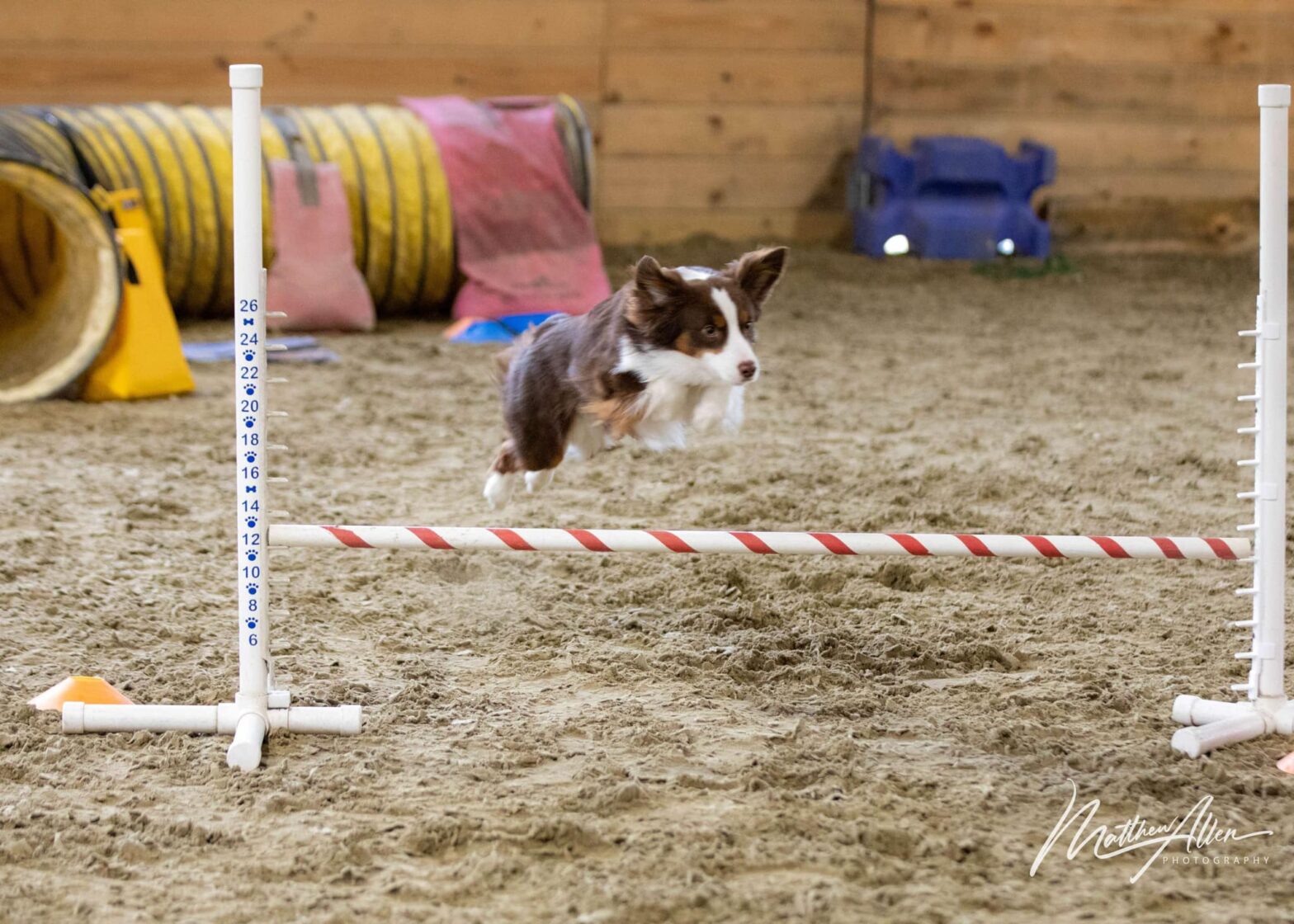
Dog Sports 101: A Beginner’s Guide to the Different Activities Available

Is your furry friend full of energy and bursting with enthusiasm? Do you crave some quality bonding time and want to challenge your pup’s mind and body? Then look no further than the exciting world of dog sports! Dog sports offer a lot of benefits. It is a fantastic way to strengthen the bond between you and your canine companion, provide them with essential exercise and mental stimulation, and even unearth hidden talents you never knew they possessed. Dog sports offer an exhilarating opportunity for both canines and their human companions to engage in teamwork, physical activity, and bonding. Whether you’re a seasoned dog owner looking to explore new activities or a beginner eager to delve into the world of competitive sports, there’s a wide array of options to suit every dog’s personality and abilities. In this guide, we’ll walk you through some popular dog sports, highlighting what makes each unique and providing tips for getting started. Table of Contents Agility Agility is an dynamic dog sport that focuses on speed, agility and teamwork, between dogs and their handlers. In agility competitions dogs navigate through a challenging obstacle course that includes hurdles, tunnels, weave poles, seesaws and ramps. The course is designed to test not the abilities of the dog but also their responsiveness to commands and ability to stay focused amidst distractions. Handlers guide their dogs using voice commands hand signals and body language with the goal of completing the course in the time while minimizing faults. Engaging in agility training offers many benefits: it strengthens the bond between handlers and their dogs while improving obedience and concentration. It provides a workout, for both parties involved. The inclusiveness of this sport allows dogs of all sizes and breeds to participate. Beyond competition agility offers a fun and rewarding way for owners to connect with their companions fostering an understanding relationship while keeping them mentally engaged and physically active. Obedience Obedience is a captivating and disciplined dog sport that centers on a dog’s ability to perform a variety of commands and tasks as directed by their handler. This sport encompasses several forms, including competition obedience and rally obedience, each with its unique challenges and rules. In competition obedience, dogs and their handlers execute a series of predetermined exercises with precision and control. This may include tasks such as heelwork, retrieving, staying in position, and responding to commands. The focus here is on the dog’s attentiveness, accuracy, and the seamless execution of commands. Rally obedience, on the other hand, is a more dynamic and interactive form of obedience. It involves navigating a course with numbered signs indicating different exercises to perform, such as turning, sitting, or weaving through cones. This variant emphasizes a more relaxed and continuous performance, encouraging positive communication and a stronger bond between dog and handler. Other forms of obedience sports may incorporate elements of agility and scent work, offering a diverse range of activities that cater to different skills and preferences. Obedience sports, in all their forms, not only showcase the dog’s training and discipline but also highlight the deep understanding and communication between the dog and the handler, making it both a challenging and rewarding experience for all involved. Scent Work Scent work, often referred to as “nose work,” is a captivating and mentally stimulating dog activity that taps into a dog’s natural olfactory abilities. Inspired by the work of search-and-rescue and detection dogs, scent work engages dogs in the art of tracking down hidden scents. Dogs use their keen sense of smell to locate specific odors in various environments, often involving hidden containers, rooms, or outdoor spaces. This activity isn’t just fun; it’s a rewarding journey that enhances a dog’s problem-solving skills, confidence, and focus. Scent work isn’t limited to any particular breed or age; dogs of all backgrounds can enjoy the thrill of following their noses and showcasing their super nose abilities. Flyball Flyball is a thrilling and high-energy team sport for dogs that combines speed, precision, and teamwork in an exhilarating race. In this sport, two teams of four dogs each race side-by-side over a line of hurdles to a box that releases a tennis ball when the dog presses a spring-loaded pad. The dog must catch the ball and then race back over the hurdles to their handler. The next dog is released to run the course as soon as the previous dog has crossed the finish line, creating a fast-paced relay race. The height of the hurdles is determined by the smallest dog in the team, making the sport inclusive for various breeds and sizes. Flyball is unique in its emphasis on team dynamics and coordination, as well as the individual performance of each dog. It’s an excellent way for dogs to burn off energy, improve their agility, and strengthen their obedience skills. Moreover, flyball offers a fun, social atmosphere for both dogs and handlers, fostering a sense of community and camaraderie among participants. The sport’s exciting nature and spectator appeal have made it a popular canine competition at various pet events and gatherings. Dock Diving Dock diving is a captivating and exhilarating dog sport that combines athleticism, excitement, and the love of water. In this sport, dogs leap from a dock into a large pool of water, aiming to achieve either the greatest distance, the highest jump, or to retrieve an object in the quickest time. The competition consists of different categories, such as “Big Air” (long jump), “Extreme Vertical” (high jump), and “Speed Retrieve” (timed retrieval). Dogs of all breeds and sizes participate, with each dog displaying its unique style and technique as it launches off the dock. The sport not only showcases the dog’s physical abilities but also highlights the strength of the bond between the dog and its handler. Handlers typically motivate and direct their dogs with toys or commands, encouraging them to jump farther or higher. Dock diving is a great way for dogs to stay fit and active, providing a full-body workout that improves… Continue reading Dog Sports 101: A Beginner’s Guide to the Different Activities Available
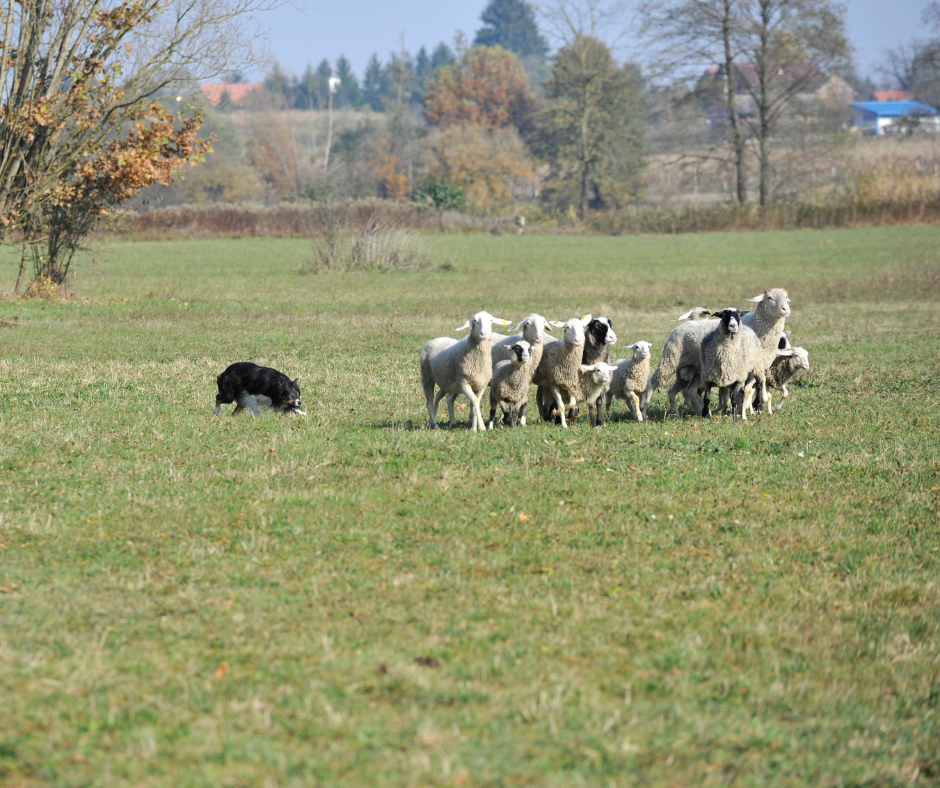
The Benefits of Dog Sports: Fun, Fitness, and Bonding for You and Your Canine Companion

Do you crave some quality time with your dog but the couch potato routine just isn’t cutting it? Look no further than the exciting world of dog sports! There are so many benefits of dog sports, not just for the dog, but also for the human. Think of it as a win-win-win situation. Dog sports open up a world of endless possibilities, offering a myriad of benefits for both you and your beloved pet. These activities not only promise to keep you both physically fit but also mentally stimulated. Whether it’s the agility of weaving through poles, the thrill of leaping into the water in dock diving, or the intellectual challenge of a scent work competition, every sport has something unique to offer. Let’s delve into the magic of dog sports and discover why they’re the perfect recipe for fun, fitness, and an unbreakable bond. Table of Contents Physical Fitness for the Win! Gone are the days of endless walks around the block that leave your dog still raring to go. Dog sports are the ultimate workout buddies, providing your pup with the exercise they crave, boosting their cardiovascular health, building muscle tone, and improving coordination. From the agility course’s obstacle-filled adventures to the high-flying leaps of dock diving, and sprinting in Fast CAT, every sport caters to different fitness levels, ensuring your dog gets the perfect challenge. Mental Stimulation: Keeping Those Brains Sharp Just like their bodies, your dog’s brain needs a workout too. Dog sports provide the mental stimulation they crave, keeping boredom at bay and preventing destructive behaviors. Think of scent work and nose work training as an epic game of hide-and-seek, engaging your dog’s natural sniffing talents and challenging them to solve puzzles. Obedience training, on the other hand, hones their focus and discipline, while agility courses test their problem-solving skills as they navigate challenging obstacles. Building an Unbreakable Bond Forget “fetch” and “rollover.” Dog sports create a whole new level of connection with your furry friend. The teamwork required in any sport fosters trust and communication, as you learn to anticipate each other’s moves and work together towards a common goal. Whether it’s the synchronized precision of obedience training or the joyful celebration of a dock diving catch, every success story you share strengthens the invisible thread that binds you. Benefits Of Dog Sports are for Humans, Too! Let’s not forget the two-legged member of the team! Dog sports aren’t just for your canine companion; they’re a fantastic way for you to get your own dose of exercise and fresh air. From running alongside your dog in agility to the joyful sprints in flyball, you’ll find yourself getting fit and having fun too. It’s the perfect antidote to a sedentary lifestyle, a chance to ditch the gym and embrace the great outdoors with your furry motivator by your side. A Community of Pawsome People The world of dog sports isn’t just about individual achievements; it’s a vibrant community of like-minded individuals who share a passion for their dogs. Whether you’re cheering on your fellow competitors at a dog show or swapping training tips at a local club, you’ll find a sense of belonging and support that extends far beyond the playing field. It’s a chance to connect with other dog lovers, learn from experienced handlers, and share your triumphs (and maybe even a few bloopers) with people who understand. The Perfect Match for Every Pup The beauty of dog sports lies in their diversity. From the high-octane thrills of agility to the focused precision of obedience, there’s a sport out there for every dog breed, personality, and energy level. No matter if your furry friend is a gentle giant or a pocket-sized dynamo, there’s an activity waiting to unleash their inner athlete. Ready to Unleash the Fun? So, what are you waiting for? Ditch the kibble bowl and lace up your sneakers! The world of dog sports is brimming with fun, fitness, and friendship, just waiting to be explored. Talk to your veterinarian to ensure your dog is healthy and ready for the challenge, research local clubs and organizations, and take the plunge into this pawsome adventure. Remember, the key is to have fun and enjoy the journey together. Celebrate every milestone, big or small, and watch as your bond with your dog grows stronger with each leap, sniff, and wag. Dog sports aren’t just about competition; they’re about creating lasting memories and forging an unbreakable connection with the one who loves you unconditionally. So, grab your leash, embrace the pawsibilities, and get ready to unleash the dog sports magic! We hope this blog has inspired you to explore the amazing world of dog sports. Happy training!

Sportsmanship in Dog Sports: Celebrating Victories and Supporting Your Fellow Competitors

Sportsmanship in dog sports is one of the things that attracts so many people to it. The adrenaline of competition pumps through our veins, our canine companions by our side, pushing themselves to the very edge of their abilities. The cheers of the crowd echo in our ears, and the thrill of victory sends shivers down our spines. Dog sports offer an incredible platform for teamwork, athleticism, and joy. But amidst the excitement, let’s not forget the cornerstone of a healthy and thriving dog sport community: sportsmanship in dog sports. Table of Contents True Champions Celebrate All Victories Sportsmanship in dog sports starts with recognizing that every competitor, human and canine alike, has poured their heart and soul into their training. Victories, whether first place or simply conquering a personal challenge, deserve genuine applause and heartfelt congratulations. A warm smile, a handshake, or even a playful pat on the winner’s dog’s head can go a long way in fostering a positive and supportive environment. Remember, true champions celebrate not just their own accomplishments, but the dedication and spirit of their fellow competitors as well. Helping Hands, Not Hindrances Mistakes happen. Leashes snag, commands get misheard, and sometimes, even the most talented dogs have an off day. When these moments occur, sportsmanship demands empathy and support, not scorn or ridicule. Offer a helping hand if needed, be it untangling a leash caught on an agility obstacle or providing a kind word of encouragement. Remember, we’re all in this together, and a helping hand can make all the difference in turning a frustrating moment into a shared learning experience. Respecting the Rules and Each Other Every dog sport has its own set of rules and regulations, established to ensure fair play and the safety of both dogs and competitors. Upholding these rules with integrity and respecting the decisions of judges and officials is crucial for maintaining a healthy competitive environment. Avoid questioning calls in a disrespectful manner, and instead, focus on using them as opportunities to learn and improve. Remember, respecting the rules means respecting each other, creating a foundation of trust and mutual understanding. Celebrating Diversity, Embracing Differences The beauty of dog sports lies in its diversity. Different breeds, each with their unique strengths and weaknesses, compete alongside each other. Sportsmanship encourages looking beyond these differences and appreciating the dedication and skill behind each performance. Celebrate the athleticism of a Border Collie soaring through an agility course and the tenacity of a Bulldog navigating a scent work trial. Embrace the diverse approaches to training and handling, recognizing that there’s no single “right” way to achieve success. Leaving a Pawsitive Legacy By embodying sportsmanship in dog sports, we leave a lasting legacy on the dog sport community. We create a welcoming and supportive environment where everyone feels encouraged to grow, learn, and compete with dignity. We inspire future generations of competitors to uphold the values of sportsmanship, ensuring that the joy and camaraderie and benefits of dog sports continue to thrive. Remember, every interaction, and every gesture, contributes to the atmosphere of the dog sports community. Let’s choose to be champions of sportsmanship in dog sports, celebrating victories with grace, supporting our fellow competitors with empathy, and fostering a spirit of inclusion and respect. Together, we can create a dog sport community where the true winners are not just the ones on the podium, but everyone who steps onto the field with a willing heart and a love for their furry companions. So, the next time you find yourself at a dog sports event, remember the power of sportsmanship. Spread the positivity, cheer your fellow competitors on, and help create a community where everyone, humans and canines alike, can truly shine.