Conformation

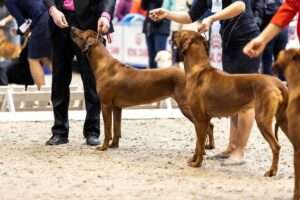
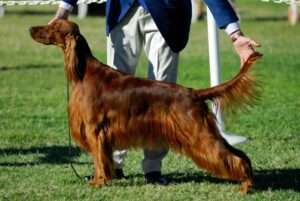
Conformation is a key aspect of dog shows that focuses on evaluating a dog’s physical structure and how well it aligns with the breed standard. It’s more than just a beauty contest—conformation plays a vital role in maintaining the health, function, and integrity of different dog breeds. Through these evaluations, dogs are judged on attributes like movement, balance, and proportions, ensuring that the best traits are preserved for future generations. This page offers insights into conformation, from training tips to understanding breed standards, helping both novice and experienced handlers navigate the world of dog conformation events.

AKC Puppy of Achievement Program
Conformation

AKC Puppy of Achievement Program

Showing a pure-bred puppy in the conformation ring is exciting, but it can also feel overwhelming. Championship points take time, “majors” sound confusing, and young dogs change shape every week. The AKC Puppy of Achievement program (POA) fixes all that. It gives beginners one clear goal — earn ten simple points before the puppy turns twelve months old — and it rewards them with an official certificate for conformation title that proves early promise. Think of the puppy of achievement title as a stepping-stone: small enough to reach quickly, yet big enough to build real confidence for the journey ahead. What Is AKC Puppy of Achievement Program? The akc puppy of achievement program is a certificate title created by the American Kennel Club in 2017. It is open to any AKC-registered pure-bred dog that is under one year of age and shown in classes designed for puppies: 4-6 Month Beginner Puppy (BPUP) 6-9 Month Puppy (regular show class) 9-12 Month Puppy (regular show class) Each win in those classes awards puppy of achievement points. When the total reaches ten, the AKC mails a personalized certificate — free of charge — to the owner of record. The letters “POA” may then follow the dog’s registered name forever. Yes, if you were wondering, is puppy of achievement a title? Absolutely. Why the AKC Created the Program The AKC listened to exhibitors who said the leap from “beginner” to “champion” felt too wide. Many puppies left the ring after one or two shows because their handlers lost motivation. By adding a mid-level milestone, the AKC keeps new owners, junior handlers, and first-time breeders engaged. The benefits are clear: Positive first steps – puppies learn the show routine with lower pressure. Handler growth – owners practice stacking, gaiting, and ring etiquette. Better retention – more people stay active in dog shows, which supports local clubs. Healthier breeding choices – breeders can spot potential early and plan future pairings. How AKC Puppy of Achievement Program Points Work A. Where Points Come From 4-6 Month Beginner Puppy (BPUP) Best of Breed (BOB) or Best of Opposite Sex (BOS) earns points. Group placements or Best in Show add extra credit. Regular 6-9 and 9-12 Puppy Classes Win your sex and age division to score points. Class winners advance, but POA only counts the initial class win. B. How Many Points per Win Entry size sets the value: 1–2 puppies in class → 1 point 3–4 puppies in class → 2 points 5 or more puppies in class → 3 points In BPUP, the highest point value awarded to any breed that day also applies to Group and Best in Show wins. This helps rare breeds earn fair points when they often stand alone in their breed ring. C. The Age Clock All ten points must be earned before the puppy’s first birthday. On the day the dog turns one, POA tracking stops. Points do not roll over to other titles. Step-by-Step Path to Your Puppy of Achievement Title Ready to turn show-day nerves into that shiny “POA” after your puppy’s name? Follow this straightforward game plan—from paperwork to party photo—and you’ll glide through the process without missing a single point. Register Your Dog – Ensure your pup has a full AKC registration number. Find Eligible Shows – Use the AKC events search; filter for BPUP or all-breed shows with regular puppy classes. Enter Early – Most clubs close entries two to three weeks before the show date. Practice at Home – Short daily sessions teach stacking, stand-for-exam, and a clean trot. Show Day Routine Arrive early—pups need sniff time. Check–in, collect your armband, and confirm ring time. Warm up outside the ring with a few easy laps. Collect Points – Each class win adds to your total; keep a running log. Watch the Mail – When AKC’s system shows ten points, the puppy of achievement certificate prints automatically and ships within a few weeks. Celebrate – Post a photo, tag your mentor, and add “POA” to the dog’s name in catalog entries. Real Benefits for Puppies, People, and Breeders Healthy SocializationInside any conformation ring—or under the tent at an AKC Puppy of Achievement program show—young dogs meet shiny floors, clapping crowds, and dozens of wagging tails just a few feet away. Because puppy classes in the AKC Puppy of Achievement program run fast—often under five minutes—your pup gets that rush of new sights and sounds without hours of waiting. The quick burst of excitement followed by a short rest teaches puppies that novel places are safe and fun, laying the groundwork for calm behavior at bigger shows and even at the vet’s office later on. Early EvaluationEvery loop around the ring is a mini report card for breeders participating in the AKC Puppy of Achievement program. A judge’s quick comment—“nice shoulder layback” or “needs a little more rear reach”—tells you if your breeding goals are on track while the pup is still growing. Catching strengths and weak spots early lets breeders fine-tune exercise, diet, and future pairings long before the dog reaches full adulthood. Motivation Loop for HandlersA bright ribbon worth one or two points feels like a trophy you can hold today rather than a prize years away. That instant feedback—built right into the akc puppy of achievement program scoring—sparks the urge to practice stacking a little better tonight, trim nails a little neater next week, and enter another show next month. Instead of quitting after a rough outing, handlers see progress in baby steps, and those steps keep the whole team moving forward. Junior Handler GrowthKids thrive on quick wins. When a junior handler feels a ribbon placed in their hand after only a few shows, the sport clicks as “something I can do.” The AKC Puppy of Achievement program gives them an achievable target—ten points—that fits easily into a 4-H record book or a school project. Early success keeps juniors active in programs like AKC Junior Showmanship, where they build responsibility, sportsmanship, and
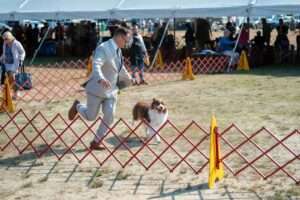
akc dog conformation
Conformation

AKC Conformation Titles: Champion and Grand Champion

AKC Conformation is the cornerstone of competitive dog shows, providing a platform to evaluate how well dogs meet breed standards established by the American Kennel Club. Within this prestigious arena, two of the most sought-after titles are Champion (CH) and Grand Champion (GCH). These titles go beyond ribbons and accolades; they represent excellence in breeding, dedication to the sport, and a commitment to preserving the integrity of recognized breeds. Whether you’re a breeder, handler, or owner, understanding the process and significance of AKC conformation titles can deepen your appreciation for this competitive sport. What Is AKC Conformation? AKC Conformation refers to events where purebred dogs are judged against the breed standards established by the AKC. These standards outline the ideal characteristics for each breed, including size, coat, structure, movement, and temperament. The goal of conformation shows is not to compare dogs against each other but to evaluate how closely each dog adheres to its breed standard. This form of competition helps identify dogs that are ideal candidates for breeding, ensuring the preservation of breed qualities for future generations. Dogs participating in AKC conformation events are meticulously groomed, trained to perform specific gaits, and handled to highlight their best features. Each title earned is a testament to the dog’s quality and the team’s dedication to the sport. What Is an AKC Champion? An AKC Champion of Record, often referred to simply as a CH title, is awarded to dogs that excel in AKC conformation events by meeting strict competition criteria. Achieving this title is a significant milestone, demonstrating that a dog meets or exceeds the AKC’s breed standards and has competed successfully against its peers. Requirements to Earn the Champion Title To earn the CH title, a dog must accumulate 15 points in AKC conformation events. Points are awarded based on the number of competitors defeated in breed-specific classes, with larger classes earning higher points. At least two of these wins must be major wins, which are victories worth three to five points, achieved at competitions with a significant number of participants. This ensures that a Champion dog has consistently proven its quality against strong competition. Significance of the Champion Title in AKC Conformation Earning the CH title signifies that a dog represents the pinnacle of its breed standard in physical traits, movement, and temperament. For breeders, having a Champion in their program enhances their reputation and demonstrates their commitment to producing high-quality dogs. For owners, achieving this title validates the time, effort, and resources invested in preparing their dog for the conformation ring. The Champion title is a mark of excellence that adds prestige to a dog’s lineage and pedigree. What Is an AKC Grand Champion? The Grand Champion (GCH) title is a higher level of recognition in AKC conformation, awarded to dogs that continue to excel after earning their Champion title. This title celebrates dogs that consistently demonstrate outstanding qualities in more competitive and advanced conformation events. Requirements to Earn the Grand Champion Title To earn the GCH title, a dog must already hold a Champion title and accumulate an additional 25 points in AKC conformation competitions. Points are earned in classes such as Best of Breed (BOB), Best of Opposite Sex (BOS), or Select Dog/Select Bitch. At least three of these wins must be major wins, judged by three different judges, ensuring consistency and high performance across multiple events. Grand Champion Levels The AKC recognizes advanced levels within the Grand Champion category to honor sustained excellence in competition: Grand Champion Bronze (GCHB): Requires 100 GCH points. Grand Champion Silver (GCHS): Requires 200 GCH points. Grand Champion Gold (GCHG): Requires 400 GCH points. Grand Champion Platinum (GCHP): Requires 800 GCH points. Each level signifies a dog’s ongoing success and ability to consistently impress judges and stand out in the ring. These advanced titles are a testament to both the dog’s quality and the dedication of its handler. Why AKC Conformation Titles Matter Preserving Breed Standards AKC conformation plays a vital role in preserving the physical and temperamental traits that define each breed. By evaluating dogs against established standards, conformation shows ensure that desirable qualities are passed on to future generations. Dogs with CH or GCH titles are often considered ideal representatives of their breeds, making them valuable contributors to breeding programs. Enhancing Breeding Programs For breeders, AKC conformation titles are an important credential that adds credibility and value to their programs. A CH or GCH title demonstrates that a dog not only meets but excels in breed-specific traits, reassuring potential buyers and fellow breeders of the quality of their stock. Showcasing Excellence AKC conformation events highlight the dedication, skill, and expertise of handlers and breeders. Titles like Champion and Grand Champion celebrate the hard work involved in grooming, training, and presenting dogs that embody the best of their breeds. These titles serve as a benchmark for excellence and inspire others to strive for similar achievements. How to Succeed in AKC Conformation Understand Your Breed Standard Success in AKC conformation begins with a thorough understanding of the breed standard. Familiarize yourself with the ideal traits for your breed, from physical characteristics to movement and temperament. This knowledge is essential for identifying strengths and areas for improvement in your dog. Train and Condition Your Dog A well-trained and conditioned dog is more likely to excel in the ring. Focus on teaching your dog to stand confidently, move gracefully, and respond to handling cues. Regular exercise, grooming, and proper nutrition are also crucial to ensuring your dog looks and feels its best. Work with a Skilled Handler Many owners choose to work with professional handlers who have extensive experience presenting dogs in AKC conformation events. A skilled handler knows how to showcase a dog’s best attributes, navigate the ring effectively, and make a strong impression on judges. Start with Local Shows Participating in smaller, local AKC conformation events is a great way to gain experience and build confidence. These shows provide opportunities to learn ring etiquette, refine handling techniques, and familiarize

conformation show
Conformation

How Does a Dog Conformation Show Work?

Dog conformation shows are competitive events designed to evaluate how well a dog matches the ideal standards for its breed. Unlike other dog sports that focus on skills like agility or obedience, dog conformation shows assess the physical appearance, structure, movement, and temperament of a dog. Each dog in the ring is judged not against the other dogs present but against the breed standard, which outlines the ideal traits a dog should possess for its breed. These shows play a vital role in preserving breed characteristics and ensuring the quality of future generations through selective breeding. So, how exactly does a dog conformation show work? Let’s break it down. https://youtu.be/RRNYkMa3sQU Table of Contents The Role of Breed Standards in Conformation At the heart of every dog conformation show are the breed standards. These are detailed guidelines set by breed organizations like the American Kennel Club (AKC) that describe the ideal physical traits, size, coat, movement, and even temperament for each breed. Breed standards serve as a reference point for judges when they evaluate dogs in the show ring. For instance, the standard for a Golden Retriever emphasizes a broad, strong head and flowing, golden coat, while the standard for a Bulldog might focus on the compact, muscular body and characteristic wrinkles. The goal of a conformation show is to see how well each dog conforms to its breed’s ideal. How Are Dogs Judged in Dog Conformation Shows? Judging in a dog conformation show is a systematic process where dogs are evaluated on various physical and behavioral characteristics. Judges assess each dog’s structure, movement, and overall presentation to determine how closely it aligns with the breed standard. The evaluation begins with a close inspection of the dog’s physical attributes, such as coat condition, size, and muscle tone. The judge will then ask the handler to move the dog around the ring, allowing the judge to observe its gait and movement. Throughout this process, the dog’s temperament and ability to remain calm and focused in a busy environment are also taken into account. A dog that exemplifies the ideal traits for its breed will stand out and earn higher marks from the judge. Evaluating Physical Appearance A dog’s physical appearance is one of the most critical aspects of dog conformation judging. Judges look at coat type, texture, and color, as well as the dog’s overall structure and build. Proportion and balance are also key considerations; a dog should have a well-proportioned body, with each part in harmony with the breed standard. For example, a Boxer should have a square, muscular frame, while a Sighthound like the Whippet will have a lean, elegant build. Physical traits such as the head shape, ear set, and tail carriage are also carefully examined. Assessing Movement and Gait The way a dog moves in the ring is a strong indicator of its physical soundness and health. Judges pay close attention to a dog’s gait to assess the fluidity of movement, which reflects proper structure and muscle tone. A dog with good conformation will move effortlessly, with smooth strides and no signs of stiffness or imbalance. Different breeds have specific gaits that are preferred, so handlers must ensure that their dog’s movement aligns with the breed standard. Gaiting gives the judge a chance to see how well the dog moves and carries itself, an essential factor in overall scoring. Examining Temperament and Behavior While physical traits are essential, temperament and behavior also play a role in the judging process. A conformation dog should be confident, calm, and well-mannered. Dogs that are too anxious or overly excitable can be penalized, as good temperament is a desirable trait in many breed standards. The handler’s role is to ensure the dog remains focused and poised while in the ring, presenting the dog in a way that highlights its best attributes. The Conformation Show Ring The show ring is where all the action happens. Once in the ring, handlers guide their dogs through a series of steps designed to allow the judge to fully assess the dog. The process typically begins with the dog being stacked for a close inspection. Stacking is when the handler positions the dog in a specific stance that shows off its structure and proportions. After the initial inspection, the dog is gaited around the ring to show its movement. Handlers must ensure their dog moves smoothly and with confidence, as this is a crucial part of the judging process. Stacking the Dog Stacking refers to the way a dog is posed in the ring for the judge’s inspection. The handler carefully places the dog’s feet and legs in the correct position according to the breed standard, while the dog stands still and alert. This allows the judge to examine the dog’s body proportions, head, and overall posture. Stacking is an important part of the presentation, and handlers spend a lot of time training their dogs to hold this position. Gaiting the Dog Around the Ring After stacking, the handler is asked to gait the dog around the ring. Gaiting involves moving the dog at a specific pace so the judge can observe how it moves. Proper gaiting is essential because it demonstrates the dog’s structure and soundness. A dog that moves smoothly and effortlessly will make a positive impression on the judge. The Role of Handlers in Dog Conformation Handlers play a crucial role in conformation shows. While many owners choose to handle their own dogs, some opt for professional handlers who have extensive experience in showing dogs. A handler’s job is to present the dog in the best possible light, using techniques like stacking and gaiting to showcase the dog’s strengths. Professional handlers often have a deep understanding of breed standards and can bring out the best in a dog’s performance. How the AKC Conformation Point System Works In AKC conformation shows, dogs earn points based on how well they perform in the ring. Points are awarded for placements in each class, with the highest

dog conformation
Conformation

How to Prepare Your Dog for a Conformation Show

Preparing your dog for a conformation show requires more than just good looks. It’s about making sure your dog is in peak physical condition, trained to move and stand properly, and confident in the ring. Whether you’re competing for the first time or you’re a seasoned handler, preparation is key to success. Conformation shows are designed to evaluate how closely a dog fits the ideal breed standard, so everything from grooming to behavior matters. https://youtu.be/JsZeCs98sxo Table of Contents Understanding the Breed Standard Before you and your dog step into the conformation show ring, one of the most crucial elements of preparation is having a thorough understanding of your dog’s breed standard. The breed standard is essentially a blueprint that outlines the ideal physical and temperamental traits for a specific breed, serving as the benchmark against which dogs are judged. These standards are set by breed organizations like the American Kennel Club (AKC) and are designed to preserve the integrity of the breed by ensuring consistency and quality in physical appearance, movement, and even personality. Why the Breed Standard Matters Judges at conformation shows don’t compare dogs against each other. Instead, they evaluate each dog on how closely it conforms to its breed standard. Every breed has unique characteristics that define it—ranging from coat texture and color to overall size, body structure, and the way the dog moves. For example, the standard for a Golden Retriever emphasizes a broad head, a thick water-resistant coat, and a smooth, flowing gait, while a Bulldog’s standard will focus on its compact, muscular frame, heavy wrinkles, and specific jaw alignment. If your dog closely matches the breed’s standard, it has a much better chance of excelling in the show. Key Traits Judges Look For Each breed’s standard includes a detailed description of the ideal traits, which judges look for when evaluating dogs in a conformation show. These traits typically include: Coat type and texture: Some breeds are defined by a particular coat, such as the curly coat of a Poodle or the sleek, short coat of a Boxer. The condition and grooming of the coat are also considered. Size and proportion: Breed standards dictate specific height and weight ranges, as well as proportions. For example, the standard for a Siberian Husky calls for a medium-sized dog with a balanced body, while a Great Dane is expected to have a tall, imposing stature. Movement (Gait): The way a dog moves is a strong indicator of its overall structure and health. A dog with good conformation will have smooth, efficient movement, free from stiffness or awkwardness. Judges will carefully watch how a dog walks and trots around the ring to evaluate its gait. Head and facial structure: From ear set and eye shape to the shape of the muzzle and jaw, the head structure is a critical aspect of many breed standards. For example, the Chihuahua standard describes an apple-shaped head, while the Doberman Pinscher is expected to have a wedge-shaped head. Temperament: Some breeds are known for particular temperaments, which can also be a factor in judging. A Border Collie, for example, should exhibit intelligence and responsiveness, while a Basset Hound is expected to have a calm, laid-back demeanor. Physical Conditioning and Health Your dog’s physical condition plays a major role in conformation shows. A dog that’s in excellent health and fit will naturally move better, look stronger, and perform at its best. This means maintaining a balanced diet, keeping your dog at an ideal weight, and engaging in regular exercise. Exercise routines that include walking, running, and even swimming can help improve muscle tone and overall stamina. Coat Care and Grooming Grooming is crucial in conformation shows. How you care for your dog’s coat depends on the breed. Some dogs, like Poodles, need intricate grooming, while others, like Labradors, benefit from regular brushing to keep their coat shiny and healthy. Regular baths, trimming, and conditioning should be part of your routine. Grooming isn’t just for looks—it also affects the dog’s health by keeping the skin clean and the coat free of tangles and debris. Nail Care and Teeth Cleaning A well-groomed dog isn’t complete without proper nail care and clean teeth. Long nails can affect how your dog moves in the ring, so it’s important to trim them regularly. Also, clean teeth are essential for your dog’s overall health and appearance. Brushing your dog’s teeth or using dental chews can prevent buildup and keep their smile show-ready. Training for the Conformation Show Ring Training your dog for conformation is different from other forms of training. Two key aspects are teaching your dog to “stack” (stand in a specific position for judges to evaluate) and perfecting their gait (the way they move in the ring). Stacking should be practiced regularly, as it’s how judges get a clear view of your dog’s body structure. Practice this in front of mirrors or with the help of an experienced handler. Using Conformation Show Leads The right equipment makes a difference, too. A conformation show lead is much thinner than regular leashes, giving you better control and allowing judges to see your dog without distraction. It’s essential to practice with the lead before the show, teaching your dog to walk confidently and naturally with it on. Practicing with Distractions The show environment is busy and can be overwhelming for dogs not used to the noise, crowds, and other animals. It’s a good idea to simulate this environment at home by practicing with distractions, such as other dogs, loud noises, and people moving around. The more your dog is exposed to different settings, the more comfortable and focused they will be in the ring. Socialization for a Show Dog Socialization is key to preparing your dog for a conformation show. Your dog will be surrounded by other dogs, handlers, and judges, and needs to remain calm and confident in that setting. Make sure to expose your dog to different environments, people, and animals to help them develop the composure needed

akc conformation
Conformation

What Is Dog Conformation And Why It Matters?

What Is Dog Conformation? Dog conformation is all about the physical structure and appearance of a dog, compared to the breed’s official standard. It’s not just about beauty but about how closely a dog aligns with the physical traits that define the breed. Each breed has its own set of characteristics that make it unique, from the shape of the head to the angle of the legs, and dog conformation shows are designed to evaluate those details. Conformation vs Confirmation “Conformation” refers to a dog’s physical structure and how well it aligns with the breed standard, which is critical in dog shows where judges evaluate the dog’s traits like size, shape, and movement. On the other hand, “confirmation” simply means verifying or validating something and has no relevance in the context of dog sports. It’s a common mix-up, but in the show ring, “conformation” is the term that matters when assessing a dog’s fitness for competition and breeding. Table of Contents Why Conformation Is Important in Dog Shows Conformation plays a critical role in dog shows because it evaluates how well a dog meets the ideal standard for its breed. Every breed has specific traits that define it, and conformation is the measure of how closely a dog fits that image. In the show ring, dogs are judged on physical traits like their gait, structure, and overall health. A dog with strong conformation stands a better chance of excelling in the show ring and may also be considered for breeding, as it demonstrates that the dog carries desirable genetic traits. Evaluating Breed Standards The breed standard serves as a blueprint for the ideal dog within any given breed. It includes detailed guidelines for physical attributes like the dog’s head shape, body structure, gait, and even temperament. These standards are based on the historical purpose of the breed. For instance, herding dogs, such as Border Collies, must exhibit agility and stamina, while working dogs, like Rottweilers, need to showcase strength and balance. In the show ring, judges meticulously examine each dog, comparing it to the breed standard. They’re looking for balance, symmetry, and how well a dog embodies the essential qualities of its breed. This includes everything from the dog’s ear set and tail carriage to how it moves across the ring. The dog’s gait, or the way it walks and runs, reveals a lot about its structure and overall health. Conformation and Health Conformation is not just about aesthetics; it’s also deeply tied to a dog’s health and functionality. A dog that closely conforms to its breed standard is more likely to be physically sound, meaning it’s built in a way that promotes health and prevents long-term issues. For example, a dog with good conformation should have proper bone alignment and muscle tone, which supports healthy movement and reduces the risk of joint or mobility problems later in life. This is particularly important in working breeds where functionality is key. For example, a retriever with poor conformation may struggle with stamina or experience discomfort while performing tasks, while a herding dog with improper structure might lack the agility necessary for quick movements. Thus, evaluating conformation is not just about appearance — it’s about ensuring the dog’s ability to perform tasks their breed was originally designed for. Impact on Breeding Decisions One of the most significant reasons conformation is critical in dog shows is its influence on breeding decisions. A dog that excels in conformation shows demonstrates that it possesses the ideal traits for its breed. This makes it a valuable candidate for breeding, as its genetic traits are likely to produce offspring that also conform to the breed standard. Breeders rely on conformation shows to identify the best dogs for maintaining or improving the quality of a breed. Dogs that win conformation titles have proven that they carry desirable traits, and these dogs are often in high demand for breeding programs. By selecting dogs with strong conformation, breeders help ensure the continuation of healthy, well-structured, and functional dogs that uphold the integrity of the breed. For example, if a breeder is looking to produce puppies that exhibit the best characteristics of the Labrador Retriever breed, they would likely choose a conformation champion because it demonstrates that the dog has the physical attributes and temperament that align with the breed’s standard. Conformation as a Reflection of Genetics Conformation isn’t just about how a dog looks at one point in time; it’s a reflection of the dog’s genetic makeup. A dog that meets the breed standard in structure, movement, and temperament is more likely to pass these traits down to its offspring. This is why dogs with excellent conformation are highly regarded in breeding circles. Judges in conformation shows are looking for a dog that not only meets the standard but also has the potential to produce quality pups. A dog with poor conformation may pass down structural faults that can lead to health problems or deviate from the breed’s ideal traits. For instance, a dog with a weak topline (the line running from the shoulders to the base of the tail) might have offspring that also struggle with back problems or poor posture, which can affect the dog’s movement and overall health. Conformation as a Measure of Performance While conformation focuses on physical traits, it also indirectly measures a dog’s potential performance. A dog with strong conformation is better equipped to perform tasks its breed was originally designed for. For example, a Greyhound with ideal conformation will have the right muscle tone and body structure for speed and agility, which makes it an effective racing or coursing dog. Conformation is also closely tied to how well a dog moves. Judges often evaluate a dog’s gait, checking for smooth, effortless movement. A dog that moves with ease, grace, and balance is more likely to be physically sound. Movement is critical in the ring, as it reflects how well the dog’s joints and muscles function together. A dog with strong conformation will