Dog Sports

cpe
Dog Sports

Canine Performance Events – CPE

What does CPE stand for? CPE is short for Canine Performance Events, the formal name of the organization that writes the rules, licenses clubs, trains judges, and records scores for its three dog sports. The word “Performance” highlights the group’s focus on a dog’s natural abilities — running, jumping, hunting scent, and sprinting — rather than on breed standards or conformation. Whenever you see CPE printed on a trial premium, ribbon, or title certificate, it signals that the event follows the official Canine Performance Events rulebook and contributes directly to a dog’s lifetime points and titles within the CPE system. Where CPE Began Canine Performance Events started in Michigan in 1998 when a small group of agility handlers wanted courses that were fun for pets while still being safe and honest in judging. They wrote a slim rulebook, held a handful of trials in barns and fairgrounds, and mailed typed results to a central scorekeeper. Word of these low-pressure meets spread by phone tree and club newsletter. Within a year, clubs in Ohio and Illinois asked for licenses, and the sport continued to snowball from there. How CPE Grew Into a National Force By early 2000 the founders realized they needed a structured office, a uniform title ladder, and a trained judge corps. They drafted a clear advancement path labeled Levels 1 through 5, plus Championship (Level C). Then they opened a judge-apprentice pipeline that required mentorship, course reviews, and continuing education. These safeguards turned CPE from a casual weekend pastime into a respected multi-sport organization. Headquarters later moved to Florida, but the cooperative atmosphere stayed intact, drawing clubs in every US time zone and parts of Canada. Three Dog Sports Under One Banner CPE now sanctions three separate programs: CPE AgilitySeven classes — Standard, Colors, Wildcard, Snooker, Jackpot, FullHouse, and Jumpers — offer everything from straightforward numbered courses to strategy-heavy games. Lower jump heights for Enthusiast and Specialist divisions invite older or less explosive dogs to play. Canine Scent SportSet up a decade after agility, this program mimics professional detection tasks yet keeps rules approachable. Searches include containers, interiors, exteriors, vehicles, and handler-discrimination articles. A four-level title ladder guides teams from basic birch searches to multi-odor puzzles. SpeedWayA head-to-head sprint that feels like drag racing on paws. Dogs dash ninety feet in one lane, loop a barrel, and sprint sixty feet back. Electronic timers crown the fastest times and title thresholds reward drive as much as raw speed. Each sport uses the same dog registration number, which makes entering multiple events seamlessly easy. CPE Title Ladders and Point Tracking CPE tracks Q-legs and points with an online portal. Agility titles climb through CL1, CL2, CL3, CL4, CL5, and C-ATCH (Champion). Scent Sport and SpeedWay have their own point grids, but each retains the same two-step theme: earn Qs at increasing levels, then collect a set number of extra points for top titles. Because scores accumulate gradually, any team can see weekly progress and celebrate mini-milestones. What Sets CPE Apart from Other Dog Sport Venues Accessible Courses – Generous time limits and forgiving lower levels help green dogs succeed early. Fun-Heavy Games – Handlers choose paths in Colors and build point trips in FullHouse, so no two runs feel alike. Smaller Rulebook – At roughly one-third the pages of some agility federations, CPE’s rule set is easy to learn. All-Breed Welcome – Purebreds and mixed breeds stand equal on the start line. Community Vibe – Trial days often open with group walk-throughs per level, allowing questions without pressure. Getting Started in Five Simple Steps Register Your Dog on the CPE website. The one-time fee generates a lifetime ID. Read the Rulebook section for your chosen sport. Each PDF lives under the Documents tab. Find a Host Club nearby. Most clubs hold monthly fun runs that mimic trial conditions. Choose a Starting Level. Level 1 for brand-new dogs, Level 2 or 3 for dogs already skilled in other venues. Enter Early. Premium lists open six to eight weeks out, and popular dates fill fast. CPE began as a friendly alternative to higher-pressure venues and blossomed into one of the most welcoming dog-sport families in North America. Shorter jumps, novel game classes, and clear point charts invite everyone from spry puppies to veteran dogs to play safely and succeed often. If you long for a weekend hobby that offers fresh challenges without intimidating rule density, give CPE a try. Register your dog, find a local fun run, and enjoy that first Qualifying ribbon. The road from CL1 to C-ATCH and beyond is paved with camaraderie, high-fives, and plenty of wagging tails. Frequently Asked Questions Can my mixed-breed rescue compete in CPE? Yes. All breeds and mixes are welcome What is the minimum age to start in CPE? Fifteen months for full-height agility, twelve months for lower Enthusiast heights, eight months for SpeedWay. How hard are the entry-level courses? Level 1 Standard uses no weaves and generous time; most dogs qualify on their first or second run. Does CPE host a national championship? Yes. The CPE Nationals rotate regions each spring. Are treats allowed in the CPE ring? No food or toys inside the ring; reward outside once the run ends. Can I stay at Level 1 forever? Yes. Advancement is optional; many senior dogs remain at beginner levels for comfort. Does CPE use forced move-ups? Move-ups occur only when you submit a Level Move form after meeting Q requirements.

sport dog
Dog Sports

AKC Puppy of Achievement Points

Talk to any first-time exhibitor and you’ll hear the same question: “How do I know if my puppy is doing well in the ring?” The answer is hiding in plain sight inside the AKC Puppy of Achievement Points system. Ten tiny points — each one earned in a beginner-friendly conformation class — turn an ordinary show weekend into a crystal-clear progress bar. No majors, no complicated math, just a simple tally that says, “Yes, your pup is on track.” The program’s magic is its speed. A six-month-old puppy can walk into a 4-6 Month Beginner Puppy (BPUP) ring on Saturday morning, wag through two quick laps, and leave the fairgrounds that afternoon with a ribbon worth one, two, or even three AKC Puppy of Achievement Points. Add those numbers together until you reach ten, and the American Kennel Club mails a handsome certificate plus the “POA” suffix for life. Yet the point chart alone isn’t enough. New handlers juggle entry deadlines, class sizes, hotel bills, and growth-spurt timing. That’s why we made a free Puppy of Achievement Points Tracker PDF — a one-page sheet you can print and mark after every class win. In this guide, you’ll learn exactly how the point values work, how to plan a winning show calendar, and how to use the tracker to stay motivated from your very first win to that tenth and final point. Understanding AKC Puppy of Achievement Points The AKC Puppy of Achievement Points program is a bridge between raw enthusiasm and serious show goals. Puppies under twelve months compete in BPUP or regular 6-9 Month and 9-12 Month classes. Each class win adds points to the puppy’s record automatically — no extra entry fee, no special form. Collect ten points before the first birthday, and the pup earns the Puppy of Achievement certificate. The system does three big things: Keeps beginners engaged. Ten points are easy to visualize and fast to reach, so new handlers feel progress almost immediately. Builds ring confidence. Puppies learn the sights and sounds of shows without marathon wait times. Provides early feedback for breeders. Judges’ comments and class placements reveal structure and movement strengths long before adult titles are on the horizon. Unlike Championship points, AKC Puppy of Achievement Points never require majors. A single puppy in the class can still earn a valuable point, and three-dog classes can award two points — perfect for smaller shows where entries run lean. Point System Breakdown — How Many Points per Class Win? The entire system rests on one tidy table: 1–2 puppies in class → 1 point 3–4 puppies in class → 2 points 5 + puppies in class → 3 points That’s it. No hidden multipliers, no regional adjustments. The American Kennel Club defined it this way so every beginner could do the math in their head before the judge hands out ribbons.   Where points come from 4-6 Month Beginner Puppy (BPUP). Best of Breed (BOB) and Best of Opposite Sex (BOS) earn the point value tied to that breed’s entry size. If your puppy advances to Group or Best in Show, the highest point value earned by any breed that day applies again—handy for rare breeds that might stand alone in the breed ring. Regular puppy classes (6-9, 9-12). A class win triggers the same table above. Male and female classes score separately, so you can collect points in both sex divisions on the same day if you travel with two puppies of different sexes. The moment the judge points to your dog, those AKC Puppy of Achievement Points land in the AKC database—usually within a week of the superintendent posting results. Free Puppy of Achievement Points Tracker PDF A point here, two points there—after three busy weekends it’s easy to forget exactly how close you are to ten. That’s where the free Tracker PDF comes in. Print one sheet per puppy, slide it into a plastic sleeve, and stash a dry-erase marker in your tack box. The tracker helps in four ways: Visual motivation. Filling a square with bright ink feels just as good as hanging a ribbon on the kennel door. Show history at a glance. Date, location, event type, entry size—handy details if you need to verify results with AKC event records later. Goal prediction. Spot patterns in entry sizes and schedule your next show where class counts will likely give you two- or three-point wins. 👉 Grab your copy here:  Download Puppy of Achievement Points Tracker PDF Planning Your Show Calendar Around AKC Puppy of Achievement Points A smart schedule can shave months off the journey to ten points. Here’s a practical approach: A. Map your driving radius. Within three hours, list every kennel club hosting BPUP or all-breed shows. Smaller clubs in rural areas may offer lighter competition, while metropolitan clusters often draw five-puppy classes worth three points. B. Check last year’s catalogs. Many clubs post entry numbers on Facebook or their websites. Knowing a venue’s typical puppy count lets you predict point values in advance. C. Cluster efficiency. Four shows in one Thursday–Sunday cluster equal four chances to collect AKC Puppy of Achievement Points while paying only one round of travel costs. D. Growth-spurt timing. Schedule shows during “cute weeks.” Puppies can look awkward right after a growth burst; give them a fortnight to rebalance before stepping under fluorescent lights. E. Climate control. Outdoor summer shows risk midday heat. A hot ring can sap energy and ruin movement. Early-morning BPUP groups or air-conditioned indoor venues protect little paws and preserve top gait. Three Expanded Paths to Ten Points Path 1: The Big-Entry SprintHit a major spring cluster where the average puppy class breaks the five-entry mark. One three-point BPUP Best of Breed plus two three-point wins in the 6-9 class rockets you to nine points. A single two-point win the next morning seals the deal. You’re done in 48 hours, certificate en route. Path 2: The Steady GlideLocal one-day shows often pull three- to four-dog classes.

AKC Virtual Home Manners
Dog Sports

What Is the AKC Virtual Home Manners Program?

Training your dog doesn’t have to begin with group classes or a trip to the training center. Thanks to the AKC Virtual Home Manners program, you can start teaching essential skills right in your living room—and earn an official AKC title along the way. This program is designed to be practical, accessible, and encouraging for dog owners of all experience levels. But what exactly is Virtual Home Manners AKC, and how does it work? Whether you’re raising a new puppy, working with a recently adopted dog, or simply looking for a fun and productive training goal, this article will walk you through everything you need to know about the program, its benefits, and how to get started. What Is the Virtual Home Manners AKC Title? The AKC Virtual Home Manners title is an introductory-level title that showcases your dog’s ability to behave politely and cooperatively in a home setting. It’s one of the easiest AKC titles to earn and is open to all dogs—purebred or mixed breed, puppies or adults. Unlike many AKC titles that require in-person evaluations or travel to events, the Virtual Home Manners program is fully online. You train your dog at home, record videos of them performing specific skills, and submit those videos to an AKC-approved evaluator. Once approved, your dog earns a recognized AKC title and receives an official certificate. There are two versions of the title: AKC Virtual Home Manners Puppy (VHMP) – for dogs under 1 year old AKC Virtual Home Manners Adult (VHMA) – for dogs 1 year and older Both titles are structured around everyday tasks that reflect real-life scenarios in a household, helping to shape well-mannered, polite pets. Why Choose a Virtual AKC Title? One of the best things about virtual home manners is its convenience. The title can be earned from anywhere—no special equipment or travel required. This makes it a perfect fit for: Dog owners in remote or rural areas with limited access to dog training facilities Families with busy schedules who want flexible training First-time dog owners looking for a structured, low-pressure way to begin People who enjoy training their dogs at home and want to track their progress Virtual titles like this one give dog owners a chance to participate in AKC programs even if traditional routes aren’t accessible. It’s a modern solution for today’s dog-loving households. What Skills Are on the AKC Virtual Home Manners Checklist? The AKC Virtual Home Manners checklist is the heart of the program. It outlines the specific skills your dog must demonstrate on video in order to qualify for the title. These tasks are practical, real-world skills—not flashy tricks or advanced obedience. For Puppies (VHMP) The AKC Virtual Home Manners Puppy checklist includes: Allowing collar or harness to be put on Walks on a leash indoors with minimal pulling Comes when called Greets a family member calmly Allows brushing or handling Accepts food or treats politely Sits on command Lies down on command Waits for food bowl Plays with a toy or engages in play with family member These behaviors help form the foundation for good manners and prepare puppies for future training like Canine Good Citizen or basic obedience classes. For Adult Dogs (VHMA) The AKC Virtual Home Manners AKC list for adult dogs builds on the puppy version and includes: Walks on a leash without pulling (indoors or in yard) Comes when called from across the room Sits and lies down on command Stays in place when asked Waits patiently for food to be prepared Enters and exits doorways calmly Allows brushing and handling Shows polite behavior around family Responds to their name Plays appropriately or engages with family Each behavior must be clearly demonstrated on video, with the dog performing in a real home setting (not in a training center or outdoor park). How to Train for Virtual Home Manners You don’t need to be a professional trainer to succeed with the Virtual Home Manners title. In fact, the program is built to support everyday dog owners. You’ll want to use positive reinforcement, patience, and consistency as you teach the required skills. Here’s a simple plan to follow: Print the checklist – Use the age-appropriate list as your guide. Work on one skill at a time – Keep sessions short and fun. Practice in different rooms – Help your dog generalize behaviors. Record your sessions – Use your phone or camera to capture progress. Don’t stress perfection – The evaluator wants to see understanding and cooperation, not competition-level performance. You’ll be surprised how quickly your dog learns when training is relaxed and enjoyable! Submitting Your Video and Earning the Title Once you’ve trained and recorded all the required tasks, the next step is to submit your videos for evaluation. Here’s how that works: Step 1: Find an AKC-Approved Evaluator AKC has a directory of evaluators who can review Virtual Home Manners submissions. Many evaluators offer the entire process online, including submission instructions, payment, and feedback. Step 2: Submit Your Video Some evaluators prefer separate clips for each task; others are fine with one continuous video. Make sure to follow your evaluator’s specific instructions for video format, length, and labeling. Step 3: Fill Out Your Application Once the evaluator confirms your dog has passed all tasks, they’ll send you the necessary paperwork or instructions to submit your application to the AKC. After processing, your dog receives an official title certificate. And just like that, your dog has earned their first AKC virtual title—without ever leaving the house. Benefits of the AKC Virtual Home Manners Program The Virtual Home Manners AKC program offers many unique advantages for both dog and owner. Here are some of the top benefits: 1. Builds Practical Life Skills The program is based on real-world behaviors that make daily life easier—like polite leash walking, coming when called, and staying calm at the door. 2. Strengthens Your Bond Training together strengthens the relationship between you and your dog. As you work through the Virtual Home

akc fit dog title
Dog Sports

AKC Fit Dog vs. Regular Exercise: What Makes This AKC Program Special?

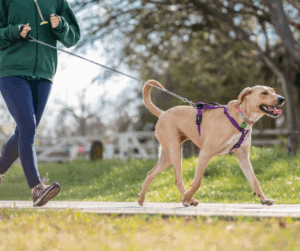
Dog owners know that keeping their pets active is essential for health and happiness. But is taking daily walks or playing fetch in the backyard enough, or could a structured program like the AKC Fit Dog initiative add extra benefits? Regular Exercise for Dogs: Why It Matters Regular physical activity is vital for dogs of all breeds and ages. “Regular exercise” can include daily walks, jogs, play sessions in the yard, games of fetch, obedience training, swimming, or any activity that gets your dog moving. Here are some key reasons why a consistent exercise routine is so important for dogs: Physical Health: Exercise helps maintain a healthy weight, builds muscle tone, and supports cardiovascular health. Active dogs are less likely to become obese, and staying fit can even prolong a dog’s life by reducing health risks.  Mental Stimulation: Physical activity isn’t just about the body—it engages a dog’s mind. A tired dog who’s had a good workout is usually a happy dog. Exercise provides mental enrichment by exposing dogs to new environments and smells, which can reduce boredom and destructive behaviors. Behavior and Mood: Adequate exercise can significantly improve a dog’s behavior. Dogs that get regular outings tend to have fewer behavioral issues stemming from pent-up energy or anxiety. You might notice your pup is calmer and more relaxed after a nice long walk or vigorous play session. Bonding: Taking time each day to exercise your dog strengthens the bond between you. Whether it’s a morning walk around the block or a game of frisbee, these activities provide one-on-one time that deepens your mutual trust and understanding. It’s a chance to build confidence and socialization for your dog, too, by encountering new sights, sounds, and other people or dogs in a controlled way. Most veterinarians recommend that adult dogs get at least some exercise every day. The exact amount depends on your dog’s age, breed, and health. A young, high-energy breed (like a Border Collie) may need a couple of hours of activity daily, while a senior dog might do best with shorter, gentle walks. A commonly cited guideline for humans — 150 minutes of moderate exercise per week — can be a useful target for dogs as well. Even a moderate-paced daily walk can accumulate to that 150-minute mark, bringing substantial health benefits. What matters most is consistency: making exercise a regular part of your dog’s routine. Overview of the AKC Fit Dog Program If regular exercise is so straightforward, what exactly is the AKC Fit Dog program, and what makes it special? The American Kennel Club (AKC) launched the Fit Dog program in September 2018 as a way to encourage dog owners to walk their dogs and stay active. Initially, the program’s hallmark was a fun incentive: owners who met a specific fitness goal with their dogs could receive a free AKC Fit Dog car magnet to proudly display. This magnet, emblazoned with the Fit Dog logo, signals that you are committed to your dog’s health through regular exercise. What do you have to do to earn the magnet? The AKC Fit Dog program set achievable walking goals aligned with public health recommendations. Owners could choose one of two options to qualify: Standard Track: Walk your dog at least 30 minutes, 5 days per week (totaling 150+ minutes weekly) for a minimum of 3 months. This matches the 150 minutes/week goal and is ideal for dogs and people in normal shape. Senior/Modified Track: Walk your dog 15 minutes per session, 10 times per week (for example, two 15-minute walks a day) for at least 3 months. This alternative is designed for senior dogs or owners who benefit from shorter, more frequent walks rather than longer sessions. By hitting one of these goals, you demonstrate a sustained commitment to fitness. The AKC doesn’t require any competition or event participation for this part – it’s done on your own schedule. You simply keep a record or log of your walks (AKC even provides an optional form to help track progress). Once you’ve completed three months of regular walks, you submit a simple form to AKC to request your free Fit Dog magnet. It’s essentially an honor system, but dog owners take pride in earning that magnet as a badge of their dedication. AKC Fit Dog Clubs: The program quickly grew beyond just individual walking goals. AKC recognized that many people enjoy exercising in groups, so they introduced Fit Dog Clubs. These are local clubs, often organized by AKC-affiliated dog clubs or training schools, that host group fitness walks or canine fitness classes for members of the community. To be recognized as an official AKC Fit Dog Club, a group needs to organize at least four group dog walks per year or hold regular canine fitness/conditioning classes. The AKC provides Fit Dog Clubs with a free banner and promotional materials as encouragement. By 2025 there were around 350+ AKC Fit Dog clubs across the country bringing dog owners together for group walks and activities. This club aspect adds a social component to the fitness routine – owners can meet like-minded dog lovers, and dogs get the benefit of socializing while exercising. AKC Fit Dog Titles and Checklists One of the biggest additions to the Fit Dog program came in 2023, when the AKC introduced AKC Fit Dog titles as a new way to recognize sustained fitness activities. Unlike the Fit Dog magnet (which is a one-time reward for meeting a walking goal), Fit Dog titles are official AKC titles that can be added to your dog’s name (much like titles for sports or obedience). There are three levels of AKC Fit Dog titles: AKC Fit Dog Bronze (FITB) – the novice level AKC Fit Dog Silver (FITS) – intermediate AKC Fit Dog Gold (FITG) – advanced Each title level requires completing a certain number of activity points: Bronze needs 5 points, Silver 10 points, and Gold 20 points. Points are earned by participating in various fitness activities with your dog,

akc fit dog
Dog Sports

What is an AKC Fit Dog Title?

The AKC Fit Dog Title is an official recognition from the American Kennel Club for dog owners who commit to keeping their dogs (and themselves) physically active. In 2023, the AKC introduced three Fit Dog titles – Bronze, Silver, and Gold – as part of its Fit Dog program to encourage healthy exercise habits. These titles are open to all dogs (purebred or mixed breed) and are earned by completing a series of fitness activities together with your dog. Once earned, the title becomes a suffix to your dog’s AKC name (for example: Fido, FITB for Bronze) and you’ll receive an official certificate. The AKC Fit Dog title program provides a fun, structured way for owners and dogs to get moving, improve their health, and be rewarded for their efforts. It’s a non-competitive program, meaning you’re not competing against anyone else; you simply complete the requirements at your own pace and send in your documentation to earn the title. Why did AKC create the Fit Dog program? The main goal is to encourage regular exercise and strengthen the bond between dogs and their owners. With many pets (and people) being overweight, AKC saw a need for a structured fitness initiative. The Fit Dog program initially launched in 2018 as a way to get people and dogs active together. Early initiatives included community fun walks and even a free AKC Fit Dog Club magnet for owners who met certain walking goals. By 2023, AKC expanded the program to include official titles so you can earn recognition for maintaining a healthy lifestyle with your pup Benefits for Dogs: Regular exercise helps dogs maintain a healthy weight, builds muscle tone, and improves cardiovascular health. It also provides mental stimulation and can reduce behavioral problems that stem from excess energy or boredom. A tired dog from a good long walk or play session is often a happier, calmer dog at home. The variety of activities encouraged by the program – from walks to swimming to agility – can also expose your dog to new experiences and skills, boosting their confidence. Benefits for Owners: It’s not just the dogs who benefit – owners do too! Committing to the Fit Dog program gives you a reason to get outside and be active on a regular basis. Many participants report better personal fitness, more motivation to stick to an exercise routine, and the joy of bonding with their dogs through shared activities. Walking or jogging with your dog, for example, can improve your cardiovascular health and mood. The program can also be a social outlet, especially if you join community runs or group dog walks through an AKC Fit Dog club. You might meet fellow dog lovers and make new friends along the way. Structured Motivation: Another big benefit of AKC Fit Dog titles is the structure and motivation they provide. It’s easy to say “I should exercise my dog more,” but having a clear checklist of goals (like walking X minutes per week for 8 weeks, or completing a 6-week fitness class) can keep you accountable. The titles serve as milestones to work toward. Plus, at the end of the journey you’ll have a tangible reward – a title certificate and the pride of achieving Bronze, Silver, or Gold status. AKC Fit Dog Title Levels: Bronze, Silver, and Gold The AKC Fit Dog titles come in three levels of achievement, progressing from easiest to most challenging. Each level has a set of requirements measured in “points”. To earn a title, you and your dog must accumulate a certain number of points by doing approved fitness activities. Here’s an overview of each level: AKC Fit Dog Bronze Title (Novice Level) The Bronze Fit Dog title is the entry-level (think of it as Level 1) in the Fit Dog series. It’s abbreviated FITB in AKC records. Bronze is open to any dog at least 6 months old, and it requires 5 points worth of activities completed from at least two different categories. In practical terms, this means you can’t earn all 5 points doing just one type of activity – you need a mix of exercises. What does 5 points equate to? AKC has defined six categories of fitness activities (explained in the next section), each with point values. For Bronze, some examples of how you could reach 5 points are: Completing an AKC Fit Dog 6-week course (3 points) and going on a group walk event (3 points). That would give you 6 points total from 2 categories, which meets the requirement. OR committing to an independent walking regimen of at least 75 minutes per week for 8 weeks (3 points) and also doing one “unique” activity like a day of swimming with your dog (2 points). 3 + 2 = 5 points, across 2 categories. OR participating in a local 1-mile fun run or dog-friendly 5K event (3 points) and submitting proof that your dog earned a beginner-level AKC fitness-related title (like a novice agility title) during that time (2 points). There are many possible combinations, which makes the Bronze title very achievable. The key is to include at least two categories of activity – for instance, you can’t just do two fun runs and nothing else. But you could do one fun run and one walking plan, or one course and one swim, etc. Most Bronze participants choose the walking option as one of their categories, since it’s accessible to everyone. In fact, walking 75 minutes per week for 8 weeks is a common way to fulfill a big chunk of the Bronze requirements. That breaks down to roughly 10–11 minutes of walking per day – a great starting goal for a sedentary dog. Others might take an AKC Fit Dog class if one is offered in their area by an approved instructor. However you choose to do it, once you’ve earned 5 points and checked off activities in two or more categories, you’re ready to apply for the Bronze title! AKC Fit Dog

Dog Sports

The Benefits of Dog Sports for Senior Dogs

Dog sports for senior dogs are an excellent way to keep older canine companions active and engaged, helping to maintain their health and happiness. These activities offer a range of benefits, from physical fitness to mental stimulation, and provide opportunities for socialization and bonding. In this article, we’ll explore the numerous advantages of Dog Sports for Senior Dogs and provide tips on how to adapt these activities to suit their needs. Physical Benefits Of Dog Sports For Senior Dogs Participating in dog sports for senior dogs can help maintain muscle strength and joint flexibility. Regular physical activity is crucial for preventing muscle atrophy and reducing the risk of obesity, which can exacerbate joint issues like arthritis. Dog sports that involve gentle exercise, such as agility or rally obedience, can improve cardiovascular health and overall fitness. Agility: Agility courses can be modified for senior dogs by lowering jumps and reducing the speed required. This allows them to navigate the course at their own pace, providing a low-impact workout that helps maintain muscle tone and joint flexibility. Rally Obedience: Rally Obedience sport focuses on obedience and precision, making it an excellent option for senior dogs. The tasks can be tailored to their abilities, ensuring they remain engaged without overexertion. Dock Diving: Dock diving provides a full-body workout and is joint-friendly due to the water’s buoyancy. It’s an excellent way for senior dogs to maintain muscle tone while enjoying a refreshing activity. Lower dock heights and shorter distances can be used to accommodate senior dogs. Mental Stimulation Engaging in dog sports for senior dogs provides mental stimulation that is vital for older dogs. These activities challenge their cognitive abilities, keeping their minds sharp and preventing boredom. Mental stimulation can also reduce anxiety and improve overall well-being, contributing to a happier and more content senior dog. Scent Work: Scent work taps into a dog’s natural ability to use their nose. It provides mental stimulation by challenging them to locate specific scents. This activity is perfect for senior dogs as it is low-impact and can be done at their own pace. Trick Training: Teaching new tricks or refining existing ones keeps senior dogs mentally engaged. It also strengthens the bond between the dog and the owner, enhancing their relationship. Barn Hunt: Barn hunt challenges a dog’s problem-solving skills and sense of smell, providing mental stimulation. Simplified courses with fewer obstacles can accommodate senior dogs, allowing them to navigate at their own pace. Tracking: Tracking involves training dogs to follow a scent trail, which engages their sense of smell and problem-solving abilities. It offers mental stimulation and can be adapted to suit a senior dog’s endurance level, making it an excellent low-impact activity. Socialization Aspect Of Dog Sports For Senior Dogs Dog sports for senior dogs offer opportunities for social interaction with other dogs and humans. This socialization is especially beneficial for senior dogs, as it can boost their mood and improve their behavior. Participating in group activities or attending events allows senior dogs to make new friends and enjoy positive social experiences. Group Classes: Enrolling in group classes for dog sports provides a structured environment for socialization. Senior dogs can interact with peers and learn new skills, promoting a sense of community and belonging. Dog Sports Events: Attending dog sports events, even as spectators, allows senior dogs to experience new environments and meet other dogs and owners. This exposure can be enriching and enjoyable for them. Bonding One of the most significant benefits of dog sports for senior dogs is the strengthening of the bond between the dog and the owner. Shared activities enhance trust and communication, creating a deeper connection. For senior dogs, this bond is particularly important, as it provides a sense of security and comfort. Training Sessions: Regular training sessions for dog sports create opportunities for positive reinforcement and mutual understanding. These sessions reinforce the bond between the dog and the owner, fostering a strong and trusting relationship. Shared Achievements: Celebrating achievements, no matter how small, strengthens the bond. Whether it’s mastering a new trick or completing a course, shared successes create lasting memories and deepen the connection. Adaptation to Senior Dogs When introducing dog sports for senior dogs, it’s crucial to adapt the activities to their needs. Low-impact sports, such as scent work or trick training, are excellent options for senior dogs. Modifications, such as lowering jumps in agility or reducing the duration of activities, can ensure safety and comfort. Always consult with a veterinarian before starting any new exercise regimen to ensure it’s appropriate for your senior dog’s health. Low-Impact Activities: Focus on activities that are gentle on the joints, such as swimming or walking through obstacle courses. These activities provide exercise without putting undue stress on the body. Customized Training Plans: Develop a training plan tailored to your senior dog’s abilities and health. This plan should consider their physical condition, energy levels, and any medical conditions they may have.  Dog sports for senior dogs offer a wealth of benefits, from physical fitness and mental stimulation to socialization and bonding. By adapting activities to suit their needs, you can provide your senior dog with a fulfilling and enjoyable way to stay active. Consider incorporating Dog Sports for Senior Dogs into your routine to enhance their quality of life and strengthen your bond.In conclusion, Dog Sports for Senior Dogs are not just for young and energetic dogs. Senior dogs can also enjoy and benefit from these activities when appropriately adapted. By keeping them active and engaged, you can help your senior dog lead a healthy, happy, and fulfilling life. Can senior dogs safely participate in dog sports? Yes, senior dogs can safely participate in dog sports with appropriate adaptations. Activities should be tailored to their physical abilities, and low-impact sports are recommended. Always consult a veterinarian before starting any new exercise regimen. What are some low-impact dog sports suitable for senior dogs? Low-impact dog sports suitable for senior dogs include scent work, trick training, rally obedience, and modified agility courses.

Dog Sports

How The AKC Fetch Program Works And How To Get AKC Fetch Title

Program Structure and Operation The AKC Fetch Program is structured as a titling test, allowing dogs to earn official AKC Fetch Title by demonstrating their retrieving abilities. Unlike competitive dog sports, this program follows a pass/fail format, focusing on whether a dog successfully meets the specific skills required for each level. Instead of being scored or ranked, each participating dog works alongside its handler to complete a series of retrieving challenges evaluated by an AKC-approved Fetch judge. If a dog successfully completes the required tasks, they receive a passing score and earn a qualifying leg toward their title. If a dog does not pass, they may attempt the test again at a later event. AKC Fetch Title Progression and Test Format The Fetch Program consists of four progressive levels of AKC Fetch Title: Fetch Novice (FTN) Fetch Intermediate (FTI) Fetch Advanced (FTA) Fetch Retriever (FTR) Each AKC Fetch Title introduces new challenges, requiring dogs to build upon previously learned skills. Dogs must start at the Novice level and advance sequentially, meaning a dog cannot skip levels, even if they are naturally skilled at retrieving. This structure ensures a solid foundation of skills before tackling more advanced challenges. At an AKC Fetch event, the test procedure typically follows these steps: Check-in: Handlers arrive at the test site (a designated park or training area) and complete event registration. Preparation: The judge explains the test requirements, and assistants may be available to help throw objects or manage distractions. Testing: Each dog performs a set number of retrieving exercises while the judge observes their performance. The dog must successfully retrieve and return objects according to the level’s guidelines. Evaluation: If the dog meets all the test criteria, the judge issues a passing score. If the dog struggles (e.g., refuses to retrieve or fails to return the object), they will receive a fail and may retake the test at a future event. To earn a Fetch title, a dog must pass the same level twice under two different judges. This rule ensures that the dog can perform the required skills consistently in different testing environments. Currently, all AKC Fetch tests are conducted in person—there is no virtual testing option. Owners must attend official events where an AKC-approved judge is present. Fetch trials are often hosted by AKC-affiliated clubs, training facilities, or during AKC event weekends. AKC Fetch Title Levels Each of the four levels in the AKC Fetch Program presents increasing challenges in terms of distance, distractions, and retrieving complexity. Below is a breakdown of what is required at each level of AKC Fetch Title: Fetch Novice (FTN) – Beginner Level Requirements: The dog retrieves a thrown object from 30 feet away. The object may be a tennis ball, bumper, or toy of the handler’s choice. The test course includes four obstacles placed between the handler and the object. The dog must successfully fetch three times in a row (one retrieve to the left, one center, and one right). Objective:At this level, the goal is to assess basic retrieving ability. Dogs must retrieve objects from increasing distances and bring them back close to the handler. The test ensures dogs can stay focused despite minor environmental distractions. Fetch Intermediate (FTI) – Increased Distance & Complexity Requirements: The retrieve distance increases to 50 feet. The course includes eight distractions instead of four. The dog must complete four single retrieves (left, right, center, and an additional direction of the handler’s choice). Objective:The Intermediate level introduces longer retrieves and a greater number of distractions, testing a dog’s ability to maintain focus. While the handler can still use some light physical control at the start (e.g., holding the collar with one finger), dogs are expected to demonstrate more self-control before being sent to retrieve. Fetch Advanced (FTA) – Blind Retrieves & Memory Component Requirements: Retrieve distance extends to 70 feet. The course includes three “blind” retrieve locations (barriers prevent the dog from seeing where the object lands). Dogs must complete two single retrieves and two double retrieves (fetching two objects in a row). Objective:At this level, dogs must remember where multiple objects were placed and retrieve them without seeing the exact drop location. This introduces a memory challenge, requiring dogs to rely on their handler’s guidance and their own problem-solving skills. Fetch Retriever (FTR) – Master Level Requirements: Retrieve distance extends to 80 feet. The course setup is similar to Advanced but requires more complex sequences. The dog must complete two double retrieves and one triple retrieve (fetching three objects in a row). Objective:This is the highest level of AKC Fetch Title achievement in the AKC Fetch Program. Dogs at this level demonstrate exceptional memory, endurance, and precision, successfully retrieving multiple objects in a row over increasing distances. Requirements to Progress Through Levels Of AKC Fetch Title To move from one level to the next, a dog must: Pass each test twice under two different judges. Complete the levels sequentially (no skipping ahead). Handlers must provide proof of passing scores when entering their dog into a higher-level test. This ensures that every dog has a strong foundation before advancing. Getting Started with AKC Fetch (Eligibility & Registration) Eligibility Requirements Dogs must be at least 6 months old to participate. Any breed or mix is eligible, but the dog must be registered with AKC. Acceptable registration options include: AKC Registration Number (for purebred dogs). Purebred Alternative Listing (PAL) (for unregistered purebred dogs). AKC Canine Partners (for mixed-breed dogs). If your dog is not yet registered, you can apply through the AKC website. Once registered, your dog will receive an official AKC number, allowing them to participate in Fetch trials. How to Register for a Fetch Test Find an Event: Search for Fetch tests on the AKC Events Calendar under “AKC Family Dog Events.” Sign Up: Complete an entry form and provide your dog’s AKC number. Pay the Entry Fee: Fees vary but typically range between $20–$30 per test. Prepare for the Event: Arrive with proper documentation, a standard leash, and

akc fetch
Dog Sports

History and Development of the AKC Fetch Program

The AKC Fetch Program is one of the newest additions to the American Kennel Club’s (AKC) Family Dog Program, providing a structured way to turn the beloved game of fetch into an official titling event dog sport. Fetch has long been a favorite pastime for dog owners and their pets, but with this initiative, it becomes a formalized training activity that allows dogs to showcase their retrieving abilities while earning recognized AKC titles. The development of AKC Fetch Program spanned over a year, with AKC experts designing a system that gradually increases in difficulty across multiple levels. The program was carefully structured to ensure accessibility for all dogs—whether purebred or mixed breed—and to create a fun, noncompetitive way for owners to bond with their dogs while engaging in physical and mental enrichment. From the initial concept to the first official title trials, the launch of the AKC Fetch Program followed a structured timeline. Below, we explore the key milestones that led to the program’s successful rollout and how it is expected to expand in the future. Development Timeline & Key Milestones Of AKC Fetch Program Early Concept and Program Design The idea for AKC Fetch Program originated within the AKC Family Dog team, who sought to introduce new activities that would appeal to pet owners looking for structured but fun training options. Recognizing that fetch is already one of the most popular ways dogs and owners interact, AKC saw an opportunity to develop a titling program centered around retrieving skills. In early 2023, AKC experts began formulating the rules and requirements for a retrieving-based title system. They designed a progressive challenge across four levels—Fetch Novice, Intermediate, Advanced, and Retriever—to test dogs’ ability to complete increasingly complex retrieving exercises. The program was structured to ensure that any dog, regardless of breed, could participate and succeed. As part of the development process, AKC created official guidelines for setting up Fetch courses, testing criteria, and judging standards. These guidelines helped establish consistency and fairness across all Fetch trials while maintaining the focus on enjoyment and skill development. October 2023 – Public Announcement of the AKC Fetch Program In October 2023, the AKC officially introduced the AKC Fetch Program to the public through its website and promotional materials. The announcement included an overview of the program, test requirements, and an introduction to the titling structure. Along with this announcement, the AKC released educational resources such as: Step-by-step guides on setting up Fetch courses Instructions for clubs interested in hosting Fetch trials An overview of the different title levels and their requirements At this stage, the program was in a soft launch phase, meaning that while the materials were available, no official trials had yet been conducted. The goal of this phase was to build awareness and encourage clubs, trainers, and owners to begin preparing for upcoming events. To generate interest, the AKC encouraged dog trainers and clubs to host practice sessions so that dog-and-handler teams could familiarize themselves with the rules. This approach helped ensure that when official trials began, participants would already have a foundational understanding of what was expected. December 4, 2023 – Judge Training Becomes Available A critical step in rolling out the program was training qualified judges to evaluate Fetch tests. On December 4, 2023, the AKC launched an online course through AKC Canine College, allowing individuals to become certified AKC Fetch Program judges. Prospective judges included experienced dog trainers, Canine Good Citizen (CGC) evaluators, and other dog sports professionals who had prior experience evaluating obedience, performance, or training-based tests. The training course covered: The official rules and structure of the AKC Fetch Program How to properly score and evaluate a dog’s performance Best practices for setting up fair and consistent testing environments To become an approved AKC Fetch judge, participants had to complete the online course and pass an exam. This step was essential to ensuring that all Fetch trials were judged accurately and consistently, laying the foundation for the program’s credibility. January 2, 2024 – Clubs Begin Applying to Host Events With judges in place, the next step was allowing AKC-affiliated clubs and organizations to apply to host Fetch trials. As of January 2, 2024, the AKC began accepting applications from clubs interested in running official Fetch tests. At this stage, AKC Fetch Program became an officially sanctioned AKC event, similar to obedience trials and agility competitions. Hosting organizations had to meet specific requirements, including: Having an AKC-approved Fetch judge present at each test Following the official AKC Fetch testing structure Ensuring fair conditions and proper documentation of results Because the AKC Fetch Program required dogs to progress through the titles sequentially, the AKC recommended that early events focus primarily on Fetch Novice (FTN) tests, allowing all participants to start at the first level. Additionally, event applications needed to be submitted at least one month in advance, giving AKC time to approve and promote the tests. February 2, 2024 – First Official Fetch Titles Earned The first AKC Fetch trials took place in February 2024, marking the program’s official launch. On February 2, 2024, participating clubs began holding sanctioned Fetch trials where dog-and-handler teams could attempt to earn their first titles. As the first Novice-level tests were completed, the program was tested in real-world conditions, allowing AKC to ensure that the rules and evaluation system worked as intended. Dogs that successfully completed two Novice Fetch tests under different judges were awarded the Fetch Novice (FTN) title, making them the first official titleholders in the program. With these early successes, more clubs and participants began signing up, leading to increased demand for Fetch trials across the country. Ongoing Growth and Future Expansion Of AKC Fetch Program Since its launch, the AKC Fetch Program has continued to evolve. AKC has provided additional resources, including: A detailed Judges and Participants Guide Instructional videos on how to train for Fetch titles An updated events calendar for upcoming Fetch trials As awareness of the program grows, more clubs are beginning to include

akc fetch program
Dog Sports

What Is AKC Fetch?

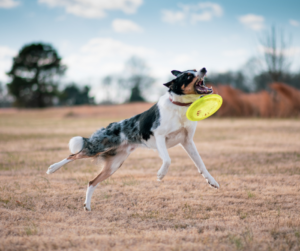
The AKC Fetch is an exciting initiative introduced by the American Kennel Club (AKC) to formalize the classic game of fetch into a structured activity with official AKC titles. Launched in late 2023, the program is designed to be an enjoyable and inclusive way for dogs of all breeds—including mixed-breed dogs (also known as All American Dog) —to develop their retrieving skills while strengthening their bond with their owners. Unlike traditional dog sports that emphasize competition, AKC Fetch operates as a noncompetitive, pass-fail program, allowing dogs and their handlers to work together through a series of retrieving challenges. The program consists of four levels of titling—Fetch Novice (FTN), Fetch Intermediate (FTI), Fetch Advanced (FTA), and Fetch Retriever (FTR)—each requiring dogs to demonstrate their ability to retrieve at increasing levels of difficulty. The focus is not on speed or performance rankings but rather on teamwork, obedience, and a dog’s ability to complete retrieving tasks reliably. This approach makes the program accessible and enjoyable for both novice and experienced handlers. As part of the AKC Family Dog Program, AKC Fetch is open to all dog breeds and sizes. Whether you have a small terrier or a large retriever, any dog that enjoys playing fetch can participate. The program promotes physical activity and mental stimulation, offering a rewarding experience for both dogs and owners. By providing a structured format, AKC Fetch encourages more people to engage in purposeful training and play with their dogs in a relaxed, fun environment. Purpose and Goals of the AKC Fetch Program The AKC Fetch Program was created to encourage active play and positive training experiences for dogs and their owners. Fetch is one of the most popular activities that people engage in with their pets, and the AKC recognized an opportunity to turn this everyday game into a structured and rewarding event. By introducing a titling system, AKC aims to make dog sports more accessible to a broader audience, allowing dog owners to participate in AKC events without needing advanced training or specialized equipment. The goal of AKC Fetch is to provide an activity that anyone can enjoy, regardless of prior experience in dog training. Another key objective of the program is to promote physical fitness and mental enrichment. The game of fetch naturally encourages dogs to run, chase, and retrieve, which helps them stay physically active. Additionally, the structured nature of the program enhances a dog’s ability to follow commands, learn impulse control, and improve memory skills—especially at the more advanced levels where dogs must retrieve multiple objects in a specific order. Participation in the program also fosters stronger communication and trust between dogs and their owners. Handlers learn new training techniques while dogs develop obedience skills that can be applied beyond fetch. This aligns with the AKC Family Dog Program’s mission to promote responsible dog ownership, positive training, and a closer bond between pets and their families. Furthermore, AKC Fetch was designed as an entry-level activity for dog owners who might be new to formal training or dog sports. Unlike agility, obedience trials, or hunt tests— which can be competitive and require extensive preparation—fetch is a familiar and approachable game. By making the test pass/fail rather than competitive, AKC ensures that participation remains inclusive and encouraging, focusing on individual progress rather than rankings. Why the AKC Created the Fetch Program The AKC launched the Fetch Program to fill a gap in their Family Dog offerings. Before this program, the Family Dog category included activities like Canine Good Citizen (CGC) for obedience and manners, AKC Trick Dog for learning fun tricks, and AKC FIT DOG for promoting regular exercise. However, there wasn’t a structured AKC activity specifically focused on retrieving and interactive play. Recognizing that fetch is a widely loved game, the AKC saw an opportunity to create a structured retrieving-based eventthat was both accessible and rewarding for participants. Unlike field trials or hunt tests— which are primarily designed for sporting breeds—the Fetch Program is open to all dogs and does not require advanced training. This inclusivity ensures that both purebred and mixed-breed dogs can compete on equal footing. Additionally, AKC Fetch aligns with the organization’s mission to promote responsible dog ownership and canine well-being. Training dogs to follow structured commands while playing fetch helps reinforce impulse control, obedience, and positive behavior. AKC notes that participating in structured activities encourages better socialization and a stronger bond between owners and their pets. Fetch is not only a fun game but also a great form of exercise. Regular participation in activities like AKC Fetch promotes an active lifestyle for both dogs and their owners. Dogs that engage in structured physical play are less likely to develop obesity or behavioral issues related to boredom and excess energy. Owners also benefit from increased physical activity, making the program a win-win for both humans and dogs. Finally, the creation of AKC Fetch reflects the growing demand for family-friendly and beginner-accessible dog sports. Many dog owners are interested in participating in AKC activities but may not have experience with traditional dog sports. AKC Fetch provides an easy, non-intimidating way to get involved and earn AKC titles, reinforcing the organization’s goal of making dog training and titling fun and rewarding for everyone. Benefits of Participation in AKC Fetch Enrolling in the AKC Fetch Program offers a variety of benefits beyond earning AKC titles. This program provides physical, mental, and social advantages for both dogs and their owners: 1. Physical Exercise Playing fetch is an excellent way to keep dogs active. The repeated action of sprinting to retrieve objects improves a dog’s endurance, muscle tone, and coordination. It is particularly beneficial for high-energy breeds that require regular exercise.For owners, participating in Fetch also promotes increased movement and activity, contributing to better overall health. Fetch sessions encourage both dogs and humans to stay active together, reinforcing a healthy and engaging lifestyle. 2. Mental Stimulation Fetch is not just about running—it also engages a dog’s mind and problem-solving skills. Dogs must learn to wait for

akc titles
Dog Sports

AKC Virtual Titles: The Ultimate Guide for Dog Owners

The American Kennel Club (AKC) has introduced a groundbreaking way for dog owners to earn official titles — AKC Virtual Titles. These programs allow participants to train and showcase their dogs’ skills from the comfort of their homes, making training more accessible and inclusive. With in-person events sometimes being difficult to attend due to location, time, or other constraints, AKC Virtual Titles provide an excellent alternative. This guide explores AKC virtual titles programs, their benefits, and how you can get started. Overview of AKC Virtual Titles AKC Virtual Titles provide opportunities for dog owners to train, test, and earn recognition remotely. Instead of attending in-person evaluations, participants record and submit videos demonstrating their dog’s skills. These videos are then reviewed by AKC-approved evaluators, who determine whether the dog meets the requirements for a title. Several programs fall under the AKC Virtual Titles umbrella, each catering to different training levels and disciplines: Virtual Home Manners (VHM) – Focuses on household obedience and good manners. Virtual Obedience – Assesses basic and advanced obedience skills. Virtual Rally – A structured obedience-based sport with guided courses. Virtual Trick Dog – Allows dogs to earn Trick Dog titles via video submission. Virtual Scent Work Test (VSWT) – Tests scent detection abilities. Virtual Agility Course Test (ACT) – Introduces agility at the beginner level. Virtual Water Test – Helps pointing breeds meet water retrieval requirements. AKC FIT DOG – Encourages fitness goals for dogs and owners. These programs cater to a wide range of breeds, ages, and skill levels, ensuring that every dog has an opportunity to participate. Virtual Home Manners Title (VHM) The Virtual Home Manners program evaluates a dog’s everyday obedience and good behavior at home. It serves as an entry-level test before advancing to more structured programs like Canine Good Citizen (CGC). Eligibility & Requirements Available for all breeds and ages. Two levels: Puppy (VHMP) for dogs under one year and Adult (VHMA) for dogs over one year. Assesses 10 key household skills, including sitting politely, leash walking, staying in place, and responding to basic commands. Owners submit a recorded video of their dog performing these tasks to an AKC evaluator. Titles Awarded to dogs passing the evaluation receive the VHMP (Puppy) or VHMA (Adult) title, which becomes part of their AKC record. AKC Virtual Obedience Title For those seeking a structured obedience program, Virtual Obedience offers a way to demonstrate training achievements through video submissions. Available Classes: Virtual Beginner Novice (BN-V) – Includes heel on leash, sit-stay, recall, and more.Virtual Novice (CD-V) – Adds off-leash heeling and stand-for-exam exercises.Eligibility & Scoring Open to AKC-registered, PAL, or Canine Partners dogs over six months old. Exercises are scored out of 200, with 170 required to qualify. Three qualifying scores required to earn these AKC virtual titles. AKC Virtual Rally Rally is a dynamic sport that combines obedience and agility in a structured course. AKC Virtual Rally Program enables handlers to submit videos of their dogs completing official Rally courses. How It Works: Participants choose from AKC-provided course maps. The dog and handler navigate a series of stations with obedience exercises. Three qualifying scores earn a Rally Novice (RN-V), Intermediate (RI-V), or Advanced (RA-V) title. AKC Virtual Trick Dog The Virtual AKC Trick Dog Program allows handlers to earn Trick Dog titles from the comfort of home. This program provides a flexible way for dogs to showcase their skills by submitting video evaluations instead of attending in-person tests. Whether you’re working toward AKC Novice Trick Dog or aiming for advanced levels, the virtual option makes earning titles accessible to all dogs and handlers. With simple guidelines and a list of approved tricks, this program is a great way to strengthen your bond with your dog while achieving official AKC recognition. Title Levels: Novice (TKN) – 10 beginner-level tricks. Intermediate (TKI) – 10 intermediate tricks. Advanced (TKA) – 10 advanced tricks. Performer (TKP) – A choreographed trick routine. Elite Performer (TKE) – A complex routine showcasing creativity and skill. Virtual Scent Work Test (VSWT) The Virtual Scent Work Test (VSWT) is part of the AKC Virtual Titles program, offering dog owners an opportunity to showcase their dog’s scent detection abilities from the comfort of their home or any familiar environment. This program allows handlers to submit video evaluations of their dog successfully locating specific target odors, making scent work more accessible for those who may not have local trial opportunities. The VSWT is a fantastic way to introduce dogs to scent detection, refine their skills, and earn AKC recognition. Whether you’re working toward future AKC Scent Work titles or simply want to engage your dog’s natural sniffing instincts, this virtual option provides a structured and rewarding way to participate in the sport. Virtual Agility Course Test (ACT) The Virtual Agility Course Test (ACT) provides an excellent opportunity for dogs and handlers to experience agility in a flexible and accessible format. As part of the growing AKC Virtual Titles program, this test allows participants to set up an ACT course in their preferred location, record their runs, and submit them for evaluation. This virtual option is perfect for those new to agility who want to build foundational skills without the pressure of a formal trial setting. By participating in the Virtual ACT, teams can develop confidence, improve handling techniques, and work toward earning official AKC recognition from anywhere. Virtual Water Test The Virtual Water Test is designed to help pointing breeds demonstrate their natural water retrieval abilities in a flexible, accessible format. As part of the AKC Virtual Titles program, this test allows handlers to train and showcase their dog’s water skills without needing to attend an in-person event. By setting up and recording the test in a familiar environment, participants can work at their own pace while meeting the water retrieval requirements for AKC titles. This virtual option ensures that pointing breeds can develop and refine their skills, earning official recognition for their abilities from anywhere. AKC Fit  Dog The AKC Fit  Dog program promotes

akc dog titles
Dog Sports

Celebrating Milestones: What AKC Titles Mean to Handlers and Dogs

Earning an AKC titles is more than just adding letters to a dog’s name—it’s a reflection of dedication, teamwork, and a shared journey between a handler and their canine partner. Whether it’s a first obedience title, a championship in agility, or a lifelong goal achieved through years of training, each milestone represents growth, achievement, and a special bond that deepens over time. For many, AKC titles are not just about competition; they serve as tangible markers of progress, perseverance, and the joy of working with a well-trained dog. In this article, we’ll explore what these titles mean to handlers and dogs, how they celebrate training success, and why each milestone is worth recognizing. The Meaning Behind an AKC Title An AKC title is an official acknowledgment of a dog’s skills and accomplishments in a specific discipline. From obedience and agility to scent work and herding, every title represents hard work, dedication, and a commitment to training. For handlers, earning a title is a moment of pride and validation—a sign that all the time spent training, practicing, and overcoming challenges has paid off. For dogs, it’s an opportunity to showcase their abilities and deepen their bond with their handler through teamwork and communication. Each title tells a story—a journey filled with learning, growth, and perseverance. Whether it’s a Canine Good Citizen (CGC) certification, an Obedience Trial Champion (OTCH) title, or an Agility Championship (MACH), every milestone is worth celebrating. How AKC Titles Mark Progress in Training 1. Recognizing Small Wins Along the Way Every handler starts somewhere, and early titles often mark a dog’s first steps into structured training. Titles like AKC S.T.A.R. Puppy or Canine Good Citizen (CGC) provide a solid foundation and help handlers see the results of their efforts in everyday life. 2. Building Confidence in Both Dog and Handler Training for and earning titles gives dogs a sense of purpose and handlers the reassurance that they’re on the right path. As teams move from basic training to advanced levels, confidence grows, and so does the desire to take on bigger challenges. 3. Strengthening the Handler-Dog Bond Training for AKC titles is not just about competition; it’s about working together as a team. Every title represents hours spent learning, practicing, and fine-tuning skills. The trust and connection built through this process create an unbreakable bond. 4. Pushing Through Challenges Not every competition or test goes as planned, but the pursuit of a title teaches patience and perseverance. Overcoming obstacles, whether it’s mastering a new agility course or perfecting an obedience routine, makes the final achievement even more rewarding. 5. Setting and Achieving New Goals Earning one title often sparks the motivation to reach for the next milestone. Whether it’s advancing from Novice Obedience (CD) to Open Obedience (CDX) or moving up the ranks in rally or agility, each title serves as a stepping stone toward greater achievements. What Titles Mean in Different AKC Sports Obedience Titles: A Testament to Training Earning an obedience title signifies precision, focus, and teamwork. Starting with Beginner Novice (BN) and progressing to Obedience Trial Champion (OTCH), these titles showcase a dog’s ability to follow commands with reliability and enthusiasm. Agility Titles: Celebrating Speed and Accuracy Agility titles, like Master Agility Champion (MACH) and Preferred Agility Champion (PACH), highlight a dog’s athleticism and ability to navigate obstacles with speed and precision. Each new level represents countless hours of practice and a deep understanding between dog and handler. Rally Titles: A Fun and Accessible Sport Rally obedience titles, such as Rally Novice (RN) and Rally Master (RM), celebrate a dog’s ability to follow commands in a dynamic setting. Rally allows handlers and dogs to work together in a fun, interactive way while improving communication and trust. Herding Titles: Honoring Working Instincts Herding titles, from Herding Tested (HT) to Herding Champion (HC), acknowledge a dog’s natural ability to work livestock. For herding breeds, these titles validate their instincts and ability to perform the tasks they were originally bred for. Scent Work and Tracking Titles: Showcasing a Dog’s Nose Earning titles in scent work or tracking, such as Tracking Dog (TD) or Scent Work Master (SWM), highlights a dog’s natural scenting abilities. These titles are proof of a dog’s incredible olfactory skills and determination in finding scents or tracking missing persons. Fast CAT and Dock Diving Titles: The Thrill of Speed and Distance For dogs that love to run and jump, sports like Fast CAT and dock diving provide exciting opportunities to earn titles while doing what they love. Titles like BCAT, DCAT, and FCAT in Fast CAT measure a dog’s running speed, while dock diving titles reflect a dog’s ability to leap great distances into the water. The Emotional Impact of Earning a Title The Joy of Accomplishment Few moments compare to the feeling of hearing a judge announce a qualifying score or seeing your dog’s name on an official title certificate. Whether it’s a first title or a long-awaited championship, the sense of achievement is unmatched. The Celebration of Hard Work Every title represents months or even years of dedication. The late-night training sessions, early morning competitions, and endless hours of practice all lead up to that moment of success. A Lasting Legacy For many handlers, titles serve as lasting memories of the time spent training and competing with their dog. Long after the competitions are over, those accomplishments remain a tribute to their journey together. Ways to Celebrate Your Dog’s AKC Titles Earning a title is a big deal, and celebrating that achievement makes it even more special. Here are some ways to mark the occasion: Frame the Title Certificate – Displaying your dog’s official title certificate is a great way to showcase their accomplishment. Create a Title Board or Ribbon Display – Many handlers keep a visual record of their dog’s titles, ribbons, and achievements. Throw a Celebration – Treat your dog to a special outing, new toy, or favorite treat to celebrate their hard work. Share the Achievement – Post about

dog agility competitions
Dog Sports

The History of Dog Competitions

Dog competitions have a long and fascinating history, deeply rooted in the relationship between humans and their canine companions. What began as practical evaluations of a dog’s working capabilities has evolved into a global phenomenon, celebrating the skill, beauty, and versatility of dogs across a variety of disciplines. From early herding trials to today’s prestigious events like Crufts and Westminster, dog competitions have grown to highlight the unique bond between dogs and handlers. This journey, spanning centuries, showcases how our appreciation for dogs has expanded, emphasizing not only their utility but also their intelligence, athleticism, and charm. The Beginnings Of Dog Competitions: Working Dogs as the Foundation The origins of dog competitions trace back to an era when dogs were primarily valued for their working abilities. Humans relied on dogs for herding livestock, guarding homes, hunting game, and even pulling sleds in harsh climates. The earliest forms of dog competitions weren’t organized events but practical assessments — farmers and hunters comparing their dogs’ skills to determine which could best perform essential tasks. These informal evaluations were critical for selecting the best dogs for breeding, ensuring the traits necessary for their work were passed on. Herding Trials Herding trials were some of the earliest examples of dog competitions. Farmers and shepherds would gather to assess their dogs’ ability to guide livestock through fields and enclosures with precision and control. These trials were crucial for identifying top-performing dogs and ensuring the continued development of effective herding breeds. Field Trials Hunting enthusiasts organized field trials to test the abilities of dogs like pointers, retrievers, and spaniels. These dog competitions evaluated a dog’s tracking, retrieving, and pointing skills in real-world scenarios, setting the stage for modern field sports. The Birth of Conformation Shows Conformation shows, a pivotal development in the history of dog competitions, emerged in the mid-19th century in England as a formal way to evaluate and celebrate canine excellence. Unlike working trials, which assessed a dog’s performance in specific tasks, conformation shows shifted the focus to a dog’s physical attributes and their adherence to established breed standards. These events emphasized structure, movement, and temperament, laying the foundation for what we now recognize as modern dog shows. The very first official conformation show took place in 1859 in Newcastle-upon-Tyne, England. This inaugural event was modest in scale and featured only two breeds: setters and pointers. Its success, however, sparked widespread interest in organized dog competitions, leading to the rapid growth of conformation shows across England and beyond. By the late 19th century, these events had become a staple for breeders, handlers, and dog enthusiasts, providing a structured platform to evaluate and showcase the best of each breed. The primary purpose of conformation shows was not merely to highlight exceptional dogs but to serve a greater goal: improving breeding practices. By identifying dogs that best embodied the ideal characteristics of their breed—such as physical form, gait, and temperament—breeders could make informed decisions about pairings that would preserve and enhance these traits. This emphasis on breed refinement was instrumental in maintaining the integrity and functionality of working and companion breeds alike. Today, conformation shows remain a cornerstone of dog competitions, with prestigious events like the Westminster Kennel Club Dog Show and Crufts drawing thousands of participants and spectators from around the globe. The Westminster show, first held in 1877, is one of the oldest and most revered dog shows in the United States, renowned for its grand setting and high standards. Similarly, Crufts, held annually in Birmingham, UK, is celebrated as one of the largest and most inclusive dog shows in the world, encompassing not only conformation but also agility, obedience, and rescue dog showcases. Performance Sports: Expanding the Scope of Dog Competitions As societies evolved and the demand for working dogs decreased in many areas, the role of dogs began to shift. Instead of being primarily valued for their utility, dogs were increasingly recognized for their intelligence, athleticism, and trainability. This transformation spurred the creation of performance-based dog sports—activities that tested and celebrated a dog’s natural talents and the bond between handler and canine. These events brought a new level of excitement and accessibility to dog competitions, appealing to a broader audience of dog enthusiasts. Obedience Trials: The Foundation of Performance Sports Introduced in the 1930s, obedience trials became a cornerstone of modern dog competitions, setting the stage for performance sports. These trials were designed to evaluate a dog’s ability to follow commands with precision and focus, highlighting the importance of discipline and teamwork. Tasks in obedience trials include heeling, retrieving, sitting or staying on command, and responding to hand or verbal signals. The American Kennel Club (AKC) held its first obedience trial in 1936, and the sport quickly gained popularity among dog owners who appreciated the structure and challenge it provided. Obedience trials remain a staple of competitive dog events, showcasing the remarkable bond between handlers and their dogs as they work in perfect harmony. Agility: Speed and Coordination in the Spotlight Agility, one of the most dynamic and popular dog competitions, originated in the United Kingdom in the late 1970s. It was first introduced at the 1978 Crufts Dog Show as an entertainment segment modeled after equestrian show jumping. The event quickly captivated audiences and competitors alike, evolving into a competitive sport in its own right. Agility courses feature a variety of obstacles, including jumps, tunnels, weave poles, A-frames, and seesaws, all designed to test a dog’s speed, coordination, and responsiveness. Handlers guide their dogs through the course using body language and verbal cues, emphasizing teamwork and communication. The sport’s fast pace and visually exciting challenges have made it a favorite among spectators and participants worldwide. Flyball: A Team Sport for Dogs Flyball emerged in the late 20th century as one of the most thrilling and energetic dog competitions. Invented in California in the early 1970s, flyball is a relay race where teams of four dogs compete to retrieve a ball from a spring-loaded box and race back over a series

all american dog
Dog Sports

How All American Dog Can Earn AKC Titles with the Canine Partners Program

For years, AKC titles were seen as something exclusively available to purebred dogs. However, the American Kennel Club (AKC) has expanded its reach with the Canine Partners Program, allowing mixed-breed dogs, also known as All American Dog, to compete and earn AKC titles in various AKC dog sports and activities. This initiative celebrates the unique talents and abilities of every dog, regardless of breed, and provides mixed-breed owners with exciting opportunities to showcase their dogs’ potential. What Is the AKC Canine Partners Program? The Canine Partners Program is the AKC’s initiative to include mixed-breed dogs and dogs of unregistered purebreds in its events and they call them all American dog. It opens the door for these dogs to participate in a wide range of AKC sports, such as agility, obedience, rally, scent work, and Fast CAT. The program was created to ensure that all dogs, regardless of their lineage, have an opportunity to shine and achieve recognition for their unique skills and abilities. Once enrolled in the Canine Partners Program, dogs receive an official AKC number, allowing them to compete in events and earn AKC titles, just like their purebred counterparts. This program celebrates inclusivity and emphasizes that every dog, regardless of breed, can achieve greatness. What Is an All American Dog? The term All American Dog refers to a mixed-breed dog or a dog whose breed is not officially recognized by the AKC. These dogs often have diverse backgrounds and unique characteristics that set them apart. By including All American Dogs in AKC events, the Canine Partners Program highlights the versatility and individuality of these companions, proving that they are just as capable and deserving of recognition as purebred dogs. All American Dogs have long been loved for their loyalty, intelligence, and adaptability. Now, with the Canine Partners Program, they can step into the spotlight and showcase their talents on a competitive stage. AKC Titles for Mixed Breeds Mixed-breed dogs or All American dogs registered through the Canine Partners Program have the opportunity to compete in a variety of AKC-sanctioned dog sports just as purebred dogs would, showcasing their unique abilities and earning prestigious titles. These sports celebrate the diverse talents of All American Dog, offering something for every canine personality and skill set. Agility Agility is a thrilling sport where dogs navigate obstacle courses filled with jumps, tunnels, weave poles, and more. Mixed breeds excel in agility due to their intelligence and athleticism. This sport is perfect for high-energy dogs and builds strong teamwork between dog and handler. Obedience Obedience trials test a dog’s ability to follow commands with precision and focus. Mixed-breed dogs can demonstrate their skills through tasks like heeling, retrieving, and completing complex routines. Obedience is ideal for dogs with a strong desire to please and a keen mind for training. Rally Obedience Rally Obedience combines elements of obedience with a relaxed, fun atmosphere. Handlers guide their dogs through a course filled with stations, each requiring a specific skill or task. Rally encourages teamwork and is accessible to dogs and handlers of all experience levels. Fast CAT Fast CAT (Coursing Ability Test) is a 100-yard dash where dogs chase a lure, testing their speed and enthusiasm. Mixed breeds often thrive in this sport, which highlights their natural athleticism and love for running. Scent Work Scent Work allows dogs to tap into their extraordinary sense of smell as they search for hidden scents in various environments. This sport is both mentally stimulating and physically engaging, making it a great option for dogs of all energy levels. Trick Dog The Trick Dog program challenges dogs to perform fun and creative tricks, such as jumping through hoops or waving on command. Mixed breeds can earn titles at different skill levels, from novice to advanced, while showcasing their personality and creativity. Herding For mixed breeds with herding instincts, AKC herding events provide an opportunity to work with livestock and demonstrate natural abilities. These events are rewarding for both dogs and handlers, fostering a deeper bond through instinctive tasks. AKC FIT Dog Program The AKC FIT Dog Program promotes canine fitness through structured activities that keep dogs healthy and active. Mixed breeds can participate in fitness challenges and group walks, earning recognition for their dedication to physical well-being. And there are so many other dogs sports that all American dog can participate in. Why Mixed-Breed Dogs or All American Dogs Deserve the Spotlight Mixed-breed dogs bring a unique combination of qualities to the table, making them just as exceptional as their purebred counterparts. Often blending the best traits from multiple breeds, these dogs are celebrated for their adaptability, intelligence, and athleticism. Their ability to excel in diverse activities stems from their versatility and eagerness to learn, which is why they are such outstanding participants in AKC sports and earn many titles, from easy AKC titles to advanced ones. The Canine Partners Program provides these incredible dogs with the recognition they’ve always deserved. For years, AKC competitions were limited to purebred dogs, but this program has opened the door for All American Dogs to step into the spotlight. Whether competing in agility courses, obedience trials, or thrilling events like Fast CAT, mixed-breed dogs prove time and again that their potential knows no bounds. The program doesn’t just showcase their abilities; it validates their place in the world of competitive dog sports and fosters inclusivity within the AKC community. What sets mixed-breed dogs apart is their sheer variety and individuality. Each dog has its own unique combination of traits, whether it’s the speed and precision required for agility, the focus and discipline needed for obedience, or the boundless enthusiasm that shines in Fast CAT. This individuality adds an exciting element to every competition, as handlers discover and develop their dog’s distinct talents. By competing in AKC events, these dogs are not only demonstrating their skills but also proving that greatness isn’t confined to pedigree. Beyond the competition ring, mixed-breed dogs bring immense value to their handlers and the broader dog sports

akc agility titles
Dog Sports

What Are AKC Titles and Why Are They Important for Dog Owners?

AKC titles represent a prestigious acknowledgment of a dog’s skills, training, and achievements across a variety of activities. These titles are more than just letters added to a dog’s name—they serve as a symbol of the strong bond between a handler and their dog, as well as a testament to their hard work and dedication. Whether achieved in conformation, agility, obedience, or other events, AKC titles open doors to exciting opportunities, celebrate milestones, and offer dog owners a chance to showcase their canine companion’s unique talents. Understanding AKC titles can inspire you to explore new activities with your dog and take pride in the journey you share together. What Are AKC Titles? An AKC title is an official designation awarded by the American Kennel Club to dogs that meet specific performance, training, or conformation standards. These titles span a wide range of categories, from traditional activities like herding and obedience to modern events like agility and trick performances. Titles are displayed as part of the dog’s registered name, serving as a permanent record of their accomplishments. For instance, a dog named “Buddy” who earns a Trick Dog Novice title would be officially recognized as “Buddy TKN.” Each title reflects the dog’s skill level and progression, encouraging handlers to continue exploring new challenges. The AKC’s extensive title system ensures that dogs of all breeds, ages, and backgrounds have opportunities to shine, whether in competitive events or as well-trained companions. Why Are AKC Titles Important? Celebrating Accomplishments Earning an AKC title is a proud milestone for both the dog and the handler. These titles signify dedication, hard work, and teamwork, validating the time and effort invested in training. Each title represents a unique achievement, whether it’s mastering a complex agility course or performing a series of creative tricks. For many owners, these accomplishments are cherished memories that highlight their dog’s growth and potential. Strengthening the Bond The journey to earning an AKC title often requires consistent training, practice, and shared experiences. This time spent together deepens the relationship between the dog and handler, fostering trust, communication, and a sense of partnership. Handlers often find that the process of working toward a title strengthens their understanding of their dog’s needs and abilities, creating a lasting bond that extends beyond the training field. Showcasing Skills and Abilities AKC titles highlight a dog’s natural abilities and learned skills. Whether it’s herding livestock, navigating an agility course, or performing obedience routines, titles demonstrate a dog’s versatility and capability. These recognitions are a testament to the dog’s dedication and the handler’s training efforts, making them a source of pride for both. Encouraging a Healthy Lifestyle Many activities associated with AKC titles, such as running, jumping, and sniffing, provide excellent physical and mental stimulation for dogs. These activities contribute to a dog’s overall well-being, helping them stay active, sharp, and engaged. For handlers, the process of preparing for events and spending time outdoors creates a healthier, more rewarding lifestyle for both dog and owner. Building Community Pursuing AKC titles connects dog owners with a vibrant community of enthusiasts who share a love for training and competition. Events and trials are an opportunity to meet like-minded individuals, exchange tips, and form lasting friendships. The supportive atmosphere at AKC events fosters camaraderie and provides a sense of belonging for handlers and their dogs. Enhancing Breeding Programs For breeders, AKC titles are a hallmark of quality and achievement. Conformation titles, such as Champion (CH), indicate that a dog meets or exceeds breed standards, while performance titles demonstrate physical and mental aptitude. Including titled dogs in a breeding program can enhance its reputation and contribute to the betterment of the breed. Popular Categories of AKC Titles The diversity of AKC titles ensures that every dog and handler can find an activity that suits their interests and abilities. Conformation Titles Conformation titles, such as Champion (CH) and Grand Champion (GCH), are awarded to dogs that excel in the show ring by meeting or exceeding breed standards. They are often considered the foundation of AKC events. Agility Titles Agility titles like Master Agility Champion (MACH) reward dogs for their speed, accuracy, and teamwork as they navigate obstacle courses. Agility events are dynamic and engaging, making them a favorite among handlers and spectators. Obedience and Rally Titles These titles, including Utility Dog (UD) and Rally Advanced Excellent (RAE), emphasize precision, focus, and communication between dog and handler. They showcase the bond and discipline developed through training. Trick Dog Titles The AKC Trick Dog program encourages creativity and fun. Titles range from Trick Dog Novice (TKN) to Elite Performer (TKE), allowing dogs to showcase their versatility and unique talents. Scent Work and Tracking Titles Scent Work titles, such as Tracking Dog Excellent (TDX), reward a dog’s ability to follow scent trails or locate specific odors. They highlight the incredible capabilities of a dog’s nose. How to Get Started with AKC Titles Determine Your Goals The first step is deciding which activities align with your dog’s strengths and your interests. Whether you’re drawn to agility, obedience, or trick training, there’s an AKC event to match your goals. Register with the AKC Your dog must be registered with the AKC to participate in events and earn titles. For purebred dogs, this involves obtaining an AKC registration number. However, the AKC also welcomes mixed-breed dogs through the Canine Partners program, which provides All-American Dogs with the opportunity to compete in most AKC sports and earn titles. This inclusivity allows dogs of any background to participate and excel, broadening the appeal of AKC events. Start Training Focus on building foundational skills that suit the chosen activity. For example, obedience and rally training emphasize commands and communication, while agility training builds physical fitness and focus. Working with a professional trainer or joining local training clubs can help you get started. Attend Events Begin by participating in local fun matches or smaller trials to gain experience and confidence. These events provide a low-pressure environment for you and your dog to learn

Dog Sports

Easy AKC Titles to Kickstart Your Dog’s Journey

Getting started with dog training and achieving recognition for your efforts can feel overwhelming—but it doesn’t have to be. Easy AKC titles are the perfect introduction to the world of dog sports and training, offering fun, accessible opportunities for dogs of all breeds, ages, and skill levels. These beginner-friendly titles are designed to build confidence, strengthen your bond with your dog, and provide a foundation for more advanced achievements down the line. Whether you’re raising a rambunctious puppy, training a laid-back senior, or working with a rescue dog, there’s an AKC title for you. Let’s explore some of the easiest and most rewarding easy AKC titles to get you started on this exciting journey. What Are Easy AKC Titles? AKC (American Kennel Club) titles recognize accomplishments in training, behavior, and performance. Easy AKC titles are entry-level certifications that are accessible to all dogs, regardless of their experience or background.  These titles often focus on essential skills, good manners, or simple activities that require minimal equipment and preparation. By starting with these titles, you can gain confidence in your training abilities while giving your dog a chance to shine. Plus, the process is an excellent way to bond with your dog and have some fun along the way! Top Easy AKC Titles to Start With Here are some of the most beginner-friendly easy AKC titles to kickstart your dog’s journey: Canine Good Citizen (CGC) The AKC Canine Good Citizen (CGC) title is one of the most popular and accessible titles. It’s designed to promote good manners at home and in the community. The CGC program focuses on essential behaviors like sitting politely, walking on a loose leash, and responding to basic commands. Who It’s For: Dogs of all breeds and ages, including those with no prior training experience. What’s Involved: The CGC test evaluates 10 key skills, such as sitting calmly while being petted, walking through a crowd, and coming when called. Why It’s Easy: The test uses everyday situations, making it simple to practice at home or in your local park. Many dogs are already familiar with some of the skills, making this title a great confidence booster. AKC Trick Dog Novice If you love showing off your dog’s quirky side, the AKC Trick Dog Novice title is an excellent choice. This easy AKC title celebrates your dog’s ability to perform simple tricks, such as spinning in a circle, shaking hands, or jumping through a hoop. Who It’s For: Dogs with a knack for fun, playful activities. What’s Involved: Dogs must perform 10 tricks to earn the title. Tricks can be taught using treats, toys, or verbal cues. Why It’s Easy: You can start with basic tricks your dog may already know, like “sit” or “high-five,” and build from there. Plus, you can earn this title virtually by submitting a video of your dog’s performance. AKC FIT Dog Program The AKC FIT Dog program combines fitness and bonding by recognizing dogs and handlers who maintain an active lifestyle together. It’s a fantastic option for those who enjoy walking, hiking, or other low-impact physical activities. Who It’s For: Dogs and owners looking to stay active and healthy together. What’s Involved: To earn the FIT Dog Bronze level, you and your dog must complete 150 minutes of walking per week for three months. Why It’s Easy: Walking is something you’re likely already doing with your dog, so this title rewards you for incorporating regular exercise into your routine. AKC Therapy Dog Novice For dogs with a gentle and calm demeanor, the AKC Therapy Dog Novice title recognizes their ability to bring joy to others. This title is especially meaningful for dogs that participate in therapy visits to schools, hospitals, or nursing homes. Who It’s For: Dogs with a friendly, people-oriented nature. What’s Involved: Complete 10 therapy visits with an AKC-recognized organization. Why It’s Easy: Many therapy dogs naturally excel at the behaviors required for this title. Virtual Home Manners The Virtual Home Manners titles are ideal for dogs who excel in the comfort of their own home. This program focuses on practical skills like waiting at the door, staying on a mat, and politely greeting visitors. Who It’s For: Dogs that thrive in a home environment. What’s Involved: Handlers submit a video showing their dog performing 10 home manners tasks. Why It’s Easy: The familiar setting of home makes it less stressful for dogs and handlers alike. Fast CAT: A Fun and Easy AKC Title for Speed Enthusiasts Fast CAT (Coursing Ability Test) is one of the most exciting and straightforward easy AKC titles to achieve. This activity highlights your dog’s natural love for running and doesn’t require extensive training, making it an excellent option for beginners looking to get started in AKC sports. What Is Fast CAT? Fast CAT is a 100-yard dash where dogs chase a lure (a fast-moving object) in a fenced course. The goal is simple: let your dog run as fast as they can while chasing the lure. The time it takes your dog to complete the course is measured, and their speed is converted into miles per hour to determine their score. Why Is Fast CAT an Easy AKC Title? Minimal Training Required: Unlike other dog sports that require learning specific commands or mastering obstacles, Fast CAT relies on your dog’s natural instinct to chase. Most dogs will eagerly participate with little to no preparation. Accessible to All Breeds and Sizes: Any dog can participate in Fast CAT, regardless of breed, size, or age. It’s a great way for dogs to have fun and showcase their speed. No Special Equipment: You don’t need expensive gear or a lengthy training routine. A leash, collar, and plenty of enthusiasm are all you need to get started. Why Start with Easy AKC Titles? Starting with beginner-friendly titles offers numerous benefits for you and your dog: Builds Confidence: Achieving these titles gives you and your dog a sense of accomplishment, encouraging you to tackle more advanced goals. Strengthens Your

Dog Sports

What Judges Look for in Dog Sport Competitions

Dog sports competitions bring together handlers and their dogs to showcase their skills, teamwork, and dedication. Whether it’s a precise obedience routine, a fast agility run, or a fun and perfect rally performance, each dog competition is a chance to shine. But what truly goes into evaluating these dog sports performances? Understanding what judges look for in dog sports competitions can transform how you prepare, train, and perform. It’s not just about winning ribbons — it’s about presenting a polished performance that reflects the effort you and your dog have put into training. General Judging Criteria in Dog Sports Competitions Regardless of the discipline, certain elements consistently stand out in judging: 1. Teamwork and Communication At the heart of every successful performance is a strong bond between the dog and handler. Judges pay close attention to how well the handler communicates with their dog and how the dog responds. Effective teamwork is about mutual trust, clear cues, and consistent engagement throughout the routine. 2. Precision and Accuracy In competitive dog sports, small details make a big difference. Whether it’s maintaining a perfect heel position in obedience or hitting the contact zone in agility, precision is key. Mistakes like sloppy sits, missed obstacles, or delayed responses can result in point deductions. 3. Confidence and Enthusiasm A confident dog with a wagging tail and an eager attitude leaves a lasting impression. Judges look for dogs that perform with energy and enthusiasm while remaining focused on their tasks. A positive attitude from both the handler and the dog can elevate a performance. 4. Handler Conduct How the handler presents themselves matters just as much as the dog’s performance. Calm, composed handlers who use clear, positive cues demonstrate excellent sportsmanship and leadership. Judges appreciate handlers who support their dogs with encouragement and maintain professionalism, even when things don’t go as planned. What Judges Evaluate In Some Dog Sports Obedience Competitions Obedience trials are the gold standard for testing a dog’s ability to follow commands with precision and discipline. Judges in obedience competitions evaluate: Responsiveness: Dogs should respond promptly and accurately to verbal commands and hand signals. Hesitation or incomplete responses can lead to deductions. Heelwork: A dog’s ability to stay in the correct heel position while maintaining attention on the handler is critical. Consistent focus and alignment are highly valued. Stays and Recalls: These exercises test a dog’s steadiness and reliability. A clean recall involves a fast approach and a straight, centered sit in front of the handler. Attitude: Judges favor dogs that perform willingly and confidently, displaying enthusiasm without being overly excitable. Preparation Tips for Obedience: Break down complex exercises into smaller steps during training to build accuracy and confidence. Practice heeling in a variety of environments to strengthen focus under distractions. Reward quick, precise responses to reinforce reliability. Agility Competitions Agility is a fast-paced sport that combines speed, accuracy, and teamwork. Judges evaluate how well the dog and handler navigate an obstacle course within a set time limit. Key judging points include: Course Accuracy: Each obstacle must be completed in the correct order and according to the rules. Faults such as missed contact zones, refusals, or knocked bars can significantly impact scores. Speed: While clean runs are critical, time is often a deciding factor in agility competitions. Dogs must move quickly and efficiently through the course. Handling: Judges assess how effectively the handler guides their dog through the course. Clear cues, smooth transitions, and strategic positioning are all part of strong handling. Confidence: Hesitation on obstacles, such as the teeter or weave poles, can lower scores. Confident, fluid movement is key to a successful run. Preparation Tips for Agility: Practice handling techniques such as front crosses, rear crosses, and blind crosses to improve communication with your dog. Build obstacle confidence by introducing equipment gradually and rewarding progress. Set up mini courses to simulate competition scenarios and refine your timing. Rally Obedience Rally obedience combines the precision of traditional obedience with the interactive nature of agility. Handlers guide their dogs through a course of numbered signs, each indicating a specific task. Judges evaluate: Station Execution: Each task, such as sits, turns, or weaving, must be performed as described on the sign. Accuracy is critical, and incomplete or incorrect execution leads to deductions. Flow and Rhythm: Teams should move smoothly between stations, maintaining a steady pace without hesitation. Engagement: Rally encourages communication between the handler and dog. Judges value teams that work in sync and maintain focus. Overall Precision: While rally allows for verbal praise and hand signals, the execution of tasks must still be clean and controlled. Preparation Tips for Rally: Familiarize yourself with the signs and their corresponding exercises. Practice walking courses without your dog to develop a plan for smooth transitions between stations. Keep training sessions upbeat and interactive to build engagement with your dog. The Role of Judges in Dog Sports Competitions Judges play a pivotal role in dog sports competitions, ensuring that events are fair, enjoyable, and rewarding for all participants. While their primary responsibility is to evaluate performances and award scores, judges are also stewards of the sport, fostering a positive environment that encourages growth and learning for both dogs and handlers. Understanding the responsibilities and perspective of judges can help participants approach competitions with greater confidence and appreciation. Ensuring Fairness and Integrity Fairness is the cornerstone of dog sports competitions, and judges are tasked with upholding it. To ensure consistency, judges adhere to the rulebooks of the governing organizations, such as the AKC or UKC, which outline specific guidelines for scoring and performance. Standardized Scoring: Judges apply consistent criteria when evaluating performances, ensuring every team is assessed objectively. Impartiality: Judges remain unbiased, focusing solely on the performance in the ring, regardless of the handler’s experience or the dog’s breed. Course Design: In sports like agility or rally, judges design courses that are challenging yet achievable, balancing skill testing with fairness. By maintaining these standards, judges ensure that all competitors have an equal opportunity to succeed. Evaluating

dog title trackers
Dog Sports

Why Tracking Dog Sport Titles Matters for Your Canine’s Journey

If you’re involved in dog sports, you already know the joy of watching your dog grow, learn, and achieve amazing milestones. Whether it’s earning an agility, a rally obedience, or a trick dog title, these accomplishments aren’t just about ribbons —they’re about progress, hard work, and the bond you share with your dog. Keeping track of your dog sport titles is a simple yet powerful way to celebrate these achievements and stay organized as you continue to work together. Beyond just a record of wins, title tracking helps you stay on top of your dog’s progress, training goals, and long-term development in the dog sports you love. Why Tracking Dog Sport Titles Makes a Difference Dog sport titles are structured in levels, each building on the skills developed in the previous stage. Whether you’re working toward an agility championship or just starting in rally, it’s easy to lose track of where you are if you’re not recording your progress. Here are some of the biggest reasons why keeping a record of dog sport titles matters: 1. Celebrate Milestones In Dog Sports Every title is a result of teamwork, persistence, and effort. Recording dog sport titles allows you to reflect on how far you’ve come with your dog. Whether it’s their very first novice title or a master-level achievement, every step deserves recognition. 2. Stay Organized Across Sports and Levels Many handlers compete in multiple dog sports, such as agility, obedience, scent work, or herding. Each sport has its own set of titles, levels, and requirements. Without a tracking system, it’s easy to forget which titles your dog has earned or which levels still need to be completed to earn the title. For example, agility may have novice, open, and excellent levels, while rally has novice, intermediate, and advanced. And each title level has its own required amount of qualifying runs to achieve that title. A simple tracking tool can keep everything clear, so you always know where your dog stands in their sporting journey. 3. Set Clear Training Goals When you know what your dog has achieved, it’s easier to set realistic goals for what’s next. If your dog has earned a rally novice title, the natural next step might be training for intermediate. Tracking dog sport titles provides a roadmap that helps you and your dog work toward new challenges at a pace that works for both of you. How Title Tracking Helps You Train Smarter Keeping a record of dog sport titles isn’t just about the past; it’s a tool for planning the future. By looking at your dog’s title history, you can identify patterns, strengths, and areas for improvement. 1. Pinpoint Strengths and Weaknesses Did your dog sail through scent work novice trials but struggle with advanced? Did they excel in standard agility courses but find the jumpers agility challenging? Your title record can provide insights into where your dog shines and where they may need extra training. 2. Plan Practice Sessions with Purpose When you know what level your dog is working toward, you can tailor your training sessions to target the skills they need for that specific title. For example, if you’re working on an agility open title, you might focus on advanced handling techniques. 3. Avoid Overtraining or Missing Key Skills Tracking dog sport titles ensures you’re not inadvertently skipping levels or overtraining skills your dog has already mastered. It’s a balanced approach that keeps both you and your dog engaged without unnecessary repetition. Dog Sport Titles Tracking Across Multiple Sports For handlers involved in multiple sports and with different organization, tracking dog sport titles can feel overwhelming without a system in place. As an example each agility organization—such as AKC, UKC, and NADAC—has its own titles and progression requirements, making organization key to staying on track. Agility offers titles at various levels, from novice to champion, with different organizations having unique names and requirements. Keeping a record ensures you don’t accidentally enter a trial at the wrong level or overlook an earned agility title. How to Track Your Dog Sport Titles There’s no one-size-fits-all solution for title dog sport titles tracking, so the best method is the one that works for you. However having something accessible to you on the phone, such as an app can be way easier than spreadsheets. Here are some options: 1. Title Journals A dedicated journal or notebook is a classic way to track titles. Create sections for each sport, list the titles your dog has earned, and leave space for notes about trials, scores, and training goals. 2. Spreadsheets A digital spreadsheet is a flexible way to organize titles. Use columns for the sport, level, trial date, score, and other details. 3. Online Tools or Apps There are digital tools designed specifically for dog sport enthusiasts. These platforms allow you to input your dog’s titles and track their progression. Why Title Tracking Builds Memories That Last Beyond organization and goal-setting, title tracking is a way to capture the story of your dog’s journey. Every trial, every ribbon, every scorecard is a chapter in the relationship you share with your dog. Imagine looking back years from now and remembering the joy of your first trial, the challenges you overcame, and the bond that grew stronger with every achievement. Title tracking is more than just a record—it’s a way to cherish the moments that make dog sports so special.   Tracking your dog’s titles is one of the simplest ways to stay organized, motivated, and connected to your goals. Whether you’re just starting out or have a seasoned competitor, a title tracking system can help you celebrate achievements, plan future training, and preserve the story of your dog’s sporting journey. Every title represents effort, growth, and the joy of working together as a team. By keeping track of these milestones, you honor the hard work you and your dog have put in and set the stage for even more success ahead. So grab that notebook, open that spreadsheet,
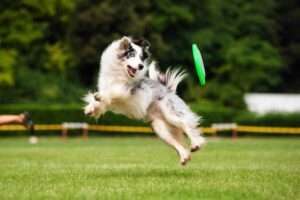
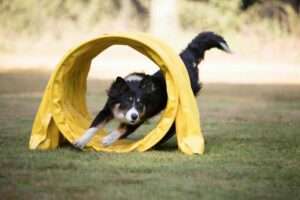
fast cat
Dog Sports

AKC Fast CAT Top 20: Understanding the Rankings and How to Get Your Dog on the List

The AKC Fast CAT Top 20 is an elite list of the fastest dogs in the American Kennel Club’s Fast CAT competition, showcasing the speed and athleticism of different breeds. Fast CAT, short for “Coursing Ability Test,” is a timed 100-yard dash where dogs sprint down a straight line chasing a lure, with their speeds recorded in miles per hour (MPH). This list recognizes the top 20 fastest dogs from each breed, celebrating those with exceptional speed and drive. In this article, we’ll cover what Fast CAT is, how the AKC determines the Top 20 list, tips for improving your dog’s speed, and how you can work toward a spot on the prestigious AKC Fast CAT Top 20. What is AKC Fast CAT? AKC Fast CAT is a fun, competitive dog sport where dogs race 100 yards in a straight line, chasing a lure while their time is recorded. The dog’s speed is measured and converted to miles per hour, then adjusted by a formula based on the dog’s height to determine their official score. This score contributes to rankings, which are compared across breeds to create the AKC Fast CAT Top 20 list. How Speed is Calculated Distance: 100 yards Time: The time taken to complete the run is recorded in seconds. Speed Calculation: The AKC uses a formula that factors in a dog’s height at the withers to level the playing field between small and large breeds. Smaller dogs get a slight advantage to account for their shorter stride length. The Fast CAT event is open to all AKC-recognized breeds and mixed breeds, allowing a diverse range of dogs to participate and compete for ranking. What is the AKC Fast CAT Top 20? The AKC Fast CAT Top 20 is an annual list that highlights the top 20 fastest dogs of each breed based on their recorded times in the Fast CAT events throughout the year. The list is updated regularly, showing which dogs in each breed are leading in terms of speed and ranking. The AKC Fast CAT Top 20 list celebrates the athleticism and agility of dogs across all breeds, from Greyhounds and Whippets to small but speedy dogs like Pomeranians and Dachshunds. Rankings are based on the MPH speed that each dog achieves during a Fast CAT run, and the list is available on the AKC website for competitors and enthusiasts to view. Key Features of the AKC Fast CAT Top 20 Breed-Specific Rankings: Dogs are ranked within their breed, so each breed has its own Top 20 list, allowing for fair comparison among dogs with similar physical characteristics. Recognition: The Top 20 provides public recognition for the fastest dogs in the country, showcasing their athletic prowess. Updated Annually: The list is refreshed each year based on the most recent results, ensuring it reflects the current fastest dogs. How to Get Your Dog on the AKC Fast CAT Top 20 List Getting your dog onto the AKC Fast CAT Top 20 requires a combination of training, conditioning, and participation in Fast CAT events. Here’s a guide to help you prepare: 1. Start with Basic Training Ensure your dog is well-trained in recall and motivated to chase a lure. Fast CAT events use a lure to stimulate your dog’s chase instinct, so it’s important that your dog understands the goal of the run. Use a favorite toy or treat as a motivator, and practice short sprints to help your dog understand what’s expected in a Fast CAT run. 2. Condition Your Dog Physically Fast CAT is an intense sprint, so your dog’s endurance, speed, and strength will benefit from conditioning. Incorporate regular exercise, such as running, swimming, or agility training, to keep them in peak shape. Avoid overtraining, and focus on a balanced routine that combines cardio, strength-building, and rest. 3. Participate in Fast CAT Events To qualify for the AKC Fast CAT Top 20 list, your dog must participate in official AKC Fast CAT events, where their runs are recorded and logged. The more events you attend, the better chance your dog has to improve their time. Check the AKC events calendar for Fast CAT events near you, and consider traveling to additional events if possible. 4. Set Goals for Speed Improvement Each run presents a chance for improvement. Track your dog’s speed over time to set realistic goals for improvement. Work on enhancing your dog’s launch and minimizing distractions to improve overall time. 5. Understand the Points System Each dog’s points in Fast CAT are calculated based on speed, and points contribute to earning Fast CAT titles. Dogs with consistently high speeds across events may rank higher, giving them a better chance to appear on the AKC Fast CAT Top 20 list. Tips for Increasing Your Dog’s Speed in Fast CAT Focus on Short, High-Intensity Sprints Practice short sprints to build your dog’s burst speed. Use a lure or a toy to encourage them to sprint at full speed over shorter distances before progressing to longer runs. Improve Starting Speed Teach your dog to launch quickly from a stationary position, as Fast CAT events start with the dog standing behind the starting line. Quick reflexes and a strong start can make a big difference. Reduce Distractions Help your dog stay focused on the lure by practicing in environments with different distractions. Over time, your dog will become more focused on the task, resulting in better times. Optimize Weight and Fitness Keep your dog at an optimal weight to ensure maximum speed and agility. Excess weight can slow your dog down, so maintaining a healthy diet and regular exercise is essential. Build Trust with the Lure Some dogs may take a few attempts to understand that the lure is something to chase. Practicing with the lure outside of Fast CAT events can help your dog become more comfortable and excited about chasing it. Fast CAT Titles and Achievements In addition to the Top 20 list, Fast CAT offers title recognition for dogs that achieve

Farm Dog
Dog Sports

Farm Dog Certification: Everything You Need to Know

The AKC Farm Dog Certification is a unique program designed to test a dog’s skills and temperament in a farm setting. Unlike traditional obedience or agility tests, the farm dog certification test assesses a dog’s ability to remain calm, alert, and responsive to commands while navigating various farm tasks and situations. If you have a dog with a steady temperament, intelligence, and the ability to handle the diverse challenges of a farm, the AKC Farm Dog Certified (FDC) title may be the perfect goal. In this article, we’ll cover what farm dog certification is, the requirements for farm dog certification, and what to expect during the test. What is Farm Dog Certification? Farm Dog Certification (FDC) is a program offered by the American Kennel Club (AKC) to recognize dogs that demonstrate the skills and stability needed to function around a working farm. https://youtu.be/h08Hv0SDahw This certification is not limited to herding breeds; any breed or mixed breed can participate, as long as the dog can pass the required tests in a farm setting. The FDC title is awarded to dogs that successfully complete two qualifying tests on separate occasions, showing their adaptability and calmness around farm activities. The goal of the FDC test is to evaluate a dog’s self-control, confidence, and obedience, rather than its ability to herd or perform specific farm tasks. It’s ideal for dogs that live on farms or visit farms regularly, as well as those who simply enjoy rural environments and challenges. Farm Dog Certification Requirements To earn the AKC Farm Dog Certification, a dog must demonstrate calmness, obedience, and stability across a series of tasks. The FDC test is based on real-life scenarios that farm dogs might encounter, such as exposure to livestock, walking on uneven surfaces, and responding to commands around various distractions. Key Requirements for Farm Dog Certification: Eligibility: Dogs must be at least 9 months old and registered with the AKC or the AKC Canine Partners Program (for mixed breeds). Any breed or size is welcome to participate. Passing the Test Twice: A dog must pass the FDC test on two separate occasions to earn the FDC title. This shows consistency and reliability in different situations. Calm Demeanor: Dogs should exhibit a calm and stable temperament, handling distractions and new stimuli without excessive fear, anxiety, or aggression. The test is conducted in a farm-like setting, which could include barns, fields, livestock, and other elements typically found on a farm. Farm Dog Certification Test: What to Expect The farm dog certification test includes 12 exercises that simulate real-life challenges a dog might encounter on a farm. The dog must show its ability to navigate these scenarios with confidence and composure. Here’s a breakdown of the tasks your dog will need to complete: 1. Greet the Judge Description: The dog must allow the judge to approach and greet the handler in a friendly manner. Purpose: This exercise tests the dog’s comfort level around strangers and basic socialization skills. 2. Walk Through a Gate Description: The handler and dog must enter through a gate, which is then closed behind them. Purpose: This simulates entering and exiting secure farm areas calmly and safely. 3. Walk on a Loose Leash Past Farm Animals Description: The dog and handler walk near livestock (such as sheep or goats) without excessive excitement or distraction. Purpose: This tests the dog’s ability to remain calm and focused in the presence of farm animals. 4. Walk Over a Variety of Surfaces Description: The dog must walk over surfaces like gravel, dirt, and grass. Purpose: This exercise tests the dog’s comfort and adaptability to different terrain. 5. Jump on and Off a Hay Bale or Similar Object Description: The dog must jump onto and off a low, stable object, such as a hay bale. Purpose: This task tests agility, obedience, and willingness to follow commands in a farm environment. 6. Stay While Handler Feeds Livestock Description: The dog must remain in a stay position while the handler engages in feeding or interacting with livestock. Purpose: This exercise evaluates the dog’s patience and impulse control. 7. Exposure to Unusual Farm Objects Description: The dog is exposed to items like tractors, wheelbarrows, and other farm equipment. Purpose: This tests the dog’s reaction to unfamiliar, potentially intimidating objects. 8. Supervised Separation for Two Minutes Description: The dog must remain calm when separated from the handler for a short period. Purpose: This demonstrates the dog’s comfort with being briefly left in a secure, supervised area. 9. Noise Distraction (e.g., Shovel Dropping) Description: The dog must tolerate a sudden noise without excessive fear or alarm. Purpose: This exercise evaluates the dog’s response to unexpected farm sounds. 10. Walk by a Stranger Holding a Dog or Farm Animal Description: The handler and dog walk past another person holding a dog, sheep, or other small animal. Purpose: This tests the dog’s ability to focus and remain calm around other animals and people. 11. Load into a Farm Vehicle or Kennel Description: The dog must enter and exit a vehicle or kennel on command. Purpose: This exercise demonstrates the dog’s willingness and ability to enter a confined space calmly. 12. Walk Through a Group of People Description: The handler and dog must walk through a small group of people while staying calm and focused. Purpose: This final exercise assesses socialization skills and the dog’s ability to remain composed in a crowd. Each of these exercises is designed to test the dog’s adaptability, obedience, and temperament in a farm environment. The goal is for the dog to show calmness, respect for boundaries, and a strong connection to the handler. Tips for Preparing for the Farm Dog Certification Test Practice Basic Obedience Ensure your dog has a solid foundation in basic commands like “sit,” “stay,” “come,” and “heel.” A well-trained dog will be better prepared for the challenges of the FDC test. Expose Your Dog to Farm Settings If possible, practice in farm-like environments or introduce your dog to sights, sounds, and surfaces commonly

Dog Sports

ASCA – The Australian Shepherd Club of America

The Australian Shepherd, a breed renowned for its sharp intellect and striking herding skills, carries a legacy of loyalty and adaptability that has made it a staple in the American West. At the center of preserving this unique breed is the Australian Shepherd Club of America (ASCA), founded in 1957. ASCA has evolved from a simple breed registry to an expansive organization that celebrates the multifaceted capabilities and history of the Australian Shepherd. Introduction to the Australian Shepherd Breed Origins of the Australian Shepherd Despite the name, the Australian Shepherd’s roots are often associated with the United States. The breed gained recognition among American ranchers for its work ethic, herding prowess, and ability to adapt to various climates and terrains. Unique Traits and Characteristics Australian Shepherds are famous for their intelligence, energetic nature, and strong herding instincts. These traits make them not only exceptional working dogs but also loyal companions for families who can keep up with their active lifestyle. Foundation of the Australian Shepherd Club of America (ASCA) Early History and Purpose ASCA was established in 1957 to document and maintain the pedigree of the Australian Shepherd breed. This step was crucial for promoting responsible breeding and preserving the breed’s heritage. Key Milestones in ASCA’s Development From its early days, ASCA grew rapidly, adding more structured programs and events as interest in the breed increased. By creating various titles and competitions, ASCA soon became a cornerstone for Australian Shepherd enthusiasts worldwide. ASCA’s Role as a Breed Registry The Importance of Accurate Pedigree Records Accurate pedigree records ensure the breed’s genetic health and trace lineage accurately. ASCA’s registry function preserves this information, allowing breeders and owners to maintain healthy, authentic bloodlines. Expanding Beyond Registry Functions Beyond its registry responsibilities, ASCA embraced a role as a community builder, creating competitions and events that allow Australian Shepherds to showcase their skills across numerous disciplines. Performance Programs and Titles Offered by ASCA Agility Programs and Competitions ASCA’s agility competitions are a popular arena where Australian Shepherds can demonstrate their speed, agility, and ability to follow commands. This program has grown significantly, bringing together enthusiasts eager to celebrate their dogs’ athleticism. Conformation Shows ASCA’s conformation shows allow dogs to be judged based on breed standards, emphasizing the Australian Shepherd’s unique physical traits. These events also promote breeding practices that align with the ideal characteristics of the breed. Other Performance Disciplines (e.g., Dock Jumping, Obedience, Rally, Scent Work) From obedience trials to scent work, ASCA’s performance programs offer something for every Australian Shepherd and their owner. Each program showcases the breed’s versatility, allowing owners to bond with their dogs in new and exciting ways. Stockdog Programs and Herding Events Role of Stockdog Trials in Preserving Herding Skills Stockdog trials are essential for maintaining the herding skills that define the Australian Shepherd. These events test dogs in practical herding situations, ensuring that the breed retains its innate herding instincts and abilities. Stockdog Titles and Achievements Titles in stockdog events celebrate excellence in herding. These accolades recognize the Australian Shepherd’s ability to handle livestock, reflecting the breed’s historical role on American ranches. The ASCA Breed Standard and Its Importance Development and Adoption of the Breed Standard The ASCA breed standard, established in 1977, provides a guideline for the physical and behavioral traits ideal for Australian Shepherds. This standard preserves the breed’s unique identity, preventing alterations based on passing trends. Maintaining the Breed’s Consistency and Quality By adhering to this standard, ASCA ensures the Australian Shepherd remains true to its origins. Breeders and judges use these criteria to maintain a consistent and high-quality breed across generations. The ASCA Membership and Global Influence Expanding Internationally with Affiliate Clubs ASCA’s reach extends globally with over 100 affiliate clubs, creating a supportive network for Australian Shepherd lovers worldwide. These clubs foster camaraderie and support among enthusiasts and provide opportunities for dogs to participate in events. Role of the ASCA in the Global Australian Shepherd Community ASCA plays a pivotal role in connecting Australian Shepherd communities, sharing resources, and promoting the breed’s heritage on an international stage. Education and Resources Provided by ASCA Training Materials and Educational Events ASCA provides members with resources like training guides and organizes events that offer educational opportunities for improving their dogs’ skills and knowledge. The Aussie Times Newsletter and Its Role The Aussie Times, ASCA’s bi-monthly newsletter, keeps members informed about upcoming events, important announcements, and insights on training and breed health. Challenges and Goals for ASCA’s Future Maintaining Breed Integrity Amid Popularity As the breed grows in popularity, ASCA faces the challenge of protecting its heritage. By promoting responsible breeding and maintaining the breed standard, ASCA aims to preserve the Australian Shepherd’s unique traits. Future Goals for ASCA’s Development Looking forward, ASCA hopes to expand its programs, strengthen its global network, and continue its mission to celebrate and protect the Australian Shepherd breed. Conclusion The Australian Shepherd Club of America has become more than just a breed registry—it’s a community committed to honoring the heritage of this remarkable breed. Through performance programs, breed standards, and preservation efforts, ASCA ensures that Australian Shepherds continue to thrive as intelligent, versatile, and loyal companions. Frequently Asked Questions What is the purpose of the Australian Shepherd Club of America? ASCA was founded to preserve the Australian Shepherd breed’s heritage, register pedigrees, and provide performance programs for the breed. How can I participate in ASCA events with my Australian Shepherd? ASCA offers membership and event listings on its website, where members can register and participate in various events tailored for Australian Shepherds. What are the benefits of joining ASCA? Members gain access to educational resources, breed information, competitions, and a supportive network of Australian Shepherd enthusiasts. Does ASCA offer herding and obedience titles? Yes, ASCA provides a wide range of performance titles, including herding, obedience, agility, and more, allowing dogs to showcase their diverse talents. Can any dog participate in ASCA events and sports? While ASCA primarily focuses on Australian Shepherds, some ASCA events may be open to other

asca
Dog Sports

What Is ASCA Dog?

An ASCA dog represents the best of the Australian Shepherd breed, with the Australian Shepherd Club of America (ASCA) being one of the most prominent organizations dedicated to its preservation, promotion, and development. Despite the breed’s misleading name, the Australian Shepherd has deep roots in the United States. Originally developed as a working herding dog, the breed was crafted to meet the specific needs of American ranchers and farmers, who required an intelligent, versatile, and hardworking companion. Over generations, these traits have been carefully preserved and refined, with ASCA playing a critical role in ensuring that the breed continues to uphold these high standards. Table of Contents History and Purpose of the ASCA An ASCA dog is a symbol of excellence in the Australian Shepherd breed, and the Australian Shepherd Club of America (ASCA), founded in 1957, has been pivotal in protecting the breed’s natural working abilities. Originally a small group of dedicated breeders and enthusiasts, ASCA has grown into a key authority worldwide. Its focus is on maintaining the integrity and character of the ASCA dog, ensuring that Australian Shepherds continue to embody their origins as intelligent, hardworking working dogs. Over the years, ASCA has expanded its reach by offering a wide range of programs and activities that support breeders, owners, and handlers in their efforts to preserve the ASCA dog’s working ability, temperament, and physical standard. From herding trials to agility competitions, ASCA provides structured opportunities for both owners and their ASCA dogs to excel. These activities not only preserve the breed’s working heritage but also strengthen the bond between owners and their dogs. The organization is also deeply committed to responsible breeding practices that prioritize the health, temperament, and herding instincts of every ASCA dog. These high standards ensure that ASCA dogs remain versatile and capable, whether herding livestock or participating in competitive dog sports. By maintaining rigorous standards for conformation and behavior, ASCA ensures that every ASCA dog is sound in both body and mind. ASCA fosters a strong sense of community among ASCA dog owners, offering resources, events, and connections that allow breeders and enthusiasts to come together. Whether you are a breeder looking to improve your program, an owner interested in dog sports, or simply an admirer of the breed, ASCA offers valuable support and guidance. Through its ongoing efforts, ASCA continues to shape the future of the ASCA dog, ensuring that these remarkable animals retain their intelligence, loyalty, and athleticism, while honoring the breed’s rich heritage. What Makes an ASCA Dog Special? An ASCA dog is a registered Australian Shepherd with the ASCA. What sets these dogs apart is that they are often bred specifically to work as herding dogs. The ASCA maintains a strong emphasis on the working ability of the breed, which can include tasks such as herding cattle, sheep, and other livestock. Unlike some breed registries, ASCA prioritizes preserving the intelligence, stamina, and drive of the Australian Shepherd. ASCA dog is highly versatile. These are not just pets; they are working companions capable of performing a wide variety of roles. Whether it’s search and rescue, competitive obedience, or agility trials, the Australian Shepherd is a breed that thrives on mental and physical challenges. ASCA-registered dogs are especially valued for their trainability and responsiveness, which is critical in high-energy environments like working farms and ranches. ASCA Dog Registration When you acquire an Australian Shepherd puppy, it is possible to register them with ASCA, provided the breeder is also ASCA-registered. Registration ensures that the dog comes from a lineage that adheres to ASCA’s breeding standards, which include health, temperament, and working ability. In addition to maintaining the pedigree, ASCA registration gives owners access to ASCA-sponsored competitions and events, ranging from conformation shows to herding trials. Moreover, ASCA offers breeders a chance to ensure their dogs are included in a network of responsible, educated breeders who are dedicated to preserving the Australian Shepherd’s heritage. Breeders that register with ASCA often adhere to ethical breeding practices, including health testing for common breed conditions such as hip dysplasia, elbow dysplasia, and eye conditions. ASCA Activities and Programs One of the main reasons why ASCA has maintained such a prestigious position in the world of Australian Shepherd breeding is due to its comprehensive set of activities and programs. These activities are designed not only to promote the breed but also to ensure that Australian Shepherds continue to develop as versatile working dogs. Some of the key programs include: ASCA Agility Trials: These trials test the speed, agility, and obedience of Australian Shepherds. Dogs navigate through complex obstacle courses, including tunnels, jumps, and weave poles, in a timed setting. Agility competitions highlight the breed’s athleticism and ability to think on its feet. Herding Trials: Herding is where ASCA dog shines. ASCA herding trials simulate real-world working conditions, challenging dogs to herd livestock such as sheep, cattle, and ducks. These trials emphasize the breed’s natural instincts and trainability, offering both dog and handler the chance to demonstrate their skills. Obedience Competitions: Obedience is a cornerstone of the ASCA program. In these competitions, dogs perform precise, controlled movements under the direction of their handlers. Obedience competitions offer proof of the Australian Shepherd’s intelligence and ability to follow commands, traits that are essential for any working dog. Conformation Shows: In addition to focusing on work and training, ASCA hosts conformation shows that assess how closely a dog adheres to the official ASCA breed standard. These shows focus on physical characteristics like body structure, gait, and coat, ensuring that ASCA-registered dogs are both functional and aesthetically true to type. Stockdog Programs: Designed to maintain the breed’s original purpose, ASCA offers stockdog programs where dogs work with livestock in real farming environments. The focus is on practicality, ensuring that dogs can work in the field and contribute to day-to-day agricultural tasks. Australian Shepherd Temperament The temperament of an ASCA dog is one of its most endearing qualities. These dogs are known for being intelligent, energetic, and loyal. Bred for work, ASCA

akc agility
Dog Sports

How Dog Sports Can Transform Your Pet’s Behavior And Your Bond

Incorporating dog sports into your pet’s routine can profoundly impact their behavior while enhancing the relationship between the two of you. These activities provide both physical and mental exercise, offering more than just fun and excitement. With the right mix of engagement, training, and bonding, dog sports can bring about positive changes that will last a lifetime. Table of Contents Why Dog Sports Go Beyond Physical Activity Dog sports are much more than ways to release energy. They offer structured environments where dogs use their instincts and skills in productive ways, sharpening their minds while improving their behavior. The physical benefits are evident, but mental stimulation is equally important. Dogs that are regularly challenged intellectually tend to have fewer behavioral problems, such as excessive barking, chewing, or destruction. In sports like agility, obedience trials, and dock diving, dogs focus on tasks that require cooperation and communication. The repetitive yet varied nature of training teaches discipline, making dogs more attentive and responsive. This heightened focus makes daily activities, like walks or socializing with other dogs, more manageable. Dos Sports Build Focus and Discipline Training in sports like agility or rally obedience helps build the skills of focus and discipline. Dogs need to react quickly, follow directions, and think through problems in real time. As they gain proficiency, you’ll notice your dog’s increased ability to respond to commands in everyday situations. Whether it’s navigating a busy street or staying calm at the park, the focus your dog develops through sports can be applied to many areas of life. Agility, in particular, helps dogs learn to trust their handlers while staying sharp and engaged. This kind of cooperation strengthens the bond between you and your pet, as your dog learns to anticipate your instructions and work alongside you. A Stronger Bond Between You and Your Dog Participating in dog sports is one of the most effective ways to strengthen the bond with your dog. These activities are collaborative, requiring teamwork and trust between you and your pet. Each time you train together, you create a deeper connection, built on shared goals and experiences. Dog sports encourage you to communicate more effectively with your dog. This process leads to a clearer understanding between the two of you, improving not just your dog’s behavior but also your ability to read their signals and respond appropriately. Popular Dog Sports and Their Benefits Agility Agility is one of the most popular dog sports, and for good reason. It challenges dogs physically and mentally, requiring them to run through courses filled with jumps, tunnels, and weave poles. It demands quick thinking and sharp attention, helping dogs develop problem-solving skills and enhanced coordination. Agility also helps improve your dog’s obedience, as they must listen to commands and follow instructions quickly. This type of training creates a strong bond between you and your dog, as success relies on both of you working together to complete the course efficiently. Rally Obedience Rally obedience focuses on precision and communication between dog and handler. Unlike traditional obedience, rally involves navigating a course where you stop at stations and perform specific tasks, such as sit, turn, or stay. Rally obedience fosters engagement and consistency, teaching your dog to stay focused and execute commands accurately. This sport promotes better listening skills and self-control, making it an excellent choice for dogs who need more structure in their day-to-day interactions. The partnership required in rally obedience strengthens the trust between you and your dog, improving communication over time. Dock Diving For dogs that love water, dock diving is a thrilling sport. It involves jumping from a dock into the water to compete in either distance or height. This sport is excellent for high-energy dogs, providing a perfect outlet for their enthusiasm while building confidence in water-related activities. Dock diving can help reduce anxiety in dogs that are initially hesitant about water. By encouraging them to push their boundaries, this sport fosters greater self-assurance, which can translate to other areas of their life. Flyball Flyball is a fast-paced, team-based sport where dogs leap over hurdles, trigger a box to release a ball, and race back to their handler. This activity improves speed, coordination, and focus while promoting socialization, as it involves competing alongside other dogs. Flyball is great for building excitement in a controlled environment, and it provides an opportunity for your dog to learn how to work well in the company of others. The teamwork aspect of the sport helps deepen the connection between you and your dog as you work toward shared goals. Behavioral Improvements Through Dog Sports Reducing Anxiety and Stress One of the key benefits of dog sports is their ability to reduce anxiety and stress. When dogs engage in regular, structured activities, they have a positive outlet for their energy, which can help them remain calm in other situations. Dogs that are prone to separation anxiety or nervousness in new environments often see significant improvements after participating in dog sports. Engaging your dog in tasks that challenge them both mentally and physically helps release tension and reduces destructive behaviors. By giving them a sense of purpose and routine, sports can help your dog feel more secure and settled. Improved Socialization Many dog sports take place in group settings, where dogs must interact with other dogs and people. This exposure is beneficial for developing strong social skills, as your dog learns how to behave in a variety of situations. Sports like flyball or rally obedience encourage positive interactions, teaching your dog to stay calm and focused even in the presence of other distractions. Through regular participation in dog sports, your dog becomes more comfortable in social settings, making it easier to handle situations like trips to the vet or park visits. Building Confidence As dogs progress in their chosen sport, they naturally develop greater confidence. Successfully learning new skills and tasks gives your dog a sense of achievement, and this confidence can have a ripple effect on other areas of their life. A

Dog Sports

Registering An AKC Dog With ASCA

Registering your dog with the American Kennel Club (AKC) is a significant achievement, but some dog owners may also be interested in expanding their registration to other organizations, such as the Australian Shepherd Club of America (ASCA). Whether you’re looking to compete in more events or want to explore additional opportunities for your dog, registering an AKC dog with ASCA can be a beneficial step. This article provides an in-depth look at the process, requirements, and advantages of dual registration with AKC and ASCA. Table of Contents What is the AKC? The American Kennel Club (AKC) is one of the most established and well-known dog registries in the United States. It offers services such as purebred dog registration, tracking health certifications, maintaining pedigrees, and organizing competitive events. These events range from agility and obedience to conformation shows, providing a platform for dog owners to showcase their dogs’ skills and training. What is ASCA? The Australian Shepherd Club of America (ASCA), founded in 1957, was originally created to promote and protect the Australian Shepherd breed. Over time, ASCA has expanded to allow participation in various events for all types of dogs, not just Australian Shepherds. From herding and obedience to rally and agility, ASCA has become a popular organization for dog owners looking to challenge their dogs in a wide variety of sports. While it initially started as a breed-specific registry, ASCA now welcomes many dog breeds to participate in its activities, including working and herding events that highlight a dog’s natural talents. Why Register an AKC Dog with ASCA? Registering your AKC dog with ASCA can open doors to events and trials that may not be available through the AKC. While AKC events cover a wide range of dog sports, ASCA specializes in herding and working trials that many dog owners find appealing. By having access to both registries, dog owners can take advantage of a larger variety of competitions. Additionally, some dog owners feel that certain ASCA events offer unique challenges that aren’t always found in AKC competitions. For example, Australian Shepherds and other herding breeds might excel in ASCA herding trials, which are designed to test their natural instincts. On top of that, ASCA offers titles and awards in multiple disciplines, making dual registration appealing for those who want to achieve recognition in different areas of dog sports. Eligibility for Registration If you’re thinking about registering your AKC dog with ASCA, you’ll want to first verify that your dog qualifies. While ASCA is most known for Australian Shepherds, it offers registration and event participation for a variety of herding and working breeds. Many breeds, including Border Collies and Belgian Shepherds, are eligible to compete in ASCA events. Even if your breed doesn’t qualify for full registration, your dog may still be able to participate in performance events such as agility or obedience, which are open to all breeds. What Documents Are Required? Before starting the registration process, you’ll need to gather a few key documents. These are essential to completing your dog’s ASCA registration. AKC Registration Information: Your dog must be fully registered with the AKC. You’ll need to provide the AKC registration number. Three-Generation Pedigree: In most cases, ASCA will require a copy of your dog’s three-generation pedigree. This verifies the dog’s lineage and establishes its eligibility for ASCA registration. If you don’t have a copy of the pedigree, it can usually be requested from the AKC. DNA Profile (if applicable): Some dogs may need DNA verification for ASCA registration. This is particularly relevant for Australian Shepherds and other working breeds. Be sure to check if this applies to your dog’s breed. Registration Form: You’ll need to fill out the ASCA registration form with your dog’s details, including AKC registration information and breeder details. Registration Fee: There is a fee associated with ASCA registration. This varies depending on whether you are an ASCA member or not, as members typically receive discounted rates. How to Register an AKC Dog with ASCA Now that you have your documents in order, let’s take a closer look at how to complete the registration process. Step 1: Gather Required Documents Before filling out the ASCA registration form, make sure you have all the necessary documents. This includes your dog’s AKC registration certificate, a three-generation pedigree, and any required DNA information. Having these documents ready will make the registration process smoother. Step 2: Complete the ASCA Registration Form The next step is to fill out the ASCA registration form, which can be found on the ASCA website. Be thorough when providing details such as your dog’s AKC registration number, pedigree, and your contact information. If you have any questions about what needs to be included, ASCA’s guidelines are available online. Step 3: Submit the Registration Form and Fee Once the form is completed, submit it along with the appropriate registration fee. Fees vary depending on whether you are an ASCA member, with members receiving discounts on registration services. Step 4: Wait for Registration Confirmation After submitting your form and fee, you’ll need to wait for ASCA to process your registration. This can take several weeks, depending on their current workload. Once processed, you’ll receive a confirmation of your dog’s ASCA registration. Participating in ASCA Events After registering your dog with ASCA, you will be able to take part in a wide range of ASCA events. Some popular ASCA events include: Agility: These trials test your dog’s speed, agility, and obedience through a series of obstacles. Herding: Herding trials assess a dog’s natural herding instincts, making them a great fit for breeds like Australian Shepherds and Border Collies. Obedience: In these trials, dogs must follow a series of commands and demonstrate discipline and control. Rally: Rally events combine elements of traditional obedience trials with a more dynamic, fast-paced environment. These events provide an excellent way for dogs to show off their skills and earn recognition. Dual Registration: Expanding Opportunities for Your Dog By registering your dog with both the AKC and ASCA, you’ll

agility sport for dog
Dog Sports

The Rise of Dog Sports: How to Get Your Dog Involved

Dog sports have seen a significant rise in popularity over the past few years. While activities involving dogs have always existed, the formal organization of these events has expanded rapidly, drawing in participants from all walks of life. There are many reasons why dog sports are becoming such a widespread and celebrated part of both pet ownership and general sporting culture. Table of Contents A Way to Channel Energy Dogs, especially certain breeds, are full of energy and need regular exercise to stay happy and healthy. Traditional methods of walking or running with a dog can be monotonous for both the owner and the pet. Dog sports provide a structured way to channel that energy, often in a competitive or goal-oriented environment. Activities like obstacle courses, fetching, or racing allow dogs to burn off their physical and mental energy in ways that are more engaging than a standard walk in the park. Mental Stimulation for Dogs While physical exercise is crucial, mental stimulation is just as important for a dog’s overall well-being. Many dog sports require dogs to think critically, follow commands, and make split-second decisions. These activities challenge a dog’s mind, helping to keep them sharp, focused, and less prone to behavioral problems that can stem from boredom. The intellectual challenge of dog sports can be highly beneficial, making dogs more balanced, calm, and well-behaved. Strengthening the Bond Between Dog and Owner One of the most profound effects of participating in dog sports is the enhanced bond that develops between the dog and its owner. Training for and competing in dog sports requires constant communication, trust, and teamwork. This deepens the relationship between the dog and its handler, as both must rely on each other to succeed. Over time, this shared activity builds mutual respect and a stronger emotional connection. Socialization Opportunities for Dogs Many dog sports take place in a social setting, with numerous dogs and owners gathered in one location. This gives dogs a chance to socialize with others in a controlled and supervised environment. Such socialization is essential for dogs to develop healthy relationships with other animals and people. It also helps reduce anxiety and aggression by exposing them to new sights, sounds, and smells in a positive context. A Sense of Community for Owners Dog sports have fostered a strong sense of community among participants. Owners who are passionate about their dogs and the activities they engage in often form close-knit groups that provide support, share tips, and celebrate each other’s successes. Many people enjoy the camaraderie that comes from being part of a community of like-minded individuals, united by their love of dogs and the thrill of competition. This sense of belonging adds an extra layer of fulfillment beyond the personal satisfaction of working with their pets. The Competitive Element Dog sports offer a competitive aspect that appeals to many participants. Whether it’s aiming for personal bests, striving to outperform others, or simply setting and achieving goals, the competitive spirit of dog sports is a huge draw. The thrill of competition motivates owners to train harder with their dogs, and the reward of seeing their pet succeed—whether it’s a simple accomplishment in training or a major win at an event—provides immense satisfaction. An Avenue for Dog Training For many owners, dog sports serve as an advanced extension of basic training. Engaging in these activities allows dogs to practice and refine their obedience skills while mastering more advanced tasks. The structured environment of dog sports can help owners take their dog’s training to the next level, transforming basic skills into finely tuned performance abilities. It’s also a great way to tackle problem behaviors, as it provides an outlet for both physical and mental energy, which can reduce unwanted behaviors like excessive barking or chewing. Entertainment Value People simply love watching dogs perform! Whether it’s at a professional event, a local gathering, or even in their own backyard, dog sports are entertaining for spectators. The natural agility, speed, and intelligence of dogs captivate audiences, creating an exciting atmosphere. As a result, dog sports are increasingly showcased in media, from television broadcasts to social media platforms, further boosting their popularity. How to Determine the Best Sport for Your Dog Considering your dog’s breed and temperament: Some dog sports are better suited for specific breeds. For example, herding dogs like Border Collies excel in herding, while sporting breeds enjoy dock diving. Energy levels and physical capabilities: High-energy dogs may thrive in fast-paced sports like flyball or agility, while calmer breeds might prefer obedience-based sports. Personal interests as an owner: Your enjoyment matters too. If you love water activities, dock diving may be perfect for both you and your dog. Getting Started with Dog Sports Finding local clubs and organizations: The best way to start is by joining a dog sports club in your area. These clubs offer resources, training, and events where you can meet other enthusiasts. Beginner-friendly sports to start with: Agility, rally obedience, and flyball are great sports for beginners due to their accessibility and straightforward rules. The importance of proper training and safety: Before competing, ensure your dog has basic obedience skills and is comfortable with the necessary equipment. Conclusion The rise of dog sports is no accident. The combination of physical exercise, mental stimulation, social interaction, and the thrill of competition makes dog sports appealing to both dogs and their owners. These activities create meaningful opportunities to enhance the dog-owner relationship, build communities, and promote overall dog welfare. As more people discover the joys of participating in these dynamic sports, their popularity is likely to continue growing, bringing with it even more innovation and excitement in the world of dog ownership. Frequently Asked Questions What are dog sports? Dog sports are physical and mental activities that dogs participate in, often alongside their owners. These activities range from agility and obedience trials to dock diving, flyball, and herding. What is the best dog sport for beginners? Agility, rally obedience, and flyball are great beginner-friendly

Canine Scent Work
Dog Sports

NACSW: Everything You Need to Know About The National Association of Canine Scent Work

Introduction to NACSW The National Association of Canine Scent Work (NACSW) stands out as a leading organization for canine scent work, offering structured activities and events that allow dogs to engage in scent detection. The association has built a dedicated community that thrives on the shared experience of training and competition. Whether you’re curious about scent work or already involved, this guide will help you understand the NACSW world. Table of Contents What is NACSW? How NACSW Started Founded by experts with a background in canine detection, NACSW was created to encourage all dogs to participate in scent work, no matter their breed or size. The organization developed from the founders’ passion for scent detection and has grown into a widely respected organization across the U.S. Core Values and Mission of NACSW NACSW’s mission revolves around promoting a supportive and positive environment where both dogs and handlers can grow. The focus is on creating a space where dogs can thrive while developing a partnership with their handlers through training and competition. At its core, NACSW was created to give dogs an outlet to perform scent detection in a fun and positive environment. Inspired by professional detection work, such as what law enforcement and search-and-rescue dogs do, NACSW aims to make these skills accessible to every dog. This sport allows dogs to use their keen sense of smell to locate specific scents hidden in different environments, from interiors and exteriors to vehicles and containers. The beauty of NACSW is that it isn’t limited to specific breeds—any dog, from the smallest Chihuahua to the largest Great Dane, can participate. Understanding Canine Scent Work The Basics of Canine Scent Work Scent work is a dog sport where dogs use their natural ability to locate specific odors hidden in various settings. It’s based on the principles used in professional detection work, but it’s accessible for dogs of all levels. This sport is a great way for dogs to engage their mental and physical skills. The Significance of Scent Work for Dogs For dogs, using their nose is instinctive. Engaging in scent work taps into these natural abilities, providing mental stimulation, which can reduce stress and build confidence. Scent work can also be a great way to improve focus, especially for dogs that are easily distracted. How NACSW Promotes Scent Work NACSW Trials and Competitions The National Association of Canine Scent Work regularly holds NACSW trials where dogs can compete in different levels of scent work. These events are designed to challenge dogs in real-world scenarios, giving them opportunities to earn titles based on their performance. Educational Resources and Workshops In addition to competitions, NACSW offers educational resources for handlers who want to improve their training techniques. Workshops, seminars, and courses help participants learn from experienced instructors, ensuring a well-rounded learning experience. Certification for Dogs and Handlers NACSW provides certification for both dogs and their handlers. These certifications are a mark of achievement, recognizing teams that have demonstrated a strong working relationship and proficiency in scent detection. Titles and Levels of NACSW Competitions Levels of Titles NACSW offers a range of titles that mark a dog’s progress in the sport. These titles help track the development of a dog’s abilities as they move through various stages of training. NW1 (Nose Work 1) NW1 is the entry-level title, focusing on basic scent detection in controlled environments such as containers, interiors, and exteriors. NW2 (Nose Work 2) NW2 introduces more challenging scenarios, requiring dogs to find scents in environments that are more complex, with added distractions. NW3 (Nose Work 3) At NW3, the dogs are faced with even more advanced scent work. This level includes multiple odor sources and demands more precision from both the dog and the handler. Elite and Summit Levels For those looking to push their skills further, the Elite and Summit levels challenge dogs with intricate scent work setups that test their abilities to the fullest. Benefits of Participating in NACSW How It Benefits the Dogs There are a lot of benefits of scent work for dogs. It keeps dogs engaged and happy. It’s a rewarding experience for them to use their natural scenting skills, and it helps improve their confidence while providing physical and mental exercise. How It Benefits the Handlers Handlers also gain from this sport. It allows them to build a stronger connection with their dog, learning to work together as a team. The social aspect of joining NACSW events is another perk, as handlers get to connect with like-minded individuals. Getting Started with NACSW Finding an Instructor A great starting point on your scent work journey is finding a qualified NACSW-certified instructor. These instructors are specially trained to guide you and your dog through the fundamentals of scent detection. With their expertise, they’ll not only introduce you to the basics of scent work but also help you understand how to build a strong foundation for your dog’s training. Whether you’re completely new to scent work or looking to refine your dog’s skills, working with a certified instructor ensures that you’re on the right path. In addition to individual instructors, many dog training schools and facilities offer scent work classes tailored for all experience levels. These schools provide a structured environment where you can attend group classes, making it easier to connect with other handlers while learning from experts. These classes are often available at local dog training centers, which are a fantastic option for those looking to integrate more social learning into their dog’s training routine. With access to certified instructors and specialized training facilities, you’ll have everything you need to help your dog succeed in the exciting world of scent work. Joining a Local Club Many regions have local clubs that host scent work events, making it easier to practice and meet others in the community. Being part of a club can help you and your dog gain more experience in different training environments. Participating in NACSW Events Once your dog has some training, you can start

all American dog breed
Dog Sports

All American Dog in Sports and Competitions

Dogs have long been celebrated for their loyalty, intelligence, and versatility. In the United States, this appreciation extends to their participation in various sports and competitions. These events showcase the exceptional abilities of different dog breeds and strengthen the bond between humans and their canine companions. In this article, we explore the fascinating world of All-American dogs in sports and competitions, highlighting their remarkable skills and the joy they bring to enthusiasts nationwide. Table of Contents What Is All American Dog? An All-American Dog is a term coined by the American Kennel Club (AKC) to refer to mixed-breed dogs that participate in various dog sports and competitions. Unlike purebred dogs, which have specific lineage and breed standards, All-American Dogs are a unique blend of different breeds, resulting in diverse physical characteristics, temperaments, and abilities. These dogs are celebrated for their versatility and adaptability, excelling in activities such as agility, obedience, rally obedience, and more. The recognition of All-American Dogs by the AKC allows mixed-breed dogs to showcase their skills and compete alongside their purebred counterparts, highlighting the potential and capabilities of these beloved canine companions. All-American Dogs can obtain an AKC number through the AKC Canine Partners Program, which is designed specifically for mixed-breed dogs and dogs not eligible for AKC purebred registration. Mixed Breed Dogs in Agility Dog Sport Mixed breed dogs have become a prominent force in the agility dog sport, demonstrating exceptional speed, intelligence, and agility. This exciting sport involves dogs navigating a complex obstacle course, which includes jumps, tunnels, weave poles, and seesaws, all within a timed setting. Mixed breed dogs, often referred to as All-American Dog, bring a unique blend of traits from various breeds, making them highly versatile competitors. Their diverse genetic backgrounds contribute to their agility, resilience, and quick learning abilities, allowing them to excel in the sport. Participating in agility not only showcases their physical prowess but also strengthens the bond between the dogs and their handlers through teamwork and communication. The inclusion of mixed breed dogs in agility competitions highlights their potential and breaks the traditional barriers, proving that they can compete at the highest levels alongside purebred dogs. All American Dog in Obedience And Rally Obedience Trials Mixed breed dogs are making significant strides in both obedience and rally obedience trials, showcasing their ability to learn, follow commands, and perform with precision. In obedience trials, dogs are evaluated on their capacity to execute a variety of tasks such as heeling, sitting, staying, and retrieving, all with accuracy and discipline. An all American dog excels in these trials, demonstrating that they are just as capable of achieving high levels of training and performance as their purebred counterparts. Similarly, in rally obedience trials, the all American dog thrives by navigating a course with multiple stations, each requiring different obedience skills. Rally emphasizes the bond and communication between the dog and handler, making it an ideal sport for mixed breeds who often exhibit a strong eagerness to please and a versatile skill set. Their success in these trials highlights the importance of training and the remarkable capabilities of mixed breed dogs. The inclusion of mixed breeds, particularly those recognized as the AKC all American dog breed, in these competitions reinforces that with the right guidance and dedication, they can achieve excellence in competitive obedience sports. Canine Good Citizen Program: Manners and Behavior The Canine Good Citizen (CGC) program, developed by the American Kennel Club (AKC), is a certification program that evaluates a dog’s manners and behavior in everyday situations. Dogs must pass a series of tests, including walking on a loose leash, sitting politely for petting, and reacting appropriately to distractions. All-American dogs frequently earn CGC titles, proving that mixed-breed dogs can exhibit excellent manners and behavior. This certification not only highlights their good nature but also opens doors for further participation in various dog sports and activities. Mixed Breed Dogs in Flyball Mixed breed dogs are proving to be formidable competitors in the fast-paced sport of flyball. Flyball is a relay race where teams of dogs race against each other over a series of hurdles to retrieve a ball from a spring-loaded box and return it to their handlers. The sport requires speed, agility, and precise timing, making it a thrilling and dynamic competition. An all American dog often excels in flyball due to their diverse genetic backgrounds, which can contribute to exceptional speed and agility. These mixed breed dogs bring a unique combination of traits that make them well-suited for the quick and coordinated actions required in flyball. The AKC all American dog breed is particularly adept at this sport, showcasing their ability to compete at high levels alongside purebred teams. Participation in flyball not only highlights the physical capabilities of mixed breed dogs but also their enthusiasm and teamwork. The sport emphasizes the strong bond between the dog and handler, as well as the cooperation among team members. The success of all American dogs in flyball competitions underscores their versatility and the exciting potential of mixed breed dogs in canine sports. All American Dog In Disc Dog Sport Mixed breed dogs are shining stars in the exhilarating sport of disc dog, also known as frisbee dog. This sport involves dogs and their handlers competing in events such as distance catching and freestyle routines. Dogs must demonstrate their ability to catch and retrieve flying discs with speed, accuracy, and sometimes even flair. An all American dog often excels in disc dog competitions due to their agility, athleticism, and eagerness to engage in playful activities. These dogs, with their diverse genetic backgrounds, bring a unique set of skills to the field, making them capable of impressive leaps, quick sprints, and precise catches. The AKC all American dog breed is particularly noted for its versatility and adaptability, which are key traits for success in disc dog events. Participation in disc dog not only showcases the physical prowess of mixed breed dogs but also highlights their intelligence and creativity. Freestyle routines, which often

akc canine partners program
Dog Sports

The AKC Canine Partners Program And How To Sign Up

Every dog deserves an opportunity to showcase their talents, irrespective of their lineage. The Canine Partners program, established by the American Kennel Club (AKC), aims to honor the exceptional skills and capabilities of mixed-breed dogs. In this thorough guide, we will explore the Canine Partners Program in detail, emphasizing its advantages, registration procedure, and the exciting activities accessible to you and your favorite canine companion. What Is The AKC Canine Partners Program? The AKC Canine Partners program, established by the American Kennel Club (AKC), is a groundbreaking initiative designed to embrace and honor the remarkable qualities of mixed-breed dogs. This program serves as a platform for these dogs to showcase their talents and abilities alongside their purebred counterparts. It opens up a world of opportunities for mixed-breed dogs and their owners to participate in a wide range of AKC events and activities, including obedience trials, agility competitions, rally events, and more. By welcoming mixed-breed dogs into AKC-sanctioned events, the Canine Partners program promotes inclusivity and diversity within the dog sports community, recognizing the unique strengths and attributes that each dog brings to the table. Through this program, mixed-breed dogs have the chance to earn titles, awards, and accolades, celebrating their achievements and enhancing their bond with their owners. Benefits Of AKC Canine Partners Program The benefits of the AKC Canine Partners Program include: Access to AKC Events: Enrolled dogs can participate in a variety of AKC events such as agility trials, obedience trials, rally, and more, providing opportunities for fun and competition. AKC Reunite Enrollment: Enrolled dogs receive AKC Reunite enrollment, which can help facilitate a swift reunion in case they become lost. This service offers peace of mind to owners knowing that measures are in place to ensure their dog’s safety. Inclusivity: The program welcomes mixed-breed dogs and non-eligible AKC registered dogs, promoting inclusivity within the AKC community and giving every dog the chance to showcase their skills and qualities. Community Engagement: Owners and dogs become part of a vibrant community of dog enthusiasts, offering camaraderie, support, and opportunities for growth within the world of canine sports. Recognition and Achievement: Enrolled dogs have the chance to achieve success and recognition in AKC events, allowing them to showcase their abilities and talents on a national platform. Can Any Dog Compete In AKC Agility Or Other AKC Sports? Yes, the AKC Canine Partners program permits dogs of any breed or lineage to engage in AKC agility and other AKC sports. This inclusive initiative welcomes mixed-breed canines, also referred to as All-American Dogs, alongside purebred counterparts, enabling them to partake in a variety of AKC-approved activities. Regardless of whether they are purebred or mixed-breed, dogs of all varieties can demonstrate their abilities and skills in agility trials, obedience contests, rally obedience events, tracking, lure coursing, fast CAT, AKC scent work, and other competitions. The AKC acknowledges and honors the capabilities of all dogs, fostering diversity and inclusivity in the realm of canine sports. How Do I Enroll In The AKC Canine Partners Program? To enroll in the AKC Canine Partners program, follow these steps: Visit the AKC website: Navigate to the American Kennel Club (AKC) website to access the Canine Partners program page. Complete the registration form: Fill out the required information on the registration form, including your contact details and your dog’s information such as name, breed (if known), and age. Submit required documentation: Provide any necessary documentation requested by the AKC, such as proof of spaying or neutering if applicable. Pay the enrollment fee: Submit the required enrollment fee, which may vary depending on the registration options available. Await confirmation: Once you have submitted your registration and payment, wait for confirmation from the AKC. Upon approval, you will receive confirmation of your enrollment in the Canine Partners program. Enjoy the benefits: Once enrolled, you and your dog can enjoy various benefits offered by the AKC Canine Partners program, including eligibility to participate in AKC-sanctioned events and access to resources and services. AKC Canine Partners Cost AKC Canine Partners Cost is $35 and it comes with many benefits, such as ability to participate in AKC events and more. Available AKC Activities For Registered Dogs There are various AKC activities available for registered dogs, including: Agility Trials: Dogs navigate obstacle courses, demonstrating their speed, agility, and obedience. Obedience Trials: Dogs showcase their obedience skills by performing a series of exercises, including heeling, retrieving, and staying. Rally Obedience: Dogs and handlers navigate a course, performing various obedience exercises with signs to guide them. Tracking Tests: Dogs demonstrate their ability to track and find objects or people by following scent trails. Field Trials: Dogs participate in hunting simulations, such as retrieving game or flushing birds. Herding Trials: Dogs demonstrate their ability to herd livestock, showcasing their natural herding instincts. Dock Diving: Dogs compete to jump the farthest or highest off a dock into a body of water. Earthdog Tests: Dogs navigate underground tunnels to locate and bark at caged rats. Canine Good Citizen (CGC) Program: Dogs undergo training and testing to demonstrate good manners and obedience in various everyday situations. Scent Work Trials offer dogs the chance to showcase their exceptional olfactory abilities in various scent detection challenges. Trick Dog Titles recognize the cleverness and versatility of dogs as they perform a variety of tricks, showcasing their intelligence and training. Fast CAT Events provide an exhilarating opportunity for dogs to sprint at high speeds, testing their athleticism and speed. Lure Coursing Tests simulate the thrill of the chase for dogs as they pursue a mechanized lure along a course, showcasing their agility and endurance. Fit Dog: Fit Dog events challenge dogs to demonstrate their physical fitness and stamina through various activities such as obstacle courses, swimming competitions, and endurance challenges, promoting overall health and well-being. These activities provide opportunities for dogs and their owners to bond, have fun, and showcase their skills in a supportive and competitive environment. In conclusion, the AKC Canine Partners Program offers a wonderful opportunity for all dogs and

all American dog
Dog Sports

What is the All American Dog?

A dog need not be purebred to be pure of heart In the wide and wonderful world of dogs, few are as endearing — or as uniquely themselves—as the All-American Dog. But what is an All-American Dog, really? For many, it’s a way to describe the beloved mixed-breed companions found in homes across the country. These dogs may not come with pedigrees or fancy papers, but they’re full of heart, personality, and individuality. The All-American Dog breed meaning typically refers to dogs of mixed heritage — those lovable mutts whose ancestry may be a mystery, but whose loyalty and charm are undeniable. They come in all shapes, sizes, and colors, often with the quirkiest combinations of traits that make them stand out from the crowd. Every All-American Dog is one-of-a-kind, shaped by a blend of breeds and a whole lot of character. These dogs reflect the spirit of the country itself—diverse, resilient, and full of life. Whether adopted from a shelter, rescued from the streets, or welcomed from a local foster, All-American Dogs show that love and companionship don’t require a purebred label. Let’s explore the All American dog meaning, the role they play in our lives, and why the AKC All-American Dog breed recognition has helped bring these mixed-breed stars into the spotlight. Is an All American Dog Mutt? Yes, an All-American dog can be considered a mutt in some contexts. The term “All-American dog” typically refers to a mixed-breed dog of unknown or mixed ancestry, commonly found in animal shelters or adopted from rescue organizations. These dogs often have a blend of various breeds in their genetic makeup, making them distinct from purebred dogs. While some people may use the term “All American dog” to emphasize the uniqueness and diversity of mixed-breed dogs, others may simply refer to them as mutts due to their mixed heritage. Ultimately, whether an All-American dog is labeled as a mutt depends on one’s perspective and interpretation of the term. Origins of the All American Dog The term “All American Dog” is not just a label; it’s a representation of the melting pot of diversity and resilience that defines America. These dogs, affectionately dubbed as mutts, are the embodiment of the nation’s rich tapestry of cultures, histories, and landscapes. A Diverse Heritage: Unlike purebred dogs with meticulously documented pedigrees, All American Dogs boast a heritage as varied as the American landscape itself. Their lineage is a mosaic of different breeds, each contributing its unique traits and characteristics to the mix. From the rugged working dogs of the countryside to the sophisticated city dwellers, these dogs carry a piece of America’s history in their genetic makeup. Rescue and Adoption: Many All American Dogs find their way into shelters or rescue organizations, where their uncertain ancestry becomes part of their charm. They are the survivors, the resilient souls who have faced adversity and found a second chance at life. Adopting an All American Dog isn’t just about bringing home a pet—it’s about embracing a story of resilience, hope, and unconditional love. A Symbol of Diversity: Just as America celebrates its diversity in people, so too does it celebrate the diversity found in its dogs. All American Dogs come in all shapes, sizes, and colors, reflecting the rich tapestry of cultures and backgrounds that make up the nation. From the majestic mutts with coats as varied as the autumn leaves to the scrappy street dogs with hearts of gold, each All American Dog is a testament to the beauty of diversity and the power of resilience. Tracing Back to Various Breeds: While the exact ancestry of an All American Dog may remain a mystery, their lineage can often be traced back to various breeds from different regions and backgrounds. From the loyal Labrador Retriever to the spirited Terrier, from the noble German Shepherd to the playful Beagle, these dogs carry within them the genetic legacy of generations past. It’s this blend of breeds that gives All American Dogs their unique charm and appeal. Characteristics and Traits Loyalty Beyond Measure: All American Dogs are renowned for their unwavering loyalty to their human companions. Whether they’re curled up at your feet or bounding eagerly by your side, these dogs form deep bonds with their owners and will go to great lengths to protect and comfort them. Their loyalty knows no bounds, making them cherished members of the family. Intelligence and Problem-Solving Skills: Despite their mixed heritage, All American Dogs are often remarkably intelligent and quick-witted. They have a knack for learning new tricks and solving puzzles, making them excellent candidates for obedience training and interactive games. Their sharp minds and keen instincts are a testament to their adaptability and resourcefulness. Adaptability in Any Environment: One of the most remarkable traits of All American Dogs is their adaptability to various environments and lifestyles. Whether they’re living in a bustling city apartment or roaming free in the countryside, these dogs have a remarkable ability to adjust and thrive. They’re equally at home lounging on the couch or exploring the great outdoors, making them versatile companions for any lifestyle. A Unique Blend of Physical Characteristics: With their mixed heritage, All American Dogs come in a wide range of shapes, sizes, and coat colors. From the sleek athleticism of a Labrador mix to the fluffy charm of a Husky blend, each dog boasts a unique combination of physical traits that sets them apart. Their diverse appearances add to their appeal, making them stand out in a crowd. Temperament and Behavior: All American Dogs exhibit a diverse range of temperaments and behaviors, reflecting their mixed ancestry. While some may inherit the laid-back demeanor of a Labrador, others may possess the spirited energy of a Terrier. Despite their differences, one thing remains consistent: their loving and affectionate nature. Whether they’re snuggling on the couch or romping in the yard, these dogs are sure to bring joy and laughter to their families. Popularity and Recognition of All American Dog Breed Beloved Family Companions: All

benefits of dog sports
Dog Sports

Dog Sports 101: A Beginner’s Guide to the Different Activities Available

Is your furry friend full of energy and bursting with enthusiasm? Do you crave some quality bonding time and want to challenge your pup’s mind and body? Then look no further than the exciting world of dog sports! Dog sports offer a lot of benefits. It is a fantastic way to strengthen the bond between you and your canine companion, provide them with essential exercise and mental stimulation, and even unearth hidden talents you never knew they possessed. Dog sports offer an exhilarating opportunity for both canines and their human companions to engage in teamwork, physical activity, and bonding. Whether you’re a seasoned dog owner looking to explore new activities or a beginner eager to delve into the world of competitive sports, there’s a wide array of options to suit every dog’s personality and abilities. In this guide, we’ll walk you through some popular dog sports, highlighting what makes each unique and providing tips for getting started. Table of Contents Agility Agility is an dynamic dog sport that focuses on speed, agility and teamwork, between dogs and their handlers. In agility competitions dogs navigate through a challenging obstacle course that includes hurdles, tunnels, weave poles, seesaws and ramps. The course is designed to test not the abilities of the dog but also their responsiveness to commands and ability to stay focused amidst distractions. Handlers guide their dogs using voice commands hand signals and body language with the goal of completing the course in the time while minimizing faults. Engaging in agility training offers many benefits: it strengthens the bond between handlers and their dogs while improving obedience and concentration. It provides a workout, for both parties involved. The inclusiveness of this sport allows dogs of all sizes and breeds to participate. Beyond competition agility offers a fun and rewarding way for owners to connect with their companions fostering an understanding relationship while keeping them mentally engaged and physically active. Obedience Obedience is a captivating and disciplined dog sport that centers on a dog’s ability to perform a variety of commands and tasks as directed by their handler. This sport encompasses several forms, including competition obedience and rally obedience, each with its unique challenges and rules. In competition obedience, dogs and their handlers execute a series of predetermined exercises with precision and control. This may include tasks such as heelwork, retrieving, staying in position, and responding to commands. The focus here is on the dog’s attentiveness, accuracy, and the seamless execution of commands. Rally obedience, on the other hand, is a more dynamic and interactive form of obedience. It involves navigating a course with numbered signs indicating different exercises to perform, such as turning, sitting, or weaving through cones. This variant emphasizes a more relaxed and continuous performance, encouraging positive communication and a stronger bond between dog and handler. Other forms of obedience sports may incorporate elements of agility and scent work, offering a diverse range of activities that cater to different skills and preferences. Obedience sports, in all their forms, not only showcase the dog’s training and discipline but also highlight the deep understanding and communication between the dog and the handler, making it both a challenging and rewarding experience for all involved. Scent Work Scent work, often referred to as “nose work,” is a captivating and mentally stimulating dog activity that taps into a dog’s natural olfactory abilities. Inspired by the work of search-and-rescue and detection dogs, scent work engages dogs in the art of tracking down hidden scents. Dogs use their keen sense of smell to locate specific odors in various environments, often involving hidden containers, rooms, or outdoor spaces. This activity isn’t just fun; it’s a rewarding journey that enhances a dog’s problem-solving skills, confidence, and focus. Scent work isn’t limited to any particular breed or age; dogs of all backgrounds can enjoy the thrill of following their noses and showcasing their super nose abilities. Flyball Flyball is a thrilling and high-energy team sport for dogs that combines speed, precision, and teamwork in an exhilarating race. In this sport, two teams of four dogs each race side-by-side over a line of hurdles to a box that releases a tennis ball when the dog presses a spring-loaded pad. The dog must catch the ball and then race back over the hurdles to their handler. The next dog is released to run the course as soon as the previous dog has crossed the finish line, creating a fast-paced relay race. The height of the hurdles is determined by the smallest dog in the team, making the sport inclusive for various breeds and sizes. Flyball is unique in its emphasis on team dynamics and coordination, as well as the individual performance of each dog. It’s an excellent way for dogs to burn off energy, improve their agility, and strengthen their obedience skills. Moreover, flyball offers a fun, social atmosphere for both dogs and handlers, fostering a sense of community and camaraderie among participants. The sport’s exciting nature and spectator appeal have made it a popular canine competition at various pet events and gatherings. Dock Diving Dock diving is a captivating and exhilarating dog sport that combines athleticism, excitement, and the love of water. In this sport, dogs leap from a dock into a large pool of water, aiming to achieve either the greatest distance, the highest jump, or to retrieve an object in the quickest time. The competition consists of different categories, such as “Big Air” (long jump), “Extreme Vertical” (high jump), and “Speed Retrieve” (timed retrieval). Dogs of all breeds and sizes participate, with each dog displaying its unique style and technique as it launches off the dock. The sport not only showcases the dog’s physical abilities but also highlights the strength of the bond between the dog and its handler. Handlers typically motivate and direct their dogs with toys or commands, encouraging them to jump farther or higher. Dock diving is a great way for dogs to stay fit and active, providing a full-body workout that improves

dog agility tunnel
Dog Sports

The Benefits of Dog Sports: Fun, Fitness, and Bonding for You and Your Canine Companion

Do you crave some quality time with your dog but the couch potato routine just isn’t cutting it? Look no further than the exciting world of dog sports! There are so many benefits of dog sports, not just for the dog, but also for the human. Think of it as a win-win-win situation. Dog sports open up a world of endless possibilities, offering a myriad of benefits for both you and your beloved pet. These activities not only promise to keep you both physically fit but also mentally stimulated. Whether it’s the agility of weaving through poles, the thrill of leaping into the water in dock diving, or the intellectual challenge of a scent work competition, every sport has something unique to offer. Let’s delve into the magic of dog sports and discover why they’re the perfect recipe for fun, fitness, and an unbreakable bond. Table of Contents Physical Fitness for the Win! Gone are the days of endless walks around the block that leave your dog still raring to go. Dog sports are the ultimate workout buddies, providing your pup with the exercise they crave, boosting their cardiovascular health, building muscle tone, and improving coordination. From the agility course’s obstacle-filled adventures to the high-flying leaps of dock diving, and sprinting in Fast CAT, every sport caters to different fitness levels, ensuring your dog gets the perfect challenge. Mental Stimulation: Keeping Those Brains Sharp Just like their bodies, your dog’s brain needs a workout too. Dog sports provide the mental stimulation they crave, keeping boredom at bay and preventing destructive behaviors. Think of scent work and nose work training as an epic game of hide-and-seek, engaging your dog’s natural sniffing talents and challenging them to solve puzzles. Obedience training, on the other hand, hones their focus and discipline, while agility courses test their problem-solving skills as they navigate challenging obstacles. Building an Unbreakable Bond Forget “fetch” and “rollover.” Dog sports create a whole new level of connection with your furry friend. The teamwork required in any sport fosters trust and communication, as you learn to anticipate each other’s moves and work together towards a common goal. Whether it’s the synchronized precision of obedience training or the joyful celebration of a dock diving catch, every success story you share strengthens the invisible thread that binds you. Benefits Of Dog Sports are for Humans, Too! Let’s not forget the two-legged member of the team! Dog sports aren’t just for your canine companion; they’re a fantastic way for you to get your own dose of exercise and fresh air. From running alongside your dog in agility to the joyful sprints in flyball, you’ll find yourself getting fit and having fun too. It’s the perfect antidote to a sedentary lifestyle, a chance to ditch the gym and embrace the great outdoors with your furry motivator by your side. A Community of Pawsome People The world of dog sports isn’t just about individual achievements; it’s a vibrant community of like-minded individuals who share a passion for their dogs. Whether you’re cheering on your fellow competitors at a dog show or swapping training tips at a local club, you’ll find a sense of belonging and support that extends far beyond the playing field. It’s a chance to connect with other dog lovers, learn from experienced handlers, and share your triumphs (and maybe even a few bloopers) with people who understand. The Perfect Match for Every Pup The beauty of dog sports lies in their diversity. From the high-octane thrills of agility to the focused precision of obedience, there’s a sport out there for every dog breed, personality, and energy level. No matter if your furry friend is a gentle giant or a pocket-sized dynamo, there’s an activity waiting to unleash their inner athlete. Ready to Unleash the Fun? So, what are you waiting for? Ditch the kibble bowl and lace up your sneakers! The world of dog sports is brimming with fun, fitness, and friendship, just waiting to be explored. Talk to your veterinarian to ensure your dog is healthy and ready for the challenge, research local clubs and organizations, and take the plunge into this pawsome adventure. Remember, the key is to have fun and enjoy the journey together. Celebrate every milestone, big or small, and watch as your bond with your dog grows stronger with each leap, sniff, and wag. Dog sports aren’t just about competition; they’re about creating lasting memories and forging an unbreakable connection with the one who loves you unconditionally. So, grab your leash, embrace the pawsibilities, and get ready to unleash the dog sports magic! We hope this blog has inspired you to explore the amazing world of dog sports. Happy training!

dog sports
Dog Sports

Sportsmanship in Dog Sports: Celebrating Victories and Supporting Your Fellow Competitors

Sportsmanship in dog sports is one of the things that attracts so many people to it. The adrenaline of competition pumps through our veins, our canine companions by our side, pushing themselves to the very edge of their abilities. The cheers of the crowd echo in our ears, and the thrill of victory sends shivers down our spines. Dog sports offer an incredible platform for teamwork, athleticism, and joy. But amidst the excitement, let’s not forget the cornerstone of a healthy and thriving dog sport community: sportsmanship in dog sports. Table of Contents True Champions Celebrate All Victories Sportsmanship in dog sports starts with recognizing that every competitor, human and canine alike, has poured their heart and soul into their training. Victories, whether first place or simply conquering a personal challenge, deserve genuine applause and heartfelt congratulations. A warm smile, a handshake, or even a playful pat on the winner’s dog’s head can go a long way in fostering a positive and supportive environment. Remember, true champions celebrate not just their own accomplishments, but the dedication and spirit of their fellow competitors as well. Helping Hands, Not Hindrances Mistakes happen. Leashes snag, commands get misheard, and sometimes, even the most talented dogs have an off day. When these moments occur, sportsmanship demands empathy and support, not scorn or ridicule. Offer a helping hand if needed, be it untangling a leash caught on an agility obstacle or providing a kind word of encouragement. Remember, we’re all in this together, and a helping hand can make all the difference in turning a frustrating moment into a shared learning experience. Respecting the Rules and Each Other Every dog sport has its own set of rules and regulations, established to ensure fair play and the safety of both dogs and competitors. Upholding these rules with integrity and respecting the decisions of judges and officials is crucial for maintaining a healthy competitive environment. Avoid questioning calls in a disrespectful manner, and instead, focus on using them as opportunities to learn and improve. Remember, respecting the rules means respecting each other, creating a foundation of trust and mutual understanding. Celebrating Diversity, Embracing Differences The beauty of dog sports lies in its diversity. Different breeds, each with their unique strengths and weaknesses, compete alongside each other. Sportsmanship encourages looking beyond these differences and appreciating the dedication and skill behind each performance. Celebrate the athleticism of a Border Collie soaring through an agility course and the tenacity of a Bulldog navigating a scent work trial. Embrace the diverse approaches to training and handling, recognizing that there’s no single “right” way to achieve success. Leaving a Pawsitive Legacy By embodying sportsmanship in dog sports, we leave a lasting legacy on the dog sport community. We create a welcoming and supportive environment where everyone feels encouraged to grow, learn, and compete with dignity. We inspire future generations of competitors to uphold the values of sportsmanship, ensuring that the joy and camaraderie and benefits of dog sports continue to thrive. Remember, every interaction, and every gesture, contributes to the atmosphere of the dog sports community. Let’s choose to be champions of sportsmanship in dog sports, celebrating victories with grace, supporting our fellow competitors with empathy, and fostering a spirit of inclusion and respect. Together, we can create a dog sport community where the true winners are not just the ones on the podium, but everyone who steps onto the field with a willing heart and a love for their furry companions. So, the next time you find yourself at a dog sports event, remember the power of sportsmanship. Spread the positivity, cheer your fellow competitors on, and help create a community where everyone, humans and canines alike, can truly shine.