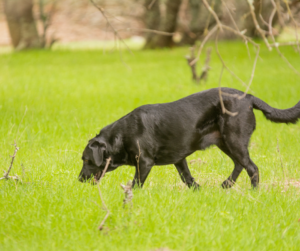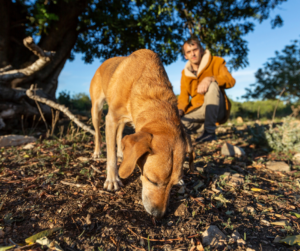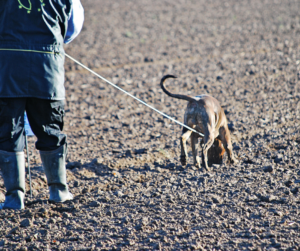
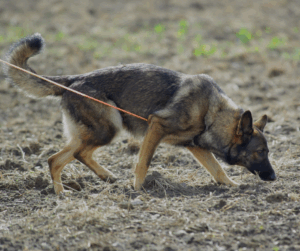
Dog Tracking

Dog tracking is an exciting and rewarding sport that allows dogs to use their natural scenting abilities in a structured and purposeful way. This incredible activity is not just for working dogs—it’s a fun and engaging challenge for dogs of all breeds and skill levels. Whether you’re interested in training your dog for AKC tracking events, developing their scenting skills for practical use, or simply looking for a way to enrich their daily routine, tracking provides mental and physical exercise that strengthens the bond between you and your dog.

For those who are new to the sport, tracking might seem like an advanced skill that requires specialized training, but the reality is that any dog can learn to track with patience and consistency. Many owners are surprised at how quickly their dogs take to tracking when given the opportunity to follow scent trails. This is because dogs naturally rely on their noses to understand the world around them, making tracking one of the most instinct-driven and rewarding activities for them.

akc tracking

Dog Tracking vs. Scent Work: What’s the Difference?

As a dog owner, you may have come across various activities that promise to engage your furry friend, but two of the most intriguing are dog tracking and scent work. While both disciplines involve your dog using their sense of smell, they have different goals, techniques, and training methods. This article aims to explore the key differences between dog tracking and scent work, helping you make an informed choice about which activity might be best for your dog. Whether your canine companion is a seasoned pro or a curious beginner, understanding these concepts will enrich your bond and enhance your training journey. Dog Tracking vs. Scent Work: What’s the Difference? Definition of Dog Tracking Dog tracking, often referred to as tracking dog sport, is a competitive activity where dogs follow a specific scent trail left by a human or a specific object. The objective is for the dog to locate and indicate the presence of a person or item based on the scent they left behind. This activity traces its roots to search and rescue operations, police work, and hunting, where tracking skills are essential. In tracking, dogs typically navigate a predetermined path that may include various terrains and obstacles. The handler guides the dog on this journey, interpreting the dog’s behavior and responses as they search for the target scent. The precision required in tracking makes it a unique sport that showcases a dog’s innate abilities while also emphasizing teamwork between dog and handler. Definition of Scent Work Scent work is a broader category that encompasses various activities designed to engage a dog’s incredible sense of smell. Unlike tracking, which focuses on following a specific scent trail, scent work involves identifying, locating, and signaling the presence of specific scents in various environments. This may include locating hidden items, detecting substances like drugs or explosives, or even participating in competitive scent trials. The purpose of scent work is to utilize a dog’s natural abilities in a fun and challenging way, encouraging them to use their noses to solve problems. This discipline can be practiced in a controlled environment or outdoors, making it highly adaptable to different settings and dog skill levels. Purpose and Objectives The primary purpose of dog tracking is to develop a dog’s ability to follow an established scent trail in a competitive or real-world scenario. The objectives include enhancing the dog’s tracking skills, improving obedience, and fostering teamwork with the handler. Through tracking, dogs learn to focus, respond to cues, and become adept at navigating various terrains while following scents. Scent work, on the other hand, focuses on stimulating a dog’s mind and senses by challenging them to locate specific scents. The objectives include enhancing a dog’s natural olfactory skills, encouraging independent problem solving, and building confidence. Scent work is often viewed as a fun activity that can be enjoyed by dogs of all ages and breeds, providing mental stimulation and physical activity. The Techniques Behind Dog Tracking How Tracking Dog Sport Works Tracking dog sport involves several key techniques to ensure a successful tracking experience. Handlers first must lay a scent trail by walking a specific route, often using a distinct object like a glove or piece of cloth to leave a scent at various points along the way. The trail is then aged for a period to allow the scent to settle, enhancing the challenge for the dog. During the tracking exercise, the handler encourages the dog to use their nose to follow the trail. Handlers provide guidance through verbal commands and body language while allowing the dog to work independently. As dogs gain experience, they learn to recognize scent changes, navigate turns, and indicate the end of the track, often by sitting or staying still at the target location. Key Skills in Tracking Dog Training Training a dog for tracking involves building several key skills. First, dogs must learn to differentiate between various scents and follow a specific one. This requires a solid foundation in obedience training to ensure the dog listens to commands while tracking. Additionally, dogs need to develop their scent discrimination abilities, which can be refined through exercises that involve locating hidden objects or tracking through different environments and terrains. Patience and consistency are crucial, as dogs may require time to hone their skills and become proficient trackers. AKC Tracking and Its Importance The American Kennel Club (AKC) recognizes tracking as an official sport and has established guidelines and titles for tracking competitions. AKC tracking events are designed to showcase a dog’s natural abilities and the training they have received. Participating in these events not only allows handlers and dogs to gauge their skills in a competitive environment but also fosters camaraderie within the dog training community. Moreover, AKC tracking competitions provide structured opportunities for dogs to gain recognition for their skills, motivating handlers to invest time and effort into their training. This recognition can also help enhance the bond and trust developed between the handler and their dog, as they work together toward a common goal. The Techniques Behind Scent Work Understanding Scent Work Training Scent work training incorporates various methods and techniques to engage a dog’s sense of smell. Typically, training begins with introducing dogs to specific scents and encouraging them to locate them in controlled environments. This could involve hiding treats, toys, or other scent items for the dog to find. Handlers utilize positive reinforcement techniques, rewarding dogs for successful scent detection to build confidence and motivation. The training focuses on teaching dogs to indicate the presence of a scent, whether through a trained behavior like sitting or lying down, or simply by staying close to the source. Popular Scent Work Activities There are several popular activities within the realm of scent work that can be enjoyed by dogs and their handlers. These include container searches, where dogs must locate a scent hidden within various containers; interior searches, which involve finding scents in indoor locations; and exterior searches, where dogs work to locate scents in outdoor environments.
Read More »
tracking dog

AKC Tracking: Understanding the Sport and How to Get Started

AKC Tracking is a competitive dog sport that taps into a dog’s natural ability to follow a scent trail. Unlike other dog sports that focus on agility, obedience, or speed, tracking is all about precision and perseverance. It mirrors real-world search and rescue work, giving dogs a structured way to use their extraordinary sense of smell. Whether you’re looking to challenge your dog mentally or work toward earning tracking titles, this sport provides an exciting opportunity to build teamwork, confidence, and skill. Tracking has its roots in search and rescue, where dogs have been relied upon for centuries to locate missing persons, lost pets, and even criminal evidence. In AKC Tracking, these instincts are refined into a sport that allows dogs to demonstrate their ability to follow scent trails laid by humans. The sport is accessible to all breeds and ages, making it a great option for dog owners looking to explore a unique and rewarding activity with their canine companions. What is AKC Tracking? AKC Tracking is a competitive dog sport that showcases a dog’s ability to follow a specific scent trail left by a human. Unlike obedience or agility competitions, where handlers give continuous cues and direction, tracking relies entirely on a dog’s natural scenting ability and problem-solving skills. Dogs work independently, using their powerful noses to follow a scent trail across various terrains, such as grass, dirt, and pavement, to locate an article dropped by the tracklayer. This tracking sport is designed to resemble real-world search and rescue situations, making it one of the most practical and rewarding activities for both dogs and handlers. Tracking is often described as one of the most “dog-driven” sports because it allows canines to take the lead while their handlers follow behind on a long line, trusting their dog’s instincts and abilities. The Importance of Scent Work and Tracking Skills A dog’s sense of smell is estimated to be tens of thousands of times more powerful than a human’s. Their olfactory system is designed to detect even the faintest of scents, making them naturally equipped for tracking tasks. In the wild, canines use their noses for hunting and survival, and in domesticated settings, this ability has been utilized for search and rescue, law enforcement, and even medical detection. AKC Tracking channels these instinctive scenting skills into an organized sport that provides both mental and physical stimulation. It encourages problem-solving, builds confidence, and strengthens the bond between dogs and their handlers. Tracking is also a great sport for dogs of all ages and breeds, making it an inclusive and accessible activity that brings out the best in every canine participant. History of AKC Tracking AKC Tracking has deep roots in the practical application of canine scent work. It was officially recognized as a sport by the American Kennel Club (AKC) in 1974, but its origins trace back much further to the use of dogs for search and rescue, hunting, and law enforcement. Historically, working dogs have been relied upon for their extraordinary scenting abilities. Bloodhounds, one of the most famous tracking breeds, were used in medieval times to follow the scent of lost persons and criminals. Over time, other breeds were trained to use their noses to assist humans in tasks such as finding lost livestock, locating wounded game, and even detecting diseases. By the mid-20th century, organized tracking competitions began gaining popularity in Europe and North America. The AKC recognized the importance of preserving and testing these natural scenting abilities, leading to the development of the AKC Tracking Program. This program was designed to simulate real-life search scenarios, allowing dogs to demonstrate their tracking skills in a controlled environment while earning titles to showcase their abilities. Since its introduction, AKC Tracking has evolved to include different levels of difficulty, ensuring that dogs of various skill levels can participate. Today, the sport continues to grow, with thousands of handlers and their dogs engaging in tracking tests across the country. The discipline remains a testament to the incredible abilities of canines and the strong partnership between dogs and their handlers. Tracking Titles and Tests AKC Tracking titles recognize a dog’s ability to follow scent trails under different conditions. Each title presents increasing challenges, testing a dog’s scent discrimination skills, endurance, and focus. The Tracking Dog (TD) title is the entry-level test, requiring a dog to follow a 440-500-yard track aged 30 minutes to 2 hours in an open field with minimal distractions. Successfully completing this test confirms a dog’s basic tracking ability. The Tracking Dog Urban (TDU) title introduces urban environments, requiring dogs to track over at least two different surfaces, such as grass, pavement, or mulch, with exposure to distractions like human foot traffic and artificial scents. The Tracking Dog Excellent (TDX) title increases difficulty by extending the track length to 800-1,000 yards and aging it 3 to 5 hours. It also includes cross-tracks, requiring dogs to stay focused on the primary scent trail despite intentional distractions. The Variable Surface Tracking (VST) title tests a dog’s ability to track over a mix of natural and artificial surfaces, such as asphalt, gravel, and concrete, with tracks aged 3 to 5 hours. This test mimics real-world search-and-rescue challenges. The Champion Tracker (CT) title is the highest AKC Tracking honor, awarded to dogs that successfully earn their TD, TDX, and VST titles. This title signifies elite tracking ability and advanced scent detection skills. Each title represents a milestone in a dog’s tracking journey, strengthening their teamwork with their handler while enhancing their natural scenting instincts. Tracking is a rewarding sport that allows dogs to use their abilities in a structured, goal-oriented way. Getting Started with AKC Tracking Introducing your dog to AKC Tracking begins with building their natural scenting ability in a structured and rewarding way. The process is accessible to dogs of all breeds and ages, but starting early helps develop strong tracking habits. Step 1: Introduce Scent WorkBegin by allowing your dog to associate a specific scent with a reward. Start with

Read More »
akc tracking

Best Tracking Dog Breeds

Tracking dogs have been our loyal companions for centuries, helping us in various tasks like hunting, search and rescue, and even in law enforcement. Their incredible sense of smell and natural tracking instincts allow them to follow scents over long distances and through tough terrains. These abilities make them invaluable in finding missing people, detecting illegal substances, and even identifying specific scents in medical detection.In this article, we’ll explore some of the best tracking dog breeds, highlighting their unique abilities and what makes them exceptional in the world of tracking. Whether you’re interested in these breeds for their tracking skills or just curious about their capabilities, read on to discover more about these amazing dogs. Understanding Tracking Dogs Tracking dogs possess unique abilities that set them apart from other breeds. Their exceptional sense of smell is one of their most remarkable traits, with some breeds having up to 300 million scent receptors, compared to a human’s mere 5 million. This heightened olfactory sense allows them to detect and differentiate between a vast array of scents, even in challenging conditions. https://youtu.be/5Q7b-0weMzAHistorically, these abilities have been harnessed for hunting, where dogs would track game over long distances. In search and rescue missions, tracking dogs follow the scent of missing individuals, often in difficult terrains or adverse weather conditions. In modern times, their skills are also employed in law enforcement to detect drugs, explosives, and even in medical fields to identify diseases like cancer.These dogs’ natural tracking instincts, combined with their intelligence and trainability, make them invaluable in various fields, showcasing their versatility and importance in both historical and contemporary contexts, including akc dog tracking sport. Best Tracking Dog Breeds Tracking dogs are renowned for their exceptional sense of smell and instinctive ability to follow a trail. Here are some of the best tracking dog breeds known for their tracking abilities:Bloodhound: The Bloodhound is considered the gold standard in tracking dogs due to its exceptional sense of smell. With a tracking ability that can follow a scent trail days old, Bloodhounds are often used in search and rescue operations and law enforcement. Their keen nose and persistent nature make them invaluable in locating missing persons and tracking suspects. Bloodhounds are often regarded as one of the best tracking dog breeds due to their unparalleled scent-tracking abilities and determination. German Shepherd: German Shepherds are highly intelligent and versatile dogs, often employed in police and military roles. Their loyalty, protective instincts, and strong tracking abilities make them excellent for various tasks, including search and rescue, detection work, and tracking. They are known for their ability to learn complex commands and work in challenging environments. As one of the best tracking dog breeds, German Shepherds are often the go-to choice for law enforcement and military operations due to their reliability and effectiveness. Basset Hound: The Basset Hound is renowned for its strong sense of smell and tracking instincts. With a unique appearance characterized by long ears and a droopy face, Basset Hounds are independent and easy-going. They are often used in hunting small game and are known for their ability to track scents over long distances. As one of the best tracking dog breeds, Basset Hounds are valued for their persistence and ability to follow a scent trail with determination. Beagle: Beagles are energetic and determined dogs with a superior sense of smell. They are popular for hunting small game, such as rabbits, and are also favored as family pets due to their friendly and affectionate nature. Beagles are known for their persistence and ability to follow a scent trail with enthusiasm. As one of the best tracking dog breeds, Beagles are often used in various tracking tasks, including hunting and detection work. Redbone Coonhound: The Redbone Coonhound is known for its tracking abilities and love for the outdoors. These dogs are friendly, calm, and make great companions. They excel in tracking and hunting, particularly in wooded areas, and are known for their endurance and determination. As one of the best tracking dog breeds, Redbone Coonhounds are valued for their ability to track game and navigate challenging terrains. Saint Bernard: Famous for their rescue work in snowy conditions, Saint Bernards have a strong instinct for finding people. They are gentle, caring, and have a natural ability to navigate challenging terrains. Their size and strength make them well-suited for rescue operations in mountainous regions. As one of the best tracking dog breeds, Saint Bernards are often used in search and rescue missions due to their ability to locate people in difficult conditions. Labrador Retriever: Labrador Retrievers are popular family dogs with excellent tracking abilities. They are intelligent, eager to please, and versatile, making them suitable for various tasks, including search and rescue, detection work, and hunting. Their friendly demeanor and trainability make them a favorite among dog owners. As one of the best tracking dog breeds, Labrador Retrievers are often used in various tracking tasks due to their reliability and effectiveness. Dachshund: Dachshunds are determined and stubborn dogs, originally bred for hunting. Their unique appearance, with short legs and a long body, allows them to navigate tight spaces while tracking. They are known for their tenacity and ability to follow a scent trail persistently. As one of the best tracking dog breeds, Dachshunds are valued for their ability to track game and navigate challenging terrains. Belgian Shepherd: Similar to the German Shepherd, the Belgian Shepherd is used in police and military roles. They are sensitive, protective, and possess strong tracking abilities. These dogs are known for their intelligence and ability to work in various environments, making them excellent tracking dogs. As one of the best tracking dog breeds, Belgian Shepherds are often used in various tracking tasks due to their reliability and effectiveness. American Foxhound: The American Foxhound is independent and high-energy, with a strong prey drive. They are suitable for open spaces and outdoor activities, excelling in tracking and hunting. Their endurance and ability to follow a scent trail make them valuable in tracking tasks.

Read More »
tracking dog sport

Why Teaching Tracking is a Rewarding Experience

Tracking is an extraordinary skill that dogs possess, allowing them to use their powerful sense of smell in ways far beyond what humans can comprehend. While we rely primarily on sight, dogs experience the world through their noses. Their ability to detect and differentiate scents enables them to track lost people, locate hidden objects, and even identify medical conditions. One of the most fascinating aspects of canine scenting ability is how effortlessly dogs can follow a scent trail, even under challenging conditions. Tracking is not something we have to teach them—it’s an instinctive skill they are born with. However, what we can do is refine their ability, help them understand what we want them to find, and create a structured way for them to showcase their natural abilities. A Dog’s Nose vs. A Human’s Senses: A World of Difference A Simple Experiment to Show the Differences Imagine you are given a set of colored pencils—twenty different shades of red, blue, yellow, and green. You can easily distinguish between them and identify subtle variations in color. This ability is effortless for humans because our brains are wired to process visual information as our dominant sense. Now, imagine you have a group of twenty identical wooden dowels, and one has been rubbed with a specific scent. Could you use your nose to find the correct one? Even if someone offered you a large sum of money, the challenge would be impossible for a human. For dogs, the reverse is true. While they struggle to distinguish color variations, their ability to detect, differentiate, and follow scents is virtually limitless. They can separate layers of scent information, even when those scents have been altered by weather conditions, time, or interference from other odors. This comparison highlights why teaching a dog to track is not about showing them how to use their nose—it’s about helping them understand what we want them to find and making the experience rewarding. How a Dog Tracks Scents with Precision Dogs don’t just detect scent—they analyze it, follow it, and interpret layers of information that we cannot comprehend. How Dogs Follow a Scent Trail A person walking across a field leaves behind a scent trail made up of: Skin cells and body oils that naturally shed as they move Sweat and body odors absorbed into the environment Disturbed ground and vegetation, releasing subtle chemical changes Footwear materials, leaving unique scent markers A trained tracking dog can follow this scent trail hours after it was made, even if it has been affected by wind, rain, or other human and animal interference. Understanding the Complexity of Scent Layers A dog does not just detect a single scent but rather a mixture of different components. Even if other scents overlap or environmental conditions make the trail less clear, dogs instinctively know how to differentiate and follow the correct path. Fresh vs. Aged Scents: Dogs can recognize how fresh a trail is and determine the correct direction of movement. Crossing Paths: If multiple scent trails exist, dogs can separate them and stick to the correct one. Environmental Impact: Rain, wind, and even humidity affect how scent molecules travel, but experienced tracking dogs learn to adapt. This natural skill allows dogs to track lost people, find hidden objects, and assist in law enforcement, search and rescue, and even medical detection. Dogs Don’t Need to Be Taught to Do Tracking — They Just Need Motivation The Story of an Accidental Tracking Dog One of the best examples of natural tracking ability comes from an untrained dog who accidentally demonstrated advanced tracking skills. A handler had carefully laid out a tracking course for a Schutzhund 1 test, carefully placing food rewards at key points for training. Before they could return with their trained dog, a random mixed-breed neighborhood dog wandered onto the field. Without any training, the dog picked up the scent trail, followed it perfectly, and ate all the bait along the way. Even more impressively, he successfully navigated every turn in the track without guidance. This proves that dogs instinctively know how to track. Unlike obedience commands that need to be actively taught, tracking is an ability they are born with. Our job as trainers is to channel that natural skill toward specific goals and make it enjoyable for the dog. Making Tracking Enjoyable: Understanding Motivation Dogs track for different reasons depending on the situation. A dog searching for a lost child is motivated by instinct and training, while a competition dog is motivated by reward-based reinforcement. The key to successful tracking training is: Finding what excites your dog—whether it’s treats, toys, or praise. Reinforcing positive tracking behaviors through rewards. Encouraging natural curiosity and problem-solving rather than forcing a rigid approach. By turning tracking into a partnership rather than a command-driven exercise, we build enthusiasm, trust, and a strong working relationship with our dogs. How Handlers Can Learn from Their Dogs Tracking is a two-way learning experience. While handlers teach structure, dogs teach us about scenting behaviors. Observing Your Dog’s Tracking Cues A successful tracking team relies on the handler’s ability to read their dog’s signals. Some common tracking behaviors include: Head Low, Moving Steadily: The dog is locked onto the trail and following it accurately. Circling or Pausing: The scent has changed, and the dog is working to reorient itself. Sudden Direction Change: The dog has picked up a stronger scent cue, possibly at a turn in the track. Instead of correcting or interfering when a dog makes a decision, handlers should trust their dog’s instincts and observe how they solve scenting challenges. Becoming a Team, Not a Dictator Tracking should not be treated as a rigid exercise where the handler is in full control. Instead, it should be a collaborative experience. The best handlers allow their dogs to take the lead, stepping in only when necessary to guide them toward the correct goal. By embracing this approach, handlers develop a deep appreciation for a dog’s incredible scenting ability. The Magic of Tracking

Read More »
dog tracking

Tracking Dog Sport: How Dogs Use Their Nose to Follow a Trail

Tracking is one of the most natural and rewarding activities for dogs but unlike other canine sports that rely on speed, agility, or obedience, tracking dog sport allows dogs to tap into their strongest and most instinctive skill—their sense of smell. Whether for search and rescue, competition, or recreational fun, tracking engages a dog’s mind and body in a way that few other sports can. The tracking dog sport has gained popularity over the years, with organizations like the American Kennel Club (AKC)and other international canine groups hosting tracking competitions where dogs can earn titles and demonstrate their scenting abilities. In these events, dogs follow a human-laid scent trail, working through various environmental challenges to find hidden items or complete a designated course. How Dogs Use Their Noses to Track a Trail Dogs have an extraordinary sense of smell, far superior to that of humans. While we rely on our vision as our dominant sense, dogs experience the world primarily through scent. The Science Behind a Dog’s Nose A dog’s nose contains over 300 million scent receptors, compared to a human’s mere 5-6 million. Additionally, the olfactory bulb—the part of the brain that processes smells—is proportionally 40 times larger in dogs than in humans. When a dog sniffs, air is separated into two different pathways: one for breathing and one for analyzing scents. This allows them to process smells even while exhaling, a skill that humans lack. How Dogs Follow a Scent Trail When a person or animal moves through an area, they leave behind a scent trail consisting of: Skin cells and body oils Sweat and natural odors Crushed vegetation releasing chemicals Disturbed soil particles A tracking dog detects these scent clues and follows the trail, adjusting for environmental changes like wind direction, terrain, and time elapsed. The Benefits of Tracking for Dogs and Handlers Tracking is not just a fun activity—it provides real mental and physical benefits for both dogs and their handlers. 1. Mental Stimulation Tracking engages a dog’s brain in a way that few other activities can. Following a scent trail requires focus, problem-solving, and persistence, all of which help prevent boredom and destructive behaviors. 2. Physical Exercise Unlike high-speed sports like agility, tracking is a more controlled form of exercise, making it ideal for dogs of all ages. Even older dogs or those with joint issues can enjoy tracking, as it encourages endurance rather than speed. 3. Strengthening the Human-Dog Bond Tracking is a team effort. The handler learns to read their dog’s body language, while the dog learns to trust their handler’s guidance. This builds communication, confidence, and mutual respect between dog and owner. 4. Suitable for All Breeds and Ages While certain breeds excel at tracking (Bloodhounds, German Shepherds, and Labradors), any dog can learn to track. Puppies, seniors, mixed breeds—all can participate with the right training. 5. Prepares Dogs for Real-World Work Many dogs that start tracking recreationally progress into real-world applications, such as: Search and rescue (SAR) Police and military tracking Wildlife conservation efforts Types of Tracking Dog Sport and Competitions Tracking comes in many forms, from structured competitions to real-world applications. Whether you’re interested in AKC titles, search and rescue, or urban tracking, there’s a tracking sport suited for every dog and handler. 1. AKC Tracking Events The American Kennel Club (AKC) offers AKC tracking titles for dogs that successfully complete scent trails laid by human tracklayers. The levels include: Tracking Dog (TD) – A beginner-level test with a 400-500 yard track. Tracking Dog Excellent (TDX) – More advanced, featuring longer tracks and obstacles. Variable Surface Tracking (VST) – Tests a dog’s ability to track over pavement, grass, and other surfaces. Champion Tracker (CT) – The highest AKC tracking title, requiring a dog to pass all three levels. 2. Search and Rescue (SAR) Tracking SAR tracking is real-world tracking, where dogs are trained to locate missing persons using air-scenting or ground tracking techniques. 3. Mantrailing Mantrailing focuses on tracking a specific individual rather than a general scent. This is commonly used in law enforcement. 4. Urban Tracking Urban tracking challenges dogs to follow scents through city environments, navigating obstacles like sidewalks, buildings, and traffic. How to Train Your Dog for Tracking Dog Sport Step 1: Start with Basic Scent Work Begin by introducing your dog to scent recognition with simple exercises: Have them sniff a scent article (glove or sock) Hide the article in the grass and encourage them to find it Reward with treats and praise when they locate the scent Step 2: Lay Short Scent Trails Drag a scent article along the ground to create a short trail (20-30 feet) Guide your dog to follow the trail, rewarding them at the end Step 3: Increase Distance and Complexity Lengthen the trail over time Introduce turns and obstacles (tall grass, dirt, pavement) Have a helper lay the track instead of the handler Step 4: Transition to a Tracking Harness and Line A tracking harness provides comfort and control, while a long tracking line (30 feet) allows the dog to work freely without interference. Step 5: Practice in Different Environments Vary training conditions to prepare your dog for different terrains and distractions. Essential Tracking Gear Tracking Dog Harness – Allows for free movement without restricting the dog’s breathing. Long Tracking Leash (15-30 feet) – Provides distance while keeping control. Scent Articles – Items with human scent (gloves, socks, cloths). Tracking Flags or Markers – Used to mark the start of a trail. Treats or Rewards – Reinforces positive behavior. Why Tracking Dog Sport is One of the Most Rewarding Activities for You and Your Dog Tracking dog sport is one of the most instinctive and fulfilling activities you can explore with your canine companion. Unlike many other dog sports that require intensive training or high-impact movements, tracking allows dogs to use their natural abilities in a structured and rewarding way. Whether you’re engaging in tracking for fun, working toward AKC tracking titles, or pursuing professional applications like search and

Read More »
What is Dog Tracking?

What is Dog Tracking?

Dog tracking is one of the most fascinating and rewarding canine activities, tapping into a dog’s natural ability to follow scents and locate specific targets. Whether for competition, search and rescue, or recreational fun, tracking allows dogs to use their extraordinary sense of smell in a structured and purposeful way. For beginners, tracking training for dogs might seem overwhelming at first, but the fundamentals are easy to grasp. With patience and consistency, any dog—regardless of breed or background—can develop tracking skills. In this guide, we’ll explore what dog tracking is, how it works, the benefits of tracking training, the different types of tracking, how to get started, essential gear, and the various competitions available. By the end, you’ll have a solid understanding of how to introduce your dog to tracking and how to progress in this exciting canine sport. What is Dog Tracking Exactly? Dog tracking is a sport and working discipline that trains dogs to follow a scent trail left by a human, an animal, or an object. Unlike other scent-related activities such as scent work or detection dog training, tracking focuses on teaching a dog to systematically follow a specific path using their nose. Why Teach Your Dog Tracking? Tracking isn’t just for working dogs—it’s a fantastic activity for pet dogs as well! There are many benefits to engaging in tracking training, both for the dog and the handler. 1. Mental Stimulation Tracking challenges a dog’s mind, requiring them to focus on problem-solving while following a scent. This can help reduce boredom, which in turn prevents destructive behaviors at home. 2. Physical Exercise Even though tracking isn’t as fast-paced as agility, it still requires endurance. Dogs must work through long trails, sometimes over rough terrain, making it a great workout. 3. Strengthening the Bond Between Dog and Handler Tracking training relies on teamwork and trust. The handler must learn to read the dog’s cues while allowing them to take the lead. This helps build a strong relationship based on communication and cooperation. 4. Suitable for Dogs of All Breeds and Ages Unlike high-impact sports, tracking is low-impact and suitable for all dogs. Whether you have a young puppy or a senior dog, tracking is a skill that can be developed at any stage of life. Types of Dog Tracking There are several forms of tracking, each with its own specific techniques and applications. 1. AKC Tracking (Competitive Sport Tracking) The American Kennel Club (AKC) offers tracking events where dogs follow a human scent over various distances. AKC tracking events are divided into different levels: Tracking Dog (TD): A beginner-level test with a basic trail. Tracking Dog Excellent (TDX): More challenging, with longer tracks and obstacles. Variable Surface Tracking (VST): Advanced tracking through urban environments. Champion Tracker (CT): A title earned by completing all three levels. 2. Search and Rescue (SAR) Tracking SAR tracking dogs are trained to locate missing persons in urban, rural, and disaster-stricken areas. These dogs use air-scenting (detecting scent in the wind) rather than following a direct path. 3. Trailing (Mantrailing) Trailing dogs follow a specific person’s scent, rather than sticking strictly to a path. This method is often used in police work and SAR operations. 4. Hunting and Wildlife Tracking Certain breeds, like Bloodhounds and German Shorthaired Pointers, excel at game tracking, which helps hunters locate wounded or lost animals. 5. Recreational Tracking for Fun Some owners enjoy casual tracking games with their dogs at home or in parks. This might include finding hidden objects or following trails laid by family members. Getting Started with Dog Tracking Step 1: Choosing the Right Dog Although some breeds are naturally skilled at tracking, any dog can learn with proper training. Breeds commonly used for tracking include: Bloodhounds – Considered the best tracking breed due to their highly developed olfactory senses. German Shepherds – Frequently used in law enforcement tracking. Labrador Retrievers – Versatile tracking dogs with strong scent detection. Coonhounds – Excellent for hunting and trailing. Belgian Malinois – Commonly used in military and police tracking. Even if your dog isn’t one of these breeds, they can still excel at tracking with training and motivation. Step 2: Essential Tracking Gear Before beginning tracking training, you’ll need the right equipment: Dog Tracking Harness – A comfortable harness that allows full movement while giving handlers control. Long Line (15-30 feet) – Gives the dog room to track while allowing you to guide them. Tracking Flags or Markers – Used to mark the start of a trail. Scent Articles – Items like gloves or cloths that hold human scent.   Step 3: Training Your Dog to Track 1. Introduction to Scent Start by letting your dog sniff a scent article, such as a glove or sock, before placing it on the ground. 2. Teaching the First Track Drag the scent article along the ground in a straight line. Place a treat or reward at the end of the track. Encourage your dog to sniff and find the article. 3. Increasing Distance and Complexity Once your dog understands the game, increase the length of the track and add turns and obstacles to improve their tracking ability. Competing in AKC Tracking Events For those who want to take tracking beyond training sessions and casual practice, AKC tracking competitions offer an exciting and rewarding challenge. These events allow dogs to demonstrate their scent-trailing abilities in real-world conditions, testing their skills in following a trail, identifying scent articles, and working through various environmental distractions. AKC tracking events are designed to simulate real-life search scenarios, where dogs must rely solely on their noses to locate a specific tracklayer’s path. Unlike many other dog sports, tracking is a pass-or-fail event, meaning dogs compete against a predetermined set of criteria rather than against each other. This ensures that all successful dogs are awarded titles based on merit, making tracking a unique and highly respected AKC competition. Dog tracking is an incredible sport that taps into a dog’s natural abilities while strengthening the bond between dog

Read More »

Why Tracking is a Great Sport for All Dogs

One of the best things about tracking is that any dog can participate, regardless of age, size, or breed. Unlike high-impact dog sports like agility, tracking is low-impact and suitable for all dogs, including puppies, seniors, and those with mobility limitations. The sport provides an excellent mental workout, which is just as important as physical exercise for keeping dogs happy and well-balanced.

Additionally, tracking doesn’t require any fancy equipment or specialized facilities—all you need is an open space, a harness, and a long leash to get started. This makes tracking an accessible and budget-friendly activity for anyone looking to engage their dog in an exciting and enriching training experience.