As a dog owner, you may have come across various activities that promise to engage your furry friend, but two of the most intriguing are dog tracking and scent work. While both disciplines involve your dog using their sense of smell, they have different goals, techniques, and training methods. This article aims to explore the key differences between dog tracking and scent work, helping you make an informed choice about which activity might be best for your dog. Whether your canine companion is a seasoned pro or a curious beginner, understanding these concepts will enrich your bond and enhance your training journey.
Dog Tracking vs. Scent Work: What’s the Difference?
Definition of Dog Tracking
Dog tracking, often referred to as tracking dog sport, is a competitive activity where dogs follow a specific scent trail left by a human or a specific object. The objective is for the dog to locate and indicate the presence of a person or item based on the scent they left behind. This activity traces its roots to search and rescue operations, police work, and hunting, where tracking skills are essential.
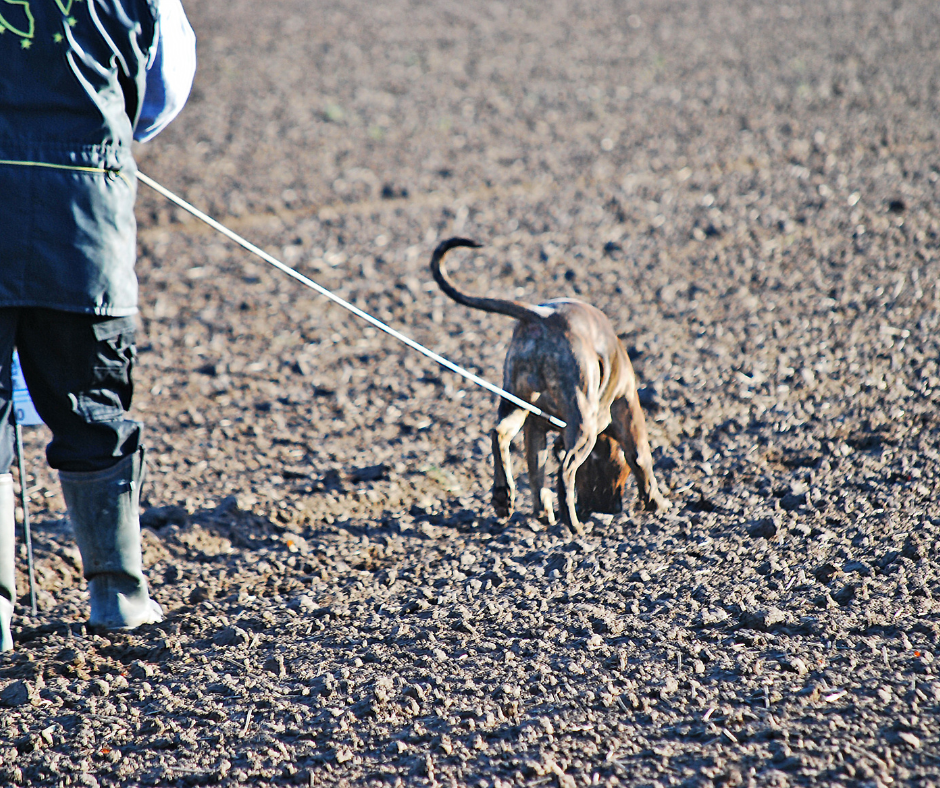
In tracking, dogs typically navigate a predetermined path that may include various terrains and obstacles. The handler guides the dog on this journey, interpreting the dog’s behavior and responses as they search for the target scent. The precision required in tracking makes it a unique sport that showcases a dog’s innate abilities while also emphasizing teamwork between dog and handler.
Definition of Scent Work
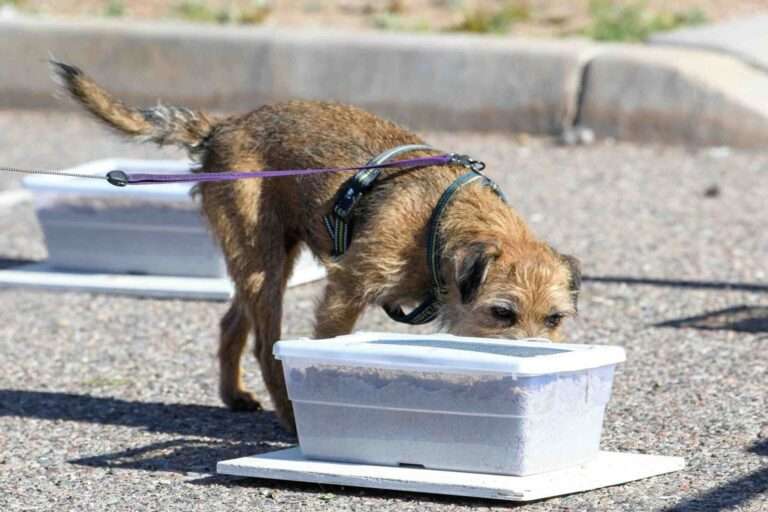
Scent work is a broader category that encompasses various activities designed to engage a dog’s incredible sense of smell. Unlike tracking, which focuses on following a specific scent trail, scent work involves identifying, locating, and signaling the presence of specific scents in various environments. This may include locating hidden items, detecting substances like drugs or explosives, or even participating in competitive scent trials.
The purpose of scent work is to utilize a dog’s natural abilities in a fun and challenging way, encouraging them to use their noses to solve problems. This discipline can be practiced in a controlled environment or outdoors, making it highly adaptable to different settings and dog skill levels.
Purpose and Objectives
The primary purpose of dog tracking is to develop a dog’s ability to follow an established scent trail in a competitive or real-world scenario. The objectives include enhancing the dog’s tracking skills, improving obedience, and fostering teamwork with the handler. Through tracking, dogs learn to focus, respond to cues, and become adept at navigating various terrains while following scents.
Scent work, on the other hand, focuses on stimulating a dog’s mind and senses by challenging them to locate specific scents. The objectives include enhancing a dog’s natural olfactory skills, encouraging independent problem solving, and building confidence. Scent work is often viewed as a fun activity that can be enjoyed by dogs of all ages and breeds, providing mental stimulation and physical activity.
The Techniques Behind Dog Tracking
How Tracking Dog Sport Works
Tracking dog sport involves several key techniques to ensure a successful tracking experience. Handlers first must lay a scent trail by walking a specific route, often using a distinct object like a glove or piece of cloth to leave a scent at various points along the way. The trail is then aged for a period to allow the scent to settle, enhancing the challenge for the dog.
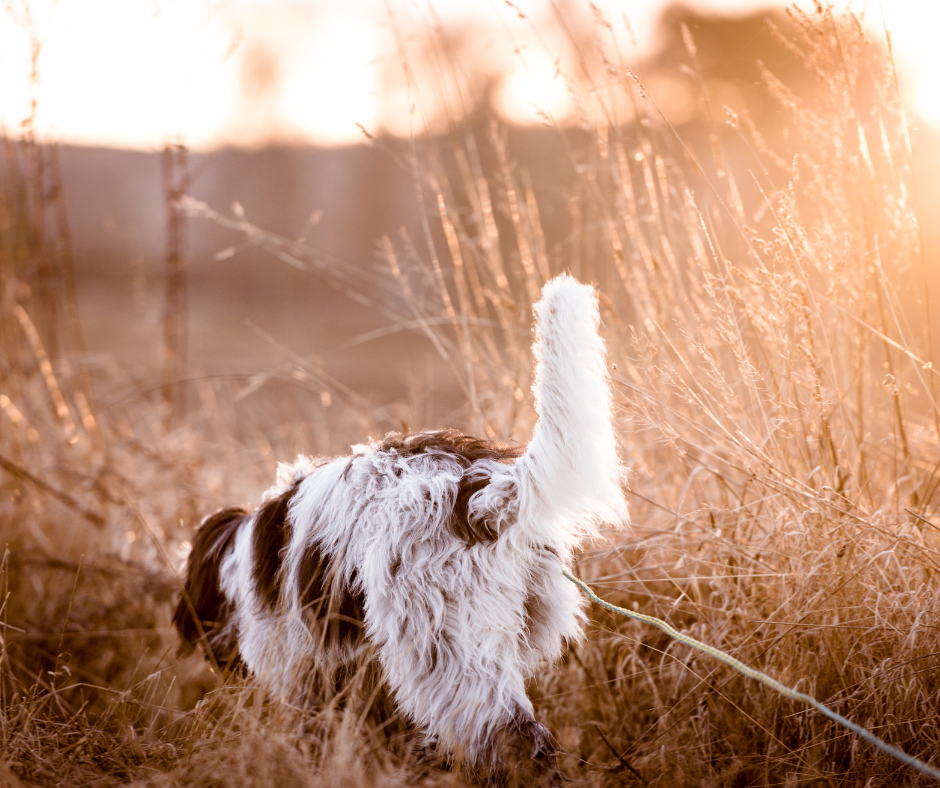
During the tracking exercise, the handler encourages the dog to use their nose to follow the trail. Handlers provide guidance through verbal commands and body language while allowing the dog to work independently. As dogs gain experience, they learn to recognize scent changes, navigate turns, and indicate the end of the track, often by sitting or staying still at the target location.
Key Skills in Tracking Dog Training
Training a dog for tracking involves building several key skills. First, dogs must learn to differentiate between various scents and follow a specific one. This requires a solid foundation in obedience training to ensure the dog listens to commands while tracking.
Additionally, dogs need to develop their scent discrimination abilities, which can be refined through exercises that involve locating hidden objects or tracking through different environments and terrains. Patience and consistency are crucial, as dogs may require time to hone their skills and become proficient trackers.
AKC Tracking and Its Importance
The American Kennel Club (AKC) recognizes tracking as an official sport and has established guidelines and titles for tracking competitions. AKC tracking events are designed to showcase a dog’s natural abilities and the training they have received. Participating in these events not only allows handlers and dogs to gauge their skills in a competitive environment but also fosters camaraderie within the dog training community.
Moreover, AKC tracking competitions provide structured opportunities for dogs to gain recognition for their skills, motivating handlers to invest time and effort into their training. This recognition can also help enhance the bond and trust developed between the handler and their dog, as they work together toward a common goal.
The Techniques Behind Scent Work
Understanding Scent Work Training
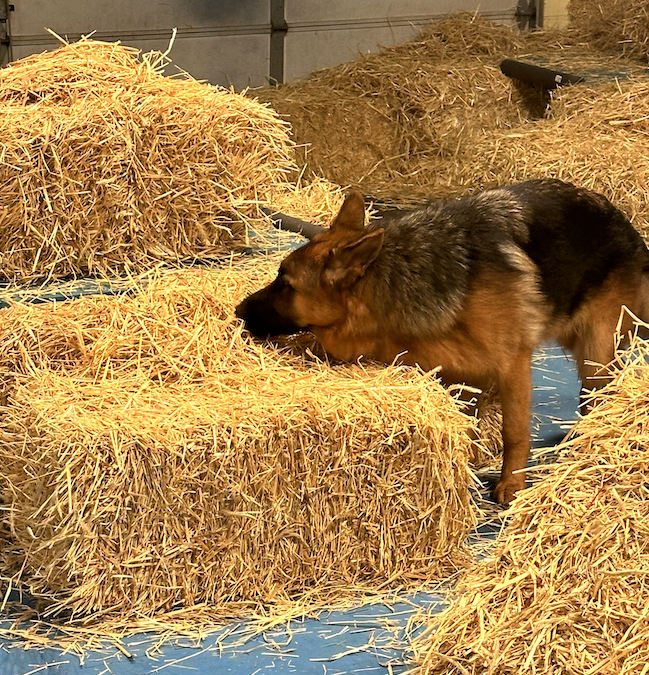
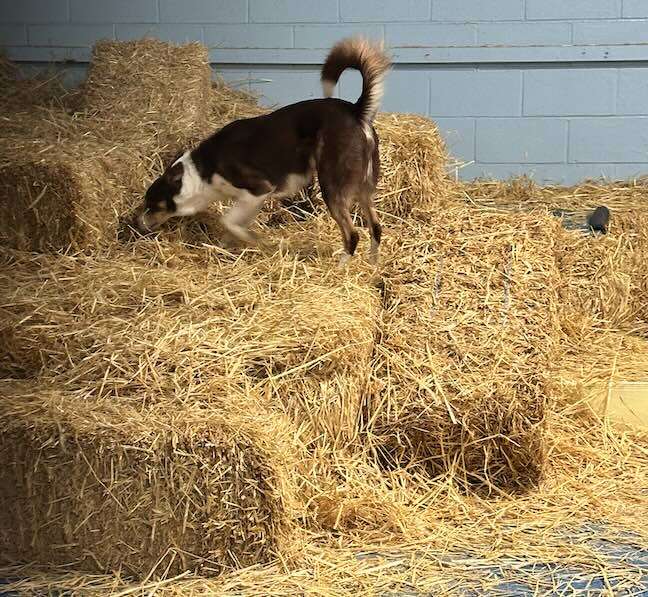
Scent work training incorporates various methods and techniques to engage a dog’s sense of smell. Typically, training begins with introducing dogs to specific scents and encouraging them to locate them in controlled environments. This could involve hiding treats, toys, or other scent items for the dog to find.
Handlers utilize positive reinforcement techniques, rewarding dogs for successful scent detection to build confidence and motivation. The training focuses on teaching dogs to indicate the presence of a scent, whether through a trained behavior like sitting or lying down, or simply by staying close to the source.
Popular Scent Work Activities
There are several popular activities within the realm of scent work that can be enjoyed by dogs and their handlers. These include container searches, where dogs must locate a scent hidden within various containers; interior searches, which involve finding scents in indoor locations; and exterior searches, where dogs work to locate scents in outdoor environments. Each variation provides unique challenges and opportunities for dogs to engage their sense of smell.
Another fun aspect of scent work is the possibility of participating in scent trials, where dogs are tested on their ability to find and indicate specific scents under timed conditions. These trials can be competitive, encouraging handlers to refine their skills and techniques as they work with their dogs to master the challenges presented.
Skills Developed Through Scent Work
Scent work offers dogs numerous benefits, including enhanced olfactory skills, problem-solving abilities, and increased confidence. As dogs engage in scent work, they learn to focus on their tasks, filtering out distractions and honing their attention to detail.
Moreover, scent work provides mental stimulation that complements physical exercise, making it an excellent outlet for high-energy dogs. The joy of successfully locating a scent or object fosters a sense of accomplishment in both the dog and the handler, strengthening their bond and enhancing their overall training experience.
Comparing Training Methods
Training Approaches for Dog Tracking
Training for dog tracking often involves a structured approach that includes laying tracks, setting the scent, and practicing commands. Handlers must create a tracking routine that allows their dogs to understand the task at hand while gradually increasing the difficulty of the trails. Consistency in training sessions is vital, as dogs benefit from repetition, especially during the initial stages of learning.
Handlers often utilize various tools, such as dog tracking harnesses and leashes, to support their dog’s tracking efforts. Additionally, incorporating distractions and environmental challenges during training helps dogs become adaptive trackers, better prepared for the demands of competitions or real-life tracking scenarios.
Training Approaches for Scent Work
Scent work training often emphasizes exploration and discovery, allowing dogs to learn through play and positive reinforcement. Handlers can use a variety of scents and training aids to keep their dog engaged and motivated. The flexibility of scent work training allows handlers to incorporate games, puzzles, and challenges, which can enhance a dog’s learning experience.
Unlike tracking, where the handler plays a more prominent role in guiding the dog, scent work encourages dogs to take the lead in scent detection. This independence fosters confidence and increases the dog’s willingness to search for and locate scents, making it a rewarding experience for both the dog and the handler.
Benefits of Each Activity
Physical and Mental Exercise
Both dog tracking and scent work provide excellent physical and mental exercise for dogs. Engaging in these activities requires dogs to utilize their bodies while also challenging their cognitive abilities. Dog tracking involves navigating diverse terrains, which helps improve a dog’s physical condition and coordination.
Similarly, scent work stimulates a dog’s mind, keeping them sharp and focused as they search for specific scents. This combination of physical and mental engagement is essential for maintaining a dog’s overall well-being, reducing the risk of behavioral issues that can arise from boredom or lack of stimulation.
Bonding with Your Dog
Participating in dog tracking or scent work activities creates a unique opportunity for handlers to bond with their dogs. Through shared experiences and challenges, handlers develop a deeper understanding of their dog’s capabilities and personality. This connection enhances trust and communication, which are vital for successful training.
Moreover, both activities involve teamwork, encouraging handlers and dogs to rely on each other to succeed. This cooperative aspect helps reinforce the handler-dog relationship, fostering a sense of accomplishment as they work together toward their common goals.
Choosing the Right Activity for Your Dog
Assessing Your Dog’s Interest and Skills
When considering whether to pursue dog tracking or scent work, it’s important to assess your dog’s individual interests and skills. Some dogs may naturally gravitate toward following scent trails, while others might prefer the challenge of locating hidden scents. Understanding your dog’s unique personality and preferences will help you choose the most suitable activity.
Additionally, evaluating your dog’s physical capabilities and energy levels is crucial. High-energy breeds may thrive in dog tracking, while more laid-back dogs might enjoy the slower-paced exploration of scent work. Observing your dog during various activities can give you insights into which discipline might be more enjoyable for them.
Finding the Right Classes or Resources
Once you’ve determined which activity aligns best with your dog’s interests, consider seeking out local classes or resources. Many communities offer dog tracking or scent work training programs, allowing you to learn alongside your dog and receive guidance from experienced trainers.
Online resources, such as videos and tutorials, can also be valuable in supplementing your training. Engaging in a supportive community, whether in-person or online, can enhance your learning experience and connect you with other dog owners who share your interests.
In summary, both dog tracking and scent work offer unique opportunities for dogs to engage their natural abilities and build strong bonds with their handlers. Understanding the key differences between these activities allows dog owners to make informed decisions about which discipline may be best suited for their furry companions.
By considering your dog’s interests, skills, and energy levels, you can find an activity that not only provides mental and physical stimulation but also enriches your relationship with your canine friend. No matter which path you choose, the journey of training and engaging in either dog tracking or scent work is sure to be a rewarding experience for both you and your dog.
FAQs
What breeds are best suited for dog tracking?
While many breeds can excel in dog tracking, those with strong scenting abilities, such as Bloodhounds, German Shepherds, and Labrador Retrievers, are often preferred and known for being best tracking dogs. However, the most important factor is a dog’s enthusiasm for following scents, regardless of their breed.
Can any dog participate in scent work?
Yes! Scent work can be enjoyed by dogs of all breeds, ages, and skill levels. The activity can be tailored to meet your dog’s individual needs, making it accessible for everyone.
How long does it take to train a dog for tracking or scent work?
The time it takes to train a dog for tracking or scent work varies based on the dog’s age, experience, and the training methods used. Generally, with consistent practice, dogs can begin to show proficiency within a few weeks to months.
Is dog tracking or scent work more physically demanding?
Dog tracking tends to be more physically demanding due to the need to navigate different terrains and maintain focus over longer distances. Scent work, while still engaging, often involves shorter search distances and less physical exertion.
Can I do both tracking and scent work with my dog?
Absolutely! Many dog owners enjoy introducing their dogs to both activities, as they offer different challenges and benefits. Engaging in both can provide a well-rounded dog training experience for your dog.