Fast CAT

Fast CAT (Coursing Ability Test) is a thrilling and straightforward dog sport designed to test a dog’s speed and agility. In this event, dogs run a 100-yard dash, chasing a lure in a straight line while being timed. The goal is to see how fast the dog can cover the distance, with speeds converted into points for competition rankings. Fast CAT is suitable for dogs of all breeds and sizes, providing an exciting way to channel their natural chasing instincts and energy. This sport promotes physical fitness, enhances the dog’s speed and focus, and offers a fun, competitive activity that strengthens the bond between dogs and their handlers.

fast cat calculator
Fast CAT

Fast CAT Points Calculator

Fast CAT Calculator If you’re participating in Fast CAT, you’ll want a quick and accurate way to calculate your dog’s speed and title points. That’s exactly what the Fast CAT calculator is for. This simple tool makes it easy for dog owners to convert run times into miles per hour and figure out how many points their dog earned in a single run. Fast CAT Speed & Points Calculator Fast CAT Speed & Points Calculator Run Time (seconds): Dog’s Height Category: 18 inches or taller12 to 18 inchesUnder 12 inches Calculate Speed: – mph Points: – What is Fast CAT? Fast CAT (Fast Coursing Ability Test) is a timed 100-yard run where dogs race individually, chasing a moving lure. Unlike traditional dog races, Fast CAT is focused on measuring a dog’s natural sprinting ability rather than direct competition. Since any breed or mixed breed can participate, it’s an inclusive event that allows all dogs to showcase their speed and enthusiasm. The 100-Yard Dash Format Course Setup: A straight 100-yard track designed for speed and safety. Timing System: Electronic timers capture the dog’s performance down to fractions of a second. Lure Mechanism: A mechanical lure entices the dog to chase it down the track. Handler Involvement: One person releases the dog at the start, while another encourages them at the finish line. Fast CAT is not only an exciting event but also a great way to assess a dog’s athletic ability in a structured environment. Fast Cat Points Calculation Process Understanding how Fast CAT points are calculated is essential for competitors tracking their progress toward titles. Step 1: Calculating Speed (MPH) The speed of a dog in Fast CAT is determined using the following formula: For example: If a dog completes the race in 10.00 seconds, the calculation is: 204.545 ÷ 10 = 20.45 MPH. If a dog finishes in 8.00 seconds, the speed is: 204.545 ÷ 8 = 25.57 MPH. Step 2: Applying the Handicap System To ensure fair competition across different dog sizes, AKC assigns handicap multipliers based on height at the withers: 18 inches and above: Handicap = 1.0 12 inches to under 18 inches: Handicap = 1.5 Under 12 inches: Handicap = 2.0 The handicap system ensures fair competition by adjusting point calculations based on a dog’s size. Smaller dogs naturally have shorter strides and may not reach the same top speeds as larger breeds. To account for this, AKC applies a multiplier that increases the points awarded to dogs under 18 inches. This system allows all dogs, regardless of size, to compete for Fast CAT titles on a more level playing field. Step 3: Calculating Points To determine how many points a dog earns in a Fast CAT run, the speed (MPH) is multiplied by the dog’s handicap. Example: A large dog (over 18″) running at 22.5 MPH earns: 22.5 x 1.0 = 22.5 points. A medium-sized dog (15″ tall) running at 22.5 MPH earns: 22.5 x 1.5 = 33.75 points. A small dog (10″ tall) running at 22.5 MPH earns: 22.5 x 2.0 = 45 points. The Fast CAT Calculator automates this process, making it simple to track points and progress. Using the Fast CAT Calculator The Fast CAT Points Calculator simplifies the scoring process for competitors. Here’s how to use it effectively. Step-by-Step Guide Enter Your Dog’s Time: Input the official time from the event results. Select Dog’s Height: Choose the appropriate category (over 18″, 12–18″, under 12″). Compute Points: The calculator will apply the handicap and display the final score. Track Progress: Add the latest points to your dog’s total to monitor progress toward titles. The Fast CAT Calculator ensures accurate and quick calculations, making it easier to track title eligibility. Earning Fast CAT Titles Fast CAT titles are earned based on the total points your dog accumulates over multiple runs. Points are calculated by determining your dog’s speed (MPH) using the formula 204.545 ÷ run time (seconds) and then applying a handicap based on their height. The AKC awards titles starting with BCAT (150 points), followed by DCAT (500 points), FCAT (1,000 points), and higher levels (FCAT2, FCAT3, etc.) every additional 500 points. Use the Fast CAT Calculator to track your dog’s progress and celebrate each milestone on their journey to becoming a champion! Fast CAT is a high-energy sport that lets dogs tap into their natural instinct to chase, while giving owners a front-row seat to just how fast their dogs really are. As your dog races down a 100-yard stretch in pursuit of a lure, the excitement is undeniable. But after the run, many handlers find themselves wondering: “How fast was that?” or “How many points did we just earn?” That’s where the Fast CAT calculator quietly becomes one of the most helpful tools in the sport. Instead of pulling out a pen and trying to remember formulas, the calculator does the work for you. Just type in your dog’s run time and height category, and you’ll instantly see their speed in miles per hour and how many points they earned. It’s quick, accurate, and honestly—pretty satisfying to watch the results pop up. Using the calculator can also make the sport feel more rewarding. It helps you: Keep a clear record of progress Understand how each run moves your dog closer to titles like BCAT, DCAT, and FCAT Spot patterns in performance over time You don’t need a calculator to enjoy Fast CAT, but once you try it, it’s hard to imagine tracking runs without it. It turns all that post-run excitement into something tangible—something you and your dog can work toward together. So if you’ve been scribbling numbers on score sheets or trying to remember the mph-to-points conversion, give the Fast CAT calculator a try. It’s a small tool that makes a big difference over time.
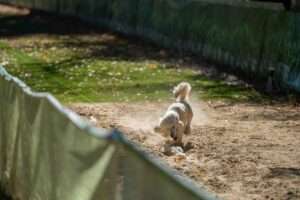
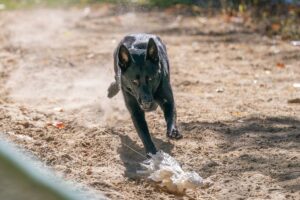
AKC Fast CAT Top 20
Fast CAT

Fast CAT vs. Lure Coursing: What’s the Difference?

When it comes to high-speed dog sports, Fast CAT and Lure Coursing are two of the most thrilling activities for dogs that love to run. Both sports tap into a dog’s natural chase instinct, providing a fun and exciting outlet for their energy. However, despite their similarities, they have key differences in format, purpose, and eligibility that make each sport unique. Fast CAT is a straight-line 100-yard dash where dogs run one at a time, chasing a lure to achieve their top speed. This sport is all about speed and individual performance, making it an excellent choice for any breed that enjoys running. Lure Coursing, on the other hand, is designed to mimic the experience of hunting prey. This event features a lure that moves in a zigzag pattern across an open field, requiring dogs to navigate turns while maintaining speed and focus. Traditionally, Lure Coursing has been exclusive to sighthounds, but variations now allow other breeds to participate in modified versions. Whether you’re considering Fast CAT or Lure Coursing for your dog, understanding the differences between the two can help you choose the best fit. In this article, we’ll break down how each sport works, what dogs are eligible, the training involved, and why both sports have gained a loyal following among dog enthusiasts. What Is Fast CAT? Fast CAT (Coursing Ability Test) is a straight-line, timed 100-yard dash where dogs chase a mechanized lure. This sport is all about speed—dogs run one at a time in a controlled, fenced course while their time is recorded to determine their miles per hour (MPH) and ranking. Key Features of Fast CAT: ✅ Straight-line sprint: Dogs run 100 yards in a straight course✅ Timed event: Speed is measured in MPH✅ For all breeds: Open to all breeds and mixed breeds registered with the AKC✅ Earn titles: Dogs can earn BCAT, DCAT, and FCAT titles based on accumulated points✅ Solo runs: Dogs run individually with no distractions✅ Encouragement allowed: Handlers can cheer their dogs on from the finish line Fast CAT is a fantastic sport for any dog with a strong prey drive, as well as dogs that love to run. Since the course is fenced, safety is a priority, making it an accessible option for a wide range of breeds and skill levels. What Is Lure Coursing? Lure coursing is a sport designed for sighthounds, where dogs chase a mechanically operated lure across an open field with twists and turns. Unlike Fast CAT, lure coursing simulates real-life hunting movements, requiring dogs to change direction quickly while maintaining speed and focus. https://youtu.be/hVqli1mfyWY Key Features of Lure Coursing: ✅ Complex courses: The lure follows an unpredictable path with turns✅ Scored event: Dogs are evaluated on speed, agility, endurance, and enthusiasm✅ Sighthound-specific: Open to breeds like Greyhounds, Whippets, and Salukis✅ Dogs run together: Often run in pairs or small groups✅ Simulates hunting prey: Designed to mimic real-world prey movement Since lure coursing requires high endurance and quick reflexes, it is best suited for dogs that excel in chasing and tracking movement rather than just sprinting in a straight line. Fast CAT vs. Lure Coursing: The Main Differences Both sports offer exciting challenges, but the right choice depends on your dog’s breed, athletic ability, and natural instincts. Which Sport Is Best for Your Dog? If you have a non-sighthound and want to try an easy, high-energy sport, Fast CAT is the best option. The controlled, straight-line course makes it a fun and safe event for dogs that love to run at top speeds. If you own a sighthound breed (such as a Greyhound, Whippet, or Borzoi) and want a sport that mimics natural hunting movements, lure coursing is an excellent choice. The unpredictable lure path keeps dogs mentally and physically challenged. Some owners compete in both sports, using Fast CAT to build speed and stamina while training for lure coursing. AKC Titles in Fast CAT and Lure Coursing Fast CAT Titles: BCAT (150 points) DCAT (500 points) FCAT (1,000 points) Lure Coursing Titles: Junior Courser (JC) – Basic introductory title Senior Courser (SC) – Awarded after earning qualifying scores Master Courser (MC) – Advanced competition title Field Champion (FC) – Prestigious title for high-achieving competitors Both sports offer prestigious titles, making them great for handlers who enjoy setting long-term performance goals with their dogs. Which One Should You Try? Choosing between Fast CAT and Lure Coursing depends on your dog’s breed, physical abilities, and natural instincts. If you’re looking for an easy entry into competitive dog sports, Fast CAT is an excellent place to start. The simplicity of a straight 100-yard dash makes it accessible to all breeds, requires minimal training, and provides a fun way for your dog to experience the excitement of speed. Even dogs with little experience in organized sports can participate and enjoy the thrill of the chase. For those with sighthounds, Lure Coursing offers a more challenging and dynamic experience. This sport is designed to test endurance, agility, and strategy, as dogs must navigate sharp turns while pursuing a moving lure across an open field. If your dog has a strong prey drive, enjoys making quick directional changes, and thrives on the challenge of a realistic hunting simulation, Lure Coursing is a fantastic option. Regardless of which sport you choose, both Fast CAT and Lure Coursing celebrate a dog’s natural instincts. They provide exciting opportunities to compete, earn titles, and strengthen the bond between dog and handler. Whether your dog is a speed enthusiast or a high-energy chaser, these sports offer endless fun and rewarding experiences. So why not give one (or both!) a try? Your dog will love the chance to run, chase, and shine in their element! 🏆🐕

fast cat
Fast CAT

AKC Fast CAT Rules: What You Need to Know

Fast CAT, short for Fast Coursing Ability Test, is a popular dog sport sanctioned by the American Kennel Club (AKC). It involves a timed 100-yard dash where dogs chase a lure, showcasing their speed and enthusiasm. The event is open to all breeds and mixed breeds, providing a fun and engaging way for dogs and their owners to participate in a competitive yet friendly environment. Fast CAT has gained significant attention due to its accessibility, allowing dogs of all sizes and ages to compete. The sport emphasizes safety, fairness, and the natural athleticism of dogs, making it a favorite among dog enthusiasts. Understanding Fast CAT rules is essential for participants to ensure a successful and enjoyable experience. Eligibility and Entry: Understanding Fast CAT Rules Before participating in in this dog sport, it’s essential to understand fast CAT rules regarding eligibility and entry. These guidelines ensure a fair and safe environment for all participants. By adhering to these Fast CAT rules, handlers can ensure their dogs have a positive experience while competing. Eligibility Criteria for Dogs and Handlers: Fast CAT is open to all dogs, regardless of breed or mix, provided they are at least 12 months old and in good health. Handlers must ensure their dogs are physically fit to participate in the event. Dogs with disabilities are also welcome, as long as they can safely complete the course. Handlers must be responsible for their dogs’ behavior and ensure they adhere to the rules and guidelines set by the AKC.Entry Requirements and Fees: To enter a Fast CAT event, handlers must complete an official AKC entry form, which is available in the event’s premium list. The entry form must be submitted by the deadline specified by the hosting club. Entry fees vary depending on the club and event, and they are typically outlined in the premium list. Handlers should also be aware of any additional requirements, such as proof of rabies vaccination or other health certifications, as specified by the event organizers. Fast CAT Course Layout and Equipment Description of the 100-Yard Course: The Fast CAT course is a straight 100-yard dash designed to test a dog’s speed and enthusiasm. The course is typically set on a flat, grassy surface to provide a safe and consistent running environment. The start and finish lines are clearly marked, and the course is designed to be free of obstacles or hazards. Dogs are released from a starting box and chase a lure along the course to the finish line. Safety Measures and Equipment Used: Safety is a top priority in Fast CAT events. The course is enclosed with fencing to prevent dogs from leaving the designated area and to ensure their safety. The lure system, either a drag or continuous loop, is operated by a skilled lure operator who ensures the lure remains at a safe distance ahead of the dog. Timing devices, such as break-the-beam electronic timers, are used to accurately record the dog’s speed. Handlers must also follow safety guidelines, such as using appropriate collars and ensuring their dogs are in good health before participating. Handler Conduct Fast CAT Rules for Handlers During the Event: Handlers play a crucial role in ensuring a smooth and fair Fast CAT event. They must release their dogs from the starting box and are not permitted to run alongside or ahead of their dogs during the course. Handlers may encourage their dogs from the start or finish line using verbal cues, clapping, or cheering. However, the use of noise-making devices or physical assistance is prohibited. Handlers must also ensure their dogs are under control at all times and comply with fast CAT rules and guidelines.Guidelines for Dog Collars and Paraphernalia: Dogs participating in Fast CAT must wear a flat collar without any tags, ornaments, or attachments that could pose a safety risk. Martingale collars are also permitted. Choke chains, prong collars, or any other type of training collar are not allowed during the event. Handlers should remove any unnecessary paraphernalia, such as leashes or harnesses, before their dog’s run to ensure safety and compliance with Fast CAT rules. Fast CAT Rules About Timing and Scoring Explanation of How Time is Recorded and Converted to Speed (MPH): In Fast CAT events, the time it takes for a dog to complete the 100-yard dash is recorded using break-the-beam electronic timers. The time is measured to the nearest 1/100th of a second to ensure accuracy. Once the dog’s time is recorded, it is converted to speed in miles per hour (MPH) using the formula: 204.545 divided by the dog’s time in seconds. This conversion provides a standardized measure of the dog’s speed, allowing for fair comparison across different runs and events.Point Calculation Based on Speed and Handicap: Points in Fast CAT are calculated based on the dog’s speed and a handicap system that accounts for the dog’s height at the withers. The handicap system is as follows: 18″ or greater = handicap of 1.0 12″ up to less than 18″ = handicap of 1.5 Below 12″ = handicap of 2.0 The formula used to calculate points is: MPH multiplied by the dog’s handicap. This system ensures that dogs of different sizes can compete fairly, as the handicap adjusts the points based on the dog’s height. Points earned contribute towards titles and rankings in Fast CAT events. AKC Fast CAT Titles And Awards Fast CAT Titles Awarded Based on Point Accumulation: In Fast CAT, dogs earn points based on their speed and handicap. These points accumulate over time and contribute to earning titles that recognize a dog’s achievements. The titles awarded are as follows: BCAT: Awarded to a dog that accumulates 150 points. DCAT: Awarded to a dog that accumulates 500 points. FCAT: Awarded to a dog that accumulates 1,000 points. FCAT#: Awarded for every additional 500 points beyond the FCAT title. These titles are a testament to a dog’s speed and consistency in Fast CAT events, reflecting their dedication and performance.Requirements for Ribbons and Awards: Clubs hosting

akc fast cat
Fast CAT

Chasing AKC Fast CAT Titles

Fast CAT is more than just a sprint — it’s a structured AKC competition where dogs get to showcase their speed while earning prestigious Fast CAT titles. Whether your dog is an experienced racer or just starting out, understanding Fast CAT titles and rankings, and point accumulation can help you set goals and track progress. This sport has rapidly grown in popularity because it’s one of the most accessible and fun AKC events. Unlike agility or obedience trials that require extensive training, Fast CAT trial allows dogs to compete based on pure instinct and drive. If your dog loves to chase, this is the perfect activity to let them run at full speed and work toward AKC Fast CAT titles. How the Fast CAT Point System Works Unlike other dog sports that rely on complex scoring systems, Fast CAT titles use a simple formula based on speed. Points are earned based on how fast a dog completes a 100-yard straight-line dash after being released to chase a lure. The faster a dog runs, the more points they accumulate. The Fast CAT scoring formula is: 👉 Dog’s speed (MPH) × 10 = Fast CAT Points For example, if a dog runs at 25 mph, they will earn 250 points for that run. Each dog’s speed is electronically timed for accuracy, ensuring fair and consistent rankings across different events. What Factors Affect a Dog’s Speed In Fast CAT Trial? Several things can impact a dog’s speed in Fast CAT, including: ✔ Breed & Genetics – Some breeds are naturally built for speed, such as Whippets, Greyhounds, and Border Collies.✔ Size & Body Structure – Long legs, lean bodies, and strong muscle tone contribute to faster speeds.✔ Physical Conditioning – Regular exercise, sprint drills, and proper nutrition all play a role.✔ Weather & Surface – Running in hot weather or on grass instead of turf can affect speed. While genetics play a role, any dog can improve their speed with the right training and conditioning. Fast CAT Titles and How to Earn Them Earning AKC Fast CAT titles is a great way to celebrate your dog’s speed and commitment to the sport. Fast CAT titles are awarded based on the total number of points a dog accumulates across multiple runs. https://youtu.be/vta0ykAvCrM Fast CAT Title Progression 🐾 BCAT (Beginner Fast CAT) – Awarded after earning 150 points. 🐾 DCAT (Dock Fast CAT) – Awarded after earning 500 points. 🐾 FCAT (Fast CAT) – Earned after accumulating 1,000 points. 🐾 FCAT Levels (FCAT2, FCAT3, etc.) – For every additional 500 points, dogs can earn higher FCAT levels. For example: FCAT2 at 1,500 points FCAT3 at 2,000 points FCAT4 at 2,500 points, and so on These titles reward continued participation and improvement, making Fast CAT an exciting long-term sport. Why Do Fast CAT Titles Matter? ✔ Recognition of Your Dog’s Athletic Ability – Fast CAT titles show that your dog is not just a great runner, but a consistently fast competitor.✔ Motivation to Improve Performance – Tracking progress through titles encourages handlers to work on conditioning, speed training, and technique.✔ Great for Breeders & Performance Dogs – Fast CAT achievements are a great way to highlight the athleticism of a breeding program. How Fast CAT Rankings Work Fast CAT isn’t just about earning points—dogs can also be ranked against others in their breed to determine the fastest competitors each year. AKC Fast CAT Top 20 Rankings Every year, the AKC releases the Fast CAT Top 20, listing the fastest dogs by breed. Rankings are based on a dog’s average speed from their top three runs in a calendar year. The fastest 20 dogs in each breed are featured on the AKC leaderboard. Rankings reset annually, making it an exciting challenge for handlers to improve and secure a top spot. Why Compete for Fast CAT Rankings? 🏅 Breed-Specific Recognition – Handlers can see how their dog compares to others of the same breed.🏅 Motivation to Improve Performance – Tracking rankings pushes competitors to improve speed and technique.🏅 Bragging Rights & Community Recognition – Many handlers take pride in having one of the fastest dogs in the country. Fast CAT vs. Other Dog Sports Many dog sports require specialized training, but Fast CAT is unique because it is based purely on instinct. It’s one of the most inclusive AKC events, welcoming dogs of all breeds, ages, and experience levels. How Fast CAT Compares to Other Sports:✔ Easier to Get Started – No prior training required—dogs just chase the lure.✔ No Complicated Rules – Fast CAT is straightforward and fun.✔ More Breed Inclusivity – Open to purebred and mixed-breed dogs alike.✔ Less Physical Strain – Compared to agility or protection sports, Fast CAT is lower-impact on joints. Why Every Dog Should Try Fast CAT Fast CAT is one of the most accessible, exhilarating, and rewarding dog sports. Whether your dog is a natural-born sprinter or just loves to chase, this competition provides an opportunity to tap into their instincts, have fun, and earn prestigious titles along the way. Unlike other dog sports that require months of training, Fast CAT is pure and instinctive—if your dog loves to run, they already have what it takes to participate! One of the best things about Fast CAT is that it is open to dogs of all breeds, sizes, and experience levels. There’s no complex routine to master, no agility obstacles to navigate, and no obedience commands to memorize. Your dog simply does what they love—run! Whether you have a tiny terrier or a powerful sighthound, every dog gets the chance to experience the thrill of speed in a safe, controlled environment. More Than Just a Race—A Celebration of Your Dog’s Natural Abilities Fast CAT is about more than competition—it’s a way to celebrate what makes each dog unique. Watching your dog unleash their full potential on the track is an incredible experience. From their focused expression to the sheer joy in their stride, you’ll see pure happiness in action. The best part?

Fast CAT

Fast CAT Top 20: Where Speed Meets Spirit

The Fast CAT Top 20 is the ultimate showcase of speed, agility, and joy in the world of dog sports. This prestigious list, curated by the American Kennel Club (AKC), honors the fastest dogs in Fast CAT (Coursing Ability Test), an exhilarating sport where dogs sprint down a 100-yard course chasing a moving lure. The Top 20 recognizes not only the overall fastest dogs but also the speediest representatives of each breed, celebrating diversity and athleticism in the canine world. Whether you’re an experienced competitor or just learning about Fast CAT, the FastCAT Top 20 is a source of inspiration and excitement. It highlights the thrill of the chase, the bond between handlers and their dogs, and the incredible talent of dogs from all walks of life. Let’s dive deeper into what makes the Fast CAT Top 20 special, how it works, and how your dog could join this elite group. What Is the Fast CAT Top 20? The Fast CAT Top 20 is an annual ranking published by the AKC that showcases the fastest times recorded in official Fast CAT events. The rankings are split into two categories: Top 20 Fastest Dogs Overall: Featuring the top performers across all breeds, this list includes some of the quickest dogs on the planet, like Greyhounds and Whippets. Top 20 Fastest Dogs by Breed: Highlighting the fastest dogs within each breed, this list ensures every breed gets its moment to shine, from speedy Border Collies to spirited Dachshunds. These rankings aren’t just about speed—they celebrate the diversity of dogs who compete and their handlers’ dedication to the sport. How Is Speed Measured in Fast CAT? Fast CAT is all about precision. Each dog runs a 100-yard dash while chasing a fast-moving lure, and their time is recorded using an advanced timing system. The time is then converted into miles per hour (MPH) using a standard formula: Speed (MPH) = (100 ÷ Time in Seconds) × 0.681818 For example, if a dog completes the course in 8 seconds:Speed = (100 ÷ 8) × 0.681818 = 8.52 MPH The faster the time, the higher the speed, and the better the chances of earning a spot in the FastCAT Top 20. Fast CAT Calculator Calculating your Fast CAT speed and points manually can be tricky, but this easy-to-use calculator does the work for you in seconds! Simply enter your dog’s run time and select their height category. The calculator then determines their speed in miles per hour and calculates points based on AKC’s Fast CAT scoring system. Save time and get accurate results instantly! Fast CAT Speed & Points Calculator Fast CAT Speed & Points Calculator Run Time (seconds): Dog’s Height Category: 18 inches or taller12 to 18 inchesUnder 12 inches Calculate Speed: – mph Points: – Why the Fast CAT Top 20 Matters The Fast CAT Top 20 is more than just a leaderboard—it’s a celebration of the unique qualities that make dogs incredible companions and athletes. Here’s why this list is so special: A Platform for All Breeds: From towering Great Danes to tiny Papillons, FastCAT welcomes dogs of every size, shape, and breed. The breed-specific rankings ensure every dog has a chance to shine. Celebrating Natural Talent: Unlike some sports that require extensive training, Fast CAT focuses on a dog’s natural instinct to run and chase, making it accessible and fun for dogs and handlers alike. Encouraging Participation: Seeing dogs of all backgrounds and abilities excel inspires more people to join the sport and experience the joy of FastCAT. Notable Performers in the Fast CAT Top 20 Every year, the Fast CAT Top 20 features standout performances that capture the hearts of spectators: Greyhounds and Whippets: These breeds dominate the overall rankings with jaw-dropping speeds often exceeding 30 MPH, showcasing their heritage as elite racers. Unexpected Stars: Smaller breeds like Papillons, Miniature Schnauzers, and even Bulldogs make waves within their breed categories, proving that size doesn’t limit speed. Inspiring Stories: Rescue dogs, senior dogs, and first-time competitors regularly find their way onto the list, highlighting the inclusive and heartwarming nature of the sport. How to Get Your Dog on the Fast CAT Top 20 Achieving a spot in the Fast CAT Top 20 takes dedication, strategy, and a love for running. Here are steps to help your dog reach their full potential: 1. Regular Practice Practice builds confidence and improves speed. Attend lure coursing practice sessions or fun runs to familiarize your dog with the course and the lure. 2. Focus on Fitness A healthy, fit dog is a faster dog. Ensure your dog gets regular exercise, eats a balanced diet, and maintains a healthy weight to optimize their performance. 3. Boost Motivation The key to a great Fast CAT run is your dog’s enthusiasm for the lure. Use high-value rewards like treats, toys, or praise to keep them excited about the chase. 4. Participate Often The more events you attend, the more chances your dog has to record their best speed. Dogs often improve with experience, so consistent participation can help them climb the ranks. 5. Celebrate the Journey Even if your dog doesn’t make the Top 20, the experience of running, bonding, and having fun is its own reward. Every run is a victory in its own right. Why Fast CAT Is Growing in Popularity Fast CAT has rapidly emerged as one of the most beloved AKC sports, captivating dog owners and spectators alike. Its widespread appeal lies in its accessibility, simplicity, and sheer excitement. Unlike many competitive dog sports that require intensive training or specific breed characteristics, Fast CAT is open to all dogs, regardless of size, breed, or background. Purebred or mixed-breed, energetic or laid-back, every dog can participate, making it one of the most inclusive activities in the AKC lineup. What truly sets Fast CAT apart is that it taps into a dog’s natural instinct to chase—a behavior that most dogs already know and love. There’s no need for extensive preparation, complex commands, or specialized equipment.

fast cat akc
Fast CAT

How Fast CAT Dog Sport Competitions Work: Rules and Regulations

Fast CAT (Coursing Ability Test) is an exhilarating sport designed for dogs that love to run. Combining speed, agility, and instinct, these competitions offer a unique opportunity for dogs to showcase their natural abilities in a structured environment. Whether you’re a seasoned handler or a newcomer to the world of canine sports, understanding the rules and regulations of Fast CAT dog sport is essential for ensuring a fair and enjoyable experience for both you and your dog. In this article, we’ll delve into the specifics of how Fast CAT dog sport competitions work, providing a comprehensive guide to the guidelines, scoring, and what you can expect on the day of the event. What is Fast CAT? Fast CAT, short for Coursing Ability Test, is a timed 100-yard dash where dogs chase a lure. It’s designed to measure a dog’s speed and physical ability, providing a fun and engaging way for owners and their pets to stay active. Unlike traditional lure coursing, Fast CAT is a straightforward sprint, making it accessible to dogs of all breeds and sizes. History of Fast CAT Dog Sport Fast Cat dog sport history is not very long. The American Kennel Club (AKC) introduced Fast CAT in 2016 as a simplified version of lure coursing, aimed at attracting a broader range of participants. The competition has since grown in popularity, with events held across the United States. Its simplicity and inclusive nature make it an excellent entry point for newcomers to canine sports. Eligibility and Requirements Fast CAT competitions are open to all dogs, regardless of breed or mix. However, there are some requirements to keep in mind: Age: Dogs must be at least 12 months old to participate. Health: Dogs should be in good physical condition, free from injuries or illnesses that could impair their performance or endanger their health. AKC Registered: To participate in Fast CAT competitions, a dog must be registered with the American Kennel Club (AKC). This requirement applies to both purebred and mixed breed dogs. For mixed breed dogs, AKC offers the Canine Partners Program, which allows them to be registered and compete in a variety of AKC events, including Fast CAT. How Fast CAT Competitions Are Structured The Course A Fast CAT course is designed as a straight 100-yard dash, providing a simple yet thrilling challenge for dogs of all breeds and sizes. Typically set up in an open field or a similar venue, the course features a clearly marked start line and finish line. The main attraction for the dogs is the lure—a lightweight object such as a plastic bag, which is moved rapidly along the ground by a mechanical system. The lure system is designed to stimulate a dog’s natural prey drive, encouraging them to run at their fastest speed. As the dog races down the 100-yard stretch, the lure moves ahead, mimicking the movements of small game, which keeps the dog engaged and motivated to reach the finish line. The entire setup ensures a safe and controlled environment where dogs can exhibit their speed and agility. Conducting a successful run requires the involvement of two people: one person to release the dog at the start line and another person, ideally the dog’s owner, to catch the dog at the finish line. Having the owner as the catcher is crucial because it motivates the dog to run towards a familiar and trusted person, enhancing their enthusiasm and performance. Handlers position their dogs at the start line, and once the signal is given, the lure begins its journey down the track. Dogs are then released to chase the lure as quickly as possible. The person at the finish line catches the dog, ensuring their safety and providing immediate positive reinforcement. The time it takes for the dog to complete the 100-yard dash is recorded, and this time is used to calculate the dog’s speed in miles per hour. The straightforward nature of the course, combined with the excitement of the chase and the presence of a trusted owner at the finish line, makes Fast CAT a popular and accessible sport for both novice and experienced dog owners. Timing and Scoring Dogs are timed from the moment they cross the start line until they reach the finish line. The dog’s speed is calculated in miles per hour (MPH), and the score is recorded based on the dog’s speed and overall performance. Titles and Awards Fast CAT competitions not only provide an exciting outlet for your dog’s energy and instincts but also offer opportunities to earn prestigious titles and awards. As your dog competes and achieves impressive speeds, they can accumulate points and earn recognition through various titles. Titles BCAT (Beginner Coursing Ability Test): Awarded to dogs that achieve a cumulative total of 150 points. DCAT (Dog Coursing Ability Test): Awarded to dogs that achieve a cumulative total of 500 points. FCAT (Fast Coursing Ability Test): Awarded to dogs that achieve a cumulative total of 1,000 points. FCAT# (Fast Coursing Ability Test with Number): For every additional 500 points beyond the FCAT title, dogs earn an FCAT title followed by a number indicating the multiple of 500 points achieved (e.g., FCAT2 for 1,500 points, FCAT3 for 2,000 points, and so on). Awards Top 20 Fastest Dogs by Breed: Each year, the AKC recognizes the 20 fastest dogs in each breed based on their average speeds from Fast CAT runs. Breed Rankings: Dogs are ranked nationally within their breed, providing recognition for those who consistently perform at high speeds. Special Recognition Certificates: Many events and clubs offer special certificates and awards for outstanding performance, such as “Fastest Dog of the Day” or “Most Improved.” Rosettes and Ribbons: Dogs can earn rosettes and ribbons at events for their participation and for achieving qualifying speeds, adding a tangible reward for their efforts. Rules and Regulations General Rules Fast CAT competitions are governed by a set of rules designed to ensure fair play and safety for all participants. Here are some of the general

fast cat
Fast CAT

Understanding AKC Fast CAT Rankings

What are AKC Fast CAT Rankings AKC Fast CAT rankings list the fastest dogs in the country by converting each dog’s best 100-yard dash time into miles per hour, then into a standardized Fast CAT score. The American Kennel Club updates the list every week so handlers can see exactly where their dogs stand in their breed, height group, and the big national picture. When you understand how those numbers are built you can set realistic goals, track progress through the season, and celebrate every fraction of a mile per hour gained. https://youtu.be/_WImTDfc3IU Why AKC Fast CAT became so popular? Fast CAT (Coursing Ability Test) takes the wide, zig-zag course used in lure-coursing trials and trims it to a single 100-yard dash. Dog lines up behind a white plastic lure. The lure operator hits the throttle and handlers cheer as tails blur past the timing gates. Because the track is straight and identical at every trial, the American Kennel Club can compare times from Maine to California without worrying about field shape or surface quality. That consistency turns AKC Fast CAT rankings into the sport’s heartbeat. Year-end awards, special invitations, and endless bragging rights all point back to that leaderboard. AKC Fast CAT Point Calculation Every race begins the same way. A dog stands in a slip lead at the start line, the lure motor whirs at the finish line, and the handler walks to the end to call the dog home. Electronic sensors record the exact moment the nose breaks each beam. The dog’s time converts to speed with a simple distance-over-time formula: To determine a dog’s AKC Fast CAT points, follow these steps: Measure the Time: Record the dog’s time to complete the 100-yard course in seconds. Convert Time to Speed: Use the formula Speed (MPH) = 204.545 / Run Time (seconds) to convert the time into miles per hour (MPH). Determine the Handicap: Based on the dog’s height at the withers, apply the appropriate handicap: 18 inches or greater: No handicap 12–17.9 inches: Handicap of 1.5 Under 12 inches: Handicap of 2 Calculate the Points: Multiply the dog’s speed (MPH) by its handicap to calculate the Fast CAT points. This method ensures a fair comparison across different dog sizes, accurately reflecting their speed and agility. You can also use our AKC Fast CAT point calculator Fast CAT Height handicaps create a level field Stride length grows with leg length, so tiny dogs rarely match the raw speed of tall sighthounds. Rather than split the sport into dozens of breed divisions, the AKC uses three height groups and multiplies the raw speed by a set factor. Dogs 18 inches and taller at the withers multiply by 1.0 Dogs 12 inches to under 18 inches multiply by 1.5 Dogs under 12 inches or any brachycephalic breed multiply by 2.0 The final number is the Fast CAT score. A Whippet that posts 35 mph earns 35 points. A 10-inch Papillon that posts 23 mph multiplies by 2.0 and steps away with 46 points. That score feeds the breed chart and the all-breed percentile list. No extra steps, no committees, just a formula that rewards desire and conditioning as much as leg length. Factors Affecting AKC Fast CAT Rankings Breed and Size Different breeds have varying natural speeds. Greyhounds and Whippets, known for their speed, often dominate the rankings. However, Fast CAT is inclusive, allowing all breeds to compete and be ranked within their breed and overall. Smaller breeds may not achieve the top speeds of larger, faster breeds, but they can excel within their categories. Training and Conditioning A dog’s performance in Fast CAT can be significantly improved with proper training and conditioning. Regular exercise, sprint training, and maintaining a healthy weight are crucial for optimal performance. Training should focus on short bursts of speed and endurance to mimic the conditions of a Fast CAT event. Health and Age A dog’s health and age play significant roles in their Fast CAT performance. Younger, healthier dogs tend to perform better. Regular veterinary check-ups ensure that your dog is in peak health, addressing any issues that might affect their speed and stamina. Improving Your Dog’s AKC Fast CAT Rankings Regular Practice Consistent practice is key to improving your dog’s speed and performance in Fast CAT events. Frequent sprints and practice runs help build muscle memory and improve overall speed. Incorporating play and chase games into your dog’s routine can make training enjoyable and effective. Proper Nutrition A balanced diet is essential for maintaining your dog’s health and energy levels. High-quality protein, healthy fats, and complex carbohydrates are important for muscle building and sustained energy. Supplements like glucosamine and Ultra Joint – Liquid Joint Support Supplement can support joint health, crucial for sprinting activities. Healthy Weight Maintenance Maintaining a healthy weight is critical for optimal performance in Fast CAT. Excess weight can slow a dog down and increase the risk of injuries. A balanced diet rich in high-quality proteins, healthy fats, and essential nutrients supports muscle development and overall health. Regular weigh-ins and adjustments to diet and exercise routines ensure that a dog stays in peak physical condition. Rest and Recovery Rest and recovery are equally important components of a training program. Adequate rest between training sessions allows muscles to recover and grow stronger. Back On Track Vest is great for dog’s recovery. Ensuring that a dog gets enough sleep and relaxation time prevents overtraining and reduces the risk of injury. Veterinary Check-ups Regular veterinary check-ups ensure your dog is in peak health. Any underlying health issues can be identified and addressed, preventing them from affecting performance. It’s also important to keep up with vaccinations and parasite control to avoid any health setbacks. Mental Stimulation and Focus Mental stimulation is just as important as physical conditioning. Training your dog to stay focused on the lure and ignore distractions can improve performance. Use positive reinforcement techniques to build a strong connection between your dog and the chase activity. Why Participate in Fast CAT? Bonding Experience

fast cat akc
Fast CAT

Top Benefits of Participating in Fast CAT with Your Dog

Fast CAT (Coursing Ability Test) is rapidly gaining popularity in the dog sports community. As an exhilarating 100-yard dash where dogs chase a lure, Fast CAT combines speed, agility, and fun, making it an ideal activity for dogs and their owners. This article delves into the numerous benefits of participating in Fast CAT with your dog, highlighting why this sport is a fantastic choice for canine enthusiasts. What Is Fast CAT For Dogs? AKC Fast CAT is a timed 100-yard dash where dogs run one at a time, chasing a lure. This dog sport is designed to measure a dog’s speed and natural chasing instinct. The event is open to all dogs, regardless of breed or size, making it an inclusive and exciting sport for all dog owners. Physical Exercise for Your Dog​ One of the most significant benefits of Fast CAT is the intensive physical exercise it provides for your dog. Running at high speeds allows dogs to burn off excess energy, improve cardiovascular health, and maintain a healthy weight. Regular participation in Fast CAT can help prevent obesity and related health issues, ensuring your dog stays fit and active. Mental Stimulation Fast CAT isn’t just about physical exercise; it also offers substantial mental stimulation. Chasing the lure engages your dog’s natural hunting instincts, providing a satisfying mental challenge. This mental engagement is crucial for preventing boredom and related behavioral issues, such as excessive barking or destructive chewing. Bonding with Your Dog Participating in Fast CAT events fosters a stronger bond between you and your dog. Training for and competing in these events requires teamwork and communication, enhancing your relationship. The shared excitement and accomplishments from participating in Fast CAT can significantly strengthen your bond. Socialization Opportunities Fast CAT events provide an excellent socialization opportunity for your dog. Being around other dogs and people in a controlled environment helps improve your dog’s social skills, reducing anxiety and fear in new situations. This social aspect is beneficial for dogs of all ages, especially puppies and rescue dogs who may need extra socialization. Building Confidence For dogs that are shy or anxious, Fast CAT can be a great confidence builder. The positive reinforcement and success from chasing and catching the lure can help boost your dog’s self-esteem. Over time, this newfound confidence can translate into better behavior in other areas of their life. Training Benefits Training for Fast CAT can improve your dog’s obedience and focus. The discipline required to chase the lure on command and stay focused on the task can enhance your dog’s overall training. This focus can carry over to other training activities, making your dog more responsive and easier to train. Health Monitoring Regular participation in Fast CAT provides a practical way to monitor your dog’s health. By observing your dog’s performance and stamina, you can identify any potential health issues early. Regular vet check-ups are essential, but the additional monitoring from Fast CAT can offer early warning signs of problems like joint issues or respiratory conditions. Fun and Entertainment One of the most straightforward benefits of Fast CAT is the sheer fun and entertainment it offers. Watching your dog sprint down the track, tail wagging, and tongue lolling is a joyous experience. The excitement and joy are contagious, making these events enjoyable for both dogs and their owners. Competitive Spirit Fast CAT taps into the competitive spirit of both dogs and their owners. Competing for the best times and seeing your dog’s name on the leaderboard can be incredibly rewarding. This competitive aspect adds another layer of excitement and motivation to participate in Fast CAT events. Community Involvement Participating in Fast CAT can help you become more involved in the dog sports community. Meeting other dog owners, sharing tips and experiences, and cheering each other on fosters a sense of community. This involvement can lead to lasting friendships and a supportive network of fellow dog enthusiasts. Accessibility and Inclusivity Fast CAT is an accessible and inclusive sport, open to all dogs, regardless of breed, size, or age. This inclusivity makes it an ideal choice for any dog owner looking to get involved in dog sports. Whether you have a tiny Chihuahua or a massive Great Dane, Fast CAT welcomes all. Tips for Getting Started With Fast CAT Assess Your Dog’s Fitness: Ensure your dog is in good health before starting any new physical activity. A vet check-up can help determine if Fast CAT is suitable for your dog. Start Training Gradually: Begin with short, fun training sessions to build your dog’s interest in chasing the lure. Gradually increase the distance and intensity. Focus on Positive Reinforcement: Use treats, praise, and play to reward your dog during training. Positive reinforcement makes the experience enjoyable and motivates your dog. Join a Local Club: Many areas have local dog sports clubs that offer Fast CAT training and events. Joining a club can provide access to resources, training tips, and a supportive community. Stay Consistent: Regular practice is key to success in Fast CAT. Consistency helps improve your dog’s speed and focus, leading to better performance in competitions. Hydration and Rest: Ensure your dog stays hydrated and gets adequate rest, especially after training sessions and competitions. This care helps prevent injury and keeps your dog in top condition. Enjoy the Process: Remember, the goal is to have fun and bond with your dog. Enjoy the journey and celebrate every small victory along the way. Conclusion Participating in Fast CAT with your dog offers a myriad of benefits, from physical exercise and mental stimulation to improved bonding and socialization. This exciting sport provides a unique opportunity to engage with your dog in a fun and rewarding way. Whether you’re looking to improve your dog’s health, boost their confidence, or simply enjoy a new activity together, Fast CAT is an excellent choice. So, lace up your running shoes, grab your dog’s leash, and dive into the exhilarating world of Fast CAT. The experience is sure to be rewarding for both you

akc fast cat ranking
Fast CAT

The History of Fast CAT and Its Rise in Popularity

Fast CAT (Coursing Ability Test) is a relatively new sport in the realm of canine competitions, designed to test a dog’s speed and agility in a straightforward, engaging way. This sport has rapidly gained popularity among dog enthusiasts and pet owners alike, offering a unique blend of athleticism and fun for dogs of all breeds and sizes. https://youtu.be/_WImTDfc3IU How Fast CAT Started Fast CAT was born out of a desire to create an inclusive and accessible sport for all dogs, regardless of their breed or size. Its inception can be traced back to the innovative minds at the American Kennel Club (AKC), who sought to expand the appeal of canine competitions beyond traditional lure coursing, which was primarily designed for sighthound breeds. In the early 2010s, the AKC recognized a growing interest among dog owners for a sport that could highlight their pets’ speed and agility in a straightforward manner. Traditional lure coursing, while thrilling, was limited to specific breeds known for their chasing and hunting prowess. The AKC envisioned a new kind of event that could cater to a broader audience and allow any dog to participate, thus fostering a more inclusive environment. To bring this vision to life, the AKC embarked on a pilot program to test the feasibility and appeal of the Fast CAT concept. The sport’s design was simple: dogs would chase a lure over a 100-yard straight course, with their times recorded and converted to miles per hour. This simplicity ensured that dog owners could easily understand and engage with the sport without the need for extensive training or specialized equipment. The pilot program was a resounding success, demonstrating that Fast CAT could attract a wide range of participants and generate significant enthusiasm. Encouraged by the positive feedback and high levels of participation, the AKC officially introduced Fast CAT in 2016. The sport quickly gained traction, with events being held across the United States and dog owners eagerly signing up to test their pets’ speed. The Format of Fast CAT​ Fast CAT’s format, while straightforward, offers an adrenaline-pumping experience for both dogs and their owners. Here’s a more detailed look at how the sport is structured: Course Layout The Fast CAT course is a 100-yard straight track. This design is intentional to ensure that dogs can run at their maximum speed without any obstacles or turns. The course is typically set up on a flat, grassy field to provide a safe running surface for the dogs. The Lure At the heart of the race is the lure—usually a plastic bag or a similar object. The lure is attached to a mechanized pulley system that moves it rapidly down the track. The sight of the moving lure triggers the dog’s natural chase instinct, prompting them to sprint after it at full speed. Timing Mechanism The race begins when the dog crosses the start line and ends when they cross the finish line. Precise timing equipment, often including electronic timing gates, ensures accurate measurement of each dog’s run. The time taken for the dog to cover the 100-yard distance is recorded in seconds. Speed Calculation Once the dog’s time is recorded, it is converted into miles per hour (MPH). This conversion allows for a standardized measure of speed that can be easily compared across different runs and events. The formula for this conversion is straightforward: the distance (100 yards) divided by the time taken (in seconds), then converted to MPH. Ranking and Scoring Each dog’s speed is then ranked based on its breed. This breed-specific ranking is crucial as it accounts for the natural differences in speed and size among various breeds. For instance, a Greyhound’s speed would be compared against other Greyhounds, while a Chihuahua’s speed would be ranked against other Chihuahuas. Rules and Scoring in Fast CAT Fast CAT’s scoring system is designed to encourage continuous participation and improvement, providing an engaging framework for dog owners and their pets. Here’s a detailed look at how the rules and scoring work: Timing and Speed Calculation The primary metric for scoring in Fast CAT is the speed at which the dog runs the 100-yard course. The timing starts when the dog crosses the start line and stops when the dog crosses the finish line. This time is then converted to miles per hour (MPH) using the formula: Speed (MPH)=(100 yardsTime (seconds))×(36001760)Speed (MPH)=(Time (seconds)100 yards​)×(17603600​) This conversion ensures a standardized measure of speed for all participating dogs. Breed-Specific Ranking To ensure fair competition, dogs are ranked within their breed categories. This breed-specific ranking accounts for the natural differences in speed and agility among various breeds. For example, a Whippet’s speed will be compared against other Whippets, while a Poodle’s speed will be ranked among other Poodles. This system recognizes the unique capabilities of each breed, promoting a level playing field. Cumulative Points System Dogs earn points based on their speed in each run. The cumulative points from multiple runs determine the dog’s progress toward achieving titles. The point system is structured to reward consistent performance and improvement over time. Here’s how it works: BCAT (Basic Coursing Ability Test): This title is awarded to dogs that achieve a cumulative score that typically reflects a speed range of 15-25 MPH. It recognizes dogs that demonstrate solid speed and performance across multiple runs. DCAT (Dynamic Coursing Ability Test): This title is for dogs that achieve higher cumulative scores, reflecting speeds over 25 MPH. Dogs that earn the DCAT title are recognized for their exceptional speed and consistency. Each run contributes to the dog’s total points, encouraging owners to participate in multiple events and strive for continual improvement. Rise in Popularity Of Fast CAT Since its introduction, Fast CAT has seen a significant rise in popularity. Several factors have contributed to this growth: Inclusivity: Unlike many canine sports that are breed-specific, Fast CAT welcomes all dogs, making it accessible to a larger community of dog owners. Simplicity: The straightforward nature of the sport—chasing a lure in a straight line—makes it easy for newcomers to understand and participate

fast cat for dogs
Fast CAT

Exploring the Excitement of AKC Fast CAT Dog Sport

AKC Fast CAT Welcome to the high-energy world of AKC Fast CAT, where your dog’s speed and agility are put to the ultimate test. As an exciting offshoot of lure coursing, endorsed by the American Kennel Club, this timed sprint event captivates canines and owners alike with its blend of spirited competition and pure, tail-wagging fun. Every sprint down the track is a chance for dogs to earn recognition, with AKC Fast CAT rankings offering a way to measure their progress against swift pawed comrades. For those eager to transform their speedy pup into a Fast CAT champion, understanding the ins and outs of this dog sport is key. Keep reading to unleash your furry friend’s potential and navigate the exhilarating world of Fast CAT events. What Is AKC Fast CAT? Picture your loyal companion hurtling down a track with exhilarating speed, the wind whipping through their fur—a thrilling display of motion, vitality, and unbridled joy. This is the core of AKC Fast CAT, a captivating dog sport that harnesses your dog’s inherent urge to chase into a lively and competitive racing adventure. As you gear up to explore the world of Fast CAT events, you’ll uncover the origins of this dynamic sport, familiarize yourself with essential rules, and grasp the fundamentals required to shift from a mere observer to an engaged participant alongside your faithful canine sidekick. Understanding the Basics of Fast CAT Events Envision yourself at the sidelines, heart pounding as your dog gears up for a sprint on a 100-yard straight track during an AKC Fast CAT event. This timed dash tests your dog’s speed, transforming their prey drive into an athletic pursuit as they chase a lure on a course designed by the American Kennel Club. Your dog’s performance is measured against the clock, but don’t worry, every second they bolt towards the finish line contributes to their personal Fast CAT AKC rankings. Beyond a thrilling spectacle, Fast CAT competitions are about camaraderie and showcasing the spirit and agility inherent to your canine athlete. The History and Evolution of Fast CAT Tracing its roots back to the time-honored practice of sight hounds pursuing game, the Fast CAT, an abbreviation for Coursing Ability Test, is a modern twist on a historic pastime. Its inception dates to 2016 when the American Kennel Club repurposed the essence of lure coursing to accommodate dogs of all breeds, enveloping participants in a burgeoning sport marked by its burst of speed and test of acceleration. Amid the growing interest in dog sports, Fast CAT emerged as a standout by providing an accessible platform for dogs to demonstrate their chase instincts in a thrilling yet secured environment. The evolution continues as both purebreds and mixed breeds surge up the AKC Fast CAT rankings, fostering a diverse community united by a shared passion for the exhilaration of the chase. Fast CAT Competition Structure Fast CAT competitions are meticulously structured to deliver an exhilarating and equitable experience for participants and onlookers alike. Each event adheres to a predetermined sequence, guaranteeing fairness and openness in the lineup of contenders. Timing plays a pivotal role, with electronic systems accurately documenting every dog’s performance down to the hundredth of a second. This precision not only heightens the excitement but also upholds the integrity of the competition. Dogs from diverse breeds and sizes compete within their specified categories, fostering a sense of camaraderie and ensuring a level playing field. From race organization to the incorporation of state-of-the-art technology, Fast CAT competitions seamlessly combine thrill, challenge, and sportsmanship. How Fast CAT Races Are Organized Fast CAT races are meticulously coordinated to guarantee a seamless and thrilling experience for all involved. Every race adheres to a meticulously crafted sequence, typically established through a random draw or check-in process, to uphold fairness and transparency. Timing holds paramount importance in Fast CAT events, with electronic systems precisely gauging each dog’s performance down to the millisecond. Dogs take turns competing individually on a straight 100-yard track, facilitating a precise assessment of their speed and agility. The organization of Fast CAT races prioritizes efficiency and precision, fostering an atmosphere where both dogs and their handlers can confidently display their abilities. The Role of Timing and Tracking Technology In Fast CAT events, timing and tracking technology are essential components that guarantee the precision and fairness of assessing each dog’s performance. Advanced tracking systems employ cutting-edge technology to accurately monitor the speed of dogs as they race along the track. This technology meticulously captures every movement, enabling judges to establish rankings and outcomes with precision. By delivering instantaneous data on each dog’s run, timing and tracking technology elevate the thrill of Fast CAT competitions while preserving the integrity of the sport. What Do I need To Participate in Fast CAT To take part in Fast CAT, it’s essential to ensure both you and your dog are fully prepared and equipped for the upcoming exhilarating experience. Firstly, registering your dog with the American Kennel Club (AKC) is crucial. This ensures your dog meets the necessary eligibility criteria and is acknowledged as a participant in Fast CAT events. Additionally, before entering any competitions, it’s vital to confirm your dog’s good health and up-to-date vaccinations. Regular veterinary check-ups can ensure your dog is ready to compete and handle the physical demands of Fast CAT. Regarding equipment, there are a few key items you’ll need for your participation. A properly fitting collar and leash are indispensable for safely managing your dog during training sessions and competitions. Some participants may also opt for a harness, especially for dogs that pull strongly on a leash. Harnesses offer extra control and comfort for your dog while running. It’s crucial to select equipment that suits your dog’s size, breed, and specific needs. Hydration is paramount, particularly during intense training and competitions. Make sure to bring plenty of water for both you and your dog to stay hydrated throughout the day. Treats can also come in handy for rewarding your dog during training and offering