Flyball

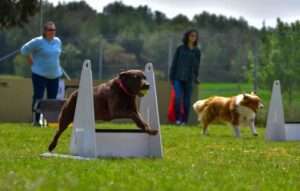
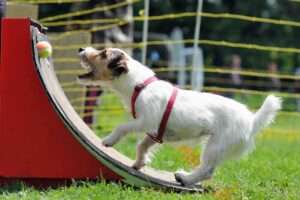
Flyball is a team sport for dogs that combines speed, agility, and teamwork. In this relay race, teams of four dogs take turns racing down a course over hurdles to a spring-loaded box that releases a tennis ball when triggered by the dog’s paw. The dog must catch the ball and race back to the start line, where the next dog eagerly awaits its turn. The first team to have all four dogs complete the course without errors wins. Flyball is inclusive of dogs of all breeds and sizes, fostering a spirit of camaraderie and excitement. It promotes physical fitness, coordination, and enhances the bond between dogs and their handlers through collaborative compe

flyball for dogs
Flyball

How To Start Flyball Training With My Dog

Flyball is an exhilarating and fast-paced team sport for dogs that showcases their speed, agility, and teamwork. In this relay-style competition, teams of four dogs race against each other, navigating a series of hurdles to retrieve a tennis ball from a spring-loaded box and return to the start line. This dog sport demands precise training, effective communication, and seamless transitions between dogs, making it a thrilling spectacle for participants and spectators alike. Flyball training not only provides an excellent outlet for dogs’ physical energy but also strengthens the bond between handlers and their canine companions, fostering a sense of community and camaraderie among enthusiasts. Table of Contents Benefits of Flyball Training Training your dog for Flyball offers numerous benefits: Physical Exercise: Flyball provides an excellent workout, helping your dog stay fit and healthy. Mental Stimulation: The sport challenges your dog’s mind, improving their problem-solving skills. Bonding: Training and competing together strengthens the bond between you and your dog. Socialization: Flyball events offer great opportunities for your dog to interact with other dogs and people. Getting Started with Flyball Training Choosing the Right Equipment Before you start training, you’ll need the right equipment: Hurdles: Adjustable hurdles are ideal for training, as you can set them to the appropriate height for your dog. Flyball Box: This is a special box that releases a tennis ball when your dog hits the trigger. You can either purchase one or make your own. Tennis Balls: Standard tennis balls are used in Flyball. Training Space: A flat, open area is best for training. An enclosed space is ideal to keep your dog focused. Basic Commands and Skills Your dog will need to master several basic commands and skills before starting Flyball training: Recall: Your dog should come when called. This is crucial for Flyball, as your dog needs to return to you after retrieving the ball. Sit and Stay: Your dog should be able to sit and stay on command, which helps with focus and discipline. Fetch: Your dog needs to know how to fetch and return a ball to you. Introducing Your Dog to the Flyball Box The Flyball box is the centerpiece of the sport. Here’s how to introduce your dog to it: Familiarization: Let your dog sniff and explore the Flyball box to get comfortable with it. Box Work: Encourage your dog to place their paws on the box and hit the trigger. You can use treats and positive reinforcement to make this fun. Ball Release: Once your dog is comfortable hitting the trigger, start introducing the tennis ball. Reward your dog each time they successfully trigger the box and retrieve the ball. Teaching the Hurdles Hurdles are an essential part of Flyball. Training your dog to jump over them takes time and patience: Low Jumps: Start with the hurdles set at a low height. Encourage your dog to jump over them using treats and praise. Gradual Increase: Gradually increase the height of the hurdles as your dog becomes more confident. Sequence Training: Once your dog is comfortable with individual hurdles, start training them to jump a series of hurdles in sequence. Combining Hurdles and the Flyball Box Once your dog is comfortable with both the hurdles and the Flyball box, it’s time to combine them: Short Distances: Start with a short distance between the hurdles and the Flyball box. Gradually increase the distance as your dog gets more confident. Full Course: Eventually, train your dog to run the full course, jumping the hurdles, triggering the box, retrieving the ball, and returning over the hurdles. Advanced Flyball Training Techniques Improving Speed and Accuracy As your dog becomes more proficient, focus on improving their speed and accuracy: Timing Drills: Use a stopwatch to time your dog’s runs and set goals for improvement. Footwork Drills: Practice specific drills to improve your dog’s footwork and agility. Consistency: Ensure that your dog consistently triggers the box and retrieves the ball accurately. Team Coordination Flyball is a team sport, so coordinating with other dogs and handlers is crucial: Team Practice: Regularly practice with your Flyball team to build coordination and teamwork. Passing Drills: Practice smooth transitions between dogs to improve relay times. Communication: Develop clear signals and communication methods with your team to ensure smooth runs. Competing in Flyball Tournaments Once your dog is well-trained, you might consider entering Flyball competitions: Local Clubs: Join a local Flyball club to find training partners and get information about upcoming events. Competition Rules: Familiarize yourself with the rules and regulations of Flyball competitions. Travel Preparation: Prepare for travel to competitions, ensuring your dog is comfortable and well-rested. Maintaining Your Dog’s Health and Safety Physical Health Ensure your dog is in top physical condition for Flyball: Regular Vet Checkups: Regular visits to the vet will help you monitor your dog’s health. Proper Nutrition: Feed your dog a balanced diet to maintain their energy levels and overall health. Hydration: Keep your dog well-hydrated, especially during training sessions and competitions. Preventing Injuries Flyball is a high-impact sport, so it’s important to prevent injuries: Warm-Ups: Always warm up your dog before training sessions to prevent muscle strains. Cool-Downs: Cool down your dog after training to prevent stiffness and soreness. Foot Care: Check your dog’s paws regularly for cuts or abrasions. Conclusion In conclusion, training your dog for Flyball can be an incredibly fulfilling journey that not only enhances your dog’s physical fitness and mental sharpness but also strengthens the bond between you and your furry companion. By committing to a structured training regimen and consistently practicing the essential skills, you can help your dog develop the confidence and competence needed to excel in this fast-paced and exciting sport. Patience and positive reinforcement are critical throughout the training process. Celebrate every small victory along the way, as these milestones are significant steps toward your ultimate goal. The journey to becoming a Flyball team is as important as the destination, providing numerous opportunities for growth, learning, and fun. As you prepare your dog for the exhilarating
flyball dogs
Flyball

How Flyball Enhances Your Dog’s Physical and Mental Well-being

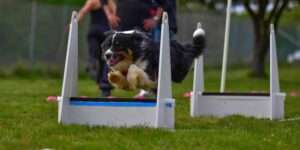
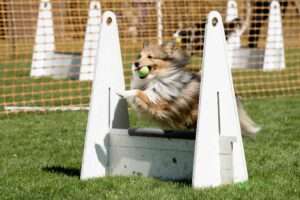
Flyball is an exciting and fast-paced dog sport that not only offers immense fun but also provides numerous physical and mental benefits for flyball dogs. As an engaging relay race, flyball combines agility, speed, and teamwork, making it a fantastic activity for both dogs and their handlers. In this comprehensive guide, we will explore the multifaceted advantages of flyball and how it can significantly enhance your dog’s overall well-being. Table of Contents What Is Flyball Dog flyball is a competitive dog sport that involves teams of four dogs racing against each other. Each dog must jump over a series of hurdles, trigger a flyball box to release a tennis ball, catch the ball, and then race back over the hurdles to the starting line. The next dog in line then takes over, and the team that completes the relay the fastest wins. This sport is a test of speed, agility, and coordination, making it a thrilling spectacle and an excellent workout for dogs. The Structure Of A Flyball Relay Race The structure of a flyball relay race involves teams of four dogs each competing against each other. Each dog must navigate a series of four hurdles, trigger a flyball box to release a tennis ball, catch the ball, and then return over the hurdles to the starting line. As soon as one dog completes this sequence, the next dog in line begins. The team that completes the relay the fastest, without any faults, is declared the winner. This exciting format emphasizes speed, coordination, and teamwork, making flyball a thrilling and dynamic sport for both dogs and their handlers. Physical Benefits of Flyball Enhanced Cardiovascular Health Flyball is an intense cardio workout that helps improve your dog’s cardiovascular health. The rapid sprints and jumps involved in the sport elevate the heart rate, promoting better circulation and heart function. Regular participation in flyball can help maintain a healthy weight and reduce the risk of obesity-related conditions such as diabetes and hypertension. Improved Muscle Tone and Strength The dynamic nature of flyball requires dogs to use a wide range of muscles. From the powerful leg muscles needed for jumping hurdles to the core muscles engaged during quick turns and sprints, flyball provides a comprehensive workout that enhances muscle tone and strength. This leads to better overall fitness and agility. Increased Endurance and Stamina Regular flyball training sessions boost your dog’s endurance and stamina. The repeated sprints and quick recoveries during the relay race help build resilience and improve energy levels. This increased endurance is beneficial for daily activities and can contribute to a longer, healthier life. Enhanced Coordination and Reflexes Flyball requires precise timing and coordination. Dogs must quickly react to the release of the ball and navigate the hurdles with accuracy. This sharpens their reflexes and improves their coordination, making them more adept at handling various physical challenges. Mental Benefits Of Flyball Mental Stimulation and Problem-Solving Flyball for dogs is not just a physical activity; it also engages the dog’s mind. The sequence of actions required – jumping hurdles, triggering the box, and catching the ball – provides significant mental stimulation. This helps keep your dog’s mind sharp and reduces the likelihood of boredom-related behaviors such as chewing or digging. Boosted Confidence and Focus Successfully completing the flyball course requires concentration and focus. As dogs become more proficient in the sport, their confidence grows. This increased confidence can translate to better behavior in other areas of life, as dogs feel more assured and less anxious in new situations. Social Benefits Of Flyball Flyball is a team sport, and its social aspects can benefit both dogs and their owners. It promotes bonding, social skills, and teamwork. Strengthened Bond with Handlers Flyball is a team sport that fosters a strong bond between dogs and their handlers. The trust and cooperation required to navigate the course successfully enhance the relationship, creating a deeper connection based on mutual understanding and teamwork. This improved bond can lead to better training outcomes and a more harmonious relationship. Socialization Opportunities Participating in flyball provides excellent opportunities for socialization. Dogs interact with other dogs and people in a controlled environment, which helps improve their social skills. This is particularly beneficial for dogs that are shy or have had limited exposure to new experiences Teamwork and Cooperation Since flyball is a relay race, dogs learn the importance of teamwork and cooperation. They must wait for their turn and rely on their teammates to succeed. This aspect of flyball can teach valuable lessons in patience and working as part of a team. Getting Started With Flyball Getting started with flyball is an exciting journey that can bring you and your dog closer together while enhancing their physical and mental well-being. To begin, you’ll need some basic equipment like hurdles, a flyball box, and tennis balls, although many local clubs provide these during training sessions. Finding a flyball club or class is a great first step, as these groups offer structured training, valuable guidance from experienced trainers, and the camaraderie of fellow dog enthusiasts. As you embark on this adventure, focus on teaching your dog the fundamentals, such as jumping over hurdles and retrieving a ball, before gradually introducing the more complex elements of the sport. Patience, consistency, and positive reinforcement are key to helping your dog thrive in flyball. Finding a Flyball Club or Class Finding a flyball club or class is an essential step in starting your journey with this thrilling sport. Local flyball clubs offer structured environments where you and your dog can learn the basics and advance your skills. You can begin your search online, looking for clubs in your area or through community pet organizations and social media groups dedicated to dog sports. These clubs often host introductory classes, making it easier for beginners to get started. Additionally, attending local dog events or competitions can provide valuable information and connections to flyball enthusiasts who can guide you to the right resources. Joining a club not only gives

dog flyball
Flyball

The History of Flyball: From Its Origins to Modern-Day Competitions

Welcome to the exhilarating world of flyball, a sport where the enthusiasm of dogs and the camaraderie of their human counterparts combine to create an electrifying spectacle. flyball, with its origins stretching back to the late 20th century, has evolved from a casual backyard activity into a highly competitive, internationally recognized sport. This journey through time reveals not just the growth of flyball but also the deep bond between humans and their canine companions, showcasing their abilities in a dynamic, team-oriented setting. From the initial invention of the flyball box to the establishment of global competitions, this article will delve into how flyball has become a beloved pastime for many, highlighting its key milestones, innovations, and the community spirit that propels it forward. Join us as we explore the history of flyball, from its humble beginnings to its status today as a cherished modern-day competition. Table of Contents Origins of Flyball The conceptual beginning of flyball is a fascinating tale of innovation and passion for dog sports. This journey traces back to the vibrant era of the late 1960s in Southern California, a time ripe for the birth of something truly unique in the canine competition world. It was here, amid the sun-drenched landscapes and burgeoning dog sport communities, that an individual named Herbert Wagner stepped forward with a revolutionary idea. Herbert Wagner, whose vision and ingenuity cannot be overstated, saw beyond the conventional dog sports of his time. He yearned for something more — something that not only challenged dogs but also engaged them in an entirely new way. Wagner’s inspiration led him to construct the very first prototype of what we now recognize as the Flyball box. This rudimentary version was ingeniously designed to propel tennis balls into the air, creating a dynamic task for dogs that was unlike anything seen before. The significance of Wagner’s contribution to the world of dog sports is monumental. By introducing the concept of the flyball box, he laid the foundational stone for what would eventually evolve into the thrilling sport of flyball. This initial invention was more than just a piece of equipment; it was a catalyst that sparked the imagination of countless enthusiasts and paved the way for flyball’s future development. As we delve deeper into the origins and evolution of flyball, it’s important to remember the context of its inception—a period characterized by a growing fascination with canine agility and intelligence. Wagner’s innovation tapped into this burgeoning interest, offering a novel way for dogs and their handlers to engage in competitive play. His pioneering work demonstrated the potential for dogs to not only fetch but to do so in a competitive, timed, and team-oriented environment. This early version of the flyball box, though simple in design, was a testament to the creativity and foresight of Herbert Wagner. It challenged dogs to leap, catch, and return with speed and accuracy, laying the groundwork for the complex and highly competitive sport flyball has become today. As we explore the rich tapestry of flyball’s history, we owe a great deal of gratitude to Wagner’s initial vision. His desire for a new, engaging dog sport has blossomed into an international phenomenon, bringing together communities of passionate individuals and their remarkable dogs in a celebration of speed, teamwork, and shared joy. Official Recognition Of Flyball The turning point in flyball’s history arrived in the 1980s when it evolved from an emerging activity to a formally acknowledged sport. This significant time heralded a new chapter for flyball aficionados worldwide. The creation of the North American Flyball Association (NAFA) was pivotal in this shift, providing the necessary organization, uniformity, and an expanded arena for the sport to thrive globally. The inception of NAFA was more than just a procedural move; it symbolized a shared goal to elevate flyball from its grassroots beginnings to a universally cherished and accessible sport. NAFA introduced uniform rules, establishing a system that promoted equity, reliability, and fairness at every level. This move was vital for the standardization of competitions, ensuring teams of various origins could compete fairly. NAFA’s establishment also marked flyball’s preparedness to make its mark internationally. With its official recognition, the sport started drawing interest far beyond North American shores, appealing to dog lovers and communities around the world. NAFA played a crucial role in this expansion, pushing the sport’s boundaries and fostering a worldwide community eager to partake in flyball’s thrill and fellowship. This period of formal acknowledgment led to a boom in flyball’s popularity. New clubs, teams, and leagues emerged globally, contributing to a diverse and welcoming community. The effect of NAFA’s creation went beyond the technicalities of rules and event planning; it cultivated a sense of unity among enthusiasts. flyball transformed into a recognized sport with a footprint extending across continents. As flyball progressed, the groundwork laid by NAFA in the 1980s continued to illuminate its path. The association’s dedication to promoting the sport, maintaining its standards, and broadening its appeal played a critical role in shaping flyball into the vibrant and cherished activity it is today. The formal acknowledgment of flyball enabled it to realize its full potential, bringing together individuals and their pets in a shared enthusiasm that crosses geographical, cultural, and linguistic barriers. Evolution Of Sport Of Flyball Equipment and Rules Standardization With the rise in flyball’s popularity, there was a significant evolution in the sport’s equipment, particularly with the flyball box, which underwent remarkable improvements. This piece of equipment, central to the game, transformed into an engineering feat, designed to launch balls with unparalleled consistency. This advancement in design not only enhanced the fairness of the competition by ensuring each team faced the same conditions but also injected an additional layer of excitement into the sport. The modern flyball box represents a blend of innovation and precision, embodying the spirit of flyball by providing a reliable and fair challenge for competing teams, thus elevating the overall experience for participants and spectators alike. The standardization of rules in flyball marked a critical

flyball dog
Flyball

What Is Flyball: An Introduction To Flyball

When everything just flows and you can feel the connection with your dog- That is why I am addicted to this sport. Flyball sets itself apart from other dog sports by fostering both competition and camaraderie among enthusiasts. Picture a quartet of eager canines poised at the starting line, awaiting the signal to dash down the course, gracefully leap over hurdles, activate a box to release a tennis ball, and swiftly return to their handlers.  This seamless display of agility and speed captivates audiences, keeping them on the edge of their seats. Yet, Flyball is more than just thrilling entertainment; it exemplifies the special bond between dogs and their human companions, celebrates teamwork and determination, and brings boundless joy to participants of all backgrounds and ages. In this comprehensive guide, we will delve into the fascinating world of Flyball, exploring its origins, dissecting its rules and regulations, and showcasing the numerous benefits it offers for both dogs and their owners. Get ready for an exhilarating journey into the essence of Flyball! Table of Contents History Of Canine Flyball The origins of Flyball can be traced back to the vibrant atmosphere of Southern California in the late 1960s and early 1970s, where a passionate community of dog enthusiasts embarked on a quest to devise an entertaining pastime for their beloved pets. What began as a simple endeavor to provide fun and stimulation for furry companions soon blossomed into a full-fledged phenomenon. As the concept gained traction and popularity, Flyball gradually transformed into a highly competitive sport, complete with organized tournaments that drew participants from far and wide.  Today, Flyball stands as one of the most rapidly expanding dog sports globally, captivating individuals of all ages and breeds with its blend of excitement, skill, and camaraderie. AKC Flyball Rules And Regulations The rules and regulations for Flyball as outlined by the American Kennel Club (AKC) govern various aspects of the sport to ensure fair competition and the safety of all participants. These rules cover elements such as team composition, course layout, equipment specifications, and race procedures. Adherence to these guidelines helps maintain the integrity and standardization of Flyball competitions sanctioned by the AKC. In Flyball, following the established rules and regulations is essential to ensure fairness and safety for both the canine competitors and their handlers. Typically, a team comprises four dogs, each taking their turn to navigate the course, which includes hurdling over obstacles, activating a box to release a tennis ball, and swiftly returning it to their handler.  The course design is meticulously crafted, with evenly spaced hurdles and a strategically positioned Flyball box. Timing plays a critical role, as teams vie to complete the course in the shortest time possible. Infractions, such as dropped balls or missed jumps, may result in penalties, requiring adaptation and consistency. In essence, the rules of Flyball are designed to foster teamwork, sportsmanship, and the overall well-being of all participants. Dog Flyball Team Composition In Flyball, the composition of a team is crucial to the success and dynamics of the sport. Typically, a team consists of four dogs, each bringing their unique skills and abilities to the race. While breeds like Border Collies and Whippets are renowned for their speed and agility, dogs of various breeds and sizes can excel in Flyball with proper training and dedication.  The key is to have a well-balanced team that can work together seamlessly, with each member contributing their strengths to achieve optimal performance. Whether it’s the speed demon racing down the track or the steady retriever bringing back the ball, every member plays a vital role in the team’s success. Additionally, handlers play a significant role in guiding and supporting their canine companions, ensuring they stay focused and motivated throughout the race. In essence, the diversity and teamwork displayed in Flyball teams highlight the inclusive and collaborative nature of the sport. Course Layout The Flyball course is carefully designed to challenge both the canine athletes and their handlers, providing an exciting mix of speed, agility, and accuracy. Comprising four evenly spaced hurdles, the course sets the scene for a thrilling demonstration of athleticism as dogs gracefully leap over each obstacle.  Central to the course is the Flyball box, strategically positioned to activate upon the dog’s paw touch. Upon activation, the box releases tennis balls into the air, prompting the dogs to retrieve them with remarkable speed. As they race back to their handlers with the ball in their mouths, the course becomes a true test of agility and precision, demanding quick decisions and flawless timing.  For handlers, it’s a game of strategy and communication, guiding their furry companions through the course with unwavering support. Together, dogs and handlers navigate the challenges of the Flyball course, highlighting their teamwork, expertise, and boundless passion for the sport. Flyball Scoring System In Flyball, scoring is determined by the combined time it takes for the entire team to navigate the course. Each team member’s individual time is meticulously logged and then tallied together to determine the team’s overall performance.  This aspect of Flyball underscores the importance of teamwork and cooperation, as each member’s contribution directly influences the team’s final standing. However, the challenge extends beyond mere speed.  Penalties may be assessed for various infractions, such as dropped balls or missed jumps, resulting in additional seconds being added to the team’s total time. These penalties introduce a strategic element to the competition, as teams strategize to minimize errors and enhance their performance to achieve the quickest time possible.  Ultimately, Flyball scoring underscores the sport’s focus on proficiency, precision, and collaborative effort. Flyball Equipment Required To participate in the thrilling sport of Flyball, a range of equipment is necessary to guarantee a seamless and enjoyable experience for both participants and their canine companions.  Hurdles Foremost among these are sturdy and adjustable hurdles, indispensable for tailoring the course to accommodate dogs of varying sizes and abilities. These hurdles serve as the primary obstacles, challenging dogs to demonstrate their agility and speed as they