
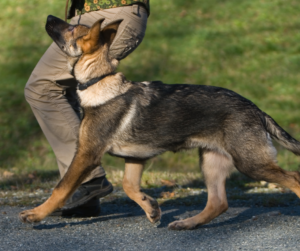
AKC Obedience Titles: A Path to a Well-Trained Dog
Obedience training goes beyond teaching basic commands — it builds a strong, disciplined relationship between you and your dog. For those who love structure, competition, and precision, AKC obedience titles offer an exciting way to measure progress and showcase your dog’s abilities. Whether you’re just starting out or working toward advanced levels of AKC obedience titles, obedience competitions provide challenges that highlight teamwork, accuracy, and control. In this guide, we’ll break down the different AKC obedience titles, what it takes to earn them, and how they can benefit both you and your dog. What Are AKC Obedience Titles? AKC obedience titles are official achievements earned by dogs that demonstrate exceptional training and reliability in structured obedience trials. These titles, awarded by the American Kennel Club (AKC), range from beginner-friendly exercises to advanced off-leash obedience that requires precise communication and flawless execution. Dogs earn obedience titles by competing in AKC obedience trials, where they perform a series of exercises under the evaluation of judges. Each level builds upon the previous one, increasing the difficulty as teams progress through the ranks. Earning an AKC obedience titles is not just about competition — it signifies a well-trained, reliable dog that can follow commands under pressure, making them a joy to live with and a great ambassador for their breed. The Levels of AKC Obedience Titles The AKC obedience titles program consists of multiple levels, each with progressively challenging exercises. Dogs must demonstrate accuracy, consistency, and enthusiasm to qualify for titles. Here’s a breakdown of the main titles in AKC obedience. Beginner Novice (BN) The Beginner Novice title is an entry-level obedience title designed to introduce new teams to competition. Exercises are performed mostly on-leash and focus on fundamental obedience skills. Exercises Include: On-leash heeling and figure-eight Sit-for-exam (dog remains still while a judge touches them) Recall (dog comes when called) Sit-stay while the handler walks away Group sit-stay Dogs that qualify three times under different judges earn the BN title. Novice (CD – Companion Dog Title) The Companion Dog (CD) title is the first major milestone in AKC obedience. At this level, dogs must work both on and off-leash, demonstrating more control and reliability. Exercises Include: Heeling on-leash and figure-eight Stand-for-exam Heel off-leash Recall with finish Group sit-stay and down-stay After three qualifying scores, the CD title is awarded, marking a significant step in a dog’s obedience career. Open (CDX – Companion Dog Excellent Title) The Companion Dog Excellent (CDX) title introduces greater challenges, requiring dogs to work entirely off-leash and execute more complex skills, such as retrieving and jumping. Exercises Include: Heeling off-leash Figure-eight off-leash Drop on recall (dog must drop into a down position when called) Retrieve dumbbell on flat ground Retrieve dumbbell over a jump Broad jump Long sit-stay and down-stay while handler leaves the ring This title is considered a big step up from Novice, requiring a well-trained, confident dog that can perform independently. Utility (UD – Utility Dog Title) The Utility Dog (UD) title is one of the most advanced obedience titles, requiring a high degree of precision, problem-solving, and advanced training. Dogs must respond to silent hand signals and complete complex scent discrimination exercises. Exercises Include: Signal exercises (heel, sit, down, and stand using only hand signals) Scent discrimination (dog must pick out an article with the handler’s scent) Directed retrieve (dog retrieves a specific glove from three options) Directed jumping (dog must take jumps as directed) Moving stand-for-exam A UD title demonstrates an exceptional level of training, marking the dog as an advanced obedience competitor. Obedience Trial Champion (OTCH) The Obedience Trial Champion (OTCH) is the highest honor in AKC obedience. Only the most dedicated and talented teams earn this prestigious title by accumulating points from multiple high-level obedience trials. How to Earn an OTCH Title: Dogs must earn a combination of Open and Utility wins. They must place first or second in qualifying competitions. Handlers and dogs must demonstrate excellence across all obedience exercises. Earning an OTCH title is the obedience world’s equivalent of a championship title in conformation. It represents years of training, commitment, and outstanding teamwork between dog and handler. Why Earn an AKC Obedience Title? Earning AKC obedience titles isn’t just about ribbons and certificates—it comes with real benefits for both dogs and handlers. 1. Strengthens the Dog-Handler Bond Training for obedience competitions builds a strong partnership between you and your dog. Clear communication, trust, and teamwork develop naturally through structured training. 2. Provides Mental and Physical Exercise Obedience training engages a dog’s brain and body, keeping them active, focused, and happy. Many dogs thrive when given a job to do, and obedience work provides the structure they crave. 3. Boosts Confidence in Dogs For shy or anxious dogs, training for obedience trials can increase confidence and stability. The structured nature of obedience gives dogs a clear set of expectations, helping them feel more secure in new environments. 4. Opens the Door to Other Dog Sports Obedience is a foundational skill that supports success in agility, rally obedience, tracking, and therapy dog work. Many top competitors in other dog sports start in obedience to build focus and reliability. 5. A Pathway to Higher Achievements Earning obedience titles can qualify dogs for AKC National Obedience Championships, prestigious invitation-only events that showcase the best teams in the country. How to Get Started with Competitive Obedience Enroll in Obedience Classes Look for local AKC obedience training clubs. Many training centers offer beginner obedience classes geared toward competition. Attend an Obedience Trial as a Spectator Watching an AKC obedience trial can give you an idea of what to expect. Seeing experienced competitors perform can be inspiring and educational. Train with a Structured Plan Start with basic commands and build up to advanced obedience skills. Work with a professional trainer if needed. Register for an AKC Obedience Trial Once your dog is ready, enter a trial in your area. Compete at the Beginner Novice level before moving up. Earning AKC obedience titles is an exciting journey