CPE Agility, or the Canine Performance Events Agility, is a popular form of dog agility that emphasizes teamwork and the bond between dog and handler. This sport has gained traction among dog lovers and competitors alike due to its inclusive nature and varied course designs. As a friendly and accessible sport, CPE Agility offers opportunities for dogs of all breeds and sizes, making it a favorite among dog owners looking for a fun and engaging activity.
Definition of CPE Agility
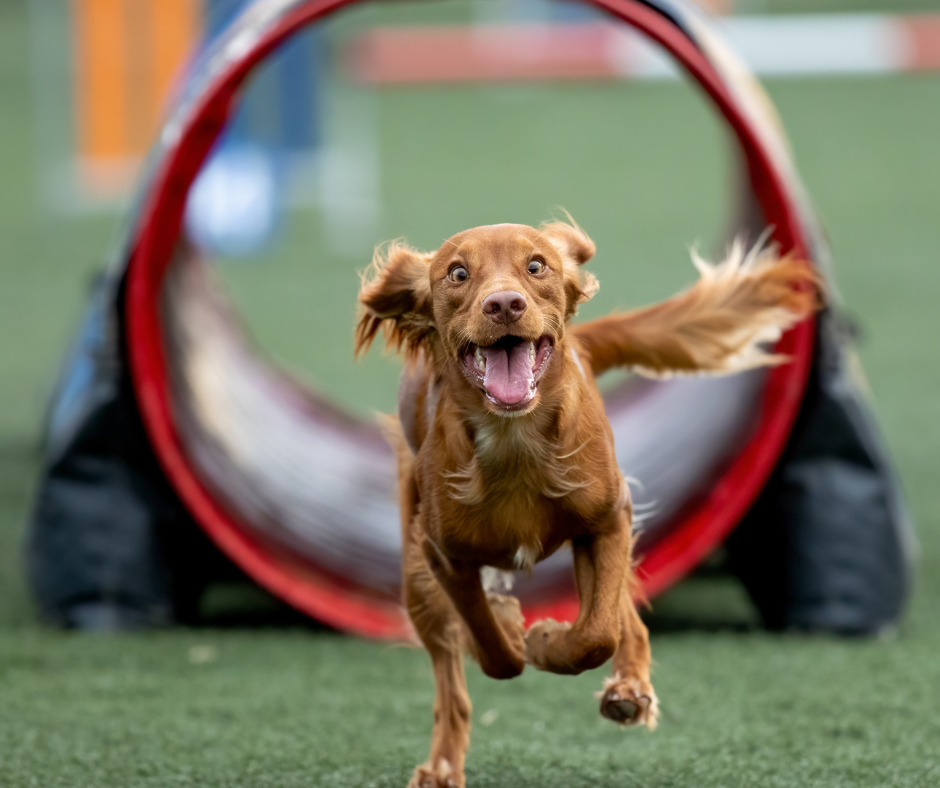
CPE Agility is a competitive sport where dogs navigate a timed course of obstacles, which may include jumps, tunnels, weave poles, and contact equipment. The primary objective is to complete the course correctly and as quickly as possible, with teams being judged on both accuracy and speed. CPE Agility is distinct in its relaxed approach to competition, allowing for a variety of skill levels and encouraging a positive experience for both dogs and handlers.
History and Development of CPE Agility
Established in 1994 by a group of dog enthusiasts, CPE Agility was designed to be an alternative to more rigid agility organizations. The founders sought to create a more welcoming environment for both novice and experienced teams, fostering a spirit of camaraderie among participants. Over the years, CPE has evolved, expanding its reach and incorporating innovative ideas that enhance the sport’s appeal and accessibility.
Key Features of CPE Agility
One of the key features of CPE Agility is its emphasis on a variety of classes and titles. CPE offers multiple levels of competition, from novice to elite, allowing teams to progress at their own pace. Additionally, the organization supports a range of events, including standard agility, jumpers, and wildcard runs, each designed to showcase different skills and challenges. This diversity keeps participants engaged and motivated to continue competing.
Comparing CPE Agility with Other Agility Organizations
Overview of AKC Agility
The American Kennel Club (AKC) is one of the most recognized organizations in the dog agility world. Established in 1884, the AKC sets standards for a variety of dog-related activities, including agility. AKC Agility focuses on traditional course layouts and specific judging criteria, which may include faults for missed contacts or incorrect handling. While the AKC has a reputation for high standards and competitiveness, its structure can be intimidating for novices.
Overview of UKI Agility
United Kingdom Agility International (UKI) is another major player in the agility scene. Founded to promote the sport worldwide, UKI emphasizes both competitive spirit and fun. The organization offers both traditional agility classes and more relaxed formats, encouraging participation among a broad audience. UKI often incorporates elements such as international judges and unique course designs, providing a different flavor compared to both CPE and AKC.
Differences Between CPE Agility, AKC Agility, and UKI Agility
Course Design and Layout
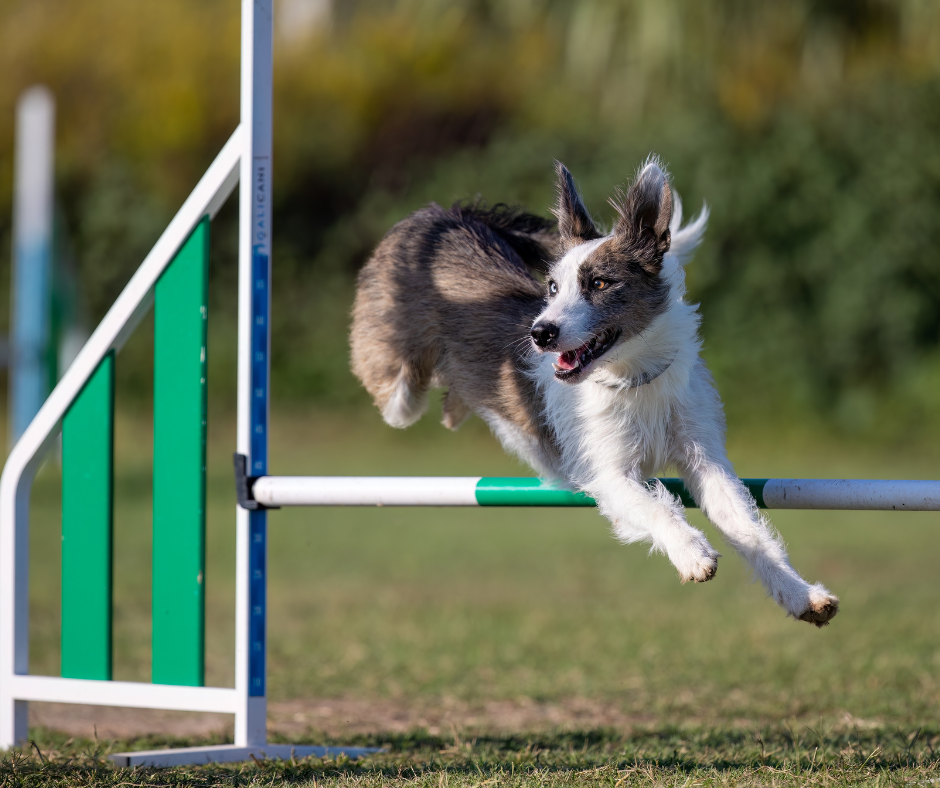
One of the most significant differences between these organizations lies in course design. CPE courses are known for their varied and creative layouts, which often incorporate a mix of obstacles to test a dog’s agility in unique ways. In contrast, AKC courses tend to follow a more standardized format, focusing on specific sequences that must be completed. UKI, while also offering traditional layouts, frequently introduces innovative elements that keep competitors on their toes.
Judging Criteria and Regulations
The judging criteria for each agility organization also differ. CPE judges are encouraged to be lenient, focusing more on the teamwork between dog and handler than on rigid fault assessment. This approach fosters a positive environment for competitors. In contrast, AKC places a strong emphasis on precision and adherence to regulations, with penalties imposed for faults such as knocked bars or missed contacts. UKI strikes a balance between the two, allowing some flexibility while maintaining strict evaluation standards.
Types of Classes and Events
CPE Agility offers a wide range of class types, including Standard, Jumpers, Wildcard, and more, catering to a variety of skill levels. This diversity allows handlers to explore different aspects of agility and find their niche. AKC primarily focuses on Standard and Jumpers classes, which can limit options for those looking to explore other formats. UKI provides a mix of traditional and innovative classes, ensuring there’s something for every agility enthusiast.
Dog and Handler Team Dynamics
In CPE Agility, the bond between dog and handler is paramount, with an emphasis on enjoying the experience together. The relaxed atmosphere encourages handlers to communicate effectively with their dogs, fostering a deeper understanding and partnership. AKC, while still promoting teamwork, can sometimes create a more stressful environment due to high expectations and competitive pressure. UKI seeks to balance this by promoting both competitive integrity and enjoyment, allowing teams to thrive in a supportive setting.
Benefits of Participating in CPE Agility
For Dogs
Participating in CPE Agility offers numerous benefits for dogs. The sport provides mental stimulation and physical exercise, essential for a dog’s overall health and well-being. As dogs navigate various obstacles, they develop coordination, confidence, and focus. The progressive nature of CPE courses also allows dogs to challenge themselves and grow in their abilities, promoting a sense of accomplishment.
Additionally, CPE Agility exposes dogs to diverse environments, helping them become more adaptable and socialized. Engaging in such a sport can reduce behavioral issues stemming from boredom or anxiety, as well-trained dogs tend to be more balanced and content. The interaction with other dogs and handlers further enriches their social skills, contributing to their overall development.
For Handlers
Handlers also reap significant rewards from participating in CPE Agility. The bond developed through training and competition fosters trust and communication between dog and handler, deepening their partnership. This connection leads to improved performances and creates lasting memories together. Moreover, the sport encourages handlers to develop their skills in dog training, problem-solving, and effective communication under pressure, all valuable life skills.
Additionally, CPE Agility creates a sense of community among participants. Handlers often form friendships and support networks, sharing experiences and advice, which enhances the enjoyment of the sport. The inclusive nature of CPE events allows handlers of all skill levels to feel welcome, making it a fulfilling and enriching experience.
Recap of CPE Agility
CPE Agility stands out as a unique and engaging sport that promotes the bond between dogs and their handlers through teamwork and fun. Its inclusive structure welcomes participants of all skill levels, providing a positive environment for growth and development. Compared to other agility organizations like AKC and UKI, CPE offers a more varied experience, focusing on creativity, flexibility, and camaraderie.
Encouragement to Try CPE Agility
For anyone considering engaging in dog agility, CPE Agility represents an excellent opportunity to bond with your furry friend while enjoying the excitement of competition. By participating in CPE events, you not only enhance your dog’s skills but also create memorable moments together. Whether you’re a novice handler or an experienced competitor, the world of CPE Agility awaits you, promising fun, joy, and a rewarding experience.
FAQs
What equipment is used in CPE Agility?
CPE Agility utilizes various obstacles, including jumps, tunnels, weave poles, and contact equipment such as A-frames and seesaws. These elements challenge dogs and showcase their agility skills.
Is CPE Agility suitable for all dog breeds?
Yes, CPE Agility is designed to be inclusive, welcoming dogs of all breeds and sizes. The sport encourages participation regardless of a dog’s background or experience level.
How can I get started in CPE Agility?
To begin, look for local training classes or clubs that offer CPE Agility instruction. Many facilities provide beginner courses that teach the fundamentals of agility and prepare you for competition.
Are there age restrictions for dogs participating in CPE Agility?
Generally, dogs must be at least 18 months old to compete in CPE Agility events. However, younger dogs can train and participate in practice runs to prepare for future competitions.
How do I find CPE Agility events near me?
Visit the official CPE Agility website or check local dog training clubs for event listings. Many clubs host regular agility trials and classes, providing ample opportunities to participate.